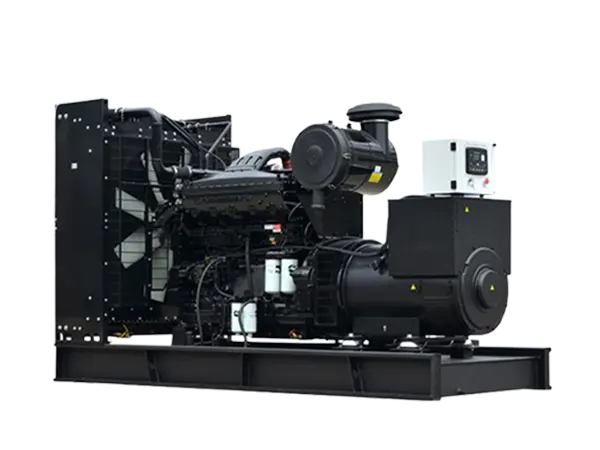
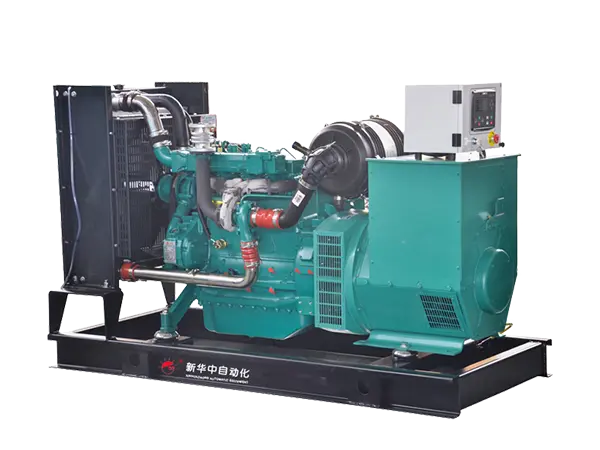
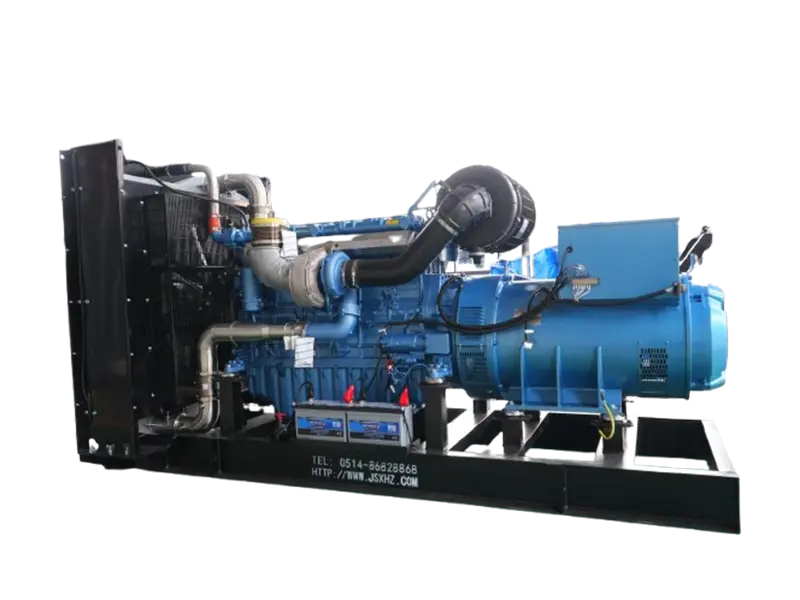
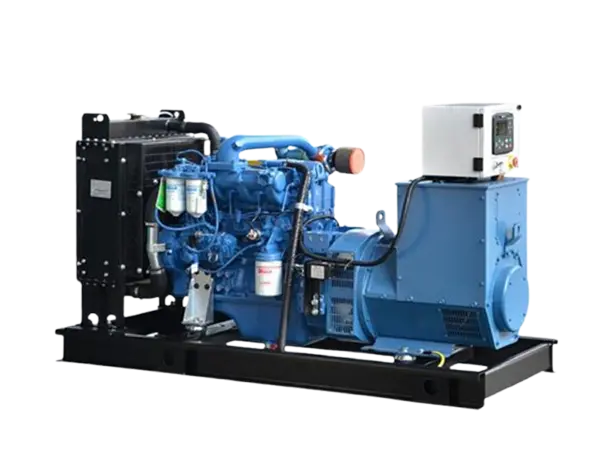
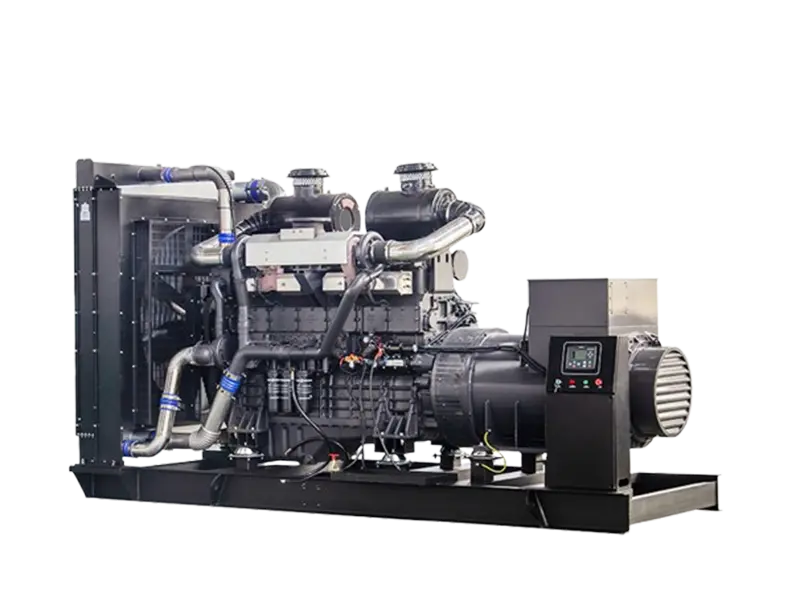
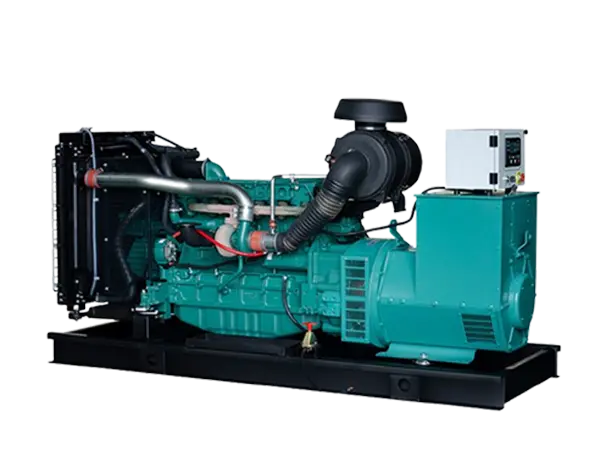
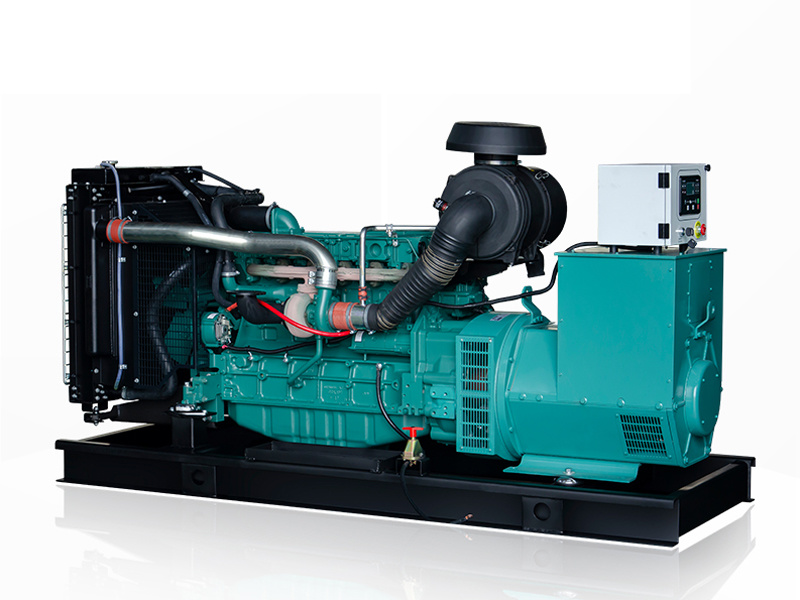
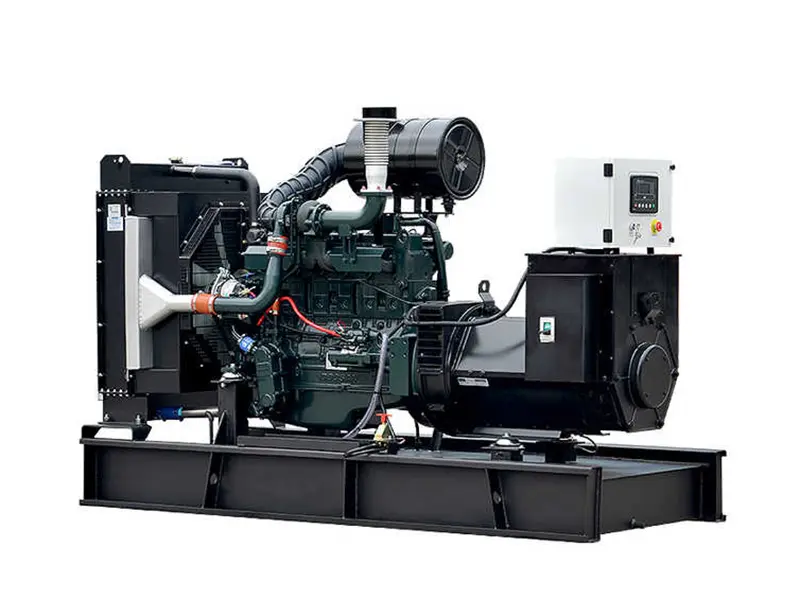
Choosing a Diesel Engine Generator is a practical decision, not just a brand comparison. Buyers need dependable output, manageable fuel use, and support that remains available after delivery. A familiar name can help, but it cannot replace a careful review of the specific model.
This guide introduces ten generator brands considered by global buyers. It looks at product range, engine and alternator options, service networks, and the clarity of technical documentation. Details matter. A unit rated for standby use may not suit continuous operation, while voltage, frequency, and load requirements can differ between sites. Even a well-built machine may perform poorly if it is incorrectly sized or installed.
Compare more than headline power. Ask for the prime and standby ratings, expected fuel consumption at typical loads, noise data, and maintenance intervals. Check whether filters, belts, and other routine parts are accessible in your region. For projects at high altitude or in hot, dusty conditions, confirm that the manufacturer can explain any needed derating or cooling provisions.
Brand rankings are useful starting points, not final verdicts. Product quality and support can vary by model, distributor, and market. Some details are difficult to compare fairly, and that deserves a second look. The best choice is the one whose specifications match the real duty cycle and whose service commitments can be verified.
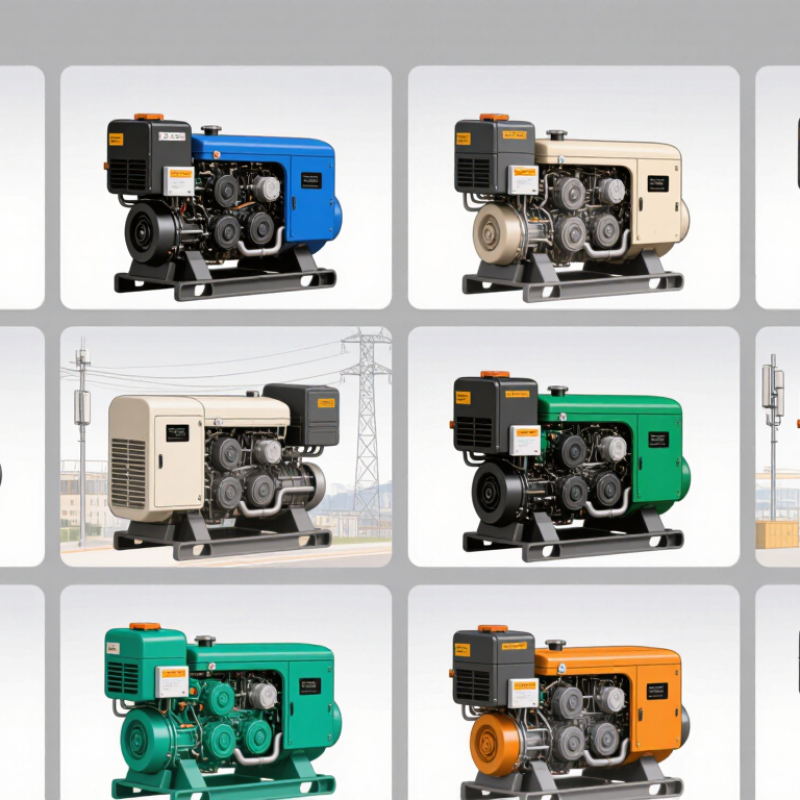
A diesel engine generator converts fuel energy into electricity. A diesel engine turns an alternator, which produces electrical power for equipment or buildings. These units are often selected for dependable backup or continuous operation, but the right model depends on the load and operating conditions.
Start comparisons with rated output. Check whether figures describe standby or prime power, then match them to the equipment’s starting demands. Fuel consumption at different load levels is more useful than a single headline figure. Small details matter. Compare cooling systems, control-panel functions, enclosure noise, and expected maintenance intervals. Ask whether replacement parts and trained service support are available where the generator will operate.
A fair brand comparison also looks at documented testing, warranty terms, and emissions specifications for the intended market. Request clear records rather than relying on broad claims. If possible, review performance data under a load similar to your own. No specification tells the whole story. I would also question unusually low fuel-use estimates; real results vary with load, temperature, altitude, and maintenance.
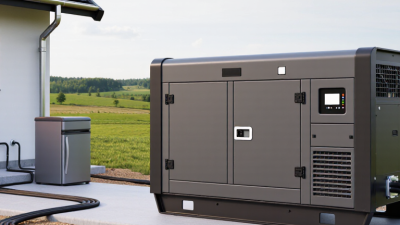
Global buyers should judge a diesel generator by site performance, not headline output. The IEA’s Electricity 2024 report projects global electricity demand will grow by an average 3.4% annually through 2026. That makes dependable backup planning more important, but demand growth alone cannot determine the right set. Buyers need to map critical loads, motor-starting surges, operating hours, and whether the unit will provide standby or prime power. A nameplate rating can look generous while failing to cover a real startup sequence.
Details matter. Compare fuel use at realistic load levels, not just full load. Check altitude and ambient-temperature derating, cooling needs, noise limits, and emissions requirements for the installation site. ISO 8528 classifications help buyers compare performance expectations, but specifications still need independent verification. Ask for load-bank test records and confirm that local technicians can access common spare parts. Response times matter.
A tender should also state the required transfer time, runtime, and maintenance plan. These details help prevent mismatched bids. The lowest purchase price may conceal higher fuel and service costs over years of operation. Review total cost across the expected duty cycle, and ask suppliers to show their assumptions. I would still treat forecasts cautiously: actual fuel quality, weather, and maintenance discipline can shift results. A spreadsheet cannot fully predict site conditions.
Brand-neutral buyer evaluation guide. Suggested weights are a practical comparison framework, not an industry standard; adjust them to suit the project, location, and operating profile.
| Buyer Criterion | Suggested Weight | Why It Matters | What to Compare or Verify |
|---|---|---|---|
| 1. Application and power rating | 15% | A set must match the intended duty, whether it is standby, prime, or continuous operation. Rating definitions and permitted operating hours can differ. | Check the declared rating and applicable ISO 8528 documentation. Match it to the load profile, starting loads, operating hours, and local utility requirements. |
| 2. Load acceptance and reliability | 14% | Performance under changing loads affects continuity of supply and the suitability of the set for sensitive or critical applications. | Request relevant transient-response data and test records. Confirm performance against the project's load-step, voltage, and frequency requirements. |
| 3. Fuel consumption and fuel compatibility | 12% | Fuel use is a major operating cost and affects tank sizing, runtime, delivery planning, and emissions. | Compare fuel-consumption figures at stated loads and test conditions. Verify permitted fuel types and any applicable fuel-quality requirements for the engine. |
| 4. Emissions and local compliance | 10% | Emissions rules depend on the country, application, engine category, and whether the equipment is mobile or stationary. | Confirm the exact engine configuration and official compliance documents meet the destination jurisdiction's current requirements. |
| 5. Service network and technical support | 12% | Local access to qualified technicians can reduce downtime and simplify commissioning, maintenance, and troubleshooting. | Identify service locations, technician coverage, response arrangements, commissioning options, and support availability in the operating region. |
| 6. Spare-parts availability | 9% | Parts lead times and regional stock affect maintenance planning and the time required to return equipment to service. | Check local inventory, typical delivery times, parts identification support, and availability of recommended service items. |
| 7. Controls, protection, and integration | 7% | Control and protection functions must suit the electrical system and any transfer, monitoring, or parallel-operation requirements. | Review controller functions, alarms, protection settings, communications interfaces, and documented compatibility with the site system. |
| 8. Noise and installation requirements | 6% | Sound limits, ventilation, exhaust routing, access, and weather protection can affect permitting and installation costs. | Compare sound data with its measurement conditions. Review site noise limits, enclosure specifications, airflow needs, and installation drawings. |
| 9. Warranty and documented terms | 8% | Coverage can vary by operating hours, application, commissioning, location, and maintenance compliance. | Read the written warranty for duration, operating-hour limits, exclusions, claim process, and regional service arrangements. |
| 10. Total cost of ownership | 7% | Purchase price alone does not reflect fuel, scheduled servicing, installation, logistics, downtime, or end-of-life costs. | Compare lifecycle costs using the same operating hours, load assumptions, fuel prices, maintenance scope, and evaluation period. |
| Total suggested weighting | 100% | Use the same project assumptions and verification standards when comparing shortlisted generator packages. | |
A useful comparison of ten leading diesel generator makers focuses on distinct strengths, not a single winner. Some excel at sustained heavy loads; others prioritize compact standby units, fuel economy, or easy-to-use controls. Service coverage and parts availability can matter more than headline power ratings. That is easy to miss.
The World Bank-led Tracking SDG 7: The Energy Progress Report 2024 estimates that 685 million people lacked electricity in 2022. For buyers serving remote sites, this makes dependable starting, simple maintenance, and accessible spare parts practical priorities. Look for documented load-test results, rated output, and fuel consumption at realistic loads. A polished brochure is not a field test.
Other distinctive strengths include cold-weather starting, corrosion protection, low-noise enclosures, emissions performance, and compatibility with automatic transfer systems. Evaluate all ten profiles against the same duty cycle and ambient conditions. Uptime Institute’s 2024 outage analysis identifies power problems as a leading cause of impactful data-center outages, reinforcing the value of tested backup systems. Still, published figures may use different test conditions. I would question any ranking that ignores local technician access or treats laboratory efficiency as guaranteed site performance.
Diesel generator manufacturers serve different industries by matching output, controls, and support to real operating conditions. A hospital may need stable voltage, automatic transfer, and regular testing to protect critical equipment. Construction sites often prioritize rugged frames, easy transport, and dependable starting in dusty conditions. Data centers may require carefully coordinated backup units and clear monitoring. Load matters.
For farms and manufacturing plants, the right configuration depends on motor-starting demand, daily runtime, and the cost of an outage. A pump can draw much more power as it starts than while it runs. Buyers should share actual load data with qualified suppliers rather than choose a set by its headline rating alone. Fuel use, noise limits, access for maintenance, and ambient temperature also affect performance.
Service capability can be as important as the machine itself. Ask how quickly routine parts can be supplied, what commissioning includes, and whether technicians understand the intended application. I would not treat a catalog rating as a site guarantee. Even a well-selected generator can disappoint if ventilation, exhaust routing, or load planning is overlooked. Details matter. A useful comparison should reflect the site’s operating profile, not just purchase price or advertised power.
Before comparing diesel generator options, confirm the electrical standard at the installation site. Voltage, frequency, phase, and permitted voltage fluctuation must suit the connected equipment. A set configured for 60 Hz may be unsuitable for a 50 Hz facility.
Check the nameplate and request a written configuration sheet, not just a sales assurance. Small details matter.
Next, consider the actual operating environment. High altitude can reduce engine output, while heat and dust affect cooling and filtration. Ask for the rated output at your site conditions, not only the headline rating.
Check fuel availability, tank capacity, runtime, and safe storage arrangements. Test under load.
A brief test in a cool warehouse may reveal little about performance in a hot, remote location.
For international use, verify that the documentation matches the destination’s technical and emissions requirements. Confirm what inspection records, manuals, wiring diagrams, and shipping protections are included.
Ask where routine service and common spare parts will come from, and how long delivery may take. Paperwork matters, too.
I would not assume a nearby service provider can support every engine configuration; get that commitment in writing before ordering.