Leave Your Message

China Best Diesel Generator Picture for Global Buyers?

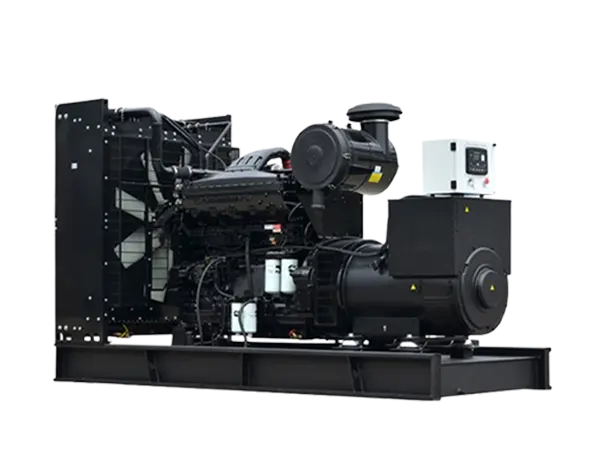
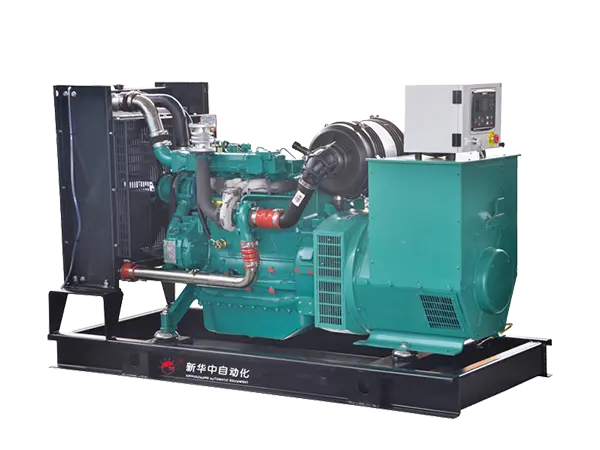
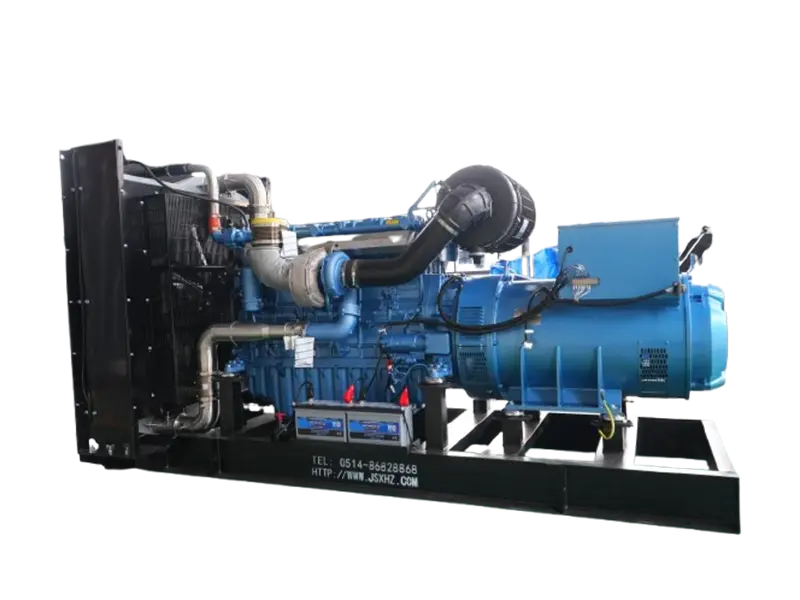
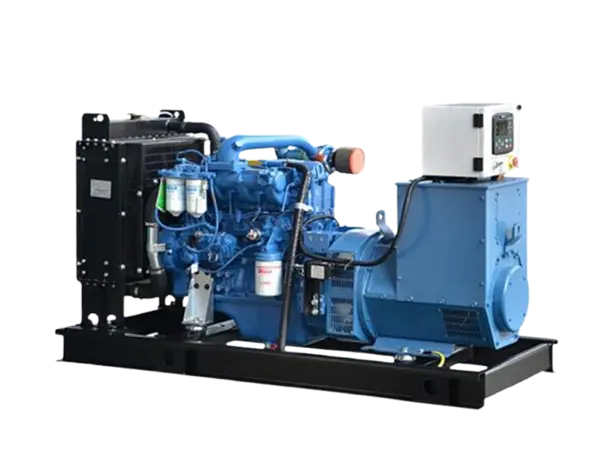
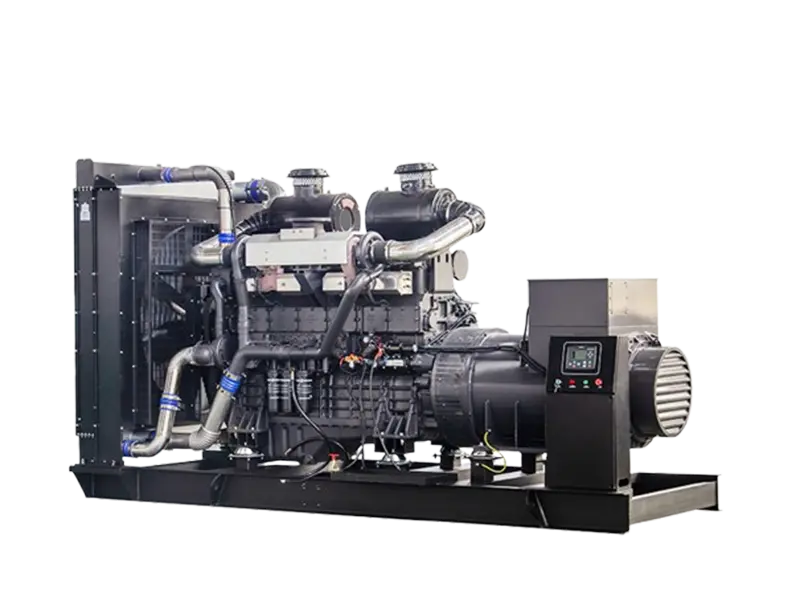
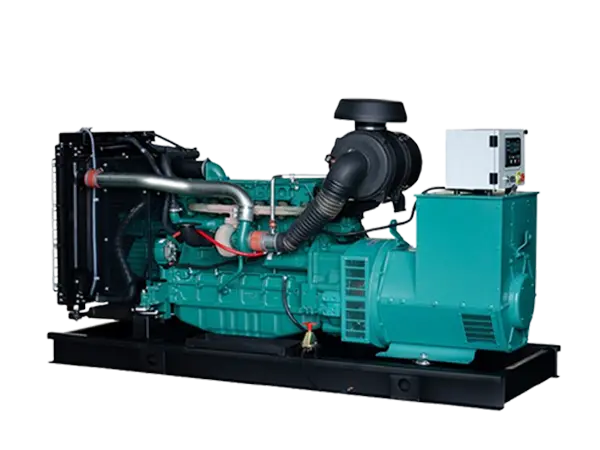
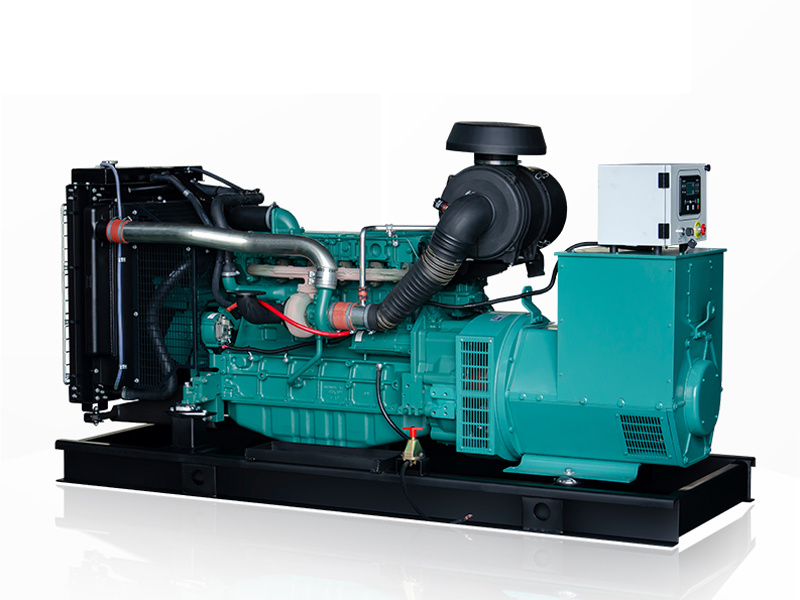
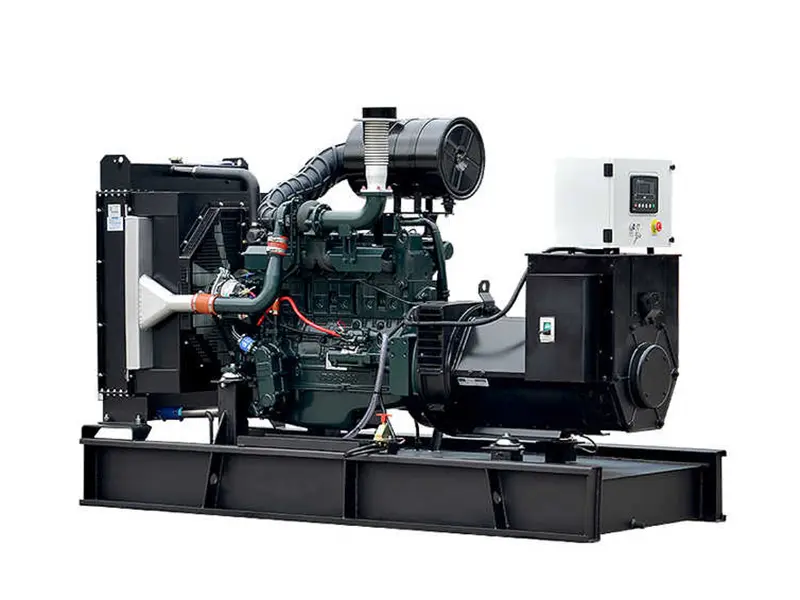
Choosing the best diesel generator for global use requires more than an attractive Diesel Generator Picture. Buyers need evidence of performance, compliance, serviceability, and operating cost. A clean image may show a polished enclosure, but it cannot confirm alternator quality or fuel consumption. That distinction matters.

The International Energy Agency’s Electricity 2024 report projects global electricity demand to grow by about 3.4% annually from 2024 through 2026. Unstable grids and expanding industrial loads continue supporting demand for reliable standby power. Commercial market studies, including Grand View Research’s diesel generator analysis, also identify construction, healthcare, manufacturing, and data infrastructure as important application sectors. These figures indicate opportunity, not automatic product suitability.

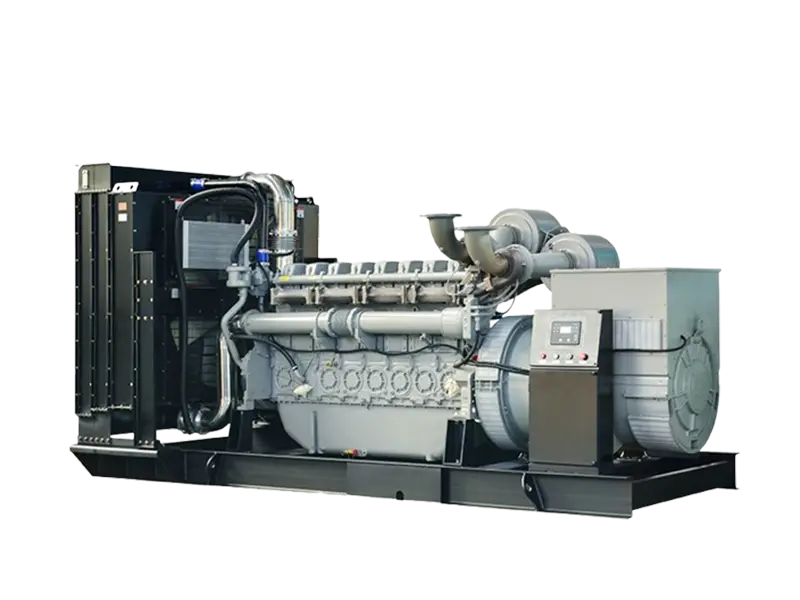
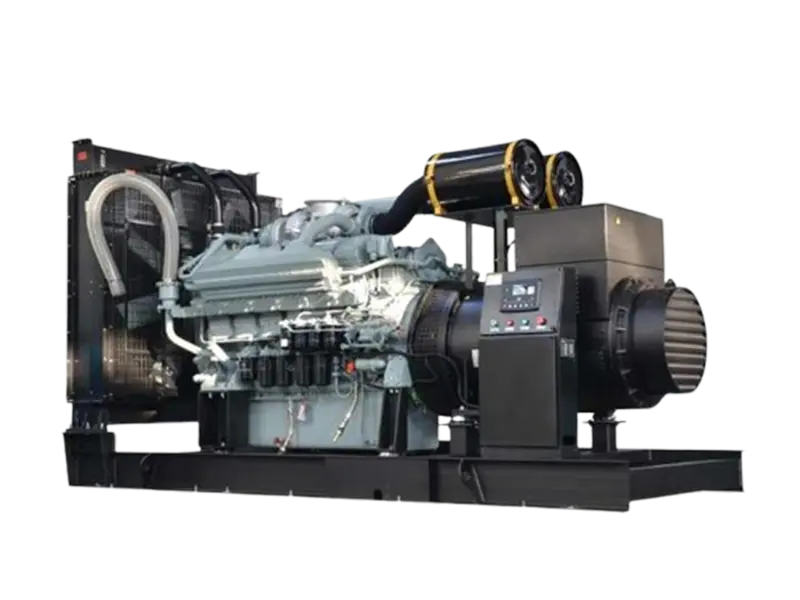
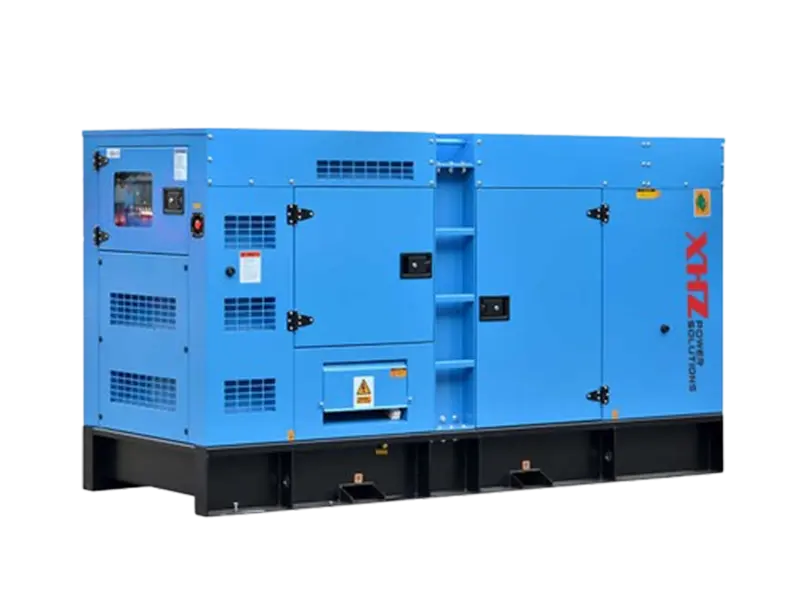
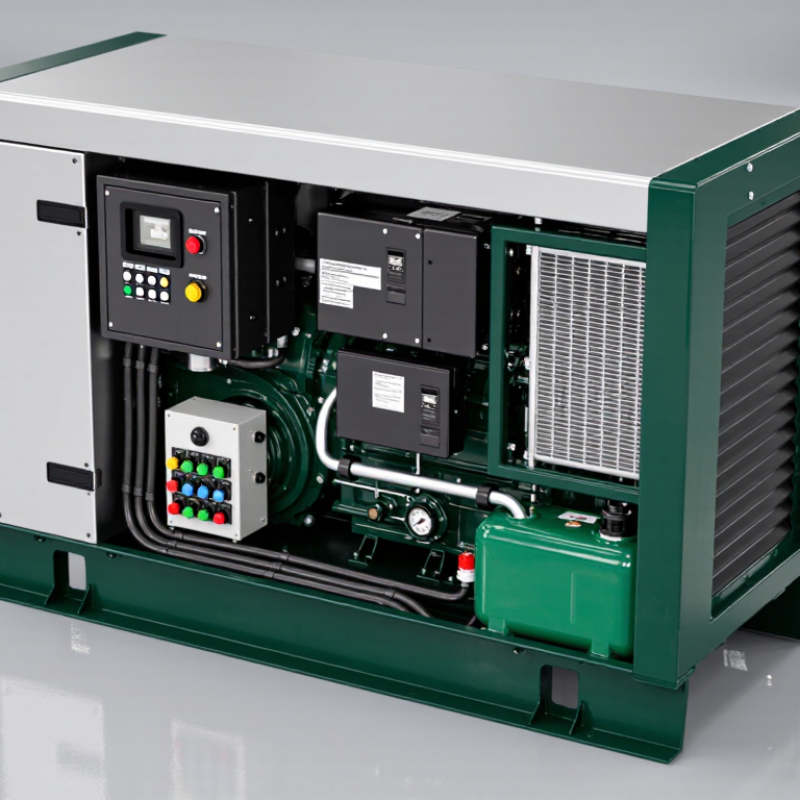
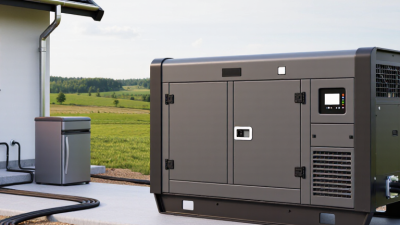
A useful Diesel Generator Picture should reveal the control panel, radiator, engine plate, circuit breaker, fuel tank, and sound-attenuated enclosure. Buyers should compare prime power, standby power, voltage, frequency, fuel consumption, and ambient-temperature ratings. ISO 8528 provides a recognized framework for generator-set performance and classifications. Regional emissions requirements still vary. Verification remains essential.

Ask for factory test records.

Request serial-number photographs.

Check warranty coverage and spare-parts access before ordering. A picture cannot prove all these details. Even a technically correct listing may omit noise measurements, cold-start performance, or service intervals. That weakness deserves attention. The strongest Chinese supplier is not simply the one offering the lowest price or most impressive image. It is the supplier that provides traceable specifications, documented testing, responsive technical support, and practical delivery experience across different markets.
China Best Diesel Generator Picture for Global Buyers?

What Defines the Best Diesel Generator from China?

What defines the best diesel generator from China? It is not a glossy picture or the lowest quoted price. In field inspections, reliable units show consistent welds, protected wiring, and clear component labeling. A serious manufacturer provides load-test records, fuel-consumption data, and traceable production documents. These details help global buyers compare evidence, not promises. The generator should start smoothly after storage, maintain stable voltage, and handle changing loads without dramatic frequency swings.

Tips: Request an independent inspection before shipment. Check alternator insulation, control-panel readings, radiator airflow, battery charging, and emergency shutdown. Confirm spare-part availability and technical response times in writing. Review noise measurements from a defined distance, not vague claims. Verify testing documents required for your destination. A supplier that explains limitations earns more trust than one promising everything.

Real conditions are rarely perfect. Dust, heat, humidity, and poor installation can expose weaknesses quickly. Buyers should also inspect their own assumptions. A larger engine is not always better. Oversizing may increase wet stacking and operating costs.

I have seen strong specifications fail when cables were undersized or ventilation was ignored. Installation quality matters as much as the machine. Choose accessible service points, robust protection, and a documented maintenance schedule. Reliable power comes from the generator, the factory process, and the people operating it.
Key Specifications for Global Buyer Comparison

China Best Diesel Generator Picture for Global Buyers?

A clear picture helps, but specifications decide whether a generator fits your site. The International Energy Agency’s Electricity 2024 report expects global electricity demand to rise by about 4% annually through 2026. This growth increases the need for dependable backup power in factories, hospitals, and remote projects. Buyers should compare rated power in kVA and kW, not kVA alone. Check whether the rating is standby, prime, or continuous under ISO 8528-1.

Load behavior matters more than a polished image. Request fuel consumption at 25%, 50%, 75%, and 100% load. The U.S. Energy Information Administration reports that diesel contains about 137,381 Btu per gallon. Actual efficiency still changes with altitude, temperature, maintenance, and load. Small details matter. Confirm 50 or 60 Hz, output voltage, phase, power factor, and voltage regulation. A 400 V, three-phase unit may not suit a 480 V site without additional equipment.

Noise and installation conditions deserve equal attention. Ask for sound pressure data in dB(A), measured distance, enclosure protection, cooling limits, and altitude derating. Confirm fuel-tank autonomy, battery capacity, automatic transfer compatibility, and service access. I would not trust a comparison based only on maximum output. It looks convenient, but it can mislead. One overlooked issue remains common: buyers compare new ratings with field performance, which is rarely identical.

Leading Chinese Diesel Generator Types and Applications

China Best Diesel Generator Picture for Global Buyers?

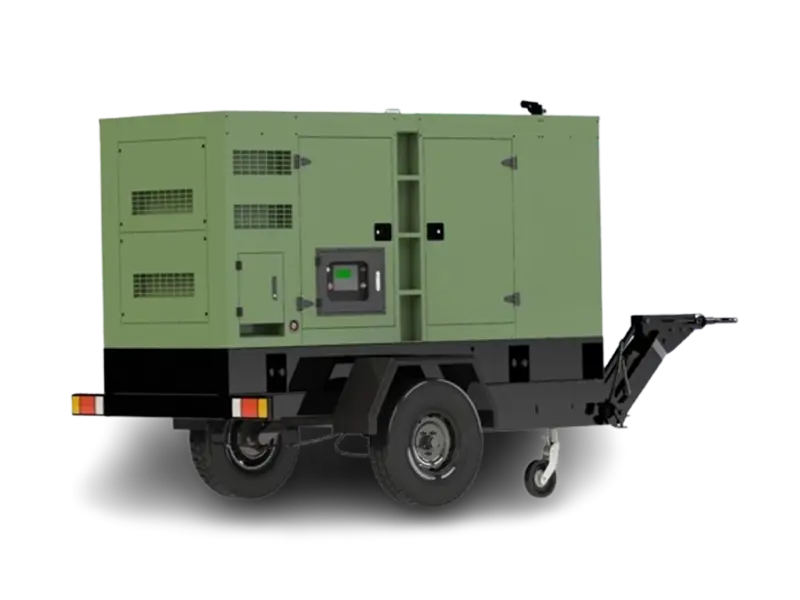
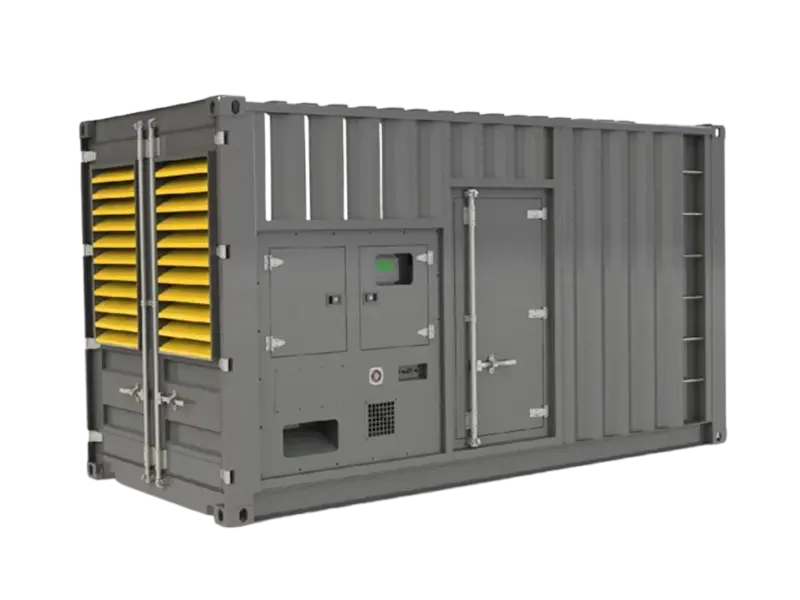
A useful picture should show more than a polished enclosure. Pictures can mislead. Buyers should identify the generator type, rated output, fuel system, cooling method, and control panel. Chinese diesel generator production commonly includes open-frame, silent, trailer-mounted, and containerized sets. Open-frame units suit factories and construction sites with dedicated plant rooms. Silent sets fit hospitals, offices, hotels, and residential projects where noise matters. Trailer-mounted units support roadwork, emergency repairs, and temporary events. Containerized systems provide weather protection for mines, ports, and remote infrastructure.

Applications determine the correct duty rating. Standby generators operate during grid failures, while prime-power sets run for extended periods. ISO 8528 guidance helps compare performance ratings and operating conditions. The International Energy Agency’s Electricity 2024 report estimates global data-centre electricity use could exceed 1,000 TWh by 2026. That growth increases demand for dependable backup systems, especially in regions with unstable grids. Fuel storage, automatic transfer, ventilation, and load testing deserve equal attention.

Field inspections often find attractive units with weak cable protection or unclear derating data. That is a practical warning. A generator rated at sea level may deliver less power at high altitude or in extreme heat. Buyers should request factory test records, emissions documentation, noise measurements, and maintenance intervals. The World Bank’s 2023 Energy Progress Report also highlights continuing electricity-access gaps, supporting demand for decentralized power in developing markets. Still, one design cannot serve every project. Site conditions must lead the specification.

Quality, Certification, and Export Standards

China Best Diesel Generator Picture for Global Buyers?

A clear generator picture attracts attention, but it cannot prove quality. In practical sourcing, I check the nameplate, control panel, wiring, fuel tank, and cooling system. Sharp images should show serial numbers, safety labels, and component placement. A clean photograph proves little. Ask for recent factory images, inspection records, and a running video under load.

Quality depends on measurable performance. Request a factory acceptance test covering voltage stability, frequency control, insulation resistance, fuel consumption, noise, and emergency shutdown. ISO 9001 supports quality management, while ISO 8528 relates to generating-set performance. Required certificates still depend on the destination market. CE, emissions documents, and electrical reports may apply, but they should match the exact model. I have seen attractive documents with missing model numbers. That mistake deserves a second check.

Tips: Compare certificates with the nameplate and packing list. Confirm rated power, standby power, frequency, voltage, and phase configuration. Ask whether export packaging protects the radiator, battery, and control cabinet from moisture. Check wooden-case treatment documents when required. Keep photos from loading and final inspection. No checklist is perfect. A small inconsistency may reveal a larger documentation problem.

China Diesel Generator Export Readiness: Quality, Certification, and Standards

The chart maps commonly relevant compliance references for generator sets exported to major markets. A value of 1 means the reference is commonly applicable; 0 means it is not generally required for that market.

ISO 8528 covers generating-set performance and testing. ISO 9001 relates to quality-management systems. CE requirements apply to products placed on the European Economic Area market, while UKCA is the corresponding United Kingdom conformity route where applicable. EPA requirements apply to relevant non-road diesel engines in the United States. EU Stage V applies to covered non-road mobile machinery engines placed on the EU market. Final obligations depend on engine power, application, installation, emissions category, and destination country.

How Global Buyers Can Select a Suitable Supplier

China Best Diesel Generator Picture for Global Buyers?

A diesel generator picture may attract global buyers, but appearance proves very little. A clean enclosure can hide weak wiring, poor cooling, or an unsuitable alternator. In practical sourcing, I treat every image as a starting clue, not evidence. The supplier should provide a complete datasheet, including prime power, standby power, fuel use, voltage, frequency, and noise level. Ask for recent load-test records and confirm compliance with local electrical and emissions requirements.

A suitable supplier explains technical limits clearly. They should confirm engine configuration, controller functions, enclosure protection, and maintenance intervals. Check whether the proposed unit matches your climate, altitude, fuel quality, and installation space. A supplier with documented quality procedures is easier to trust. Still, paperwork can be incomplete. Request serial-number photos, inspection videos, and references from comparable projects. Independent inspection before shipment adds useful protection, especially for large orders.

Tips: Compare at least three written quotations. Do not compare only price. Check response time, spare-parts access, warranty terms, and technician training. Ask difficult questions. For example, ask what happens when output drops under heavy heat. A reliable supplier will answer with measurements, not vague promises. I would also challenge my own assumptions: the cheapest generator may cost more through downtime, fuel waste, and delayed service. Even experienced buyers can miss small details.

China Best Diesel Generator Picture for Global Buyers? - How Global Buyers Can Select a Suitable Supplier

The following table provides a practical, brand-neutral reference framework for comparing diesel generator suppliers. Technical values are typical market ranges and should be confirmed against the supplier’s official datasheet, test report, and delivery configuration.

Evaluation Dimension Recommended Reference Why It Matters to Global Buyers Supplier Evidence to Request
Application and Load Profile Standby, prime, or continuous operation; calculate starting and running loads separately. Correct sizing prevents overload, unstable voltage, excessive fuel use, and shortened service life. Load schedule, motor-starting calculation, recommended operating load, and sizing method.
Rated Power Specify kW and kVA separately. At a power factor of 0.8, 1,000 kVA corresponds to approximately 800 kW. kVA indicates apparent power, while kW indicates usable active power; confusing them can lead to undersizing. Datasheet showing standby and prime ratings, power factor, frequency, and rated voltage.
Voltage and Frequency Common configurations include 400/230 V at 50 Hz and 480/277 V at 60 Hz, but local grid requirements must be confirmed. Incorrect voltage, phase, or frequency may damage equipment or prevent grid-compatible operation. Electrical configuration sheet, wiring diagram, alternator data, and factory test results.
Engine Speed Typically 1,500 rpm for 50 Hz or 1,800 rpm for 60 Hz with a four-pole alternator. Lower-speed configurations generally support reduced noise and mechanical stress, subject to the selected design. Engine model, rated speed, alternator pole count, and frequency-stability data.
Fuel Consumption Many diesel generator sets consume approximately 200–240 g/kWh at high load; actual results vary by engine, load, and ambient conditions. Fuel cost is a major part of total ownership cost, especially for prime-power and remote applications. Fuel-consumption curve at 25%, 50%, 75%, and 100% load, with the test conditions stated.
Voltage Regulation Automatic voltage regulation is preferred; many industrial systems target approximately ±1% steady-state regulation. Stable voltage protects sensitive equipment and improves compatibility with electronic loads. AVR specification, transient response data, and test results under step-load conditions.
Frequency Regulation Electronic governing systems commonly target approximately ±0.25% to ±0.5% steady-state frequency regulation, depending on configuration. Good frequency control is important for motors, UPS systems, data equipment, and synchronized operation. Governor type, frequency-response curve, and load-step test report.
Noise Level Sound-attenuated enclosures may achieve approximately 65–85 dB(A) at 7 m, depending on output, enclosure design, and test method. Noise requirements differ by country, site type, residential distance, and local environmental rules. Sound-pressure test report specifying distance, load, environment, and measurement standard.
Fuel Tank and Runtime Runtime should be calculated from usable tank volume and fuel consumption at the expected load; 8–12 hours is a common planning range. Adequate runtime reduces refueling frequency and supports emergency continuity. Tank capacity, usable volume, low-fuel alarm setting, runtime calculation, and leakage-control design.
Cooling and Ambient Conditions Confirm rated performance at the project’s maximum ambient temperature, altitude, humidity, and ventilation conditions. High temperature and altitude reduce available engine power and can increase cooling requirements. Derating charts, radiator capacity, maximum ambient rating, and altitude-correction data.
Emissions Compliance Select the emissions configuration required by the destination country and application; requirements vary by jurisdiction and engine power. Non-compliant equipment may be refused at import, restricted during operation, or subject to penalties. Applicable emissions certificate, engine emissions family information, and destination-country compliance documents.
Protection and Control System At minimum, consider overspeed, low oil pressure, high coolant temperature, over/under-voltage, over/under-frequency, overload, and emergency stop protection. Comprehensive protection improves safety and reduces damage during abnormal operation. Controller feature list, alarm and shutdown logic, event log capability, and wiring diagram.
Automatic Transfer and Synchronization For emergency systems, verify automatic mains failure control, transfer-switch compatibility, and synchronization capability when parallel operation is required. These functions determine how quickly and safely the generator assumes the load. Sequence-of-operation document, transfer-switch specifications, synchronization diagram, and commissioning procedure.
Quality and Testing Prefer suppliers with documented production controls and testing aligned with applicable ISO 8528 requirements. Independent and traceable testing reduces the risk of receiving equipment that differs from the quotation. Routine test report, load-bank test record, inspection checklist, serial-number traceability, and quality-management documentation.
Spare Parts and Service Confirm availability of filters, belts, sensors, controllers, injectors, and other scheduled-maintenance parts for the expected service period. Local or regional support can significantly reduce downtime and maintenance delays. Parts list, maintenance schedule, service network, technical-support process, and response-time commitment.
Warranty and Documentation Review warranty duration, operating-hour limits, exclusions, commissioning requirements, and document language before purchase. Clear warranty terms help control risk when equipment is shipped across borders. Warranty statement, operation and maintenance manual, installation guide, parts catalogue, and commissioning checklist.
International Shipping and Installation Check shipping dimensions, gross weight, lifting points, container suitability, packing method, and site-access requirements. Accurate logistics information prevents customs, handling, and installation problems. Packing list, commercial invoice data, dimensions, weight, lifting drawings, installation foundation data, and Incoterms.

Buyer note: Always compare generators under the same rating basis, voltage, frequency, ambient conditions, load percentage, and test method. Final selection should be based on the project load calculation and the destination market’s technical, safety, emissions, and import requirements.