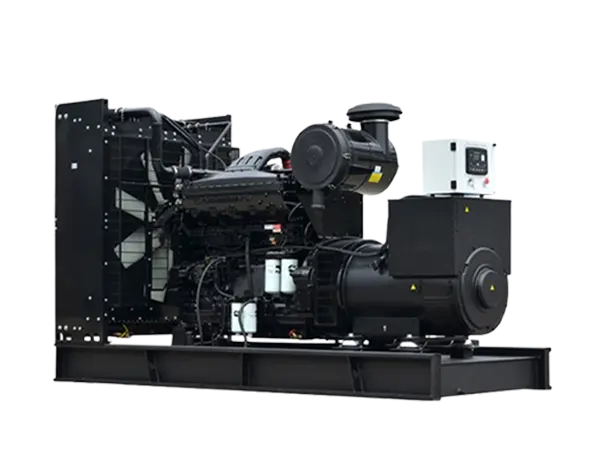
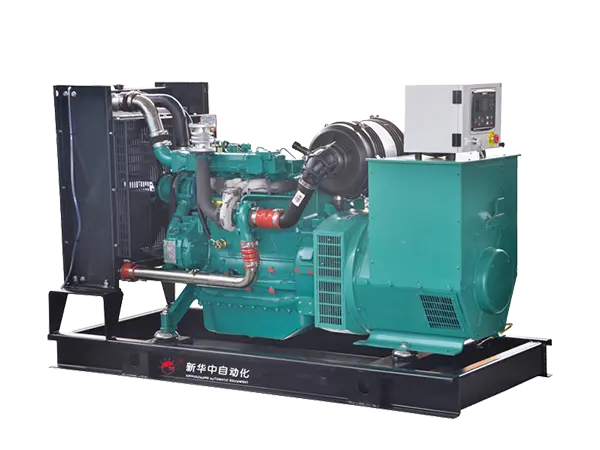
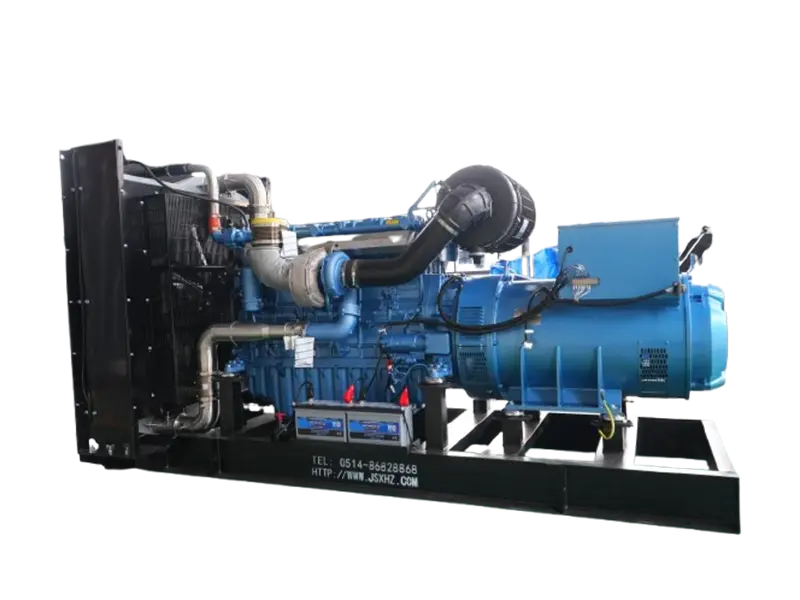
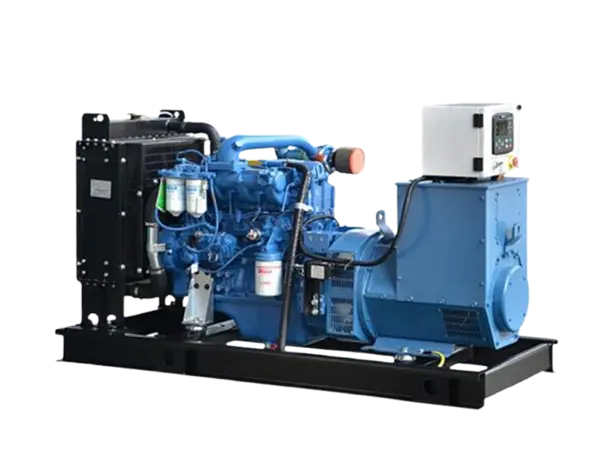
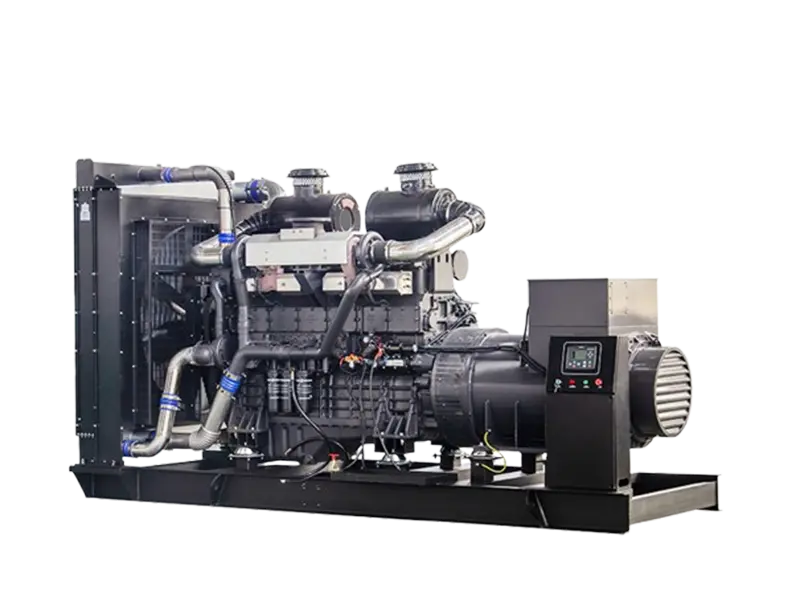
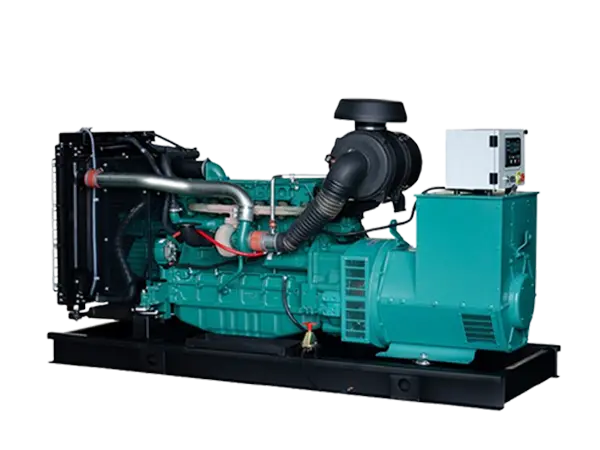
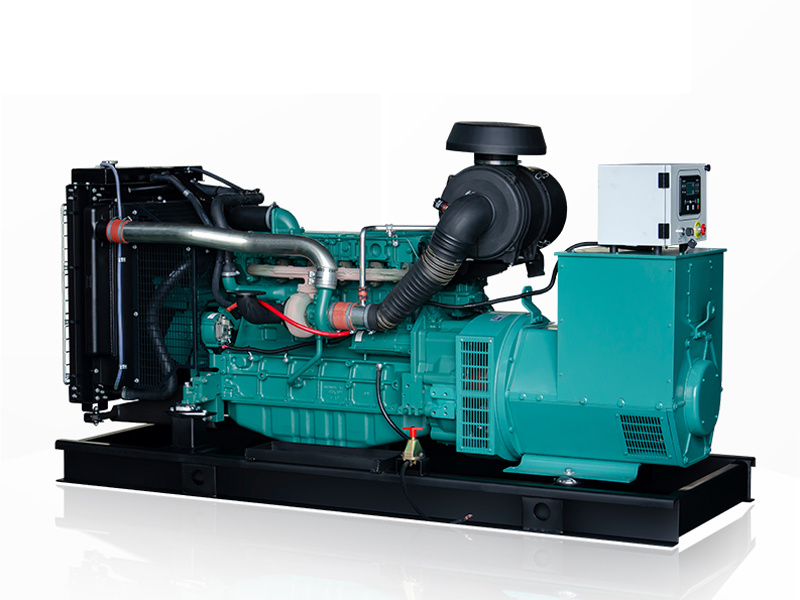
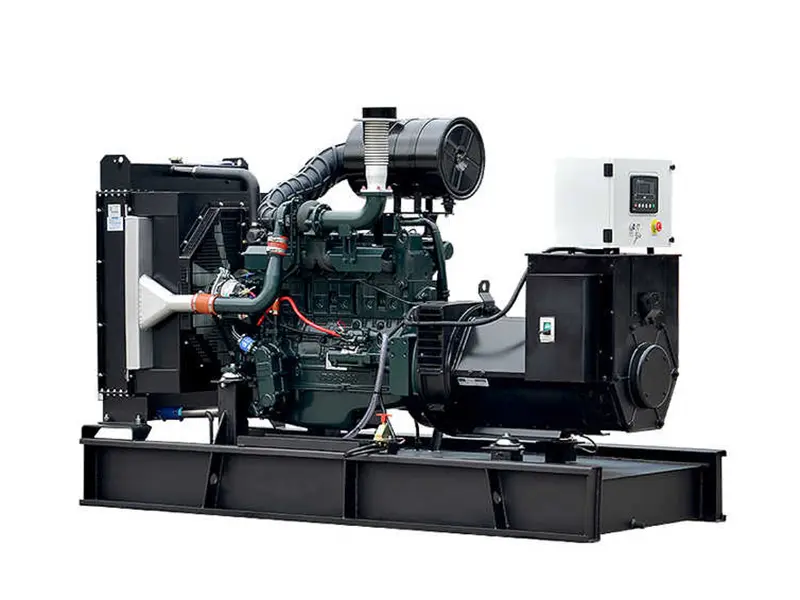
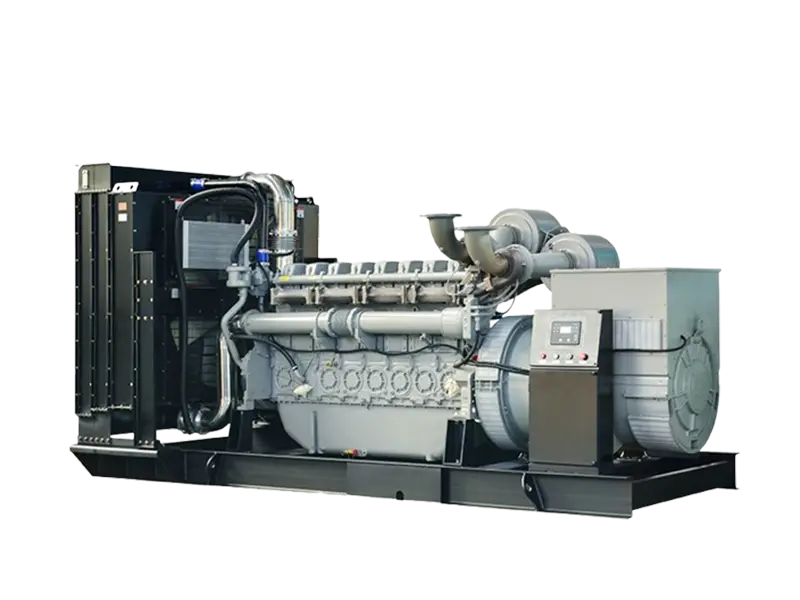
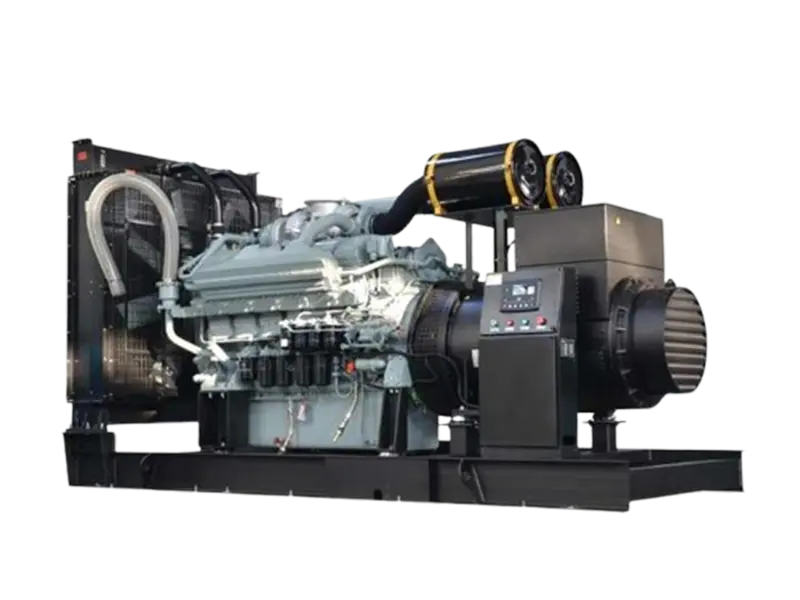
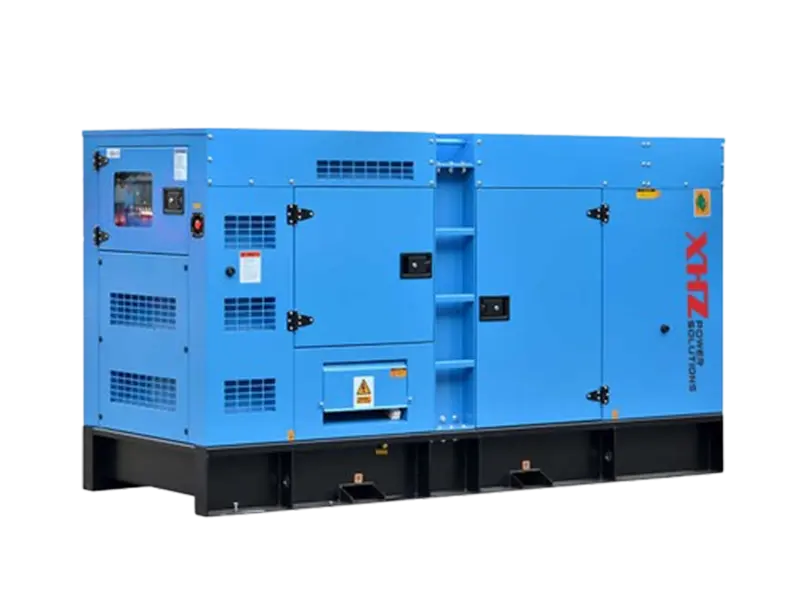
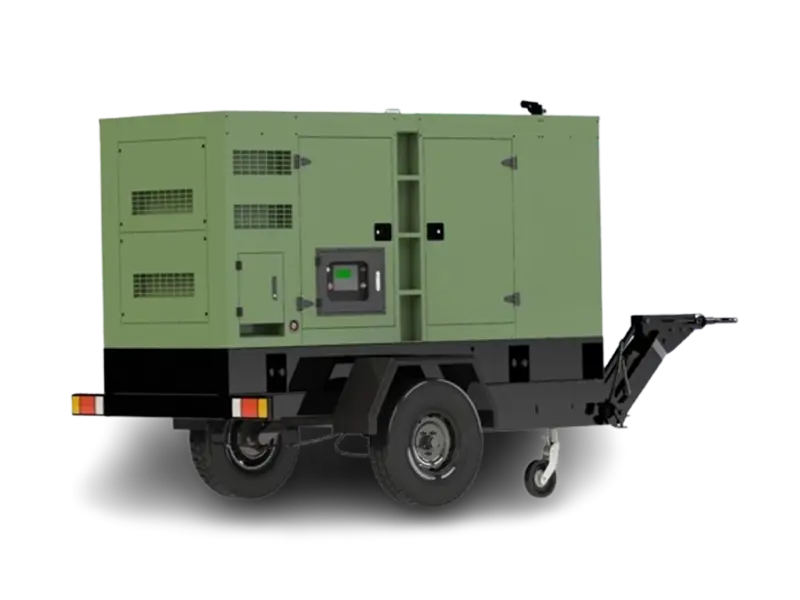
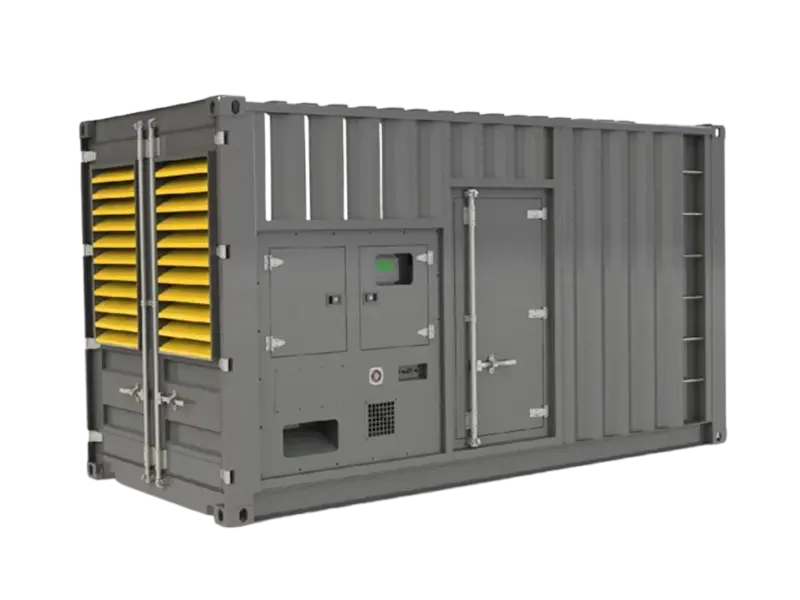
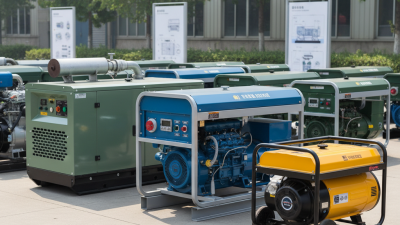
For global buyers, a Diesel Generator Picture is more than a marketing image. It can reveal equipment quality before a factory visit or technical call. Clear photographs show the control panel, fuel tank, alternator, exhaust system, and enclosure design. These details help buyers compare suppliers across different markets and project conditions.
A reliable image should support real product information. It should match the stated model, rated power, dimensions, and configuration. Close-up views can expose cable connections, warning labels, mounting points, and possible surface damage. Experienced purchasing teams often request photographs from several angles. They may also ask for a short video showing the generator running under controlled conditions. Small details matter.
Trust grows through consistency.
Manufacturers with technical expertise usually provide organized image sets, accurate captions, and evidence of quality inspections. A picture cannot replace load testing, certification checks, or service agreements. It can, however, identify missing information early. Buyers should question images with excessive editing, unclear serial plates, or mismatched components. This is where judgment remains important. Even professional suppliers may use old photographs by mistake, creating confusion about current specifications. A careful introduction should therefore connect visual evidence with verified documents, factory experience, and responsive communication. When pictures are honest and specific, they reduce uncertainty, support better decisions, and help global buyers assess whether a diesel generator suits their actual site needs.
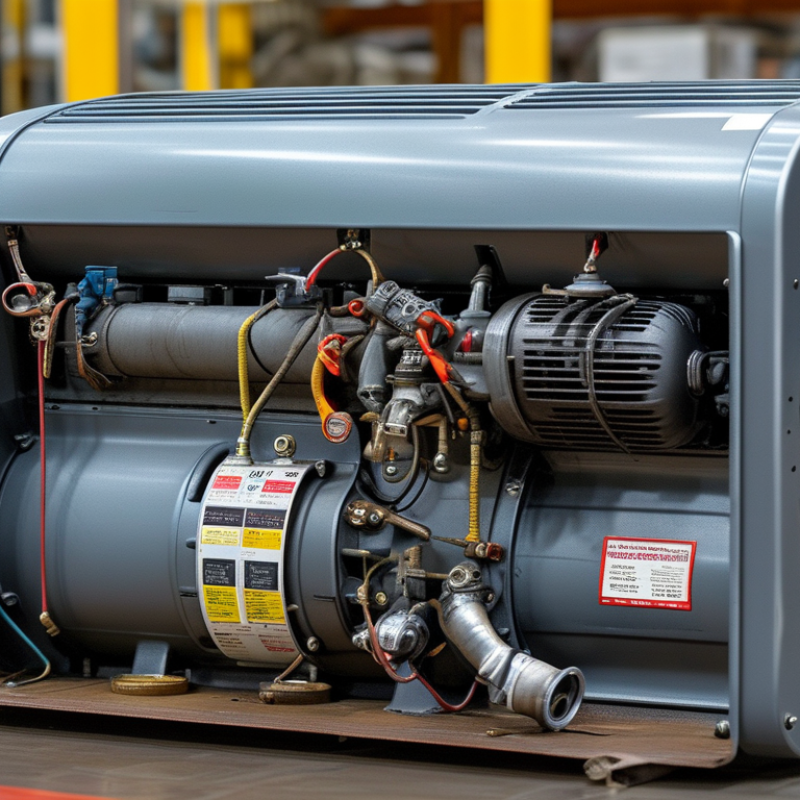
In global purchasing, diesel generator pictures are more than sales decoration. They provide early evidence before a buyer spends time on inspection or shipment planning. A clear image can show the nameplate, control panel, fuel connections, exhaust outlet, radiator, and terminal box. These details help buyers compare the offered unit with the requested ISO 8528-based performance requirements.
However, a picture cannot prove rated power, frequency stability, voltage regulation, or load performance. It only shows visible conditions. A reliable purchasing file should connect each image with test records, technical drawings, and a dated inspection report. The nameplate should match the quotation. The control panel display should show measurable operating data, not only a switched-on light.
Small details matter. Cable entry points may reveal installation limits. A blocked ventilation path may indicate future overheating risks.
Experienced buyers should request original, high-resolution images from several angles. Ask for close views of welds, mounting feet, warning labels, and instrument readings. Include a reference object or current date when authenticity matters.
Images can still mislead. Reflections hide damage. Old photos may be reused. I have seen attractive equipment pictures create confidence before basic documents were checked. That is a purchasing weakness worth admitting.
The strongest evidence combines visual records with witnessed tests under defined conditions. Buyers should verify what the image proves, what it suggests, and what remains unverified. This disciplined approach supports clearer decisions across borders and reduces avoidable disputes.
Why Diesel Generator Pictures Matter to Global Buyers?
Reading Nameplates: kVA, Voltage, Frequency, Phase, and 50/60 Hz Output
A diesel generator picture can reveal more than its color or frame. A clear nameplate shows the information buyers need before requesting a quotation. The kVA rating indicates apparent power, but it is not always the usable kilowatt output. Power factor matters. Small details matter.
Check the voltage carefully. A nameplate may list 208/120 V, 400/230 V, or another system. Confirm whether the figure describes line-to-line or line-to-neutral voltage. Then identify the phase. Single-phase and three-phase equipment serve different electrical loads. A mismatch can create costly installation problems.
Frequency also requires attention. A 50 Hz generator is not automatically suitable for a 60 Hz site. Some units support both frequencies, but their output rating may change. Read the separate kVA values, if provided. A field technician should compare the nameplate with the local grid standard, connected equipment, and protection settings. Photos of terminals, breakers, and control labels add useful evidence. However, a picture can hide corrosion, rewiring, or unreadable markings. I have seen buyers trust a clean image too quickly. That is a mistake worth questioning. Ask for a sharp, straight-on nameplate photo, plus a short video showing the generator running under load. Verify serial details and test records through reliable technical documents. Never rely on appearance alone.
Reading Nameplates: kVA, Voltage, Frequency, Phase, and 50/60 Hz Output
The chart shows common nominal voltage configurations found on diesel generator nameplates. A 400 V, 50 Hz, three-phase system is widely used in many regions, while 480 V, 60 Hz, three-phase systems are common in North America. Single-phase examples typically use 230 V at 50 Hz or 240 V at 60 Hz. The kVA rating indicates apparent power capacity and must be checked separately with the required load, while frequency and phase must match the destination electrical system.
A diesel generator photo is often a buyer’s first technical inspection. Clear images reveal the control panel, exhaust system, fuel connections, and enclosure design. They also expose missing labels, loose wiring, or poor sealing around doors. In international trade, visual evidence helps buyers compare equipment before requesting formal documents.
For CE compliance, photographs should show the complete conformity marking and rating plate. The marking supports identification, but it does not replace the Declaration of Conformity or technical file. EPA Tier 4 claims require closer attention to the engine label, emissions system, and certified configuration. A clean photo is useful, but it cannot prove emission compliance alone. IP protection ratings need practical visual clues, such as sealed cable glands, door gaskets, and protected ventilation openings. Still, an IP rating must be supported by valid test evidence. Photos can suggest quality, not guarantee it.
Tips: Request high-resolution images from several angles. Ask for close-ups of labels and cable entries. Compare the photographed model with the specification sheet. Check whether serial numbers remain readable. Do not accept heavily edited images as technical proof. I have seen attractive photos hide unfinished details. That mistake is easy to make. A better review combines images, drawings, test reports, and supplier answers.
Why Diesel Generator Pictures Matter to Global Buyers?
Using Photos to Verify Engine, Alternator, ATS, and Control-Panel Specifications
For global buyers, generator photos provide early evidence before a physical inspection. A clear nameplate can reveal rated power, voltage, frequency, speed, and manufacturing details. I often compare these values with the quotation and technical drawings. Small differences can signal a serious specification mismatch.
Engine photos should show the model plate, fuel system, cooling arrangement, and mounting condition. Alternator images need visible labels, terminal boxes, insulation covers, and cable entries. These details help confirm whether the offered unit matches the stated output. A close photo matters more than a polished wide shot.
ATS photos should capture the cabinet label, transfer rating, wiring layout, and breaker positions. Control-panel pictures can reveal the controller type, alarm indicators, meters, emergency stop, and communication ports. Screenshots of active readings are useful, but they do not replace inspection records. Photos can be edited. Shadows can hide damage.
I once noticed a missing protective cover only after requesting a side-angle image. The first picture looked acceptable. It was not enough. Buyers should request dated photos from several angles, including serial plates and internal compartments where safely accessible. A simple checklist reduces confusion, although it may still miss hidden faults. That limitation deserves honest attention.
| Verification Area | Photo Evidence to Request | Specification Visible or Cross-Checked | Typical Data Example | Why It Matters to Buyers |
|---|---|---|---|---|
| Engine identification | Close-up photo of the engine nameplate, stamped serial area, fuel-injection side, and complete engine compartment. | Engine type, rated speed, cylinder arrangement, cooling method, and manufacturing identification. | Four-stroke, water-cooled diesel engine; six cylinders in line; 1,500 rpm for 50 Hz operation. | Confirms that the photographed engine matches the quotation and helps detect substituted or incorrectly configured equipment. |
| Engine output and operating speed | Photo of the engine rating plate together with a readable control-panel frequency and running-hours display. | Prime power, standby power, frequency, rated speed, and accumulated operating hours. | Prime power: 320 kVA; standby power: 350 kVA; 50 Hz; 1,500 rpm; 400 V, three-phase. | Power ratings depend on speed, frequency, and duty class. A photo can reveal inconsistencies between the nameplate and the stated output. |
| Alternator nameplate | Sharp, straight-on image of the alternator nameplate, terminal box, winding-end area, and coupling assembly. | Rated apparent power, voltage, frequency, insulation class, temperature rise, phase configuration, and protection rating. | 350 kVA standby rating; 400 V; 50 Hz; three-phase; 0.8 power factor; insulation class H; IP23 protection. | The alternator determines electrical output quality and compatibility with the site voltage, frequency, and load profile. |
| Voltage and connection arrangement | Photo of the output breaker, busbars, terminal labels, neutral connection, and wiring diagram inside the terminal box. | Line voltage, phase count, neutral availability, output current, and cable-entry arrangement. | 400/230 V; three-phase, four-wire system; approximately 505 A at 400 V and 350 kVA. | Correct voltage and current capacity are essential for safe connection to the distribution system and downstream loads. |
| Automatic Transfer Switch (ATS) | Front-panel photo showing current rating and source labels, plus internal photos of the switching mechanism, controller, and terminals. | Rated current, number of poles, transfer mode, source designation, and enclosure condition. | 400 A ATS; four-pole configuration; automatic mains-to-generator transfer; 400 V, 50 Hz. | The ATS must safely isolate the utility and generator sources. The current rating must match or exceed the connected load. |
| ATS operating sequence | Video or sequential photos showing utility available, utility failure simulation, generator start, transfer, retransfer, and cooldown settings. | Start delay, transfer delay, retransfer delay, cooldown time, and manual/automatic operating positions. | Start delay: 5 seconds; transfer delay: 10 seconds; retransfer delay: 60 seconds; cooldown: 180 seconds. | Timing settings affect continuity of supply, equipment protection, and compatibility with the facility’s emergency-power sequence. |
| Control panel | High-resolution photo with the panel powered on, showing display pages, selector switches, emergency stop, alarms, and circuit breakers. | Voltage, current, frequency, engine speed, oil pressure, coolant temperature, battery voltage, and fault history. | 400 V; 50 Hz; 1,500 rpm; 24 V DC battery system; low oil pressure and high coolant temperature alarms. | Panel photos help verify monitoring functions and reveal whether the controller supports the required operating and protection features. |
| Protection and shutdown functions | Photo of the alarm screen, protection relay settings, emergency-stop circuit, and labeled sensor wiring. | Over/under voltage, over/under frequency, overload, overspeed, low oil pressure, high coolant temperature, and emergency shutdown. | Automatic shutdown for overspeed, low oil pressure, high coolant temperature, overcurrent, and emergency stop activation. | Visible protection functions reduce operational risk and support compliance with the buyer’s electrical and safety requirements. |
| Fuel system and tank | Photos of the base tank, fuel inlet and return lines, fuel gauge, drain plug, leak-control area, and tank nameplate. | Fuel capacity, approximate autonomy, tank construction, service access, and visible leakage or corrosion. | 500 L base tank; approximately 8 hours of operation at 75% load, subject to actual fuel consumption. | Tank size affects delivery frequency, operating autonomy, installation space, and transport weight. |
| Cooling and exhaust system | Photos of the radiator, fan guard, coolant expansion tank, exhaust flex section, silencer, and exhaust outlet. | Radiator condition, airflow direction, exhaust routing, flexible connection, insulation, and service clearance. | Water-cooled radiator system; rear exhaust outlet; flexible exhaust connector; residential-grade silencer. | These images help assess installation requirements, ventilation, heat rejection, noise control, and possible shipping damage. |
| Build quality and shipping condition | Complete 360-degree photos showing the frame, anti-vibration mounts, doors, hinges, cable glands, lifting points, paint finish, and packing condition. | Physical completeness, corrosion, oil or coolant leaks, mounting integrity, dimensions, and access-panel condition. | Steel enclosure; four anti-vibration mounts; lockable service doors; forklift pockets; lifting points on the base frame. | Detailed images provide an early record of condition and make it easier to identify missing parts or transport-related damage. |
Buyer verification note: Photographs are useful for confirming visible configuration, nameplate data, wiring arrangement, and physical condition. They should be combined with factory test reports, electrical test results, serial-number records, and an independent inspection before shipment.
Why Diesel Generator Pictures Matter to Global Buyers?
When buyers compare diesel generators across borders, images often reveal details that specifications hide. A clear, standardized photo shows the control panel, fuel connections, lifting points, enclosure, and service access. These views help engineers compare layouts without guessing from polished front angles. In real purchasing work, a missing rear image can delay installation planning or expose an unexpected maintenance problem. Not glamorous, but important.
Pictures become more useful when suppliers follow the same image standard. Use identical angles, scale references, lighting, and nameplate visibility. The nameplate should match the quoted model, rated output, frequency, voltage, and manufacturing date. Buyers can then compare equipment more fairly. A clean photograph is evidence, not proof. Images should be checked against test records, inspection reports, and operating conditions. A costly blind spot.
24/7 duty ratings need careful reading. A generator described for continuous duty should explain load percentage, ambient temperature, altitude, and maintenance intervals. “24/7” alone is too vague. It may describe availability, not nonstop operation at full load. I have seen comparisons fail because buyers treated standby ratings as prime ratings. That mistake can affect fuel planning, cooling design, and service costs. Warranty data adds another layer of trust. Ask for coverage duration, response times, excluded parts, labor terms, and commissioning requirements. These details matter more than a large warranty number. Supplier answers should be dated and tied to the exact configuration. Even then, assumptions remain. A photo may be current; the delivered unit may differ. Independent inspection and signed records reduce that risk.