How to Choose the Best Quiet Diesel Generator for Your Needs?
Choosing the right Quiet Diesel Generator can seem daunting. With numerous options on the market, it's crucial to find one that meets your specific needs. A Quiet Diesel Generator operates efficiently while minimizing noise, making it ideal for various settings like camping, events, and remote work sites.
When selecting a Quiet Diesel Generator, consider power output, runtime, and size. These factors greatly affect performance and usability. Look for generators with low decibel ratings. This feature ensures a peaceful environment without compromising functionality. Additionally, weigh the generator's portability against its capacity. Too large a unit can be cumbersome, while too small may not meet your demands.
Be aware that some models may have hidden flaws or drawbacks. Researching reviews and user experiences can help you avoid common pitfalls. It's essential to prioritize quality and reliability over price alone. A well-informed choice will serve you effectively for years to come.
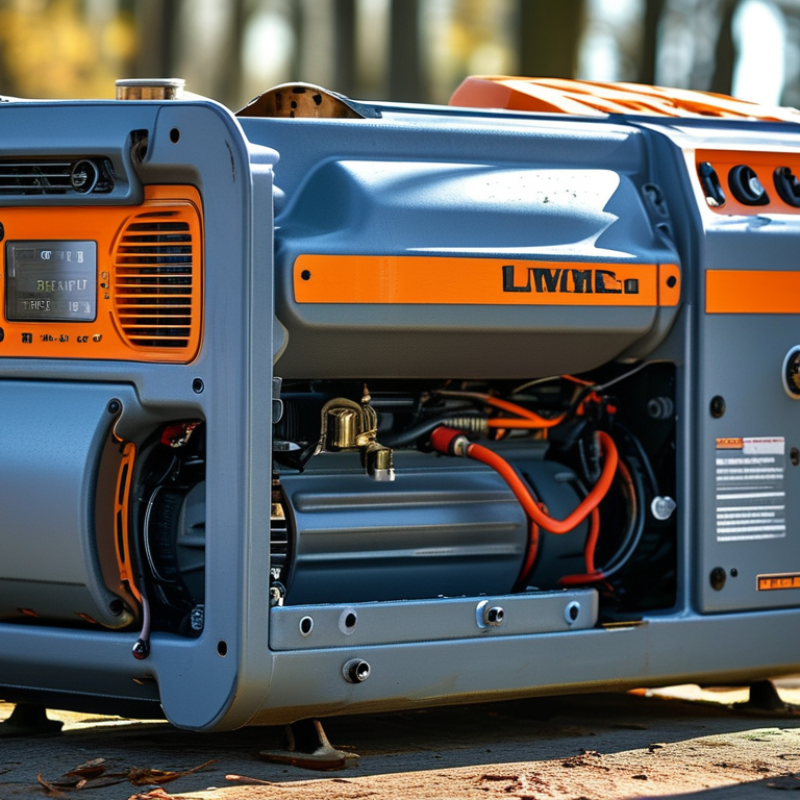
Understanding Diesel Generators: Features and Benefits
When considering diesel generators, understanding their features and benefits is crucial. Diesel generators are known for their reliability and efficiency. They are versatile and can power everything from home appliances to construction sites. One key advantage is fuel efficiency; diesel engines consume less fuel than gasoline. This makes them economical for long-term use, especially in remote areas.
Another important aspect is noise level. Quiet diesel generators are designed for minimal sound output. This can be a game changer for residential use or outdoor events. Their design often includes soundproofing features and advanced technology to reduce noise. However, finding the right balance between power and quiet operation can be challenging.
Maintenance is another factor to consider. Diesel generators require regular checks to ensure optimal performance. Neglecting this can lead to inefficiencies or breakdowns. It's easy to overlook these needs amid busy schedules. Choosing the right unit means weighing these aspects carefully. Do you need more power or quieter operation? The decision should reflect your specific circumstances and requirements.
How to Choose the Best Quiet Diesel Generator for Your Needs?
| Feature |
Description |
Benefits |
| Noise Level |
Measured in decibels (dB), indicating how quiet the generator operates. |
Provides a peaceful environment with reduced noise pollution. |
| Fuel Efficiency |
The amount of fuel consumed per hour of operation. |
Lower fuel costs and longer run times on a single tank. |
| Power Output |
Measured in watts, indicating the total power the generator can supply. |
Sufficient power for appliances and tools, meeting various needs. |
| Portability |
Weight and design allowing easy transportation. |
Convenience for outdoor activities and job sites. |
| Durability |
Material quality and construction that ensures long-lasting use. |
Lower replacement costs, reliable performance over time. |
| Maintenance Requirements |
Frequency and ease of required maintenance tasks. |
Reduced downtime and hassle for users. |
Decibel Levels: Importance of Noise Reduction in Generators
Decibel levels play a crucial role in selecting a quiet diesel generator. Research shows that many users prefer generators operating below 60 decibels. This level is comparable to a normal conversation. It's essential for users focusing on noise-sensitive environments, like residential areas or campgrounds. Generators above 70 decibels can be disruptive, causing stress for users and neighbors alike.
A generator’s noise output directly affects user experience. A study from the Noise Control Engineering Journal indicates that prolonged exposure to noise levels over 85 decibels can lead to health risks such as hypertension and hearing loss. Choosing a generator with effective noise reduction technology can enhance comfort and safety. Opting for models that employ sound-dampening enclosures or advanced muffler systems can make a noteworthy difference.
When assessing decibel levels, consider your specific needs. Some applications, like construction sites, might allow for higher noise levels. However, if you are using a generator for events or home backup, keeping it quieter is often preferable. Reflecting on the environment and the generator's intended use is vital. This ensures you select the right machine that balances power output with noise control, enhancing overall satisfaction.
Factors to Consider When Choosing a Quiet Diesel Generator
Choosing a quiet diesel generator involves considering several essential factors. Noise level is a primary concern. Many models advertise low decibel ratings, yet discrepancies in real-world performance can occur. Always verify noise levels through independent reviews.
Consider the generator’s power output. Calculate your specific energy needs accurately. Overestimating can lead to unnecessary expenses, while underestimating might cause power shortages. Furthermore, check fuel efficiency. A generator that consumes less fuel saves you money in the long run.
Portability is another critical factor. Some generators are heavy and cumbersome. Look for features like wheels or handles. Maintenance should also be on your list. Routine upkeep can be a hassle, so choose models with accessible components. These details matter significantly for long-term reliability and satisfaction.
Top Brands and Models for Quiet Diesel Generators
When looking for quiet diesel generators, focusing on top brands and models is crucial. The best generators combine low noise levels with efficiency and reliability. According to a 2022 report from the Generator Association, the demand for quiet generators has increased by 35% over the last five years. This trend highlights the significance of finding a balance between sound output and power capability.
Some well-regarded models are specifically designed for noise reduction. Many feature sound-dampening technology that keeps decibel levels under 60 dB, making them suitable for residential use. Generators with inverter technology often deliver cleaner and quieter power. However, users should consider the fuel consumption rate. High efficiency is essential, but some models may compromise performance to achieve low noise levels.
While researching, it's important to note that not all brands consistently meet customer expectations. Some generators may fail to provide the advertised noise levels. Checking independent reviews, rather than brand promotions, ensures you make an informed choice. By looking at user feedback and expert evaluations, you can avoid common pitfalls like overheating and maintenance issues. Finding the ideal quiet diesel generator requires careful consideration and thorough investigation.
Maintenance Tips for Ensuring Optimal Performance and Longevity
When selecting a quiet diesel generator, maintenance is key to achieving optimal performance and longevity. Regular upkeep ensures efficiency and minimizes noise levels. According to a report from the Diesel Engine Manufacturers Association, 30% of generator failures result from poor maintenance. This highlights the importance of proactive care.
Routine checks should include changing the oil and replacing filters every 150-200 hours of operation. Keeping the generator clean prevents buildup that can lead to overheating. Always ensure the cooling system operates effectively. For instance, dirty air filters can reduce airflow, which is critical for efficient performance. Performance dips can often be traced back to such minor oversights.
Consider testing battery performance every few months. A well-maintained battery can extend the generator's life significantly. Don't neglect visual inspections; look for signs of wear in belts and hoses. Addressing these small issues can prevent larger problems down the line. Effective maintenance practices can improve fuel efficiency by up to 10%, ultimately saving money in the long term.
Quiet Diesel Generator Maintenance Performance Analysis

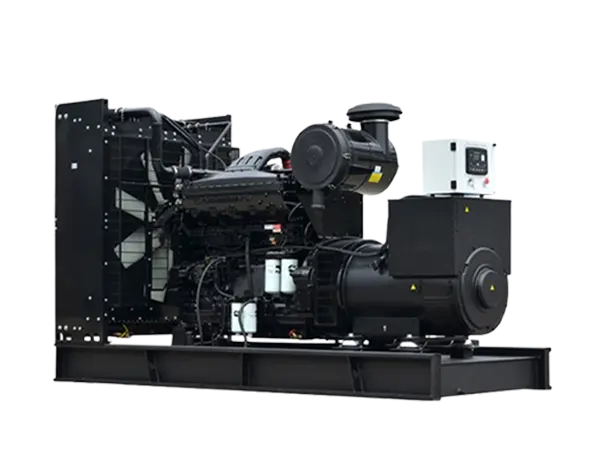 Diesel Generator Sets with Cummins Engines, XHZC Series
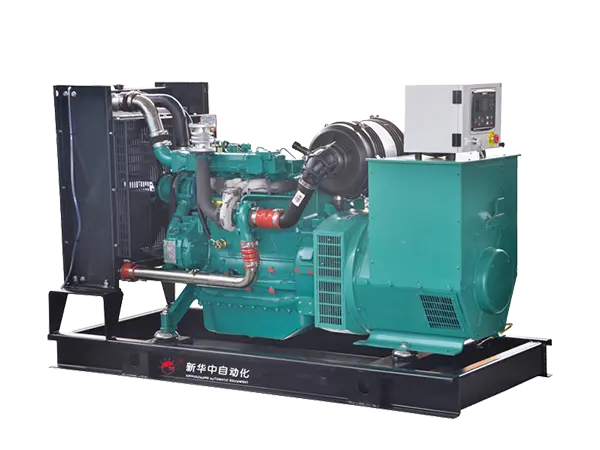 Weichai Series
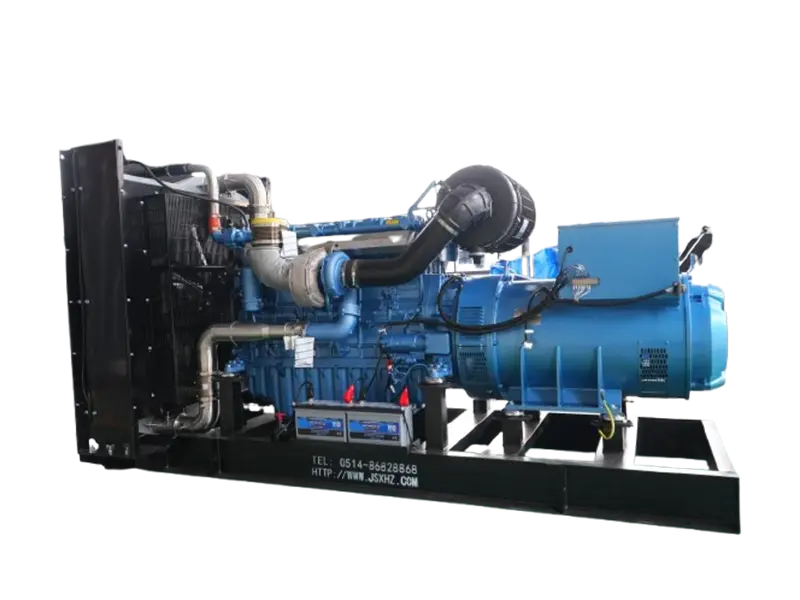 Diesel Generator Sets with WEICHAI Engines, XHZW Series
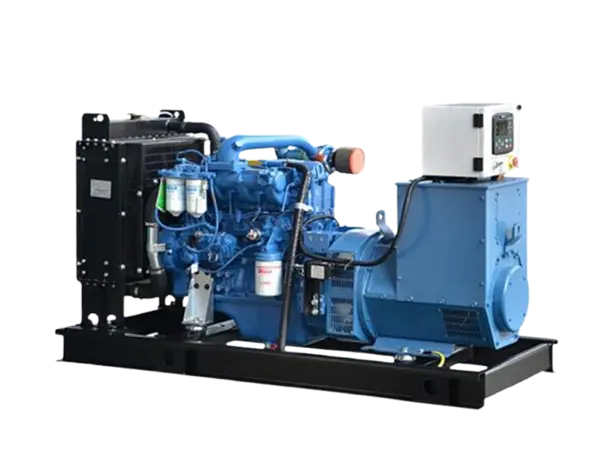 Yuchai Series
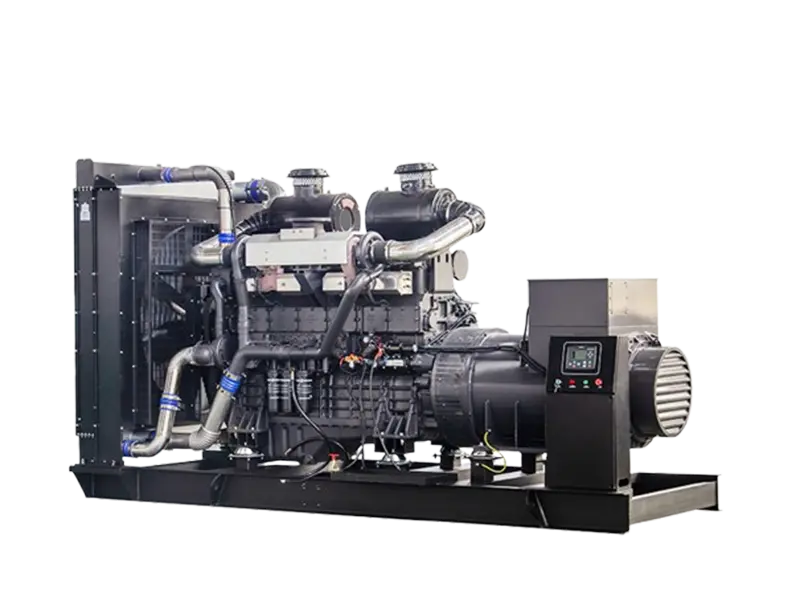 Diesel Generator Sets with SDEC(SHANGCHAI) Engines, XHZS Series
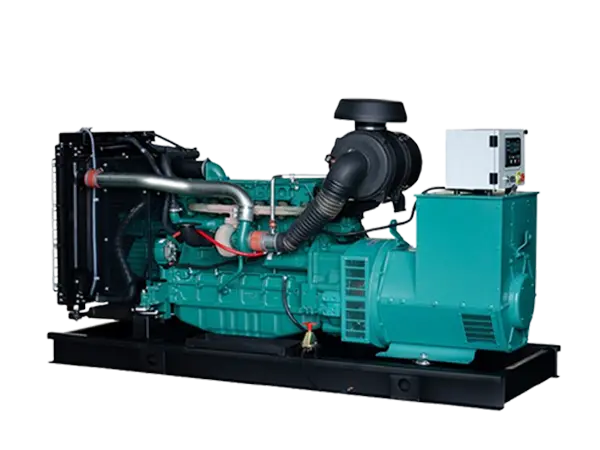 Volvo Series
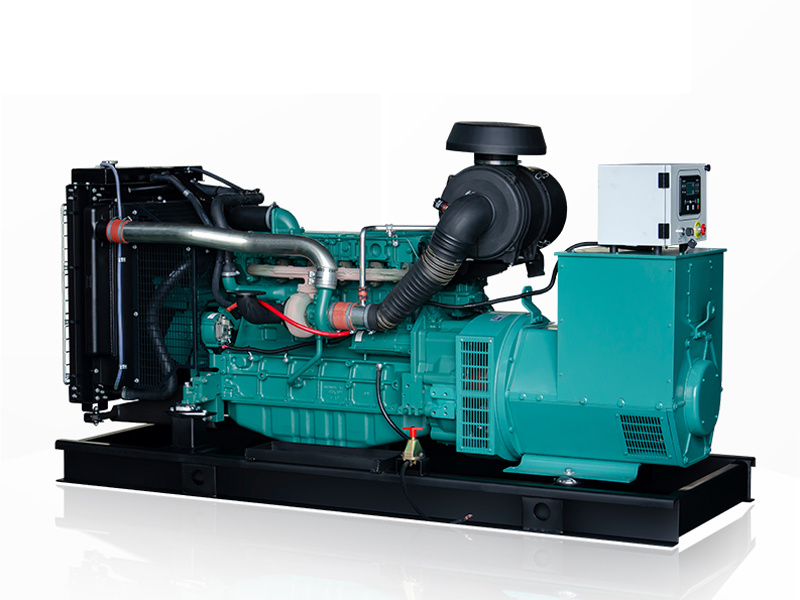 Diesel Generator Sets with VOLVO Engines, XHZV Series
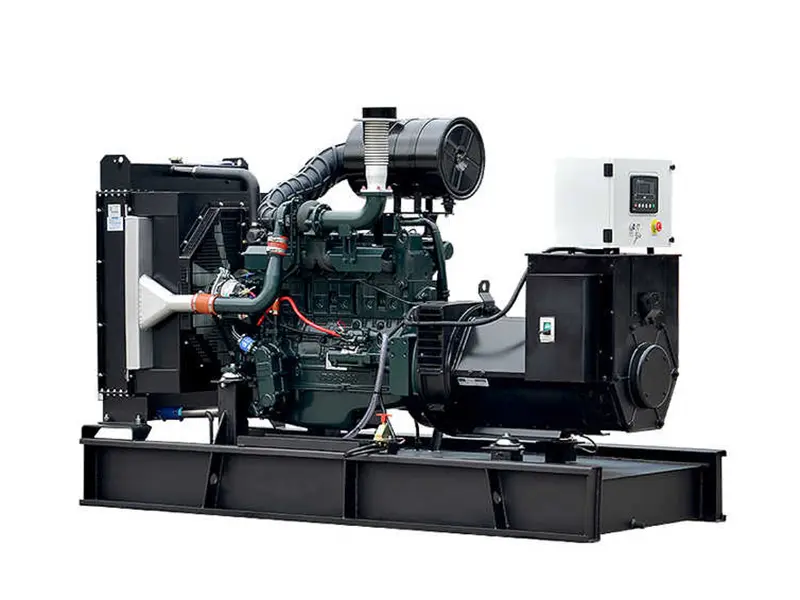 Diesel Generator Sets with Doosan Engines
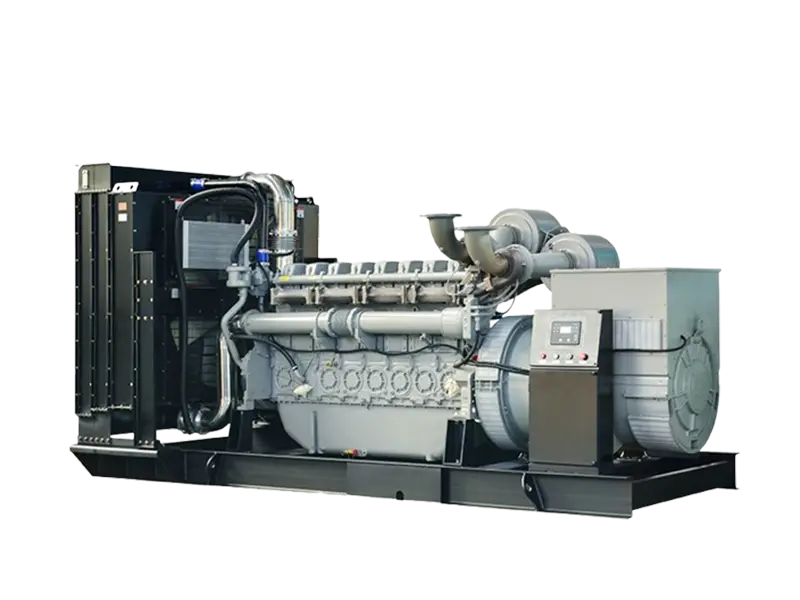 Diesel Generator Sets with Perkins Engines, XHZP Series
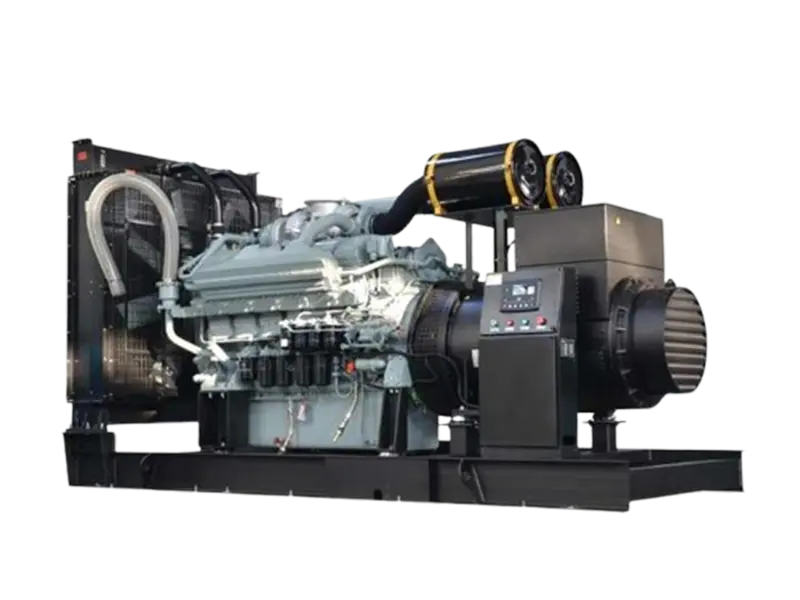 Diesel Generator Sets with Mitsubishi Engines
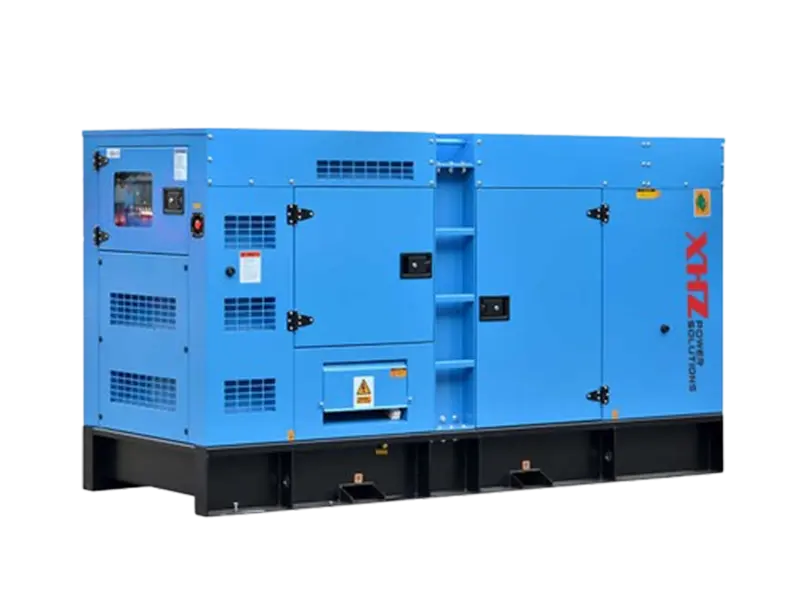 Silent Diesel Generators
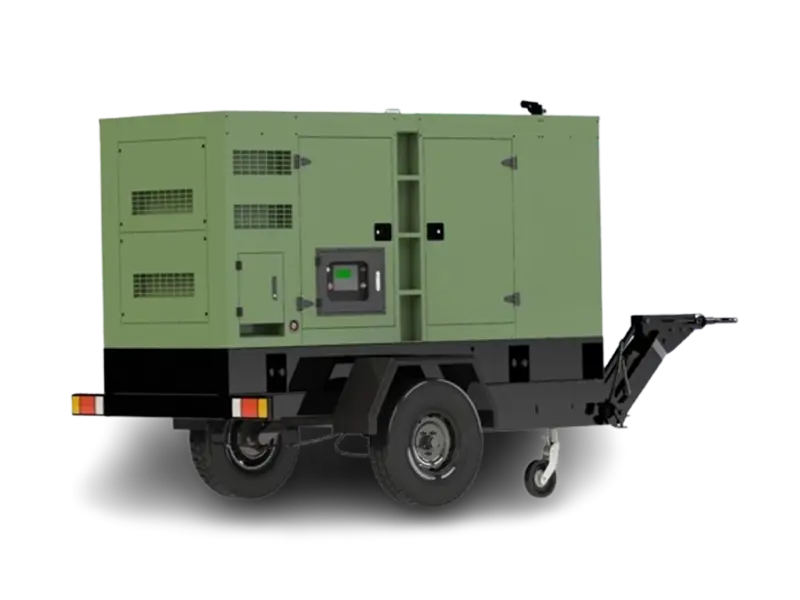 Mobile Silent Diesel Generators
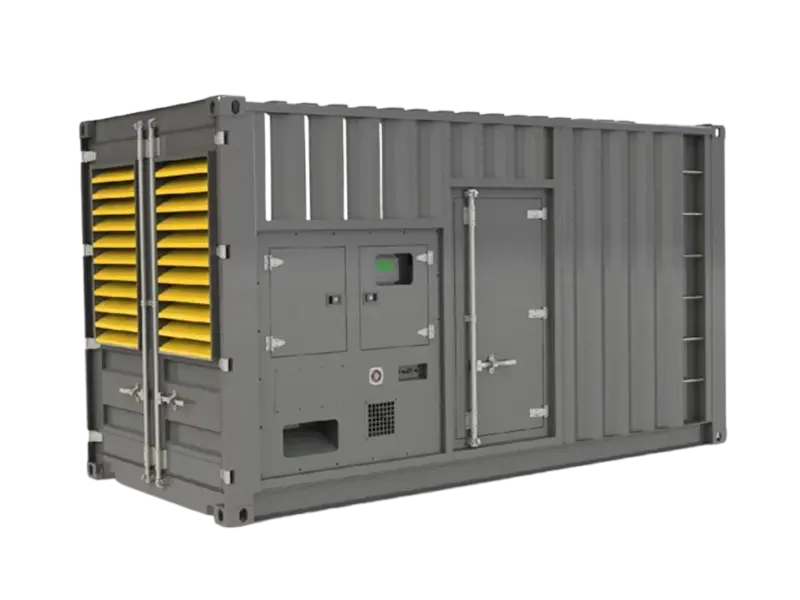 20/40HQ-Standard Container Type Generators