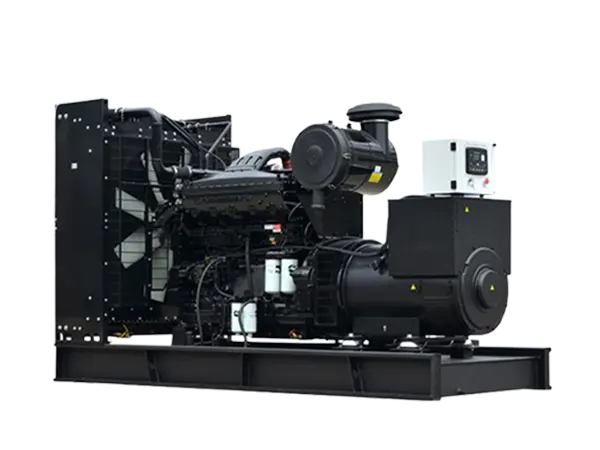
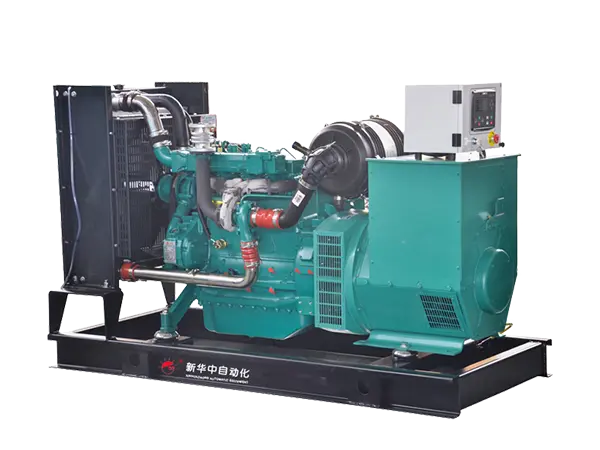
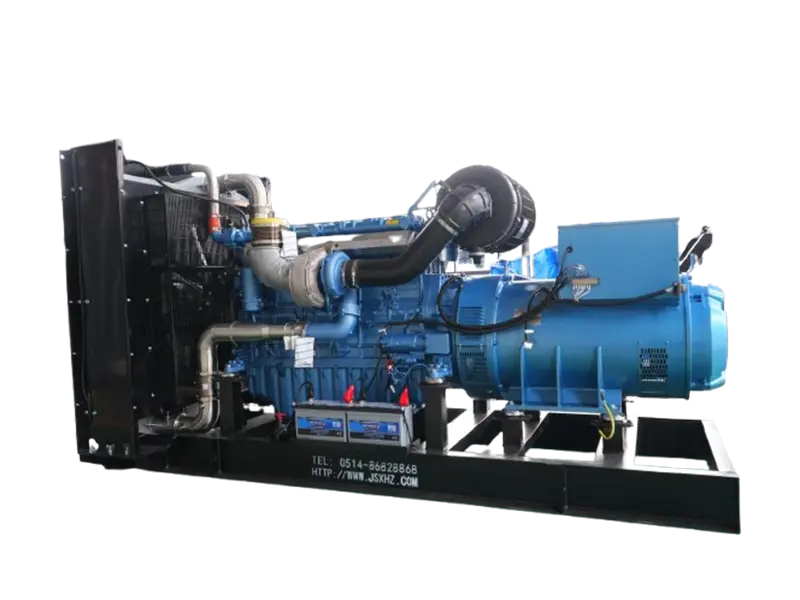
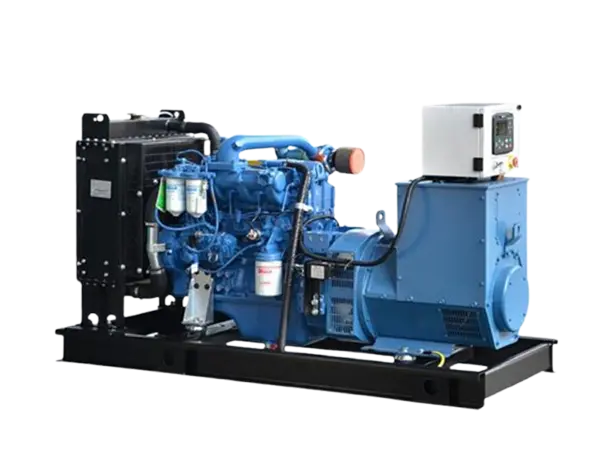
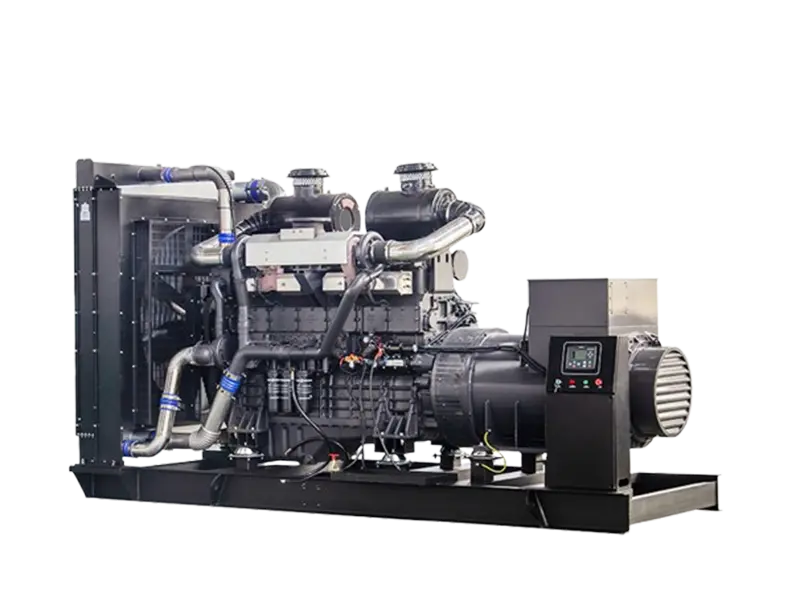
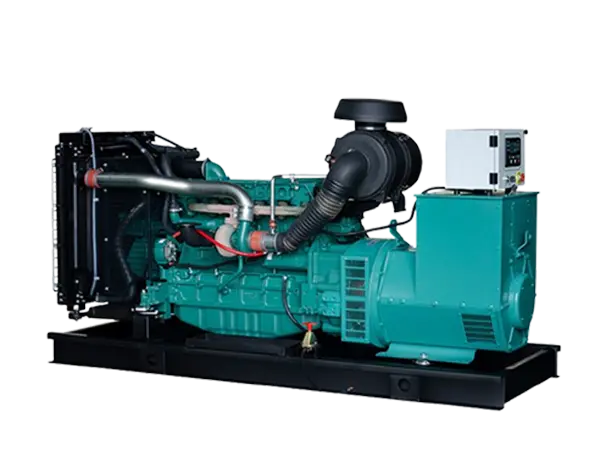
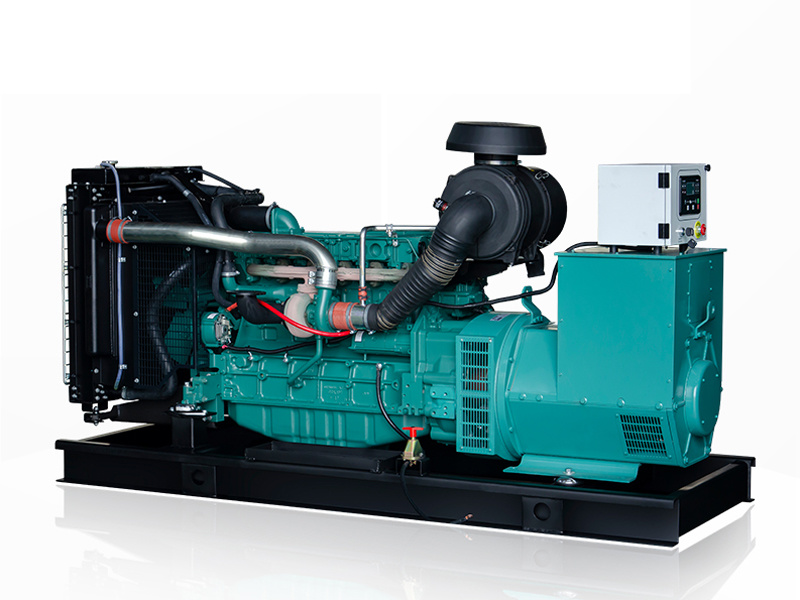
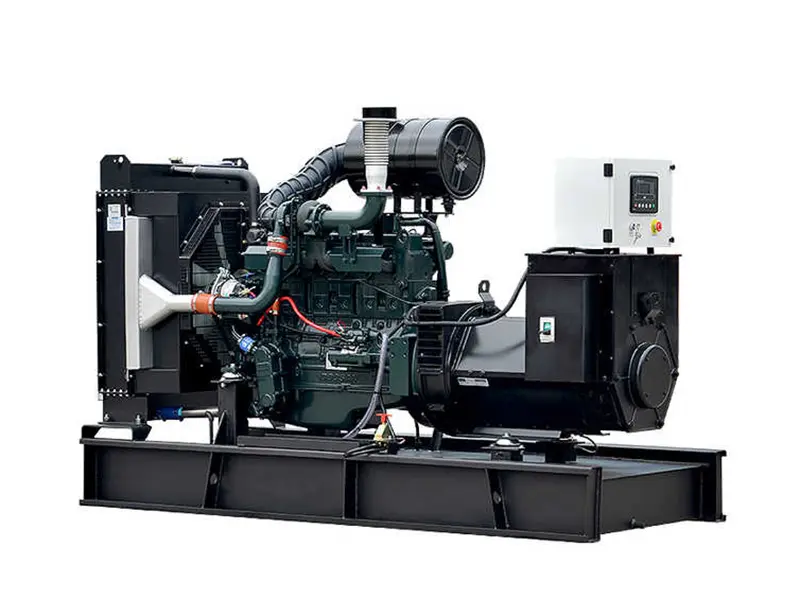
Choosing a Diesel Standby Generator is not simply a matter of comparing engine sizes and prices. It is a reliability decision involving power demand, fuel storage, installation conditions, and long-term maintenance. A generator that looks suitable on paper may struggle when motors start, temperatures fall, or several essential loads operate together.
This guide presents ten practical tips for selecting the right system. It examines standby capacity, continuous and emergency ratings, automatic transfer switches, fuel quality, noise control, ventilation, and service access. Pay attention to real operating details. A 500 kW generator may support lighting and refrigeration, yet fail to start large pumps without adequate starting capacity. Small oversights matter.
Site experience often reveals what product brochures omit. Dust can restrict airflow. Poor drainage can damage controls. An inconvenient service door can turn a routine inspection into a costly delay. Local electrical requirements and manufacturer instructions must also guide the final decision. Professional load calculations remain essential.
No selection method is perfect. I have seen buyers focus too heavily on purchase cost and underestimate fuel use, testing, or battery replacement. That approach can create problems later. These tips are designed to encourage careful questions, realistic planning, and better communication with qualified suppliers. A dependable Diesel Standby Generator should fit the building, the workload, and the people responsible for keeping it ready. Reliability is planned, not assumed.
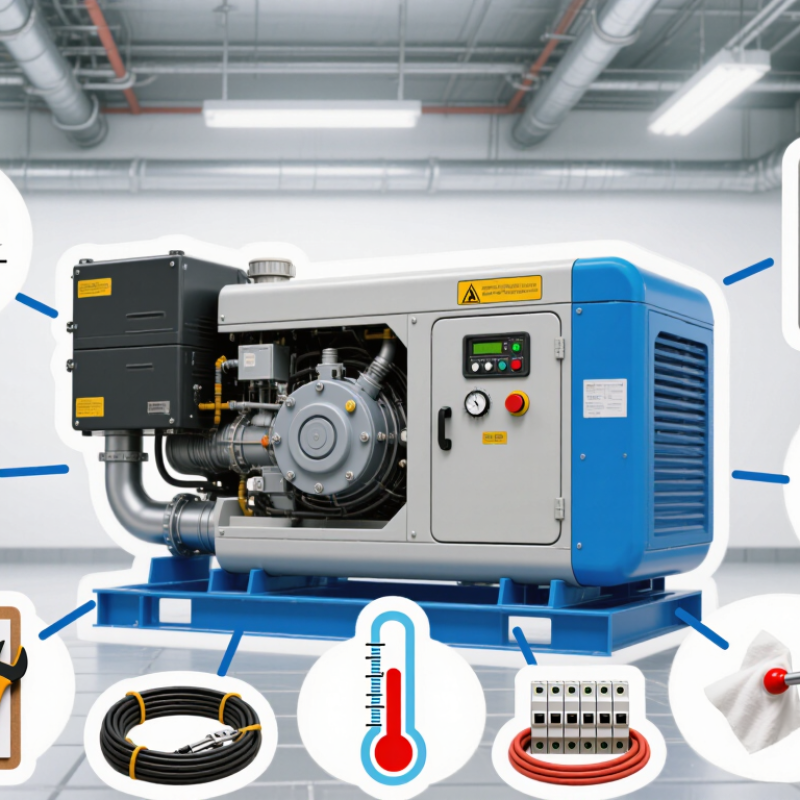
Choosing a diesel standby generator begins with an honest load assessment. List every device that must operate during an outage. Include lighting, pumps, refrigeration, controls, ventilation, and safety systems.
Separate essential loads from convenient loads. A server room may need continuous power, while noncritical workshop tools can wait. Record each load’s running watts, voltage, phase, and power factor. Measure, do not guess. Nameplate values can be incomplete or surprisingly optimistic.
Starting current matters. Motors for pumps, compressors, and fans may briefly draw three to seven times their running current. A generator sized only for steady demand can stall, trip, or produce unstable voltage. Identify the largest motor and decide whether it starts alone or alongside other equipment. Sequential starting can reduce the required generator capacity. It may also complicate control settings.
I recommend calculating both total running kW and maximum starting kVA. Consider altitude, high summer temperatures, long cables, and future equipment additions. These conditions can reduce available output. Leave room. A practical margin of 15–25 percent is often useful, but excessive oversizing can cause poor fuel efficiency and wet stacking during light loads.
I once trusted a simple equipment list and missed a backup pump’s inrush current. The generator looked adequate on paper, yet the voltage dipped during testing. That mistake reinforced a basic lesson: perform a real-world load test whenever possible. Ask a qualified electrical professional to verify the calculations, transfer sequence, grounding arrangement, and protection settings before installation.
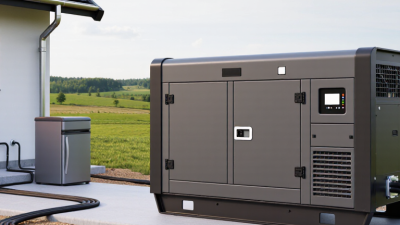
Compare generator ratings before comparing prices. Standby ratings support emergency loads during outages. Prime ratings support longer, variable-duty operation. Choose the rating that matches your real operating pattern. A unit sized only by maximum starting load may run inefficiently at light loads. Check both kW and kVA, because power factor affects usable capacity. List refrigerators, pumps, servers, lighting, and motors separately. Motors often demand several times their running current during startup. Ask a qualified electrician to verify the load calculation.
Fuel efficiency depends heavily on loading. A diesel generator usually performs better near its practical operating range, often around 60% to 80% load. Compare fuel consumption at several load points, not just one advertised figure. A generator using 8 litres per hour at 75% load needs different planning from one using 6 litres. Small differences become expensive during a long outage. Measure your expected load. Estimates can be wrong.
Runtime depends on tank capacity, load, weather, and maintenance condition. Divide usable tank volume by hourly fuel consumption for a rough estimate. Leave reserve fuel for unexpected delays. Cold temperatures may increase starting difficulty and reduce battery performance. High altitude can also reduce engine output. During a site assessment, inspect ventilation, exhaust routing, access, and refueling space. I once underestimated service access; the generator worked, but routine maintenance became unnecessarily difficult. Choose a design that technicians can inspect safely and regularly.
Tip 1: Inspect engine quality through service records, cold-start behavior, and rated load performance. A clean engine bay proves little. Ask how quickly oil pressure rises after a cold start. Listen for uneven combustion, excessive vibration, or blue exhaust. During a witnessed load test, confirm stable speed, coolant temperature, and fuel consumption. Real operating evidence outweighs brochure language.
Tip 2: Evaluate alternator design for insulation class, winding construction, and voltage regulation. The unit must handle motors, pumps, and electronic equipment without unstable output. Check the automatic voltage regulator during sudden load changes. Review short-circuit performance and harmonic tolerance, especially in facilities using variable-speed drives. Small details matter here. An alternator can appear oversized yet respond poorly to unbalanced phases.
Tip 3: Test the control system under realistic failure conditions. Simulate utility loss, delayed starting, low coolant level, and emergency shutdown. Confirm clear alarms, event logs, manual controls, and reliable remote signals. I have seen polished screens hide confusing menus. A technician should understand the panel during a noisy night inspection. Keep printed procedures nearby; digital systems are useful, but they are not perfect. Ask for documented factory testing and schedule regular field testing after installation.
Suggested evaluation weighting for engine quality, alternator design, control systems, installation compatibility, and long-term operating requirements.
The percentages represent a practical screening model and should be adjusted according to the facility load profile, required reliability, environmental conditions, applicable standards, and maintenance capability.
10 Tips for Choosing a Diesel Standby Generator?
Check the installation site before comparing engine ratings. Measure the available footprint, service clearance, fuel-tank position, exhaust route, and lifting access. Confirm the floor can support the operating weight. Inspect flood risk, dust, heat, and salt exposure. Ventilation must remove radiator heat without recirculation. Poor airflow can cause overheating during a real outage. NFPA 110 emphasizes reliable emergency power systems, including installation, testing, and maintenance practices. Treat its requirements as a design baseline, not a substitute for local engineering review.
Safety features deserve equal attention. Specify automatic shutdowns for overspeed, low oil pressure, high coolant temperature, and low fuel level. Add emergency stops where operators can reach them quickly. Check exhaust insulation, fire separation, fuel containment, grounding, and transfer-switch compatibility. The Uptime Institute’s 2024 Annual Outage Analysis reported that 54% of surveyed outages caused direct costs above $100,000. A small installation mistake can become an expensive failure. That is uncomfortable, but realistic.
Maintenance access often decides long-term reliability. Leave room to remove filters, batteries, belts, and coolant hoses without dismantling nearby equipment. Confirm crane access and safe battery handling. Review oil-drain points and spare-parts storage before approval. ISO 8528-5 supports evaluating generator performance under transient loads, not only steady operation. Schedule documented load-bank testing and inspect fuel quality regularly. Field teams sometimes focus too heavily on initial price. I would question that habit. A cheaper unit may become costly when technicians cannot reach it safely.
A diesel standby generator is only as dependable as its support network. Uptime Institute’s 2024 Global Data Center Survey identifies power problems as the leading cause of reported outages. That finding should influence supplier selection. Ask who answers at 2 a.m., how quickly technicians arrive, and whether critical parts are locally stocked. Request service records, technician qualifications, and realistic response-time commitments. Marketing promises are not maintenance plans.
Warranty language deserves careful reading. Check coverage for the engine, alternator, controls, batteries, and automatic transfer switch. Confirm labor, travel, diagnostics, and replacement parts are included. Some warranties exclude failures caused by poor fuel, missed inspections, or unauthorized repairs. The U.S. Department of Energy’s Operations and Maintenance Best Practices Guide notes that operations and maintenance can represent a major share of an asset’s life-cycle cost. A cheap warranty may protect the machine but not your budget.
Calculate total ownership cost over ten years, not just purchase price. Include fuel storage, load-bank testing, oil changes, battery replacement, training, monitoring, permits, and emergency callouts. EIA diesel price data can improve fuel-cost estimates, but prices still move sharply. Use a range. I once treated the lowest quotation as the best value. That was a flawed assumption. Compare documented service hours, annual maintenance pricing, warranty exclusions, and expected downtime exposure. A supplier that explains weaknesses plainly may be safer than one offering perfect certainty.
| Tip | Assessment Area | What to Verify | Practical Benchmark or Evaluation Point | Recommended Evidence |
|---|---|---|---|---|
| 1 | Load Sizing | Confirm the generator can support the required continuous load, starting currents, motor loads, and future expansion without relying only on the total connected load. | Use a documented load study. Include motor-starting requirements, non-linear loads, emergency circuits, and a reasonable growth allowance defined by the facility. | Electrical load schedule, load-bank test plan, sizing calculations, and single-line diagram. |
| 2 | Fuel Consumption | Compare fuel consumption at several operating loads rather than using only the rated-load figure. | Request manufacturer test data at approximately 25%, 50%, 75%, and 100% load. Diesel consumption normally rises with load, while prolonged very light loading can reduce efficiency and contribute to engine deposits. | Fuel-consumption curve, test conditions, fuel specification, and expected annual operating hours. |
| 3 | Automatic Transfer | Evaluate the automatic transfer switch, sensing logic, transfer delay, retransfer delay, bypass/isolation options, and compatibility with the facility distribution system. | The transfer sequence should match the site safety plan and the requirements of connected equipment. Critical loads may require coordinated controls or additional power-quality protection. | Transfer-switch specifications, sequence-of-operation document, coordination study, and commissioning records. |
| 4 | Supplier Service Network | Assess local technician coverage, parts availability, emergency response procedures, service hours, and the supplier’s ability to support the installation location. | Obtain written response targets for routine and emergency service. Confirm who performs field work and whether qualified technicians are available within the required travel area. | Service-level agreement, technician qualifications, escalation contacts, service territory, and parts-stock policy. |
| 5 | Warranty Coverage | Read the complete warranty, including coverage period, operating-hour limits, exclusions, labor, travel, diagnostic costs, parts, batteries, and consequential-damage provisions. | Warranty duration and exclusions vary by supplier and application. Confirm whether coverage begins at shipment, installation, commissioning, or first operation, and identify all maintenance conditions. | Warranty certificate, exclusions list, registration requirements, maintenance schedule, and claims procedure. |
| 6 | Preventive Maintenance | Review the maintenance intervals for engine oil, filters, coolant, belts, batteries, fuel systems, exhaust systems, and control-panel inspections. | A written maintenance plan should specify time-based and operating-hour-based tasks. Maintenance intervals must follow the engine and generator-set documentation, site conditions, and applicable regulations. | Maintenance manual, service checklist, consumables list, inspection forms, and annual service quotation. |
| 7 | Testing and Reliability | Determine how the unit will be commissioned and periodically tested under realistic load conditions. | The plan should include automatic-start testing, transfer testing, alarm verification, battery checks, and periodic load-bank testing where required by the application, code, or risk assessment. | Factory test report, site acceptance procedure, commissioning certificate, test logs, and corrective-action records. |
| 8 | Installation and Compliance | Check enclosure rating, ventilation, exhaust routing, noise limits, fuel storage, grounding, clearances, fire protection, emissions requirements, and permitting responsibilities. | The installation must comply with applicable local electrical, fire, environmental, fuel-storage, and occupational-safety requirements. The generator rating alone does not establish compliance. | Permits, installation drawings, ventilation calculations, emissions documentation, grounding design, and inspection approvals. |
| 9 | Total Ownership Cost | Compare purchase price with installation, fuel, scheduled maintenance, unscheduled repairs, batteries, testing, monitoring, insurance, disposal, and replacement costs. | Use a multi-year cost model: total ownership cost = acquisition + installation + operating costs + maintenance + repairs + compliance/testing − residual value. Evaluate realistic annual run hours and fuel prices. | Itemized quotation, fuel-consumption data, maintenance pricing, service rates, spare-parts pricing, and lifecycle-cost worksheet. |
| 10 | Documentation and Monitoring | Verify the availability of manuals, wiring diagrams, alarm lists, spare-parts information, remote monitoring, event logs, and training for operators. | The control system should provide clear status and fault information. Remote monitoring should define communications responsibility, cybersecurity controls, data ownership, and notification procedures. | Operator manual, wiring diagrams, alarm matrix, training records, monitoring specification, and cybersecurity policy. |
Evaluation note: Benchmarks are general procurement guidance. Final generator selection should be based on a site-specific load study, applicable regulations, environmental conditions, operating profile, and the supplier’s written technical and commercial commitments.