Leave Your Message

China Top Generator Set Manufacturers How to Choose?

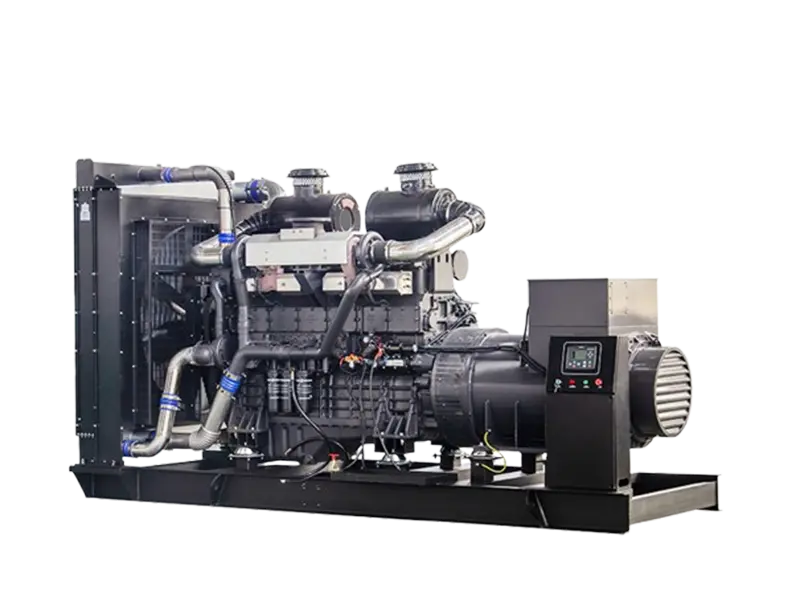
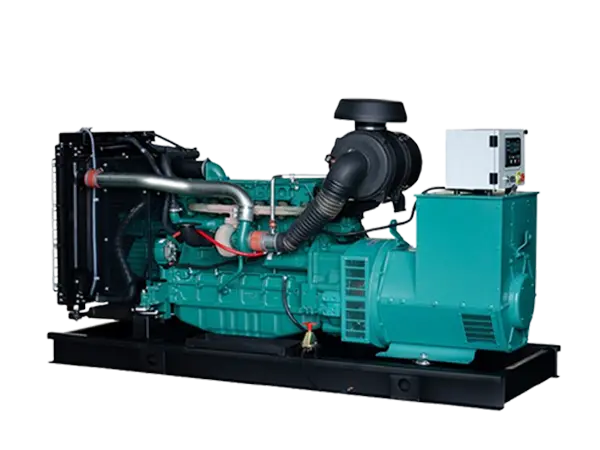
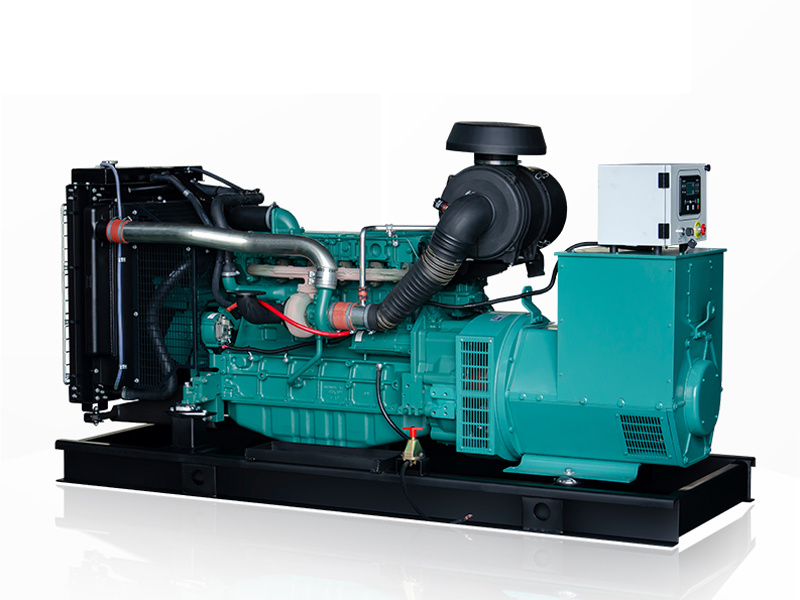
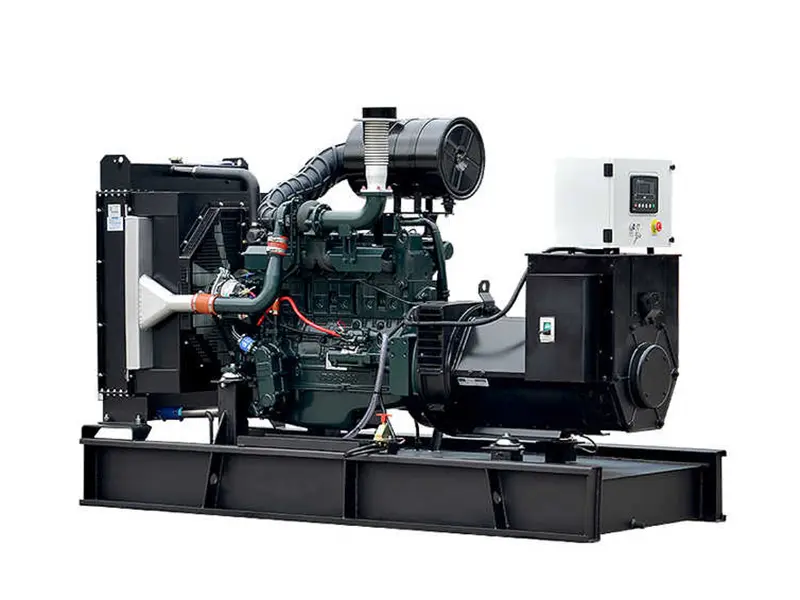
Choosing among China’s top Generator Set manufacturers requires more than comparing online prices. Buyers must examine engineering capability, production quality, certifications, and service reliability. A polished website proves little. Factory evidence matters more.

A dependable manufacturer should explain engine options, alternator performance, control systems, noise levels, and fuel consumption clearly. Ask for complete technical datasheets, test records, and load-bank testing procedures. A serious supplier can discuss performance at 25%, 50%, 75%, and 100% load. Small details matter. Check enclosure thickness, radiator design, wiring quality, and emergency-stop access.

Experience also reveals hidden risks. A supplier may promise fast delivery, yet spare-parts support could remain unclear. Confirm warranty terms, response times, technician availability, and overseas service coverage. Request customer references from projects with similar climate, altitude, and operating demands. Independent factory audits can strengthen confidence, especially when production claims seem unusually impressive.

No checklist is perfect. Even experienced buyers can overlook installation conditions or long-term maintenance costs. A cheaper Generator Set may consume more fuel or require frequent repairs. That difference becomes expensive after thousands of operating hours. Compare lifecycle value, not only the purchase invoice. Reliable manufacturers welcome technical questions and provide consistent answers across sales, engineering, and service teams. Their documentation should match the delivered equipment. This simple comparison often separates a capable manufacturer from a persuasive reseller.

China Top Generator Set Manufacturers How to Choose?

What Defines a Top Generator Set Manufacturer in China?

What Defines a Top Generator Set Manufacturer in China?

A top generator set manufacturer proves its ability through consistent production, testing, and field experience. In practice, a reliable factory should show clear quality procedures, trained technicians, and traceable component records. Its engineers must understand load profiles, standby ratings, fuel systems, cooling demands, and local operating conditions. A polished showroom is not enough.

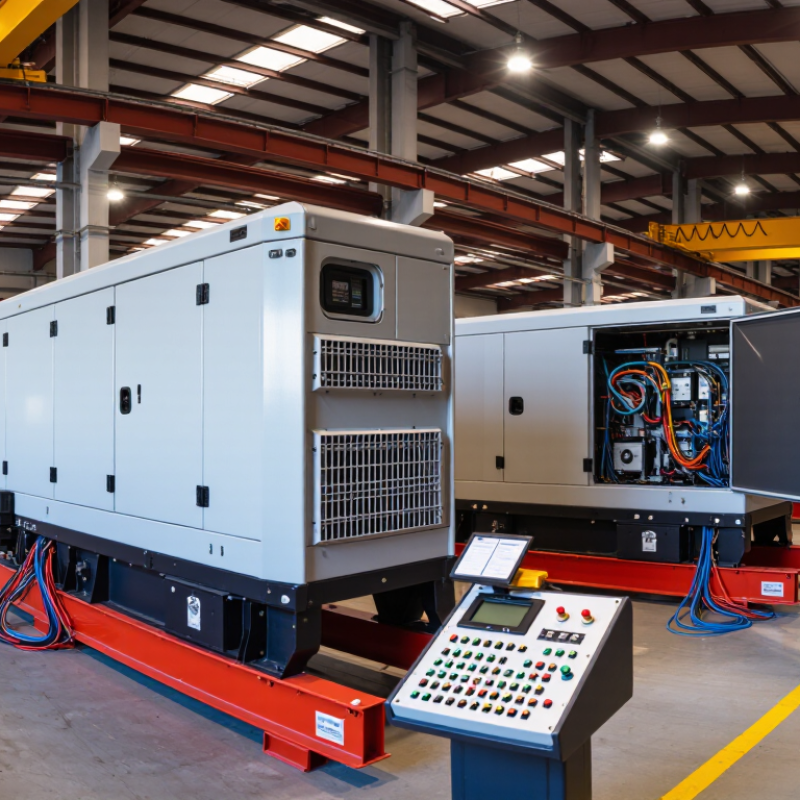
The test floor reveals more. Ask whether each generator set receives load-bank testing before shipment. Check readings for voltage stability, frequency control, oil pressure, coolant temperature, noise, and fuel consumption. Real measurements matter. Inspect welding, wiring routes, control-panel labeling, and enclosure sealing. Small details often predict maintenance problems after installation. Certification documents should be current, verifiable, and matched to the actual production model, not a similar unit.

Technical strength must continue after delivery. A dependable manufacturer provides installation guidance, commissioning support, operating manuals, spare-parts planning, and responsive technical communication. It should explain service intervals in practical terms. Photos, test reports, and customer references can support its claims, but none replaces an independent factory inspection. No manufacturer is flawless. Even experienced teams can miss a documentation error or underestimate extreme heat. The strongest suppliers acknowledge these risks, correct weaknesses openly, and improve their process through recorded feedback. Reliability grows from evidence, not confident promises.

How to Match Generator Set Types to Your Power Requirements

Choosing a generator set starts with the load, not the catalogue. Record running watts, starting current, voltage, phase, and frequency for each critical device.

Motors, pumps, compressors, and refrigeration units may demand two to seven times their running power during startup. A site survey should also check altitude, ambient temperature, fuel access, noise limits, and available space. These details often change the practical generator size.

Match the operating pattern to the generator type. A standby set suits occasional outages and emergency loads. A prime-power set fits sites with changing loads and regular operation, such as construction areas or remote facilities. A continuous-duty set is intended for stable, long-hour demand.

Diesel sets are commonly selected for heavy loads and long runtimes, while gas sets can suit locations with dependable gas supply and lower local emissions needs. Inverter or portable units may serve sensitive, smaller loads, but verify waveform quality and transfer equipment.

Oversizing is not always safer. Light loading can cause poor efficiency and maintenance issues. I have seen estimates fail because future expansion was guessed too generously.

Tips: Build a load schedule with measured data, not memory. Add starting-current requirements separately.

Keep a sensible reserve, often 10–20%, after engineering review. Confirm automatic transfer compatibility, cooling capacity, service intervals, and local installation rules with a qualified technician.

Test the selected set under realistic load conditions before final approval.

Which Quality, Safety, and Compliance Factors Should You Check?

Choosing China’s top generator set manufacturers requires more than comparing prices or catalog ratings. The IEA’s Electricity 2024 report estimates data-center electricity use could rise from about 460 TWh in 2022 to more than 1,000 TWh by 2026. That growth makes dependable backup power increasingly important. Ask for ISO 9001 quality records, production traceability, and documented factory acceptance tests. A serious test should include load-bank operation, voltage recovery, frequency stability, fuel consumption, exhaust temperature, and battery performance. Request raw test results, not only a certificate.

Check whether the generator set follows ISO 8528 performance requirements and whether the alternator complies with relevant IEC 60034 provisions. For emergency installations, NFPA 110 may apply, depending on the project location and authority. Confirm the declared rating carefully. Prime, continuous, and standby ratings are not interchangeable. Verify protection against overspeed, low oil pressure, high coolant temperature, short circuit, and emergency-stop faults. Inspect the control panel physically. Labels should remain readable beside hot surfaces and moving parts.

Compliance does not guarantee field reliability. That is easy to forget. Ask for independent inspection options, component serial numbers, calibration records, spare-parts availability, and technician response times. Review emissions, noise, fuel-storage, and electrical requirements with the local authority. Poor installation can defeat good manufacturing. I would also request a witnessed load test under realistic power factors, because a clean no-load demonstration proves very little. Industry surveys often emphasize outage prevention, yet maintenance records reveal the uncomfortable truth: neglected systems fail.

China Top Generator Set Manufacturers: How to Choose?
Quality, Safety, and Compliance Factors to Check

Evaluation Area What to Check Recommended Evidence or Test Practical Acceptance Criteria Why It Matters Priority
Quality Management Quality management system Review a valid ISO 9001 certificate, certification scope, issuing body, and certificate validity. The scope should cover the design, assembly, testing, or supply of generator sets as applicable. Shows that production and inspection processes are controlled and documented. High
Product Standards Generator-set design standard Check technical documentation against ISO 8528 or the applicable national equivalent, such as GB/T 2820. Rated power, duty class, voltage, frequency, governing method, and operating conditions should be clearly stated. Provides a consistent basis for comparing performance and application suitability. High
Electrical Safety Protection and insulation performance Request routine test records for insulation resistance, dielectric withstand, protective earthing, polarity, and control-circuit checks. Test values should comply with the applicable electrical standard and the approved product specification. Reduces the risk of electric shock, insulation failure, and control-system damage. High
Performance Testing Factory load-bank test Ask for a signed test report covering no-load, partial-load, rated-load, voltage, frequency, oil pressure, coolant temperature, and alarms. The set should reach its specified rated output without abnormal alarms, overheating, unstable voltage, or unstable frequency. Confirms that the assembled engine, alternator, controller, and cooling system work together. High
Load Response Transient voltage and frequency response Review test results for step-load acceptance and recovery under the planned operating conditions. The results should meet the declared performance class and the requirements of the connected equipment. Important for motors, pumps, data equipment, medical equipment, and other sensitive loads. High
Fuel Efficiency Fuel consumption at different loads Request fuel-consumption data at approximately 25%, 50%, 75%, and 100% load, with test conditions stated. Data should identify the fuel type, rated speed, ambient conditions, measurement method, and tolerance. Allows a realistic estimate of operating cost rather than relying only on a single full-load figure. Medium
Engine and Alternator Component compatibility and traceability Verify model numbers, serial-number records, alternator insulation class, IP rating, winding protection, and controller configuration. All major components should match the approved bill of materials and the final test report. Prevents substitution of lower-specification components and simplifies future maintenance. High
Emissions Applicable emissions compliance Identify the destination-market requirements and request the relevant engine emissions certificate or conformity documentation. The emissions level must match the country, project location, engine power range, and installation date requirements. Non-compliant engines may be refused for installation or operation by local authorities. High
Market Access Electrical and machinery conformity For applicable export markets, check the declaration of conformity, technical file references, risk assessment, and required marking or labeling. Documentation should correspond to the exact model, configuration, voltage, frequency, and intended market. Supports lawful import, installation, and use in the target country. High
Noise and Environment Sound pressure and enclosure performance Request a noise test report stating the measurement distance, load condition, microphone position, and environmental conditions. The measured value should meet the project limit; common comparisons use sound pressure at a stated distance, not an unspecified value. Helps meet residential, commercial, industrial, and site-permit requirements. Medium
Safety Protection Emergency shutdown and alarm functions Test overspeed, low oil pressure, high coolant temperature, low coolant level where fitted, emergency stop, and overcurrent protection. Each protection function should activate at the specified threshold and be recorded in the commissioning checklist. Limits equipment damage and improves personnel safety during abnormal conditions. High
Automatic Operation ATS and remote-monitoring integration Check automatic start, transfer, retransfer, cooldown, remote alarm, communication protocol, and manual override functions. The complete system should be tested with the actual or equivalent automatic transfer equipment. Ensures reliable standby operation during utility interruptions. High
Mechanical Safety Fuel, exhaust, ventilation, and guarding Review installation drawings for fuel shutoff, flexible exhaust connection, hot-surface protection, rotating-part guards, lifting points, and ventilation. The design should prevent fuel leakage, unsafe exhaust routing, overheating, and accidental contact with moving or hot parts. Many generator incidents result from installation deficiencies rather than the generator core itself. High
Environmental Durability Operating conditions and enclosure protection Confirm altitude, ambient-temperature range, humidity, dust, salt exposure, rain protection, and enclosure IP rating where applicable. Any derating for high altitude or high ambient temperature should be stated in the quotation and technical data sheet. Prevents unexpected power loss and corrosion in demanding environments. High
Factory Capability Production and testing facilities Conduct a factory audit or virtual inspection covering assembly, wiring, calibration, load-bank capacity, inspection records, and finished-goods storage. The available test capacity should be suitable for the requested generator rating and quantity. Helps distinguish documented manufacturing capability from trading-only supply. High
Documentation Technical and installation documents Require an English operation manual, wiring diagram, single-line diagram, foundation information, maintenance schedule, spare-parts list, and troubleshooting guide. Documents should match the supplied model and include revision numbers or controlled-document references. Accurate documents reduce installation errors and shorten maintenance time. High
After-Sales Support Warranty and service response Review warranty duration, covered parts, exclusions, response time, technical support channels, and spare-parts availability. Terms should define responsibilities for remote diagnosis, replacement parts, labor, transport, and commissioning support. Service quality directly affects uptime after delivery. High
Commercial Control Quotation clarity and configuration control Compare rated and standby power, voltage, frequency, phase, fuel tank size, battery system, enclosure, options, delivery scope, and exclusions. The quotation should identify the exact configuration and avoid undefined terms such as “maximum power” without duty classification. Prevents price comparisons based on different technical specifications. High

How to Compare Manufacturing Capability, Pricing, and Delivery?

Choosing among China’s top generator set manufacturers requires more than comparing catalog prices. Manufacturing capability should be checked through evidence, not confident promises. Ask for factory photographs, production records, quality procedures, and recent test reports. A reliable facility should explain how it matches the engine, alternator, controller, cooling system, and enclosure. Request a witnessed load-bank test before shipment. Details matter.

Pricing must be compared line by line. Check the rated power, fuel tank size, noise level, protection grade, control panel, battery system, and automatic transfer switch. Confirm whether installation tools, spare parts, commissioning, packaging, and warranty support are included. A very low quotation may exclude essential items. However, higher prices do not automatically prove better quality. I have seen expensive proposals with weak documentation. That should make buyers pause.

Delivery depends on more than the advertised production time. Request a schedule covering drawing approval, component sourcing, assembly, factory acceptance testing, and port dispatch. Ask how delays are handled when a key component arrives late. A practical supplier should provide serial-number tracking and clear inspection points. Confirm export documents, packing standards, destination requirements, and after-sales response times. Leave room for revision. Specifications often change after the first technical meeting, and ignoring that possibility can create avoidable cost and delay.

How to Verify After-Sales Support Before Choosing a Supplier

Choosing among China’s top generator set manufacturers requires more than comparing engine ratings and prices. After-sales capability determines whether a backup system starts during a blackout. The Uptime Institute’s 2023 Annual Outage Analysis reported that 60% of significant outages caused at least $100,000 in losses. That figure makes service verification a purchasing task, not a courtesy request. Ask for a written response-time agreement, escalation chart, and regional technician coverage. Vague promises are weak evidence.

Request anonymized service records from comparable installations. Check arrival times, fault descriptions, corrective actions, and repeat failures. Ask whether critical parts, including controllers, sensors, belts, and filters, are stocked locally. A warehouse photograph helps, but a live video inventory check is stronger. Require technician certificates, commissioning procedures, and load-bank testing records. ISO 8528-6 emphasizes performance testing for generating sets. Suppliers should explain how they document those tests. Do not accept “tested” without readings.

Call the emergency number outside office hours. Record who answers, how quickly, and whether the person understands your site. Confirm warranty exclusions, maintenance intervals, software support, and travel charges. The IEA’s Electricity 2024 report expects data-centre electricity demand to more than double by 2026, increasing pressure on reliable standby power. Reports cannot replace judgment. A supplier may pass every document check and fail one real call. Include a paid trial inspection before signing, although budgets often resist it. That hesitation is understandable, but it can become an expensive blind spot.