How to Choose the Best Heavy Duty Diesel Generator for Your Needs?
When it comes to selecting the best Heavy Duty Diesel Generator, several crucial factors come into play. The global generator market is projected to reach $30 billion by 2027, according to industry reports. This underscores the increasing demand for robust power solutions across various sectors. Heavy duty models are especially sought after in industries where reliability is non-negotiable, like construction and energy production.
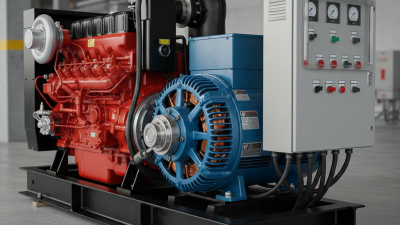
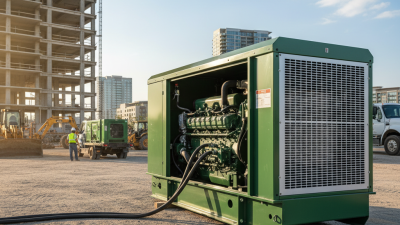
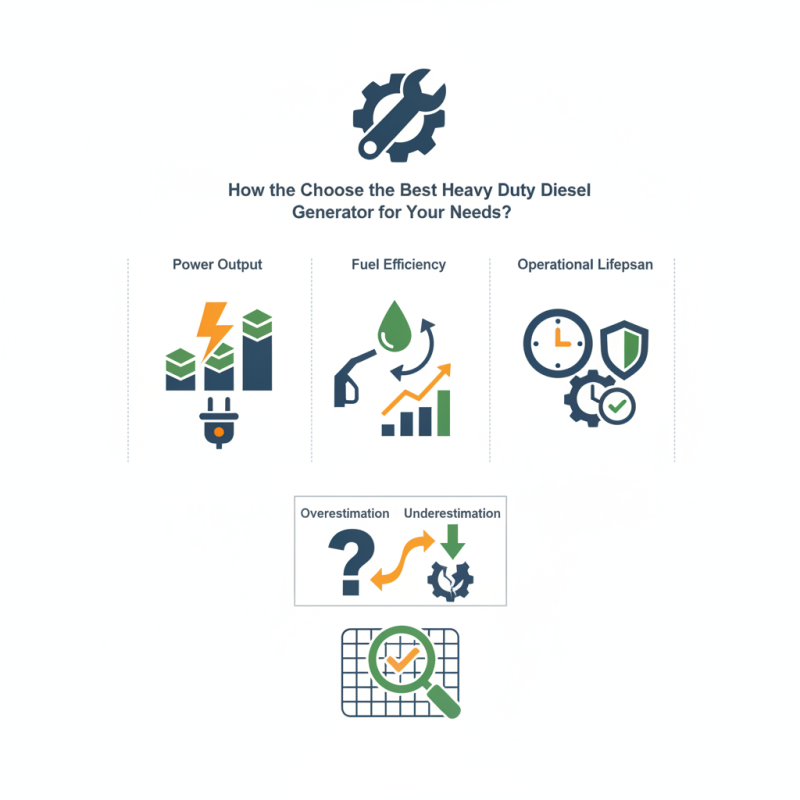
In evaluating generators, it’s essential to consider power output, fuel efficiency, and operational lifespans. Heavy Duty Diesel Generators are designed to perform under adverse conditions and high loads for extended periods. Their ability to provide reliable energy during critical operations often defines their value in industrial settings.
There are often misperceptions about generator capacities. Some users may overestimate requirements, leading to unnecessary expenses. In contrast, underestimating power needs can result in equipment failures. It is vital to base decisions on thorough assessments of operational demands and site conditions. Understanding these nuances will steer you toward the right choice, ensuring that the Heavy Duty Diesel Generator you select aligns with your specific needs.
Understanding Your Power Requirements for a Diesel Generator
When selecting a heavy-duty diesel generator, understanding your power requirements is critical. Experts recommend calculating your total wattage needs by listing all the devices and appliances you plan to power. According to industry studies, residential and commercial users may need between 5,000 to 20,000 watts depending on the scale of operations. This figure can vary, especially in industries like construction, where power demands are often higher.
Power requirements also depend on whether you plan to use the generator for short-term or continuous power. For intermittent use, a lower wattage may suffice. A report by the Electric Power Research Institute notes that consistent loads, such as HVAC systems or large machinery, may need up to 75% more wattage during startup. It’s essential to consider these fluctuations to avoid overload scenarios. Many users underestimate these demands, leading to inefficient power supply and potential damage to equipment.
Evaluating your specific needs also involves understanding the generator’s fuel efficiency and run time. A diesel generator’s efficiency can vary significantly based on load and operational conditions. For example, under heavy loads, some diesel generators may consume up to 50% more fuel than when operating at optimal capacity. Knowing this can prevent unnecessary fuel costs and extend the life of the generator.
Key Features to Consider in a Heavy Duty Diesel Generator
When selecting a heavy-duty diesel generator, several key features demand your attention. Start with the power output. Calculate your energy needs accurately. This helps you avoid underpowered equipment. Look for a generator that can handle peak loads efficiently. Power efficiency is critical for long-term savings and performance.
Next, pay attention to durability. A robust construction ensures longevity. Check the frame material and housing design. These details can affect how well it handles harsh environments. Noise level is another factor. Some generators produce excessive noise. Choose one that operates quietly, especially for residential areas.
Consider the maintenance aspect. Look for models with easy access to key components. Regular upkeep is essential for reliability. Not all generators are designed for easy service. This could lead to potential issues down the line. Availability of spare parts is also important. Limited support can be frustrating when repairs are necessary. Make an informed decision based on these critical features.
Key Features to Consider in a Heavy Duty Diesel Generator
| Feature |
Details |
| Power Output |
Typically ranges from 25 kW to 2000 kW, suitable for various applications. |
| Fuel Efficiency |
Modern generators offer improved fuel consumption rates for extended use. |
| Noise Level |
Noise levels can vary; look for models with a decibel rating under 75 dB for quieter operation. |
| Durability |
Heavy-duty construction designed to withstand harsh environments and long operational hours. |
| Portability |
Portable options available for mobile applications; consider weight and size. |
| Ease of Maintenance |
Look for models with easy access to oil filters and service points for quick maintenance. |
| Starting System |
Electric start systems for ease; manual options available for backup. |
Comparing Different Diesel Generator Brands and Models
When selecting a heavy-duty diesel generator, comparing different brands and models is crucial. Each brand offers various features and reliability levels. Focus on what fits your specific needs. For instance, power output, fuel efficiency, and noise levels are essential. Some models may excel in portability but lack in power capacity. Others may offer solid build quality but are pricier.
Tips: Always assess your power requirements first. Calculate the total wattage of the devices you plan to use. This calculation helps you avoid under or overestimating your generator needs. Research user reviews and ratings to gather insights. Actual user experiences can highlight strengths and weaknesses you might overlook.
It can get overwhelming. You may discover some models are more complex than necessary. Simplicity may sometimes be preferable—especially for emergency situations. Factor in maintenance needs as well. Some brands are known for ease of servicing, while others can lead to frustration down the line. Prioritize brands that provide clear support information. This can save you time and effort in the long run.
Comparison of Diesel Generator Specifications
This chart compares various specifications for heavy-duty diesel generators, including power output (in kW), fuel tank capacity (in liters), and noise level (in dBA).
Evaluating Fuel Efficiency and Operational Costs
When selecting a heavy-duty diesel generator, fuel efficiency is a critical factor. Understanding how much fuel a generator consumes can help you predict long-term operational costs. A generator with lower fuel consumption may have a higher initial cost but can save money over time. Each model varies in efficiency based on load capacity. Look for specifications that detail fuel consumption at different load levels.
Operational costs also include maintenance and repair expenses. Diesel generators require regular servicing to ensure optimal performance. A generator that consumes more fuel may need less frequent maintenance. However, high consumption can offset the savings. Take into account the price of diesel in your area and how it fluctuates.
It's essential to evaluate the total cost of ownership. Sometimes, a less efficient generator seems cheaper upfront but could be more costly in the long run. Calculating these costs can be challenging. Therefore, researching various models and consulting with experts may provide clarity. Investing time in evaluation can lead to significant savings and better performance for your specific needs.
Maintenance and Support Considerations for Diesel Generators
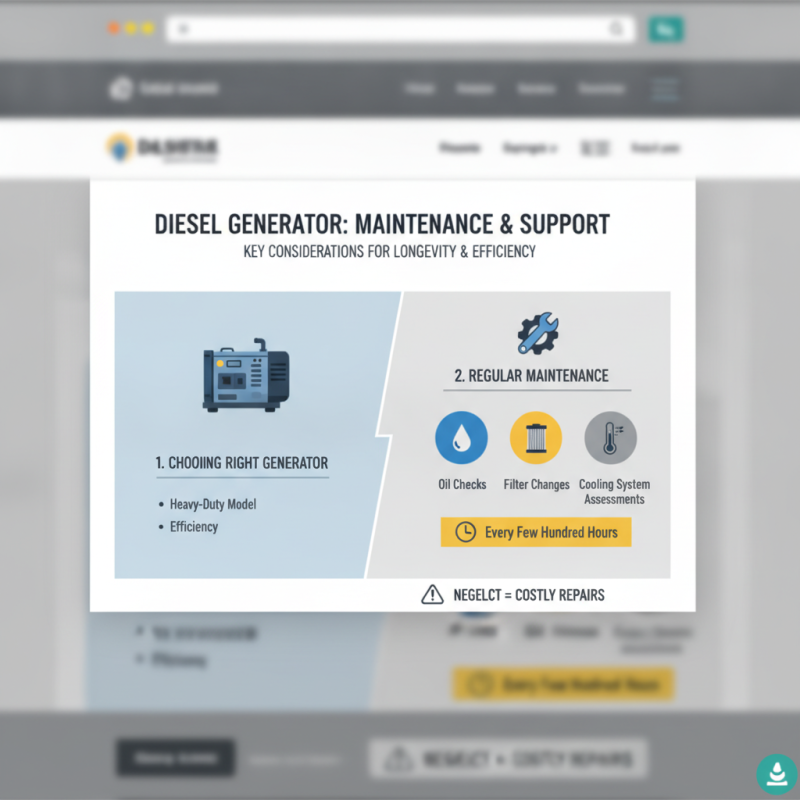
Choosing the right heavy-duty diesel generator is crucial for efficiency. However, maintenance is just as important. Regular upkeep ensures longevity. Diesel generators require oil checks, filter changes, and cooling system assessments every few hundred hours. Ignoring these tasks can lead to costly repairs.
Support is another vital aspect. When investing in a generator, consider the availability of service technicians. Access to trained professionals can save you time and frustration during emergencies. Additionally, familiarize yourself with troubleshooting basics. A simple issue might turn into a bigger problem if not addressed promptly.
While many generators claim ease of maintenance, real-world experience can differ. Some models are complex, making it hard for users to perform basic tasks. Knowledge of your specific model increases confidence in handling maintenance. Reflect on your own capacity to deal with these requirements before finalizing a purchase.

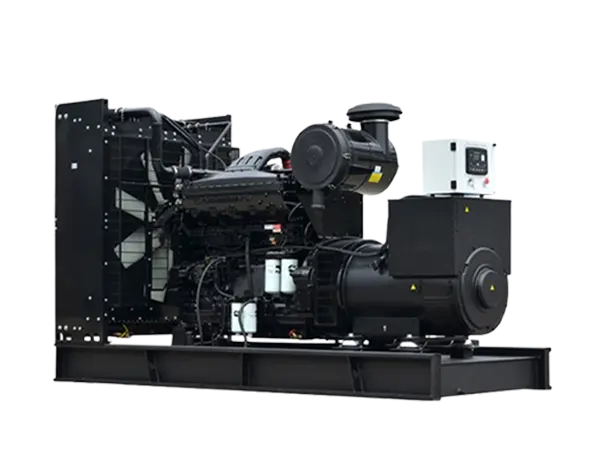 Diesel Generator Sets with Cummins Engines, XHZC Series
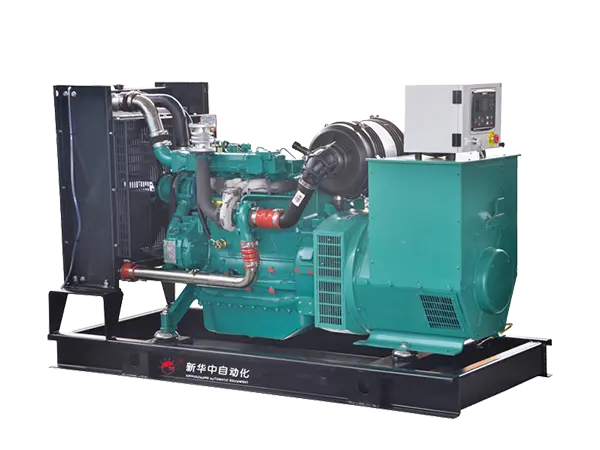 Weichai Series
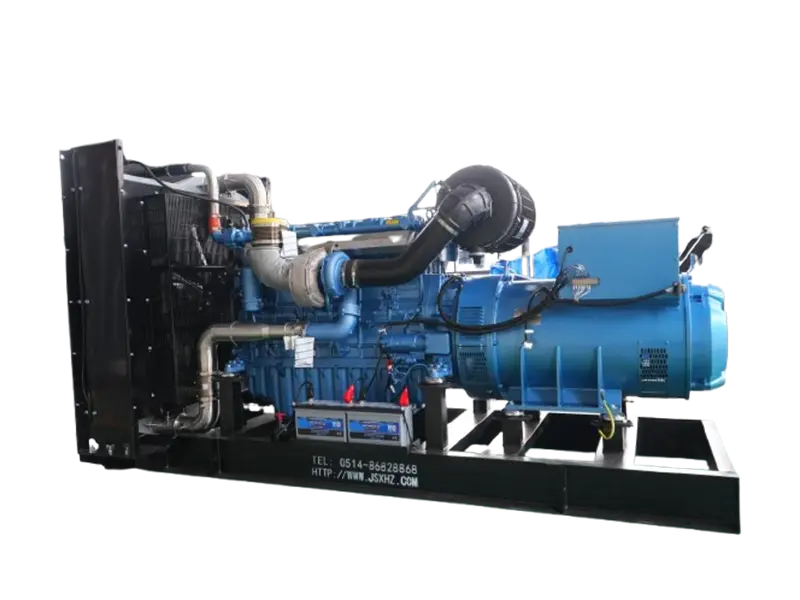 Diesel Generator Sets with WEICHAI Engines, XHZW Series
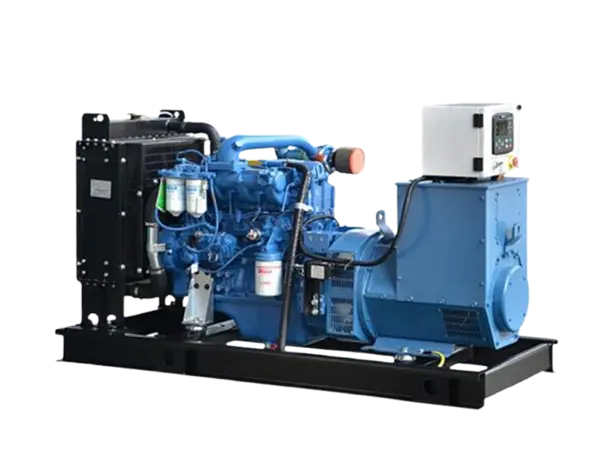 Yuchai Series
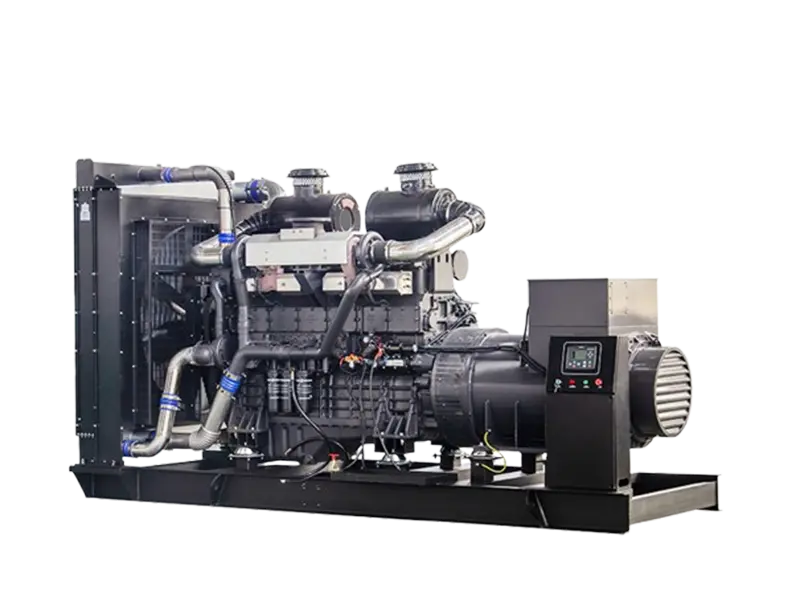 Diesel Generator Sets with SDEC(SHANGCHAI) Engines, XHZS Series
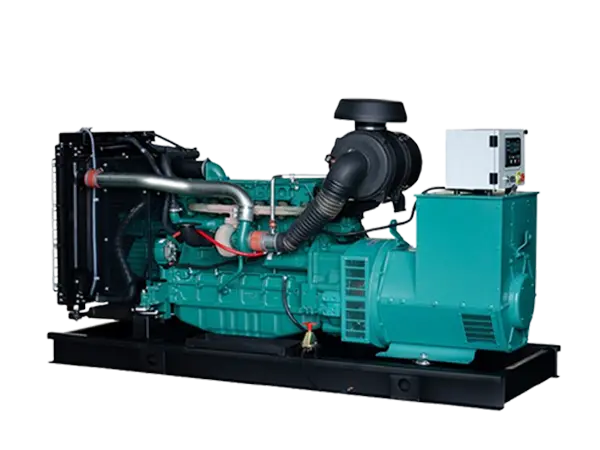 Volvo Series
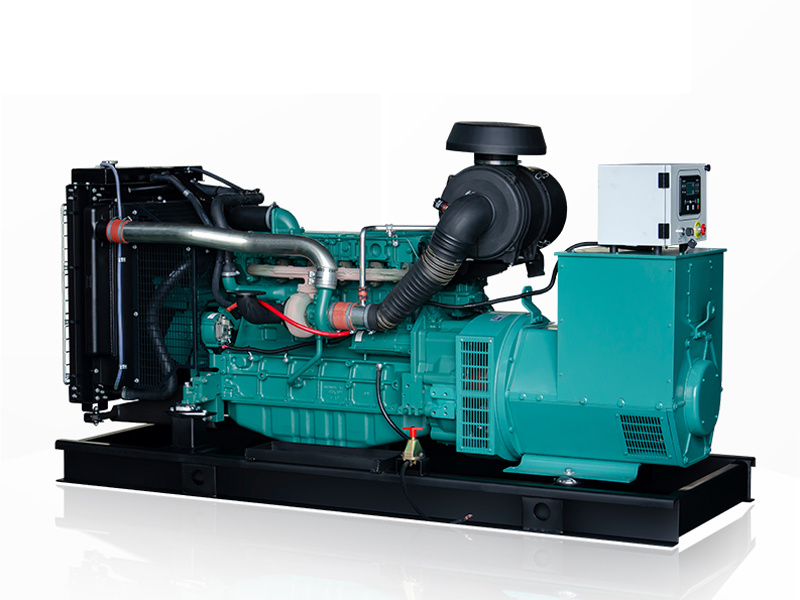 Diesel Generator Sets with VOLVO Engines, XHZV Series
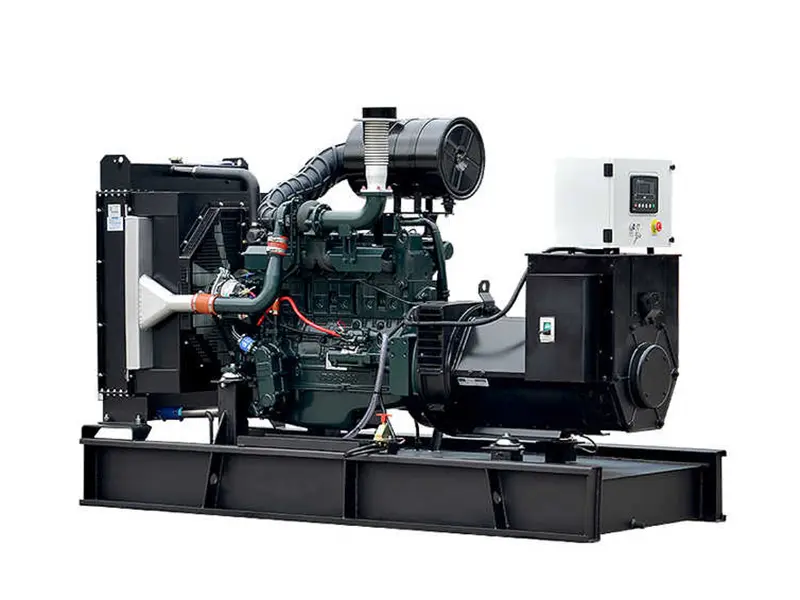 Diesel Generator Sets with Doosan Engines
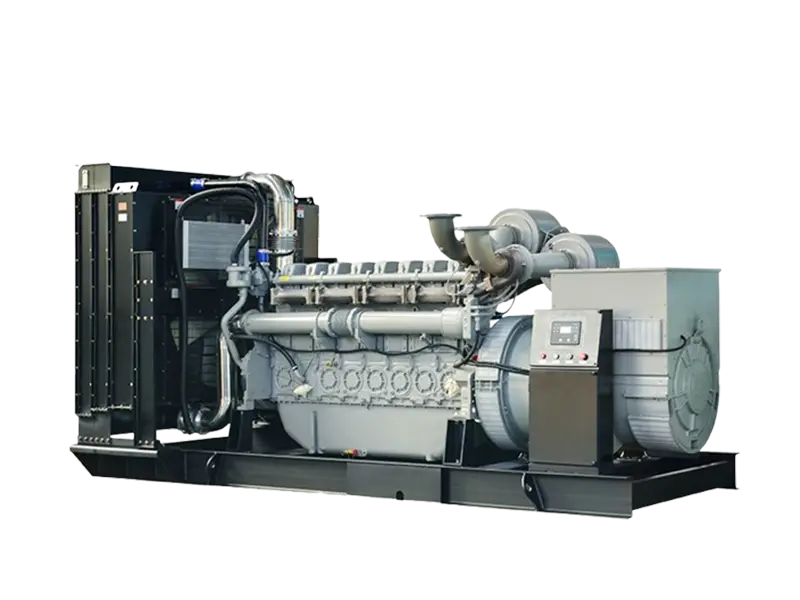 Diesel Generator Sets with Perkins Engines, XHZP Series
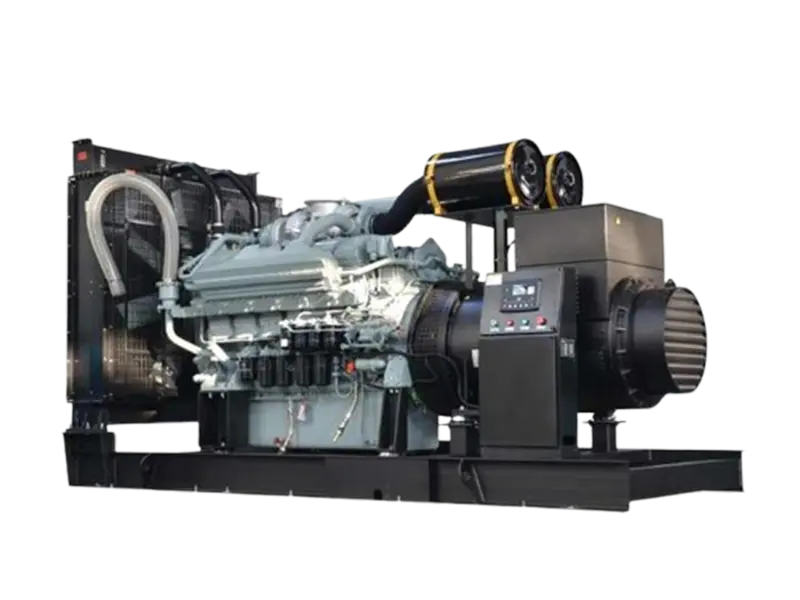 Diesel Generator Sets with Mitsubishi Engines
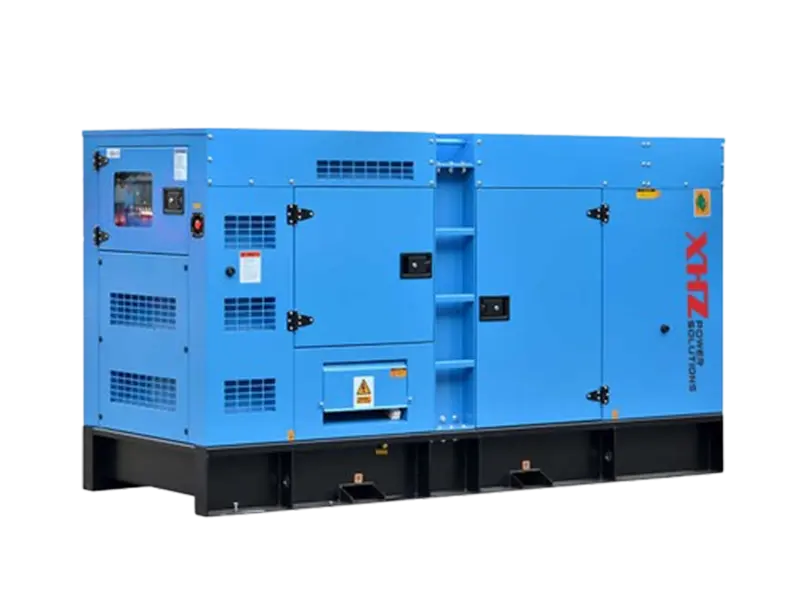 Silent Diesel Generators
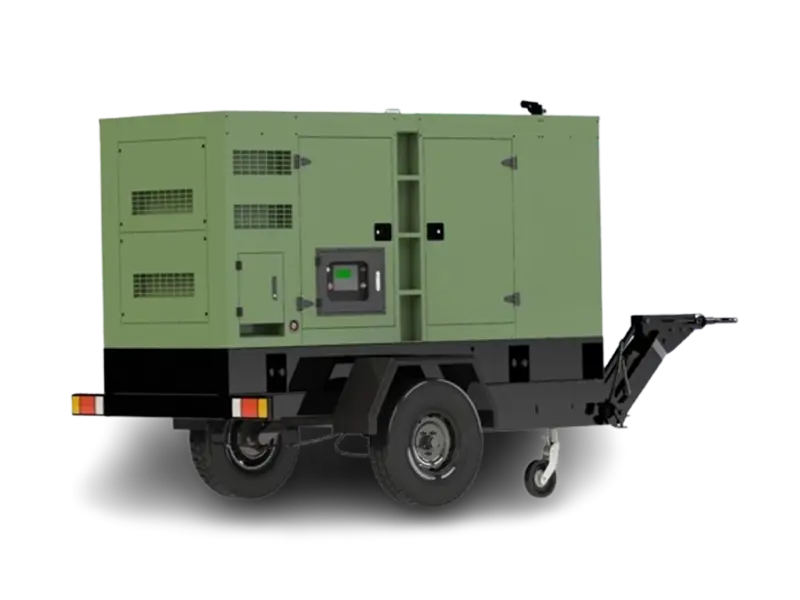 Mobile Silent Diesel Generators
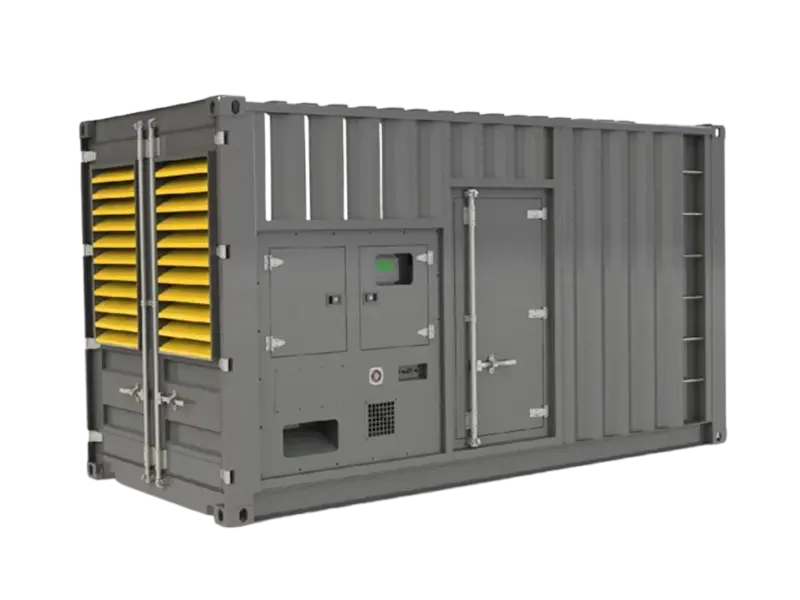 20/40HQ-Standard Container Type Generators