- Home
- Products
- Service
- About Us
- Solution
- Videos
- News
- Contact Us
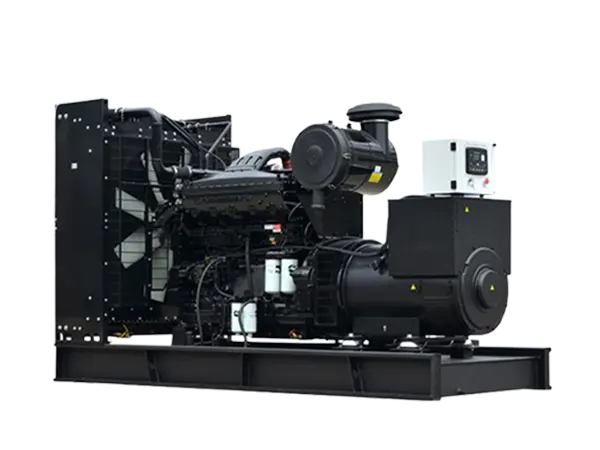 Diesel Generator Sets with Cummins Engines, XHZC Series
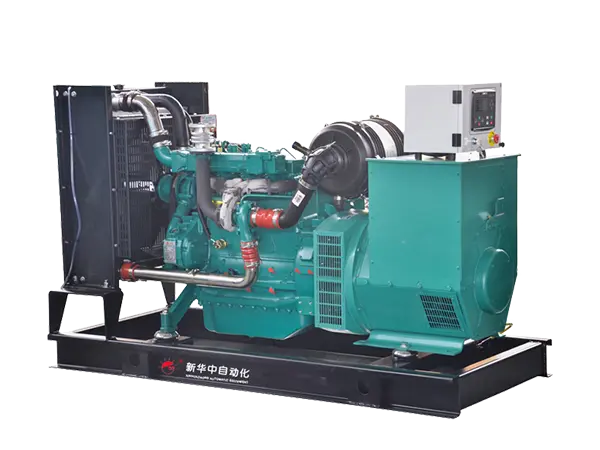 Weichai Series
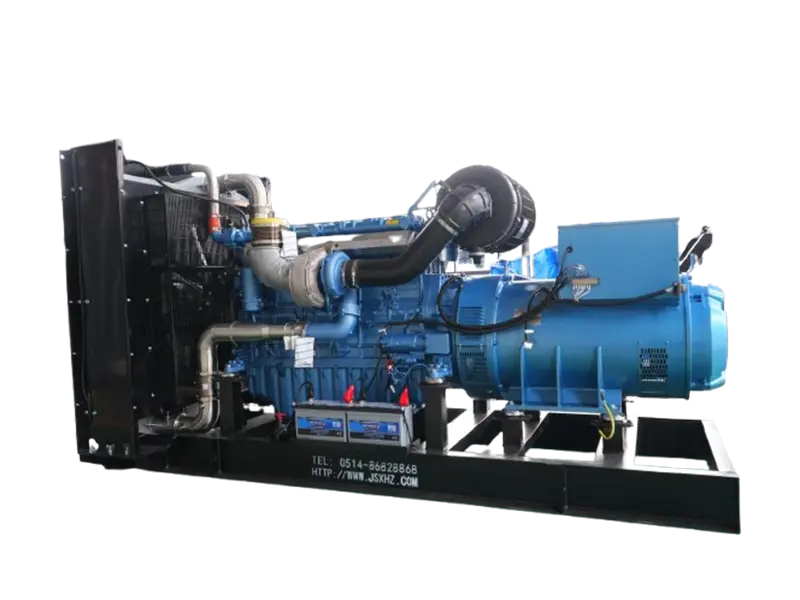 Diesel Generator Sets with WEICHAI Engines, XHZW Series
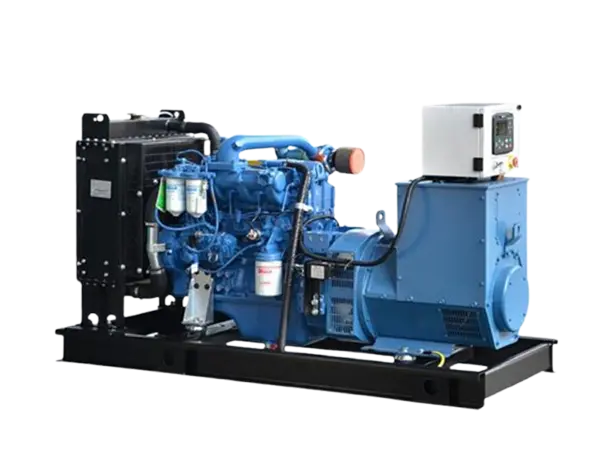 Yuchai Series
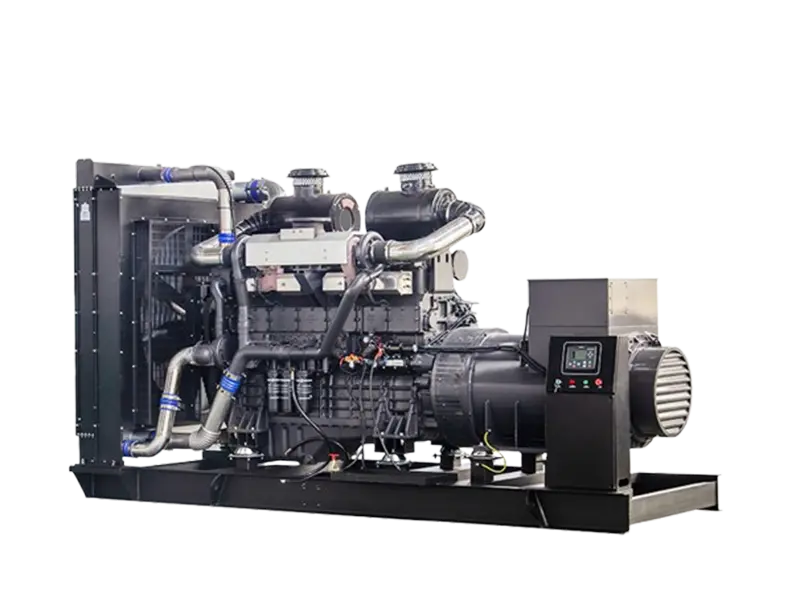 Diesel Generator Sets with SDEC(SHANGCHAI) Engines, XHZS Series
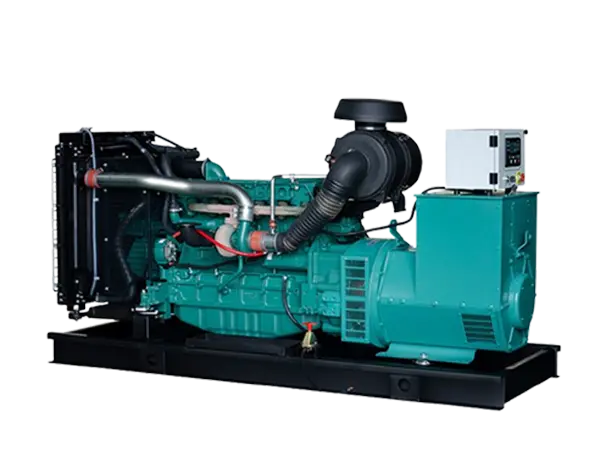 Volvo Series
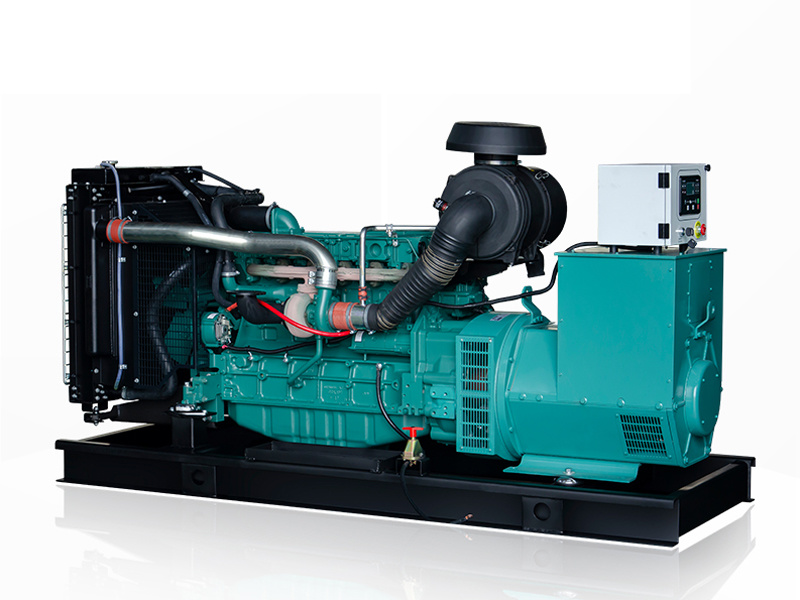 Diesel Generator Sets with VOLVO Engines, XHZV Series
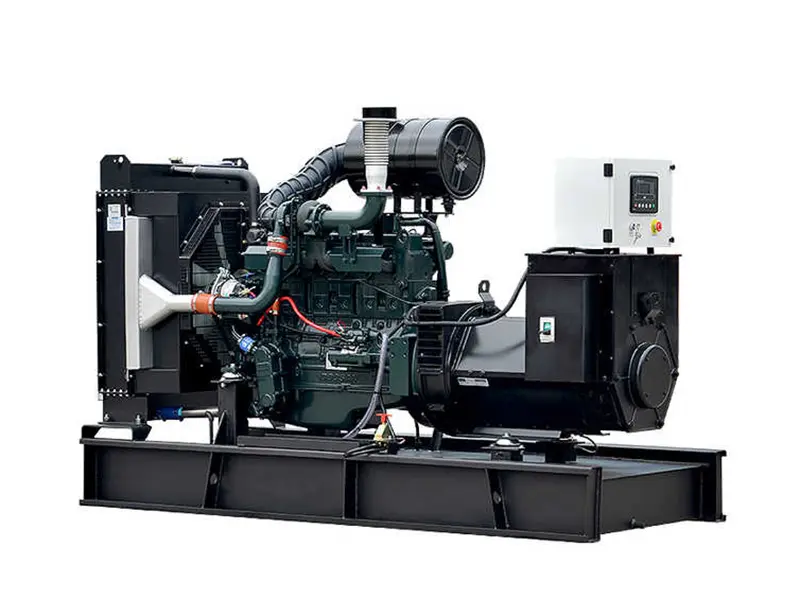 Diesel Generator Sets with Doosan Engines
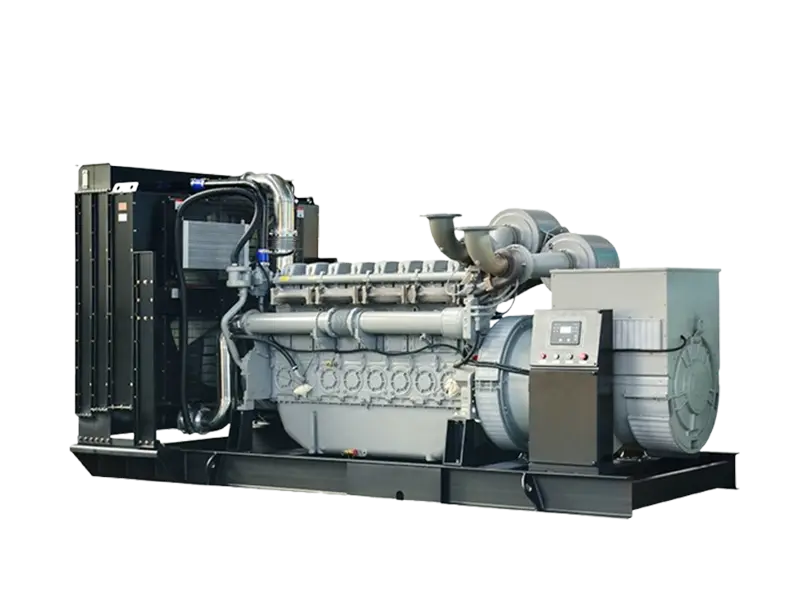 Diesel Generator Sets with Perkins Engines, XHZP Series
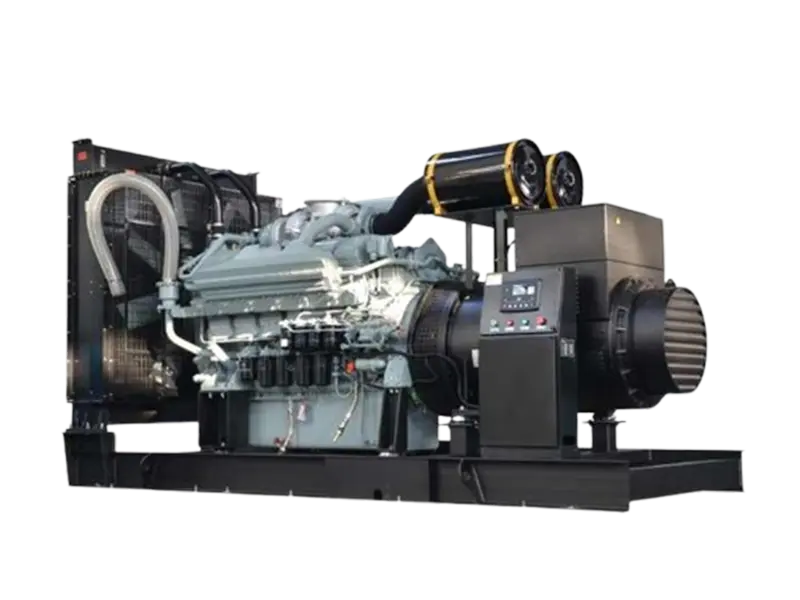 Diesel Generator Sets with Mitsubishi Engines
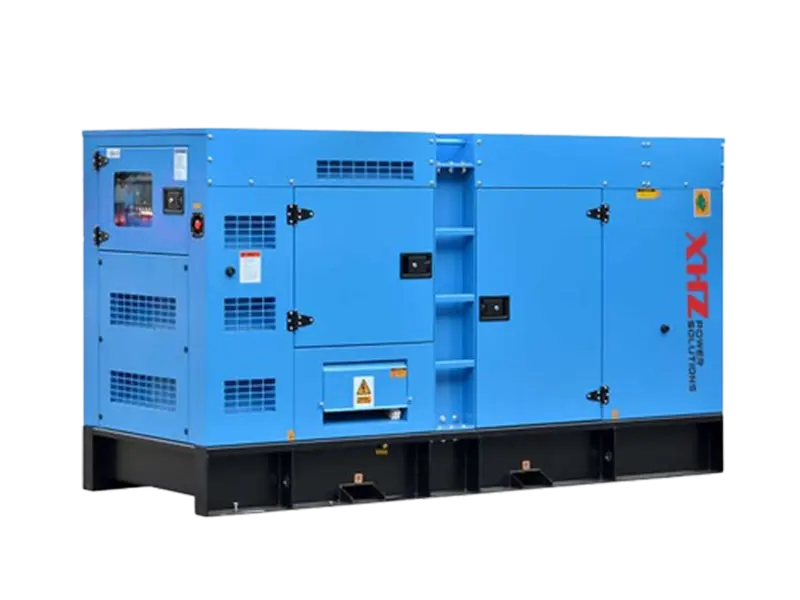 Silent Diesel Generators
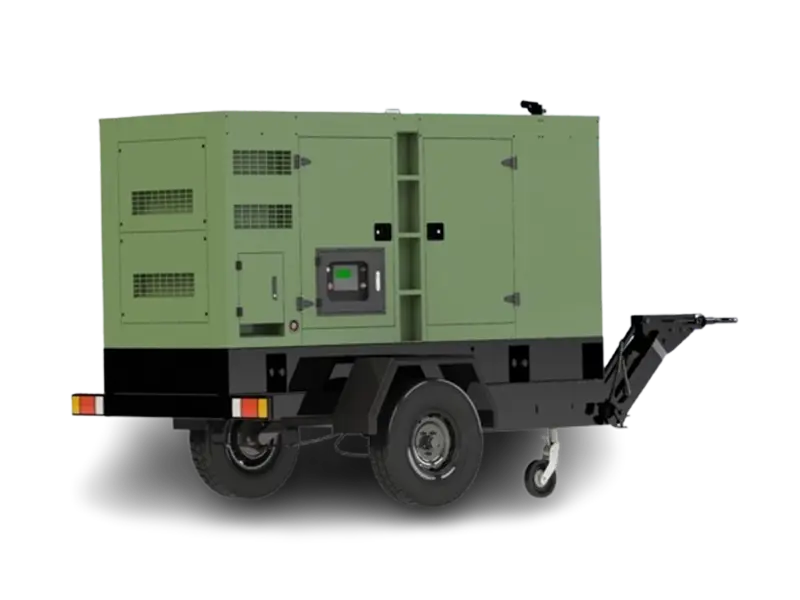 Mobile Silent Diesel Generators
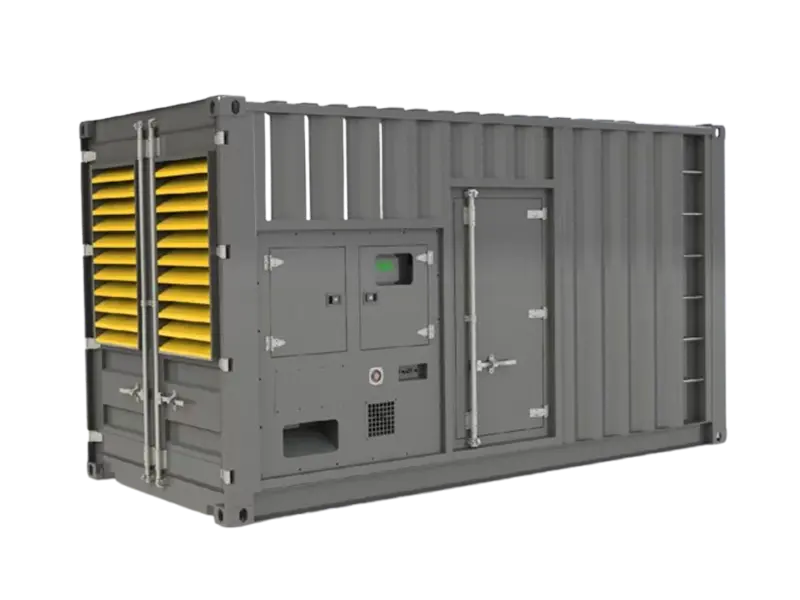 20/40HQ-Standard Container Type Generators
Leave Your Message
Choosing the 2026 best Emergency Diesel Generator manufacturers requires more than comparing engine size or brochure efficiency. Hospitals, data centers, factories, and transport hubs need power that starts quickly, carries unstable loads, and remains serviceable during long outages. A polished specification can hide practical weaknesses.
Tom Linebarger, former chairman and chief executive of Cummins, said, “We are in the business of powering a more prosperous world.” That statement reflects the generator industry’s wider responsibility. An Emergency Diesel Generator protects more than equipment. It supports patient care, refrigerated medicine, communication systems, fire pumps, and essential production.
This guide evaluates leading manufacturers through real operating demands. We examine starting reliability, alternator performance, automatic transfer switch compatibility, fuel efficiency, emissions control, acoustic design, and global service coverage. We also consider ISO 8528 and NFPA 110 expectations where applicable. Local requirements still matter.
Field experience changes the picture. A generator may start perfectly during commissioning but struggle after months of poor maintenance. Fuel contamination, weak batteries, blocked ventilation, and neglected load-bank testing remain common failures. Small details matter.
No ranking is flawless.
Manufacturer quality can vary by region, dealer, configuration, and installation contractor. Therefore, this review avoids relying only on laboratory claims. It considers documented testing, parts availability, technician response, warranty clarity, and feedback from demanding sites. Some conclusions may require revision as new low-emission engines and hybrid control systems develop. Readers should verify current specifications before making a purchase.
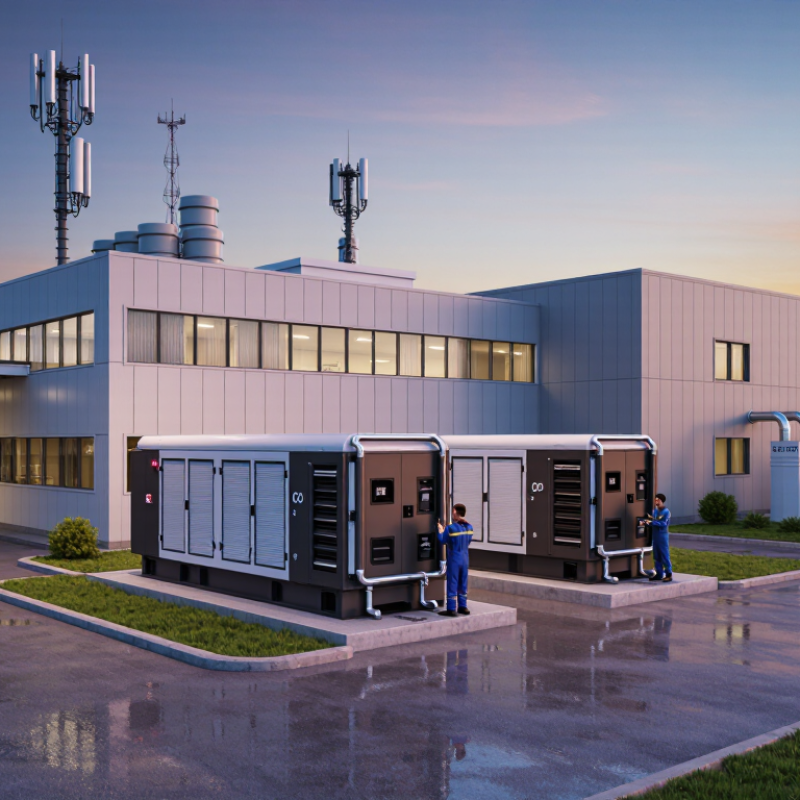
2026 Best Emergency Diesel Generator Manufacturers?
For emergency diesel generators, ISO 8528-5 matters more than a glossy product ranking. It classifies generating-set performance through G1, G2, G3, and G4 requirements. G1 supports basic loads, such as lighting. G2 handles moderate voltage and frequency changes. G3 suits sensitive equipment, including pumps, controls, and communication systems. G4 represents the strictest performance demands, requiring tighter control during load changes.
These classes assess practical behavior. Watch voltage dip, frequency recovery, waveform quality, and load acceptance. A generator may start quickly but still fail a sensitive switchboard test. ISO 8528-5 testing should be reviewed with the actual load profile, not treated as a certificate alone. The IEA’s Electricity 2024 report estimates data-centre electricity consumption could exceed 1,000 TWh globally by 2026. That growth increases pressure on dependable standby power. Yet the number alone does not define the correct ISO class.
Tips: Match the ISO class to the weakest connected load. Ask for witnessed transient-load results. Check fuel quality, cooling airflow, and battery temperature. Small installation details often decide real performance.
A practical weakness remains: many comparisons discuss engine output but ignore recovery time after sudden load steps. That gap can mislead buyers. Engineers should also compare continuous, prime, and emergency standby ratings under local ambient conditions. Heat, altitude, and poor maintenance can reduce available power sharply. A careful specification should name the required ISO performance class, test method, load sequence, and acceptance limits.
| Evaluation dimension | ISO 8528 classification or reference | What the classification means | Procurement check for emergency applications |
|---|---|---|---|
| Basic performance class | G1 | Suitable where only basic voltage and frequency characteristics are required and the connected load is relatively simple. | Confirm that the connected loads do not include sensitive electronic equipment, large motor starts, or demanding automatic-transfer sequences. |
| General commercial performance | G2 | Applies to systems requiring voltage and frequency characteristics comparable to a public utility supply, within specified operating limits. | Request verified transient data for the actual load profile, including block loading, motor starting, and recovery time. |
| Sensitive electronic-load performance | G3 | Designed for loads with stricter requirements for voltage waveform, frequency behavior, and transient response, such as many telecommunications and electronic systems. | Require test evidence for voltage dip, frequency dip, harmonic performance, load acceptance, and recovery under the planned operating sequence. |
| Most demanding performance | G4 | Used when the load has exceptionally demanding requirements for voltage, frequency, waveform quality, and dynamic behavior. The requirements should be agreed between the generator supplier and the customer. | Define numerical acceptance limits before ordering and require a documented factory or site test against those limits. |
| Emergency power rating | ESP — Emergency Standby Power | Maximum power available for variable electrical loads during a utility power interruption, subject to the operating-hour and load limitations stated by the rating standard and manufacturer. | Check whether the specified emergency duty cycle, annual operating hours, ambient conditions, and step-load sequence are included in the rating. |
| Prime-duty rating | PRP — Prime Power | Power available for variable loads for an unlimited number of hours, with the applicable average-load and maintenance requirements defined by ISO 8528 and the rating documentation. | Use PRP when the generator may operate regularly or for extended periods rather than only during utility failures. |
| Limited-time rating | LTP — Limited-Time Running Power | Power available for a limited number of operating hours, commonly specified for applications with a predictable and restricted duty cycle. | Verify the permitted annual hours, load factor, maintenance interval, and whether the rating is acceptable under local electrical regulations. |
| Continuous-duty rating | COP — Continuous Operating Power | Power available for continuous operation at a constant load for an unlimited number of hours, subject to the stated operating conditions. | Select COP only when the duty profile is constant and continuous; do not substitute it for a variable-load prime-power requirement without confirmation. |
| Transient voltage response | ISO 8528-5 performance testing | Evaluates generator-set behavior when load is applied or removed, including voltage deviation and recovery behavior under defined test conditions. | Compare test conditions with the real installation, including the largest motor, transformer inrush, nonlinear loads, and load-bank sequence. |
| Transient frequency response | ISO 8528-5 performance testing | Describes frequency change and recovery following load steps and other dynamic events. | Request frequency dip, recovery time, governing-system response, and load-step results at the intended altitude and ambient temperature. |
| Voltage waveform quality | ISO 8528-5 and project specification | Concerns waveform distortion and the generator set’s ability to supply nonlinear or electronically controlled loads. | Specify allowable total harmonic distortion, crest-factor capability, neutral loading, and compatibility with UPS or variable-frequency-drive systems. |
| Automatic starting and transfer | Project and electrical-code requirement | Covers automatic start, generator breaker or transfer-switch operation, stabilization, and restoration of emergency loads. | Define start delay, transfer time, sequential loading, battery autonomy, redundant starting provisions, and black-start testing requirements. |
| Environmental derating | ISO 8528 operating conditions | Published power output depends on ambient temperature, altitude, humidity, cooling-air conditions, fuel properties, and installation arrangement. | Obtain a site-specific rating at the maximum temperature and elevation, with radiator, ventilation, exhaust, fuel, and enclosure losses included. |
Reference basis: ISO 8528-1 for generator-set application and power-rating classifications; ISO 8528-5 for generator-set performance and dynamic characteristics. Final acceptance limits should be stated in the project specification and confirmed by the applicable local codes.