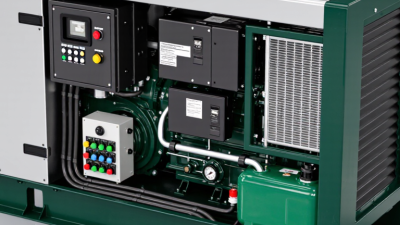
2026 Best Diesel Generator Picture Guide for Buyers
A diesel generator can look simple in a photograph: an engine, an alternator, a control panel, and a steel enclosure. The details matter. A clear Diesel Generator Picture can help buyers compare frame design, cooling airflow, control access, and visible safety features before requesting a quotation. It cannot confirm rated output, emissions compliance, or long-term reliability. Photos are evidence, not proof.
The need for dependable power is growing. The International Energy Agency reported that global electricity demand increased by 4.3% in 2024 in its Global Energy Review 2025. That figure describes electricity demand overall, not diesel-generator sales. Still, it helps explain why backup-power planning deserves careful attention. Buyers should match generator capacity to actual loads, starting currents, operating hours, and site conditions. A large unit is not automatically the right unit.
This 2026 picture guide explains what to inspect in product images, from nameplates and breaker panels to ventilation openings and service clearances. Look for consistent specifications across photos and brochures. Ask suppliers for load-test records, fuel-consumption data, and maintenance documentation. Some product images hide useful details. That is worth questioning. A careful visual review is only the first step toward a sound purchase.
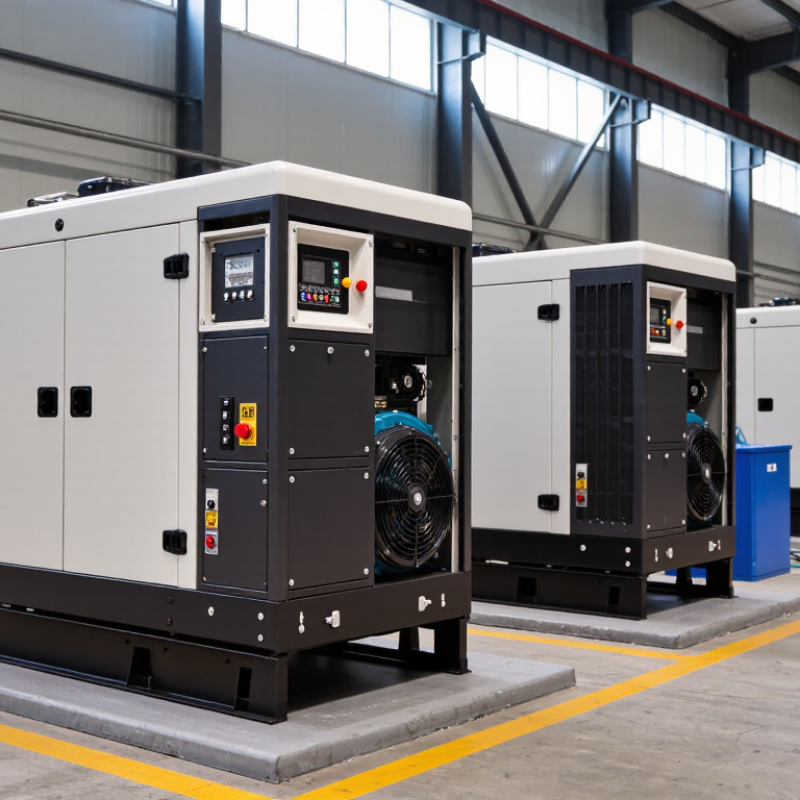
How Diesel Generators Work: A Visual Overview
How Diesel Generators Work: A Visual Overview
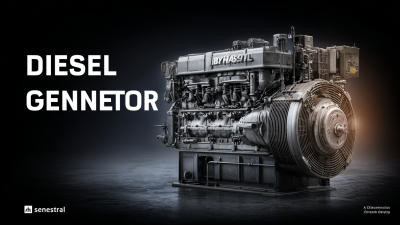
Picture a cutaway: air enters the engine, then a piston compresses it until it becomes hot. Fuel sprays into that compressed air and ignites. The expanding gases push the piston down, turning a crankshaft. That rotation drives an alternator, which produces electricity. The loop is simple. But it is not silent: exhaust, vibration, and heat are part of the process.
Around the engine, a cooling system carries heat away, while lubrication protects moving surfaces. A control panel monitors operating conditions and helps regulate output.
The U.S. Energy Information Administration’s Monthly Energy Review lists distillate fuel oil at about 5.8 million Btu per barrel. Since a barrel contains 42 gallons, that works out to roughly 138,000 Btu per gallon. This describes fuel energy, not electricity delivered; engine losses and load affect actual output.
A clear diagram should show those limits, too. A tidy picture can make the system look effortless, while real installations need careful attention to airflow, exhaust routing, maintenance access, and changing electrical demand. Even a small sizing mistake matters.
Key Components and What Their Images Reveal
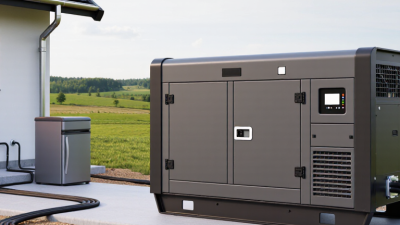
A useful generator photo shows more than a clean enclosure. Look for the engine block, alternator, radiator, control panel, exhaust outlet, and base fuel tank. Their arrangement can reveal whether the unit is open-frame or enclosed, and whether cooling airflow appears unobstructed. Close-ups matter. A nameplate should show kW or kVA, voltage, phase, frequency, and duty rating; without it, appearance cannot confirm capacity.
Check the control panel for readable alarms and a clear display, then inspect cables, vents, guards, and mounting points. EPA’s AP-42, Section 3.4, presents diesel-engine emission factors by engine category and output basis. That data is a reminder that a photograph cannot establish emissions performance; verify the engine’s emissions label and test documentation. A tidy exhaust connection is reassuring, but it proves little about maintenance history. I still find that easy to overlook.
Tips: Request close, well-lit images of the nameplate, control screen, radiator core, and exhaust label. Compare the stated rating with your load and site requirements. If a seller provides only polished exterior shots, ask for more evidence. The angle can hide damage.
How to Compare Models for Capacity, Runtime, and Installation
When comparing diesel generator models, start with the rating plate, not the machine’s size in a photo. Check rated and standby output, then list the equipment that must run together. Motors, pumps, and compressors can draw extra power at startup. Add those starting demands before choosing capacity, and leave a sensible margin for future loads. Still, pictures can mislead. Ask for a clear image of the control panel and the full specification sheet; a polished product angle rarely shows the details buyers need.
Runtime depends on load, tank capacity, and operating conditions. Compare quoted hours only when the stated load is similar, since a unit running lightly may last much longer than one near full output. Fuel use can also change with temperature, maintenance, and site conditions. I would treat any single runtime figure as an estimate, not a promise. Look for the tank opening, fuel gauge, service access, and lifting points in the pictures. For installation, inspect ventilation space, exhaust direction, cable entry, and access for routine checks. Measure the planned site rather than relying on perspective. A qualified installer can confirm clearances and electrical connections; small layout details are easy to miss in a brochure.
Buyer Checklist for Photos, Specifications, and Support
A useful diesel generator picture guide should help buyers verify details, not merely admire clean paint. Request current photos of the control panel, nameplate, alternator, radiator, base tank, and connections. Ask for close-ups in good light, plus one full-unit view showing access and clearances. A photo can still mislead. Match the nameplate model and serial number to the written quotation, and request a startup video if the unit is used.
Compare rated output, voltage, frequency, phase, and duty rating under the same operating conditions. ISO 8528-5 provides performance requirements for engine-driven AC generating sets; use it as a reference when reviewing transient performance and ratings. Ask whether quoted power is standby or prime power, and whether site temperature, altitude, and load affect available output. Details matter. I would also ask for the test sheet, service history, fuel consumption at several load levels, and the exact scope of supply. A polished brochure is not a test record.
Support deserves equal scrutiny. Uptime Institute’s 2024 Annual Outage Analysis reported that 54% of respondents said their most recent significant outage cost more than $100,000. The figure concerns outages broadly, not generator failures, but it shows why response plans matter. Get written service hours, response targets, parts availability, warranty exclusions, and commissioning responsibilities. Ask who answers after hours and what happens if a critical part is unavailable. A vague promise sounds reassuring, until the unit stops.

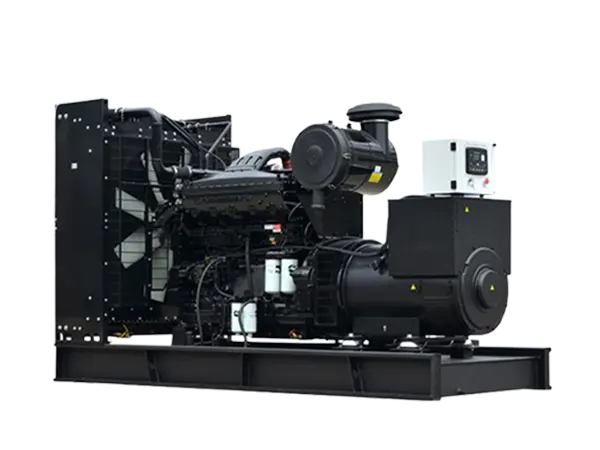 Diesel Generator Sets with Cummins Engines, XHZC Series
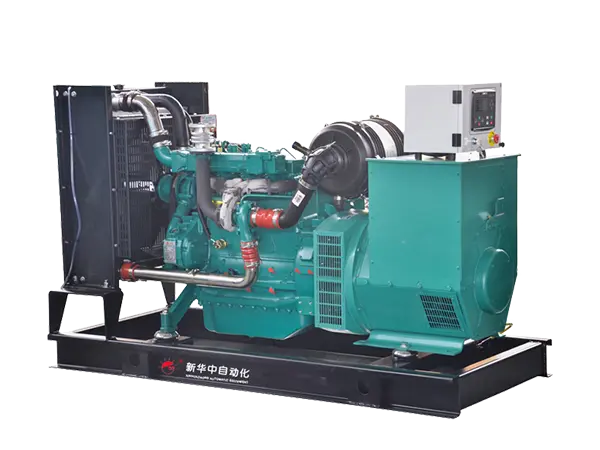 Weichai Series
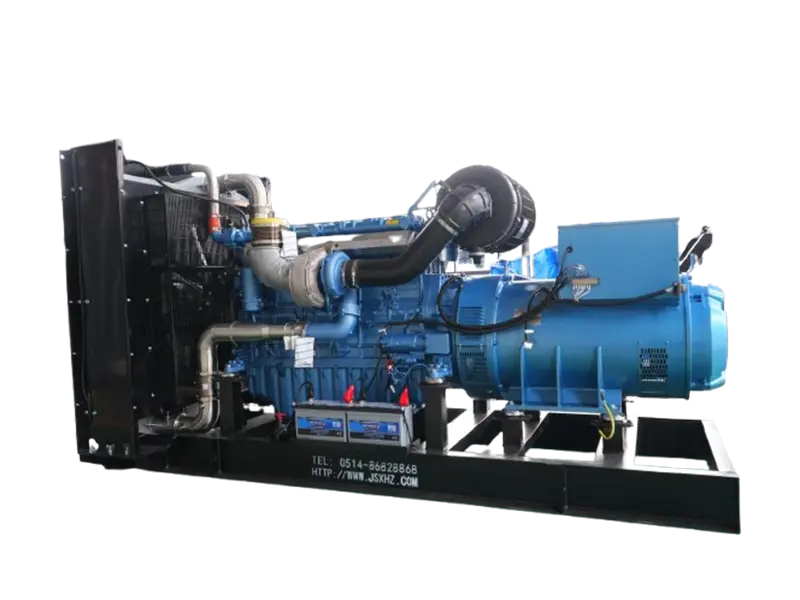 Diesel Generator Sets with WEICHAI Engines, XHZW Series
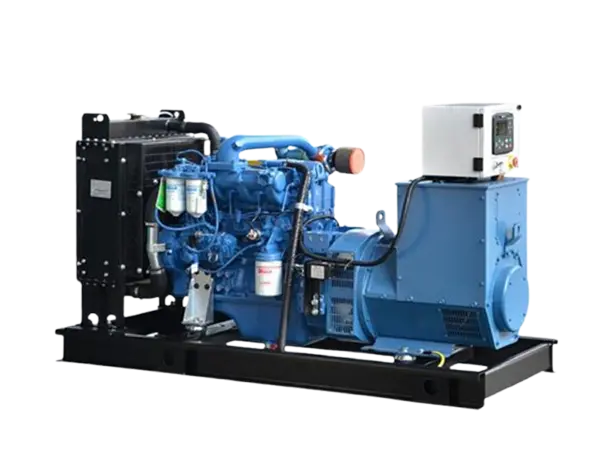 Yuchai Series
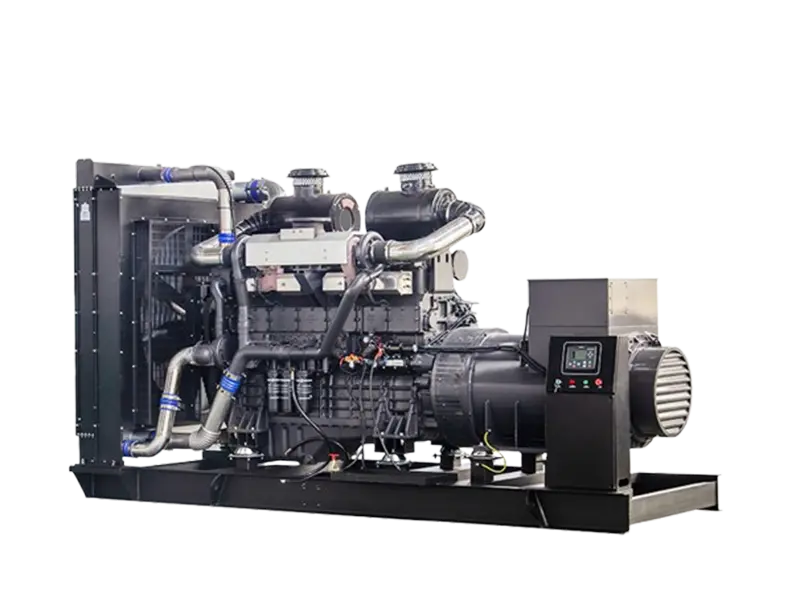 Diesel Generator Sets with SDEC(SHANGCHAI) Engines, XHZS Series
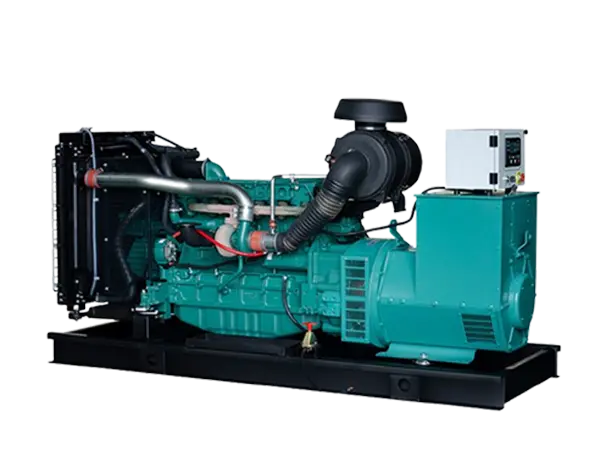 Volvo Series
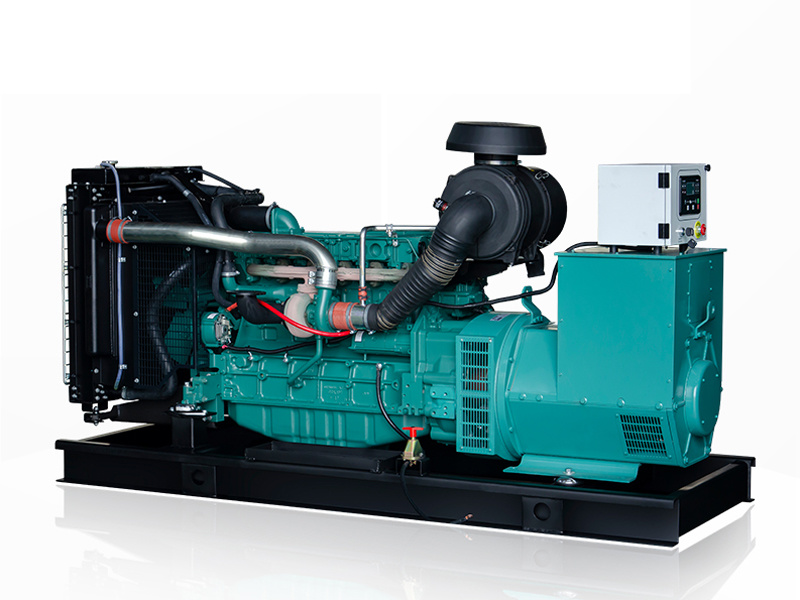 Diesel Generator Sets with VOLVO Engines, XHZV Series
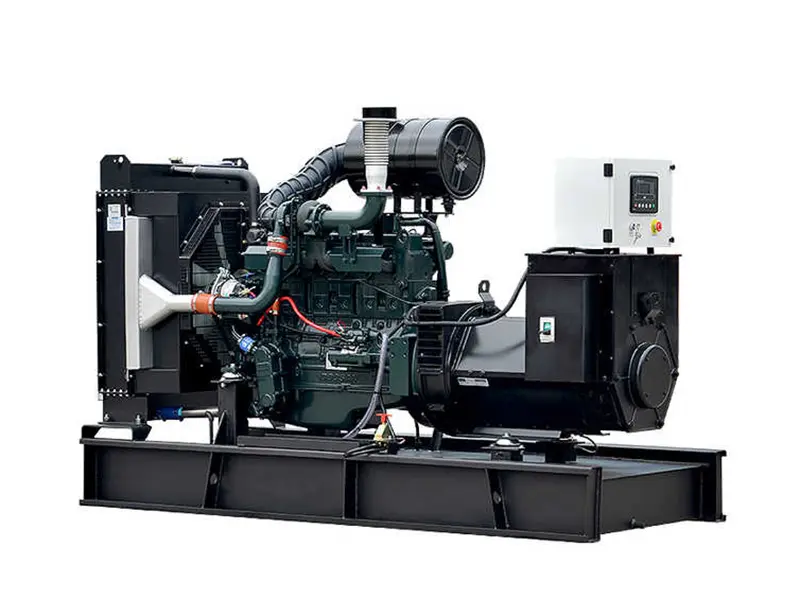 Diesel Generator Sets with Doosan Engines
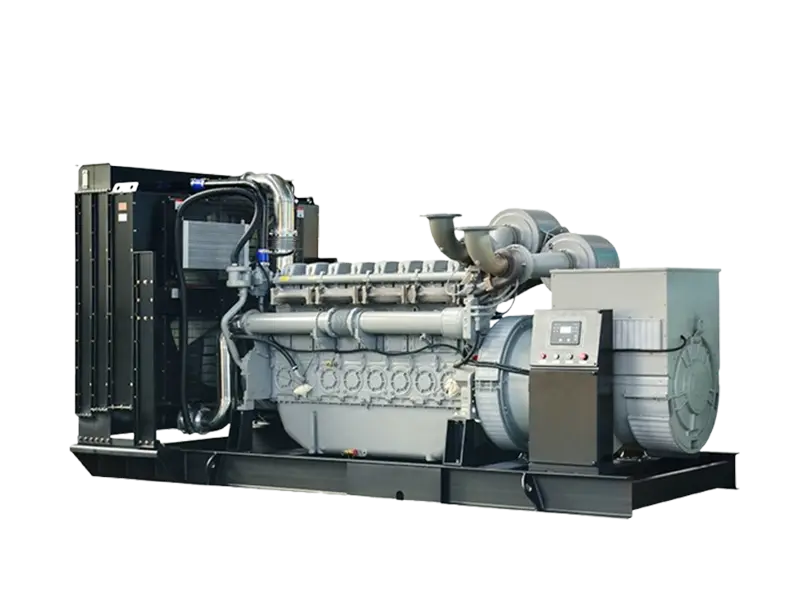 Diesel Generator Sets with Perkins Engines, XHZP Series
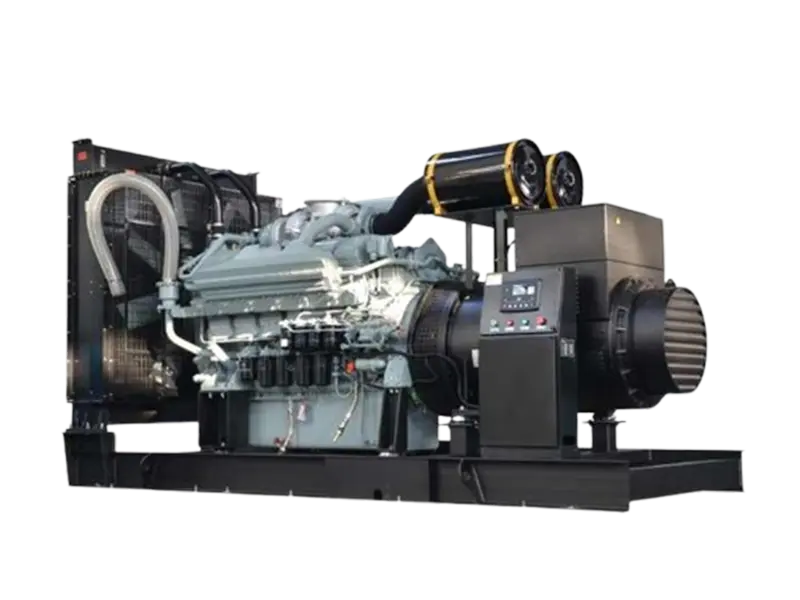 Diesel Generator Sets with Mitsubishi Engines
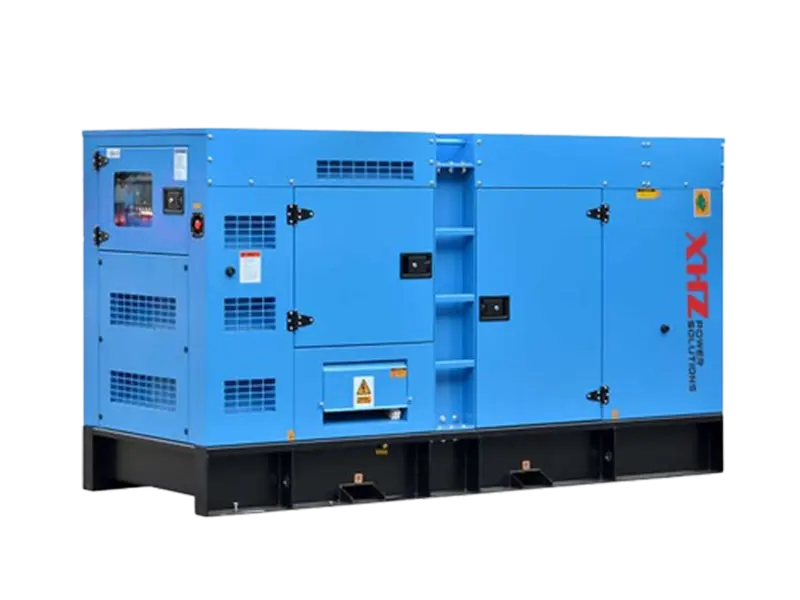 Silent Diesel Generators
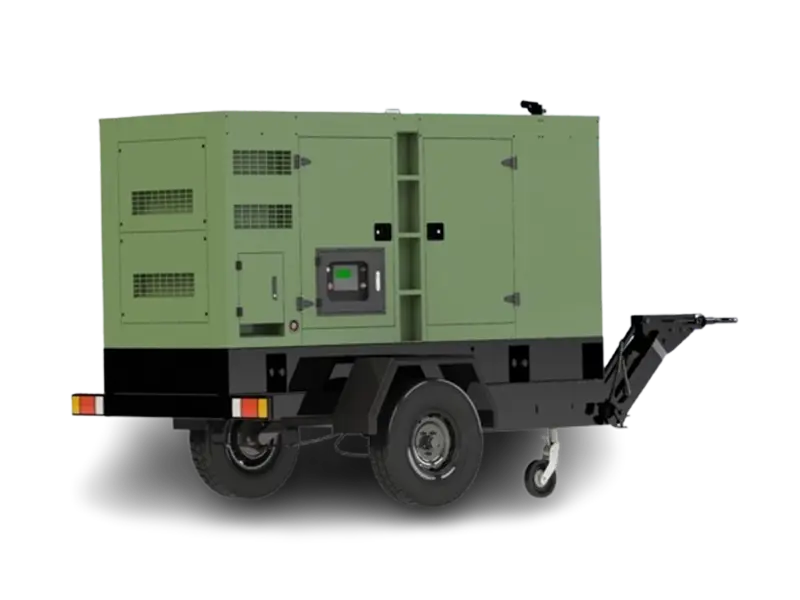 Mobile Silent Diesel Generators
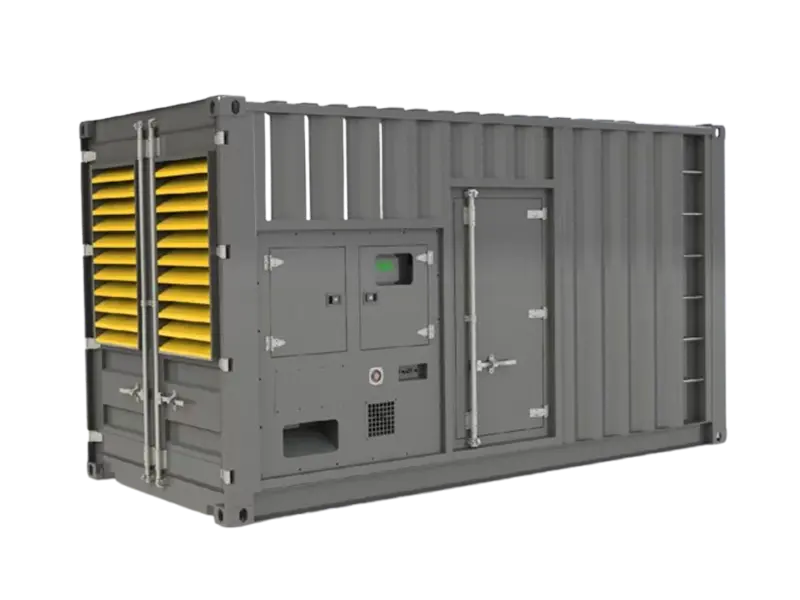 20/40HQ-Standard Container Type Generators