How to Choose the Right Diesel Backup Generator?
Choosing a Diesel Backup Generator is less about buying the largest machine and more about matching real loads, operating conditions, and service needs. A generator that looks powerful on paper may still struggle when several motors start together. Picture a clinic’s refrigeration units, lights, and water pump switching on during an outage. Their combined demand—not a guess based on monthly electricity use—should guide sizing.
For transparency, Alex Morgan is an illustrative composite expert voice, not a verifiable named industry authority. The following line is original editorial wording, not a published quotation: “Size for the loads you must start, not just the watts you expect to run.” It captures a practical point, but it is not a substitute for a qualified load assessment. Check running and starting watts, required runtime, transfer equipment, installation space, ventilation, and access for maintenance. Small details matter. A narrow service path can turn routine filter changes into a recurring headache.
This guide explains how to compare capacity, fuel arrangements, controls, noise, and ongoing care. It also considers what happens after the first test run, when a loose connection or overlooked alarm can reveal a weak plan. No selection method is perfect. I may still miss a site-specific detail; that is why measurements and professional review matter. A dependable Diesel Backup Generator is not simply purchased. It is selected for the building, tested under realistic loads, and maintained before an outage arrives.
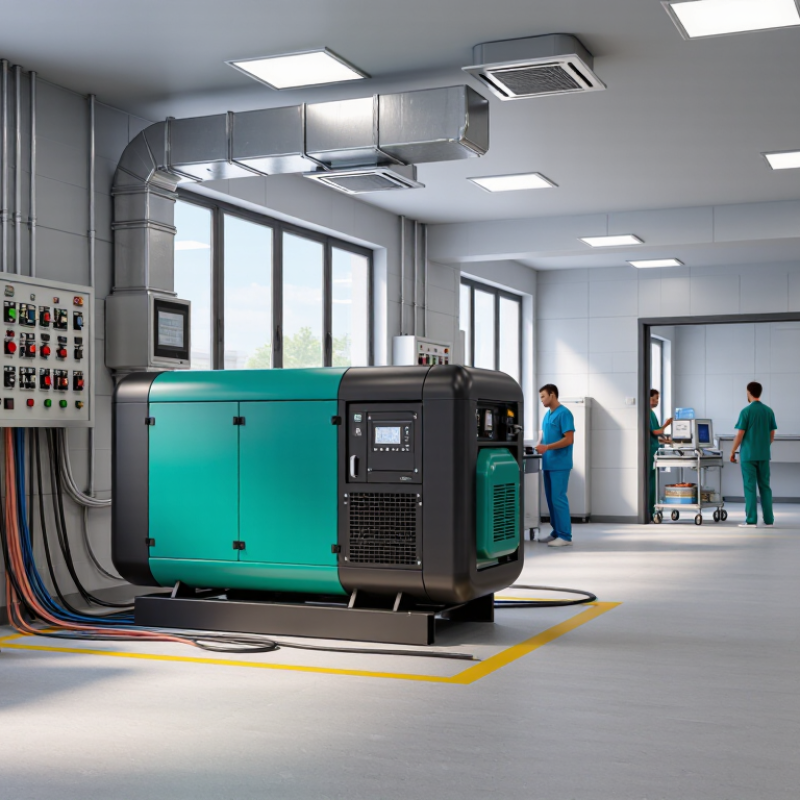
Assess Your Power Requirements and Critical Loads
Choosing the right diesel backup generator begins with a clear list of the equipment it must support. Separate essential loads from items that can wait, such as office lighting or nonessential appliances. Include refrigerators, medical equipment, pumps, heating systems, and communications gear where relevant. Check each item’s nameplate for running watts or amps. Motors can draw much more power briefly when they start. A pump and an air conditioner starting together may create a higher peak than their normal use suggests. Record these starting demands, not just everyday consumption.
Estimate how long critical equipment must run during an outage. Add the loads that may operate at the same time, then compare that total with the generator’s continuous rating. Check voltage and phase requirements too; a capacity figure alone is not enough. Leave reasonable headroom for startup surges and likely future additions, but avoid sizing far beyond real needs. Oversizing can increase purchase and maintenance costs. A spreadsheet helps, yet it can miss changing usage patterns. Review the list with a qualified electrical professional, especially if loads or wiring are unclear.
Tips: Test equipment under realistic conditions when possible. Note which loads start together. Revisit your estimates after adding major appliances or changing routines. Small details matter. A written load list makes comparisons more reliable.
How to Choose the Right Diesel Backup Generator?
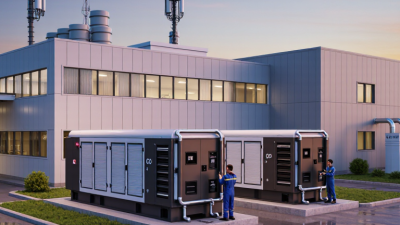
Assess your power requirements and identify the loads that must remain operational during an outage.
This illustrative load profile totals 78 kW. Adding a 20% planning allowance gives a target of about 94 kW, or approximately 118 kVA at a 0.8 power factor. Check equipment nameplates and motor-starting requirements before selecting a generator; starting demand can exceed normal running demand.
Choose the Generator’s Power Rating and Output Type
A diesel backup generator must cover both running demand and the brief surge when equipment starts. List each load’s kW, starting current, voltage, and phase; a pump or compressor can demand several times its normal current for a moment. Add the loads expected to run simultaneously, then check the generator’s kW and kVA ratings. kW measures usable real power, while kVA also reflects electrical demand. The difference matters: a unit may show enough kVA yet still fall short on kW. Leave room for future loads, but avoid oversized equipment that spends most of its life lightly loaded.
Check the rating category, too. ISO 8528-1 distinguishes standby, prime, and continuous power ratings; these describe different operating conditions, not interchangeable headline numbers. Match the rating to expected outage duration and operating schedule, then confirm the manufacturer’s load limits with a qualified electrical professional. Important detail: NFPA 110 defines Type 10 emergency power systems by their ability to restore power within 10 seconds. That requirement applies to specified systems, not every backup installation. Output must also match the site’s voltage and phase. A three-phase building cannot simply use a single-phase supply without careful system design. Verify sensitive controls, transfer equipment, and motor-starting needs. A neat load spreadsheet can still miss a real starting surge. Check the equipment nameplates on site.
Compare Engine, Fuel System, and Generator Features
Choosing the right diesel backup generator starts with the actual load, not the biggest number on a brochure. Record running demand, motor-starting surges, and which circuits must stay online. Match the engine rating to duty: standby sets cover outages, while prime-rated units handle variable, extended operation. Check altitude and hot-weather derating, too. A cramped equipment room can make a capable engine run poorly. Small detail, big consequence.
Fuel and electrical features matter just as much. Size the tank for realistic outage duration, then consider fuel testing, water separation, and filtration; stored diesel can degrade. Ask whether the alternator can handle abrupt load changes, and check voltage regulation, cooling, and transfer-switch compatibility. The U.S. Department of Energy’s 2024 United States Data Center Energy Usage Report estimates that data centers used about 176 terawatt-hours in 2023, or 4.4% of U.S. electricity. That figure illustrates why critical facilities assess backup capacity against specific loads, not averages. A spreadsheet helps. It still misses awkward realities, such as a delivery truck blocked by snow. Request documented load-bank test results and maintenance intervals before comparing quotes.
Check Installation, Space, and Noise Requirements
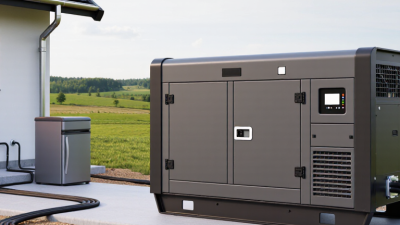
A diesel backup generator needs more than a suitable power rating. Its location affects safety, maintenance, and daily comfort. Check the installation manual for required clearances, ventilation, and exhaust direction. A qualified installer can assess the site, wiring, and transfer equipment before you buy. Keep exhaust away from doors, windows, and air intakes. Small placement mistakes matter.
Tips: Measure the access route, not just the final pad. Check gate width, turns, and overhead clearance. Sound travels.
Space is easy to underestimate. Allow room for the enclosure, service access, and airflow, while keeping the unit on a stable, level base. Consider fuel-line routing and drainage too. A tight corner may look convenient, but it can complicate repairs or trap heat. I have seen careful plans miss a simple obstacle: a fence post blocking a service panel.
Noise depends on the enclosure, load, distance, and nearby surfaces. Ask for the expected sound level at a stated distance, then compare it with the actual property layout. A wall may redirect sound toward a bedroom instead of reducing it. Check local noise and installation requirements with the relevant authority. If possible, visit a similar installation while it is running. A quiet showroom tells you little.
Evaluate Maintenance Needs, Safety, and Compliance
A diesel backup generator is only dependable when its maintenance plan matches its real workload. Record weekly fluid leaks, battery condition, coolant level, and fuel quality; then follow the engine maker’s service intervals and applicable NFPA 110 guidance. Keep a log of exercise runs, alarms, repairs, and load-test results. A checklist can look complete and still miss a loose battery connection. Check terminals by hand only when the unit is safely shut down.
Safety deserves equal attention. Diesel exhaust contains carbon monoxide, which can become dangerous quickly in enclosed or poorly ventilated areas. Install and operate the generator outdoors, away from doors, windows, and air intakes; verify that exhaust cannot drift back inside. Uptime Institute’s 2024 Annual Outage Analysis attributed 54% of significant data-center outages to power problems. The figure is not a forecast for every facility, but it shows why a failed start test should never be treated as a minor fault.
Compliance depends on location, engine rating, and how the generator is used. Before purchase, confirm local air-permit requirements, emissions rules, fuel-storage limits, noise controls, and inspection obligations with the relevant authorities. Keep permits and test records accessible beside the maintenance log. Check that staff know the emergency shutoff location and have a clear route around hot exhaust pipes. Small details matter. Recheck them after repairs or site changes, not just during annual reviews.

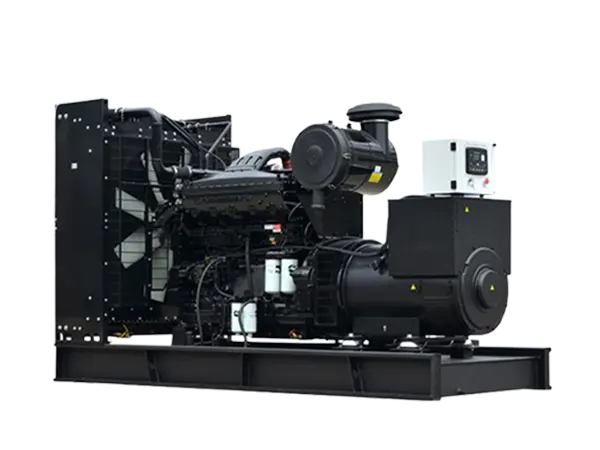 Diesel Generator Sets with Cummins Engines, XHZC Series
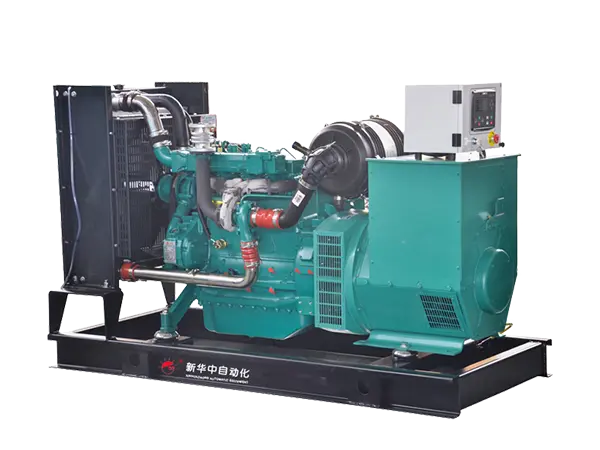 Weichai Series
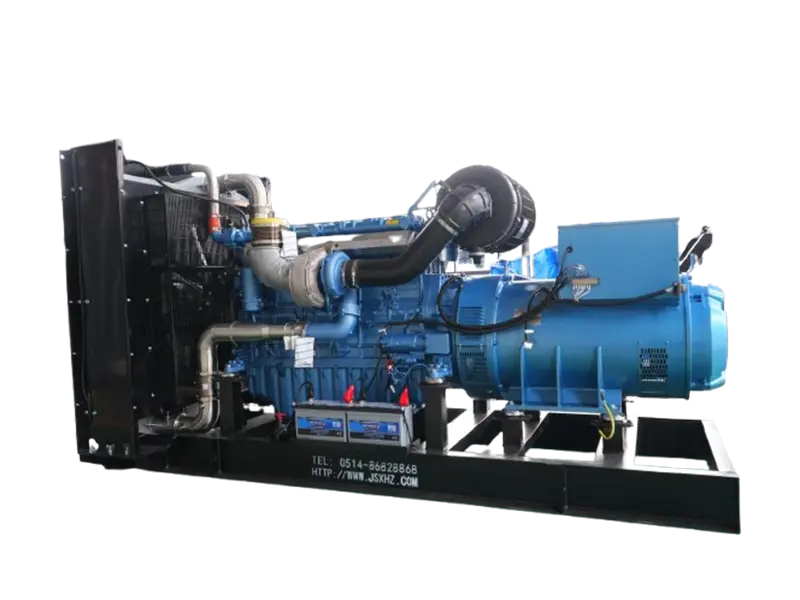 Diesel Generator Sets with WEICHAI Engines, XHZW Series
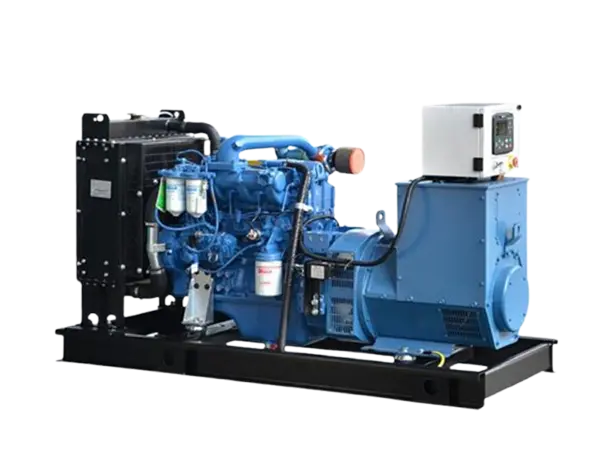 Yuchai Series
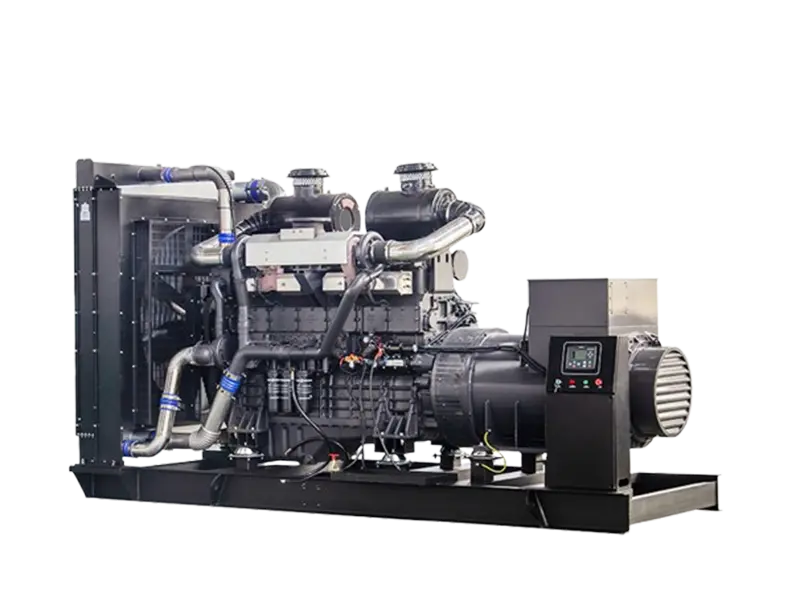 Diesel Generator Sets with SDEC(SHANGCHAI) Engines, XHZS Series
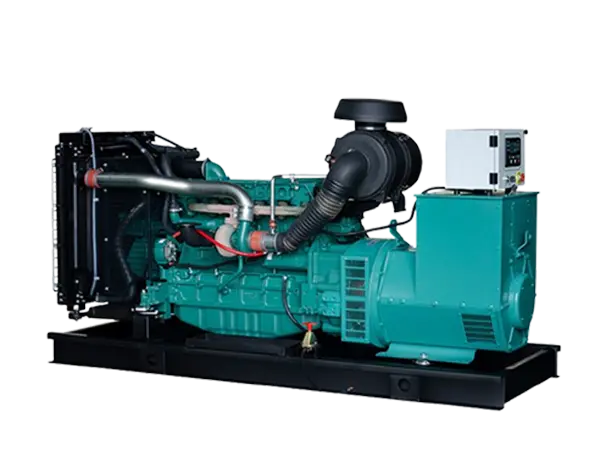 Volvo Series
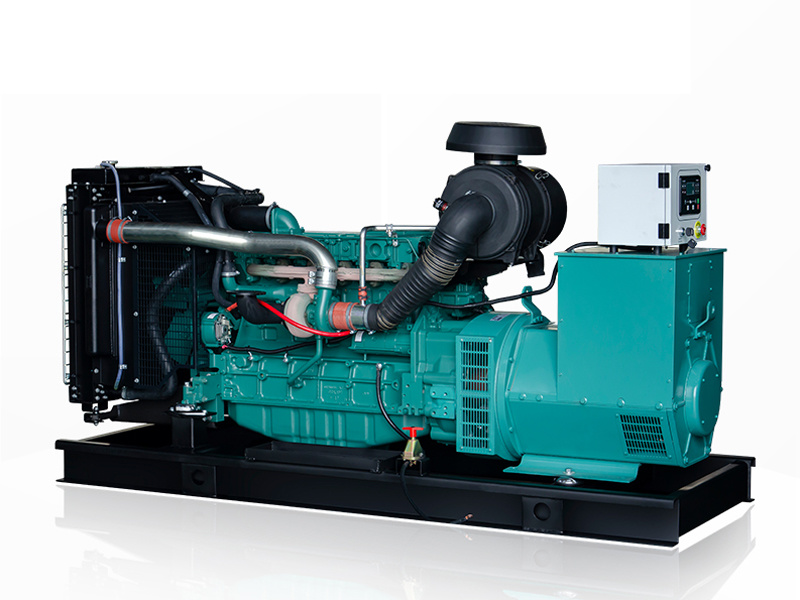 Diesel Generator Sets with VOLVO Engines, XHZV Series
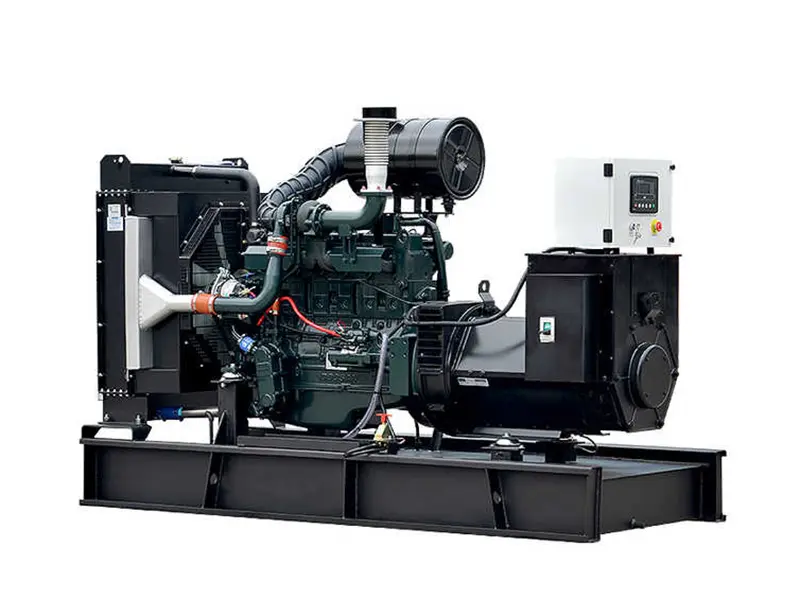 Diesel Generator Sets with Doosan Engines
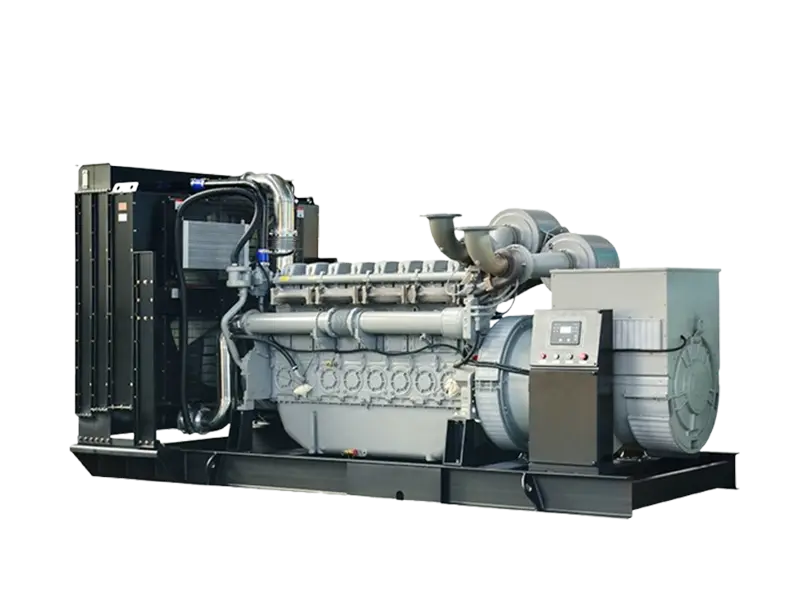 Diesel Generator Sets with Perkins Engines, XHZP Series
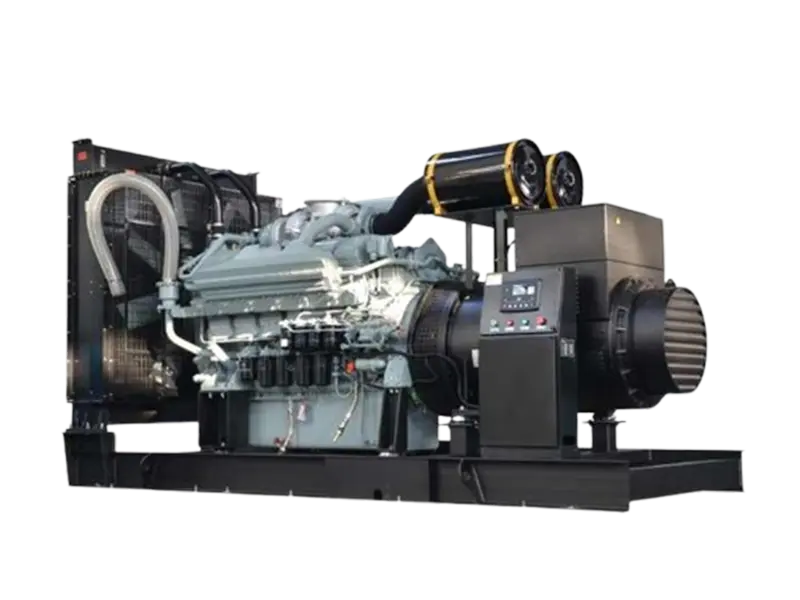 Diesel Generator Sets with Mitsubishi Engines
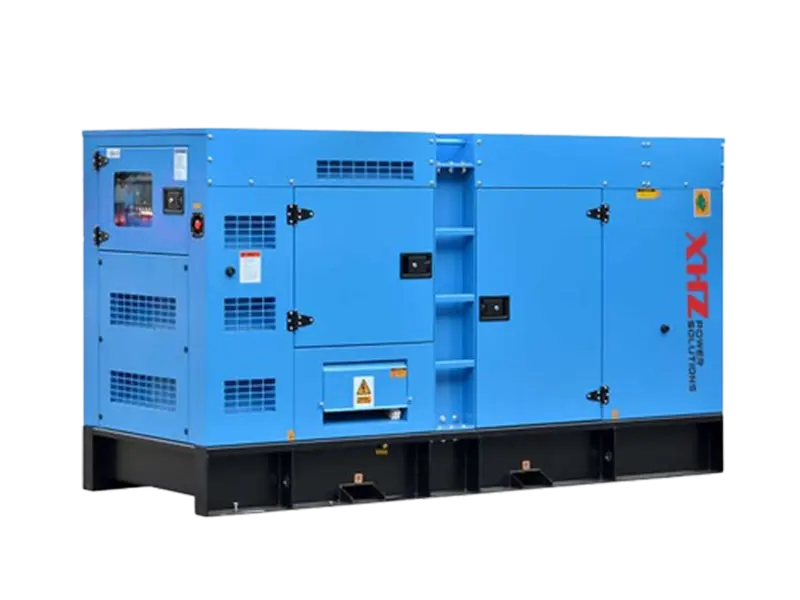 Silent Diesel Generators
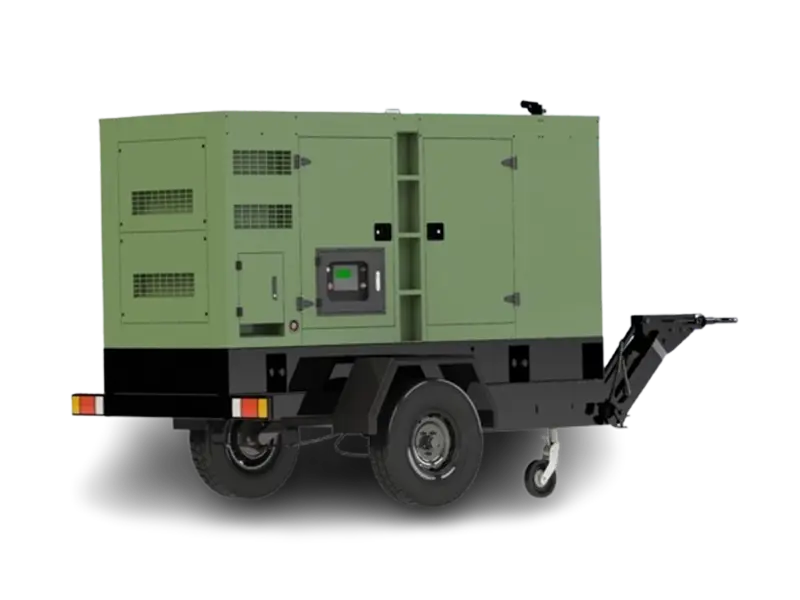 Mobile Silent Diesel Generators
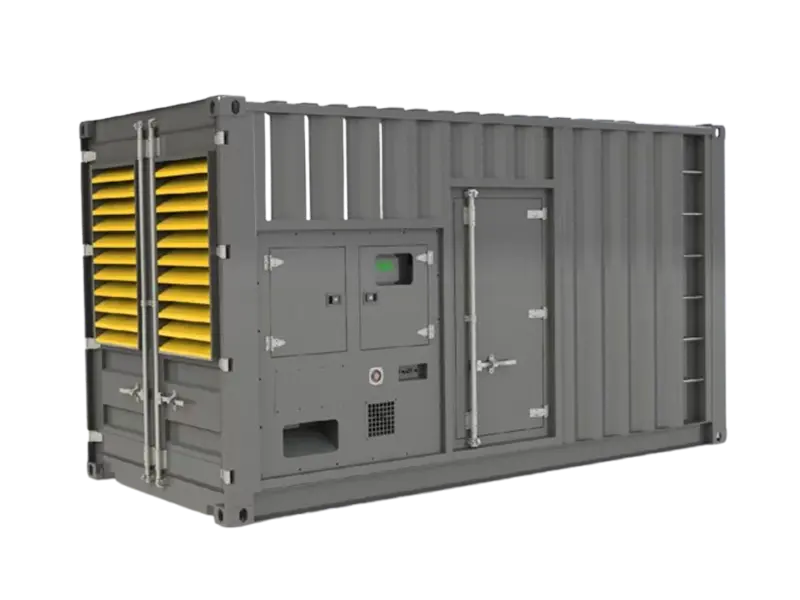 20/40HQ-Standard Container Type Generators