What Is the Best Quiet Diesel Generator in 2026?
Choosing the best quiet diesel generator in 2026 is not just a matter of finding the lowest noise rating. A unit may sound calm at a distance yet feel harsh beside a patio or workshop. Real-world noise depends on load, enclosure design, surface, and placement. Details matter.
This guide examines what makes a Quiet Diesel Generator practical for homes, job sites, and backup power. It explains how to compare published decibel figures, rated output, fuel consumption, runtime, and service access. We also consider vibration, exhaust direction, weather protection, and the space needed around the machine. A quiet enclosure can reduce sound, but it cannot erase the low-frequency rumble of a diesel engine. That is worth remembering.
Rather than naming a universal winner, the guide sets out the trade-offs that affect different buyers. A compact model may suit occasional backup, while a larger unit can support heavier equipment but use more fuel. Manufacturer specifications are useful starting points, not guarantees of identical performance in every setting. Check the test conditions, warranty terms, and availability of local maintenance before deciding. Even careful comparisons leave some uncertainty; noise perception varies from person to person. The aim here is a grounded shortlist, with clear criteria to help you choose a generator that fits your power needs without adding avoidable noise.
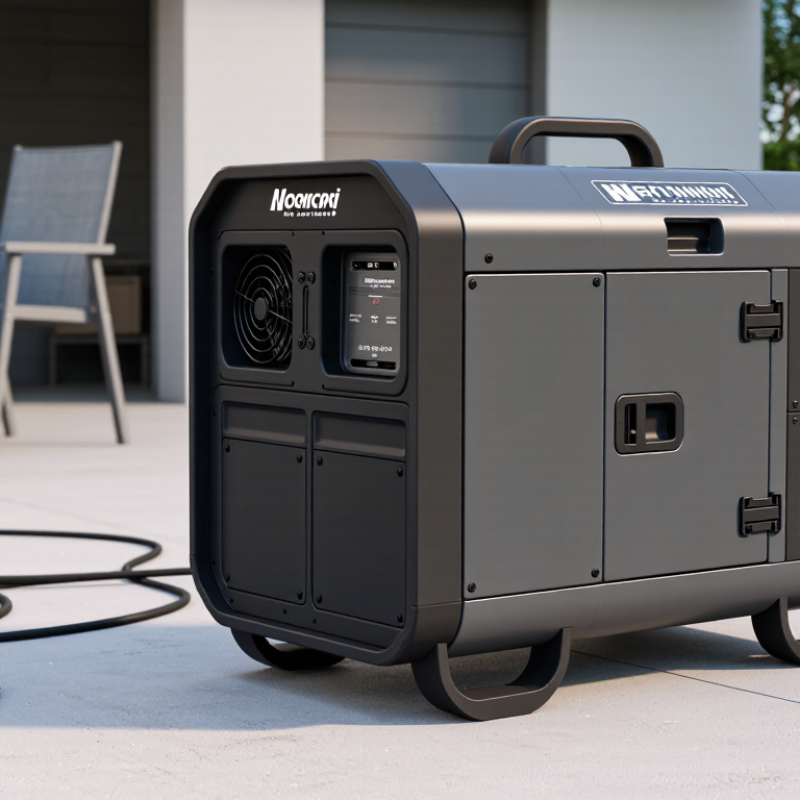
What Defines a Quiet Diesel Generator?
What Defines a Quiet Diesel Generator?
Quietness depends on how sound is measured, not just a single decibel figure. Check the dB(A) rating, measurement distance, and operating load. ISO 8528-10:1998 describes methods for measuring airborne noise from engine-driven generating sets. Comparing ratings taken at different distances can be misleading. A generator rated at 7 metres may sound very different beside a bedroom window.
The World Health Organization’s 2018 Environmental Noise Guidelines recommend keeping average road-traffic noise below 53 dB Lden and nighttime noise below 45 dB Lnight. These are health recommendations, not generator limits, but they show why nighttime sound deserves attention. Also consider the low-frequency rumble, exhaust tone, and vibration through a concrete pad. Walls can reflect sound back toward a home. One number never tells the whole story; I still find this easy to overlook when comparing equipment.
Tips: Request a sound test at a stated distance and load. Listen from the actual installation spot, with doors and windows nearby. Check whether the test includes a canopy and exhaust system. Small details matter. A soft hum can become irritating at 2 a.m.
How Generator Noise Ratings Are Measured
A diesel generator’s noise rating is useful only when you know how it was measured. Sound levels are usually reported in dB(A), which weights frequencies roughly to reflect human hearing. A reading may be taken at a stated distance, often around seven metres, and under a specified operating load. Check the test conditions before comparing models. A rating at half load may differ from one measured near full output.
Distance matters. So does the setting. A hard wall or concrete patio can reflect sound toward a meter, while open ground may absorb or disperse some noise. Wind, nearby traffic, and the meter’s position can also affect readings. Decibels are logarithmic, not a simple volume scale; a small number change still deserves attention. Manufacturer figures are helpful, but they do not perfectly predict what you will hear beside your home.
Tips: Compare dB(A) figures taken at the same distance and load. Look for a stated test method, not just a single low number. If possible, listen from the spot where people will spend time. Bring a phone meter only as a rough check; it is not a substitute for calibrated equipment. I would also note the surroundings, because even a careful test can miss the reflections that matter in daily use.
Which Quiet Diesel Generators Stand Out in 2026?
Quiet diesel generators stand out through more than a low noise rating. The strongest options pair an acoustic enclosure with steady engine operation and well-isolated mounting points. These details can soften the uneven rumble that carries across a yard at night.
Compare sound figures only when the testing distance and electrical load are clear. A reading taken far away at light load may not reflect a generator powering a pump and several appliances. Check noise data at a realistic load, and ask whether the stated figure uses the same measurement method across models. Numbers can mislead.
Listen in person if possible. A generator that sounds smooth beside a showroom wall may feel different near a bedroom window. Placement matters. A firm, level pad can reduce vibration, while open space around the unit helps ventilation and servicing. Enclosures also need suitable airflow, so “quieter” should never mean poorly ventilated.
Other useful signs include a clear maintenance schedule, accessible filters, and stable output under changing demand. Consider the load you actually need rather than choosing by maximum wattage alone. Oversizing may add cost and bulk; undersizing can cause strain. No single model fits every site, and published specifications deserve a careful second look.
What Is the Best Quiet Diesel Generator in 2026?
Typical sound-level ranges by generator enclosure type
Sound-attenuated enclosures generally offer the lowest noise levels. These indicative ranges are measured in dB(A) at approximately 7 metres; actual ratings vary with load, distance, site conditions, and test method. Compare like-for-like published specifications when choosing a generator.
How Models Compare in Power, Runtime, and Cost
What Is the Best Quiet Diesel Generator in 2026?
The best quiet diesel generator depends on the load you need to run, not just its advertised maximum output. A small unit may handle lights, a refrigerator, and a few chargers, while larger equipment needs more starting power. Check both rated and peak watts. Motors can draw extra power when they start. Noise figures matter too, but compare them at the same distance and load; otherwise, the numbers can mislead. That matters.
Runtime depends on fuel capacity and demand. A generator may run through the night at a light load but need refueling much sooner near its limit. Compare fuel use at realistic loads, not just the longest runtime listed. Purchase price is only part of the cost: oil, filters, servicing, and fuel add up. I find comparisons a little messy here, because manufacturers may report performance under different conditions. Verify the test details before choosing.
Tips: List the devices you’ll run together, including startup surges. Then compare models with a comfortable power margin, measured noise data, and service costs. Check the manual for ventilation and installation guidance. A quiet machine still makes sound, and placement affects what people nearby hear. A lower price can be tempting. But parts availability may matter more over several years.
What Is the Best Quiet Diesel Generator in 2026? — How Models Compare in Power, Runtime, and Cost
| Representative Model Type |
Rated Output |
Noise at 7 m (23 ft) |
Fuel Tank |
Approx. Runtime at 75% Load |
Typical U.S. Price (2026 estimate) |
Best Suited For |
| Compact enclosed set |
4–5 kW |
About 60–68 dB(A) |
10–15 L (2.6–4.0 gal) |
About 7–10 hours |
About $2,500–$4,500 |
Essential home backup, small worksites, and light loads |
| Mid-size sound-attenuated set |
6–8 kW |
About 62–70 dB(A) |
15–25 L (4.0–6.6 gal) |
About 7–11 hours |
About $3,500–$7,000 |
Cabins, RV support, and moderate backup loads |
| Heavy-duty enclosed set |
9–12 kW |
About 64–72 dB(A) |
20–35 L (5.3–9.2 gal) |
About 7–12 hours |
About $5,000–$9,000 |
Larger homes, workshops, and frequent backup use |
| High-output enclosed set |
13–20 kW |
About 65–75 dB(A) |
35–60 L (9.2–15.9 gal) |
About 7–12 hours |
About $7,000–$14,000 |
High-demand properties, commercial backup, and larger equipment |
|
How to compare: These are representative market ranges for enclosed diesel generator sets, not specifications for named products. Noise readings depend on test distance, load, enclosure, and measurement conditions; lower dB(A) means quieter operation. Runtime varies with load, fuel, and maintenance. U.S. price estimates are approximate and exclude installation, delivery, and transfer equipment. Confirm rated versus standby output and local emissions requirements before buying.
|

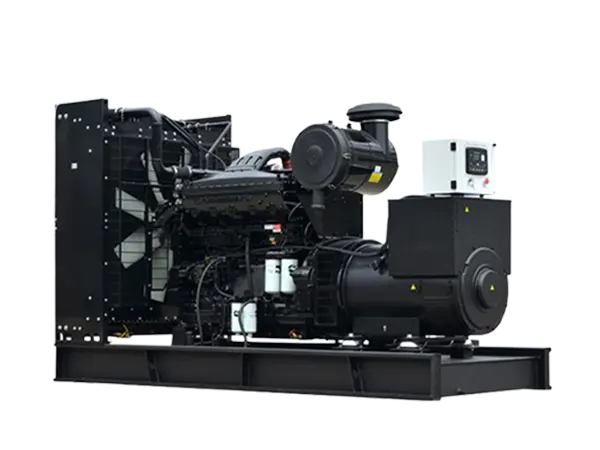 Diesel Generator Sets with Cummins Engines, XHZC Series
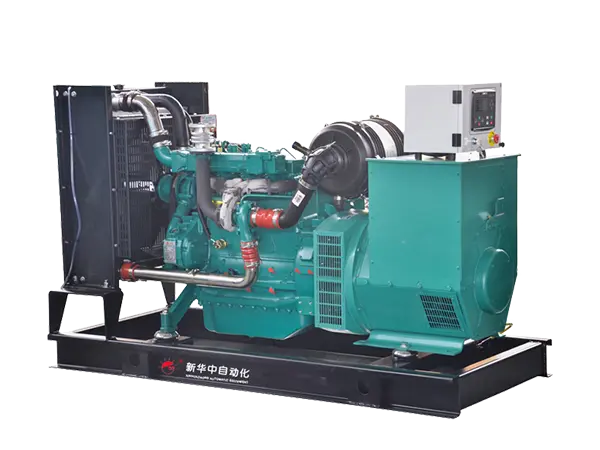 Weichai Series
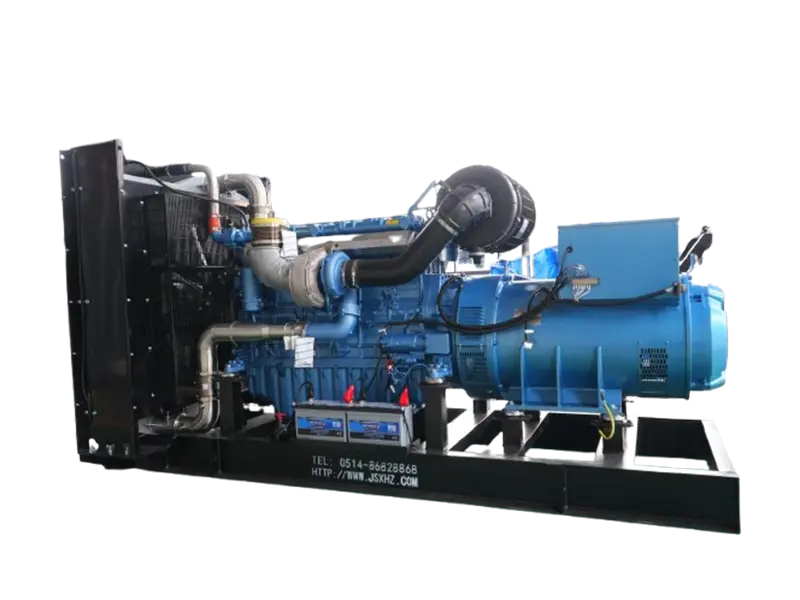 Diesel Generator Sets with WEICHAI Engines, XHZW Series
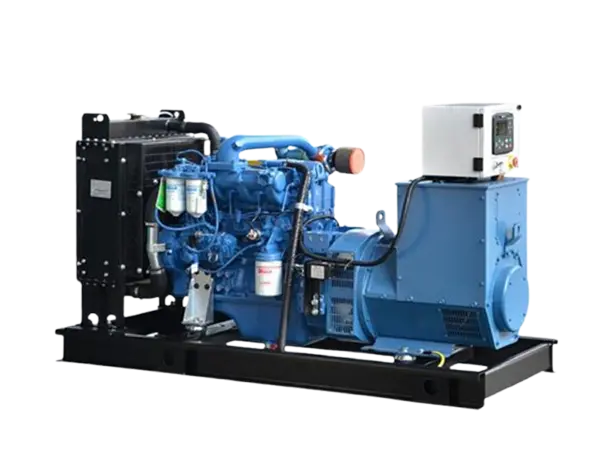 Yuchai Series
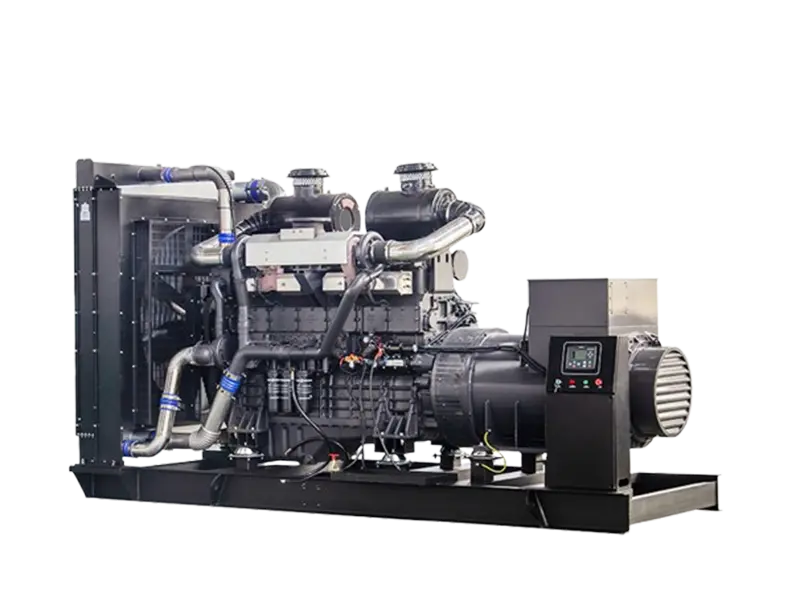 Diesel Generator Sets with SDEC(SHANGCHAI) Engines, XHZS Series
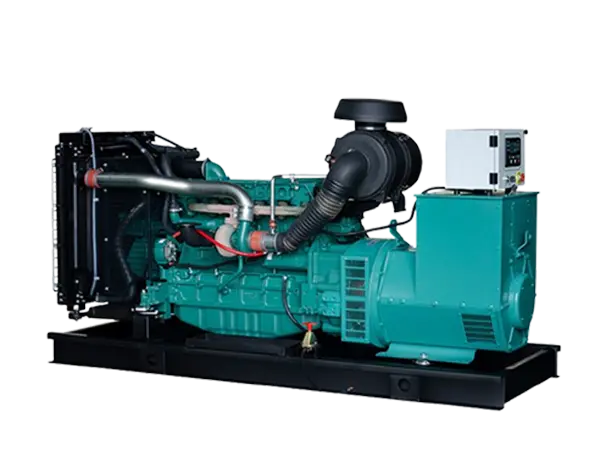 Volvo Series
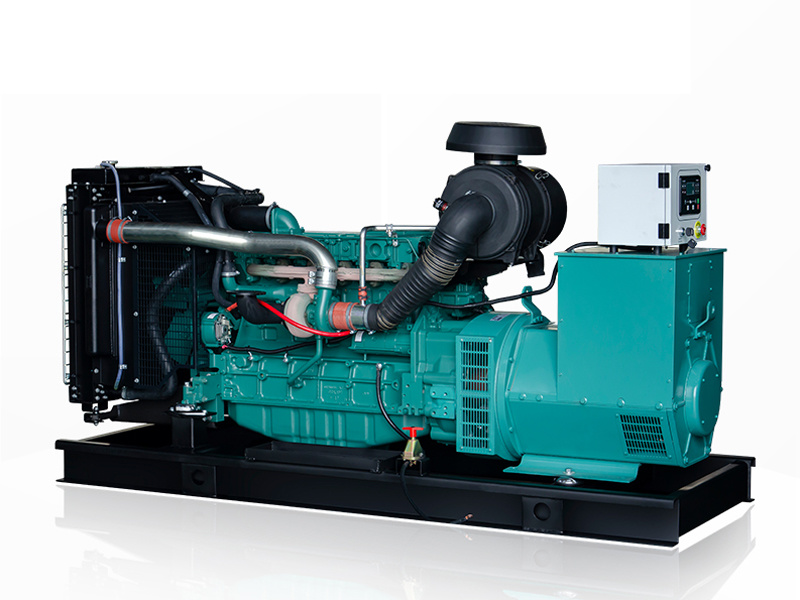 Diesel Generator Sets with VOLVO Engines, XHZV Series
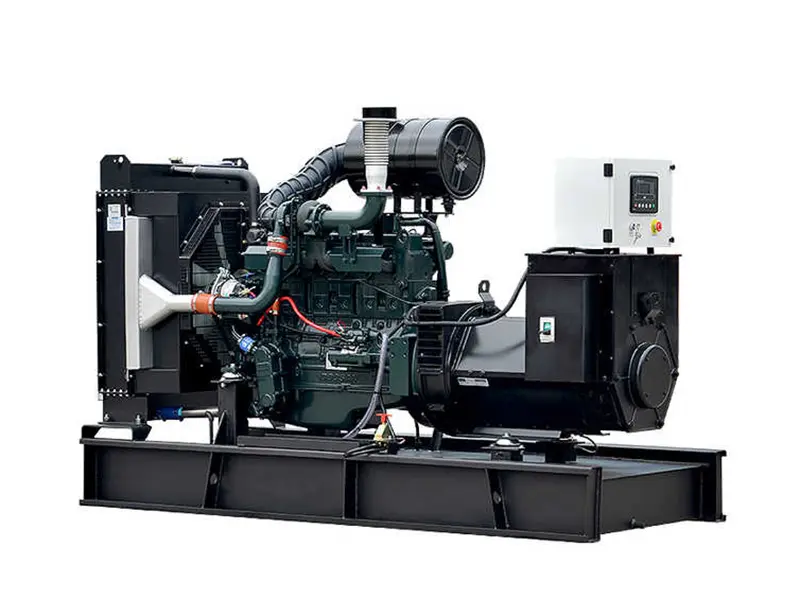 Diesel Generator Sets with Doosan Engines
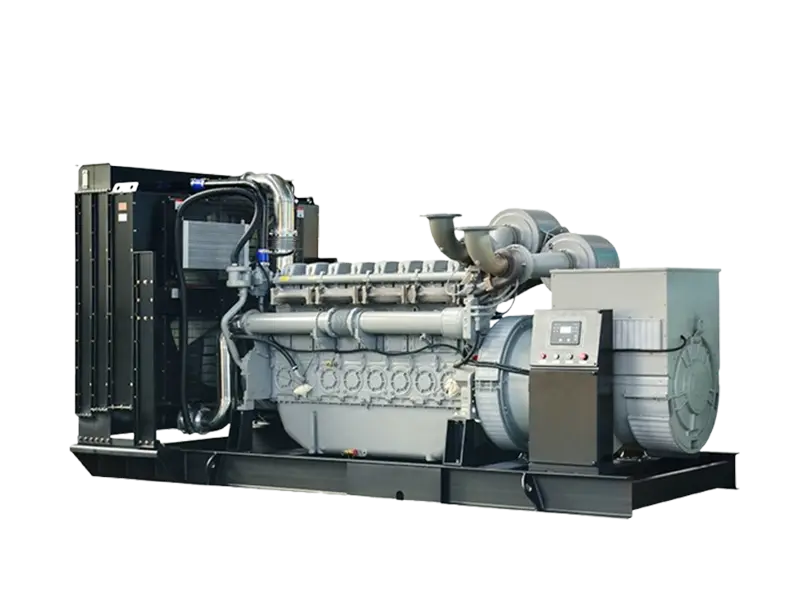 Diesel Generator Sets with Perkins Engines, XHZP Series
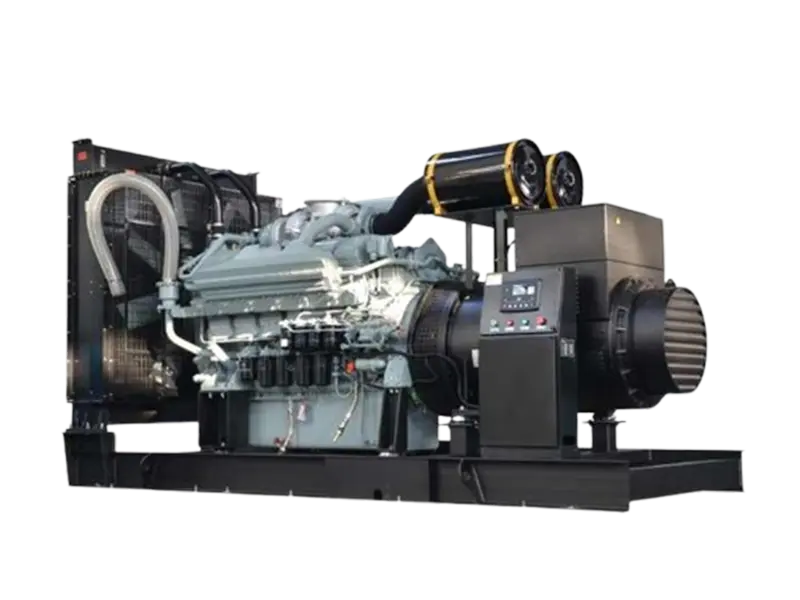 Diesel Generator Sets with Mitsubishi Engines
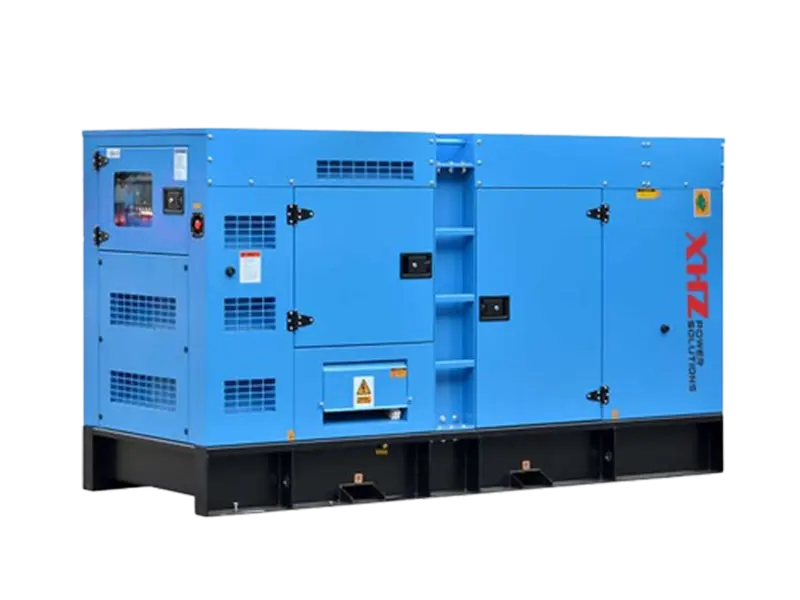 Silent Diesel Generators
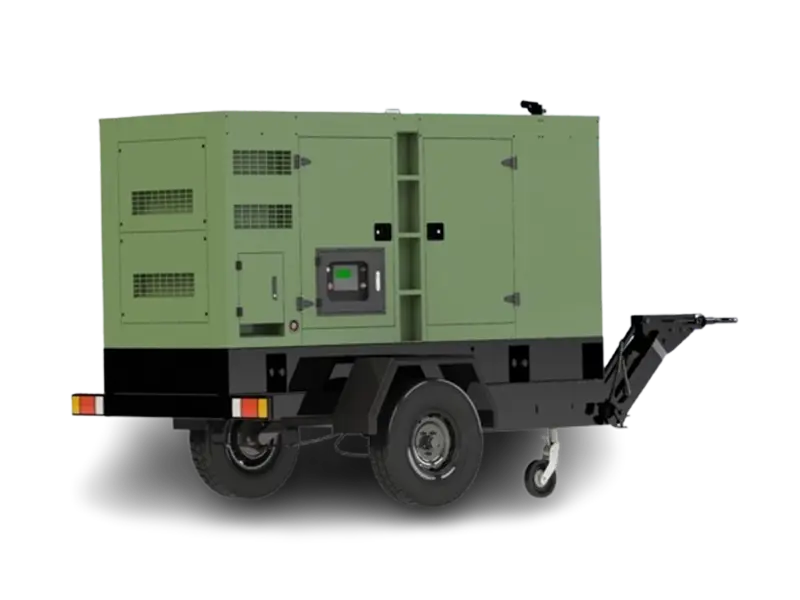 Mobile Silent Diesel Generators
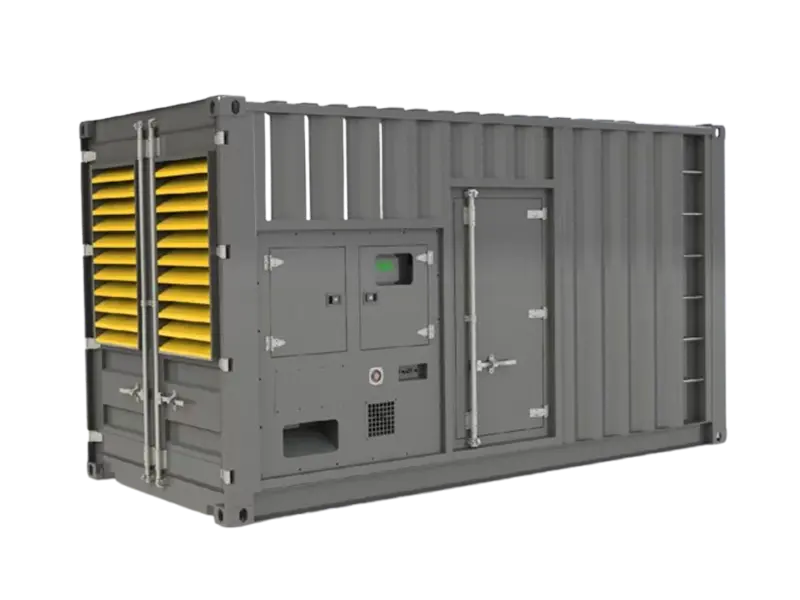 20/40HQ-Standard Container Type Generators