Leave Your Message

How to Choose a Quiet Diesel Generator?

Choosing a Quiet Diesel Generator requires more than comparing sound ratings on a product page. A low-decibel claim may describe an ideal test room, not your construction site or home compound. In real installations, walls, ground surfaces, exhaust systems, and electrical loads change the result. I have found that listening distance matters greatly. A generator can sound acceptable at seven metres but harsh beside a bedroom wall. Look for measured noise data, rated load conditions, and clear testing methods. Also check whether the enclosure uses acoustic insulation, vibration mounts, and a properly designed muffler.

A reliable Quiet Diesel Generator should match your actual power demand, not an optimistic estimate. List essential appliances, motor-starting surges, and the hours of operation. Oversizing may reduce efficiency, while undersizing can create heat, smoke, and unstable voltage. Consider automatic controls, fuel access, service intervals, and local technician support. These practical details often matter more than a polished brochure. Still, no diesel generator is completely silent. That expectation needs correction. Good models reduce disturbance; they do not erase it. This guide will compare sound performance, engine design, enclosure quality, installation choices, maintenance needs, and total operating cost. The goal is a quieter, safer, and more dependable choice, supported by specifications and real-world judgment.

How to Choose a Quiet Diesel Generator?

Understanding Quiet Diesel Generator Noise Levels

How to Choose a Quiet Diesel Generator?

Noise levels matter more than the word “quiet.” A generator rated at 65 dB(A) may sound acceptable outdoors, yet noticeably loud beside a bedroom. In field checks, I compare readings at the same distance, usually seven meters, because distance changes the result. Load also matters. A diesel engine can produce a different sound at 25% load than at full output. Always check the rated dB(A) value, test conditions, and operating load before choosing.

Tips: Ask for sound data measured under a recognized method. Check whether the figure applies at one meter or seven meters. Inspect the enclosure, exhaust muffler, vibration mounts, and cooling fan. Place the unit on a firm surface, away from walls that reflect sound. Soft barriers may help, but airflow must remain clear.

Low-frequency engine noise can travel through floors and nearby structures. A concrete base with vibration isolators often reduces this problem better than thin panels. I have found that perceived noise depends on more than the meter reading. Ticking, fan pulses, and exhaust vibration may feel irritating, even when the average number looks good. This is easy to overlook. For residential or worksite use, visit a running unit if possible. Stand beside it, then move several meters away. Your ears may challenge the specification—and sometimes they are right.

Matching Generator Power to Your Essential Loads

A quiet diesel generator should be sized around essential loads, not the largest appliance in the building. The U.S. Energy Information Administration reported about 5.5 hours of average U.S. power interruptions in 2023, excluding major events. That makes careful load planning practical, especially for homes, workshops, and small facilities. List each required device, its running watts, and its starting surge. Refrigerators, pumps, compressors, and fans can briefly demand two to seven times their operating power.

Add continuous loads first. Then include the largest startup surge, rather than adding every surge together. For example, a 700-watt refrigerator, 1,000-watt sump pump, and 600-watt lighting circuit require 2,300 running watts. If the pump needs 2,500 watts to start, the generator should handle at least 3,800 watts before applying a safety margin. ISO 8528-1 separates standby and prime power ratings, so the rating must match the intended duty. A quiet enclosure reduces sound, but it cannot compensate for poor sizing. My first estimate is often too optimistic when motors share one circuit.

Tips: Use a plug-in power meter for normal loads and check nameplates for motor ratings. Keep a 20–25% capacity reserve for cold starts, battery chargers, and future equipment. Avoid selecting by kilowatts alone; check voltage, phase, frequency, and transfer-switch compatibility. The U.S. Department of Energy recommends reducing unnecessary demand during outages, yet real households rarely behave perfectly. Test the generator with the actual essential-load list, because assumptions can fail under pressure.

Comparing Enclosures, Engines, and Soundproofing Features

How to Choose a Quiet Diesel Generator?

Comparing Enclosures, Engines, and Soundproofing Features

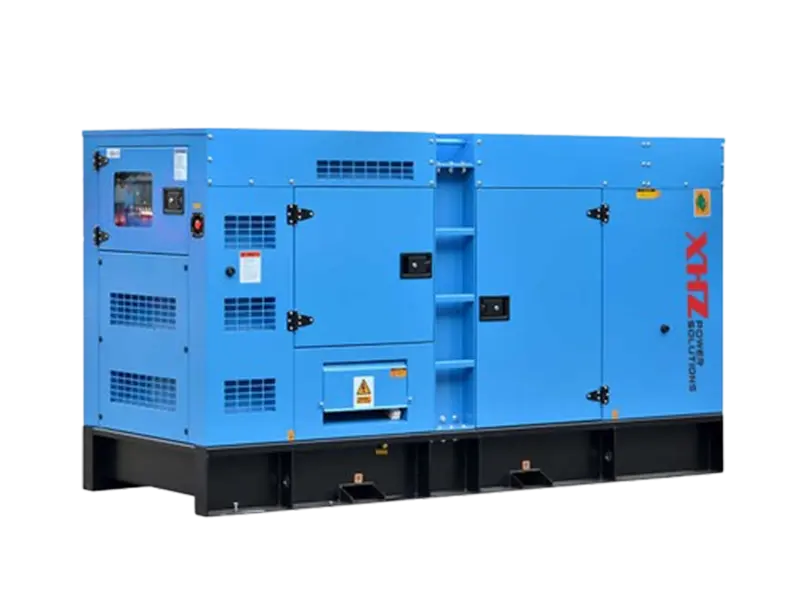
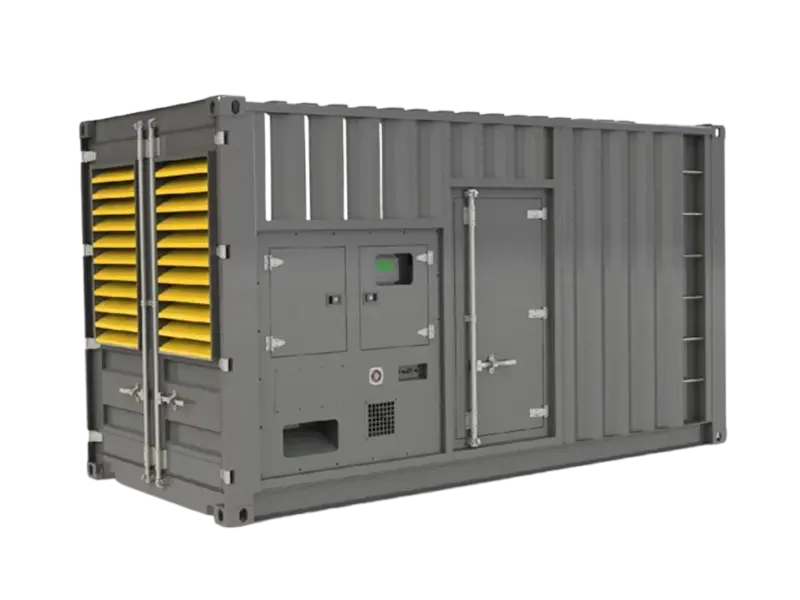
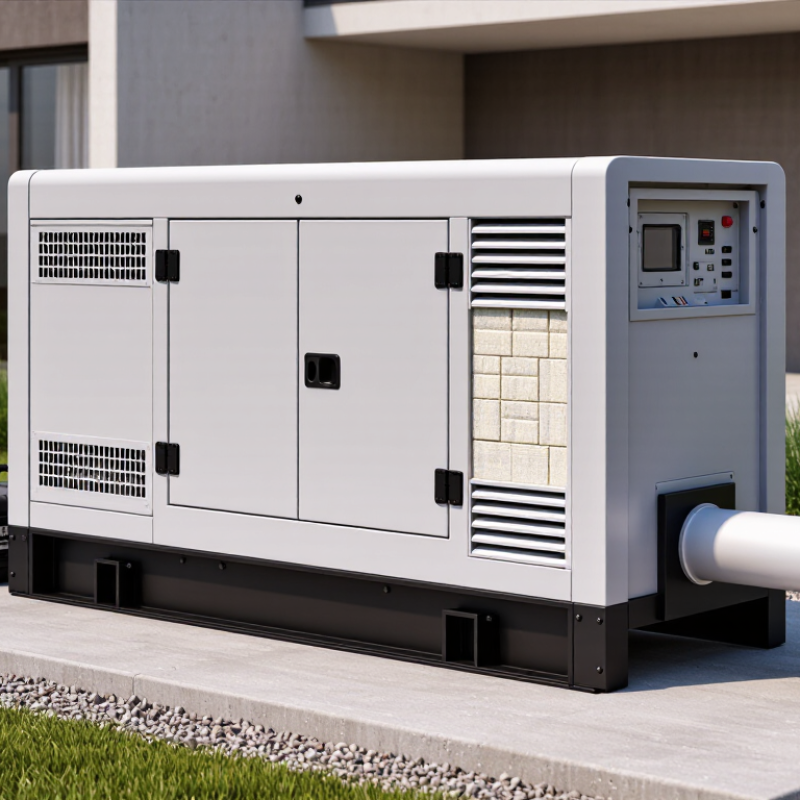
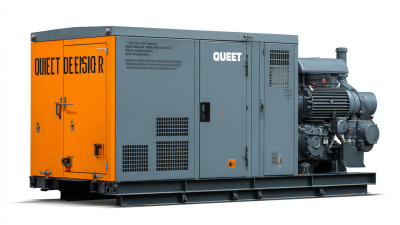
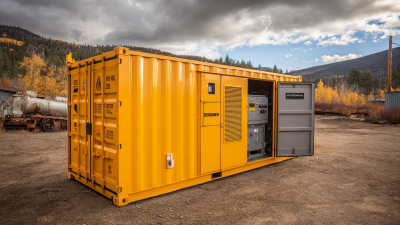
A quiet diesel generator begins with its enclosure. Look for thick, corrosion-resistant panels with sealed joints and acoustic lining. Ventilation openings should use baffled channels, not open grilles. These channels let air move while reducing direct noise. Check the access doors, too. Poor seals can turn a quiet enclosure into a metal echo box.

The engine matters just as much. Lower-speed diesel engines often produce a deeper, less tiring sound. However, engine speed alone does not guarantee silence. Ask for tested sound levels, measured in dB(A), at a stated distance and load. A reading near 65 dB(A) at seven metres may still feel loud beside a wall. Anti-vibration mounts, flexible exhaust connectors, and a properly sized muffler reduce both airborne and structural noise. In field inspections, I have found loose panels creating more noise than the engine itself. My first assumption was wrong.

Tips: Compare sound readings at the same load. Inspect panel seals by hand. Listen for rattling during startup. Leave space around air inlets. Blocked airflow can increase temperature and noise. Avoid placing the unit directly against a building. A small gap helps, but I once underestimated how strongly a concrete wall reflected low-frequency sound. Check nighttime conditions if the generator will operate near homes, offices, or sleeping areas.

Checking Fuel Use, Emissions, and Operating Costs

A quiet diesel generator should be judged by fuel use, emissions, and operating cost—not sound level alone. In field checks, I record fuel added, running hours, output kilowatt-hours, and average load. A neat spreadsheet can lie. Low-load operation often makes the cost per kilowatt-hour look surprisingly poor.

The U.S. Energy Information Administration reports that one gallon of diesel contains about 137,381 British thermal units. Actual electrical output depends on engine efficiency, load, and maintenance. Compare fuel consumption at 25%, 50%, and 75% load, rather than trusting one brochure figure. The International Organization for Standardization’s ISO 8528 guidance also treats rated performance and operating conditions as important testing factors. A generator burning 3 gallons hourly is not automatically expensive if it supplies more useful power.

Emissions affect both compliance planning and long-term cost. The U.S. Environmental Protection Agency states that Tier 4 nonroad diesel standards can reduce particulate matter by up to 90% and nitrogen oxides by up to 50% compared with earlier Tier levels. EPA’s Greenhouse Gas Emission Factors Hub uses approximately 10.21 kilograms of carbon dioxide per gallon of diesel. Ask for test conditions, certification details, and after-treatment maintenance requirements. Filters and fluid systems add expense. They also need attention. Quiet equipment can still produce substantial exhaust emissions. When calculating ownership cost, include fuel, oil, service labor, filters, downtime, and disposal fees. My own estimates become less confident when load profiles are missing. That uncertainty deserves a clear allowance.

Evaluating Installation, Maintenance, and Safety Requirements

Choosing a quiet diesel generator requires more than comparing decibel ratings. Installation conditions often determine the real noise level. A concrete pad should support the machine without transmitting excessive vibration into nearby walls. Flexible mounts and exhaust connectors can reduce rattling. Keep the unit outdoors, away from windows, doors, and air intakes. Exhaust gases must never enter occupied spaces.

I once underestimated how much sound reflected from a narrow courtyard. That judgment was wrong. Check the site at night, when background noise is lower. Measure the distance to bedrooms, offices, and neighboring buildings. Allow enough clearance for airflow, inspection, and emergency access. A licensed electrician should verify cable sizing, grounding, overload protection, and the automatic transfer arrangement. Follow local electrical, fire, and environmental requirements.

Maintenance also affects quiet operation. Loose panels, worn belts, and dirty filters can create harsh mechanical noise. Inspect oil level, coolant, battery terminals, fuel lines, and exhaust joints on a scheduled basis. Test the generator under an appropriate load, not only during a brief no-load start. Record operating hours and unusual sounds. Replace fluids and filters according to the service manual and site conditions. Fuel storage needs secure containers, spill control, and regular checks for water or contamination. Keep combustible materials away from hot surfaces. Never defeat guards, alarms, or shutdown systems to reduce noise. Small shortcuts can become expensive failures.

How to Choose a Quiet Diesel Generator? - Evaluating Installation, Maintenance, and Safety Requirements

Evaluation Area Key Dimension Practical Selection Guidance Installation and Maintenance Considerations Safety and Noise Requirements
Installation Required electrical capacity Select a generator based on the calculated running load plus motor-starting and other transient loads. Avoid sizing solely from the total nameplate wattage. Create a load schedule for essential equipment, identify starting currents, and confirm the generator can support the required voltage, phase, and frequency. Oversizing can increase wet-stacking risk during lightly loaded operation, while undersizing can cause overheating, voltage instability, and nuisance shutdowns.
Installation Noise-control enclosure Prefer a weather-resistant acoustic enclosure with sealed panels, vibration isolation, and a cooling-air path designed for the engine and alternator. Keep air inlets and outlets clear. Inspect door seals, acoustic lining, hinges, louvers, and exhaust connections for damage or deterioration. Check the supplier’s sound data at a stated distance and operating load. Local noise limits may apply at property boundaries or occupied areas.
Installation Location and clearance Install outdoors or in a purpose-designed plant room with adequate space for airflow, service access, fuel handling, and exhaust discharge. Maintain the clearances specified by the generator manufacturer and local codes. Do not block radiators, vents, access doors, or emergency controls. Keep the unit away from doors, windows, air intakes, combustible storage, and areas where exhaust gases could collect or recirculate.
Installation Foundation and vibration Use a level, load-bearing foundation suitable for the generator set, fuel system, and any required spill-containment equipment. Verify anchor bolts, resilient mounts, flexible fuel connections, and flexible exhaust sections. Recheck fasteners after initial operation. Proper isolation reduces structure-borne noise and prevents vibration from loosening electrical, fuel, or exhaust connections.
Installation Exhaust system Use a correctly sized exhaust system with an appropriate silencer, supports, rain protection, and safe termination above or away from occupied spaces. Inspect for leaks, corrosion, condensate accumulation, excessive back pressure, and contact with combustible materials. Route exhaust gases outdoors. Carbon monoxide is colorless and potentially fatal; never operate a diesel generator in an enclosed or partially enclosed space.
Installation Fuel system and autonomy Choose a tank size that meets the required runtime without creating unnecessary storage, environmental, or fire-protection obligations. Provide a cleanable tank, accessible filters, approved hoses, secure pipework, and spill containment where required. Check fuel quality and water contamination. Store diesel away from ignition sources and protect fuel lines from impact. Follow applicable fire, environmental, and storage regulations.
Maintenance Routine inspection Establish a documented inspection schedule based on operating hours, standby conditions, climate, and the engine manufacturer’s service requirements. Check oil level, coolant level, battery condition, leaks, belts, hoses, filters, radiator cleanliness, enclosure condition, and alarm status. Perform inspections with the generator secured against unexpected starting when guards or covers are removed.
Maintenance Exercise and load testing Run standby equipment periodically under an appropriate load. Periodic testing helps verify starting, transfer, cooling, lubrication, and control functions. Record runtime, load percentage, voltage, frequency, coolant temperature, oil pressure, alarms, and battery-charger performance. A no-load test may not reveal fuel-carbon buildup or inadequate performance under demand. Follow applicable electrical and emergency-power standards.
Maintenance Oil, coolant, and filter service Use fluids and filters that meet the engine manufacturer’s specifications and suit the ambient temperature and duty cycle. Replace lubricating oil, oil filters, fuel filters, and air filters at the prescribed intervals. Test coolant concentration and inspect for leaks. Allow hot components and fluids to cool before service. Dispose of used oil, coolant, and filters according to environmental requirements.
Maintenance Battery and starting system Select a correctly rated starting battery and maintain a suitable float charger or approved battery-maintenance system. Inspect terminals, cables, electrolyte condition where applicable, charger output, battery age, and cold-start performance. Batteries can produce explosive gases and high short-circuit currents. Wear appropriate protection and avoid sparks near the battery.
Safety Electrical protection Include correctly rated overcurrent protection, grounding or bonding, disconnects, and an automatic transfer system where standby operation is required. Have electrical connections, insulation, phase rotation, protective devices, and transfer operation tested by a qualified person. Prevent backfeed into the utility supply. Lockout/tagout procedures are required before electrical maintenance or connection changes.
Safety Carbon monoxide and fire risk Use suitable carbon-monoxide detection where people may be exposed and provide fire extinguishing equipment appropriate for fuel and electrical hazards. Test alarms and emergency shutdowns. Keep combustible materials clear and inspect the exhaust, fuel, and electrical systems for abnormal conditions. Stop the generator if there is an exhaust leak, fuel leak, fire, unusual smoke, or dangerous overheating. Do not restart until inspected.
Safety Operator access and controls Choose a unit with clear alarms, emergency-stop controls, status indicators, and service access appropriate for the operating environment. Keep control panels dry, labeled, illuminated, and unobstructed. Train operators on normal shutdown, emergency shutdown, and alarm response. Restrict access to authorized personnel. Use guards and warning signs around hot surfaces, rotating parts, energized equipment, and exhaust outlets.
Selection Operating environment Account for altitude, ambient temperature, humidity, dust, salt exposure, flood risk, and expected duty cycle when comparing generator options. Confirm derating requirements and specify suitable filters, heaters, louvers, corrosion protection, or cold-weather accessories where necessary. Environmental conditions can affect cooling, combustion, electrical insulation, starting reliability, and enclosure durability.
Selection Total ownership requirements Compare fuel consumption, scheduled service, spare parts availability, acoustic performance, warranty terms, testing requirements, and expected service life. Require maintenance documentation, service intervals, diagnostic information, and a clear procedure for obtaining replacement parts and technical support. The quietest generator is not necessarily the safest. Select a design that balances sound reduction with cooling, exhaust safety, accessibility, and reliable operation.
Important: Final generator selection and installation should be verified against the applicable electrical, fire, environmental, building, occupational-safety, and noise regulations in the installation location.