Leave Your Message

Why Is Reliable Diesel Generator Supply Important?

Reliable Diesel Generator Supply is not merely a purchasing concern. It is a practical safeguard against power interruptions that can halt production, spoil temperature-sensitive stock, or darken a hospital corridor. A generator may look ready in a quiet plant room. The real test comes when the grid fails, the transfer switch engages, and the load rises.

The International Energy Agency’s Electricity 2024 report projected that data centres’ global electricity use could exceed 1,000 terawatt-hours by 2026, up from about 460 terawatt-hours in 2022. That growth makes dependable backup planning increasingly important for facilities with critical loads. Diesel generator supply includes more than equipment availability: correct sizing, verified components, delivery timing, commissioning, and access to maintenance all affect whether backup power works when needed. Uptime Institute’s research director, Andy Lawrence, has highlighted power as a major contributor to serious data-centre outages. His published work supports a plain lesson: resilience depends on treating power infrastructure as a system, not a single machine.

The details are tangible. A late control panel can delay installation. Poorly matched capacity can leave equipment exposed when motors start. Even a small fuel or maintenance oversight can undermine a carefully chosen generator. Reliability takes preparation. And honest limits matter: no supplier can promise that every unit will start perfectly in every condition. Buyers should check specifications, test procedures, service coverage, and delivery commitments rather than rely on confident claims alone. That scrutiny may feel slow. It is often cheaper than discovering a gap during an outage.
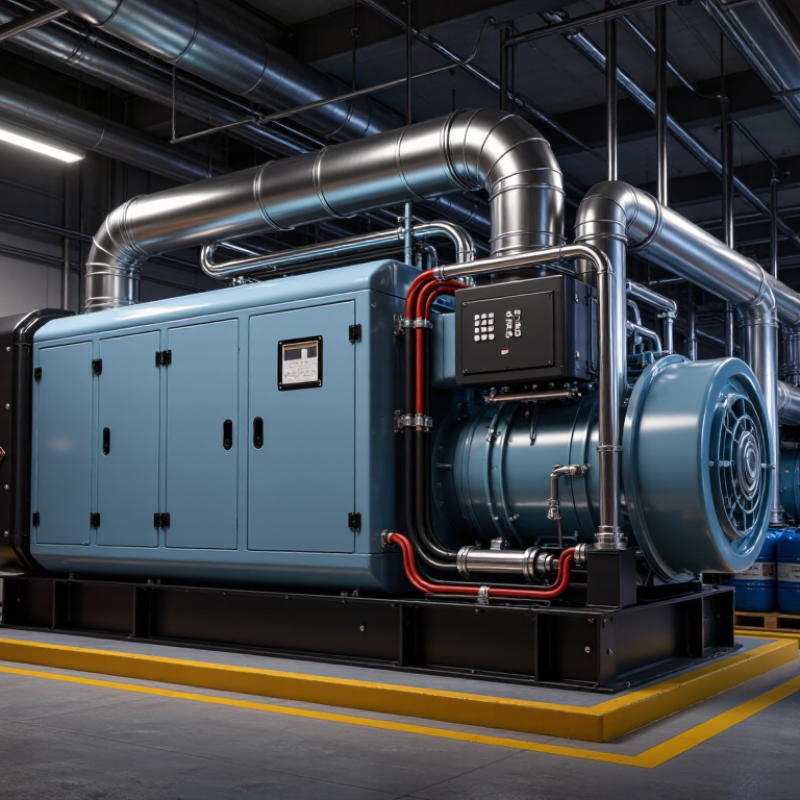
Why Is Reliable Diesel Generator Supply Important?

What Reliable Diesel Generator Supply Means

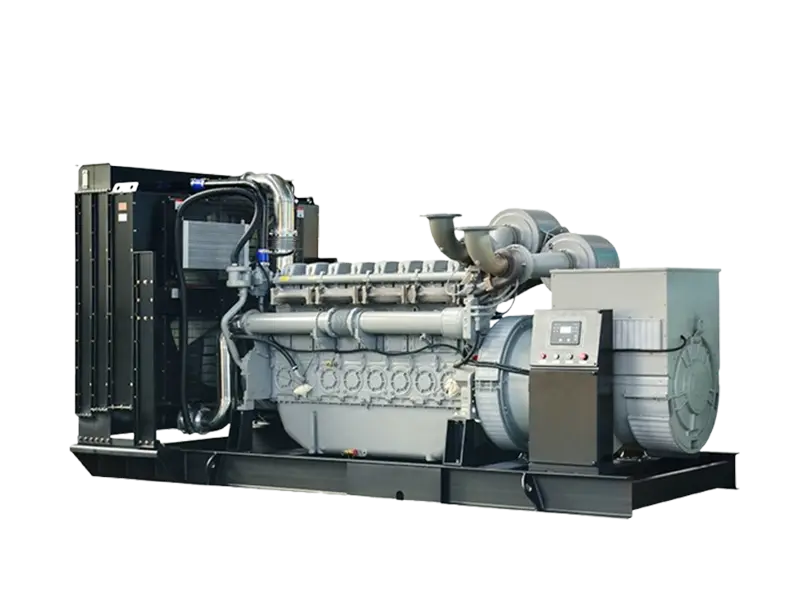
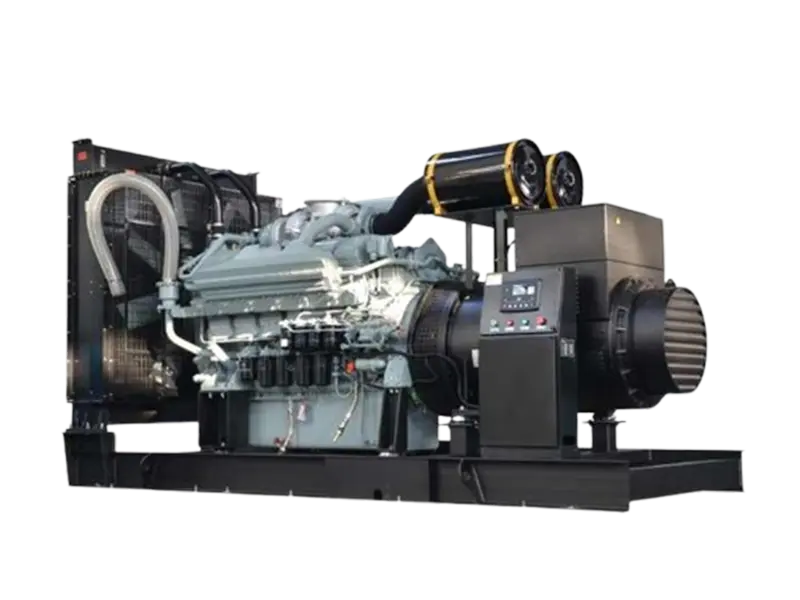
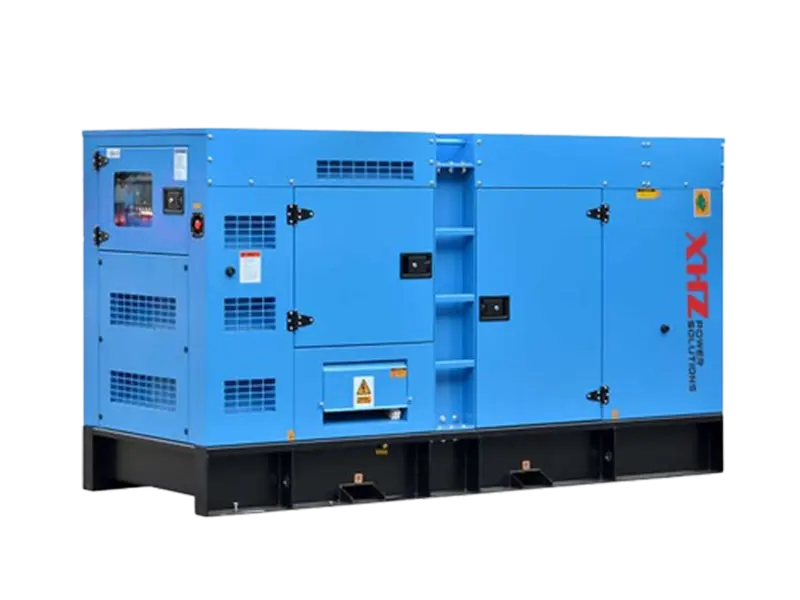
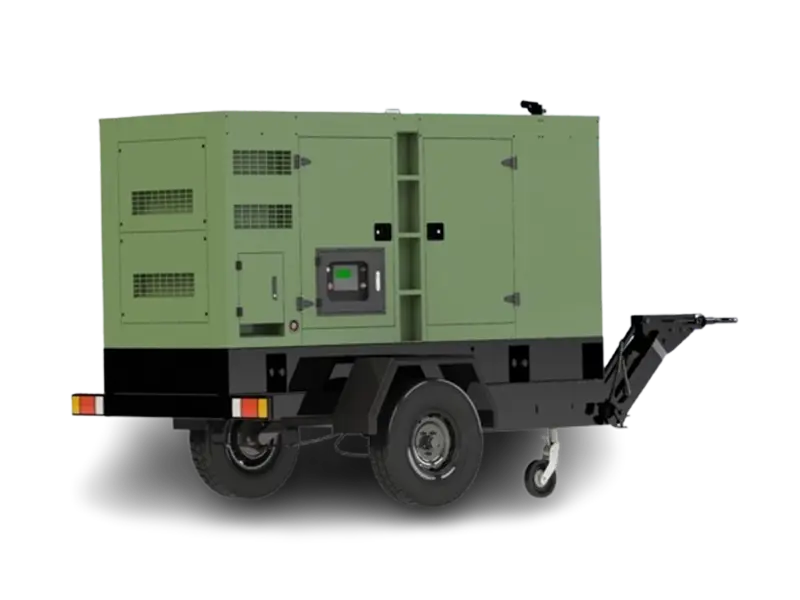
Reliable diesel generator supply means more than finding a unit when an outage begins. It includes predictable access to correctly sized equipment, compatible fuel connections, and essential replacement parts. Delivery timing matters, but so does clear communication about capacity, maintenance history, and setup needs. A generator rated for a workshop may not safely support a whole building. Check the expected load before dispatch. That matters.

Tips: Share the equipment list, expected running hours, and starting loads before ordering. Confirm delivery access, ventilation, exhaust routing, and who will inspect the unit. Keep records of test runs and service dates. Small details count.

A dependable supply arrangement also accounts for uncertainty. Weather can delay transport, and demand may rise during regional outages. Good planning leaves time for inspection, a practical fuel plan, and a backup contact. It does not mean assuming every unit will perform perfectly. Operators should test under realistic loads and report unusual vibration, smoke, or temperature changes promptly. In practice, reliability depends on suitable equipment, trained handling, timely service, and honest updates. One weak link can interrupt power. The first hour after delivery is easy to overlook, but that is when setup assumptions are tested.
How Diesel Generators Provide Backup Power

When utility power fails, a diesel generator can keep essential equipment operating until grid service returns. It converts stored fuel into electrical power, helping facilities maintain lighting, communications, refrigeration, pumps, or selected production systems. The exact circuits supported depend on generator capacity and the site’s electrical design.

An automatic transfer switch can detect a loss of utility power and signal the generator to start. Once output is stable, the switch transfers selected loads to generator power. In a clinic, that may protect refrigeration and critical lighting; in a warehouse, it may keep security systems and sump pumps running. Not everything needs backup. Load planning matters.

Reliable supply also depends on practical details: adequate fuel, scheduled testing, clear access, and trained operators. A weekly visual check may reveal a leak or blocked air intake before an outage exposes it to. But a running test does not prove every connected circuit will work under real load. That part is easy to overlook. Sites should review their priority loads and test transfer procedures periodically, recording faults and corrections. Generators also need proper ventilation and exhaust management, since they produce heat and fumes. A backup system is useful only when people can operate it safely and its limits are understood.

What Happens When Generator Supply Is Unreliable

When generator supply is unreliable, the risk starts before an outage. A delayed delivery can leave a hospital, cold-storage facility, or construction site without backup power. A unit on the loading dock may still be unusable if its voltage or controls do not match the site. Technicians cannot commission equipment that has not arrived, and an untested generator is only a promise. Small delays spread.

Uptime Institute’s 2024 Annual Outage Analysis reported that 54% of respondents put their latest significant outage cost above US$100,000. Another 16% reported costs above US$1 million. These figures describe outage costs, not generator shortages alone, but they show how quickly interruptions become expensive. Unreliable supply can also delay load-bank testing and access to compatible batteries, filters, or service parts. A generator that starts once is not proof of dependable readiness. Check delivery dates, specifications, commissioning support, and parts availability together. Keep a realistic buffer. Procurement teams sometimes focus on the machine and overlook these smaller dependencies. That is worth reconsidering before an outage.

Factors That Ensure Dependable Generator Supply

Why Is Reliable Diesel Generator Supply Important?

Dependable generator supply depends on more than having units in stock. A supplier should confirm output requirements, delivery windows, and site conditions before dispatch. A hospital, cold-storage room, or remote worksite may need different configurations and support. Clear communication helps prevent a generator arriving with unsuitable connections or insufficient capacity. Small delays matter.

Parts availability and quality checks also affect reliability. Ask whether routine components, such as filters and belts, can be sourced promptly. Request inspection records and a realistic lead time, not just an optimistic estimate. Transport planning matters too: access roads, unloading equipment, and weather can change delivery schedules. No plan is flawless. Even experienced teams can overlook a small site detail, so confirm measurements and responsibilities in writing.

Tips: Share your expected load and operating hours early. Check service response times and spare-parts access. Keep delivery contacts handy, and allow a little schedule margin. A quick call before dispatch can catch problems that paperwork misses.

Industries That Rely on Reliable Diesel Generators

Reliable diesel generators matter most where a brief power loss can threaten lives, spoil inventory, or stop essential work. The World Health Organization’s 2019 report, Energizing Health, found that one in four health facilities in sub-Saharan Africa lacked electricity access. Hospitals depend on backup power for lighting, medical equipment, refrigeration, and water systems. A generator only helps when it starts, has fuel, and can carry the required load.

Data centers also need dependable backup. Uptime Institute’s 2024 outage analysis reported that 54% of surveyed operators’ most recent significant outages cost more than $100,000. Manufacturing plants face a different risk: a sudden shutdown can interrupt production lines and damage temperature-sensitive materials. Cold-storage warehouses and food processors need steady power to protect stock. Small details matter. A delayed replacement filter can become a costly interruption.

Mining sites, farms, and construction projects often operate far from stable power grids. Reliable supply means more than delivering a generator; it includes suitable sizing, accessible spare parts, scheduled load testing, and trained maintenance staff. Diesel systems are not fail-proof, and fuel quality or neglected batteries can undermine readiness. That gap matters. Operators should test equipment under realistic loads and keep clear service records, rather than assuming a standby unit will work when called.

Why Is Reliable Diesel Generator Supply Important? — Industries That Rely on Reliable Diesel Generators

Industry Why Backup Power Matters What a Power Interruption Can Affect Key Reliability Considerations
Healthcare facilities Hospitals and other care facilities need continuity for essential services, equipment, and building systems during utility outages. Critical-care equipment, lighting, communications, refrigeration, and ventilation systems. Regular testing, preventive maintenance, adequate fuel arrangements, and prioritization of essential loads.
Data centers Continuous electricity helps keep servers, storage, and network infrastructure available when the grid supply is interrupted. IT service availability, data access, cooling systems, and connected business operations. Coordination with uninterruptible power supplies, load testing, cooling-load planning, and reliable fuel logistics.
Telecommunications Backup power can help maintain network sites and communications services during outages. Mobile and fixed-network equipment, emergency communications, and connectivity for customers and organizations. Remote-site monitoring, dependable starting, maintenance access, and fuel planning for difficult-to-reach locations.
Water and wastewater utilities Electricity is needed to operate pumps, treatment processes, and control systems. Water distribution, wastewater treatment, process monitoring, and related public services. Correct sizing for motor-starting loads, environmental protection, routine exercising, and fuel availability.
Manufacturing and processing Backup generation can support selected production and safety systems when grid power is unavailable. Production equipment, process controls, product quality, and safe shutdown procedures. Assessment of starting currents, load sequencing, site-specific operating requirements, and scheduled maintenance.
Agriculture and food storage Reliable power supports essential farm operations and temperature-controlled storage, particularly in remote areas. Irrigation pumps, ventilation, milking equipment, and refrigeration for perishable products. Seasonal load planning, protection from dust and weather, fuel storage management, and regular operational checks.
Emergency services Fire, rescue, and emergency-response facilities may need power to remain operational during severe weather or grid failures. Dispatch systems, communications, lighting, equipment charging, and facility operations. Clear start-up procedures, routine testing, maintenance records, and dependable fuel replenishment plans.

Generator capacity, runtime, and required loads vary by facility. Backup-power plans should be based on a site-specific assessment and applicable regulations.