- Home
- Products
- Service
- About Us
- Solution
- Videos
- News
- Contact Us
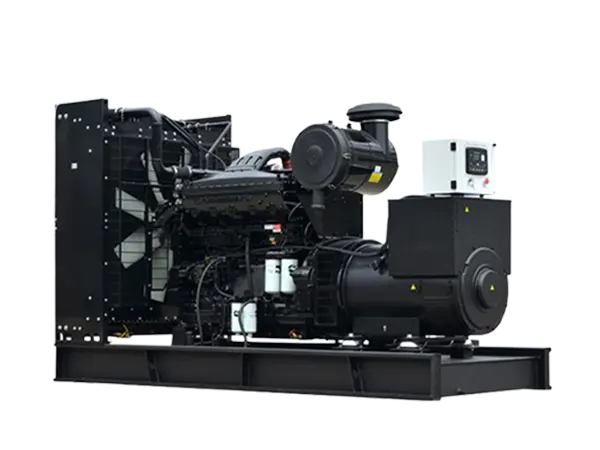 Diesel Generator Sets with Cummins Engines, XHZC Series
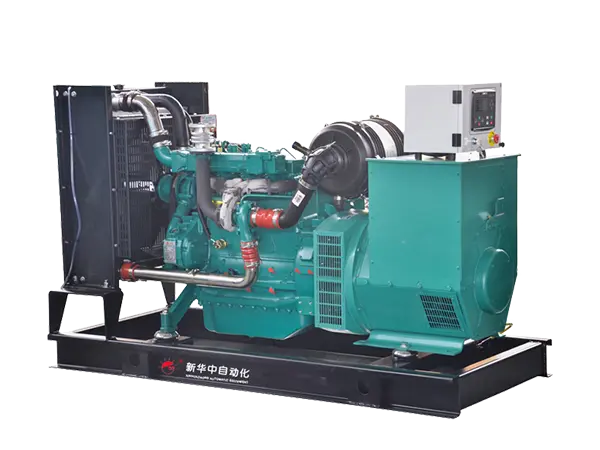 Weichai Series
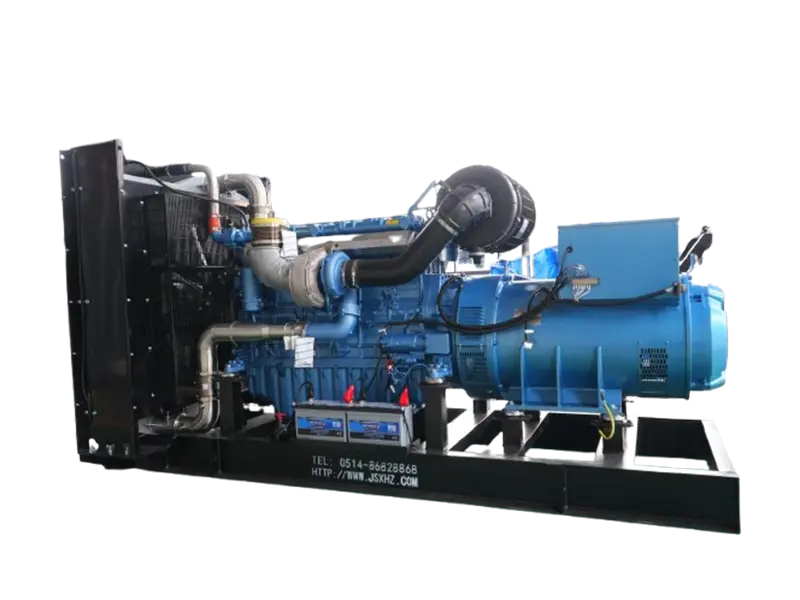 Diesel Generator Sets with WEICHAI Engines, XHZW Series
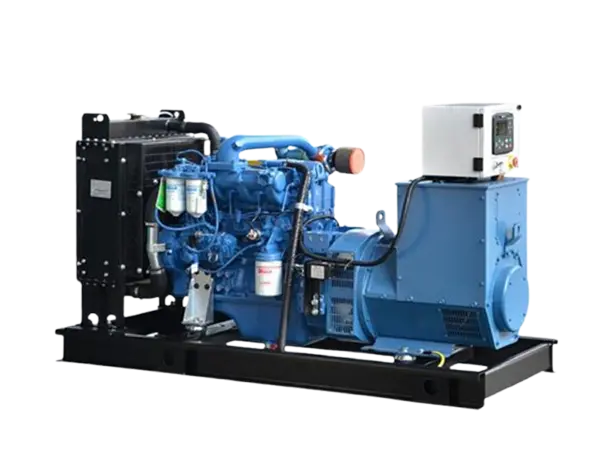 Yuchai Series
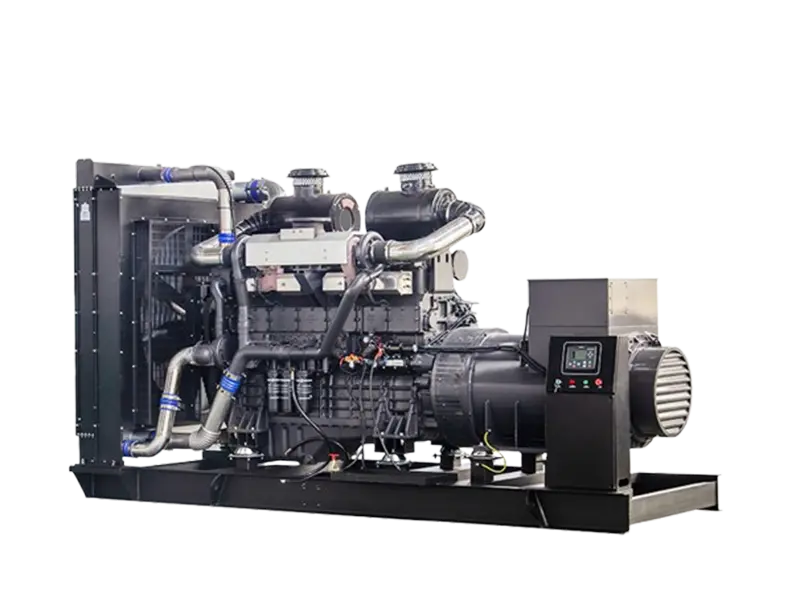 Diesel Generator Sets with SDEC(SHANGCHAI) Engines, XHZS Series
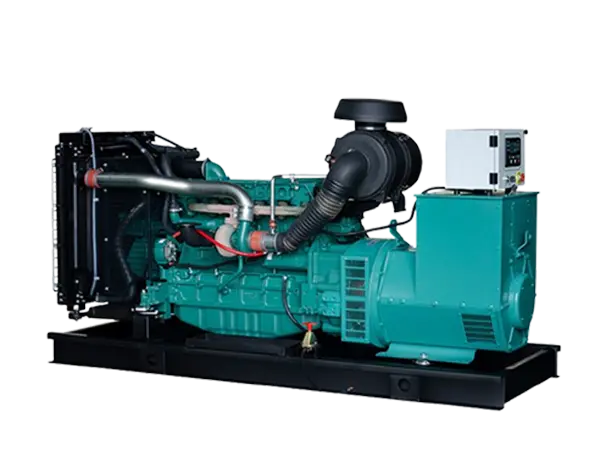 Volvo Series
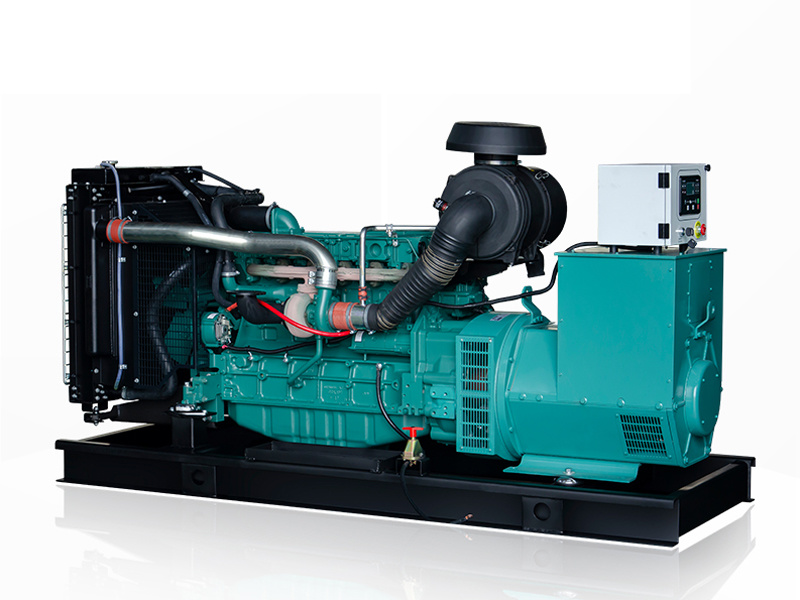 Diesel Generator Sets with VOLVO Engines, XHZV Series
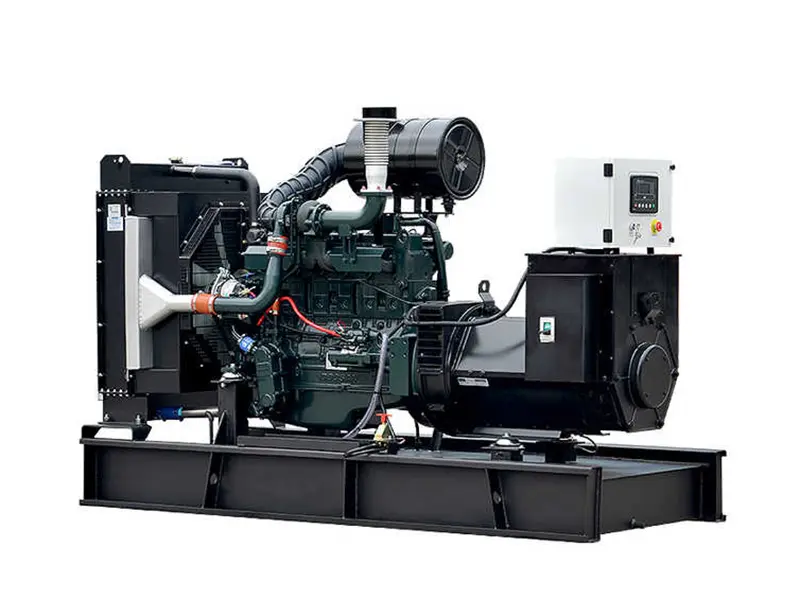 Diesel Generator Sets with Doosan Engines
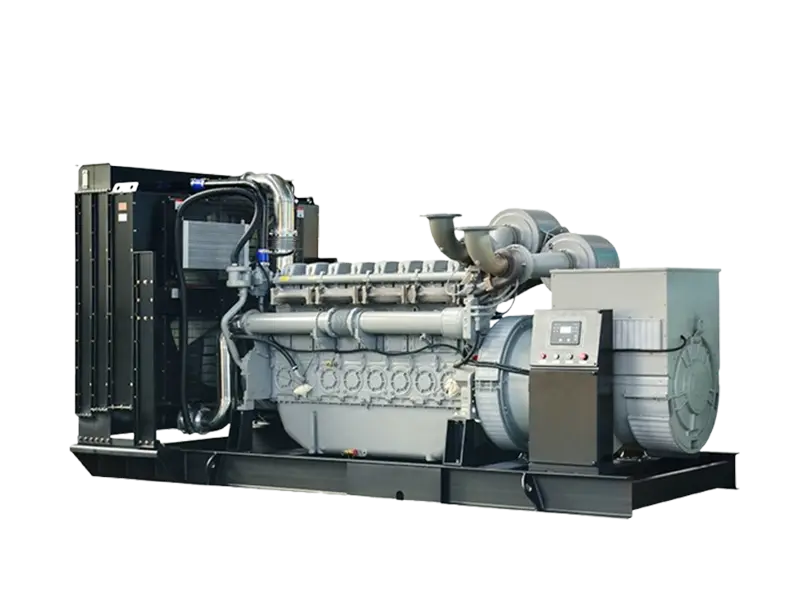 Diesel Generator Sets with Perkins Engines, XHZP Series
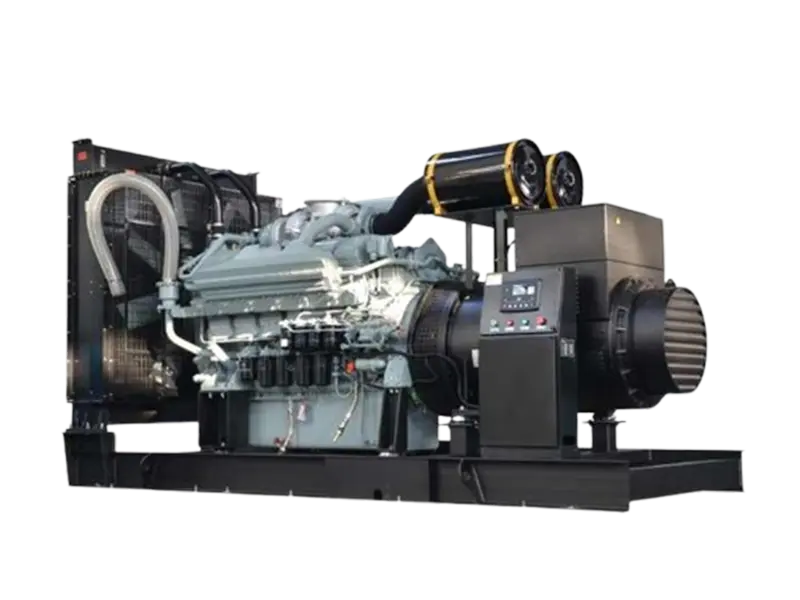 Diesel Generator Sets with Mitsubishi Engines
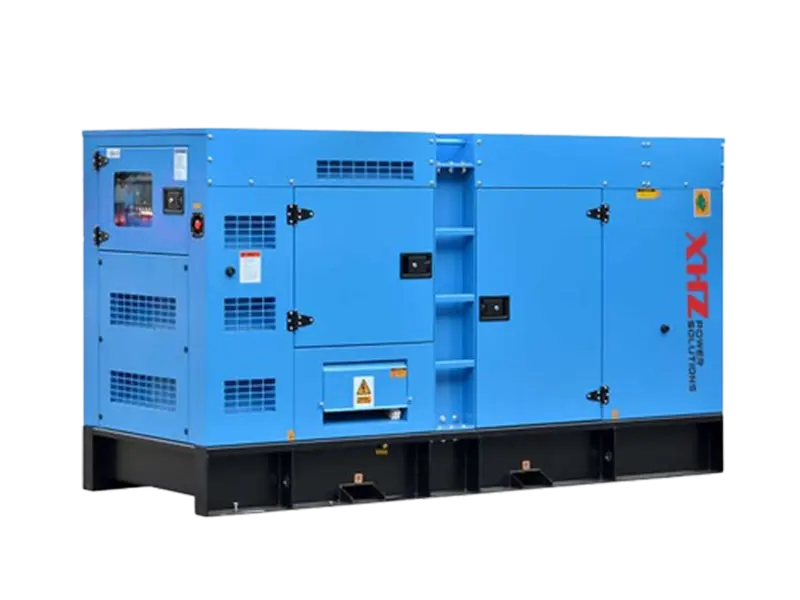 Silent Diesel Generators
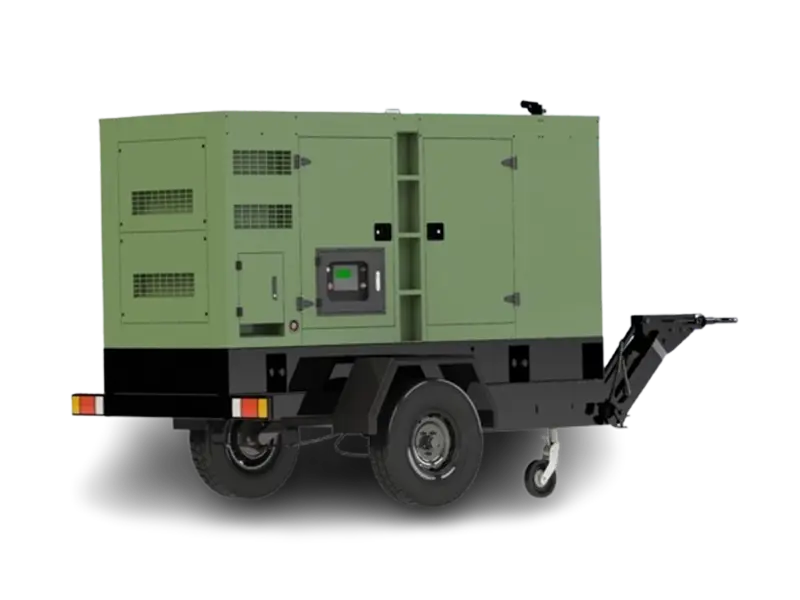 Mobile Silent Diesel Generators
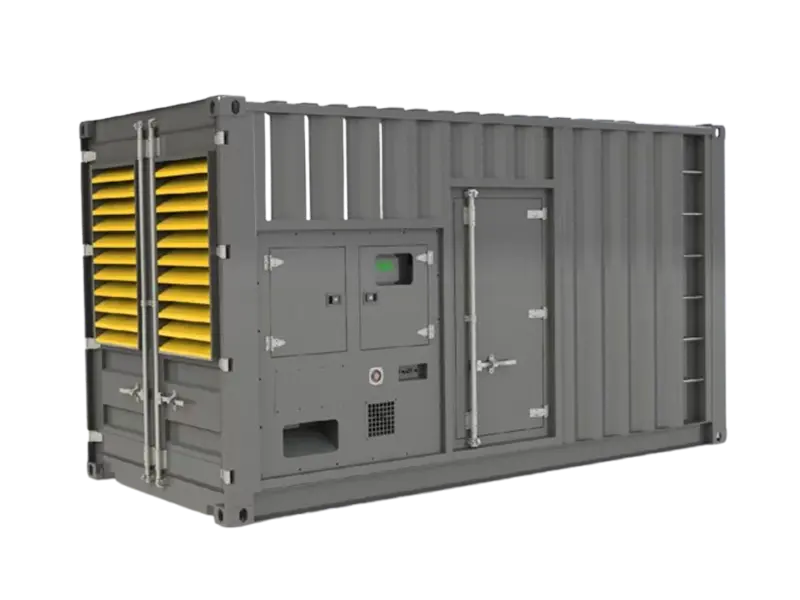 20/40HQ-Standard Container Type Generators
Leave Your Message
Choosing the right Power Station Equipment manufacturer is not simply a matter of comparing brand names. A gas turbine, steam generator, transformer, and plant control system each demand different engineering strengths. Energy historian Vaclav Smil writes, “Energy is the only universal currency: one of its many forms must be transformed to get anything done.” That idea makes equipment reliability central to any power project.
There is no universal league table. GE Vernova, Siemens Energy, Mitsubishi Power, Hitachi Energy, and Doosan Enerbility are among the major companies serving different parts of the power-generation and grid equipment market. Their capabilities vary by technology, region, project scale, and service network. A turbine supplier may not be the best fit for a plant seeking a high-voltage transformer or a digital control upgrade. Details matter. A buyer should compare verified product specifications, operating references, emissions performance, maintenance access, delivery timelines, and long-term parts support. A technician needs more than a polished brochure; they need clear service procedures and equipment that fits the site.
This guide examines leading manufacturers by product range, technical strengths, and practical considerations. It also separates broad market presence from project-specific suitability. Rankings can be useful, but they can hide important differences. A company’s public track record does not guarantee the same result at every plant. That is worth keeping in mind. The strongest choice is usually the one that meets the project’s operating needs with credible evidence and dependable support.
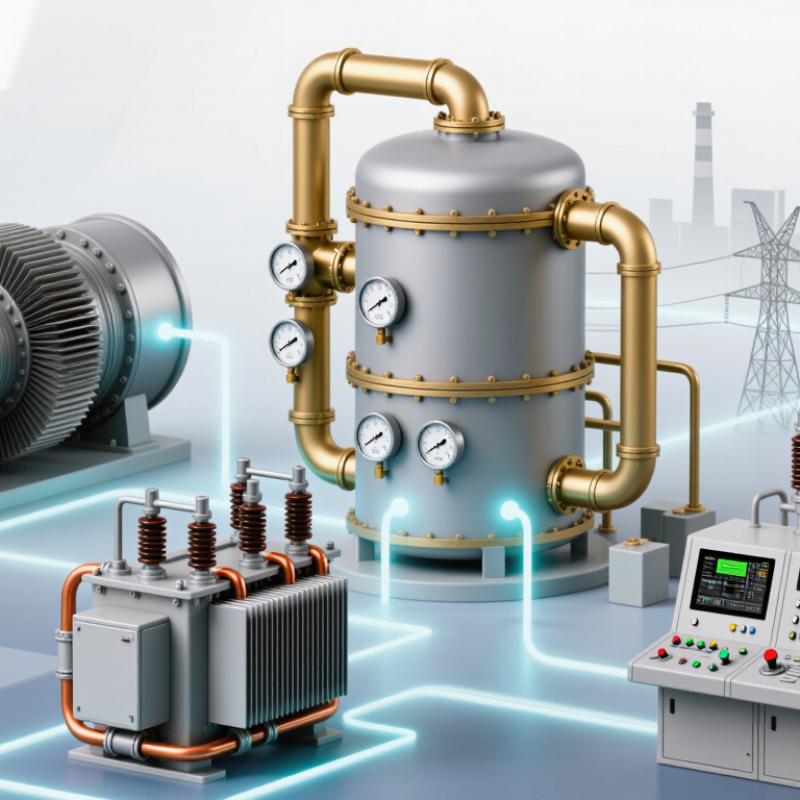
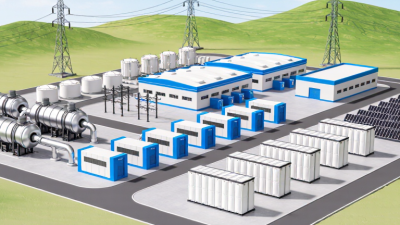
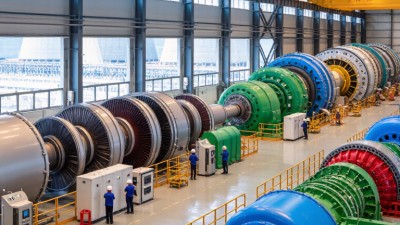
A power station turns an energy source into electricity using several connected systems. The exact equipment depends on whether the plant burns fuel, uses nuclear heat, or captures wind, sunlight, or flowing water. The machinery differs. In a conventional thermal station, a boiler or heat source produces steam, which spins a turbine. The turbine drives a generator, where rotating magnetic fields produce electrical current.
Supporting equipment keeps this process stable. Pumps move water and cooling fluid through pipes, while valves regulate flow and pressure. A condenser turns exhaust steam back into water for reuse. Cooling towers or other heat exchangers release unwanted heat. They can be strikingly large. At the generator’s outlet, transformers raise voltage for transmission, and switchgear helps route or isolate electrical circuits. Sensors, control systems, and protective relays monitor temperatures, vibration, and electrical faults.
Other plants use different core machines. Hydroelectric stations direct water through turbines; wind stations use rotor-driven generators, while solar farms rely on photovoltaic panels and inverters. Fuel-fired plants may also need filters or scrubbers to reduce emissions. Equipment lists can look tidy on paper, but maintenance is less tidy: a small leak, worn bearing, or faulty sensor can disrupt operation. No single equipment set fits every station.
| Equipment Category | Main Function | Typical Components | Where It Is Used | Key Selection or Operating Considerations |
|---|---|---|---|---|
| Boiler or Steam Generator | Uses heat to produce steam for a steam turbine. | Furnace or heat-transfer surfaces, pressure parts, burners, steam drum where applicable, and safety valves. | Coal-, biomass-, and gas-fired steam plants; nuclear plants use a steam generator in pressurized-water designs. | Fuel or heat source, steam conditions, efficiency, materials, emissions requirements, and applicable safety codes. |
| Steam Turbine | Converts the energy of expanding steam into shaft rotation. | Rotor, blades, casing, bearings, seals, and governing system. | Thermal and nuclear steam-cycle plants; some combined-cycle plants use a steam turbine. | Steam pressure and temperature, output, efficiency, operating flexibility, and inspection needs. |
| Gas Turbine | Converts hot combustion gases into shaft power. | Compressor, combustor, turbine section, fuel system, and auxiliary systems. | Simple-cycle and combined-cycle plants, typically using gaseous or liquid fuel. | Fuel characteristics, ambient conditions, emissions limits, startup requirements, and maintenance intervals. |
| Hydraulic Turbine and Generator | Converts flowing or falling water into mechanical energy and then electricity. | Turbine runner, wicket gates or guide vanes, shaft, generator, and water passages. | Hydroelectric stations, including many storage and run-of-river projects. | Available head and flow, sediment and debris, water-level variation, and site-specific turbine design. |
| Electrical Generator | Converts rotating mechanical energy into electrical power. | Rotor, stator, excitation system, cooling system, and protective instrumentation. | Most utility-scale thermal, hydroelectric, and nuclear stations. | Rated output, voltage, frequency, insulation, cooling method, and grid operating requirements. |
| Condenser and Cooling System | Condenses exhaust steam and removes heat from the cycle. | Surface condenser, cooling-water pumps, cooling tower or other heat-rejection equipment, and piping. | Steam-cycle plants; the cooling arrangement depends on the site and available water resources. | Cooling-water availability, environmental limits, heat-rejection capacity, and fouling control. |
| Feedwater and Boiler-Feed System | Returns treated water to a steam generator at the required pressure. | Feedwater pumps, heaters, valves, deaerator, and associated piping. | Steam-cycle plants. | Pressure and flow requirements, water chemistry, pump reliability, and protection against corrosion. |
| Fuel Handling and Supply | Receives, stores, prepares, and delivers fuel to the energy-conversion equipment. | Fuel piping and valves for gas or liquid fuels; conveyors, crushers, and storage systems for solid fuels. | Fuel-fired power stations; specific equipment varies with fuel type. | Fuel quality, safe storage, fire and explosion protection, supply continuity, and environmental controls. |
| Emissions-Control Equipment | Reduces selected air pollutants before exhaust gases leave the plant. | Depending on the plant: particulate collectors, scrubbers, or catalytic treatment systems. | Applicable combustion plants, based on fuel, design, and regulatory requirements. | Required pollutant limits, fuel composition, operating conditions, and handling of captured residues. |
| Transformer | Changes voltage for station use or transmission to the grid. | Windings, core, insulation, cooling equipment, bushings, and monitoring devices. | Grid-connected power stations and station auxiliary systems. | Voltage and power rating, insulation, cooling, fault withstand, and protection coordination. |
| Switchgear and Circuit Breakers | Connect, isolate, and interrupt electrical circuits during switching or faults. | Busbars, circuit breakers, disconnectors, instrument transformers, and protective relays. | Generator terminals, station electrical systems, and grid interconnections. | System voltage, short-circuit duty, insulation level, operating environment, and maintenance access. |
| Instrumentation, Control, and Protection | Monitors plant conditions, controls equipment, and initiates protective actions when needed. | Sensors, control systems, alarms, interlocks, and protective relays. | Power stations of many types; system design and safety requirements vary by technology. | Reliability, cybersecurity, redundancy, response time, testing, and applicable safety standards. |
| Water Treatment System | Prepares water for boilers, cooling circuits, or other plant processes. | Filtration, demineralization or reverse-osmosis equipment, chemical dosing, and water-quality monitoring. | Steam-cycle plants and other stations requiring treated process or cooling water. | Source-water quality, required purity, discharge limits, chemical handling, and waste-stream management. |
| Power Conversion System | Converts variable direct-current output into grid-compatible alternating-current power. | Inverters, transformers, filters, and control and protection equipment. | Solar photovoltaic plants and battery energy storage systems. | Power rating, grid-code compliance, efficiency, temperature limits, and control functions. |