Leave Your Message

2026 Best Power Station Equipment for Global Buyers

Choosing the best Power Station Equipment in 2026 requires more than comparing nameplate capacity and purchase prices. Global buyers must evaluate fuel efficiency, grid compatibility, maintenance access, and performance under local operating conditions. Downtime is expensive. A cheaper generator can become costly when replacement parts take six weeks to arrive.

Demand adds pressure. The International Energy Agency’s Electricity 2025 report recorded global electricity demand growth of 4.3% in 2024. It projected annual growth near 4% through 2027, increasing the importance of dependable generation and supporting infrastructure. Meanwhile, IRENA’s Renewable Power Generation Costs in 2023 reported a 12% annual decline in utility-scale solar electricity costs. These figures strengthen the case for comparing conventional generation with solar, storage, and hybrid configurations. Energy expert Fatih Birol, the IEA’s Executive Director, highlighted this shift when discussing World Energy Outlook 2020: “I see solar becoming the new king of the world’s electricity markets.” His observation provides context, although individual projects still require detailed engineering and financial assessment.

This guide evaluates Power Station Equipment through practical purchasing criteria: verified output, lifecycle costs, service coverage, and documented compliance. Buyers should request load-test records, warranty exclusions, spare-parts lead times, and operating specifications for heat, altitude, and dust. No ranking is universal. A turbine suited to continuous industrial demand may disappoint at a remote site with limited technical support. Published specifications also leave gaps; supplier claims deserve scrutiny, and long-term reliability cannot always be established before installation.

2026 Best Power Station Equipment for Global Buyers

Power Station Equipment Types and Their Applications

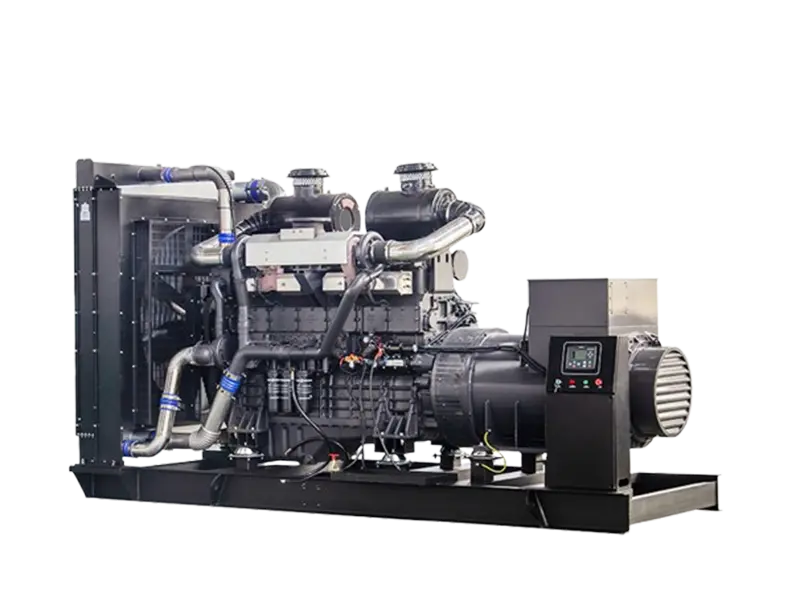
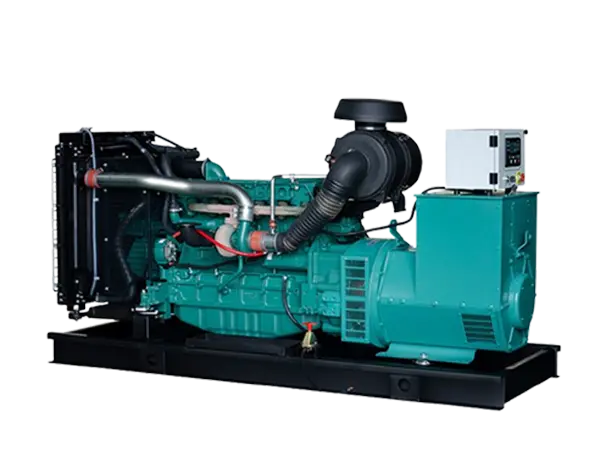
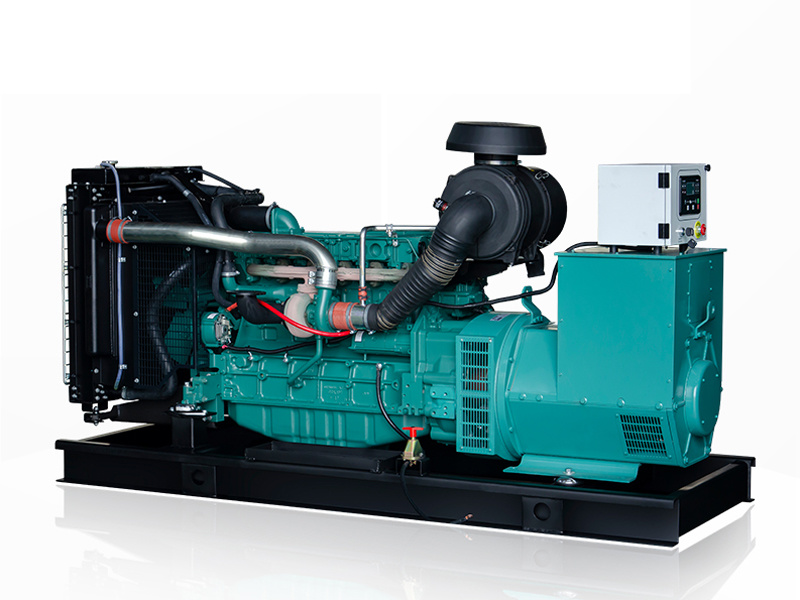
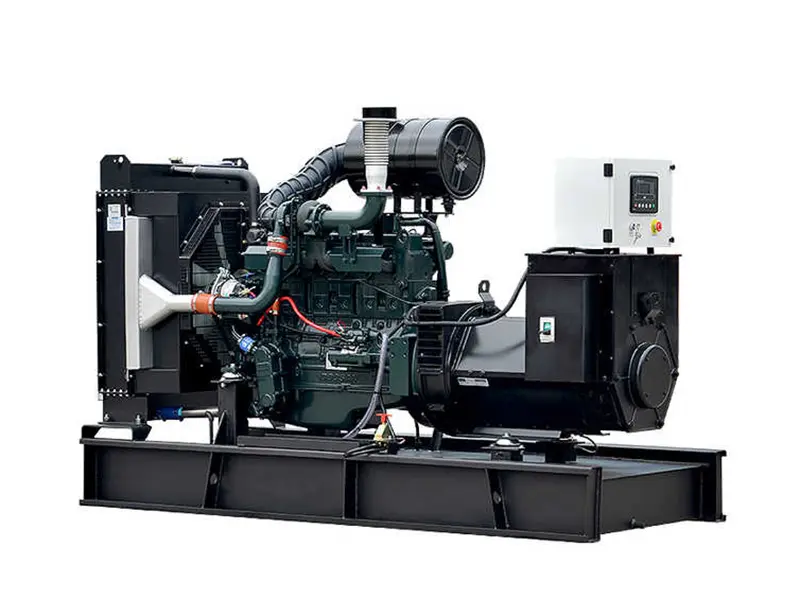
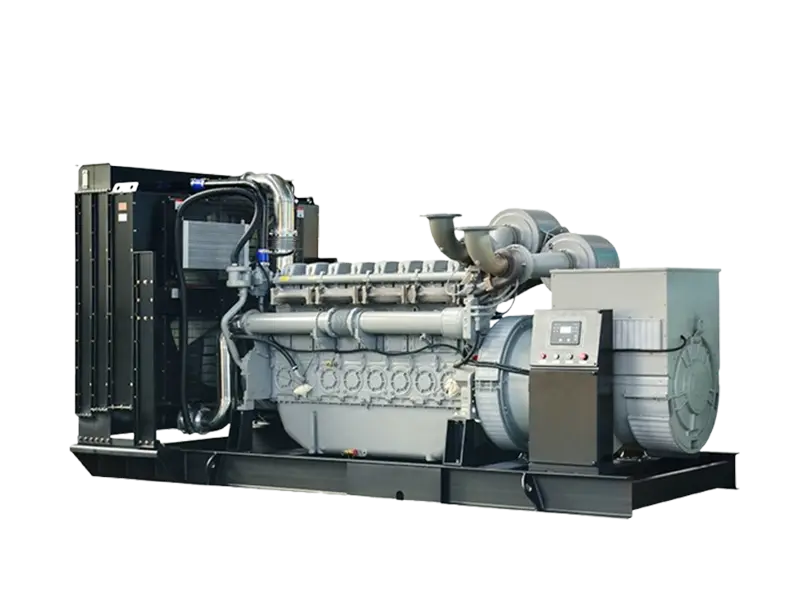
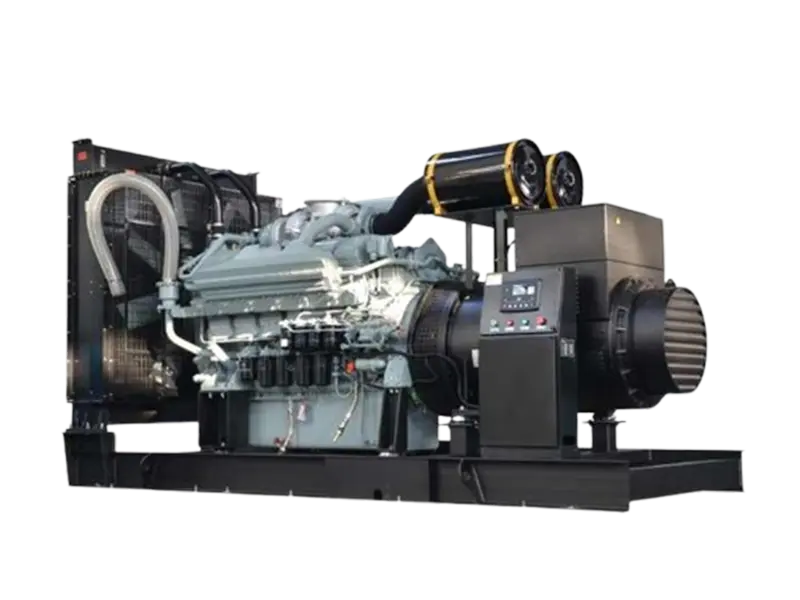
Power station equipment serves different roles, from generating electricity to controlling its delivery. Gas turbines suit plants needing flexible output, while steam turbines convert steam energy into mechanical rotation. Hydroelectric turbines use flowing water and require designs matched to available head and flow. Site conditions matter. A turbine selected for steady industrial demand may perform poorly when operators repeatedly cycle it through partial loads.

Generators convert shaft rotation into electrical power, while transformers adjust voltage for transmission or local distribution. Switchgear isolates circuits during faults and allows maintenance teams to disconnect equipment safely. For a coastal installation, buyers should examine enclosure protection, corrosion resistance, and insulation requirements. Cooling equipment also deserves attention: high ambient temperatures can reduce output when heat rejection capacity is insufficient. Specifications need context. A compact layout may save space but make filter replacement and cable inspection unnecessarily difficult.

Solar inverters convert panel output into alternating current, while battery storage can support frequency control and short backup periods. Battery capacity alone does not establish backup duration; usable energy, discharge limits, and connected loads all affect runtime. For 2026 procurement, request performance curves, protection settings, maintenance schedules, and test records relevant to the intended installation. Comparing rated efficiency is useful, although I would question any shortlist built around that figure alone. A slightly less efficient unit may offer easier servicing and fewer operational interruptions.

Essential Equipment for Power Generation, Control, and Distribution

Choosing power station equipment in 2026 starts with the plant’s fuel, capacity, and operating conditions. Generation equipment may include turbines, engines, generators, cooling systems, and lubrication units. For a coastal installation, salt exposure makes enclosure protection and corrosion resistance especially important. Check site conditions. Buyers should request output ratings at local temperatures and elevations, since standard ratings may overstate available capacity. A cheaper generator can become expensive when fuel consumption and maintenance downtime enter the calculation.

Control equipment keeps generation stable and helps operators identify faults. Typical systems include generator controllers, excitation systems, synchronizing panels, and protective relays. Specify alarms for low oil pressure, high bearing temperature, and abnormal voltage. Test the interfaces. A control panel may look complete while lacking spare input channels for future sensors. That omission is easy to overlook during procurement. Remote monitoring also needs clear access permissions, reliable communications, and a practical recovery procedure.

Distribution equipment moves electricity through transformers, switchgear, busbars, cables, and circuit breakers. Buyers should verify insulation levels, fault ratings, earthing arrangements, and protection coordination against the project design. Ask for applicable test reports and documented factory acceptance results. Relevant standards may include IEC 60076 for transformers and IEC 62271 for high-voltage switchgear. Standards compliance alone cannot confirm suitability for every site. Spare breaker mechanisms, accessible cable terminations, and locally available service support deserve space in the purchasing specification.

Performance and Reliability Criteria for Equipment Selection in 2026

Selecting power station equipment in 2026 starts with performance under actual operating conditions. The International Energy Agency’s Electricity 2025 report recorded 4.3% growth in global electricity demand during 2024. That growth increases pressure on generation capacity and maintenance schedules. Check the operating envelope. Compare guaranteed efficiency at full load, 75% load, and minimum stable output. Request correction curves for ambient temperature, altitude, and cooling-water conditions. A catalogue rating at 15°C tells buyers little about output during a 40°C afternoon.

Reliability deserves equally specific evidence. Request three years of operating records from comparable installations, including forced outages, repair durations, and maintenance intervals. Definitions matter. A reported availability figure can mislead when suppliers exclude scheduled maintenance or fuel-related interruptions. For transformers, examine temperature-rise tests, insulation performance, and cooling-system redundancy against applicable IEC 60076 requirements. For rotating equipment, review vibration trends and bearing temperatures alongside acceptance-test results. Ask whether critical replacement parts can reach the site within the required repair window.

Operating flexibility also affects equipment selection. Ember’s Global Electricity Review 2025 reported that clean sources supplied 40.9% of global electricity in 2024. For plants balancing variable renewable output, assess ramp rates, minimum stable load, and wear from repeated starts. Faster starts can increase thermal stress; the trade-off needs explicit warranty terms. I would treat a small efficiency advantage cautiously if servicing requires technicians unavailable locally. That judgment remains imperfect: remote sites may reasonably accept higher maintenance costs for better fuel efficiency.

2026 Best Power Station Equipment for Global Buyers - Performance and Reliability Criteria for Equipment Selection in 2026

Standards-based selection criteria for utility generation, renewable power plants, substations, and supporting energy storage systems.

Compare equipment using verified ratings, documented test results, and site-specific operating requirements. The criteria below support procurement decisions; they are not product rankings or universal acceptance limits.
Equipment Category Performance Data to Compare Reliability and Safety Criteria Relevant Standards Evidence to Request Before Purchase Selection Guidance for 2026
Synchronous Generators Rated apparent power (MVA), active power (MW), voltage (kV), frequency (Hz), power factor, efficiency (%), and temperature rise. Insulation performance, cooling capability, vibration, bearing condition, and temperature limits at the specified duty. IEC 60034-1: rating and performance of rotating electrical machines. Guaranteed performance schedule, applicable routine and type test reports, cooling requirements, and maintenance documentation. Specify site altitude, ambient temperature, grid frequency, and operating duty. Compare efficiency at equivalent load and power-factor conditions.
Power Transformers Rated power (MVA), voltage ratio, impedance (%), no-load loss (kW), load loss (kW), cooling designation, and tap range. Dielectric withstand, temperature rise, short-circuit withstand capability, and compatibility between insulation system and service conditions. IEC 60076-1, IEC 60076-2, IEC 60076-3, and IEC 60076-5: general requirements, temperature rise for liquid-immersed transformers, dielectric requirements, and short-circuit withstand. Routine test report, guaranteed losses at stated reference conditions, applicable type test evidence, and short-circuit withstand documentation. Evaluate purchase cost together with capitalized losses. Specify fire protection, noise limits, transport restrictions, and the required cooling arrangement.
Medium-Voltage Metal-Enclosed Switchgear Rated voltage (kV), normal current (A), short-time withstand current (kA), withstand duration (s), and peak withstand current (kA). Internal arc classification where required, loss of service continuity category, partition class, interlocks, and earthing arrangements. IEC 62271-200: AC metal-enclosed switchgear for rated voltages above 1 kV up to and including 52 kV. Applicable type test reports, routine test records, internal arc test configuration, and installation instructions. Match fault ratings to the network study. Verify that internal arc accessibility, current, duration, and installation conditions match the intended application.
High-Voltage AC Circuit Breakers Rated voltage (kV), normal current (A), short-circuit breaking current (kA), making current (kA peak), and rated operating sequence. Mechanical endurance, electrical endurance where applicable, interruption capability, operating mechanism condition, and insulation performance. IEC 62271-100: alternating-current circuit breakers for systems above 1 kV. Applicable interruption and endurance test reports, routine test records, operating-time data, and maintenance intervals. Check transient recovery voltage requirements and switching duties. Assess insulating-medium restrictions and service support in the destination market.
Stationary Lithium Battery Systems Nominal and usable energy (kWh or MWh), rated power (kW or MW), operating voltage range, round-trip efficiency (%), and capacity retention under stated conditions. Protection against overcharge, excessive discharge, overtemperature, and short circuits; battery management functions; and application-specific fire protection. IEC 62619: safety of industrial secondary lithium cells and batteries. IEC 63056: safety of lithium cells and batteries for electrical energy storage systems. Applicable safety test reports, usable-energy definition, warranty operating limits, degradation assumptions, and system emergency procedures. Compare usable energy at the same temperature, discharge rate, and state-of-charge limits. Separate cell or battery test evidence from complete installation approval.
Photovoltaic Modules Maximum power (Wp), module efficiency (%), open-circuit voltage (V), short-circuit current (A), power temperature coefficient (%/°C), and warranted degradation. Design qualification, electrical safety, mechanical loading, and suitability for the installation environment. IEC 61215 series: design qualification and type approval. IEC 61730 series: photovoltaic module safety qualification. Certificates and supporting reports covering the supplied model, electrical datasheet, installation manual, and warranty terms. Standard test conditions use 1,000 W/m² irradiance, 25°C cell temperature, and an AM1.5 reference spectrum. Model actual energy yield using site conditions.
Photovoltaic Inverters Rated AC power (kW or MW), maximum DC voltage (V), MPPT voltage range (V), conversion efficiency (%), power factor capability, and harmonic performance. Electrical protection, insulation, thermal management, enclosure suitability, and required grid support behavior. IEC 62109-1 and IEC 62109-2: safety requirements for power converters used in photovoltaic power systems. Applicable safety reports, efficiency curves, temperature and altitude derating curves, and destination-specific grid compliance evidence. Check cold-weather string voltage and hot-weather MPPT operation. Verify local ride-through, reactive power, and anti-islanding requirements where applicable.
Uninterruptible Power Systems Rated output power (kW), apparent power (kVA), efficiency at defined loads (%), output voltage regulation, overload capability, and battery autonomy (minutes). Performance classification, transfer behavior, bypass operation, battery monitoring, and maintainability for critical station loads. IEC 62040-1: safety requirements. IEC 62040-3: performance specification and test requirements. Performance classification, efficiency data by operating mode, autonomy calculations, battery aging assumptions, and acceptance test procedures. Size for the actual critical load and required backup duration. Assess redundancy and maintenance bypass arrangements against station availability requirements.
Protection Relays and Substation Automation Protection functions, measurement accuracy, operating time (ms), supported communication services, event recording, and time synchronization capability. Protection coordination, electromagnetic compatibility, dependable trip circuits, configuration control, and cybersecurity appropriate to the deployment. IEC 60255 series: measuring relays and protection equipment. IEC 61850 series: communication networks and systems for power utility automation. Applicable relay test reports, supported protocol and service documentation, protection settings study, and interoperability test results. Specify the required IEC 61850 services and editions. Verify interoperability and protection behavior through factory and site acceptance testing.

How to define “best”: Select equipment that meets the required duty, safety obligations, maintainability targets, and lifecycle cost objectives. A higher nameplate rating alone does not establish better performance or reliability.

Comparable data: Record the test method, operating point, ambient conditions, measurement boundary, and applicable tolerances. Battery cycle life, efficiency, and equipment availability require explicitly stated conditions to support a meaningful comparison.

Environmental protection: IEC 60529 defines enclosure IP classifications. An IP rating alone does not establish resistance to corrosion, ultraviolet exposure, condensation, or every outdoor operating condition.

Standards and market requirements: Standard numbers identify relevant technical references. Specify the applicable edition and amendments in the purchase contract, and confirm destination-country requirements. The listed standards do not by themselves establish complete plant compliance.

Reference source: Standard titles, scopes, and edition information can be checked through the IEC Webstore. This table contains technical selection criteria rather than supplier-specific performance claims.

International Standards and Certification Requirements for Global Buyers

For buyers comparing portable power stations in 2026, certification requirements depend on the destination, battery chemistry, and intended use. Check the exact model. A report covering a smaller battery configuration may not cover the unit you plan to import. Request dated test reports, matching model numbers, and the issuing laboratory’s accreditation details. For lithium battery transport, ask for the UN 38.3 test summary. This documents transport testing; it does not establish complete product safety or guarantee acceptance by every carrier.

Market requirements differ. In the European Union, identify applicable legislation before requesting the EU Declaration of Conformity and supporting technical documentation. CE marking is generally a manufacturer’s declaration, rather than an independent quality award. Electromagnetic compatibility and restricted-substance requirements commonly deserve attention, while other obligations depend on product design. For North American purchases, investigate whether UL 2743 applies to the equipment and whether local authorities require third-party certification. Relevant IEC battery standards also depend on the application; no single certificate provides universal market access.

Inspect practical details alongside paperwork: protective earthing where required, outlet configuration, rated voltage, operating temperature, and overload protection. Ask suppliers how they verify claimed output under sustained loads at elevated ambient temperatures. A brief demonstration at room temperature leaves important questions unanswered. Even credible laboratory results cannot predict every installation or operating condition. Buyers may need additional local review when connecting equipment to building wiring, particularly where transfer equipment or grid interaction is involved.

Supplier Evaluation, Procurement Costs, and Lifecycle Support

Choosing power station equipment in 2026 means comparing supplier evidence, procurement costs, and support commitments against actual operating requirements. For generators, transformers, and switchgear, request test reports tied to the offered model and rating. Check carefully. Confirm voltage, frequency, ambient temperature limits, and compatibility with existing protection systems. Ask for sample inspection records and references from comparable installations. A factory certificate alone cannot demonstrate how equipment will perform at your site.

Compare quotations using the same delivery scope, including freight, insurance, duties, installation supervision, commissioning, and initial spare parts. A lower purchase price can lose its advantage when specialist technicians must travel internationally for routine repairs. Request separate prices for protection relays, cooling fans, filters, and recommended maintenance tools. Check quotation validity and payment milestones, especially when production extends across several months. Budget estimates remain imperfect: exchange rates, shipping routes, and site preparation can change before delivery.

Lifecycle support deserves measurable commitments. Ask suppliers to specify warranty exclusions, response times, technician availability, and spare-parts lead times in writing. Details matter. For critical components, confirm whether replacements require proprietary software or factory configuration. Request maintenance schedules, wiring diagrams, and operator training before acceptance. Remote diagnostics can help, but unreliable site connectivity may limit their usefulness. One unresolved tradeoff is spare-parts inventory: additional stock improves resilience while tying up capital and requiring suitable storage.