- Home
- Products
- Service
- About Us
- Solution
- Videos
- News
- Contact Us
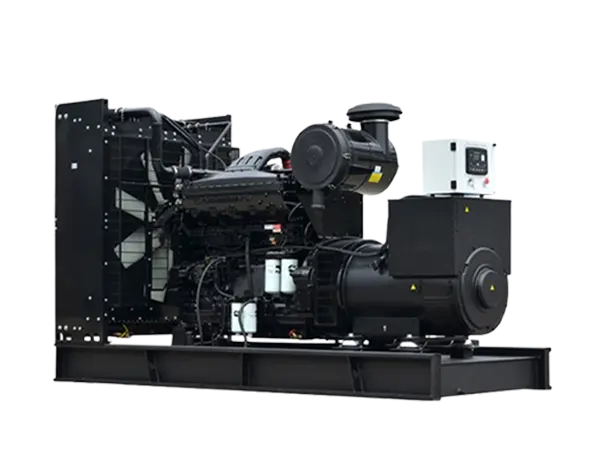 Diesel Generator Sets with Cummins Engines, XHZC Series
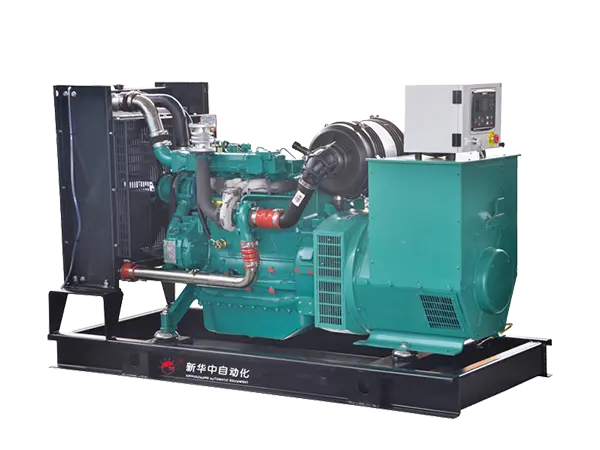 Weichai Series
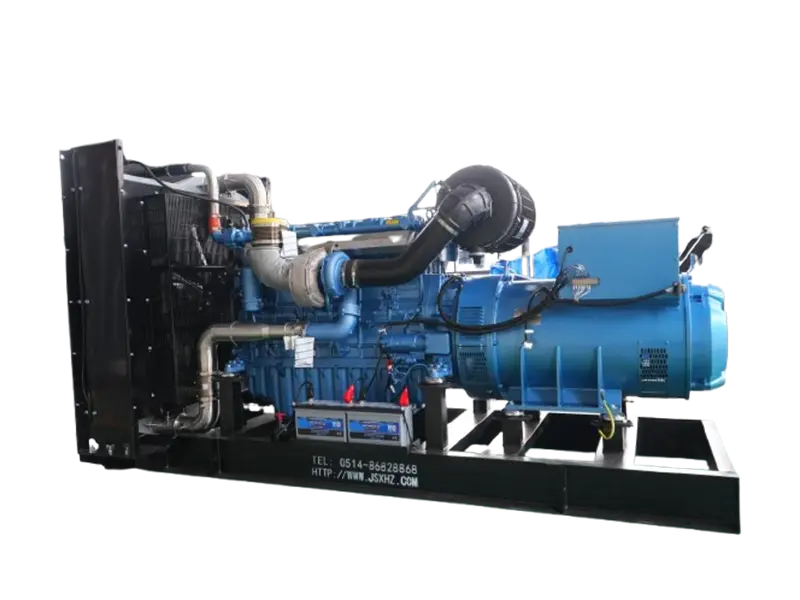 Diesel Generator Sets with WEICHAI Engines, XHZW Series
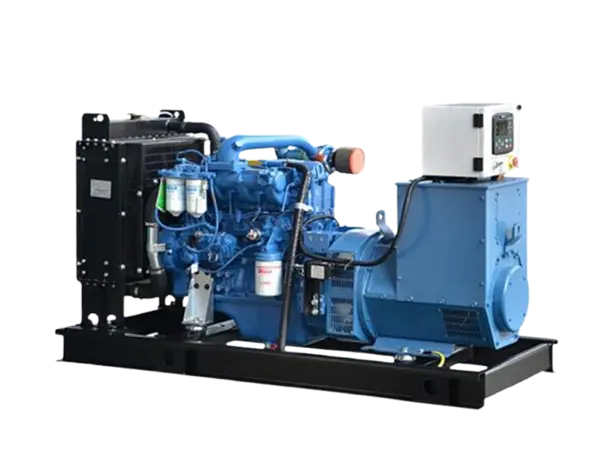 Yuchai Series
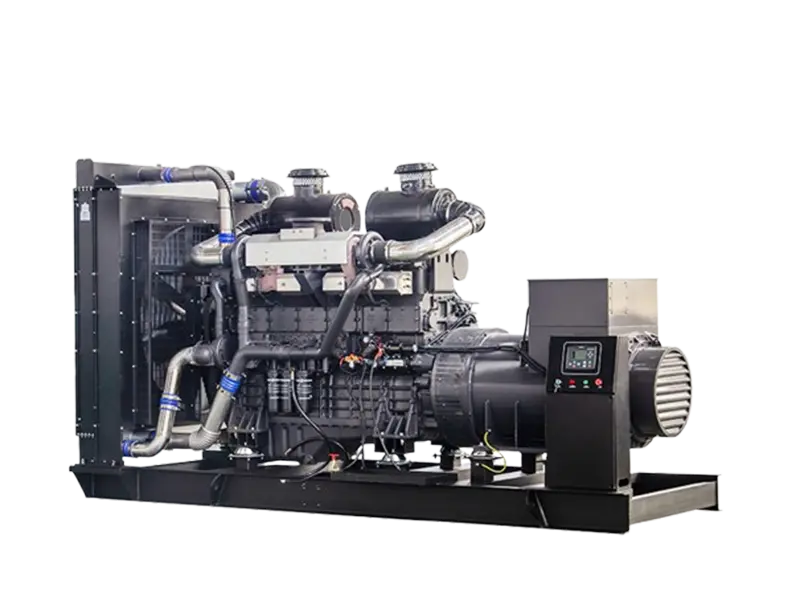 Diesel Generator Sets with SDEC(SHANGCHAI) Engines, XHZS Series
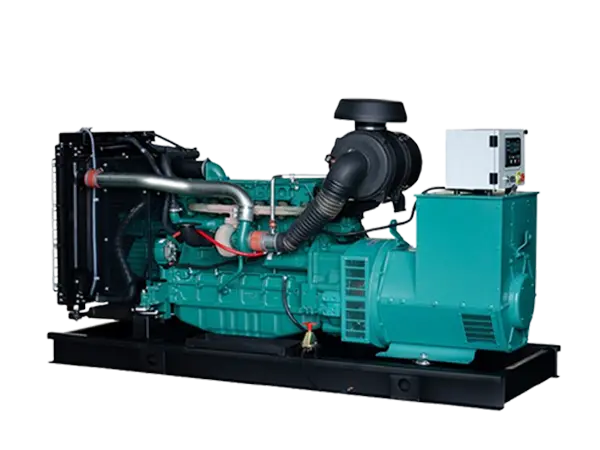 Volvo Series
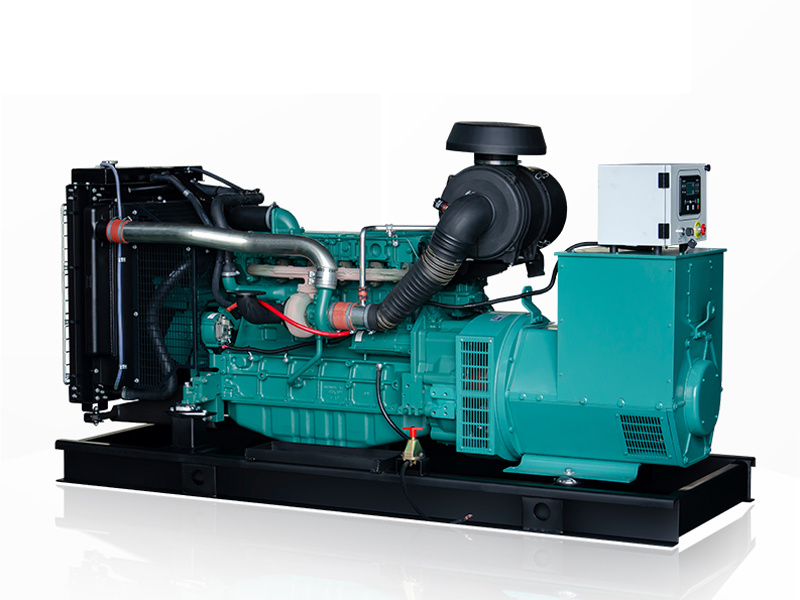 Diesel Generator Sets with VOLVO Engines, XHZV Series
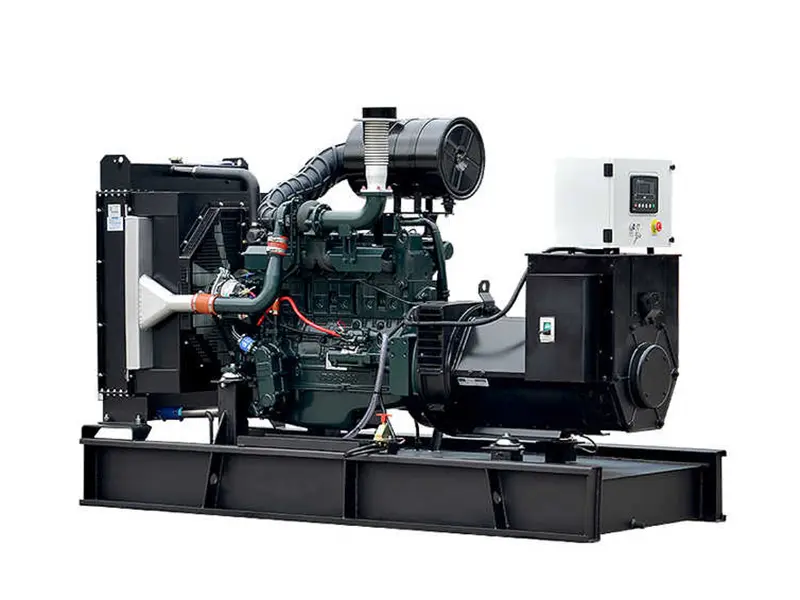 Diesel Generator Sets with Doosan Engines
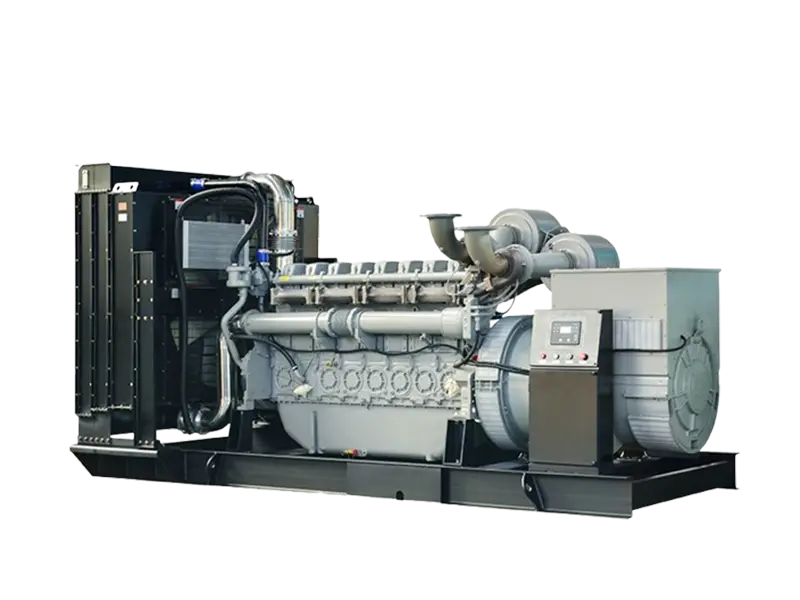 Diesel Generator Sets with Perkins Engines, XHZP Series
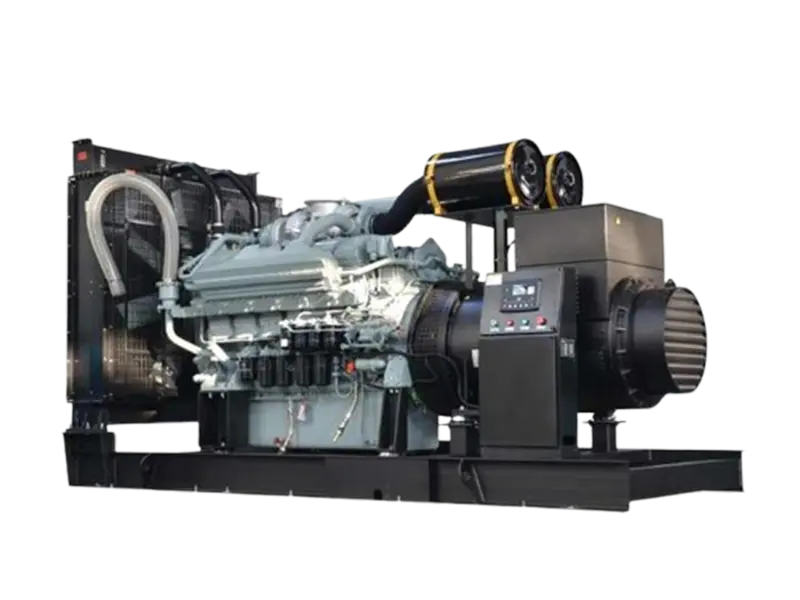 Diesel Generator Sets with Mitsubishi Engines
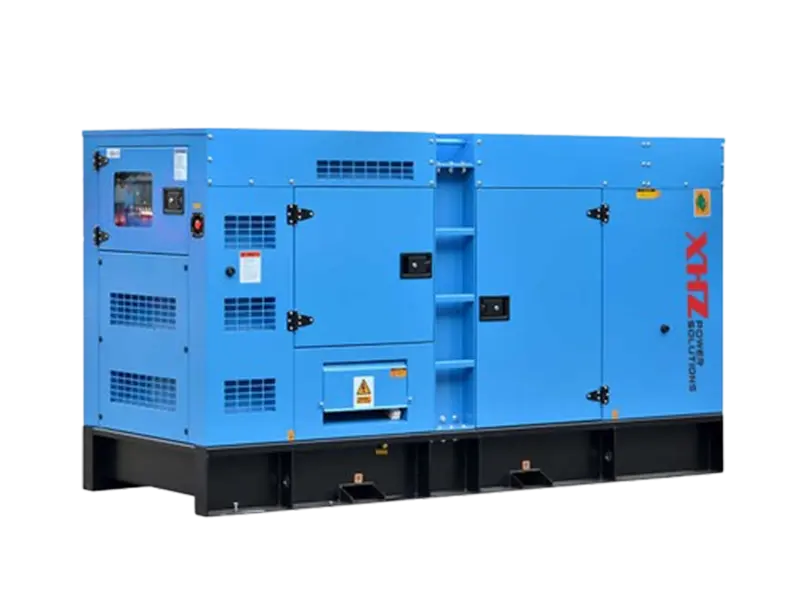 Silent Diesel Generators
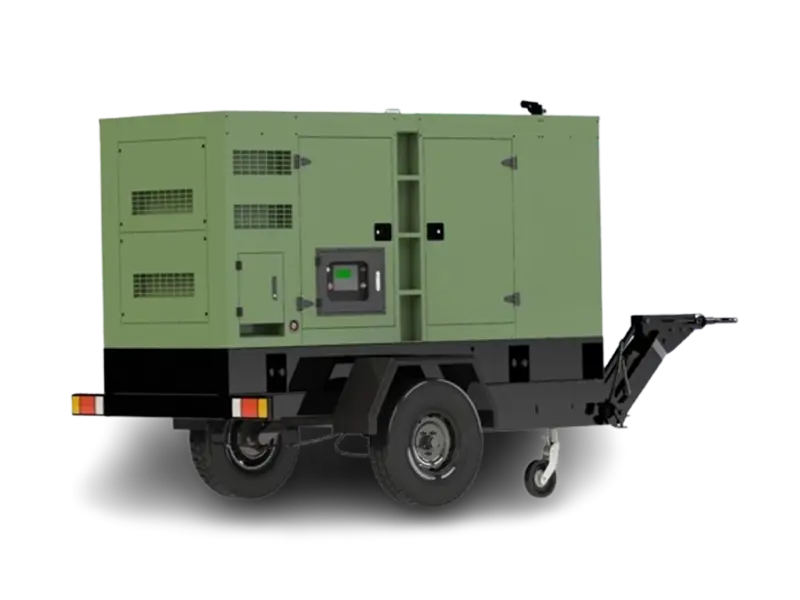 Mobile Silent Diesel Generators
 20/40HQ-Standard Container Type Generators
Leave Your Message
China’s power industry supports large, complex projects across coal, gas, hydro, nuclear, and renewable generation. Behind these facilities are manufacturers supplying turbines, boilers, generators, transformers, control systems, and auxiliary equipment. This guide examines China’s top 10 Power Station Equipment manufacturers and explains why they matter to project owners, engineering firms, and international buyers.
The selection considers manufacturing scale, product coverage, technical capability, project experience, certifications, service networks, and publicly available company information. Real project performance also matters. A reliable supplier should provide stable equipment, clear documentation, responsive maintenance, and practical commissioning support. A turbine hall may look impressive, but long-term availability depends on bearings, control software, spare parts, and trained technicians.
No ranking is flawless. Public data can change.
Some companies have stronger export records, while others lead domestic projects or specialized product categories. Their strengths may differ across thermal power, hydropower, nuclear energy, and clean power systems. Therefore, this overview does not treat company size as the only measure of quality. It also considers delivery reliability, engineering depth, after-sales support, and adaptability to local regulations. Readers should verify current certifications, reference projects, financial information, and technical specifications before making procurement decisions. The market continues to evolve, and several manufacturers are improving rapidly. That makes comparison useful, but not final.
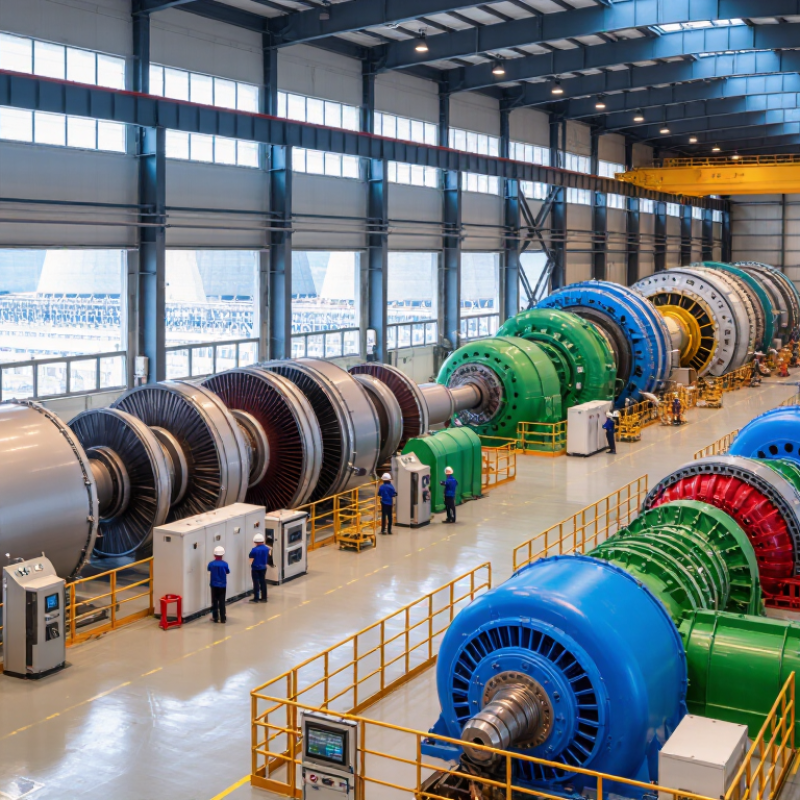
China Top 10 Power Station Equipment Manufacturers
China’s power station equipment industry is defined by its complete industrial chain, not only factory size. Manufacturers may supply boilers, turbines, generators, transformers, control systems, or complete engineering packages. The strongest suppliers usually combine design capability, precision manufacturing, testing facilities, and long-term maintenance support. In practical procurement, engineers inspect welding records, vibration data, heat efficiency, and spare-part availability. A polished brochure cannot replace a factory visit. That lesson is easy to forget.
A useful top-ten evaluation should examine product reliability, certified testing, delivery experience, and technical service. It should also consider performance under local conditions, including coal quality, grid frequency, water temperature, and dust exposure. China’s industry serves thermal, hydro, nuclear, wind, solar, and energy-storage projects. Therefore, “top” depends on the equipment category and project requirements. No ranking is perfect. Some public information remains incomplete.
Tips: Request test reports, reference projects, warranty terms, and maintenance plans. Ask who will support the equipment after installation. Compare lifecycle cost, not just purchase price. Check whether control systems can communicate with existing plant infrastructure. Small details matter.
From an expert perspective, credible manufacturers explain limits as clearly as benefits. They disclose efficiency ranges, inspection procedures, and expected service intervals. Independent certification adds confidence, but field performance matters more. Buyers should review acceptance standards before signing contracts. They should also confirm training for operators and emergency troubleshooting. A supplier with strong documentation can reduce downtime when conditions change. Even experienced teams sometimes overlook software updates or spare inventory. That weakness deserves attention.
| Rank | Anonymous Manufacturer Capability Category | Core Equipment | Main Power-Station Application | Industry-Defining Capabilities | Common Technical Standards |
|---|---|---|---|---|---|
| 1 | Utility Boiler Manufacturing | Subcritical, supercritical and ultra-supercritical boilers; pressure parts; combustion systems | Coal-fired and biomass-fired thermal power stations | High-pressure steam generation, combustion optimization, emissions-control integration and boiler reliability | ASME Boiler and Pressure Vessel Code; GB/T and DL/T power-industry standards |
| 2 | Steam Turbine Manufacturing | Condensing, extraction-condensing and back-pressure steam turbines | Coal-fired, biomass, waste-to-energy and industrial cogeneration plants | Thermodynamic efficiency, rotor dynamics, heat-rate performance and combined heat-and-power operation | IEC 60045; ISO 10437; applicable GB/T and DL/T standards |
| 3 | Large Generator Manufacturing | Turbo-generators, hydro-generators and generator auxiliaries | Thermal, hydropower, nuclear and renewable power-generation facilities | High-voltage insulation, electromagnetic design, cooling systems, excitation and grid synchronization | IEC 60034 series; IEEE generator practices; applicable GB/T standards |
| 4 | Gas Turbine and Combined-Cycle Equipment | Heavy-duty gas turbines, industrial gas turbines, compressors and auxiliary systems | Natural-gas combined-cycle and simple-cycle power stations | High-temperature combustion, turbine aerodynamics, fast start-up and flexible operation | ISO 3977; API 616; IEC 60034 for associated generators |
| 5 | Heat-Recovery Steam Generator Manufacturing | HRSG modules, economizers, evaporators, superheaters and reheaters | Combined-cycle gas turbine plants | Exhaust-heat recovery, steam-cycle integration, thermal flexibility and start-up performance | ASME Boiler and Pressure Vessel Code; EN 12952; relevant GB/T standards |
| 6 | Hydropower Equipment Manufacturing | Francis, Kaplan and Pelton turbines; generators; governors and excitation systems | Reservoir, run-of-river and pumped-storage hydropower stations | Hydraulic efficiency, cavitation control, variable-head operation and reversible pumping capability | IEC 60193; IEC 60041; IEC 61362 |
| 7 | Power Transformer Manufacturing | Step-up transformers, auxiliary transformers and special-purpose transformers | Generation substations and high-voltage grid interconnection systems | High-voltage insulation, low-loss design, short-circuit withstand and transformer monitoring | IEC 60076 series; IEEE C57 series; applicable GB/T standards |
| 8 | High-Voltage Switchgear and GIS Manufacturing | Air-insulated switchgear, gas-insulated switchgear, circuit breakers and disconnectors | Generator switchyards, substations and high-voltage transmission connections | Fault interruption, insulation coordination, compact substation design and operational safety | IEC 62271 series; IEC 60071; relevant GB/T standards |
| 9 | Emission-Control and Flue-Gas Treatment Manufacturing | Flue-gas desulfurization, selective catalytic reduction, electrostatic precipitators and bag filters | Coal-fired, biomass-fired and waste-to-energy plants | Sulfur dioxide, nitrogen oxide and particulate-matter reduction with compliance monitoring | China’s applicable air-pollution emission standards; ISO 14001 environmental-management practices |
| 10 | Power-Station Automation and Control Manufacturing | Distributed control systems, turbine control systems, protection relays and plant instrumentation | Thermal, hydropower, nuclear, renewable and hybrid power stations | Supervisory control, turbine protection, process automation, cybersecurity and grid-code compliance | IEC 61508; IEC 61850; IEC 62443; applicable Chinese electrical and grid standards |
Note: The ranking represents ten major equipment capability categories used to define China’s power-station equipment industry. It does not disclose company names, brand information or unaudited company-level market-share data.