How to Choose the Right Power Station Equipment for Your Needs?
Choosing the right Power Station Equipment is crucial for efficiency and reliability. According to a recent report by the International Energy Agency (IEA), global investments in power equipment reached over $500 billion in 2022. This underscores the importance of selecting equipment that meets specific needs.
Industry expert Dr. James Reynolds notes, “Selecting power station equipment is not just about cost. It’s about optimizing performance and sustainability.” His insight highlights the balance between financial and operational considerations. The market offers a wide range of options, yet not every piece of equipment aligns with unique operational requirements.
Navigating through these choices can be daunting. Each facility has different energy loads, environmental concerns, and budget constraints. A minor oversight in equipment selection can lead to significant inefficiencies and costs. Understanding your needs is vital in this complex market.
Understanding Different Types of Power Station Equipment
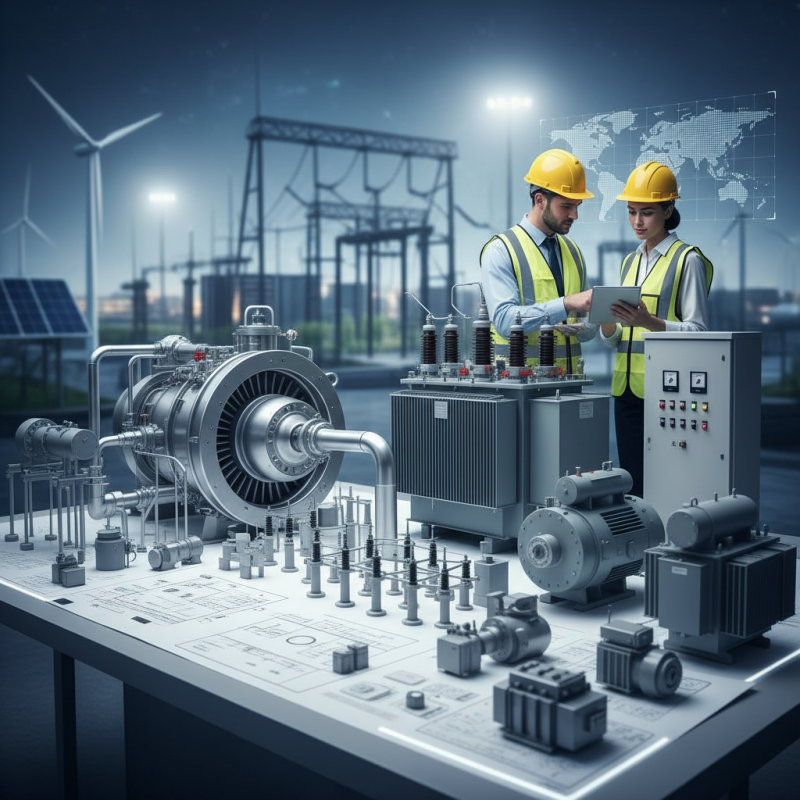
Power station equipment is essential for various applications, from renewable energy to emergency backup. Understanding the different types is crucial. There are portable generators, solar inverters, and battery storage systems. Each serves a unique need. According to recent industry reports, the global demand for these technologies is projected to grow significantly. A 2022 market analysis showed that battery storage is expected to increase by 20% annually.
Portable generators are often used in construction sites or during power outages. They provide immediate power but may not be suitable for long-term use. Solar inverters convert sunlight into usable electricity for home systems. They require an initial investment but can reduce long-term energy costs. The choice depends on your specific needs and locations, such as climate and space.
Battery storage systems offer flexibility for both residential and commercial use. They store power for later use and help manage energy costs. A report from the Energy Storage Association highlighted that, by 2025, battery storage capacity may exceed 15 gigawatts in North America alone. Understanding your usage patterns and future requirements is vital to selecting the right equipment. However, it’s essential to evaluate installation costs and maintenance challenges, as these factors can lead to overspending without realizing the benefits.
Evaluating Your Energy Needs and Usage Patterns
When evaluating your energy needs, consider how much power your devices require. For instance, a typical smartphone charger uses about 5-20 watts. In contrast, a portable refrigerator may need around 50-100 watts. This insight helps in understanding what power station size you might need. Research shows that 73% of users underestimate their total wattage requirements.
Understanding usage patterns is also vital. Do you plan to use equipment simultaneously? For example, running a laptop and a drone charger at the same time could exceed the station's capacity. Reports indicate that peak demand often exceeds 50% of the total rated power. Additionally, consider the duration of use. Many power stations can handle short bursts of higher power but may struggle with continuous loads.
Finally, reflect on the environment where you'll use the power station. Outdoor scenarios might require different considerations than home use. A recent study found that 40% of users did not account for varying energy consumption based on location. Adapting your choice accordingly can lead to better efficiency and satisfaction.
How to Choose the Right Power Station Equipment for Your Needs? - Evaluating Your Energy Needs and Usage Patterns
| Power Requirement (Watts) |
Usage Duration (Hours) |
Recommended Battery Size (Wh) |
Ideal Use Case |
| 100 |
10 |
1000 |
Small Devices |
| 300 |
5 |
1500 |
Laptops & Small Appliances |
| 600 |
4 |
2400 |
Refrigerators |
| 1000 |
3 |
3000 |
Power Tools |
| 1500 |
2 |
3000 |
Home Backup |
Key Features to Consider When Choosing Power Stations
When selecting power station equipment, several key features demand attention. Battery capacity stands out as a primary consideration. A survey indicated that users prioritize at least 500Wh to support essential devices for extended periods. This ensures enough energy for charging phones, running small appliances, and powering emergency lights.
Another critical aspect is portability. Devices weighing under 30 pounds are often preferred for outdoor activities. This allows easy transport for camping or tailgating events. The most effective models integrate ergonomic designs, making them user-friendly and convenient.
Additionally, charging options can greatly affect usability. Many users look for multiple ports, enabling simultaneous device charging. Data shows that 65% of users value models with solar charging capabilities, promoting sustainability. However, it's essential to reflect on local weather conditions impacting solar efficiency. Choosing the right power station involves balancing these features according to personal needs and potential use cases.
Assessing Portability and Storage Options for Power Stations
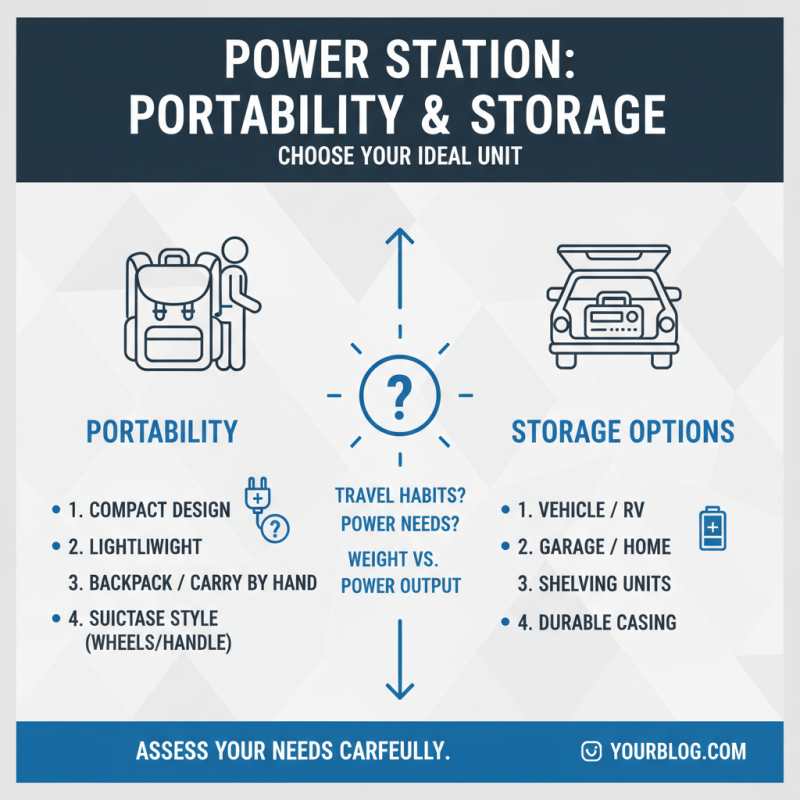
When choosing a power station, portability and storage options are crucial. Compact designs allow for easy transport. Consider your travel habits. Will you carry it in a backpack or a vehicle? Lightweight units are often more convenient, but they may lack power output. Assess your needs carefully.
Storage options influence how you use the power station. Some models have integrated handles or wheels. This makes moving them around more manageable. However, larger stations can offer more power but can be cumbersome. You might find perfect units that are too heavy or too bulky for your typical use.
Reflect on your lifestyle. Do you camp often or need backup power at home? Evaluate available storage space. Are there places to set it up and keep it? An ideal power station balances weight, functionality, and your unique requirements. Think about how it fits into your routine.
Comparing Costs and Budgeting for Power Station Purchases
When selecting power station equipment, budgeting effectively is crucial. Industry reports suggest that power station setups can range from $10,000 to over $1 million, depending on scale and technology. It's essential to analyze your requirements before making any decision. The costs cover various aspects, including equipment, installation, and maintenance. Missing these factors could lead to budget overruns.
Tip: Research financing options. Many financing plans allow you to spread out costs, making it more manageable. Keep in mind hidden costs like operational expenses. Regular maintenance can incur additional costs, impacting your budget.
Another important aspect is energy efficiency. Investing in high-efficiency equipment may seem expensive initially. However, reports show that such investments save significant costs over time. Energy-efficient systems can reduce operational costs by up to 30%. Yet, not all high-efficiency options provide the best returns for every setup. Customers must evaluate specific operational needs.
Tip: Consider lifecycle costs, not just upfront expenses. Analyze how long equipment will last and its overall efficiency. This approach helps in selecting the right equipment while adhering to your budget. It might require trade-offs and difficult choices, but thorough research is vital for sound investments.
Power Station Equipment Cost Comparison

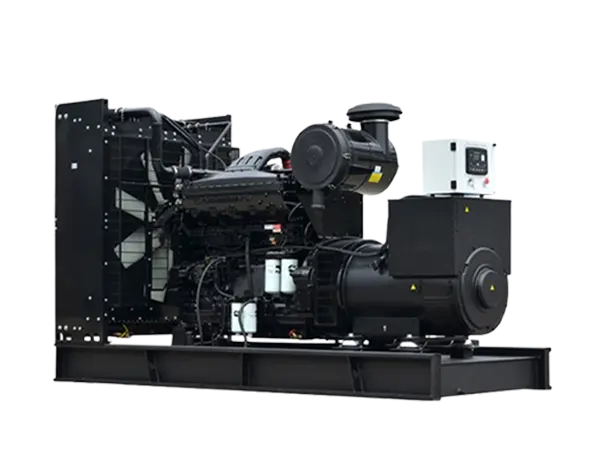 Diesel Generator Sets with Cummins Engines, XHZC Series
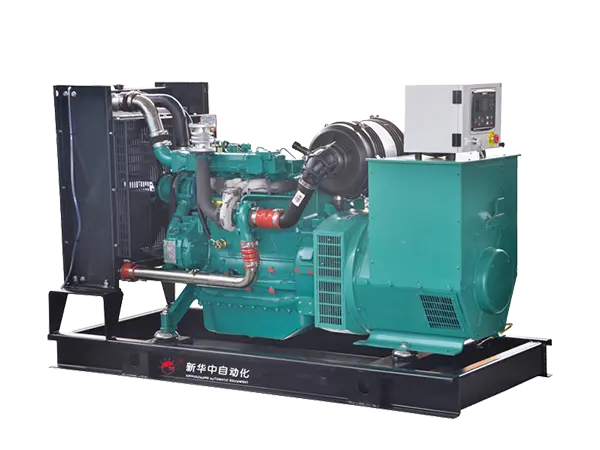 Weichai Series
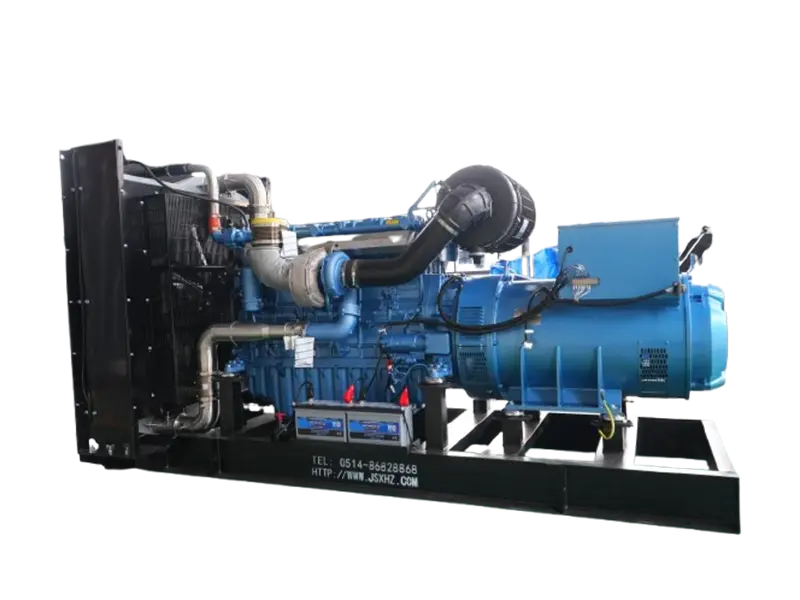 Diesel Generator Sets with WEICHAI Engines, XHZW Series
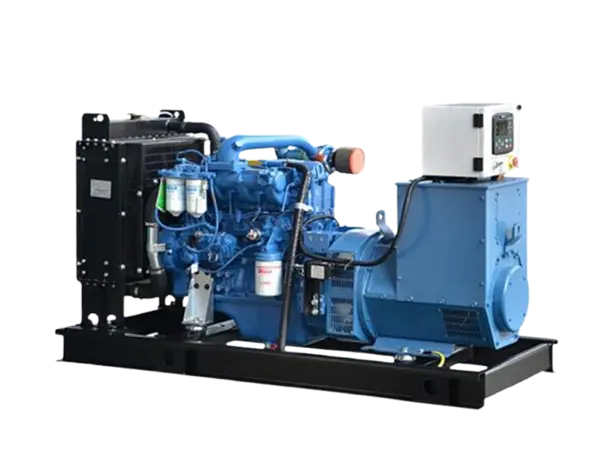 Yuchai Series
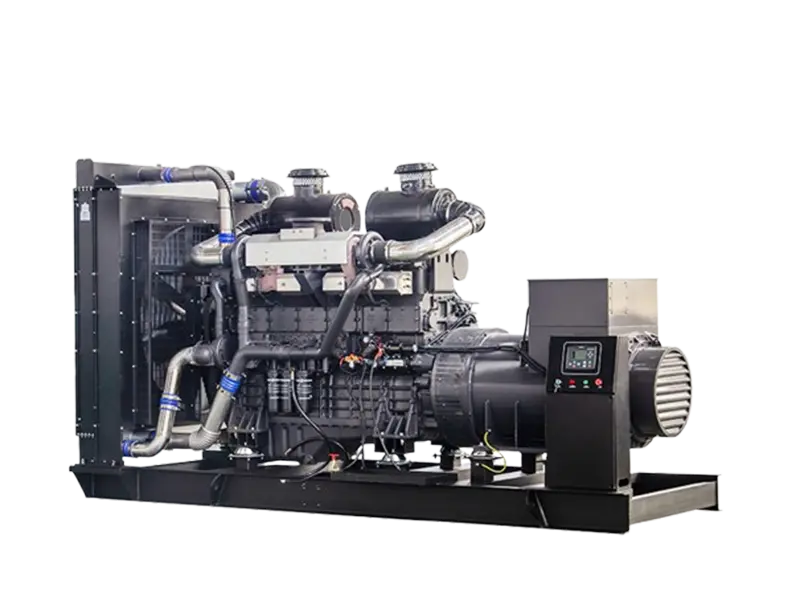 Diesel Generator Sets with SDEC(SHANGCHAI) Engines, XHZS Series
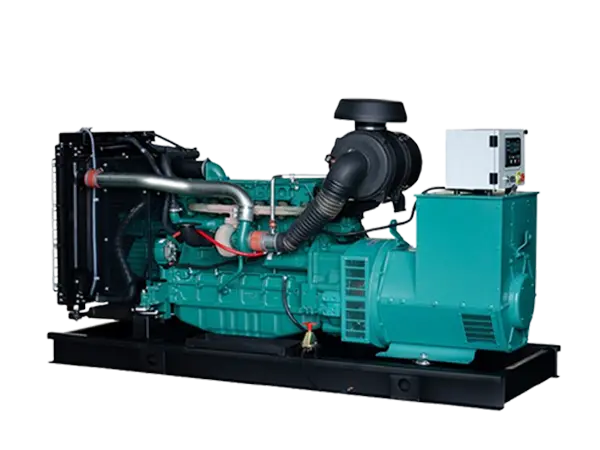 Volvo Series
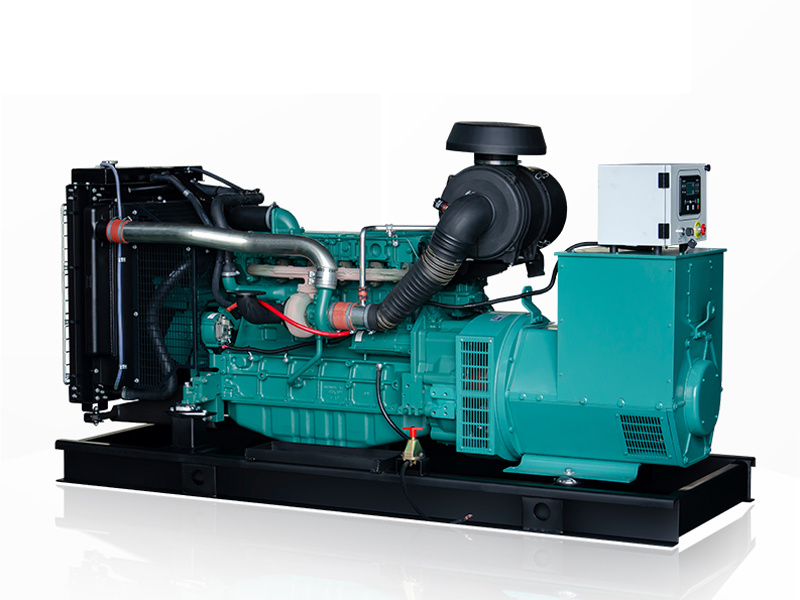 Diesel Generator Sets with VOLVO Engines, XHZV Series
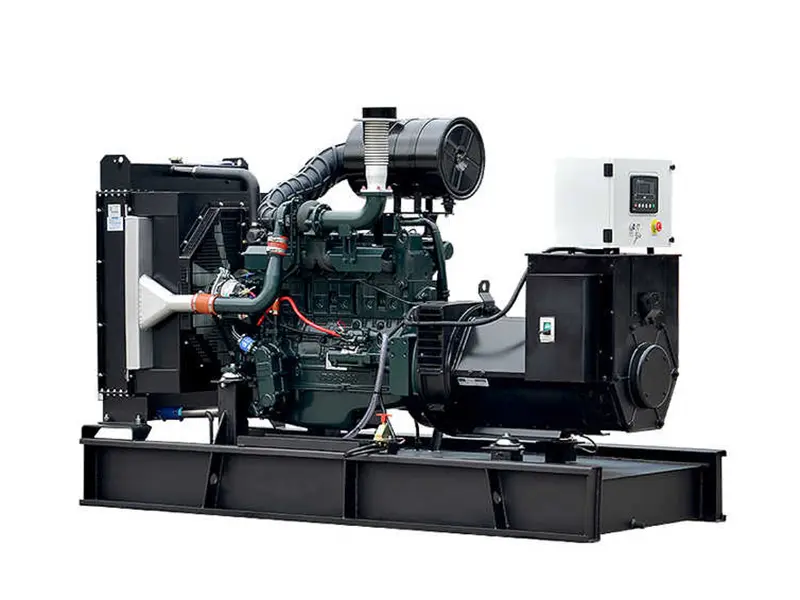 Diesel Generator Sets with Doosan Engines
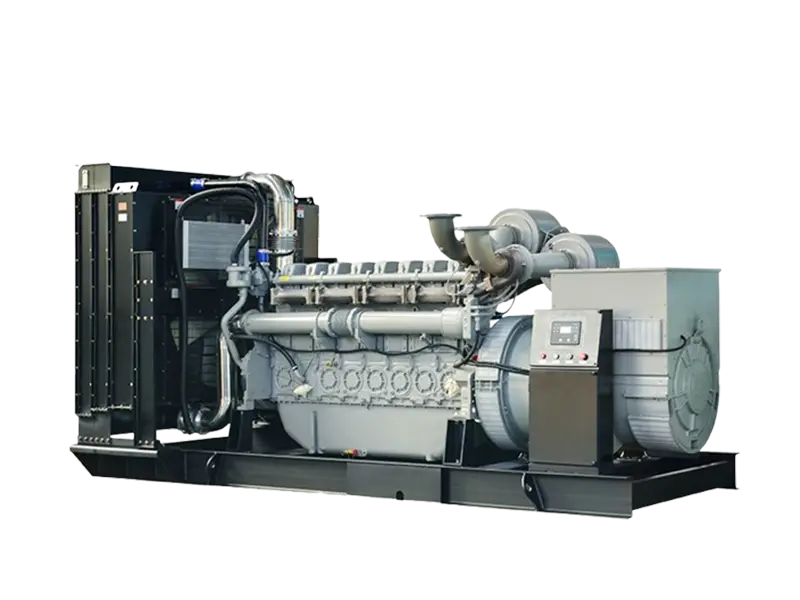 Diesel Generator Sets with Perkins Engines, XHZP Series
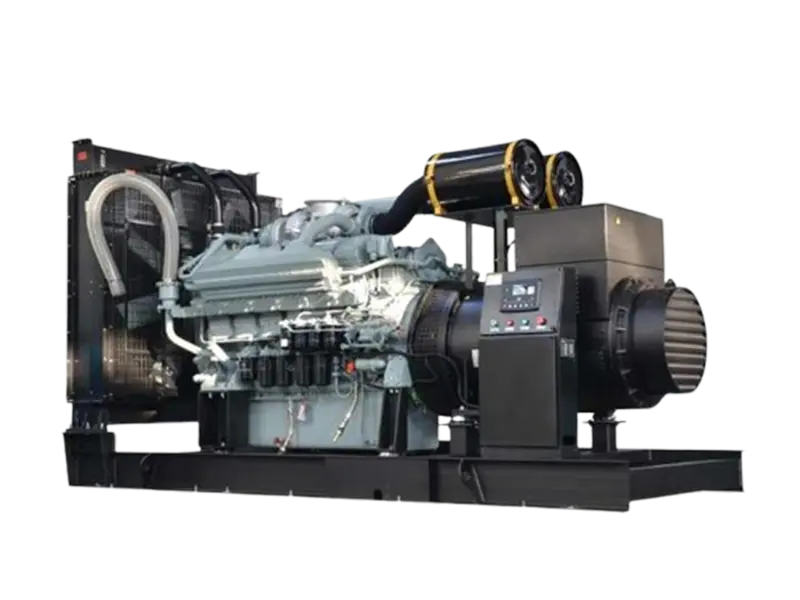 Diesel Generator Sets with Mitsubishi Engines
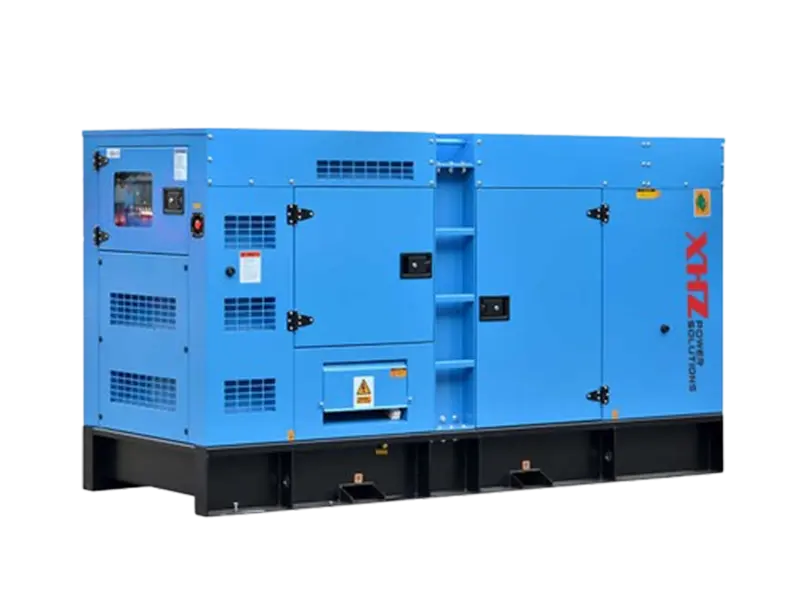 Silent Diesel Generators
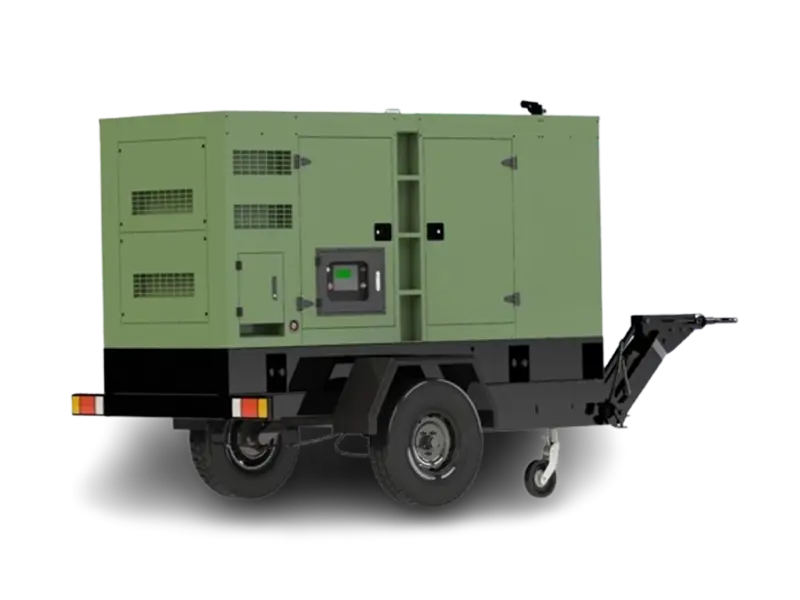 Mobile Silent Diesel Generators
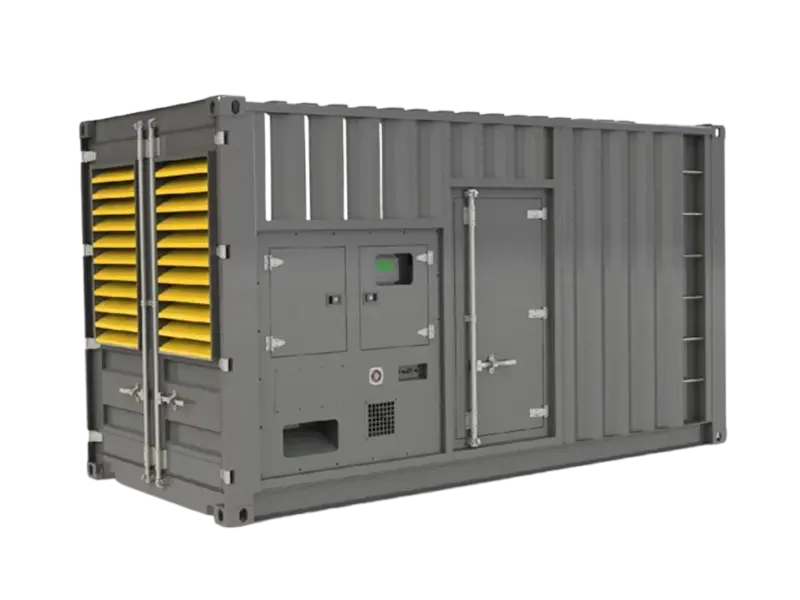 20/40HQ-Standard Container Type Generators