| Required Performance |
NFPA 110 Type 10 emergency power performance |
Specify an emergency power supply system designed and tested to achieve the required emergency power availability within 10 seconds after loss of the normal power source. Coordinate the generator, controls, circuit breakers, and automatic transfer switch as one system. |
Confirm compliance through system documentation, commissioning records, and a witnessed functional test. |
| Automatic Transfer Switch |
ATS transfer time |
Use an automatically initiated transfer sequence with adjustable engine-start delay, transfer delay, retransfer delay, and emergency-source stabilization settings. The complete emergency power sequence must meet the required 10-second performance target. |
Do not evaluate ATS transfer time alone; measure the time from normal-source failure to acceptable emergency power at the load. |
| Load Assessment |
Connected, starting, and future loads |
Prepare a load schedule covering continuous loads, motor-starting currents, heating loads, lighting, controls, battery chargers, elevators, pumps, and planned expansion. Include both kilowatts (kW) and kilovolt-amperes (kVA). |
Size the generator for the largest credible operating and starting combination, not only the total running load. |
| Capacity and Rating |
Standby generator rating |
Select a standby-rated generator with sufficient kW, kVA, voltage, phase, frequency, and short-circuit capability for the emergency distribution system. Avoid operating continuously at the equipment’s maximum rating. |
Check the manufacturer’s rating definitions, allowable step-load acceptance, voltage dip, frequency dip, and recovery performance. |
| Voltage and Phase |
Electrical compatibility |
Match the generator and ATS to the facility’s normal distribution: voltage, phase configuration, frequency, grounding method, neutral arrangement, and available fault current. |
Confirm compatibility with service equipment, distribution panels, protective devices, and sensitive electronic loads. |
| Fuel Selection |
Fuel availability and storage |
Choose a fuel system that can operate during the expected outage duration and comply with local storage, ventilation, fire-safety, and environmental requirements. Common options include diesel, natural gas, and propane. |
Evaluate fuel reliability during disasters, fuel quality, refill logistics, ambient temperature, and required on-site autonomy. |
| Starting System |
Reliable automatic starting |
Provide an automatic starting system with properly sized batteries, a battery charger, engine jacket-water heating where required, and monitored starting-system alarms. |
Test cold starting, low-battery alarms, charger failure alarms, overspeed protection, and repeated start attempts. |
| Load Prioritization |
Emergency and legally required loads |
Separate critical loads by emergency function and use multiple ATS units or a properly coordinated distribution system when different loads require different transfer priorities. |
Verify that nonessential loads cannot overload the generator or delay power restoration to critical loads. |
| Installation Environment |
Indoor or outdoor operating conditions |
Account for altitude, ambient temperature, humidity, ventilation, combustion air, exhaust routing, weather protection, acoustic limits, and equipment access. |
Apply applicable derating factors and confirm that the installation supports rated output under site conditions. |
| Control and Monitoring |
Alarms, status, and remote supervision |
Specify a controller capable of monitoring normal-source status, emergency-source status, generator running condition, common alarms, battery condition, fuel level, and ATS position. |
Coordinate dry contacts or communication interfaces with the building-management, fire-alarm, or facility-monitoring system. |
| Maintenance |
Routine inspection and testing |
Establish a documented maintenance program covering the engine, lubricants, cooling system, batteries, fuel system, exhaust system, generator windings, controls, and ATS operation. |
Schedule periodic operational tests under suitable load and retain test results for inspection and troubleshooting. |
| Commissioning |
End-to-end acceptance test |
Test simulated normal-power failure, engine start, emergency voltage and frequency, ATS transfer, load acceptance, alarm operation, retransfer, and cool-down. |
Record the measured time to emergency power and confirm it meets the specified 10-second requirement. |
| Documentation |
Submittals and operating information |
Require one-line diagrams, load calculations, sequence-of-operation documents, wiring diagrams, protective-device settings, fuel calculations, test certificates, and operation and maintenance manuals. |
Use the approved documents as the baseline for inspection, training, maintenance, and future modifications. |

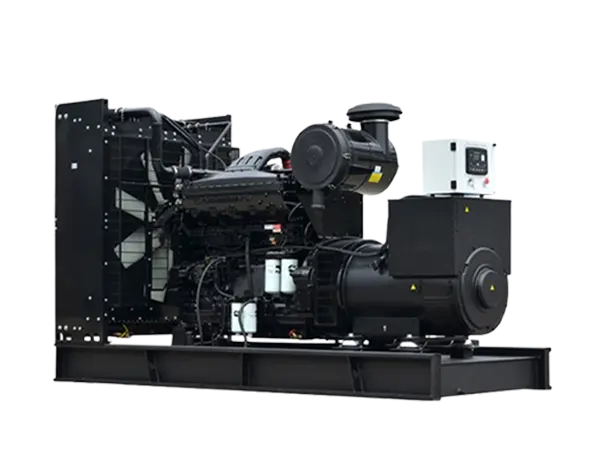 Diesel Generator Sets with Cummins Engines, XHZC Series
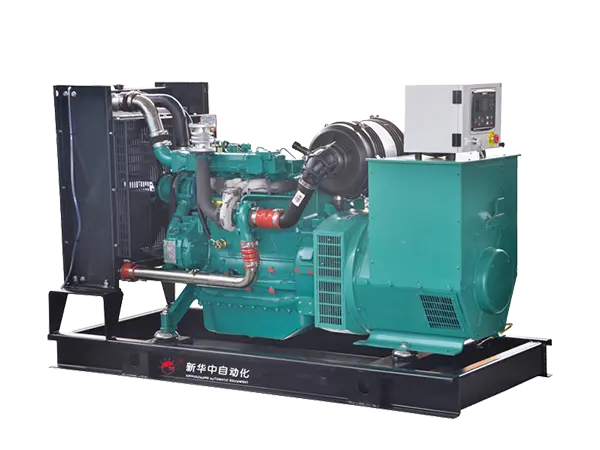 Weichai Series
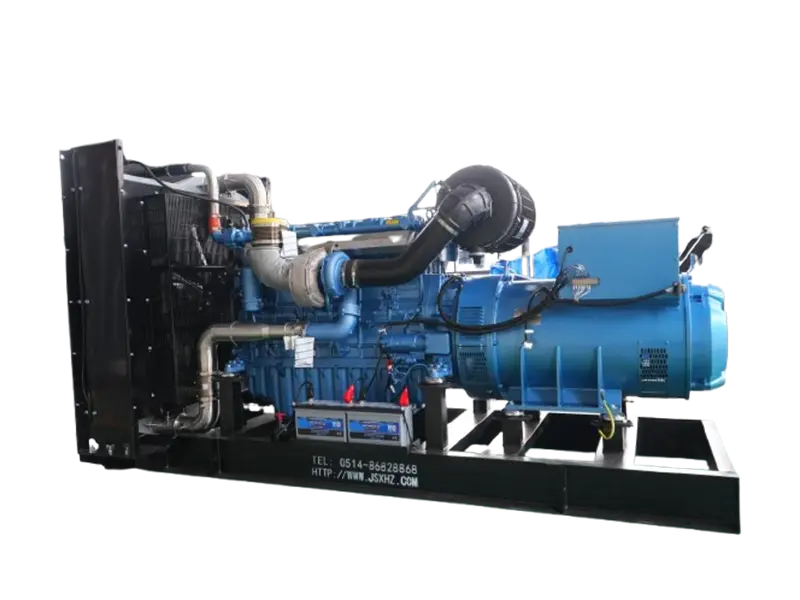 Diesel Generator Sets with WEICHAI Engines, XHZW Series
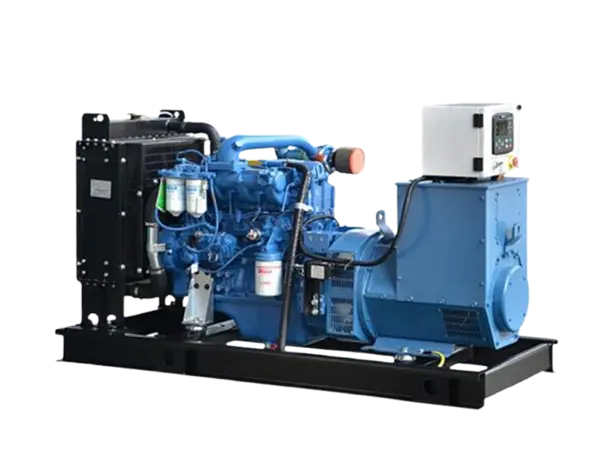 Yuchai Series
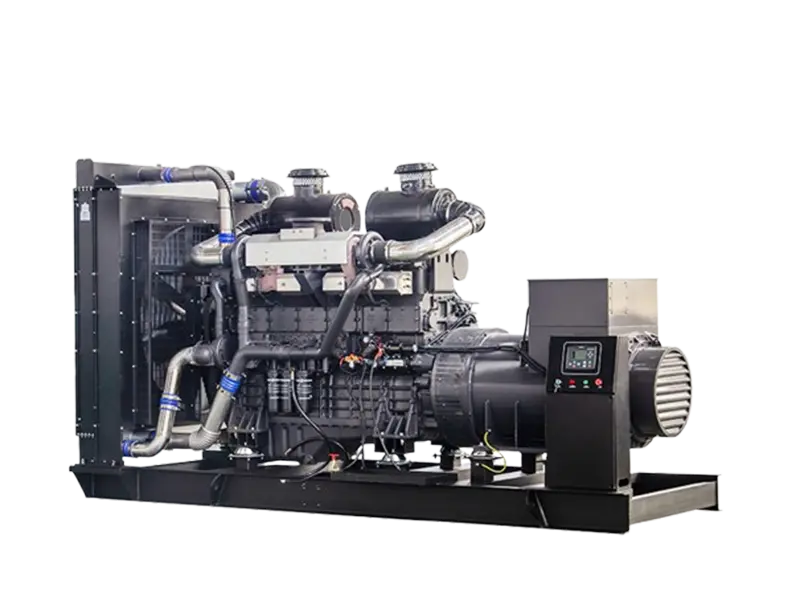 Diesel Generator Sets with SDEC(SHANGCHAI) Engines, XHZS Series
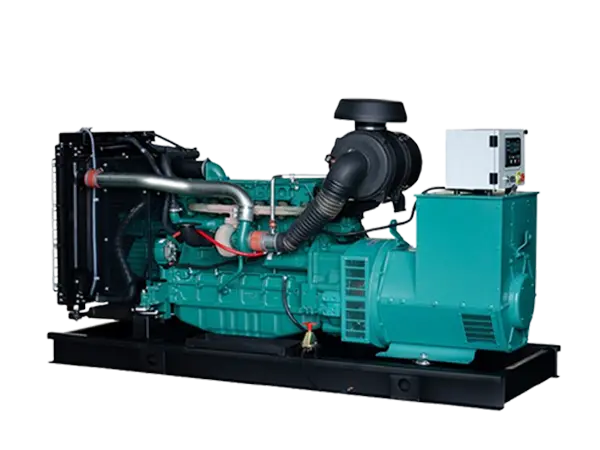 Volvo Series
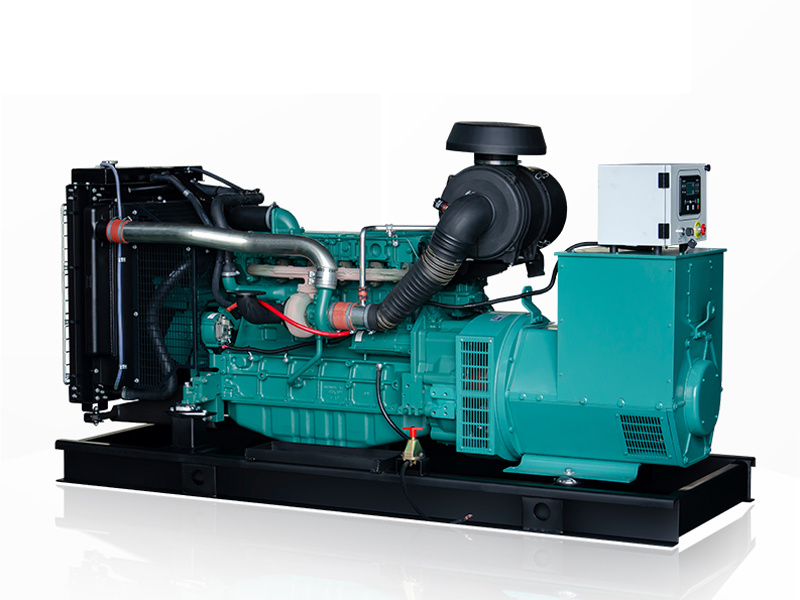 Diesel Generator Sets with VOLVO Engines, XHZV Series
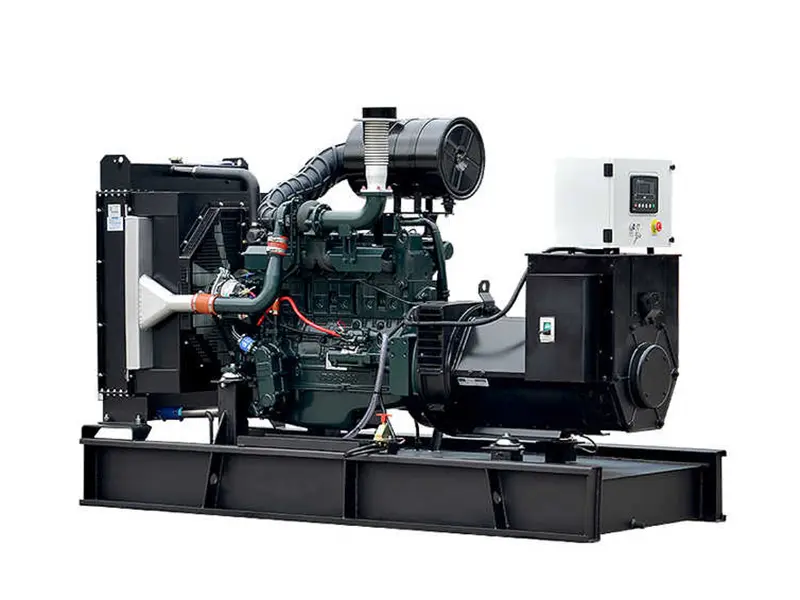 Diesel Generator Sets with Doosan Engines
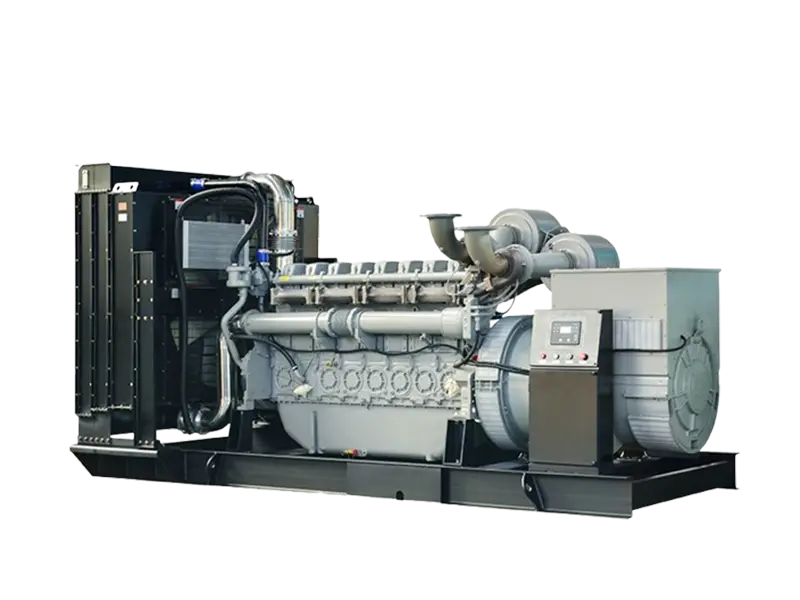 Diesel Generator Sets with Perkins Engines, XHZP Series
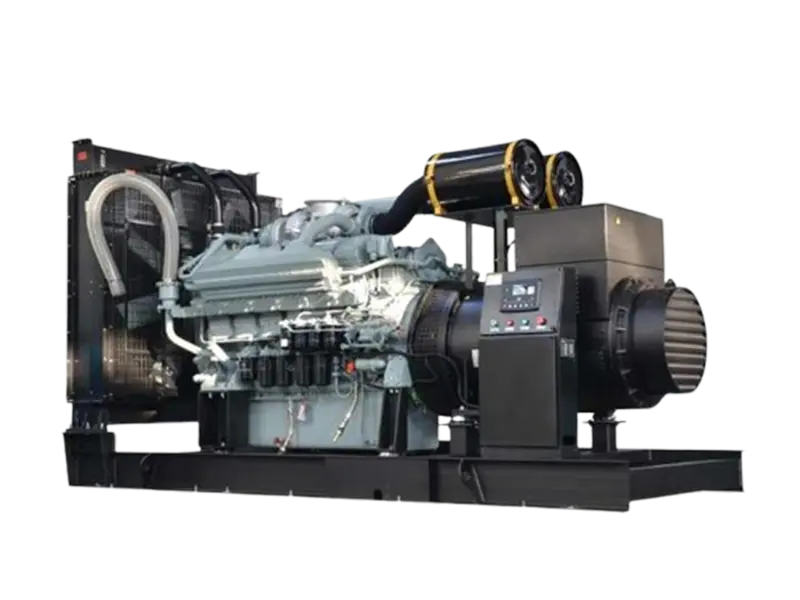 Diesel Generator Sets with Mitsubishi Engines
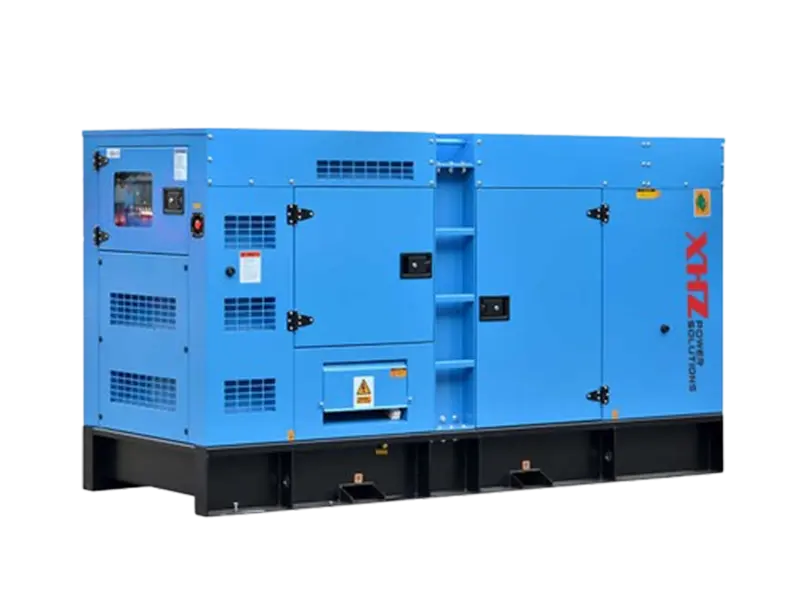 Silent Diesel Generators
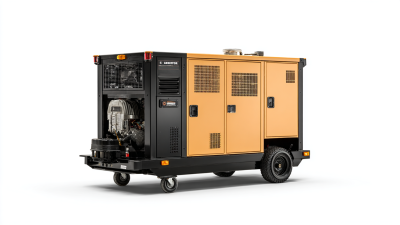
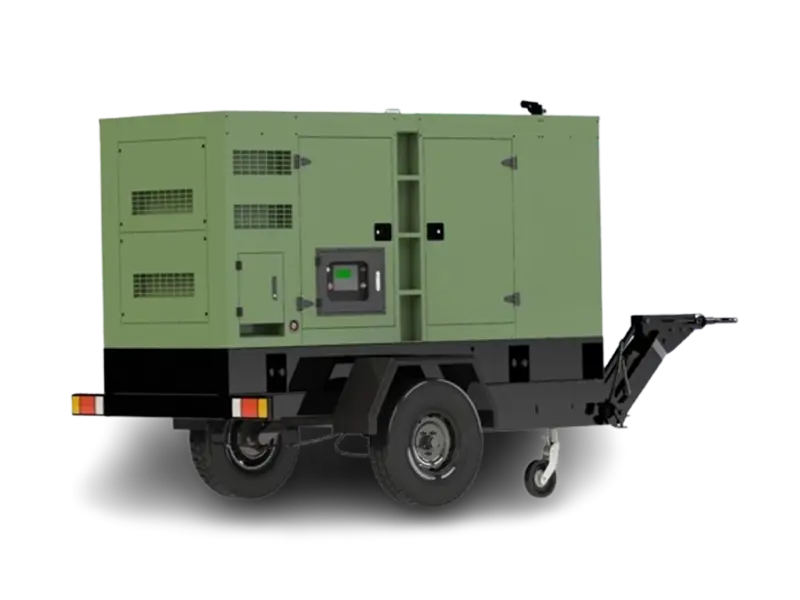 Mobile Silent Diesel Generators
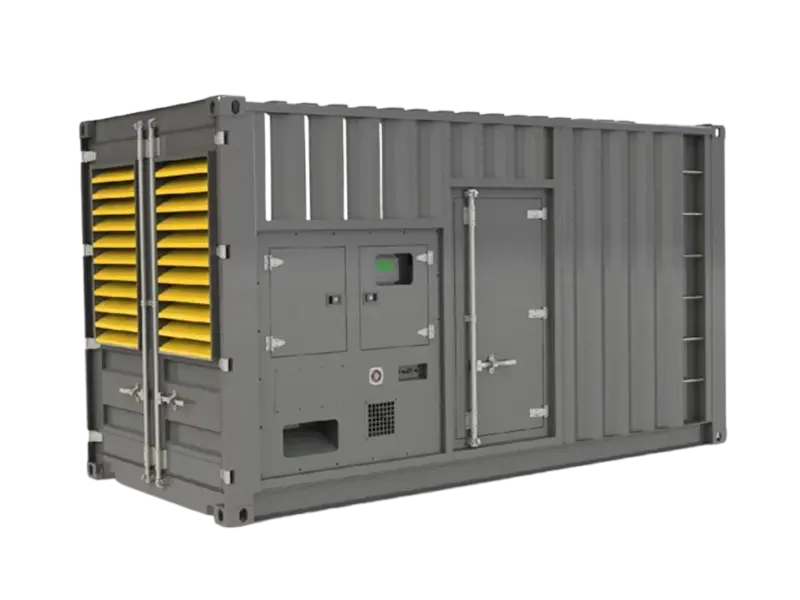 20/40HQ-Standard Container Type Generators