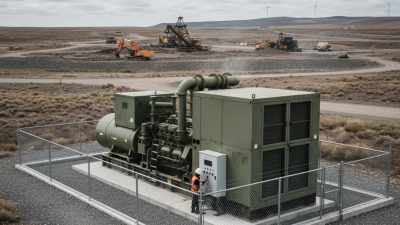
How to Choose a Heavy Duty Diesel Generator?
Choosing a Heavy Duty Diesel Generator is not simply a matter of buying the largest unit available. It means matching dependable power to real operating conditions: starting current, continuous load, altitude, ambient heat, fuel storage, and maintenance access. The U.S. Energy Information Administration reported that American electricity customers experienced an average of 5.6 hours of power interruptions in 2022, including major events. That figure is a useful reminder: backup power needs should be based on risk and operating priorities, not guesswork.
Engineering matters. Theodore von Kármán, a respected engineer, said, “Scientists study the world as it is; engineers create the world that has never been.” While he was not a diesel-generator specialist, the principle fits equipment selection: design for the site you actually have. A pump motor may demand a sharp surge at startup. A generator beside a hot, dusty workshop may need different cooling and filtration than one in a clean equipment room. Small details matter.
A sound selection starts with a measured load list and a clear duty profile. Check both running and starting loads. Consider standby, prime, or continuous operation, then compare the manufacturer’s ratings under your site conditions. Ask about service intervals, parts availability, emissions documentation, and tested performance—not just headline kilowatts. Be careful, too: oversizing can waste fuel and money, while undersizing can cause voltage dips or failed starts. The right choice is rarely obvious at first glance. It should be documented, checked, and reviewed with a qualified generator professional.
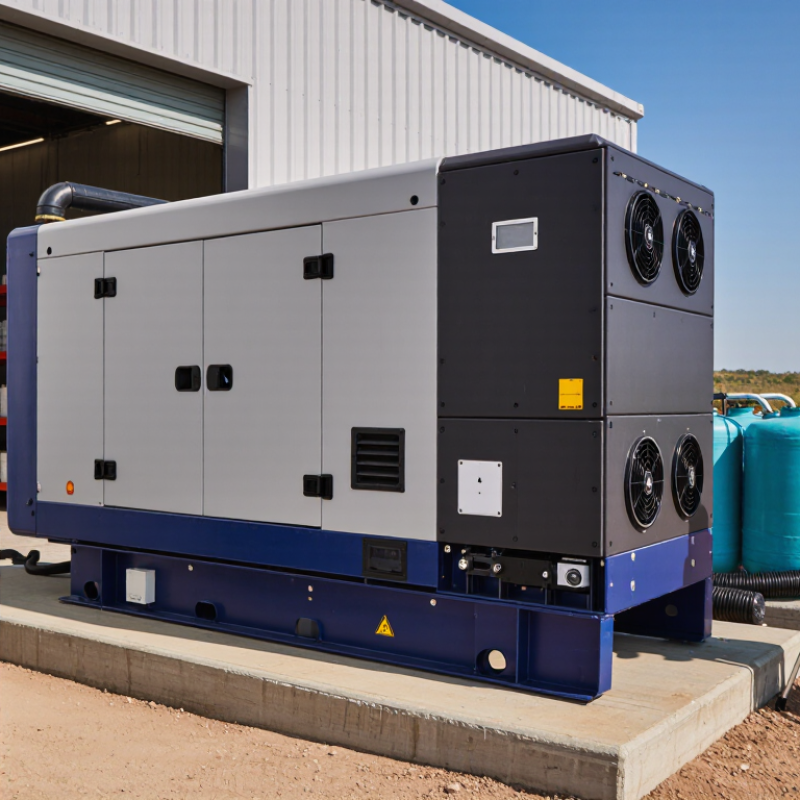
Define Peak Load in kW and kVA at the Common 0.8 Power Factor
For a heavy-duty diesel generator, define the largest real load before comparing equipment ratings. Record operating demand in kilowatts (kW), then convert it to kilovolt-amperes (kVA). At a 0.8 power factor, kVA = kW ÷ 0.8. A measured peak of 160 kW therefore requires 200 kVA at that power factor. The calculation is simple; identifying the true peak is harder.
ISO 8528-1:2018 outlines generating-set rating categories and applications, so check that the selected rating matches expected operating hours and load conditions. Also account for motor-starting surges, simultaneous equipment use, and nonlinear loads. A pump may draw several times its running current during startup, briefly pushing demand above the steady-state peak. Use a power analyzer across representative operating cycles where possible. A single meter reading can miss the brief spike that matters.
Tips: List each major load, its running kW, starting behavior, and operating schedule. Confirm the assumed power factor against measured site data; 0.8 is a useful rating basis, not a guarantee of actual performance. Leave room for growth, but avoid oversized capacity without a reason. An oversized set can operate inefficiently at light loads.
How to Choose a Heavy Duty Diesel Generator? - Define Peak Load in kW and kVA at the Common 0.8 Power Factor
| Illustrative Peak Load |
Peak Real Power (kW) |
Power Factor |
Calculated Apparent Power (kVA) |
kVA with 20% Planning Headroom |
| Small industrial site |
100 |
0.8 |
125 |
150 |
| Workshop or medium facility |
200 |
0.8 |
250 |
300 |
| Large commercial facility |
400 |
0.8 |
500 |
600 |
| Heavy industrial operation |
600 |
0.8 |
750 |
900 |
| Large production facility |
800 |
0.8 |
1,000 |
1,200 |
| Very large industrial load |
1,000 |
0.8 |
1,250 |
1,500 |
Calculation: kVA = kW ÷ power factor; at 0.8 power factor, kVA = kW ÷ 0.8. The 20% headroom column is an illustrative planning allowance, not a universal sizing rule. Final generator selection should account for motor-starting current, load steps, harmonics, site altitude and temperature, and the required standby or prime rating.
Select ISO 8528-1 Duty Ratings: ESP, PRP, LTP, or COP
Choose the duty rating from the generator’s expected operating pattern, not its largest momentary load. ESP suits emergency backup when utility power fails. It is intended for variable loads and limited annual running hours, commonly up to 200 hours. That distinction matters. A unit labeled ESP should not be treated as a daily prime-power machine.
PRP is designed for regular operation with variable loads and no fixed annual hour limit, within its specified maintenance schedule. ISO rating conditions commonly allow an average load factor of 70% over 24 hours, with a limited overload allowance. LTP provides constant power for a limited period, typically up to 500 hours per year. COP is for continuous operation at a constant load, without an overload allowance. Check the nameplate.
For a remote worksite running a generator through long shifts, PRP may fit better than ESP. For steady loads, such as a consistently loaded process, compare COP with LTP and confirm the permitted operating hours. Keep a load log: pumps starting together can create brief peaks that distort estimates. Ratings depend on declared conditions, including ambient temperature and altitude. Read the technical data sheet carefully; the rating labels alone can leave important details unclear.
Apply Manufacturer Derating Curves for Altitude and High Ambient Temperatures
How to Choose a Heavy Duty Diesel Generator?
Altitude and heat can reduce a diesel generator’s available output. Thin air limits engine combustion, while hot air and high temperatures can affect cooling. A rating that looks sufficient at sea level may not cover a site on a hot afternoon. Check the manufacturer’s derating curves for the exact engine and generator configuration. Generic percentages are not a substitute.
Read the curves at the site’s elevation and expected maximum ambient temperature, then apply the specified corrections to the rated output. For example, a remote facility at 1,800 metres with 40°C air may need more nameplate capacity than its load calculation suggests. Use the corrected kilowatt rating, not just the model’s headline rating. Check whether the stated output is standby or prime power, too.
When both altitude and heat apply, follow the manufacturer’s instructions for combining derates; do not assume the losses simply cancel out. Leave practical headroom for motor starts and changing loads, but avoid oversizing without checking operating conditions. A larger unit may run lightly loaded for long periods. That trade-off deserves attention. Confirm the assumptions with a qualified supplier or engineer, especially when site temperatures vary sharply or the generator will serve critical equipment.
How to Choose a Heavy Duty Diesel Generator? — Apply Manufacturer Derating Curves for Altitude and High Ambient Temperatures
Estimated available output from a hypothetical 1,000 kW generator at different site altitudes and ambient temperatures. This planning example applies a 3% per 1,000 m altitude reduction above 1,000 m and a 1% per 5°C temperature reduction above 25°C. Actual derating varies by generator model and operating conditions; use the manufacturer’s curves to confirm site capacity.
Illustrative calculations only—not manufacturer-specific performance data. Verify the required continuous or standby rating, cooling limits, and combined altitude and temperature derating with the generator manufacturer.
Verify Fuel Autonomy: NFPA 110 Class 2 Specifies 2 Hours of Runtime
For a heavy-duty diesel generator, fuel autonomy is more than tank size. NFPA 110 Class 2 specifies two hours of operation for an emergency power supply system at its required load. Check the applicable edition and local requirements with a qualified engineer; the classification describes system runtime, not a universal tank size.
Estimate fuel use at the expected operating load, then compare it with usable tank capacity. A generator running at 70 percent load may consume fuel at a different rate than one running near full capacity. Include control systems and other connected equipment in the load estimate. Leave room for unusable fuel and avoid treating the tank’s nameplate capacity as fully available.
Two hours sounds simple. It isn’t. A cold morning, a delayed transfer, or an inaccurate load estimate can change the practical margin. Review the manufacturer’s fuel-consumption data, and verify runtime during commissioning under a representative load. Keep inspection and test records. A spreadsheet may look exact, but field conditions rarely do; revisit the calculation when the facility’s loads or operating plan changes.

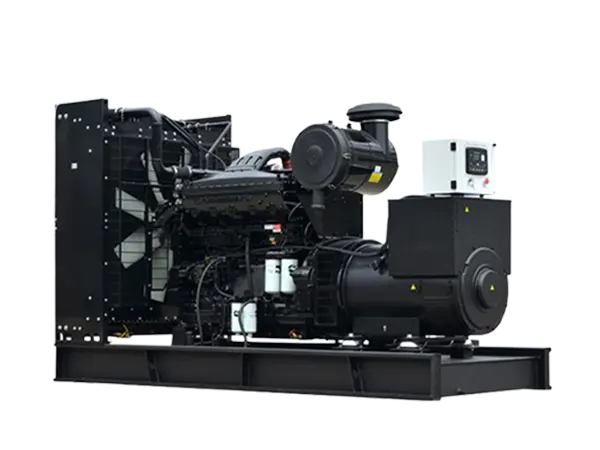 Diesel Generator Sets with Cummins Engines, XHZC Series
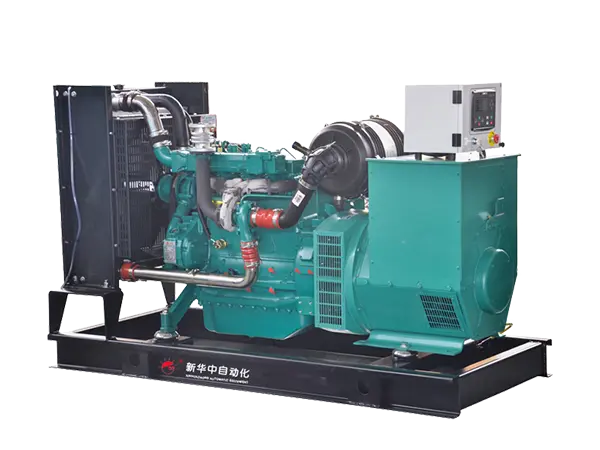 Weichai Series
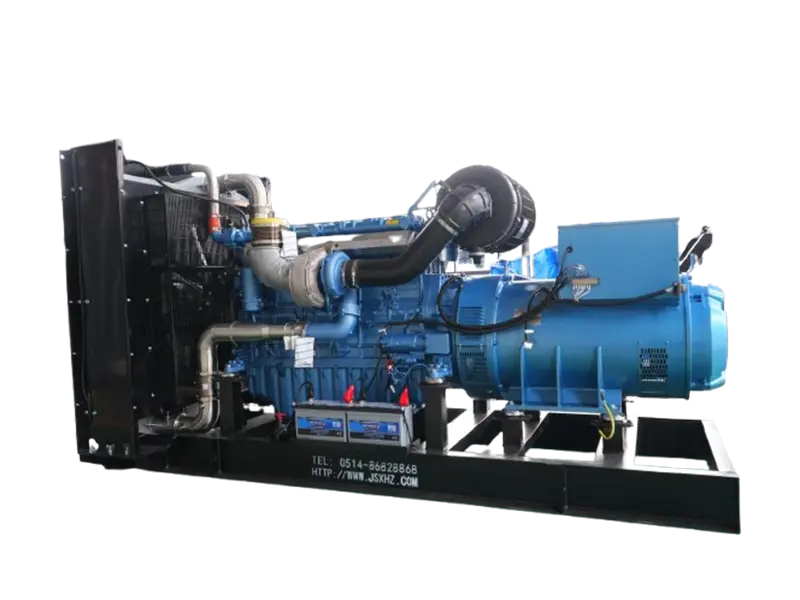 Diesel Generator Sets with WEICHAI Engines, XHZW Series
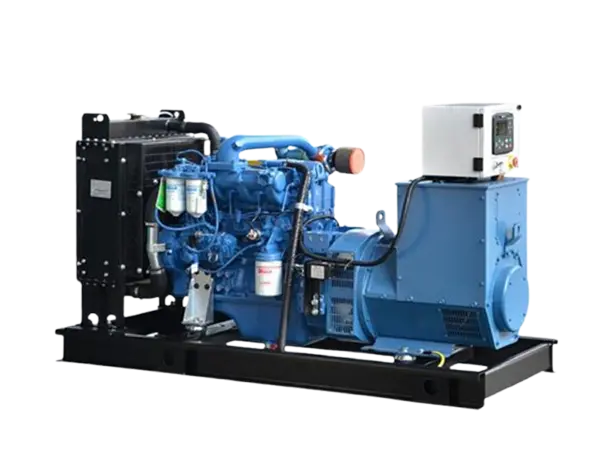 Yuchai Series
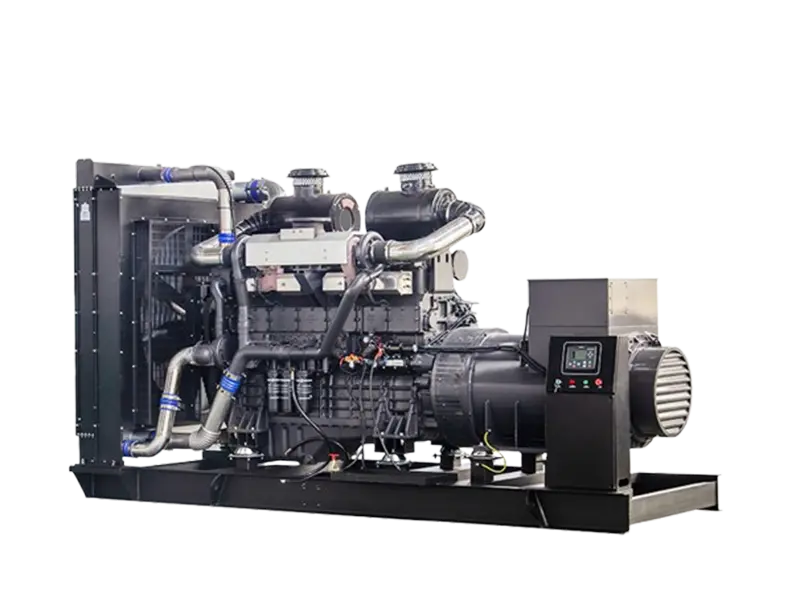 Diesel Generator Sets with SDEC(SHANGCHAI) Engines, XHZS Series
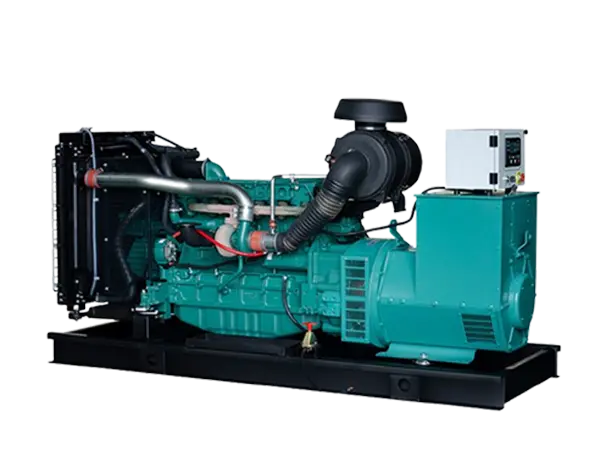 Volvo Series
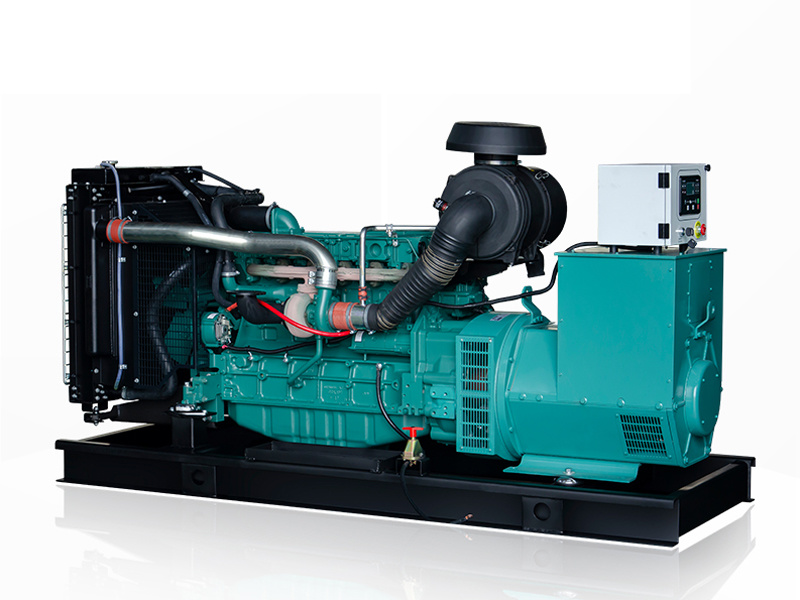 Diesel Generator Sets with VOLVO Engines, XHZV Series
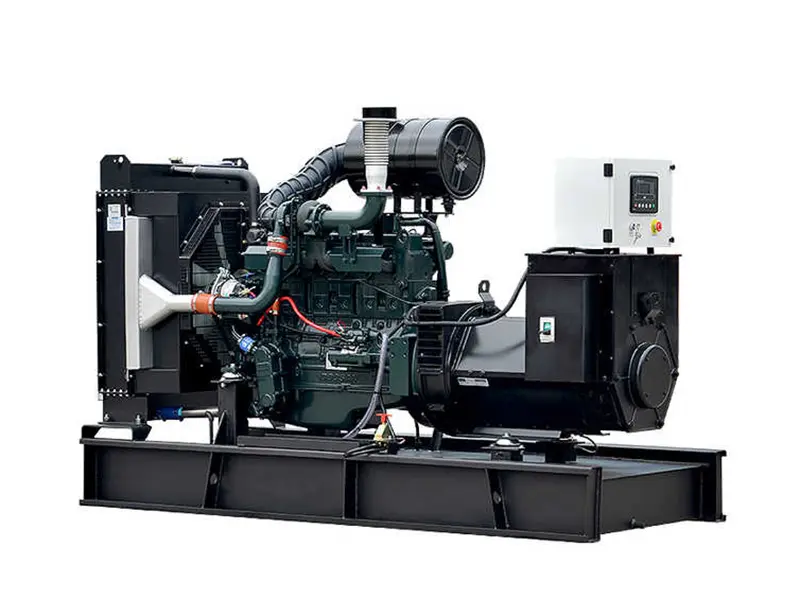 Diesel Generator Sets with Doosan Engines
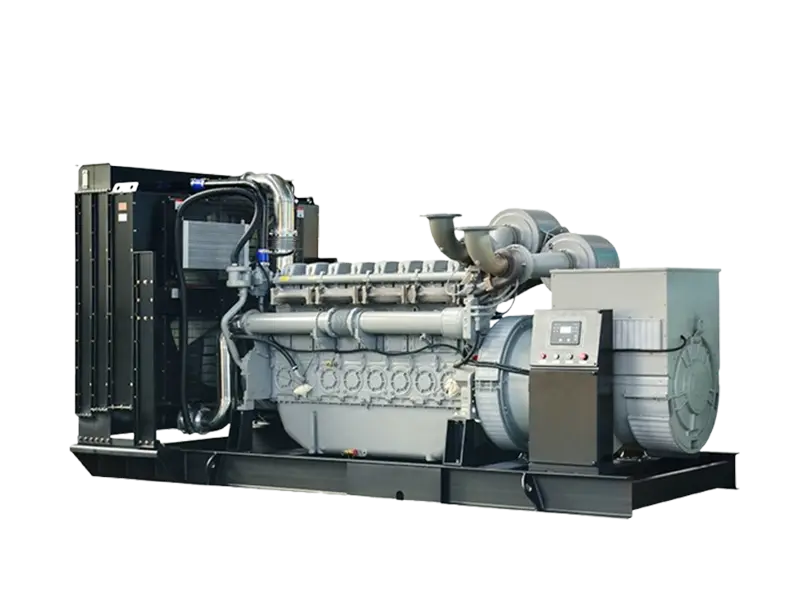 Diesel Generator Sets with Perkins Engines, XHZP Series
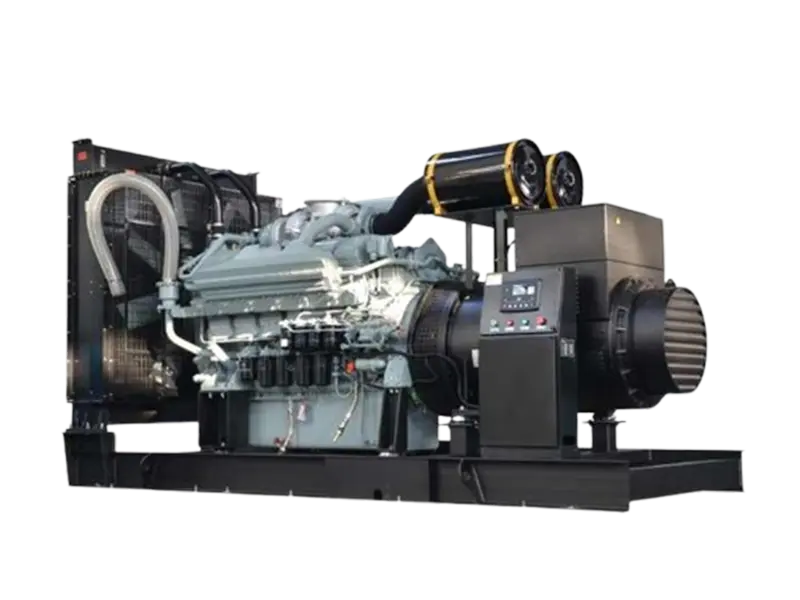 Diesel Generator Sets with Mitsubishi Engines
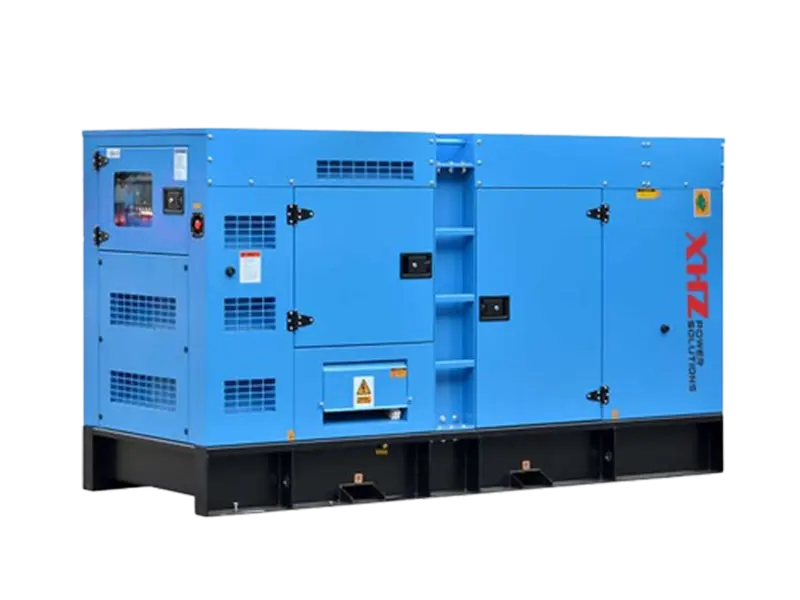 Silent Diesel Generators
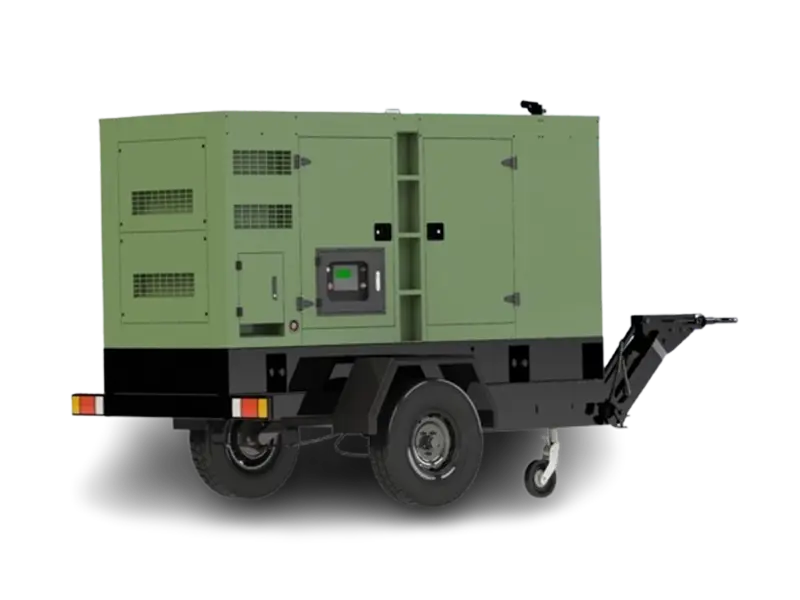 Mobile Silent Diesel Generators
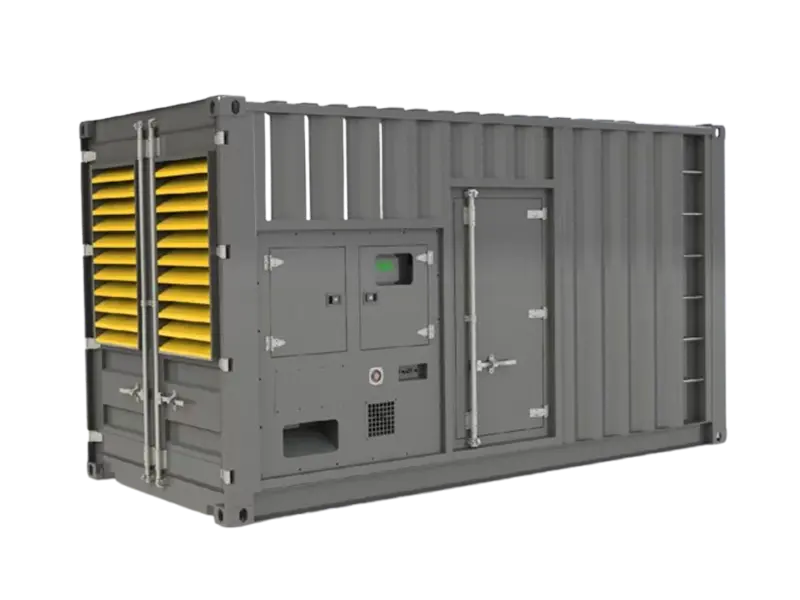 20/40HQ-Standard Container Type Generators