- Home
- Products
- Service
- About Us
- Solution
- Videos
- News
- Contact Us
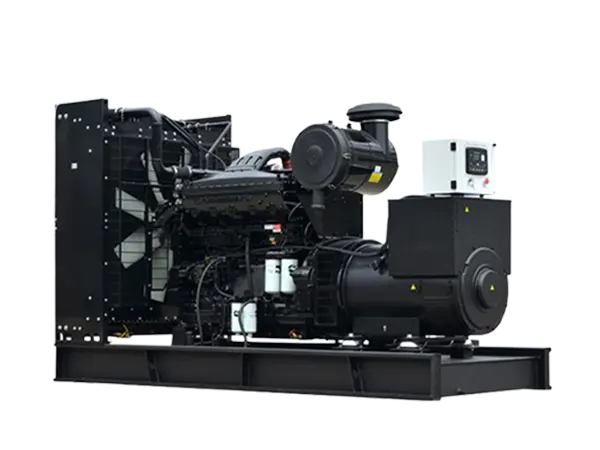 Diesel Generator Sets with Cummins Engines, XHZC Series
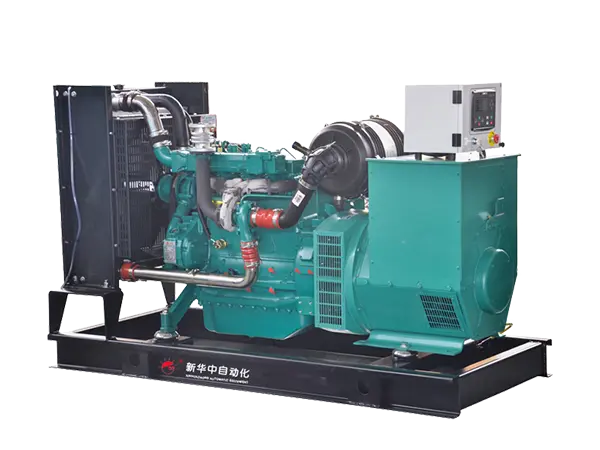 Weichai Series
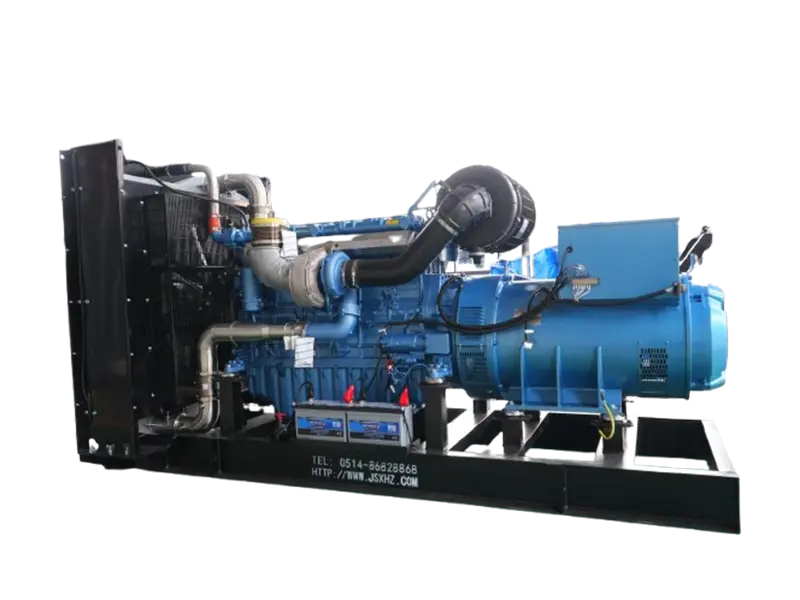 Diesel Generator Sets with WEICHAI Engines, XHZW Series
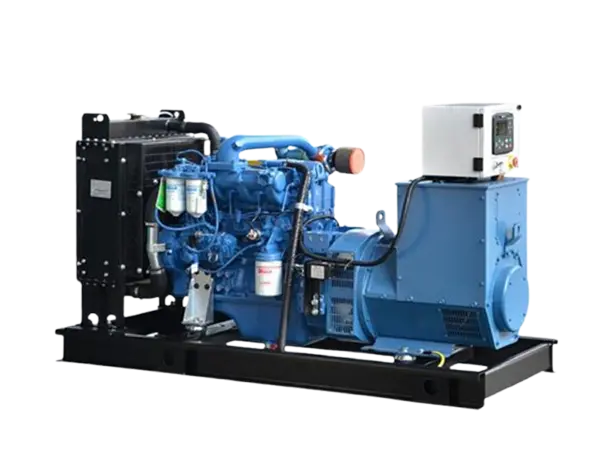 Yuchai Series
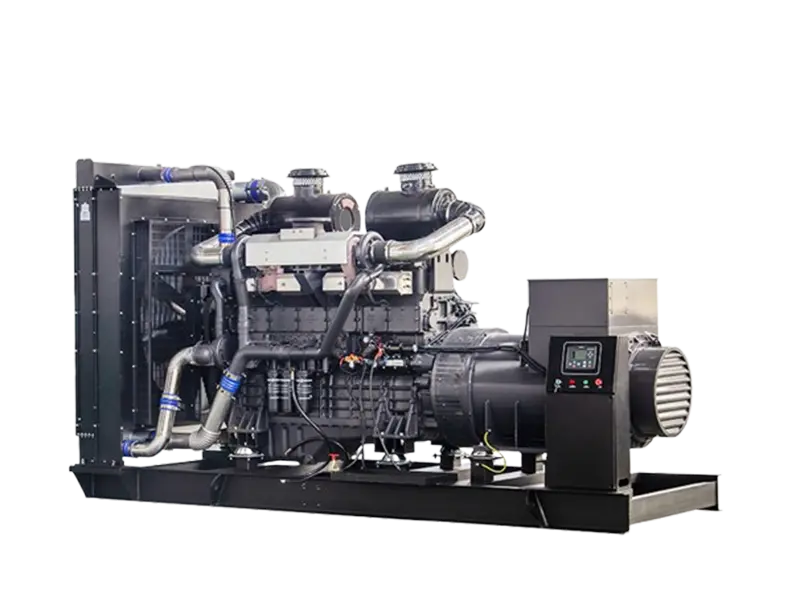 Diesel Generator Sets with SDEC(SHANGCHAI) Engines, XHZS Series
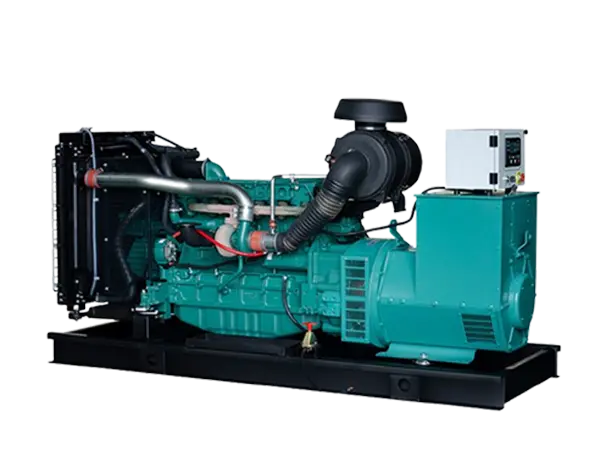 Volvo Series
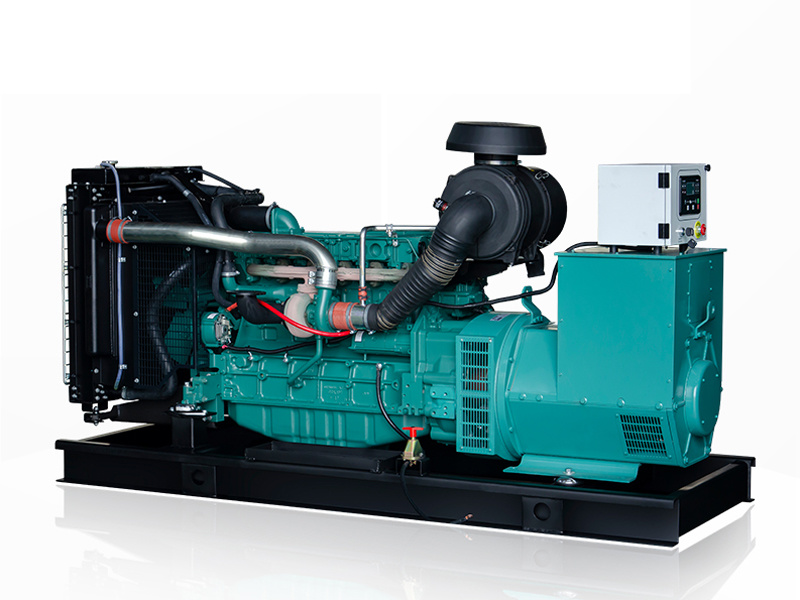 Diesel Generator Sets with VOLVO Engines, XHZV Series
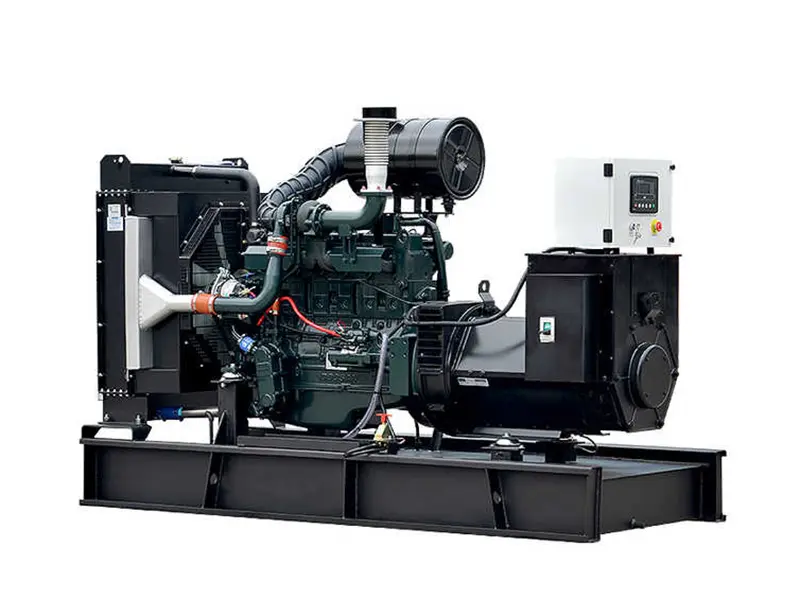 Diesel Generator Sets with Doosan Engines
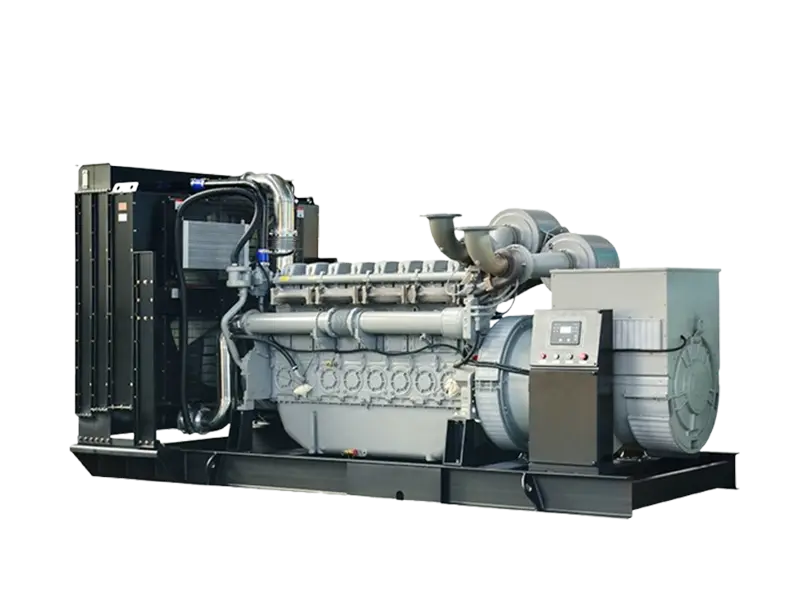 Diesel Generator Sets with Perkins Engines, XHZP Series
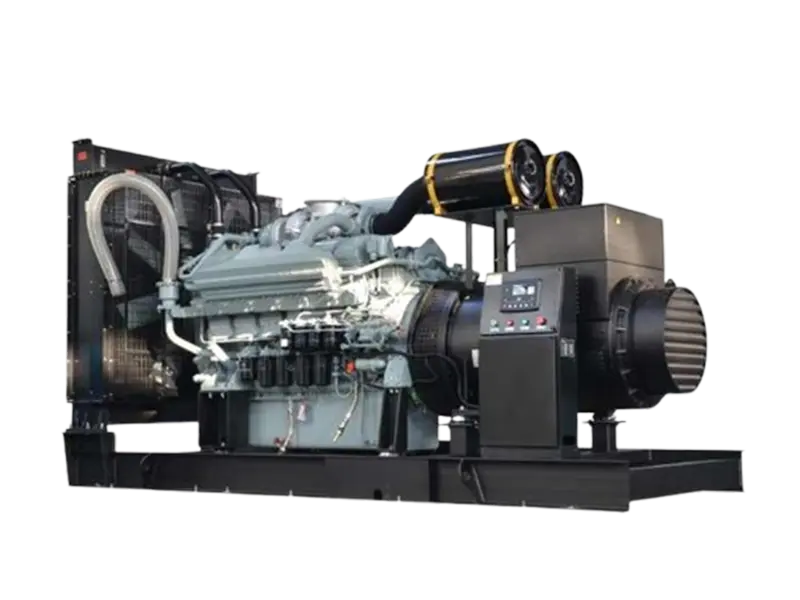 Diesel Generator Sets with Mitsubishi Engines
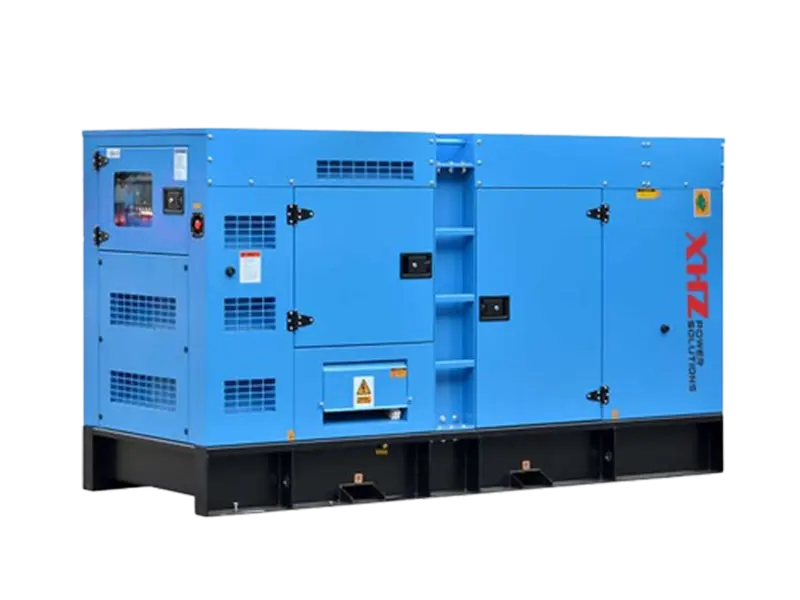 Silent Diesel Generators
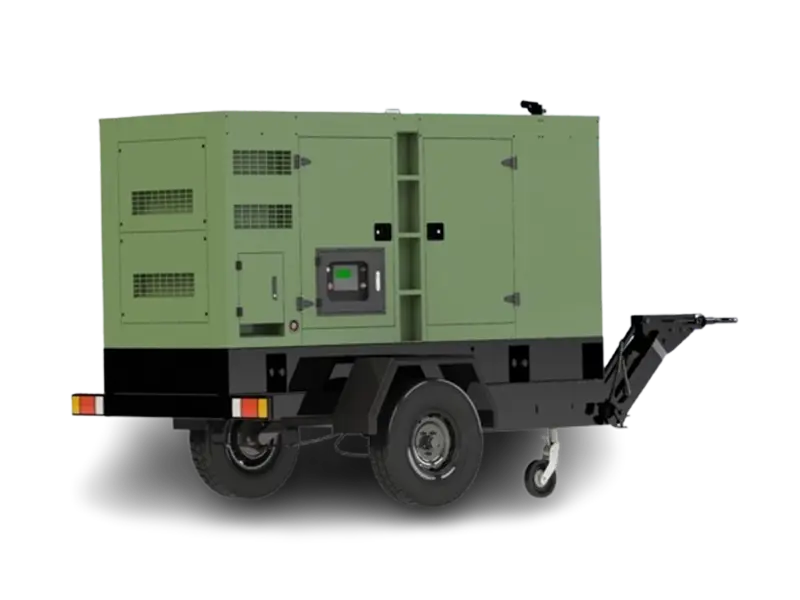 Mobile Silent Diesel Generators
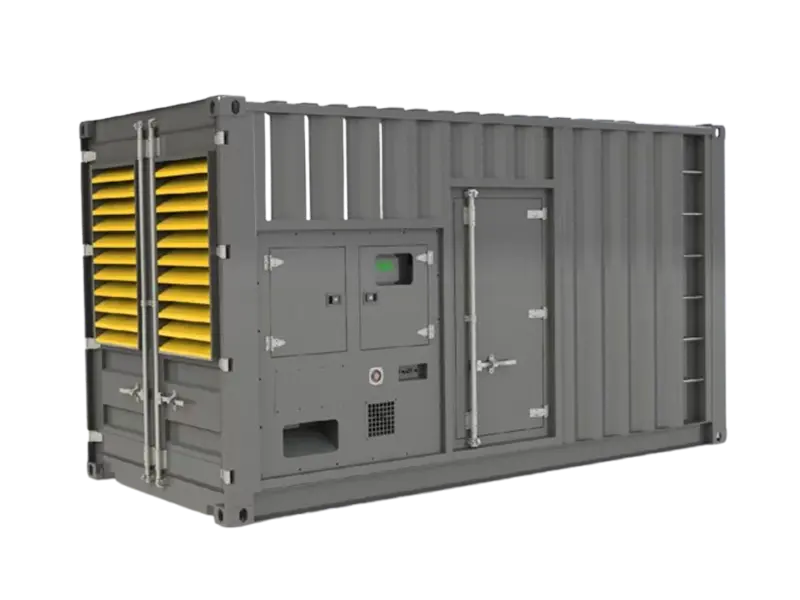 20/40HQ-Standard Container Type Generators
Leave Your Message
A Diesel Welder Generator combines two demanding jobs in one machine: supplying welding power and producing electricity for tools or site equipment. For crews working beyond a workshop, that combination can reduce the need to transport separate units. It may also simplify setup beside a repair truck, a steel frame, or a remote work area. But convenience alone does not make it the right choice.
The decision depends on the work. Compare the machine’s welding output and duty cycle with the electrodes, materials, and operating schedule you actually use. Check generator capacity against the tools you plan to run, including their starting demands. Then consider fuel access, noise, ventilation, weight, and the maintenance routine your team can realistically follow. A diesel model may suit long workdays and frequent use, but purchase price and upkeep matter too. The answer is not always yes.
This guide examines where a Diesel Welder Generator can offer practical value, what specifications deserve careful attention, and which trade-offs are easy to overlook. Reliable selection starts with the job requirements, not a headline rating. Manufacturer documentation and qualified equipment advice can help confirm compatibility before purchase. Even then, field conditions vary. That deserves a second look.
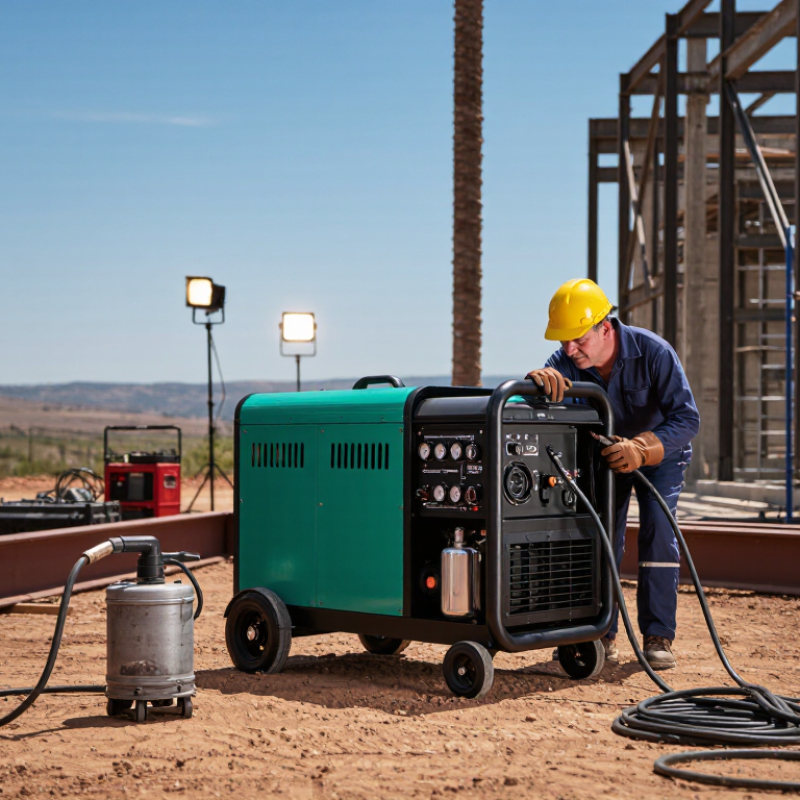
Why Choose a Diesel Welder Generator?
What Is a Diesel Welder Generator?
A diesel welder generator combines an engine, an electrical generator, and welding controls in one machine. The diesel engine turns an alternator, which supplies electrical power for arc welding. Many units also provide separate outlets for lights, grinders, or small tools. This makes the equipment useful where grid power is unavailable, such as a farm repair area or a remote construction site.
The welding section controls output, often measured in amperes, while the generator section supplies auxiliary power. Because both functions share one engine, running a grinder while welding may affect available capacity. Check the rated welding output, duty cycle, and auxiliary wattage before choosing a unit. A 300-amp rating, for example, does not mean every outlet can deliver that level of power. Read the operating instructions carefully.
Diesel models are often chosen for long shifts and demanding outdoor work. Their fuel use, noise, weight, and maintenance still matter. The machine needs stable positioning, clear airflow, and regular inspection of cables and connections. Exhaust must never collect in an enclosed workspace. It is not magic. A welder generator can simplify field work, but it cannot replace correct setup or sound welding technique.
| Dimension | Typical Details | Why It Matters |
|---|---|---|
| What it is | A diesel welder generator combines an engine-driven arc-welding power source with an electrical generator, often in one portable unit. | It can provide welding power and auxiliary electricity at locations without a suitable mains supply. |
| Power source | A compression-ignition diesel engine drives the machine’s electrical components. | Diesel may be practical for sustained work where fuel availability, operating costs, and service access suit the job. |
| Welding capability | Output current and supported processes vary by model. Some units support processes such as stick welding or wire welding; check the rated output and duty cycle. | Matching the machine’s specifications to the electrode, material, and required welding workload helps avoid under-sizing. |
| Auxiliary power | Many models provide AC outlets for compatible tools or equipment. Available voltage, frequency, and output capacity are model-specific. | Separate welding and auxiliary-power ratings should be checked, especially if welding and running electrical loads at the same time. |
| Typical work settings | Common applications include construction, field repair, maintenance, agricultural work, and remote job sites. | A combined unit can reduce the need to transport and set up a separate welder and generator. |
| Mobility and setup | Units may be skid-mounted, trailer-mounted, or designed for lifting, depending on their size and configuration. | Consider machine weight, access to the work area, lifting points, and transport requirements before choosing a configuration. |
| Fuel use | Fuel consumption varies with engine size, load, operating conditions, and maintenance. Published figures should be compared at equivalent loads. | Estimating operating cost requires considering expected run time, actual load, and local diesel prices—not just rated output. |
| Maintenance | Routine care commonly includes engine oil, air and fuel filters, cooling-system checks, and inspection of welding leads and electrical connections. | Following the maintenance schedule supports reliable operation and helps identify wear before it causes downtime. |
| Operating conditions | Diesel engines produce exhaust and noise and require suitable ventilation. Applicable emissions and noise requirements depend on the location and equipment. | Use the unit outdoors or in an appropriately designed environment, and follow local safety rules and the manufacturer’s instructions. |
| Key checks before purchase | Compare welding output and duty cycle, auxiliary power ratings, fuel capacity, noise level, dimensions, service access, and required certifications. | Choosing against the actual workload and site conditions is more reliable than selecting by engine power alone. |