Top 10 Diesel Welder Generators for Global Buyers
A Diesel Welder Generator must do more than start reliably. It must deliver stable welding current, dependable auxiliary power, and manageable fuel costs. This matters on road projects, remote pipelines, farms, shipyards, and emergency repair sites. One muddy work area can expose weak frames, poor cable protection, and undersized alternators quickly.
Industry reports show why global buyers need careful comparisons. The International Energy Agency’s World Energy Outlook 2024 highlights continued electricity demand growth in emerging economies. Remote work still needs independent power. MarketsandMarkets and Fortune Business Insights also identify continuing demand for distributed and portable generator systems, although their market estimates differ. That disagreement deserves attention. Buyers should not trust one forecast blindly.
Welding-metallurgy expert John C. Lippold has emphasized, “A weld is only as good as the control of the welding process.” His principle applies directly here. Poor voltage stability can create spatter, inconsistent penetration, and wasted electrodes. Real selection requires more than advertised peak amperage. Check rated welding output, duty cycle, engine displacement, fuel consumption, noise level, altitude performance, emissions certification, and local service support.
This guide reviews ten leading options for global buyers. Each model is considered against practical field conditions, including cold starts, dusty sites, long cable runs, and uneven ground. Some specifications look impressive on paper. They may disappoint under continuous load. The ranking is therefore useful, but not perfect. Final decisions should still include a hands-on test, verified warranty terms, and an inspection of replacement-parts availability in the buyer’s country.
What Is a Diesel Welder Generator and How Does It Work?
Top 10 Diesel Welder Generators for Global Buyers
What Is a Diesel Welder Generator and How Does It Work?
A diesel welder generator combines a compression-ignition engine with an electric welding system. The diesel engine burns fuel and produces mechanical rotation. That rotation drives an alternator, which creates electrical energy for welding or auxiliary tools.
The welding circuit then changes this energy into controlled current. Depending on the design, a transformer, rectifier, or inverter regulates voltage and amperage. An operator selects the welding mode and adjusts the output for electrode size, metal thickness, and joint position. Stable control helps prevent excessive spatter and weak penetration. It matters.
In practical use, the engine needs clean air, suitable fuel, and steady cooling. I have seen poor ventilation cause unnecessary heat and unstable performance on busy work sites. The frame should stand level, while cables need intact insulation and firm connections. Grounding also deserves careful attention. Never treat the machine as a simple power box.
Some models can weld and supply auxiliary electricity at the same time, but available output may decrease. Buyers should check duty cycle, rated welding current, fuel consumption, noise level, and local electrical requirements. Specifications can look impressive on paper. Real performance depends on maintenance, ambient temperature, and operator skill. A neglected air filter or worn connection can reduce efficiency, even when the generator appears powerful.
Key Criteria for Evaluating Diesel Welder Generators
Top 10 Diesel Welder Generators for Global Buyers
Key Criteria for Evaluating Diesel Welder Generators
Selecting a diesel welder generator requires more than comparing rated amperage. In field work, I check stable welding output, generator capacity, and duty cycle under continuous load. A unit rated at 250 amps may perform poorly if its cooling system struggles after several hours. Check the manual, not only the sales label.
Engine quality affects starting, fuel use, vibration, and service life. Test the machine during a cold start, when weak batteries and poor fuel systems become obvious. Measure fuel consumption at realistic loads, such as welding at 180 amps while powering a grinder. Oversized fuel tanks can extend working time, but they also add weight and increase transport demands.
Protection features deserve close attention. Look for overload protection, low-oil shutdown, grounded outlets, thermal control, and suitable enclosure protection for dusty sites. Noise levels matter near homes, farms, and temporary work areas. Confirm voltage and frequency compatibility before international shipment. Local electrical standards may differ.
Portability is easy to underestimate. A compact frame, lifting points, strong wheels, and balanced weight reduce handling risks. Service access should be practical; filters and battery terminals should not sit behind complicated panels. I have seen impressive specifications fail in muddy conditions. That weakness deserves honest consideration. A dependable choice is the one that performs steadily, starts reliably, and can be repaired with available parts.
Top 10 Diesel Welder Generators for Global Buyers
Top 10 Diesel Welder Generators for Global Buyers
Global buyers often compare diesel welder generators by output, duty cycle, fuel use, and service access. The strongest choices usually include compact units for repair crews, high-output machines for structural work, trailer-mounted units for remote sites, and enclosed models for dusty environments. Other practical options include cold-weather packages, dual-operator systems, auxiliary-power models, pipeline machines, construction-grade units, and marine-resistant designs.
In field use, stable arc control matters more than impressive peak figures. A generator should handle long welding leads without noticeable voltage drop. Check whether it supports the required electrode sizes and welding processes. Fuel tanks need enough capacity for a full shift, but oversized tanks add weight. I once underestimated transport conditions; a reliable machine became difficult to move on muddy ground.
Buyers should inspect alternator protection, grounding points, noise levels, and emergency shutdown features. Ask for verified test data, not only catalog claims. Service manuals, spare-part availability, and technician training can determine long-term value. In tropical regions, cooling performance deserves close attention. In high-altitude areas, engine output may decline. Certification requirements also vary by destination, so documentation must match local rules. No single unit fits every market. A quieter generator may sacrifice some power, while a lighter frame may reduce durability. Sales teams should test real welding loads before approving large orders.
Top 10 Diesel Welder Generators for Global Buyers
| Rank |
Configuration |
Rated Welding Output |
Welding Current Range |
Generator Output |
Diesel Tank |
Typical Runtime1 |
Electrode Capacity |
Approx. Weight |
Noise at 7 m |
Best Use |
| 1 |
Compact field unit |
180 A / 25 V |
40–180 A |
4.0 kVA |
15 L |
11–13 h |
Up to 4.0 mm |
190 kg |
72 dB(A) |
Repair and maintenance |
| 2 |
Portable utility unit |
200 A / 25 V |
50–200 A |
5.0 kVA |
18 L |
10–12 h |
Up to 4.0 mm |
215 kg |
73 dB(A) |
Small construction jobs |
| 3 |
Single-operator site unit |
250 A / 25 V |
40–250 A |
6.0 kVA |
25 L |
9–11 h |
Up to 5.0 mm |
295 kg |
74 dB(A) |
General fabrication |
| 4 |
Heavy-duty engine-driven unit |
300 A / 32 V |
40–300 A |
7.0 kVA |
32 L |
8–10 h |
Up to 5.0 mm |
410 kg |
76 dB(A) |
Structural steelwork |
| 5 |
Multi-process work unit |
300 A / 32 V |
20–300 A |
8.0 kVA |
36 L |
8–10 h |
Up to 5.0 mm |
450 kg |
77 dB(A) |
Remote field fabrication |
| 6 |
High-output site unit |
400 A / 36 V |
40–400 A |
10.0 kVA |
45 L |
7–9 h |
Up to 6.0 mm |
620 kg |
78 dB(A) |
Pipeline and infrastructure |
| 7 |
Dual-operator welding unit |
400 A / 36 V |
30–400 A |
12.0 kVA |
50 L |
7–9 h |
Up to 6.0 mm |
680 kg |
79 dB(A) |
Two-welder crews |
| 8 |
Industrial welding generator |
500 A / 40 V |
40–500 A |
15.0 kVA |
60 L |
6–8 h |
Up to 8.0 mm |
900 kg |
80 dB(A) |
Heavy industrial work |
| 9 |
Trailer-mounted production unit |
500 A / 40 V |
50–500 A |
20.0 kVA |
75 L |
6–8 h |
Up to 8.0 mm |
1,150 kg |
81 dB(A) |
Large infrastructure projects |
| 10 |
High-capacity production unit |
600 A / 44 V |
50–600 A |
25.0 kVA |
100 L |
5–7 h |
Up to 8.0 mm |
1,450 kg |
82 dB(A) |
Major pipeline projects |
|
1 Runtime is an indicative operating range at approximately 50% welding load; actual performance varies with duty cycle, ambient temperature, altitude, electrode size, generator load and fuel quality. Specifications are representative of commonly published diesel welder-generator configurations and should be verified against the final product datasheet before purchase.
|
Performance, Applications, and Operating Cost Comparison
Comparing the top ten diesel welder generators requires more than checking welding amperage. A reliable unit should maintain a stable arc while powering lights, grinders, or pumps at the same site. Models producing 200 to 300 amps suit routine structural repairs, farm maintenance, and mobile fabrication. Higher-output machines support heavier electrodes and longer duty cycles, but they usually consume more fuel and require stronger transport equipment.
Fuel use changes sharply with workload. At half load, a compact diesel unit may use about 0.8 to 1.5 liters per hour, while larger machines can exceed 3 liters. These figures are useful, not absolute. Dust, cold starts, poor maintenance, and frequent idling raise real operating costs.
Filters, engine oil, batteries, welding leads, and scheduled service should be included in every comparison. A cheaper purchase price can mislead.
For remote construction, service access may matter more than peak output. A clear control panel, durable frame, and simple diagnostics reduce lost hours. Agricultural users often value portability and low-speed operation, while contractors may prioritize multi-process welding and auxiliary power. I would not rely on brochure fuel figures alone. Recording fuel use across several work shifts gives a fairer result. Small differences become expensive over a year. Some rankings also undervalue noise, vibration, and operator fatigue. That is a weakness worth noting.

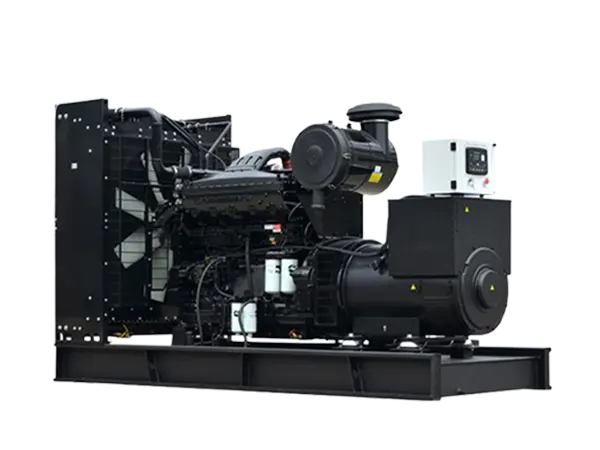 Diesel Generator Sets with Cummins Engines, XHZC Series
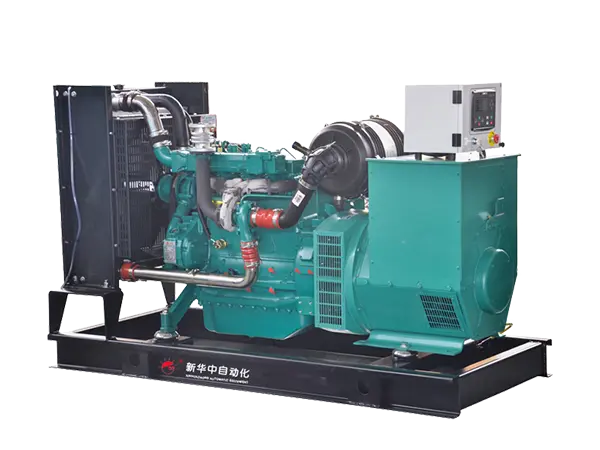 Weichai Series
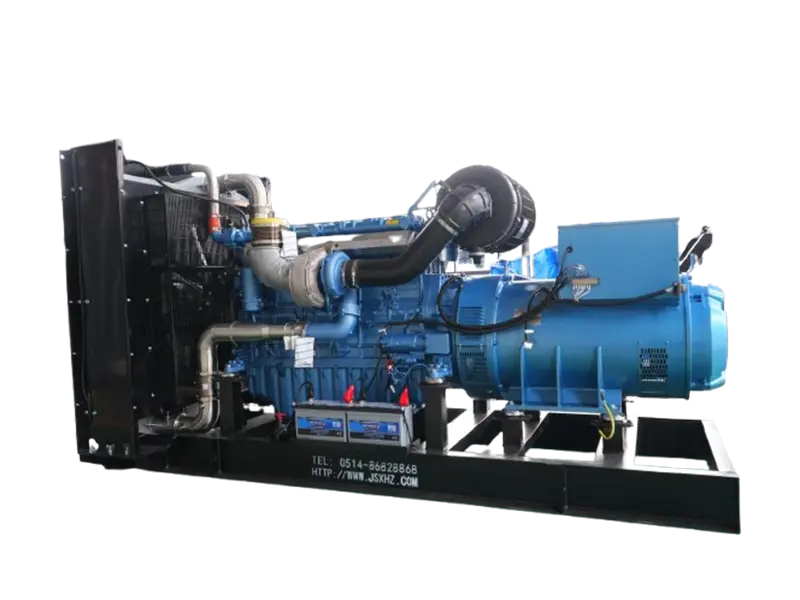 Diesel Generator Sets with WEICHAI Engines, XHZW Series
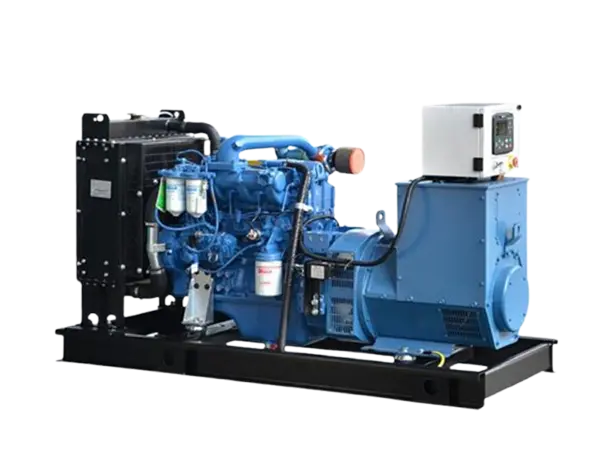 Yuchai Series
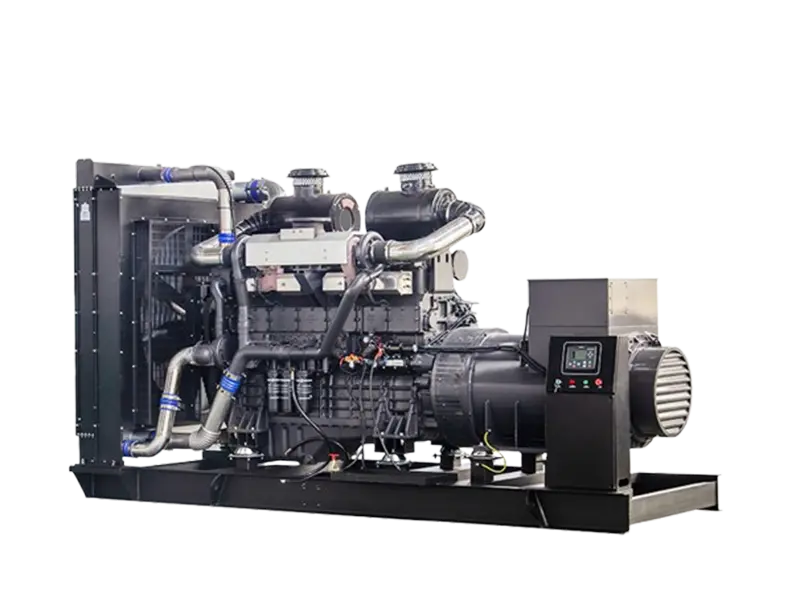 Diesel Generator Sets with SDEC(SHANGCHAI) Engines, XHZS Series
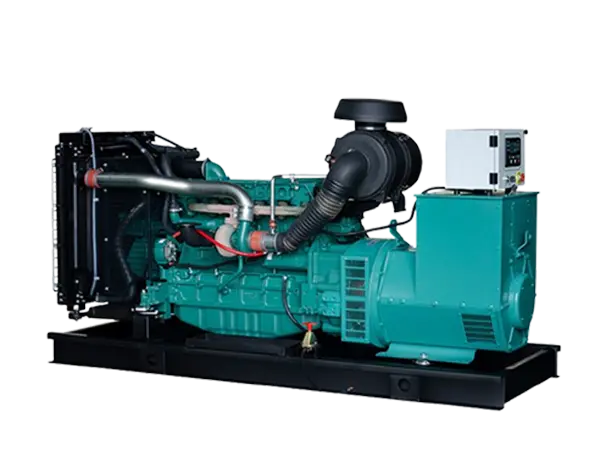 Volvo Series
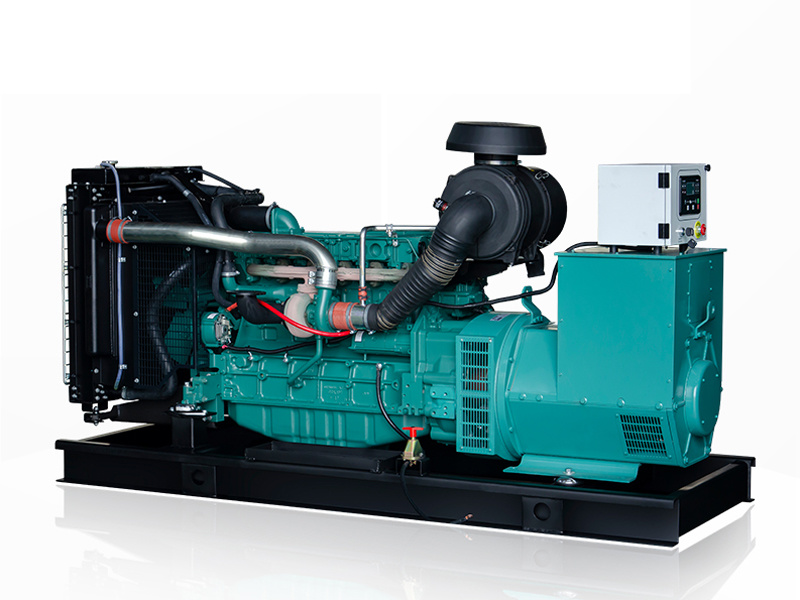 Diesel Generator Sets with VOLVO Engines, XHZV Series
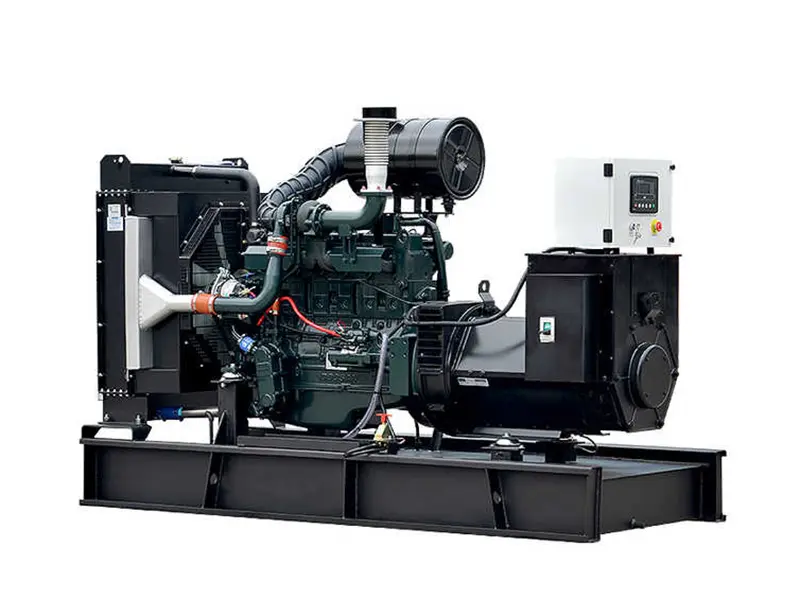 Diesel Generator Sets with Doosan Engines
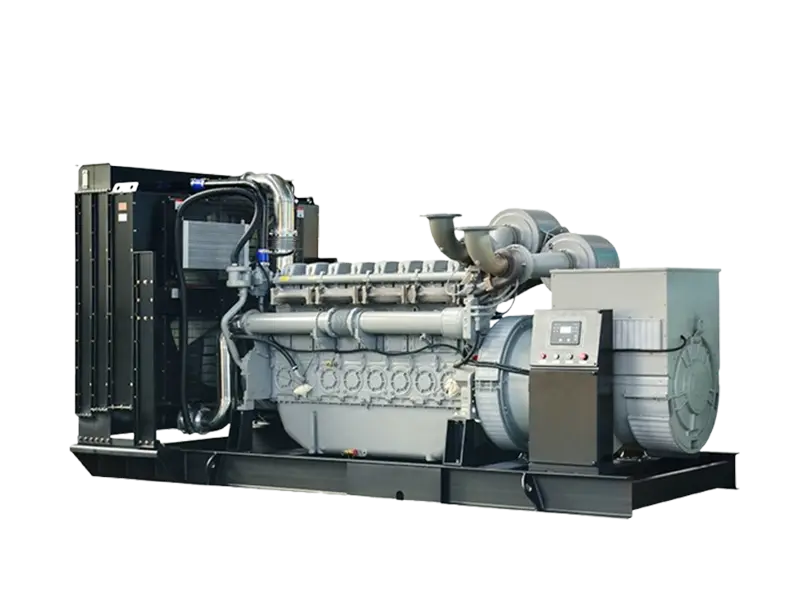 Diesel Generator Sets with Perkins Engines, XHZP Series
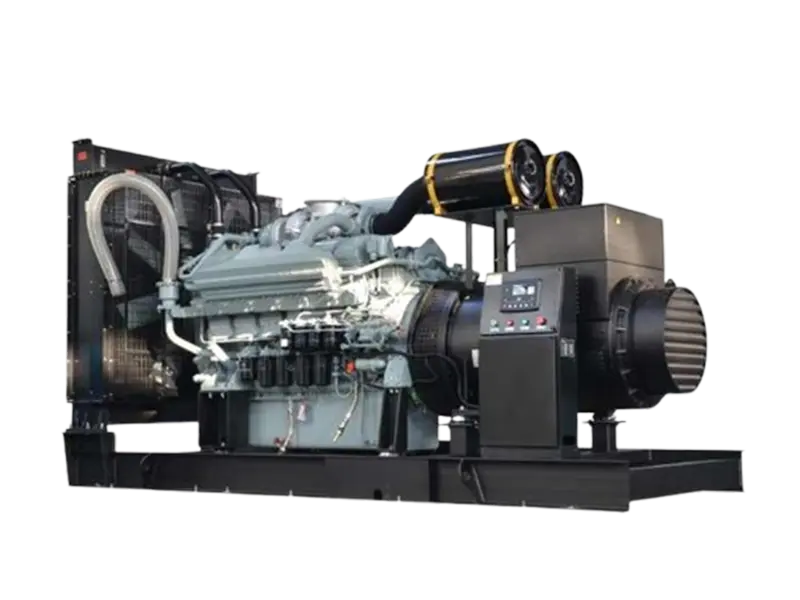 Diesel Generator Sets with Mitsubishi Engines
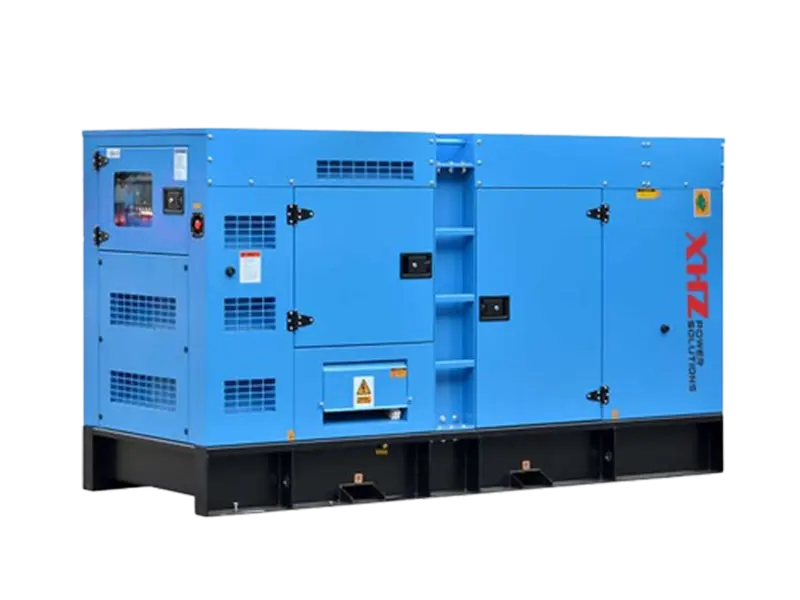 Silent Diesel Generators
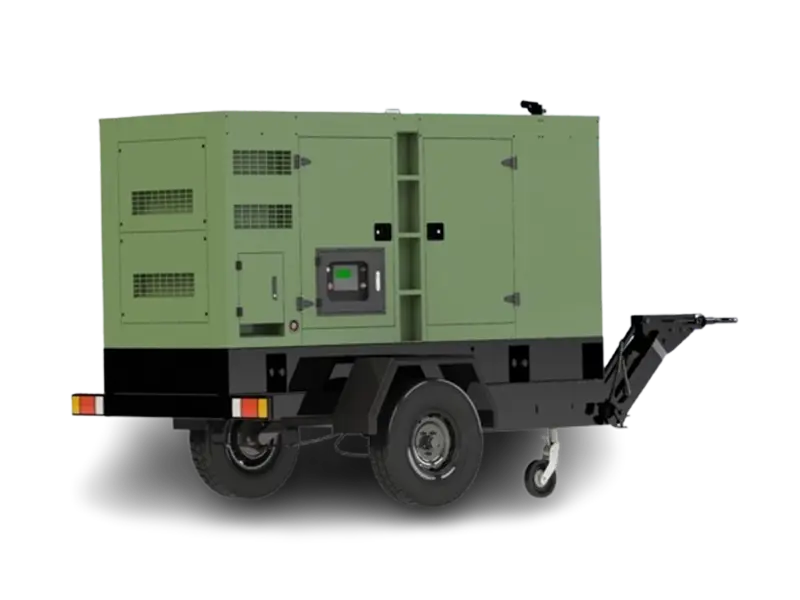 Mobile Silent Diesel Generators
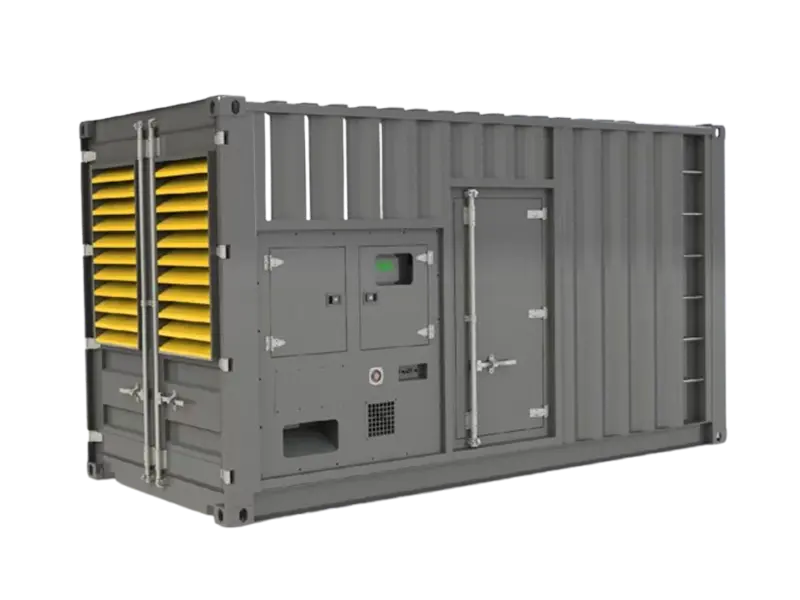 20/40HQ-Standard Container Type Generators