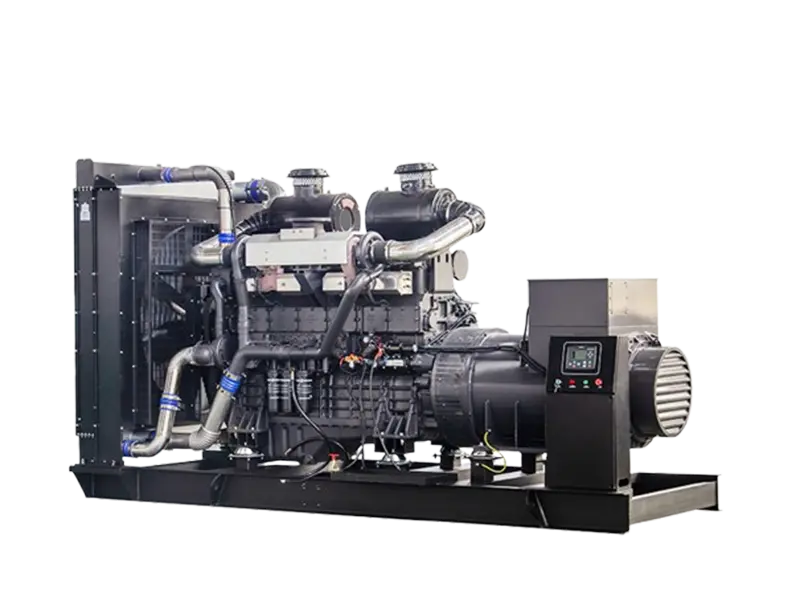
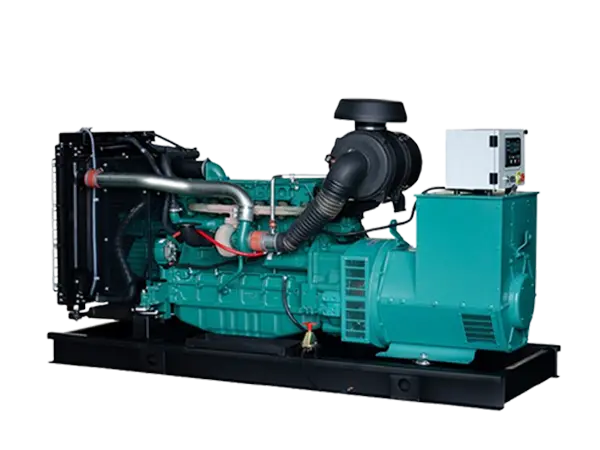
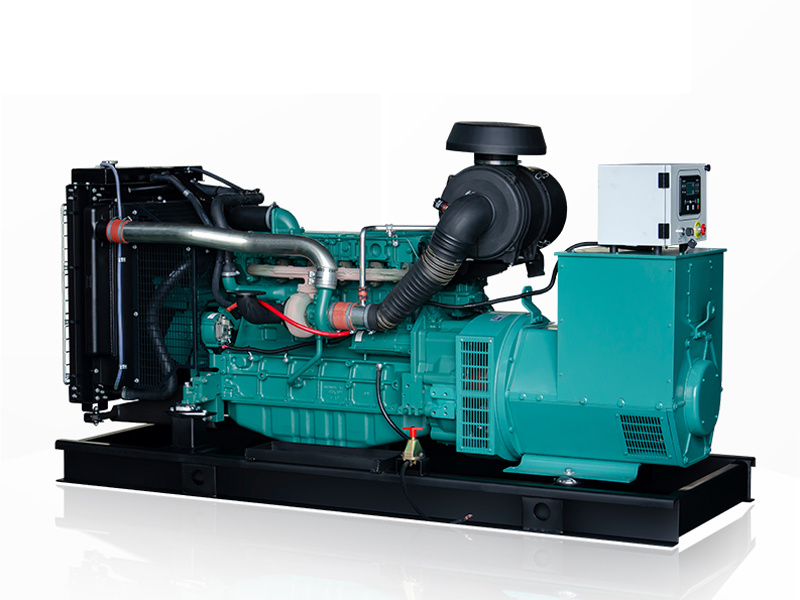
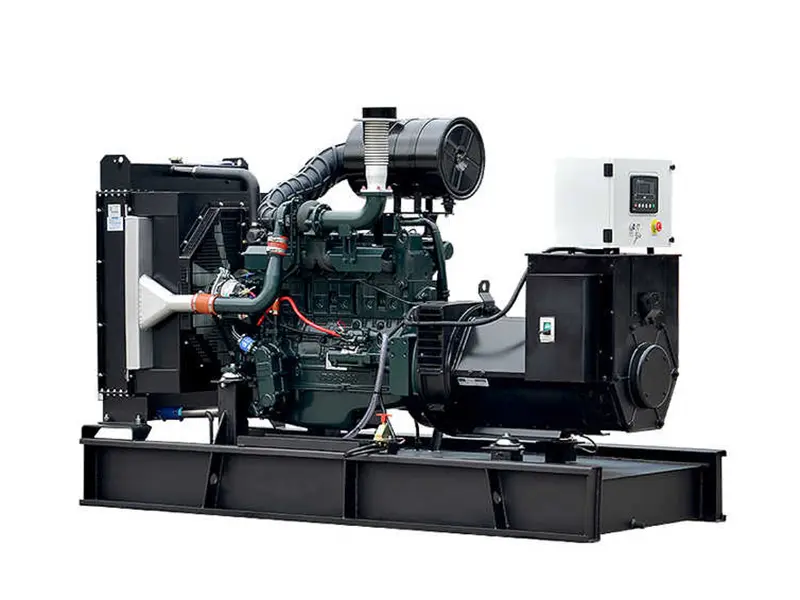
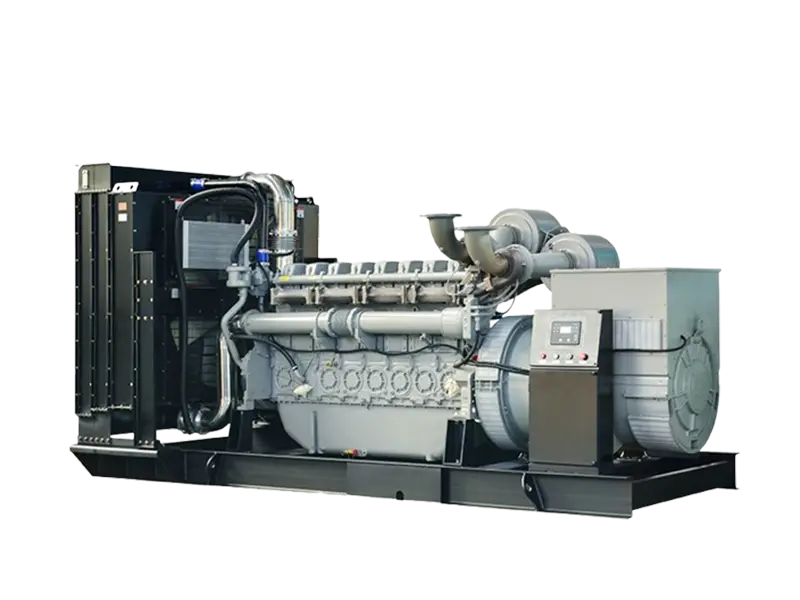
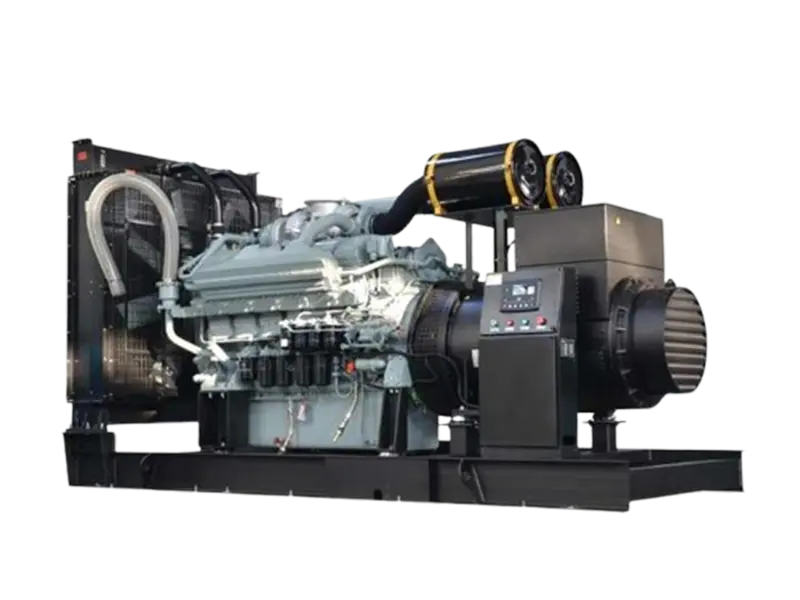
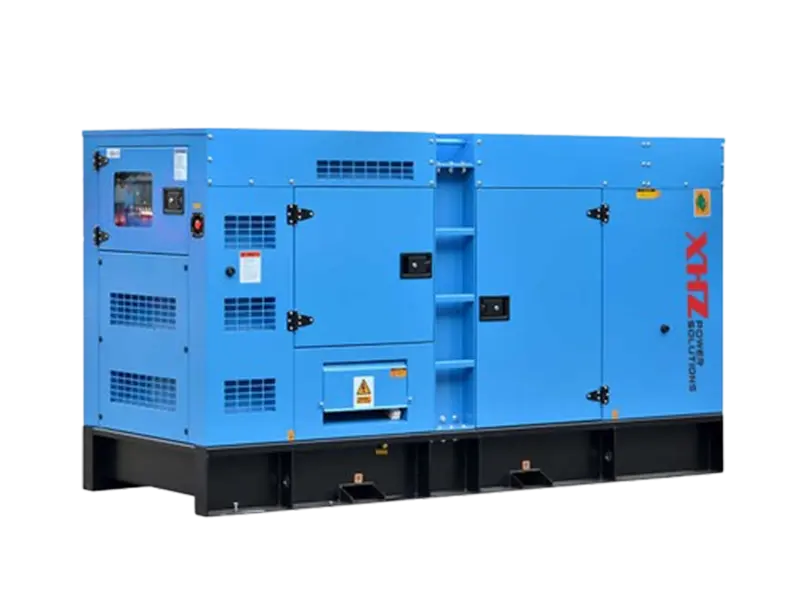
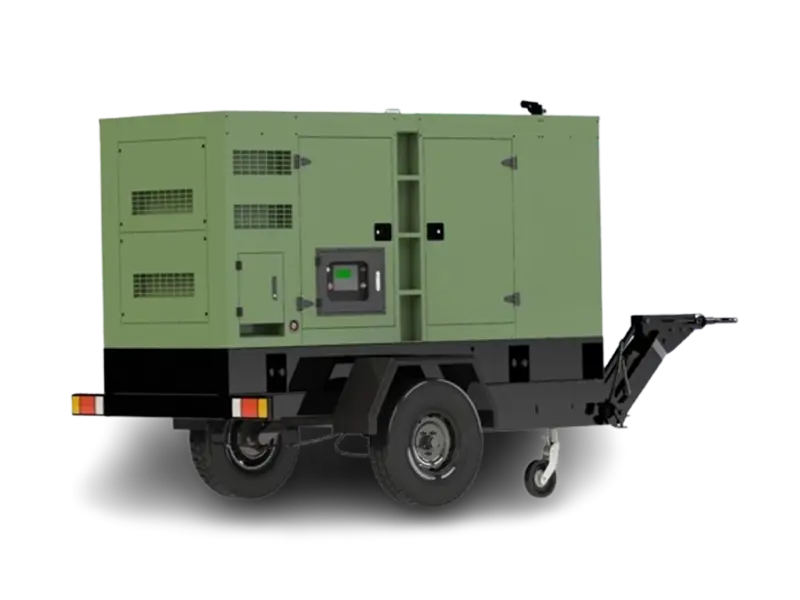
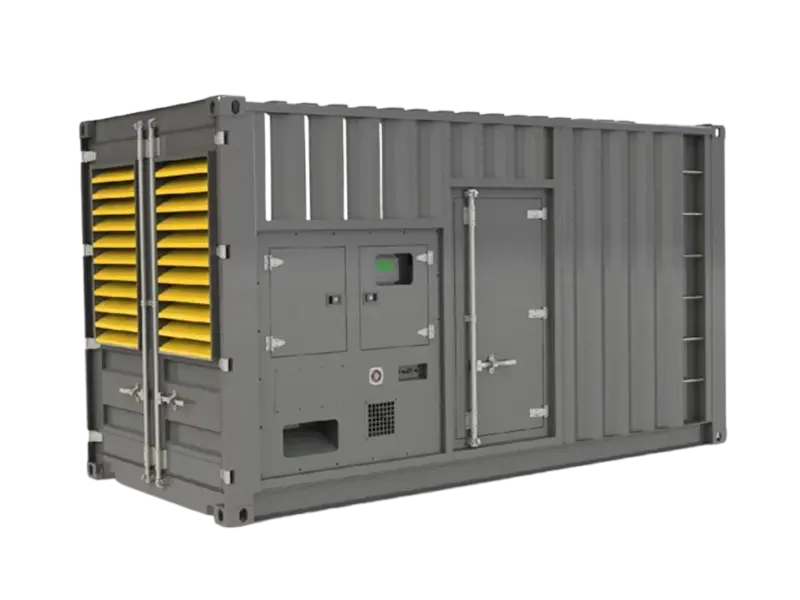
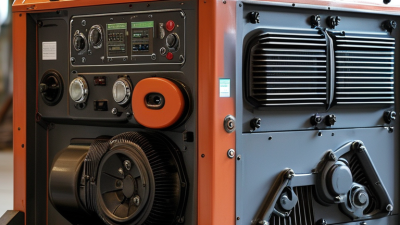
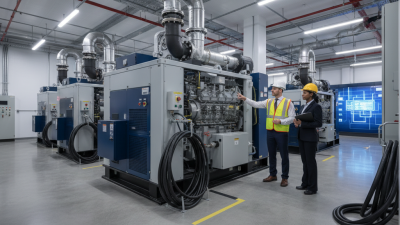
A 500 kVA generator can keep a busy site running, but the rating alone does not tell you whether it fits. At a power factor of 0.8, 500 kVA corresponds to about 400 kW of real power. Your actual equipment, operating pattern, and installation conditions still matter. A pump starting under load may draw far more current for a brief period than its normal running figures suggest. Small details count.
This guide explains seven practical checks to make before choosing a Generator 500 Kva. Review your load schedule, including motor-starting demand and equipment that may operate at the same time. Check whether the quoted rating is standby, prime, or continuous duty; these ratings describe different operating limits. Then compare fuel consumption at realistic loads, not only at full output. A lightly loaded unit can behave differently from one running steadily near its rated capacity.
Look beyond the price tag. Consider noise, ventilation, exhaust routing, fuel storage, service access, and the space needed to move the unit into position. Confirm site requirements with qualified electrical and installation professionals, especially when connecting to existing systems. Ask suppliers for clear specifications, warranty terms, maintenance intervals, and local service support. A spreadsheet helps, but it can miss a startup surge or a hot, dusty installation. Recheck the assumptions. The right generator is not always the largest one; it is the one that reliably matches your real demand and operating conditions.
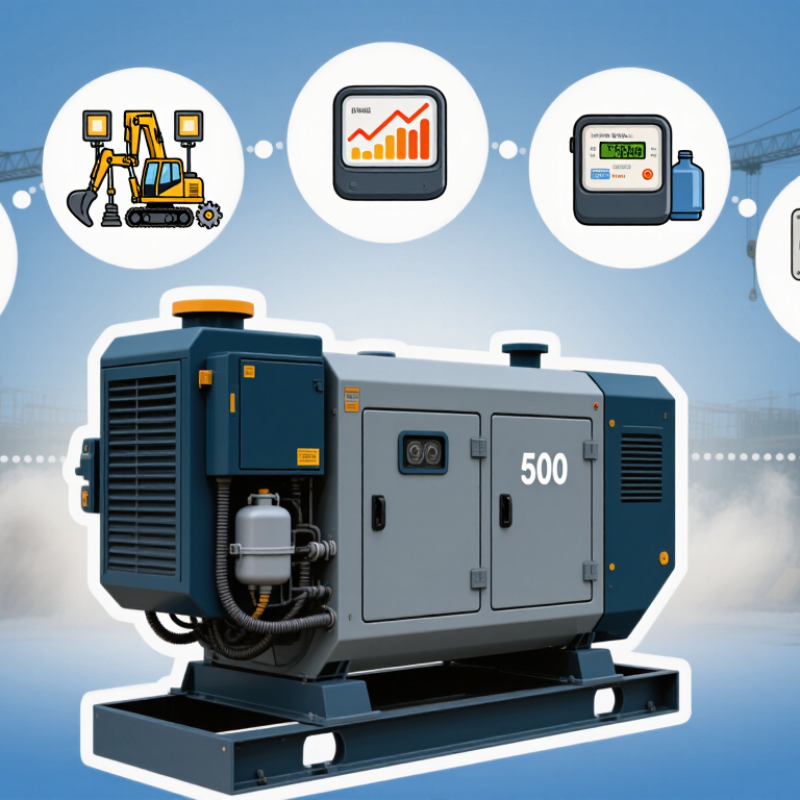
A 500 kVA generator does not deliver 500 kW. At a 0.8 power factor, its apparent-power rating equals 400 kW of real power. Compare that figure with your measured demand, not the sum of equipment nameplates.
Record loads at regular intervals during a typical week, including night shifts and peak production. Note motor-starting surges, such as a pump switching on while ventilation is running. Small details matter.
Tip:
Build a load list with running kW, starting kVA, and priority. Separate essential circuits from loads that can wait. A clamp meter or power-quality logger can reveal peaks that a monthly utility bill hides. Keep some headroom, but do not oversize blindly; a lightly loaded unit may operate inefficiently. The exact result depends on the equipment.
Check the rating basis before comparing generator capacity. ISO 8528-1 defines emergency standby power ratings around limited outage use, including a maximum of 200 operating hours annually and an average load factor of up to 70% over 24 hours. These limits are not a substitute for site-specific design.
The Uptime Institute’s 2023 outage analysis reported that 54% of surveyed operators’ most recent significant outages cost more than $100,000. Treat your load profile as a real operating record, then have a qualified electrical professional verify starting loads, power factor, and site conditions.
A 500 kVA generator can support a large facility, but its nameplate rating is only a starting point. Check the actual load in kilowatts, the power factor, and which equipment starts together. Motors, pumps, and compressors can draw heavy starting current. Keep margin. A load study can help prevent undersizing, though real operating patterns may still surprise you.
Compare generator configurations against how and where the power will be used. A fixed standby set suits a permanent installation; a mobile or rental-ready unit may fit temporary work. Diesel is widely used where stored fuel and strong load response matter. Natural gas can reduce on-site fuel storage, but supply pressure and availability need checking. Dual-fuel systems offer flexibility, with added controls to consider. Fuel choice is not just a price comparison.
Walk the site before choosing a set. Measure access for delivery, check ground strength, and plan for ventilation, exhaust routing, and service clearance. A unit tucked beside a wall may overheat or make maintenance awkward. Consider rain protection, noise near occupied areas, and safe fuel storage. Even careful plans miss details; confirm the layout with a qualified generator technician and electrician before installation.
A 500 kVA rating is not a complete specification. At a 0.8 power factor, it represents 400 kW, but confirm the required duty: standby, prime, or continuous. ISO 8528-1 defines generator-set ratings, and the selected rating must match expected load and operating hours. Request the manufacturer’s data sheet showing voltage, frequency, phase, fuel use, starting capacity, and allowable load steps. Motor starts can demand far more current than steady operation. A neat nameplate does not prove the set will handle them.
Safety details deserve the same scrutiny as output. Check enclosure ventilation, exhaust routing, emergency stop access, earthing, overcurrent protection, and safe fuel containment. NIOSH lists a 35 ppm recommended eight-hour exposure limit for carbon monoxide and a 200 ppm ceiling. Exhaust must stay away from air intakes and occupied areas; a detector is not a substitute for correct installation. A small layout error can matter. Ask for the site-specific risk assessment and commissioning records, not just a brochure.
Compliance depends on location and application. NFPA 110 addresses inspection, testing, and maintenance of emergency power supply systems; confirm the applicable edition with the local authority and project engineer. Also verify emissions certification, electrical permits, noise limits, and any fire-code requirements before ordering. Request certificates and test results in writing. One awkward question is often useful: who signs off each requirement, and when? I would double-check that list, because responsibilities can become unclear between supplier, installer, and site owner.
A 500 kVA generator is a major purchase, but the lowest quotation may hide costly gaps. Ask suppliers to confirm the rating matches your duty: standby and continuous operation are not interchangeable. Request a written load profile review, including starting currents from large motors. A site visit can reveal practical issues, such as restricted access for delivery or limited ventilation. Small details matter.
Compare suppliers on more than equipment price. Ask who handles commissioning, where service technicians are based, and how quickly they can respond after a breakdown. Request contact details for customers with similar installations, then ask about parts availability and service delays. Get it in writing. A polished proposal is not proof of dependable support, and references may not tell the whole story.
Read the warranty carefully. Check its duration, start date, covered parts, labor, travel, and exclusions for operating conditions or maintenance. Clarify whether commissioning must be completed by an approved technician. Then estimate total ownership cost over your expected service life: fuel, scheduled maintenance, filters, batteries, load-bank testing, and likely repairs. Ask suppliers to state their assumptions, especially annual running hours and fuel consumption. Estimates can still miss real-world costs; that is worth acknowledging. Compare the same operating scenario across every quote before deciding.
A 500 kVA generator is only useful if the site can safely install and operate it. Tip: Confirm the required output, starting loads, fuel supply, ventilation, exhaust route, and access for service before ordering. At a 0.8 power factor, 500 kVA represents 400 kW; check the project’s actual power-factor and load requirements rather than assuming this rating fits. Include space for cables, a level foundation, and safe fuel delivery. Small details matter.
Tip: Make commissioning a witnessed, documented test—not just a successful startup. Have qualified technicians verify protection settings, phase rotation, alarms, grounding, and automatic transfer switch operation. Test realistic load steps, then record voltage, frequency, temperatures, and any faults. Uptime Institute’s 2024 Annual Outage Analysis found that 54% of surveyed organizations reported their most recent significant outage cost more than $100,000. That figure covers outages broadly, not generator failures alone, but it shows why proving backup systems matters.
Tip: Set a maintenance schedule before handover. Follow the applicable equipment instructions and NFPA 110 requirements, and log inspections, exercise tests, battery condition, coolant, oil, and fuel checks. Keep clear records. Fuel can degrade during storage, so arrange suitable testing and treatment based on fuel type and storage conditions. Review the plan after load changes or site work; the original assumptions may no longer fit.