How to Choose the Best Diesel Backup Generator for Your Needs?
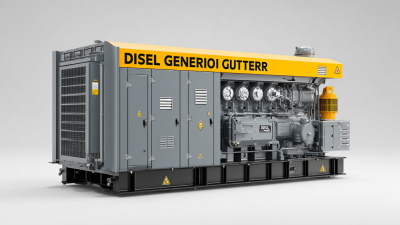
Choosing the right Diesel Backup Generator is crucial for various needs. Experts underscore the importance of understanding your specific requirements before making a decision. John Smith, a renowned industry specialist, once said, "A proper backup system can save businesses from unexpected downtime."
When evaluating a Diesel Backup Generator, consider factors such as power output, fuel efficiency, and maintenance needs. A generator must not only meet power demands but also be reliable during emergencies. These machines vary significantly in performance and price. Understanding these factors can help make a more informed choice.
Many customers overlook the importance of quality. While affordability matters, investing in a reliable Diesel Backup Generator pays off in the long run. Choosing the right one requires patience and reflection. Think carefully about your needs. After all, a generator is an investment in peace of mind during unexpected outages.
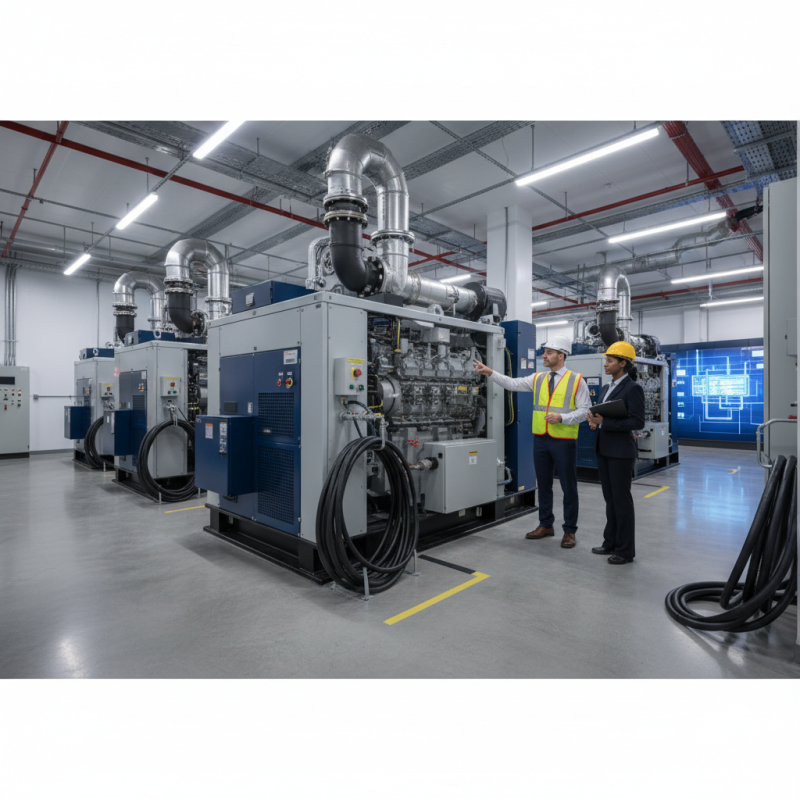
Factors to Consider When Selecting a Diesel Backup Generator
Selecting a diesel backup generator requires careful consideration of various factors. Start with the generator's power output. Determine your critical loads, such as refrigeration, heating, or essential appliances. Knowing your wattage needs helps you avoid under or over-sizing the generator.
Fuel efficiency is another critical aspect. Diesel generators are known for their fuel economy, making them suitable for prolonged use during outages. However, consider how often you will refuel and storage requirements. Noise levels also matter, especially if you live in a residential area. Some models operate quietly; others do not.
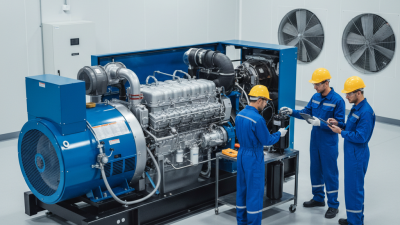
Look at maintenance requirements, too. Diesel engines need regular oil changes and filter replacements. Investigate the availability of parts and service in your area. This factor can affect your generator's reliability over its lifespan. The price is important, but consider long-term value over initial costs. Balancing all these elements ensures you choose a generator that aligns with your needs. This decision can be daunting but reflects your preparedness for any situation.
Understanding Power Needs: Calculating Load Requirements
When selecting a diesel backup generator, understanding your power needs is crucial. Start by calculating your total load requirements. Identify all the appliances and equipment you plan to run during an outage. This could include lights, refrigerators, and medical devices. Each item has a specific wattage. Add these numbers to get a working total.
Keep in mind that starting appliances may draw more power initially. For instance, a refrigerator requires extra energy to start up. This spike can impact your generator choice. Also, consider the surge capacity of your generator. It should not only meet your total load but also handle the starting wattage of larger appliances.
Reflect on future needs as well. Will you add more devices later? It’s wise to choose a generator with a capacity margin. This leaves room for growth and additional appliances. Pay attention to fuel efficiency too. A reliable generator is one that effectively meets your needs without excessive fuel consumption. Evaluating these aspects ensures a proper fit for your lifestyle and helps avoid potential complications.
How to Choose the Best Diesel Backup Generator for Your Needs?
| Power Requirement (kW) |
Recommended Generator Size (kW) |
Fuel Consumption (L/hr) |
Run Time (Hours) |
Noise Level (dB) |
| 5 |
8 |
1.5 |
12 |
65 |
| 10 |
12 |
2.0 |
10 |
68 |
| 15 |
18 |
2.5 |
8 |
70 |
| 20 |
25 |
3.0 |
6 |
72 |
| 30 |
35 |
4.5 |
5 |
75 |
Evaluating Fuel Efficiency and Run Time of Generators
When selecting a diesel backup generator, fuel efficiency and run time are crucial factors.
Diesel generators are known for their longevity and power. Efficient fuel consumption leads to cost savings over time. Understanding these elements can help you choose wisely.
Consider the generator's fuel efficiency rating. Look for models with high ratings to reduce operational costs.
A generator that consumes less fuel per hour provides better value. Take note of the fuel tank capacity too.
A larger tank allows for longer run times before refueling. This is particularly important for extended power outages.
Tip: Always evaluate your power needs beforehand.
Choose a generator that surpasses your requirements slightly. This ensures a buffer during peak usage.
Additionally, check reviews from other users. Their experiences can offer insights on real-world run times and efficiency.
Sometimes, advertised specs differ from actual performance. Gathering this information helps in making a more informed decision.
Assessing Noise Levels and Emission Standards for Operation
When choosing a diesel backup generator, noise levels and emission standards play crucial roles. Noise can disrupt your environment and annoy neighbors. Some generators produce excessive noise, which can be a deal-breaker for residential settings. Consider models that operate quietly to avoid complaints. Look for generators with sound-dampening technology. A unit that maintains a lower decibel rating is essential for peaceful use.
Emission standards are equally important for compliance and health. Diesel generators often emit harmful pollutants. Not all models meet current environmental standards. Check for certifications like EPA or CARB compliance. These ensure the unit meets strict emission requirements. You might find that older models fail to meet today's eco-friendly criteria. Investing in a modern generator can minimize your carbon footprint and ensure smoother operation.
Remember to evaluate your specific needs. A balance between power output, noise, and emissions can be tricky. It’s important to reflect on your priorities. Your best choice might not always provide the highest power but could deliver a calmer and cleaner performance. Take the time to analyze and select wisely.
Comparing Brand Reliability and Warranty Options in Diesel Generators
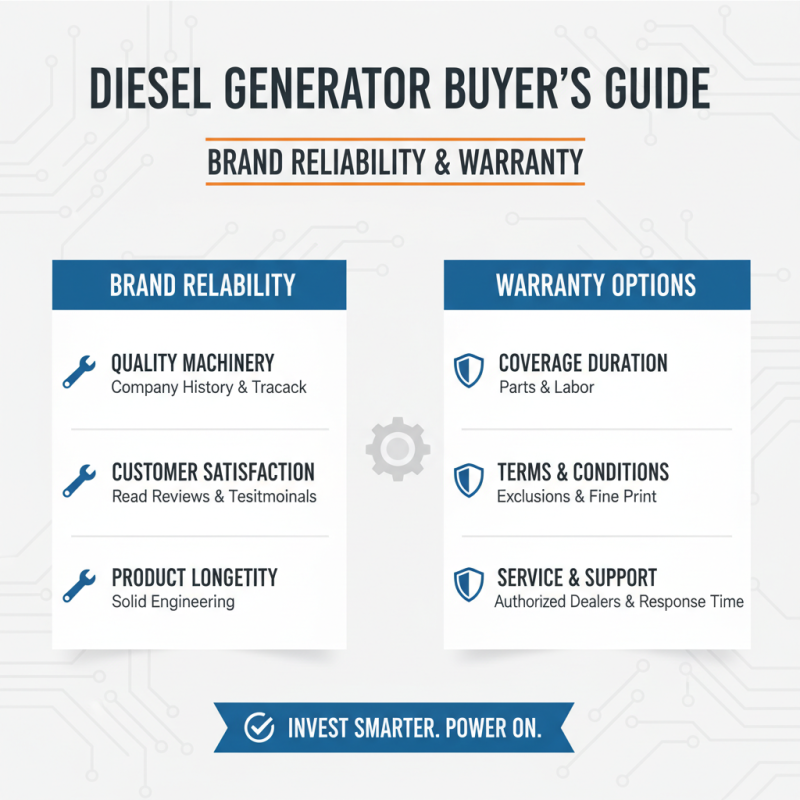
When considering a diesel backup generator, brand reliability is crucial. A reliable brand usually ensures quality machinery. Researching the company’s history can provide insight into their track record. Look for customer reviews to gauge satisfaction. Pay attention to the longevity of their products. Brands with a solid reputation often have excellent engineering behind their generators.
Warranty options are equally important. A longer warranty can be a sign of manufacturer confidence. It means they stand behind their products. Consider what the warranty covers. Does it extend to parts and labor? A limited warranty might not offer you the peace of mind you need. Assess how the warranty aligns with your usage requirements. Each user’s needs differ, and a one-size-fits-all approach may not work.
For many users, having a reliable backup power source is paramount. If your generator fails during a storm, it can lead to significant losses. Therefore, weighing brand reliability and warranty options means understanding your unique needs. Reflect on how often you plan to use the generator. Each generator has unique strengths and weaknesses. Recognizing this will help you make an informed decision.

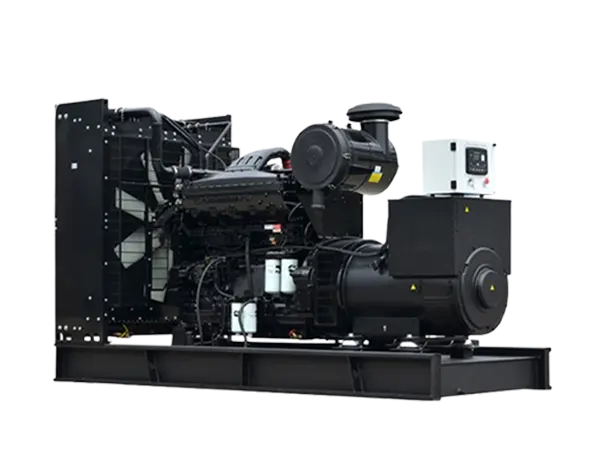 Diesel Generator Sets with Cummins Engines, XHZC Series
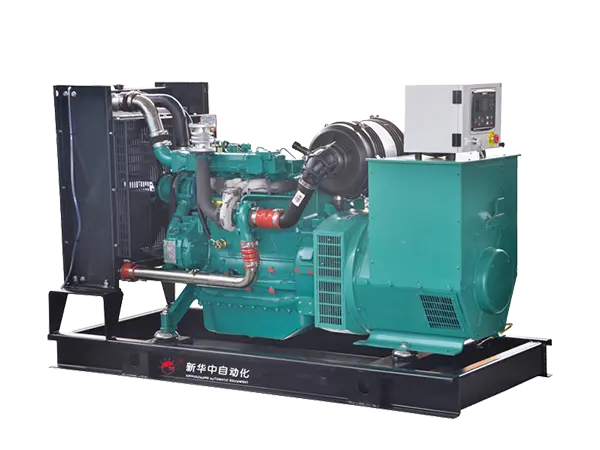 Weichai Series
 Diesel Generator Sets with WEICHAI Engines, XHZW Series
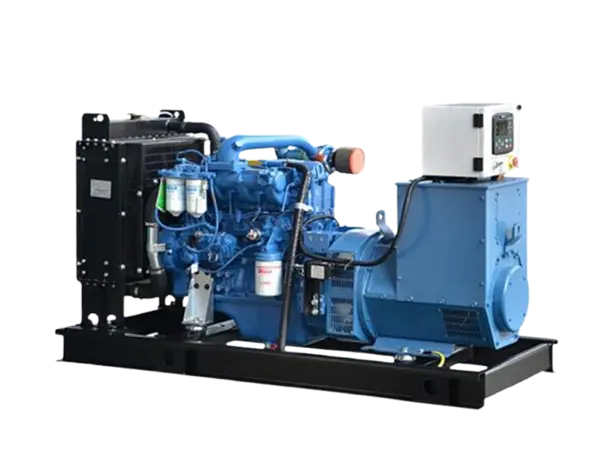 Yuchai Series
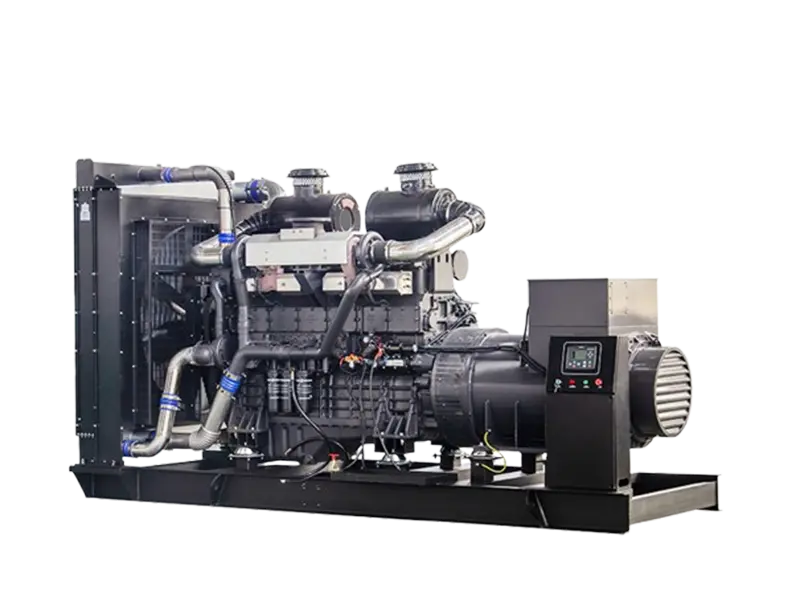 Diesel Generator Sets with SDEC(SHANGCHAI) Engines, XHZS Series
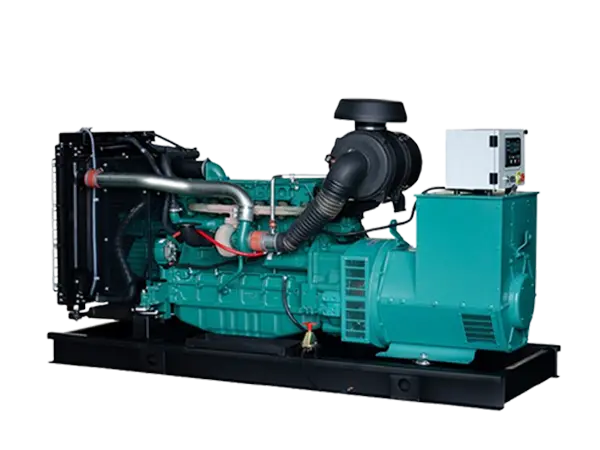 Volvo Series
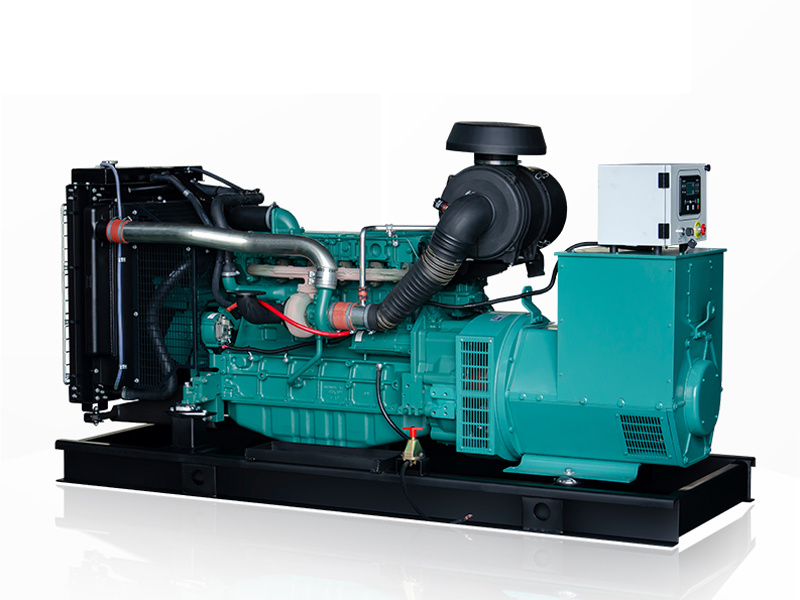 Diesel Generator Sets with VOLVO Engines, XHZV Series
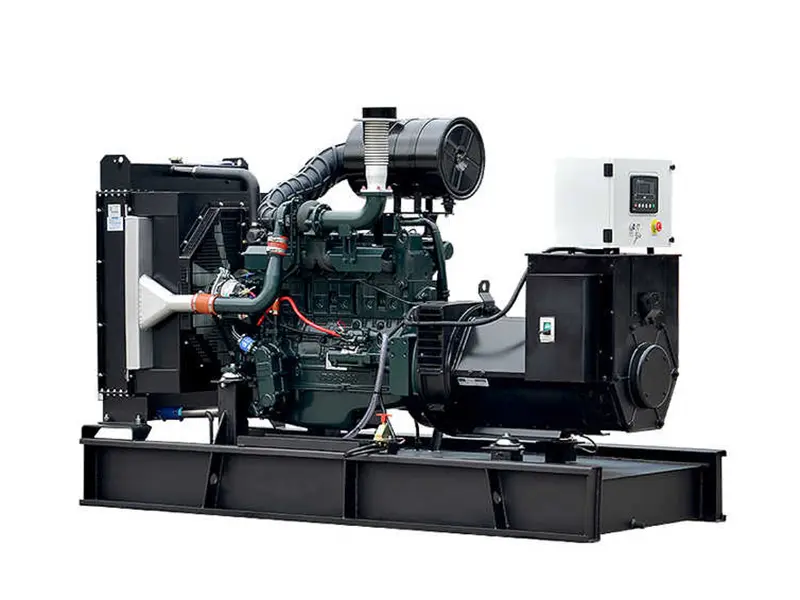 Diesel Generator Sets with Doosan Engines
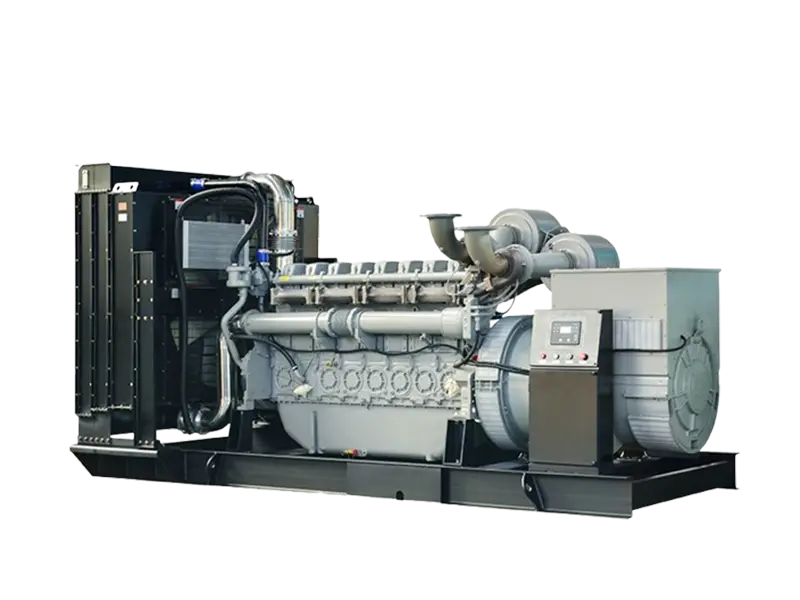 Diesel Generator Sets with Perkins Engines, XHZP Series
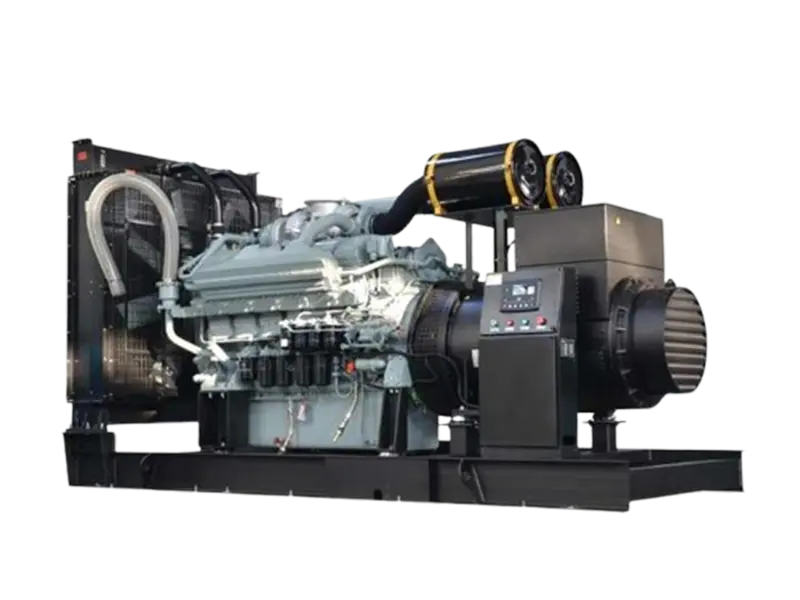 Diesel Generator Sets with Mitsubishi Engines
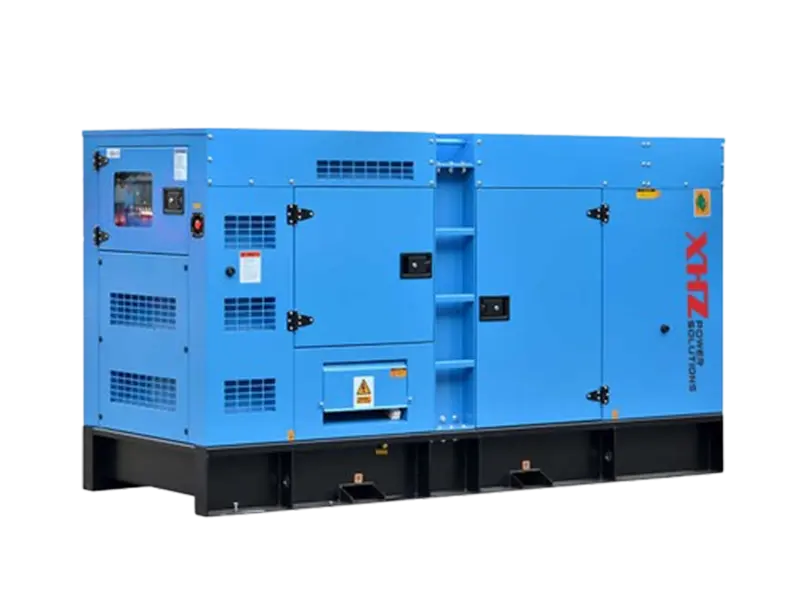 Silent Diesel Generators
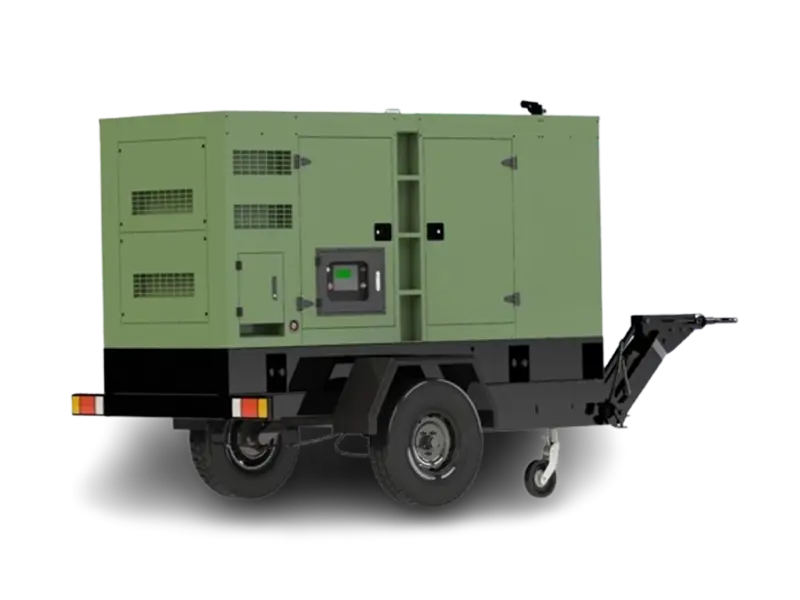 Mobile Silent Diesel Generators
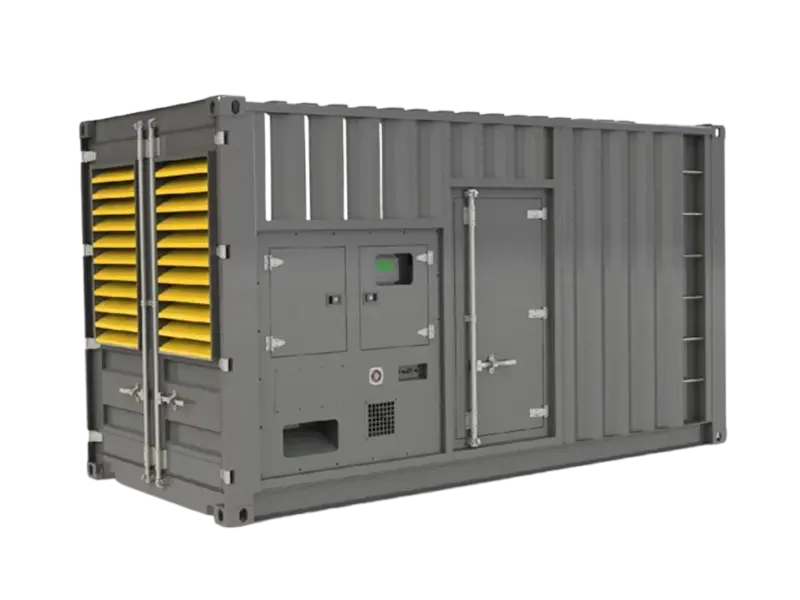 20/40HQ-Standard Container Type Generators