How to Choose the Right Diesel Engine Generator for Your Needs?
Choosing the right diesel engine generator can be a daunting task. With numerous options available, you need to consider various factors to make the best choice. Understanding your specific requirements is crucial. A diesel engine generator can provide reliable power for homes, businesses, and construction sites. However, selecting the ideal one requires careful thought.
Factors such as power output, efficiency, and maintenance play a significant role. You may feel overwhelmed by technical specifications. It’s essential to recognize what you truly need. A generator that works perfectly for one situation may not suit another. Take the time to assess your unique power demands.
Investing in a quality diesel engine generator can offer long-term benefits. Look for trusted brands and consult reliable sources. Aim for generators known for durability and efficiency. Remember, a poor choice could lead to frequent downtime or excessive costs. Thoughtful evaluation can prevent costly mistakes in the future.
Understanding Your Power Requirements for a Diesel Engine Generator
Choosing the right diesel engine generator starts with understanding your power requirements. This step is crucial. Begin by assessing your needs in terms of wattage. Calculate the total wattage needed to support your appliances and equipment. Include both running and startup wattages for an accurate figure. This calculation ensures you select a generator capable of handling your load without strain.
Next, consider the duration for which you need power. Some may require backup for a few hours, while others need a reliable solution for days. This will influence the generator's fuel capacity and efficiency. Analyze how often you will run the generator. Constant use demands a more durable and efficient model. These factors reflect on your budget and maintenance efforts, which can often be overlooked.
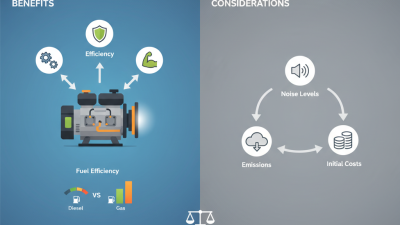
Lastly, reflect on the noise level of the generator. Some models are considerably louder than others. This could be problematic in residential areas or peaceful settings. Comfort during operation is essential. Be mindful of emissions and environmental impacts too. The right choice balances performance, cost, and practicality.
Evaluating Generator Sizing: Calculating Wattage Needs
Calculating wattage needs is crucial when choosing a diesel engine generator. Understanding your power requirements can prevent issues down the road. A 2021 report from Energy.gov highlights that over 70% of generator malfunctions stem from improper sizing. Users often fail to assess all their electrical devices accurately. This oversight can lead to underperformance or even damage to equipment.
To find the right wattage, add together the starting and running wattage of your appliances. Typically, starting wattage is higher, sometimes by 30-50%. For example, a refrigerator may need 800 watts to run but 1600 watts to start. This discrepancy is vital in your calculations. You can find wattage information on appliance labels. Therefore, keeping a comprehensive list of devices is essential.
Consider your future needs as well. Growth in power requirements could necessitate a larger generator. A study by the Electric Power Research Institute indicated that 45% of homeowners expand their power needs within five years. Therefore, adding a safety margin of 20-25% to your total wattage is a prudent choice. Though it might seem excessive, having extra capacity provides flexibility and reliability.
How to Choose the Right Diesel Engine Generator for Your Needs?
| Power Requirement (Wattage) |
Recommended Generator Size (kW) |
Typical Applications |
Fuel Consumption (liters/hr) |
| 2000 - 3000 |
3 - 5 |
Construction Sites, Small Events |
1.2 - 1.5 |
| 5000 - 7000 |
7 - 10 |
Medium Sized Buildings, Medium Events |
2.5 - 3.0 |
| 10000 - 15000 |
15 - 20 |
Large Buildings, Industrial Use |
4.0 - 5.0 |
| 15000 - 20000 |
20 - 25 |
Hospitals, Data Centers |
5.0 - 6.5 |
| 20000+ |
25+ |
Mines, Large Industries |
6.5+ |
Exploring Different Types of Diesel Engine Generators
Choosing the right diesel engine generator requires understanding the types available on the market. There are portable generators, which are versatile and suitable for small-scale applications. These generators often provide a reliable source of power for construction sites or outdoor events. They are easy to transport and can be used in remote locations.
On the other hand, industrial generators are designed for larger operations. They offer higher power outputs and are built to endure heavy usage. These generators often come with advanced features for monitoring and maintenance. However, they can be more complex to operate and may require specialized knowledge to maintain efficiently. It's important to match the generator’s capacity with the intended application to avoid overloading or inefficiencies.
Another type includes standby generators, which are perfect for residential use. They automatically kick in during power outages. This can provide peace of mind, but installation can be costly. Consider factors such as fuel efficiency, noise level, and space requirements when choosing a generator. You may encounter challenges in balancing power needs with fuel consumption. It's essential to reflect on your specific requirements before making a decision.
Assessing Budget and Cost Considerations for Diesel Generators
When considering a diesel engine generator, budget plays a crucial role. Diesel generators can vary significantly in price, influenced by power output, features, and brand. It’s essential to assess your financial limits early in the decision-making process. This will help narrow down your options effectively.
When evaluating costs, remember to factor in operational expenses. Diesel fuel prices can fluctuate, impacting long-term budgeting. Additionally, consider maintenance costs. Regular servicing is needed to keep the generator running smoothly. Neglecting this can lead to higher expenses over time due to potential repairs.
Ensure you do thorough research before making a purchase. Compare different models, focusing on their specifications and efficiency ratings. It may also be wise to consult with industry experts or professionals who can provide insights based on experience. They can guide you through potential pitfalls.
Budgeting isn’t just about the initial price tag. Namely, think about your specific needs and future power demands. Sometimes, spending slightly more on a more efficient generator can lead to savings in fuel costs. Look beyond the upfront costs to make a wise investment.
Reviewing Maintenance and Durability Factors in Diesel Generators
When selecting a diesel engine generator, maintenance and durability are critical factors. Regular maintenance extends a generator's life, making it a reliable power source. Studies show that well-maintained generators can last up to 20,000 hours, while neglected ones may only reach 5,000 hours. Routine checks like oil changes and filter replacements are essential.
Durability is equally vital, especially in harsh environments. Diesel generators are built to withstand extreme temperatures and vibrations. According to a recent industry report, generators that meet or exceed specified durability standards have a significantly lower failure rate. Choosing a generator with a robust casing and superior components can protect it from environmental stressors.
However, not all generators are created equal. Some models may require more frequent maintenance than others. It is crucial to evaluate the manufacturer’s guidelines for service intervals. While many units boast long lifespans, potential buyers should investigate the overall reliability ratings. A generator may appear durable on paper, but real-world performance tells a different story. Understanding both maintenance needs and durability can guide you to the right decision.
Diesel Engine Generator Maintenance and Durability Comparison

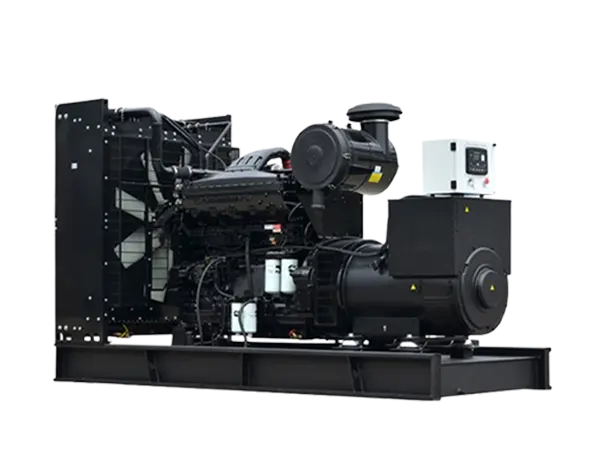 Diesel Generator Sets with Cummins Engines, XHZC Series
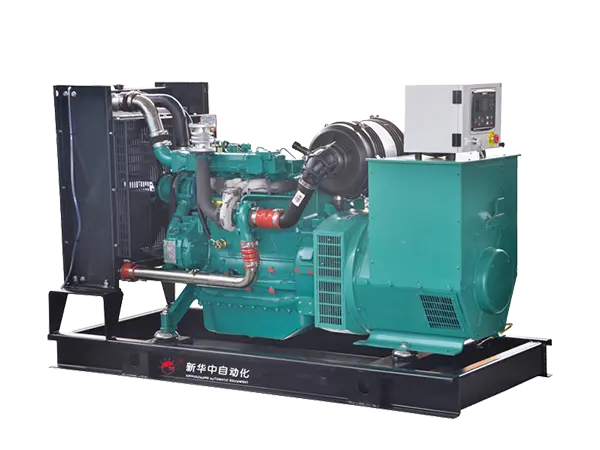 Weichai Series
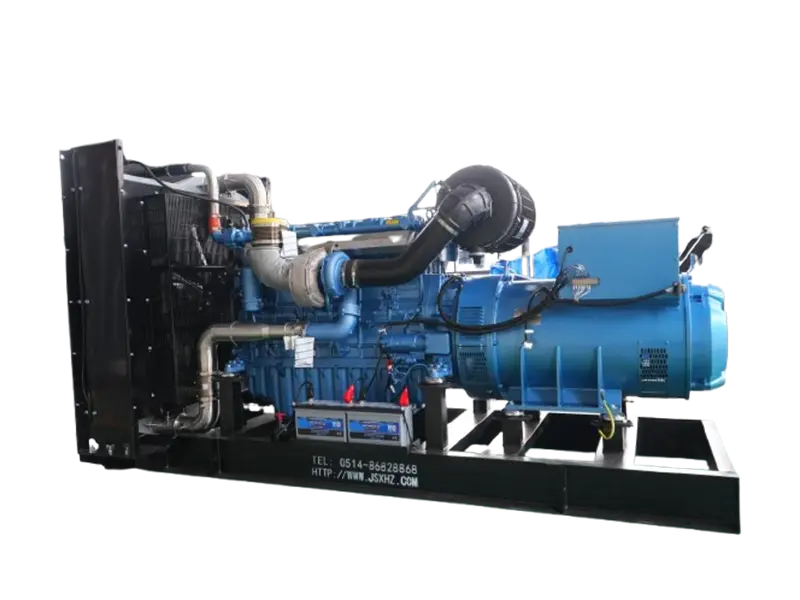 Diesel Generator Sets with WEICHAI Engines, XHZW Series
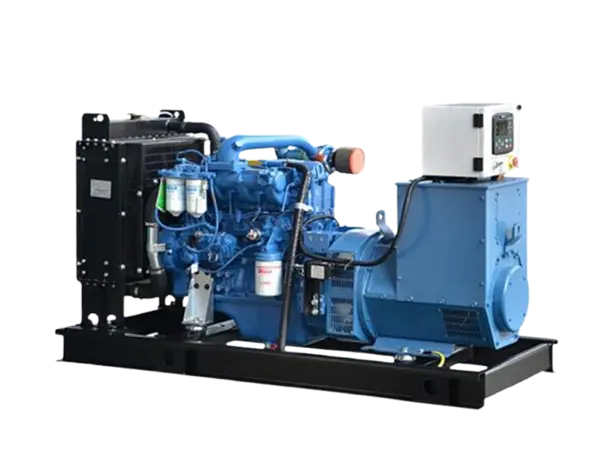 Yuchai Series
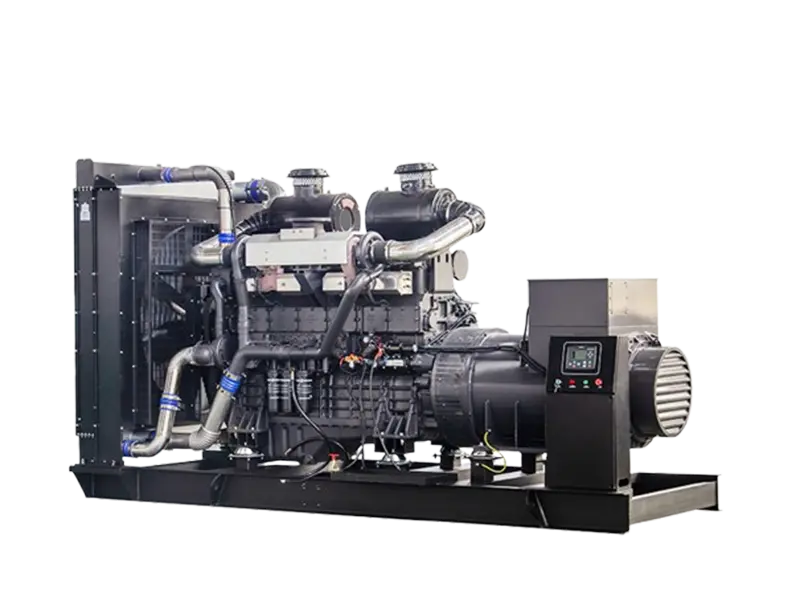 Diesel Generator Sets with SDEC(SHANGCHAI) Engines, XHZS Series
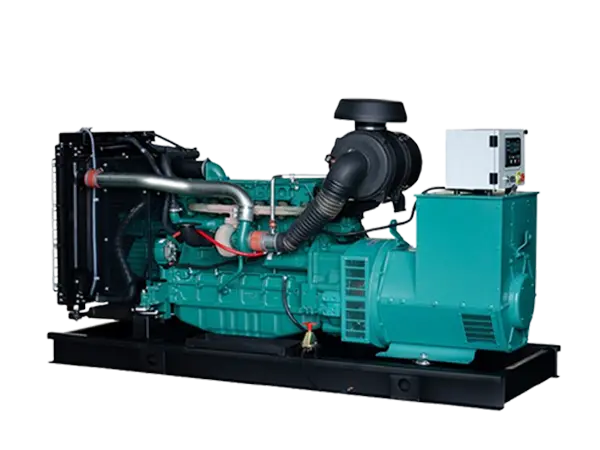 Volvo Series
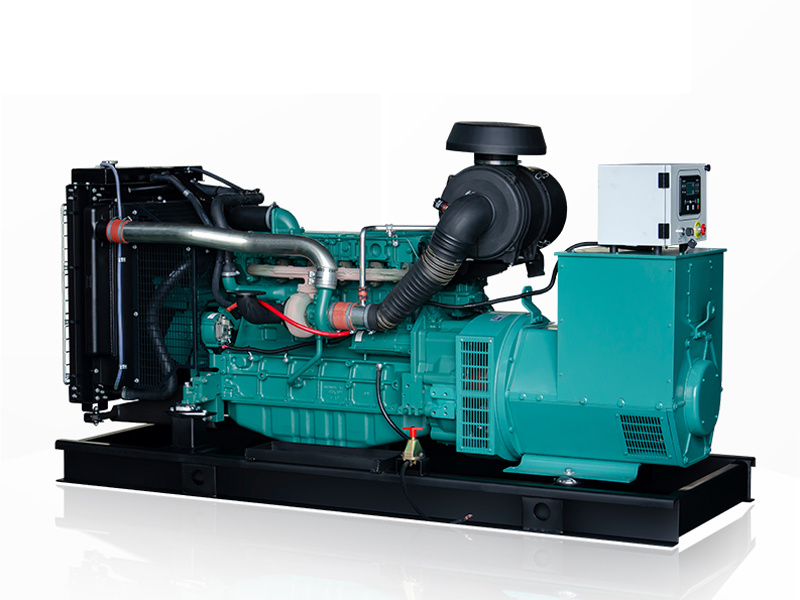 Diesel Generator Sets with VOLVO Engines, XHZV Series
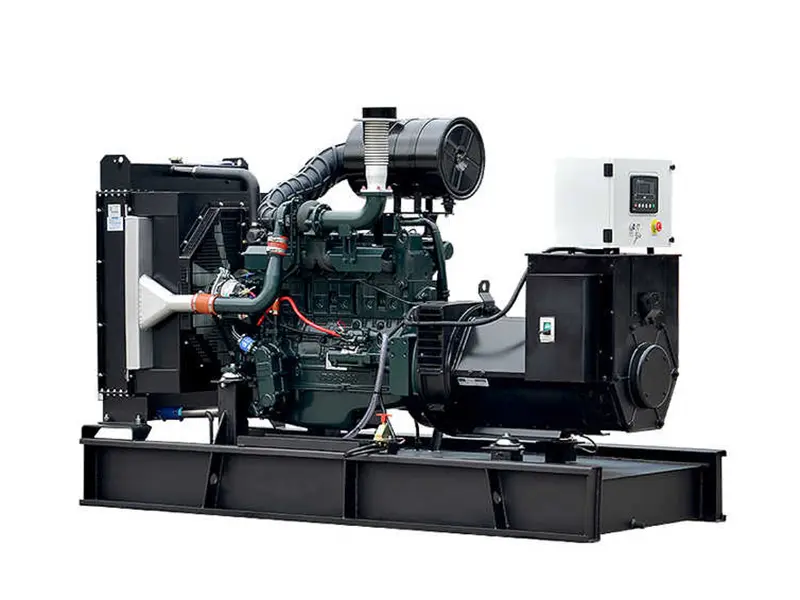 Diesel Generator Sets with Doosan Engines
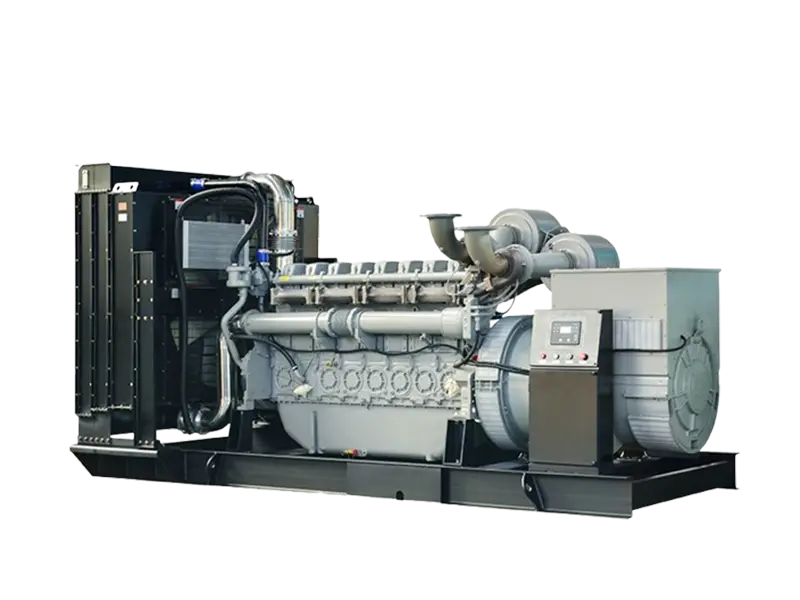 Diesel Generator Sets with Perkins Engines, XHZP Series
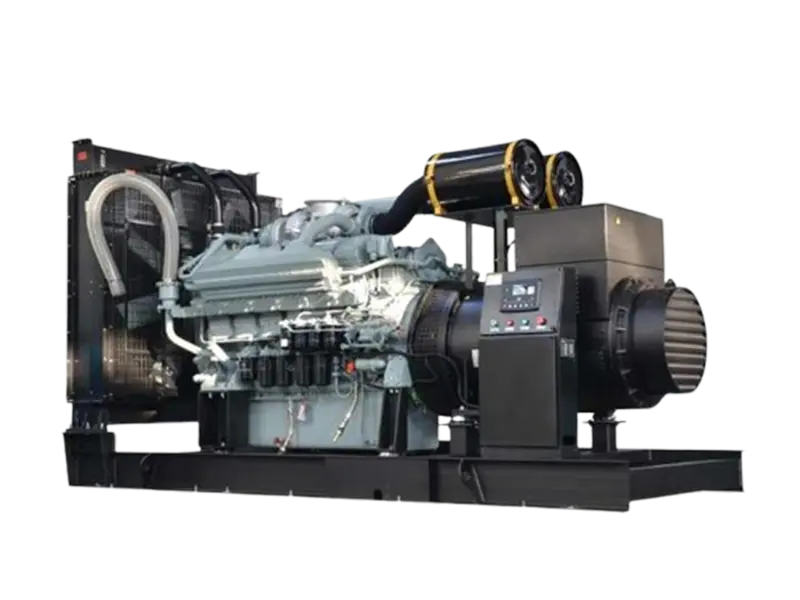 Diesel Generator Sets with Mitsubishi Engines
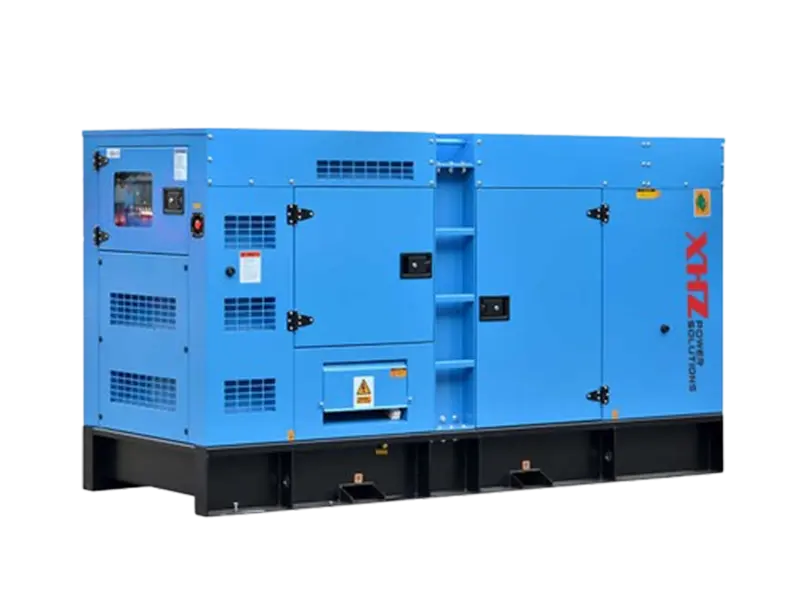 Silent Diesel Generators
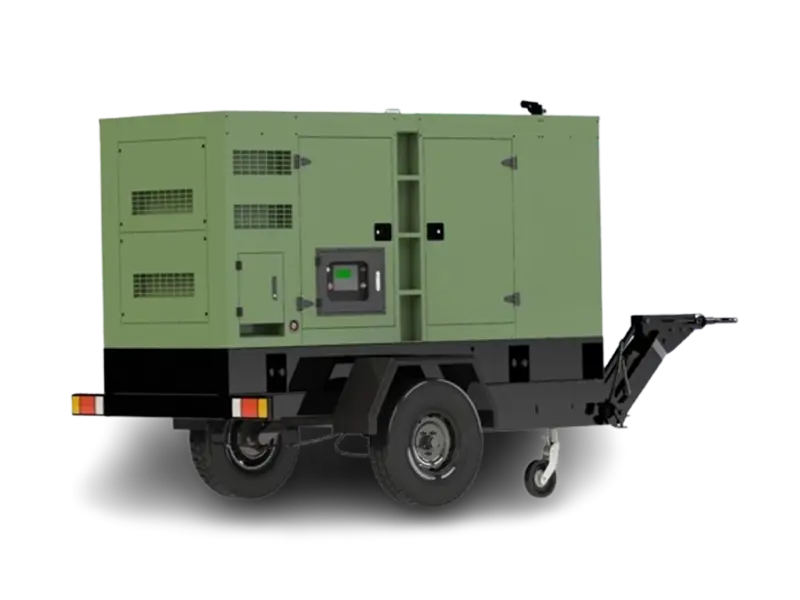 Mobile Silent Diesel Generators
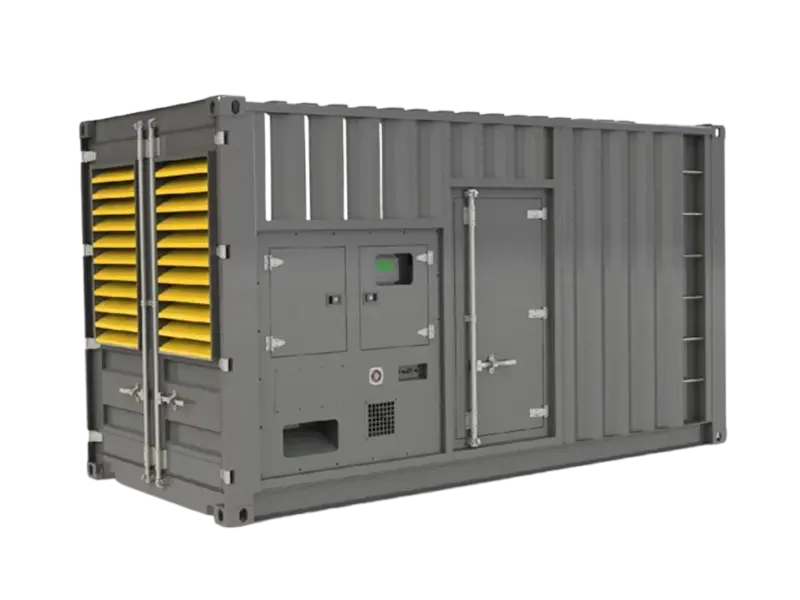 20/40HQ-Standard Container Type Generators