2026 How to Choose the Best Diesel Backup Generator for Your Needs?
Choosing the right Diesel Backup Generator is critical. A reliable generator can provide peace of mind during power outages. Understanding your specific needs is essential in this decision.
There are many factors to consider. Consider the generator's power output, runtime, and fuel efficiency. Each of these traits affects performance during emergencies. It's not just about capacity; the generator's design impacts placement and maintenance.
Reflection is necessary when selecting. Assess how often power outages occur in your area. Think about the devices you need to power. The right Diesel Backup Generator can ensure safety and comfort when you need it most.
Understanding Your Power Needs for a Diesel Backup Generator
When it comes to selecting a diesel backup generator, understanding your power needs is crucial. Start by calculating the total wattage of the appliances and systems you want to support. This includes lights, HVAC systems, refrigerators, and critical medical equipment. It's easy to overlook everyday items. For example, a single air conditioner can consume a significant amount of power. Ensure you assess both starting and running watts for accurate measurements.
Next, consider how long you need the generator to run. Some scenarios may require an extended power supply. A reliable generator should provide enough fuel capacity for your expected usage. Don't forget about portability. If you need to move the generator for different purposes, it should feature wheels or a compact design. It's essential to evaluate your space as well. A small area may limit generator size or ventilation options. Take your time to ensure every detail fits your unique situation.
Power Needs Analysis for Diesel Backup Generators
This chart illustrates the power requirements of common household appliances that you may need to consider when selecting a diesel backup generator. Ensure your generator can handle the total wattage of the appliances you intend to power during an outage.
Key Features to Consider in Diesel Backup Generators
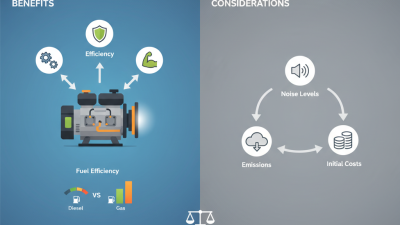
When choosing a diesel backup generator, consider key features that meet your specific needs. The power output is crucial. Look for generators that provide enough wattage for your essential devices. According to the U.S. Department of Energy, most homes require between 5,000 to 7,000 watts during a power outage.
Fuel efficiency is another important factor. A more efficient generator can run longer on less fuel. Reports indicate that some high-quality diesel generators can operate for over 8,000 hours without major maintenance. This can lead to significant savings over time. Additionally, durability and build quality are essential. Generators should withstand harsh conditions and provide reliable performance.
Noise levels deserve attention as well. Many generators produce over 70 decibels, which could be disruptive. Choosing a quieter model can improve your comfort during usage. Some users may find the noise levels unexpectedly high, prompting reconsideration of their choice. Always prioritize reliable features to avoid regret later. Essential functionalities, such as automatic start and load management, should also be taken into account. Make informed decisions to ensure your investment meets your needs effectively.
2026 How to Choose the Best Diesel Backup Generator for Your Needs? - Key Features to Consider in Diesel Backup Generators
| Feature |
Description |
Importance |
Typical Range |
| Power Output |
Measure of the generator's capability to produce electricity. |
Essential |
5kW to 50kW |
| Fuel Efficiency |
How much fuel the generator consumes during operation. |
Important |
0.5 to 1.5 L/kWh |
| Noise Level |
The sound produced by the generator during operation. |
Moderate |
60 to 75 dB(A) |
| Runtime |
Duration the generator can run on a full tank of fuel. |
Crucial |
8 to 24 hours |
| Portability |
Ease of transporting the generator. |
Useful |
Weight varies (50 to 300 lbs) |
| Control Panel |
User interface for controlling the generator. |
Important |
Basic to advanced (digital displays) |
Evaluating Fuel Efficiency and Runtime of Diesel Generators
When selecting a diesel backup generator, evaluating fuel efficiency and runtime is essential. Fuel efficiency determines how long your generator can run under specific loads. A generator that consumes less fuel for the same output provides better value, particularly during extended power outages. Consider models with advanced fuel-saving technologies that maintain performance while minimizing consumption.
Runtime is another critical factor. It refers to how long the generator can run before needing a refill. Longer runtimes mean less frequent interruptions. Be aware that runtime can vary based on load conditions. A diesel generator may run longer at lower loads. However, increased demand for power can significantly reduce runtime. Conducting tests or obtaining real-world usage data can provide insights.
Assessing these factors requires careful consideration. You might find that a generator with excellent fuel efficiency does not meet your needs in terms of runtime. Balancing these criteria can be tricky. Think about your unique power requirements. Making informed decisions based on thorough research ensures that you choose the right generator for your situation. Failure to evaluate these aspects may lead to unexpected challenges during critical outages.
Assessing Noise Levels and Safety Features
When selecting a diesel backup generator, noise levels are a crucial factor. Generators can produce significant sound, disrupting your environment. A model with a noise level of around 60 dB is ideal for residential areas. Some generators have soundproofing features that can minimize this issue. Look for decibel ratings indicating quieter models.
Safety features should not be overlooked. Many generators include automatic shut-off systems, preventing dangerous situations. Carbon monoxide detectors can also enhance safety, especially in enclosed spaces. Regular maintenance checks ensure that all safety features remain functional. It's vital to assess how easy it is to access these safety components for upkeep.
Ignoring noise levels and safety features can lead to regret. You might choose a quieter model but sacrifice power output. Alternatively, a powerful generator may be too loud for comfort. Always consider your specific needs and environment before making a decision. Think about the mix of performance and safety. Balancing these factors is key to selecting the right generator for your circumstances.
Budgeting and Comparing Diesel Generator Brands and Models
When selecting a diesel backup generator, budgeting is crucial. Diesel generators can range from $2,000 to over $10,000 based on size and features. A detailed budget helps distill the available options. Consider not just the initial cost, but also long-term expenses such as maintenance and fuel. Reports indicate that maintenance costs can be up to 20% of the initial purchase price annually.
Comparing brands and models requires understanding specifications. Look for fuel efficiency, power output, and noise levels. Some units are designed for rugged use, while others offer quieter operation suitable for residential areas. Make use of industry reviews and consumer reports to gather expert opinions. A well-informed choice can lead to better performance and satisfaction.
It’s important to reflect on what you truly need. Is high power output critical for your operations, or is quiet operation a priority? Diverse needs will yield varying results. Some brands might excel in durability, but lack concise customer support. Identifying such trade-offs will ensure you make a wise investment.

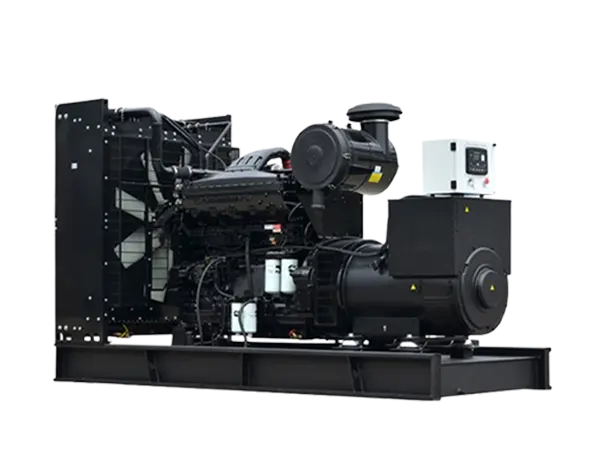 Diesel Generator Sets with Cummins Engines, XHZC Series
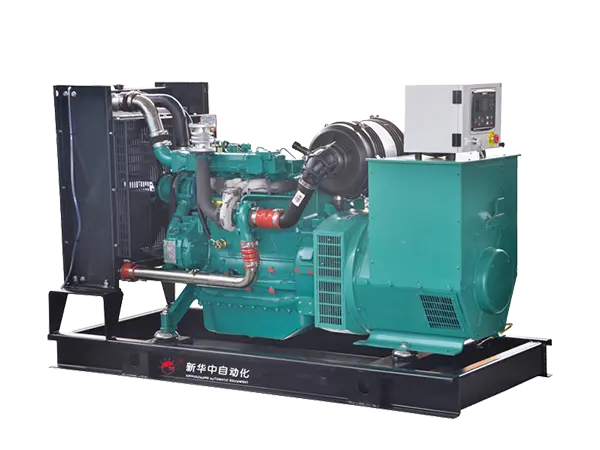 Weichai Series
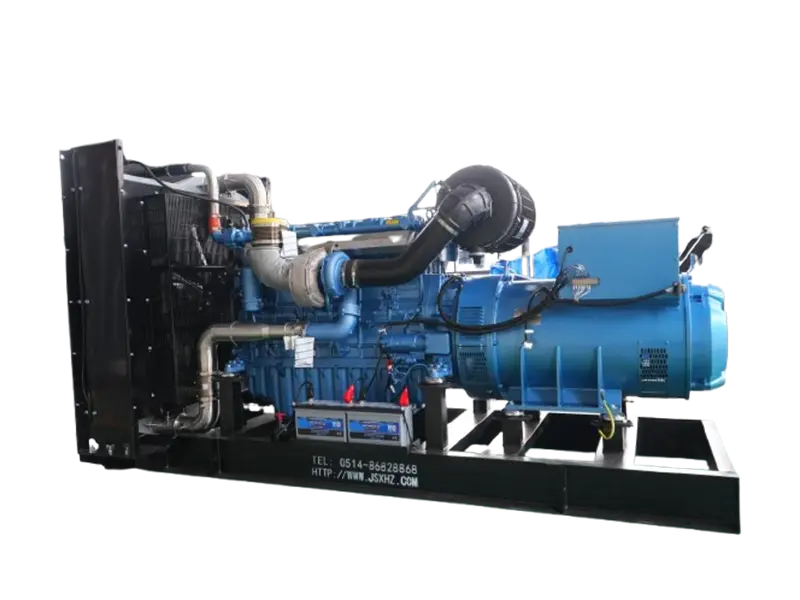 Diesel Generator Sets with WEICHAI Engines, XHZW Series
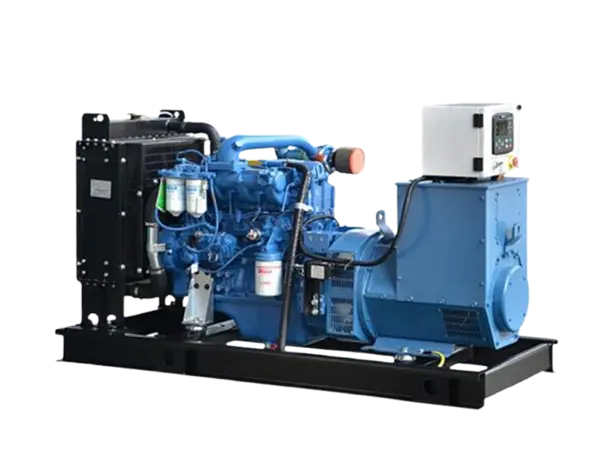 Yuchai Series
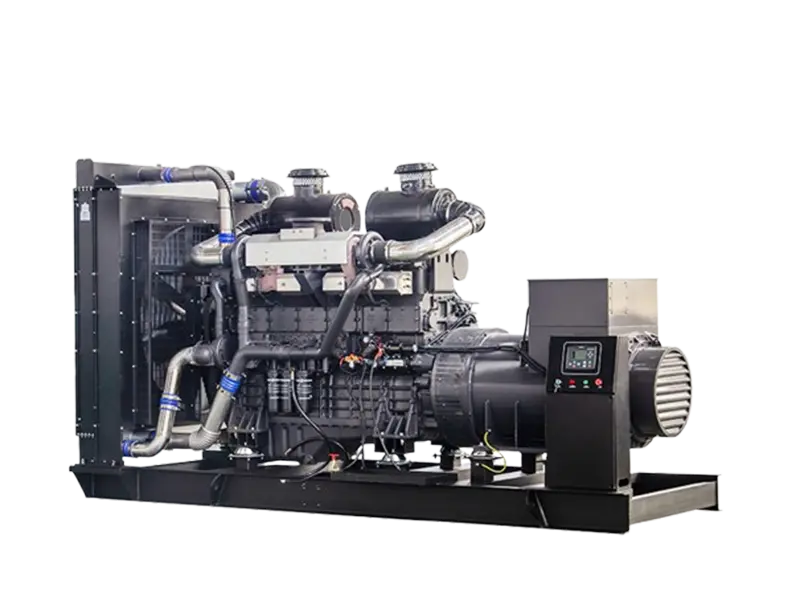 Diesel Generator Sets with SDEC(SHANGCHAI) Engines, XHZS Series
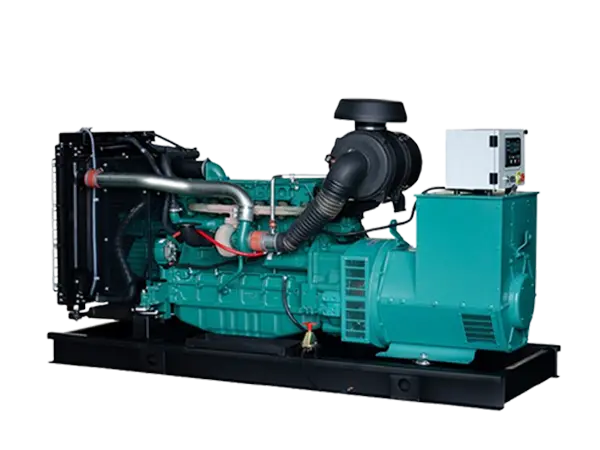 Volvo Series
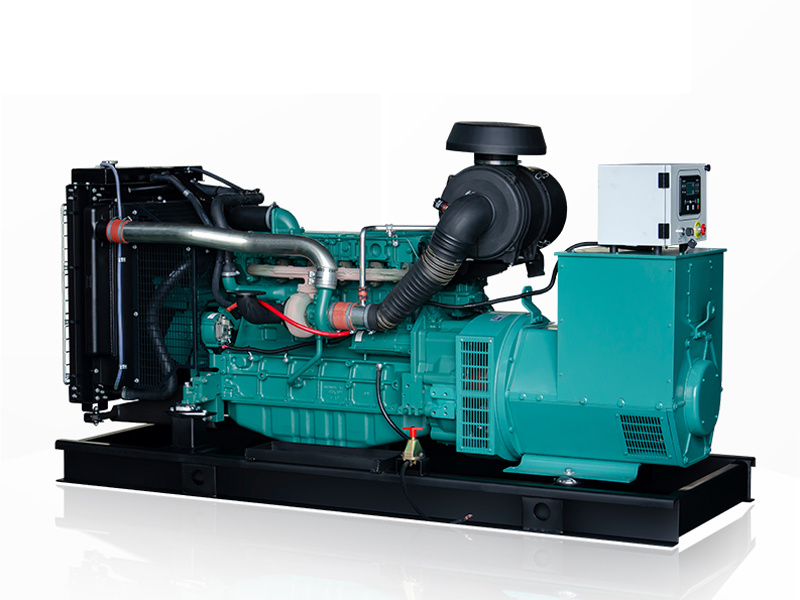 Diesel Generator Sets with VOLVO Engines, XHZV Series
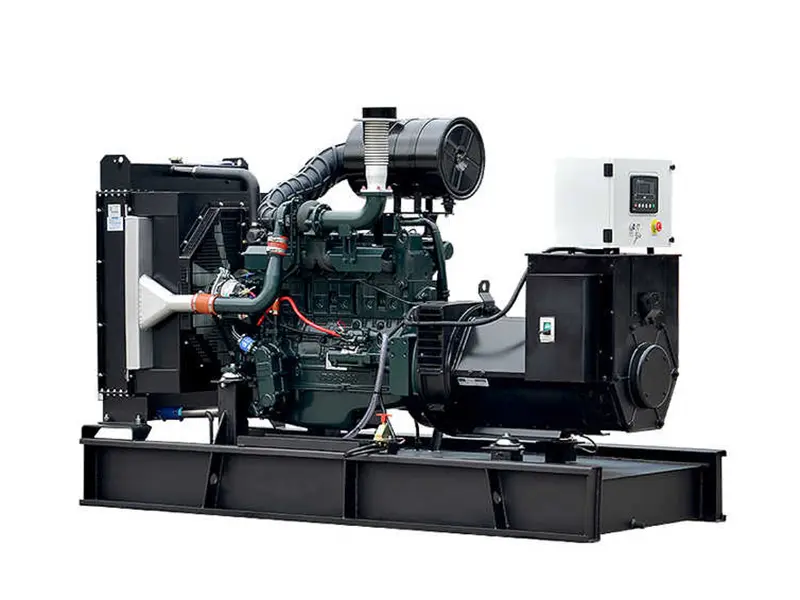 Diesel Generator Sets with Doosan Engines
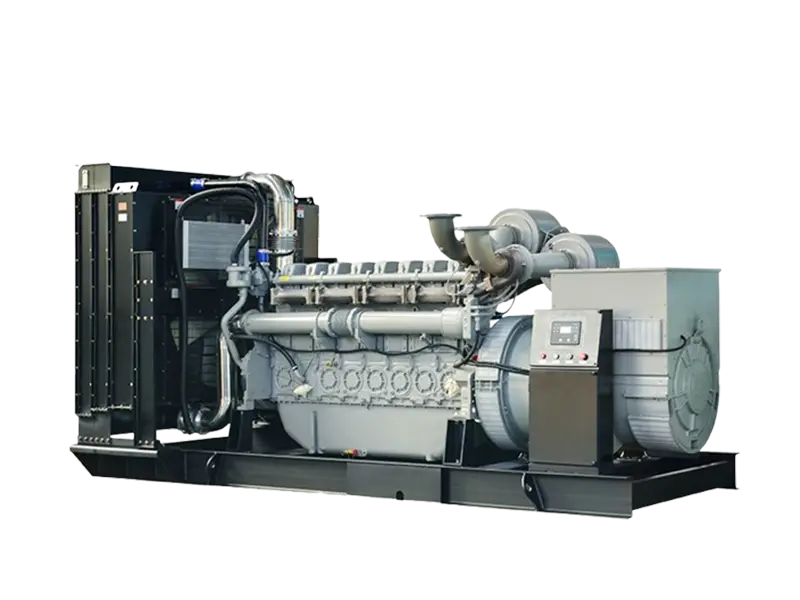 Diesel Generator Sets with Perkins Engines, XHZP Series
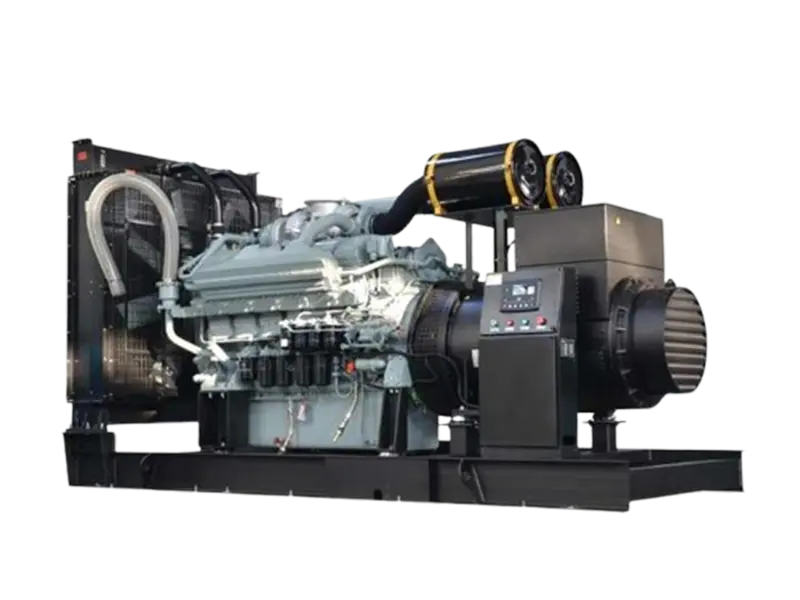 Diesel Generator Sets with Mitsubishi Engines
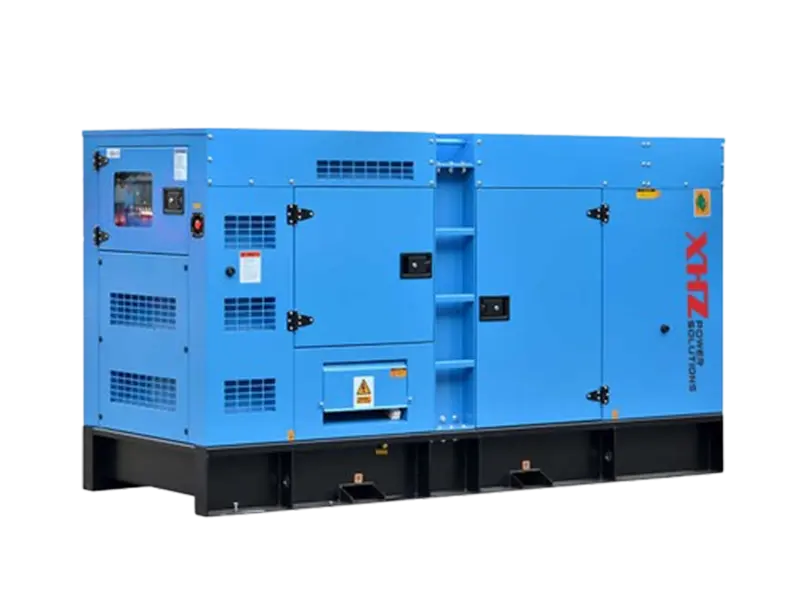 Silent Diesel Generators
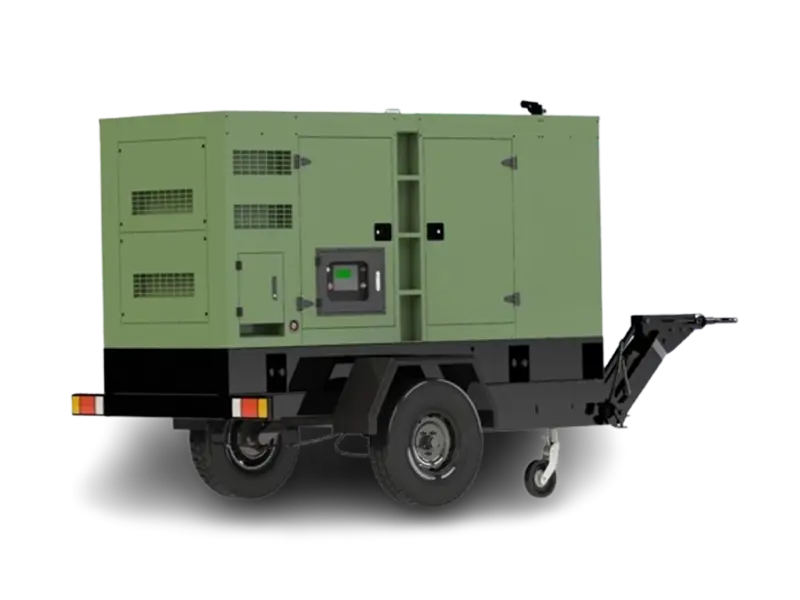 Mobile Silent Diesel Generators
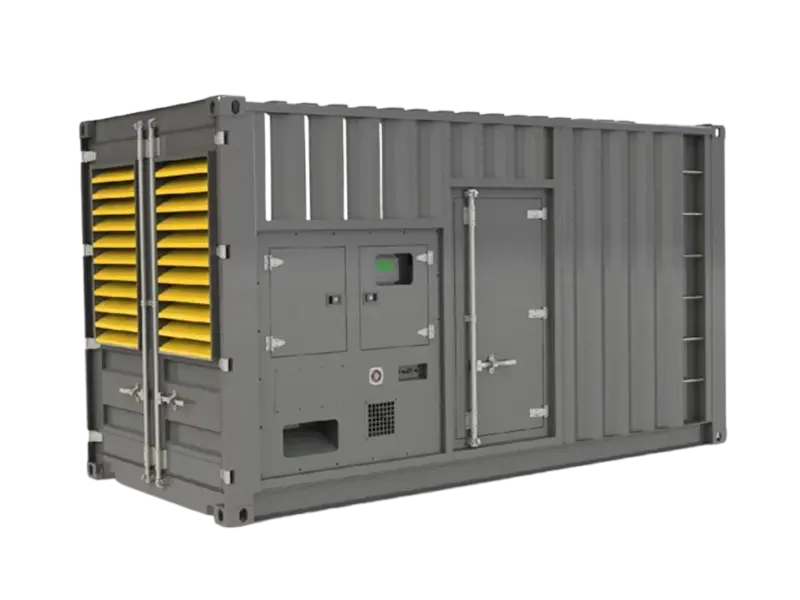 20/40HQ-Standard Container Type Generators