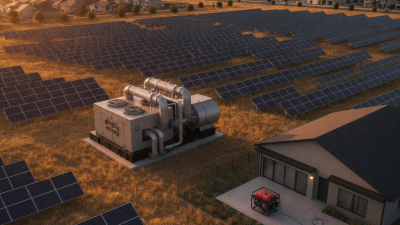
How to Choose the Best Project Power Generators for Your Needs?
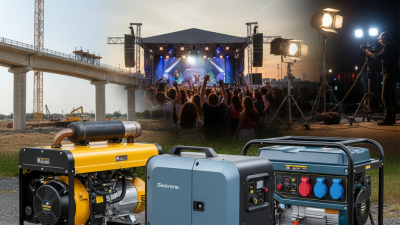
Choosing the right Project Power Generators is crucial for any endeavor. Whether for construction, events, or remote locations, having a reliable generator can make a significant difference. These machines provide the energy necessary to keep projects on track and ensure productivity.
When selecting Project Power Generators, several factors must be considered. The size and power capacity should match your specific needs. A generator that is too small can lead to delays and inefficiencies. On the other hand, oversized units can waste fuel and resources.
Understanding fuel types and emissions is equally important. Diesel generators often offer greater efficiency, while gas models may be quieter and cleaner. Each choice has its trade-offs, affecting overall project costs. Assessing your requirements and researching reputable brands helps ensure a wise investment. Balancing power needs with budget constraints can be a challenge, but it is essential for project success.
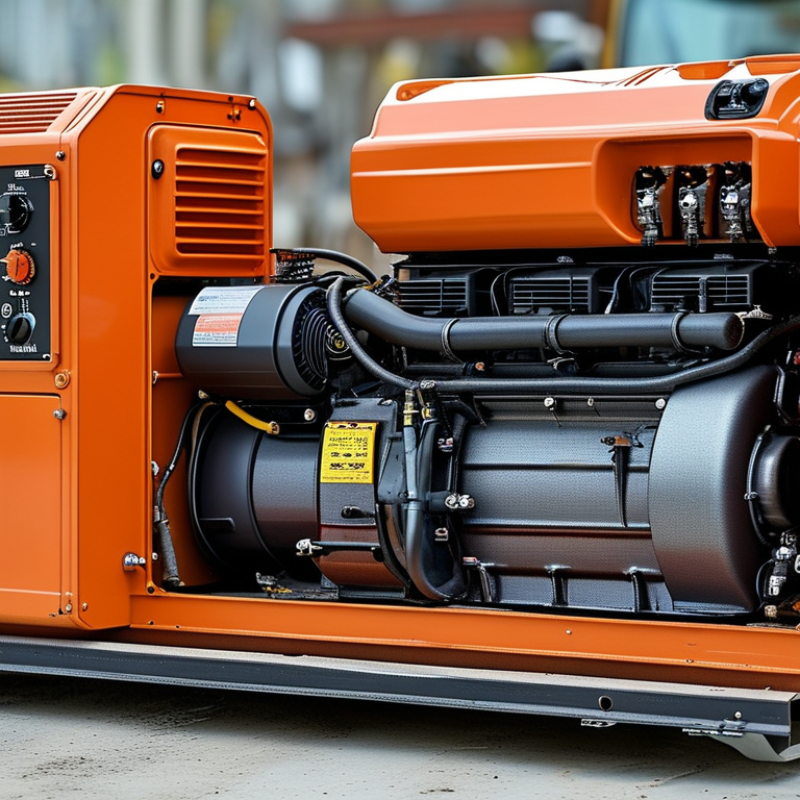
Factors to Consider When Choosing Project Power Generators
Choosing the right power generator for your project involves several critical factors. Understanding your power requirements is essential. Conduct a thorough assessment of the wattage you need. According to industry data, 68% of project managers report failures due to inadequate power supply. An accurate estimation can save you time and resources.
Fuel type is another crucial factor. Diesel generators are known for their efficiency and longevity, while gas options can be more environmentally friendly. A report from the Energy Information Administration indicates diesel generators can operate for longer periods without refueling. However, they can be more costly to maintain.
Portability may also be necessary, especially for construction sites. A generator that is easy to transport can greatly enhance productivity. Furthermore, consider the noise level, as some projects require quieter operation. Many generators produce noises above 75 dB, which can impact surrounding areas. Balancing power needs with these factors leads to informed decision-making.
When selecting generators, always reassess your choices. Adaptability to varying project demands can be a game-changer. Consider your options carefully to ensure reliability across different conditions.
Types of Power Generators Suitable for Various Projects
When selecting a power generator for your project, understanding the different types available is essential. Generators can be categorized into portable, standby, and inverter units. Portable generators are versatile and ideal for outdoor events. They typically range from 1,000 to 10,000 watts, making them suitable for small tools and appliances. According to the U.S. Energy Information Administration, 40% of Americans use portable generators for home backup during outages.
Standby generators offer a more permanent solution. They can automatically engage during power failures. These units are capable of powering an entire home or commercial space. Their output usually ranges from 5,000 to 50,000 watts. Although they require a higher initial investment, they are reliable for long-term use, particularly in areas prone to severe weather. The National Electrical Code suggests considering local regulations when installing these systems.
Inverter generators are notably quieter and more fuel-efficient. They produce clean power, making them a safe choice for sensitive electronics. Their wattage typically lies between 1,000 to 4,000 watts. The National Renewable Energy Laboratory highlights that inverter models can be more eco-friendly due to lower emissions. However, their lower output means they may not suffice for larger projects. It's crucial to evaluate the specific power requirements based on your project's nature and location.
Evaluating Generator Power Output for Your Specific Needs
Choosing the right generator power output is crucial for meeting your specific needs. Start by identifying the total wattage required for your essential appliances. List the devices you plan to run. Include items like refrigerators, lights, and tools. Each device consumes a different amount of power. Total these values to determine your baseline needs.
Consider the starting watts versus running watts. Some appliances, like air conditioners, require extra power to start. This is known as surge power. It’s essential to account for this in your calculations. A generator should have a power output that exceeds your total wattage requirements. It provides a buffer for those surges.
Assess the environment where you'll use the generator. Are you in a remote area or an urban setting? Noise levels matter. Some generators produce more sound than others. If you're hosting outdoor events, a quieter model is preferable. This can impact your choices significantly. Don't just focus on raw power; reliability and practicality are vital.
How to Choose the Best Project Power Generators for Your Needs? - Evaluating Generator Power Output for Your Specific Needs
| Generator Type |
Power Output (kW) |
Fuel Type |
Run Time (Hours) |
Suitable Applications |
| Portable Generator |
3 - 7 |
Gasoline |
10 - 15 |
Camping, Tailgating |
| Home Standby Generator |
7 - 15 |
Natural Gas |
Continuous |
Home Backup Power |
| Inverter Generator |
1 - 3 |
Gasoline |
6 - 12 |
Sensitive Electronics |
| Construction Generator |
10 - 50 |
Diesel |
24 - 48 |
Construction Sites |
| Solar Generator |
1 - 3 |
Solar Power |
Depends on Sunlight |
Eco-Friendly Use |
Portability and Durability: Key Features of Project Generators
When choosing a project generator, two vital features stand out: portability and durability. Portability ensures you can easily transport the generator to various job sites. A lightweight design and compact build facilitate quick setup and relocation. Look for models with sturdy handles and wheels. Not all models are easy to maneuver, so consider your unique working environment.
Durability is equally crucial. Generators face harsh conditions, from rain to dust. Selecting a unit with robust casing is essential. Weather-resistant features can prolong its lifespan significantly. However, not all manufacturers test this rigorously. Researching user reviews can provide insights into real-world durability. Some users report issues after only a few months.
Investing in a generator that combines both portability and durability is challenging. It's essential to strike a balance. Prioritizing one over the other may not meet your project's needs. Evaluate the typical environments you'll work in. Factor in how much you’ll need to move the generator. Taking these aspects into account helps in making a sound decision.
Budgeting for Purchase and Maintenance of Power Generators
When budgeting for power generators, it's vital to consider both
initial purchase costs and ongoing maintenance expenses. Industry reports indicate that the average cost of a portable generator can range from
$300 to $2,000. Higher wattage models, suitable for larger projects, may push costs beyond $5,000. This financial commitment requires careful planning to prevent overspending.
Maintenance is another critical factor. Generators generally require servicing every 100-200 hours of operation, depending on usage. Routine maintenance can cost about $100 to $300 per service call.
Neglecting maintenance can lead to costly repairs, sometimes exceeding several thousand dollars. A recent survey found that 30% of generator owners overlooked regular servicing, leading to unexpected failures and expenses.
Tackling these costs necessitates realistic budgeting. It’s not solely about purchasing the right generator; ongoing operational costs can be just as significant. Proper budgeting should account for
fuel, maintenance, and unexpected repairs. A thorough analysis can help prevent financial stress down the line. Always remember, investing in quality equipment and maintenance is ultimately more
more economical than frequent repairs.

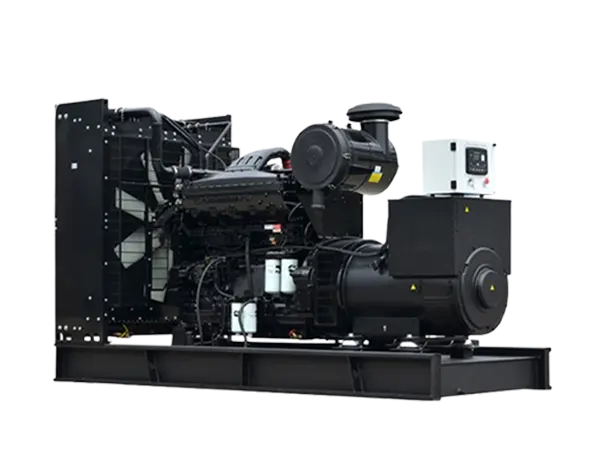 Diesel Generator Sets with Cummins Engines, XHZC Series
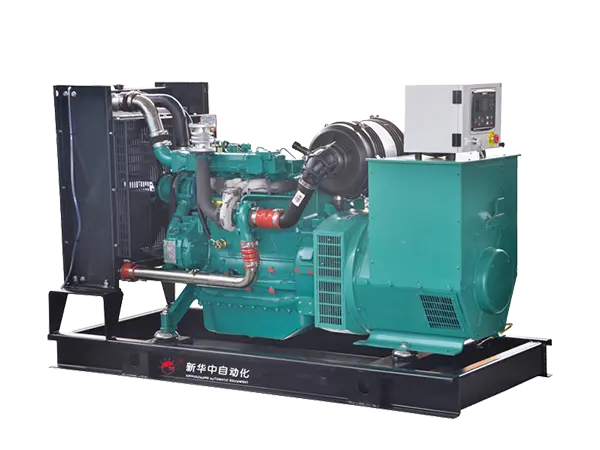 Weichai Series
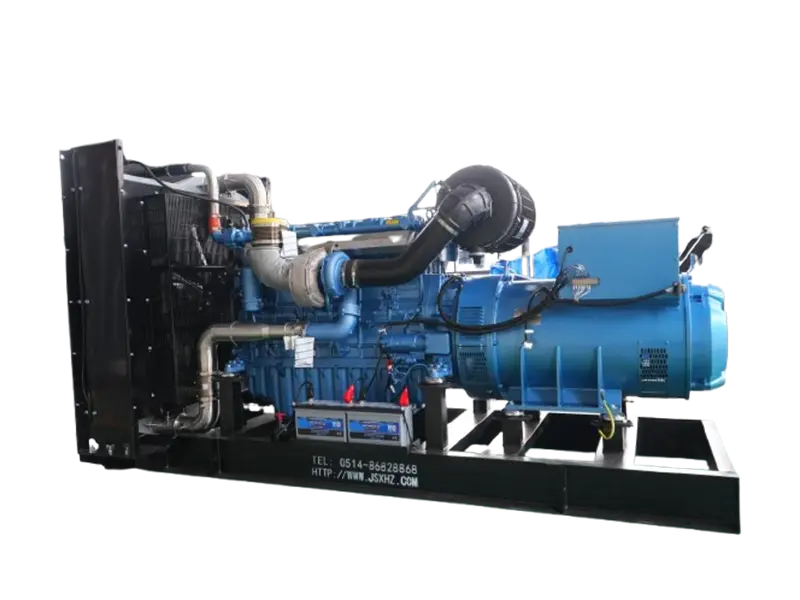 Diesel Generator Sets with WEICHAI Engines, XHZW Series
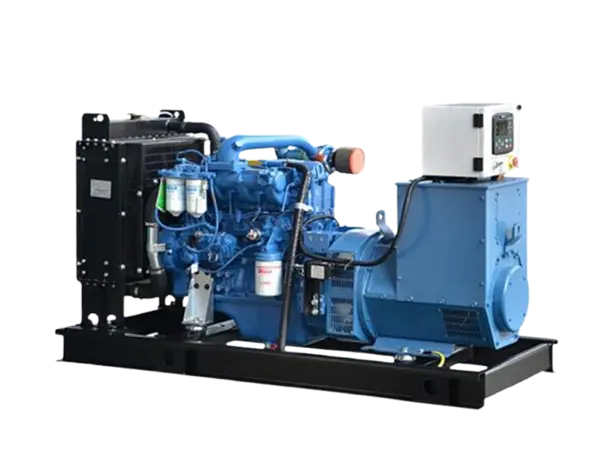 Yuchai Series
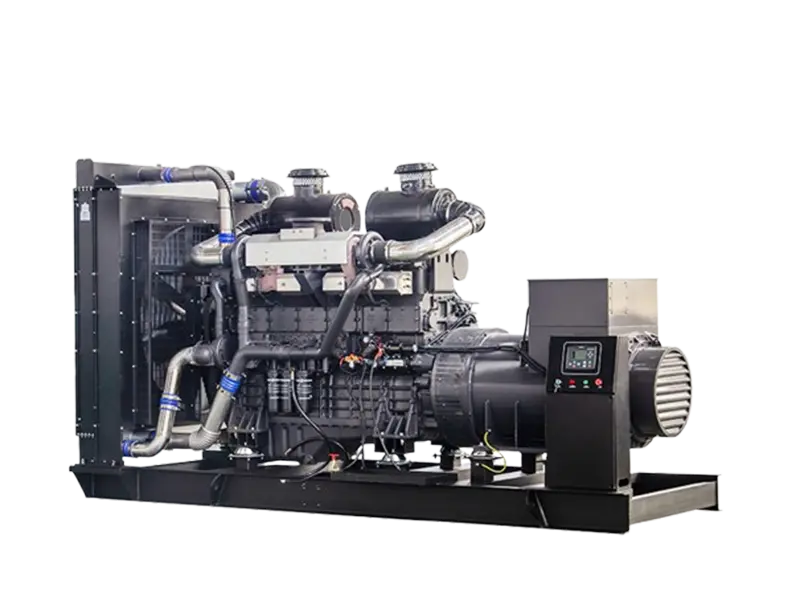 Diesel Generator Sets with SDEC(SHANGCHAI) Engines, XHZS Series
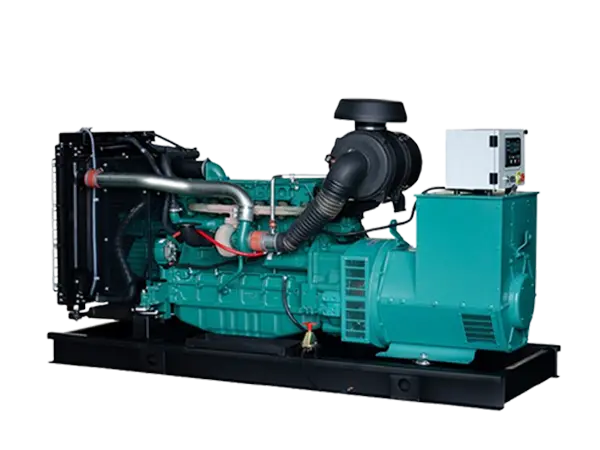 Volvo Series
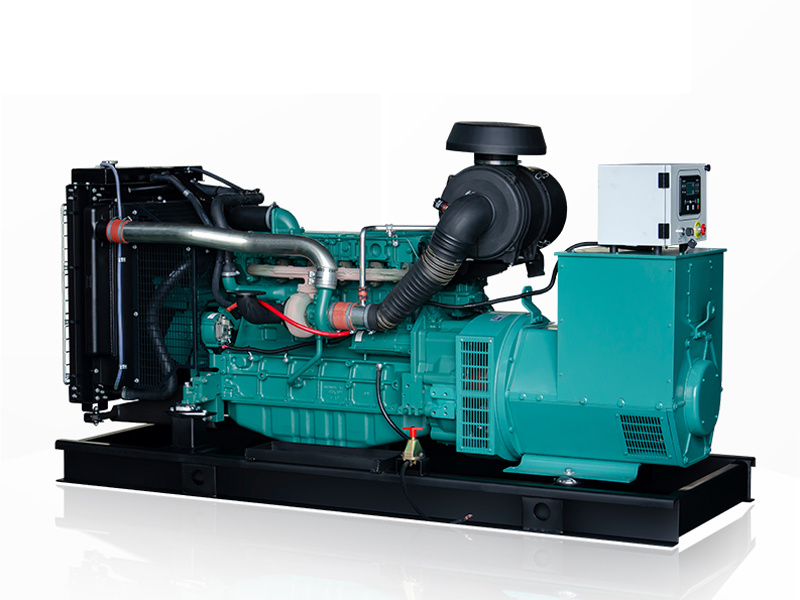 Diesel Generator Sets with VOLVO Engines, XHZV Series
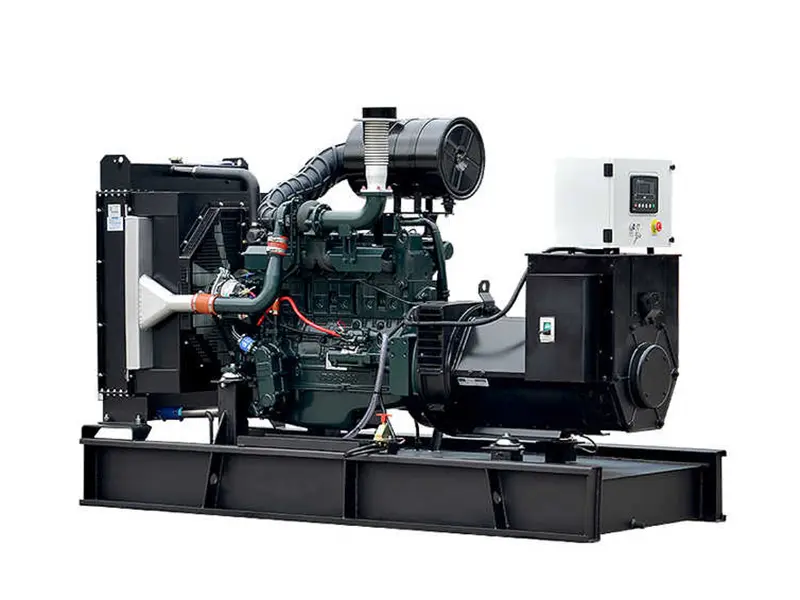 Diesel Generator Sets with Doosan Engines
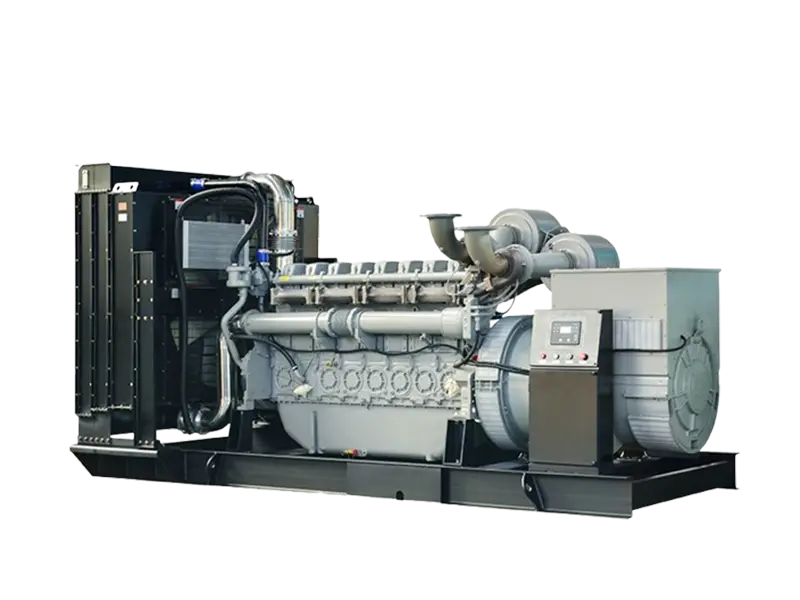 Diesel Generator Sets with Perkins Engines, XHZP Series
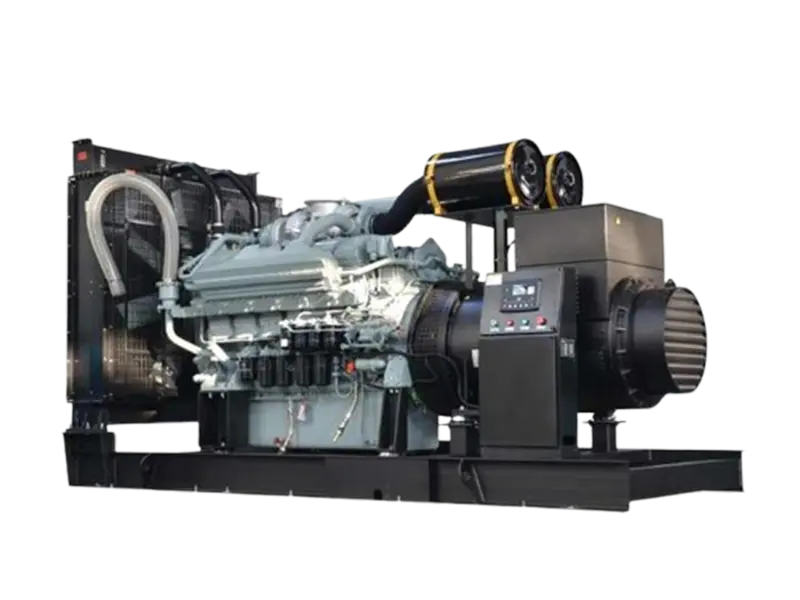 Diesel Generator Sets with Mitsubishi Engines
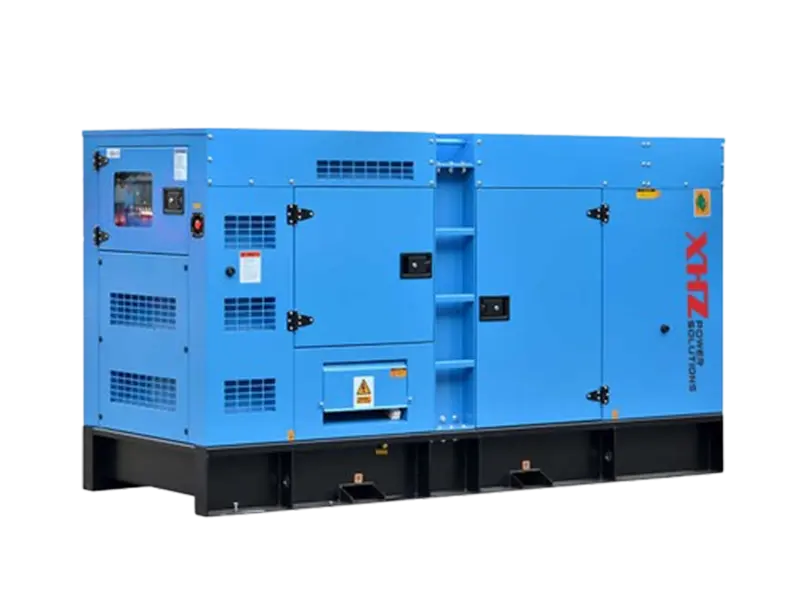 Silent Diesel Generators
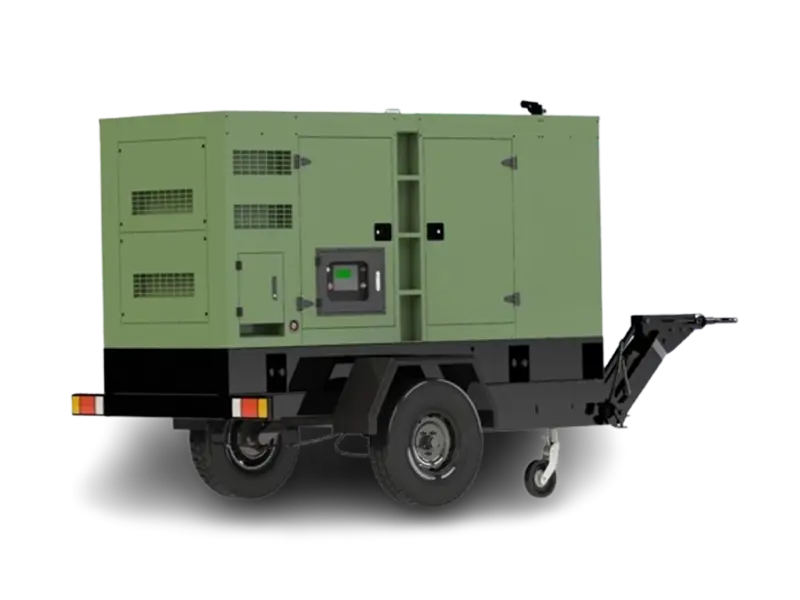 Mobile Silent Diesel Generators
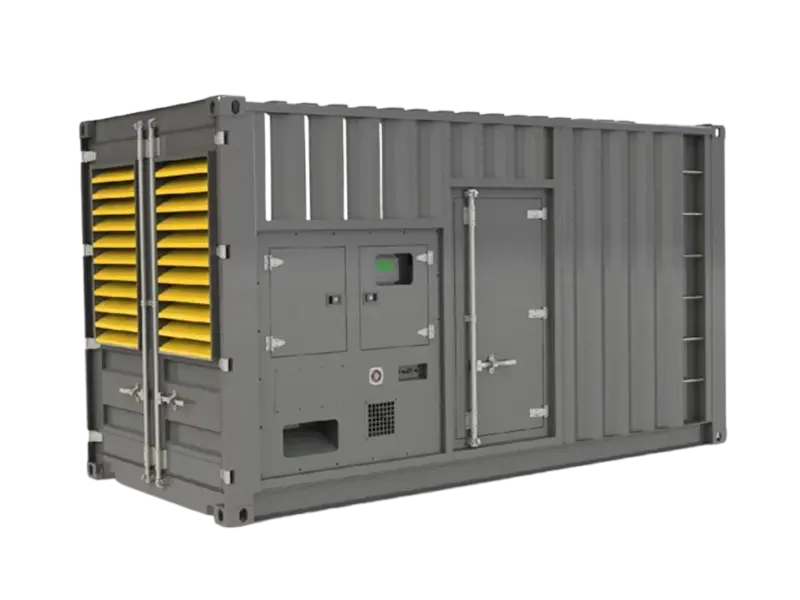 20/40HQ-Standard Container Type Generators