Why Choose a 100kw Generator for Your Business Needs?
When businesses consider power solutions, reliability is paramount. A Generator 100kw is often a strategic choice. This equipment provides essential power during outages. It ensures that operations remain seamless. For companies, a reliable power supply means maintaining productivity.
Many industries depend on consistent energy. From manufacturing to healthcare, a generator can be a lifeline. With a Generator 100kw, businesses can avoid costly downtimes. The investment in this generator type can yield significant returns. However, not all companies evaluate their actual power needs. Understanding your requirements helps in making a wise decision.
Choosing the right generator is crucial. A Generator 100kw can meet a variety of demands. Yet, it’s essential to analyze location and workload factors. This strategic choice should not be made lightly; it requires thoughtful consideration. After all, power outages are unpredictable, and preparedness can save future headaches.
Benefits of Using a 100kw Generator for Business Operations
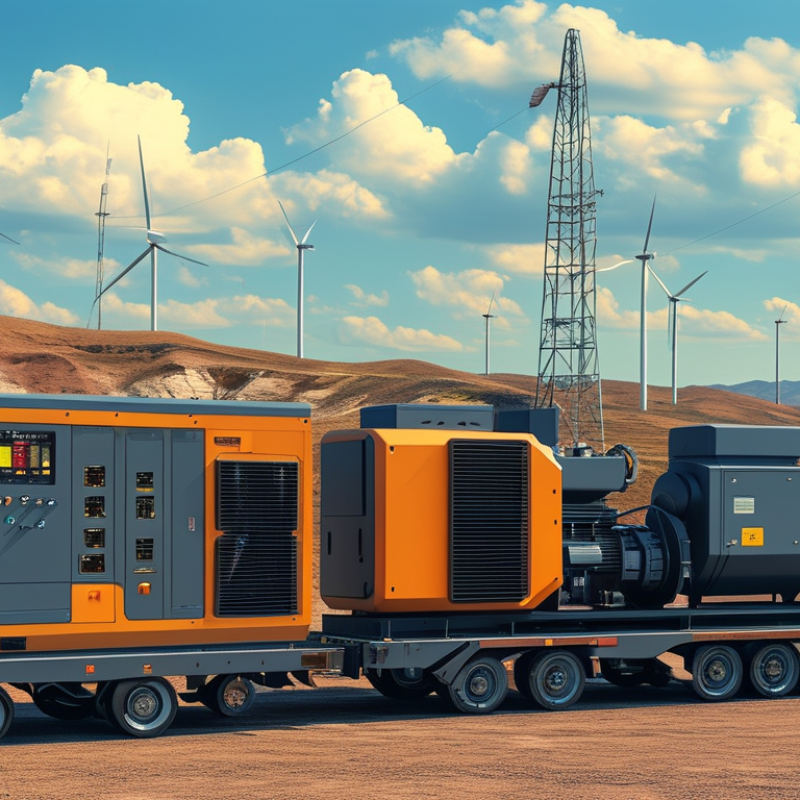
When considering energy solutions for business operations, a 100kW generator stands out for its unique benefits. It provides reliable power during outages, ensuring that your business runs smoothly even in emergencies. For companies in sectors like manufacturing or hospitality, continuous power is crucial. A blackout can disrupt production, spoil inventory, or result in lost sales. Thus, having a generator that can easily handle energy demands is essential.
Another advantage is the ability to optimize operational efficiency. A 100kW generator can support multiple machines or systems running simultaneously. This capacity helps maintain productivity, especially in peak hours. However, it must be adequately maintained and tested. Regular checks ensure that it performs when needed most. Neglecting maintenance can lead to breakdowns, reflecting on your business reputation.
Using a 100kW generator also allows for flexibility. Businesses can adapt their energy use without relying solely on the grid. In fluctuating energy markets, this independence can lead to cost savings. Yet, the initial investment requires careful consideration. Balancing cost and benefits may not be straightforward. Thus, businesses should conduct thorough assessments before deciding.
Why Choose a 100kw Generator for Your Business Needs? - Benefits of Using a 100kw Generator for Business Operations
| Feature |
Description |
Benefits |
| Power Output |
Provides a stable power supply of 100 kW |
Meets the energy demands of medium-sized businesses |
| Fuel Efficiency |
Designed for optimal fuel consumption |
Reduces operational costs through lower fuel expenses |
| Reliability |
Built for continuous operation under heavy loads |
Minimizes downtime and ensures business continuity |
| Portability |
Compact design for easy transport |
Suitable for various job sites and applications |
| Maintenance |
Low maintenance requirements with easy access to parts |
Saves time and money on upkeep |
| Noise Level |
Operates quietly compared to traditional generators |
Suitable for noise-sensitive environments |
| Emissions |
Complies with environmental regulations |
Reduces environmental impact |
| Control Systems |
Advanced monitoring and control features |
Enhances operational efficiency and troubleshooting |
Factors to Consider When Choosing a 100kw Generator
When selecting a 100kW generator for your business, it’s crucial to assess your power requirements. Calculate the total wattage needed for all essential equipment. Consider peak demands as well. For instance, starting large motors might require more power. Ensure the generator can handle those spikes without issues. You don’t want interruptions during critical operations.
Durability and fuel efficiency are other key factors. A robust generator will withstand harsh environments. Look for features that enhance resilience. Additionally, check fuel consumption rates. A generator that burns fuel efficiently will save costs in the long run. Evaluate maintenance needs, too. Regular checks can prevent significant issues later. Think about accessibility for repairs.
Noise levels might also impact your decision. Sometimes, louder generators can disrupt a work environment. It’s worth exploring options that minimize sound. Consider where the unit will be installed. Proximity to noise-sensitive areas could be problematic. Reflecting on these details will lead to a more informed choice for your business needs.
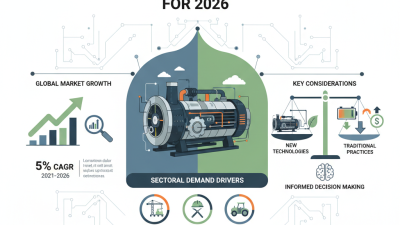
Power Output Comparison of Generators for Business Needs
Comparative Analysis: 100kw Generators vs. Other Power Options
When considering power options for business operations, a 100kW generator stands out. Unlike smaller units, a 100kW generator offers robust reliability. It can power essential equipment during outages, minimizing downtime and losses. According to a report by the Energy Information Administration (EIA), businesses lose approximately $150,000 for every hour of downtime.
In contrast, other power solutions, such as batteries or smaller generators, may not suffice for larger operations. Battery systems often struggle with high consumption. These systems typically offer shorter life spans and higher long-term costs. Additionally, while grid power is accessible, fluctuations can threaten equipment lifespan. Relying solely on grid power poses risks for critical business functions.
Tip: Regular maintenance enhances the reliability of your generator. Schedule routine checks to prevent unexpected failures. Ensure your fuel storage is adequate and monitored for efficiency.
Another consideration is cost-effectiveness. A 100kW generator may have a higher initial investment than a smaller model. However, its efficiency and longevity can result in savings over time. Research from industry experts indicates that large generators often have lower operating costs per kWh compared to smaller units.
Tip: Evaluate your energy needs carefully. A generator that is too small may lead to overworking the unit, leading to untimely breakdowns.
Cost-Effectiveness of a 100kw Generator for Business Needs
When considering a generator for your business, a 100kw generator offers significant cost-effectiveness. A report from the Energy Information Administration (EIA) indicates that businesses using generators can save up to 30% on energy costs during peak demand periods. This is particularly relevant during unforeseen power outages or fluctuations in energy prices.
A 100kw generator can supply ample power for medium to large businesses. Its capacity allows for the operation of critical equipment, ensuring productivity does not suffer. The initial investment may seem high, but the long-term savings can be substantial. According to the National Renewable Energy Laboratory, businesses that invest in reliable backup power experience fewer financial losses during outages—up to 40% less, in many cases.
However, it’s essential to consider maintenance costs and the generator's efficiency. While a 100kw unit may have lower operating costs, neglecting upkeep can lead to higher expenses. Regular maintenance ensures longevity and performance. Exploring these aspects can help businesses make informed decisions about their power needs.
Maintenance and Reliability of 100kw Generators in Commercial Use
When considering a 100kW generator for your business, maintenance and reliability are critical factors. A generator is not just a backup power source; it must perform consistently under various conditions. Regular maintenance is key to ensuring this reliability. Scheduled inspections can help identify potential issues before they escalate. Keeping the generator's filters and fluids in good condition contributes significantly to its lifespan.
Reliability goes hand in hand with maintenance. A well-maintained generator can deliver power when needed most. However, some businesses may hesitate due to perceived complexity. Understanding basic operational requirements can alleviate those fears. Simple tasks like checking oil levels and inspecting batteries can greatly impact efficiency.
On the flip side, neglecting these routines can lead to unexpected downtimes. This unpredictability can disrupt operations, costing businesses time and money. It's important to establish a routine that includes these checks. The goal is to find a balance between effective maintenance and ease of use. A generator should not just be a piece of machinery; it should be a dependable ally in your business operations.

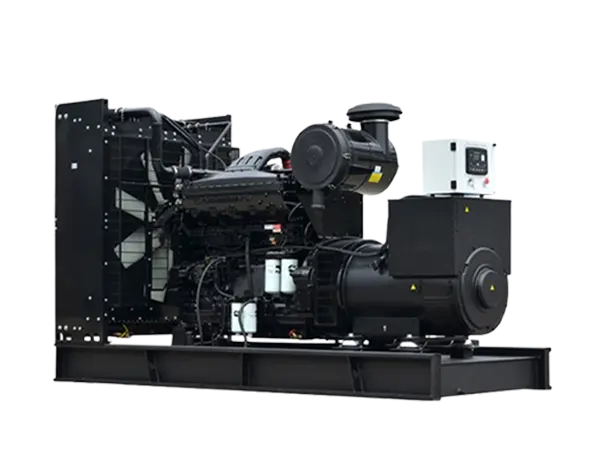 Diesel Generator Sets with Cummins Engines, XHZC Series
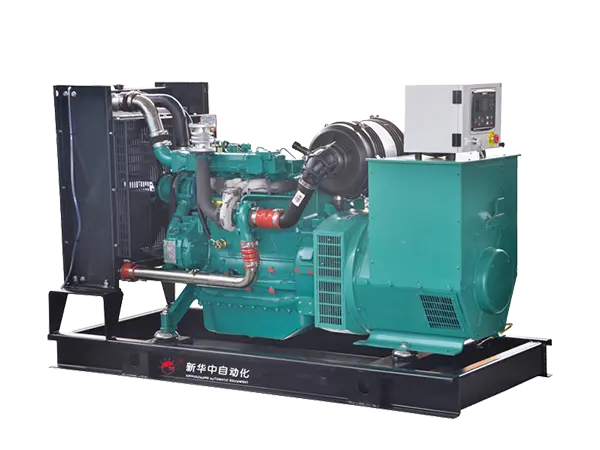 Weichai Series
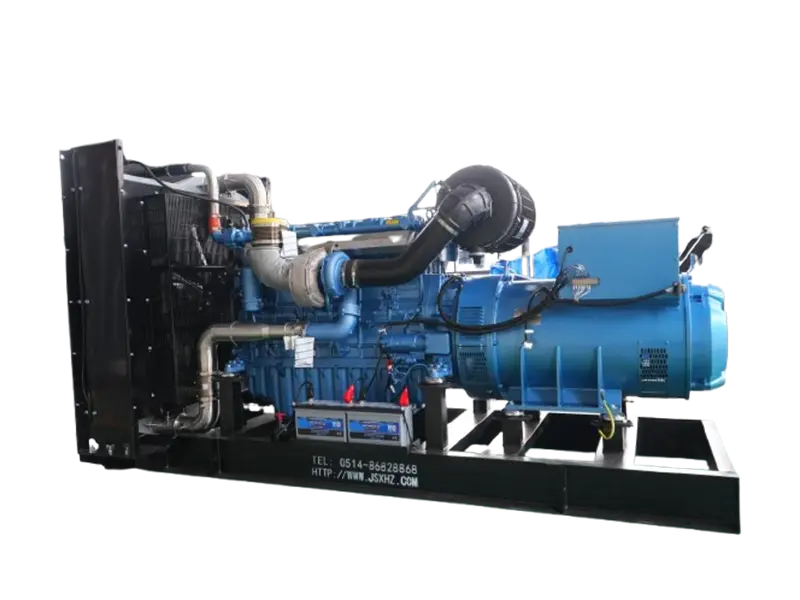 Diesel Generator Sets with WEICHAI Engines, XHZW Series
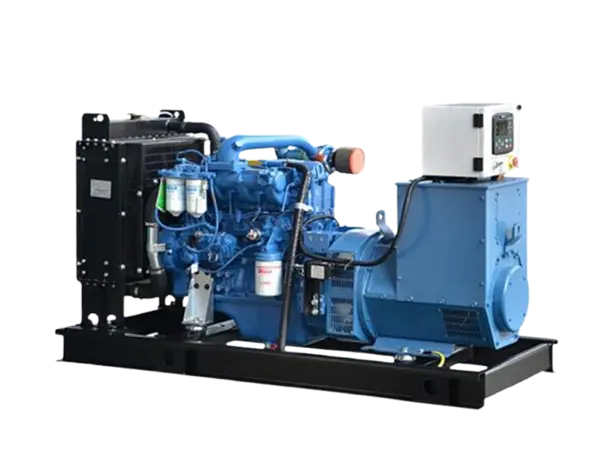 Yuchai Series
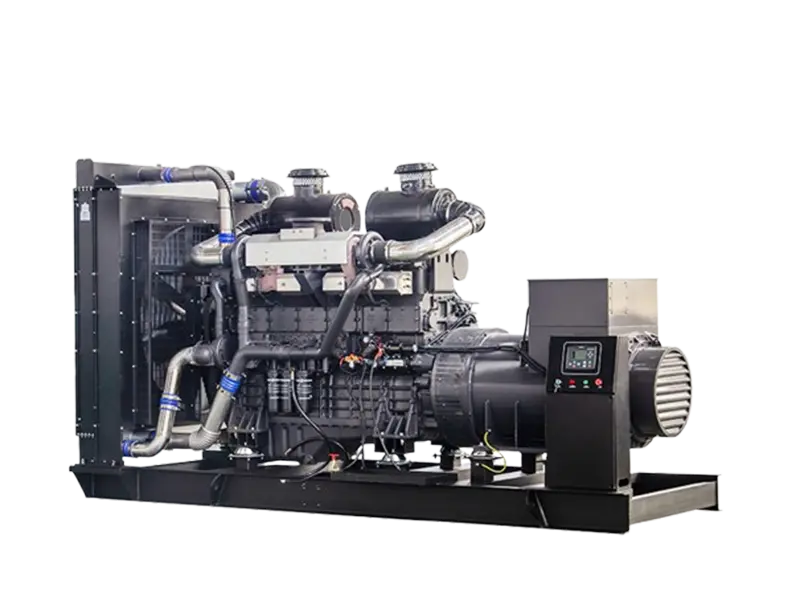 Diesel Generator Sets with SDEC(SHANGCHAI) Engines, XHZS Series
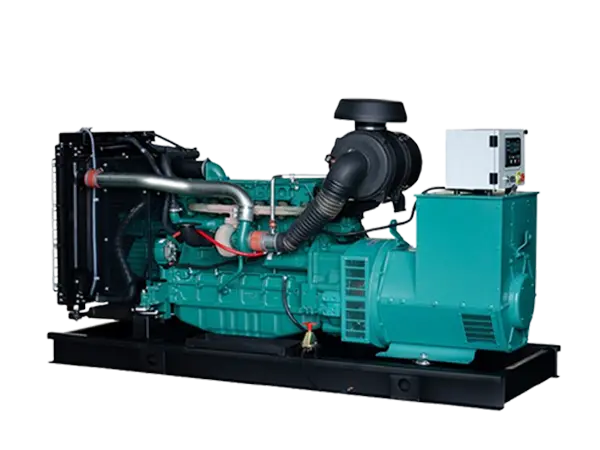 Volvo Series
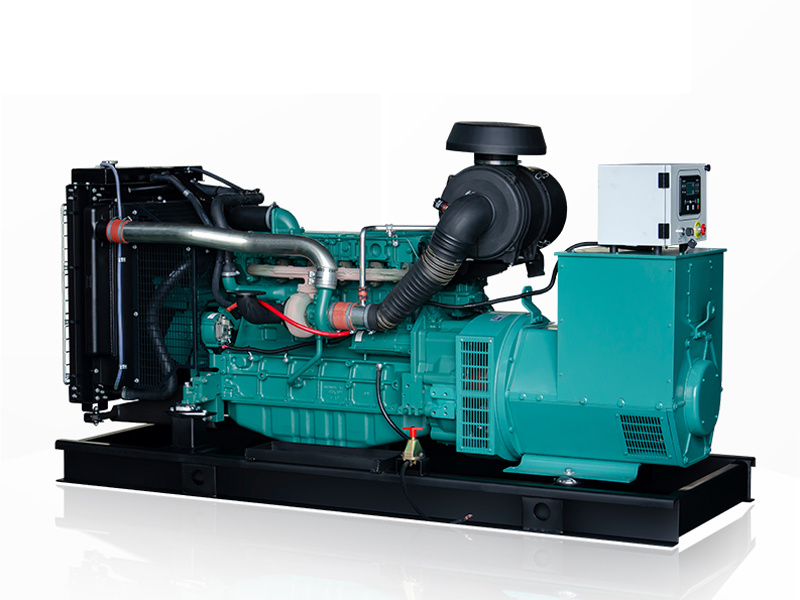 Diesel Generator Sets with VOLVO Engines, XHZV Series
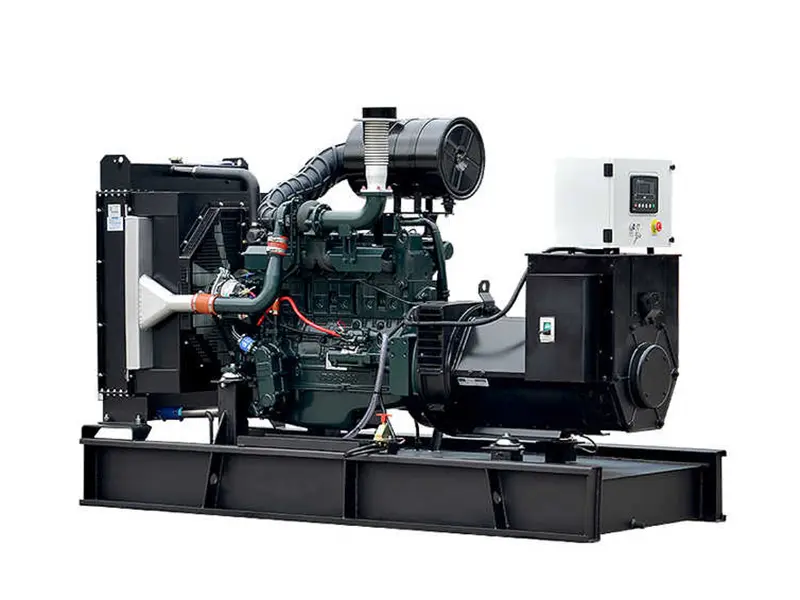 Diesel Generator Sets with Doosan Engines
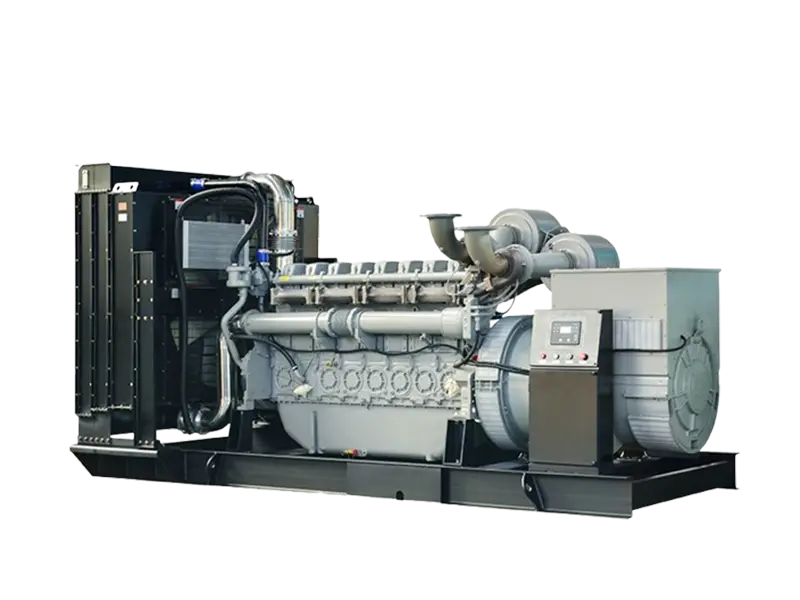 Diesel Generator Sets with Perkins Engines, XHZP Series
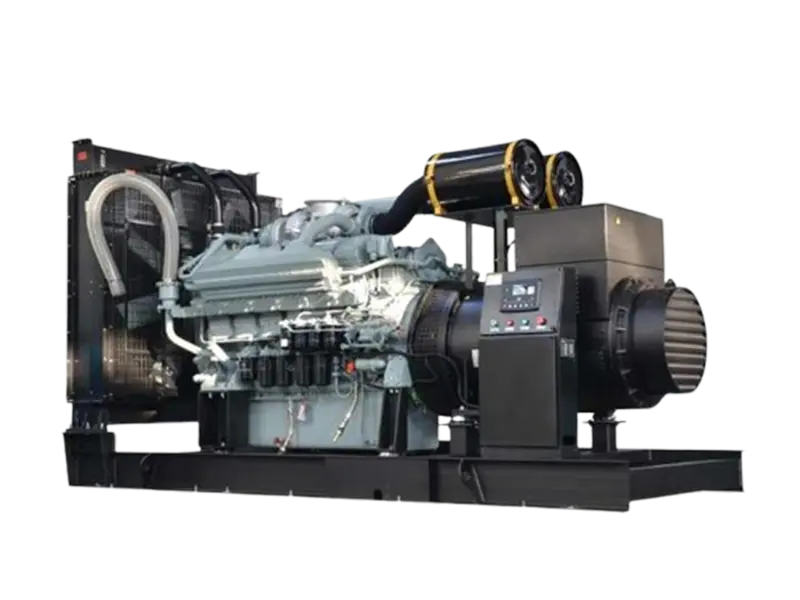 Diesel Generator Sets with Mitsubishi Engines
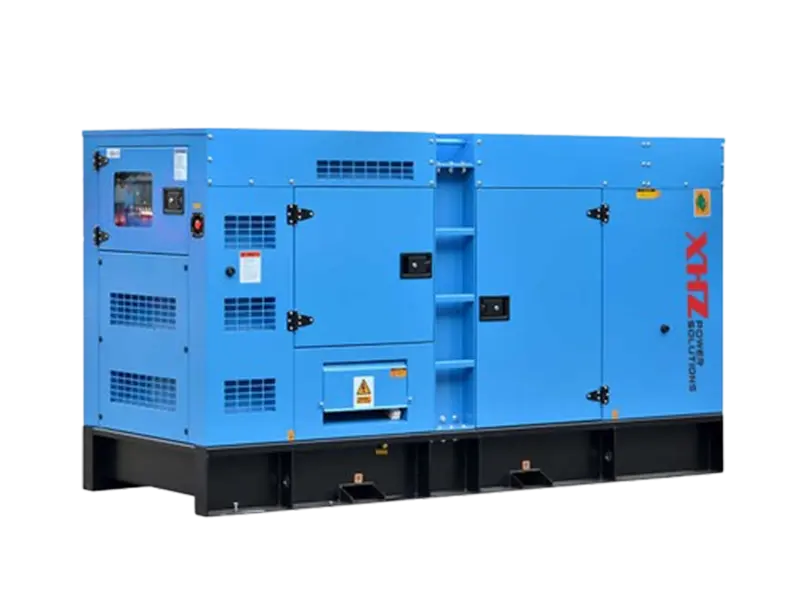 Silent Diesel Generators
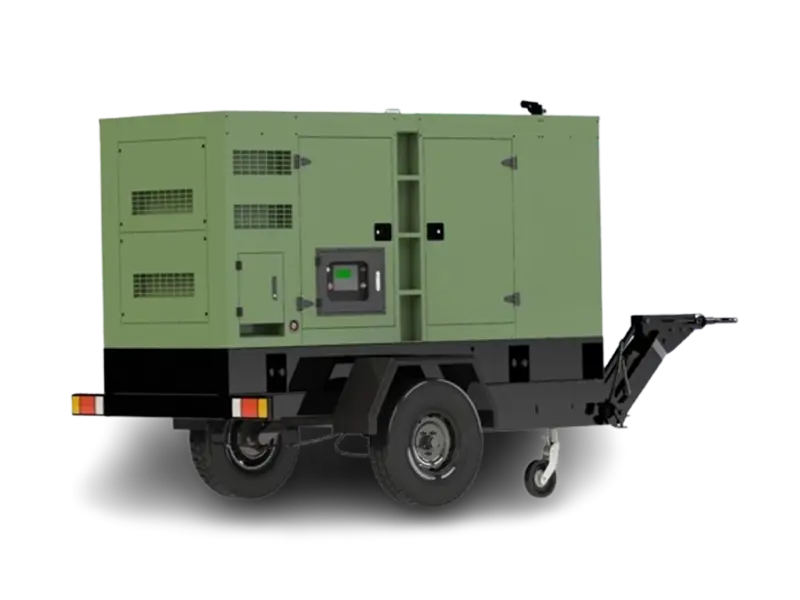 Mobile Silent Diesel Generators
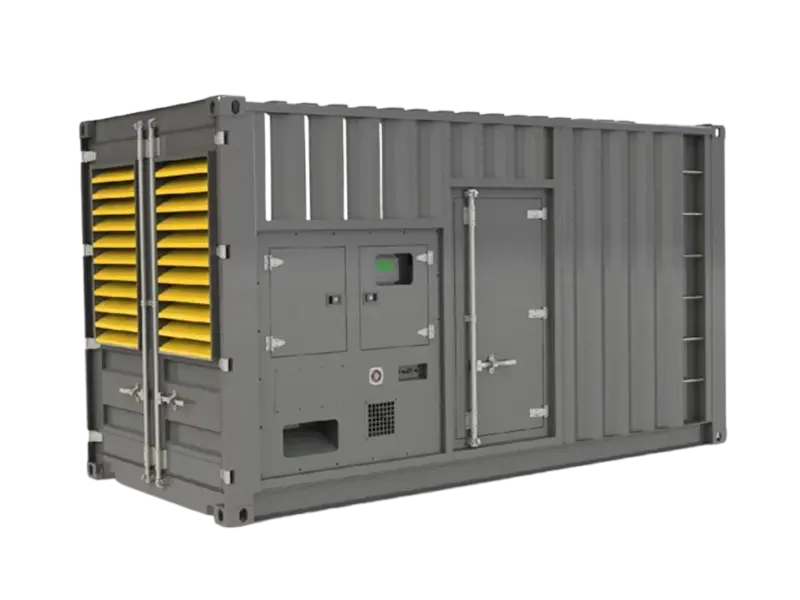 20/40HQ-Standard Container Type Generators