Top Industrial Diesel Generator Trends for 2026 What Buyers Need to Know
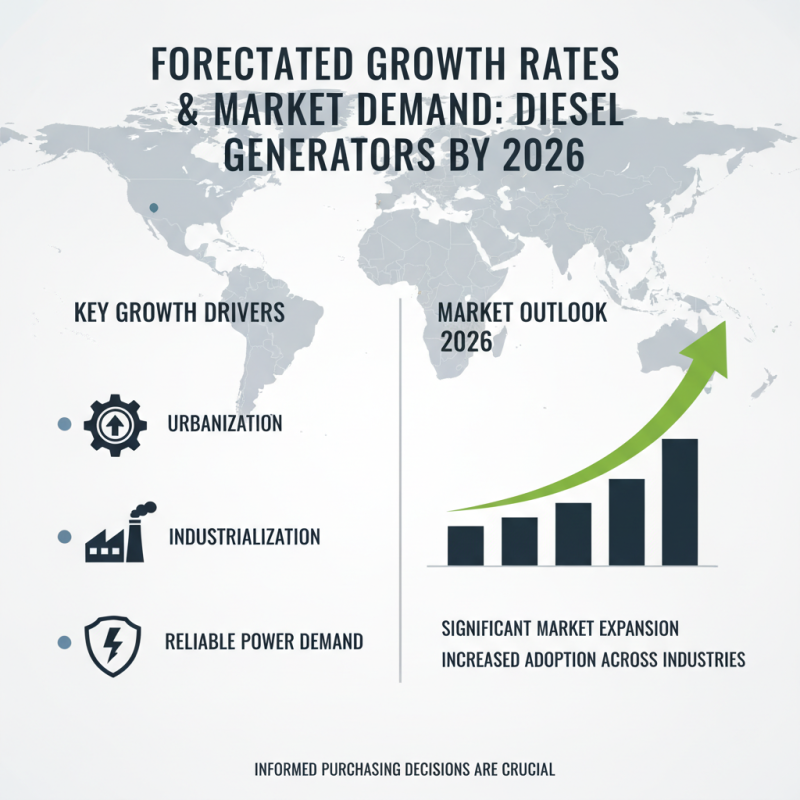
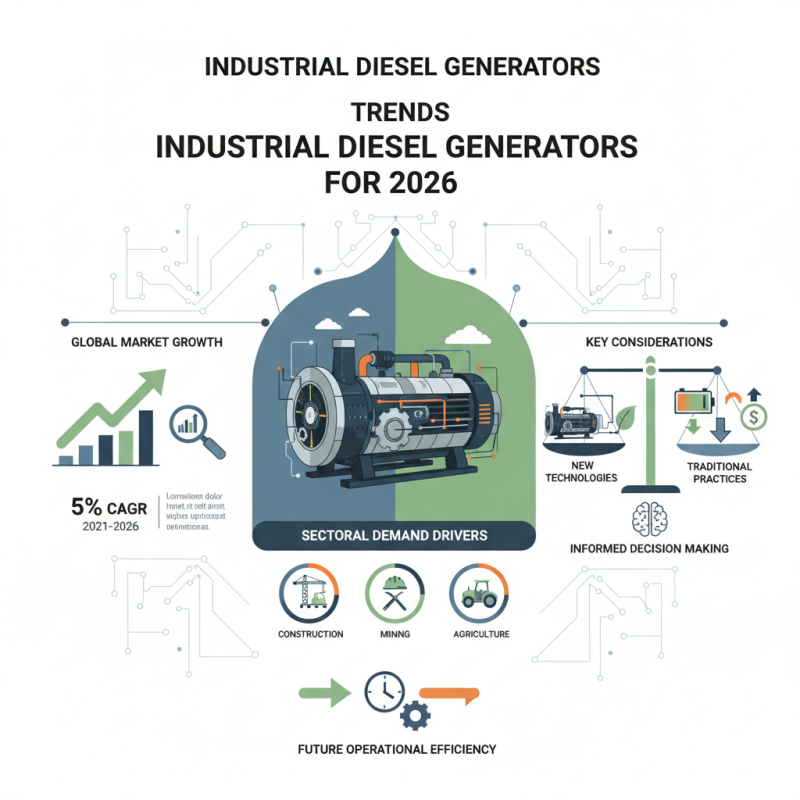
The landscape of the "Industrial Diesel Generator" market is shifting significantly as we approach 2026. According to a recent report by MarketsandMarkets, the global market for industrial diesel generators is expected to grow at a compound annual growth rate (CAGR) of over 5% from 2021 to 2026. This growth is driven by increasing demand for reliable power sources across various sectors, including construction, mining, and agriculture.
Experts, like Dr. James O'Reilly of the Energy Solutions Institute, emphasize the importance of adapting to these trends. He states, "Understanding market dynamics is crucial for stakeholders. It ensures optimized investments in industrial diesel technology." As buyers navigate this evolving market, they face the challenge of balancing performance, cost, and environmental concerns. There is a pressing need to reflect on newer technologies, such as hybrid systems, which can offer enhanced efficiency but may require higher upfront costs.
Decisions made today will shape the operational efficiency of tomorrow. The interplay of innovation and traditional practices characterizes the current state of the industrial diesel generator industry. Buyers must remain informed and cautious, embracing new solutions while recognizing the complexities of their implementation.
Overview of Industrial Diesel Generators and Their Market Dynamics
Industrial diesel generators play a crucial role in powering various sectors. These generators offer reliability and efficiency, especially in areas prone to power outages. With the increasing demand for energy, understanding market dynamics is essential for buyers.
Market trends indicate a shift towards more sustainable options. Buyers should look for generators that feature advanced technology and lower emissions. Additionally, noise reduction has become a priority. Customers want machines that operate quietly while providing robust power output.
**Tip:** Pay attention to fuel consumption rates. Generators that consume less fuel can significantly reduce operational costs.
Another aspect to consider is maintenance. Regular servicing is paramount to ensure longevity. Neglected machines often lead to unexpected expenses. Buyers must also evaluate the availability of spare parts.
**Tip:** Research local service providers to ensure reliable support. Having access to skilled technicians can prevent lengthy downtimes.
Investing in the right generator requires careful consideration. Each application has unique requirements. Analyze your specific needs before making a decision.
Key Trends in Diesel Generator Technology Advancements for 2026
As the demand for industrial diesel generators grows, significant advancements are shaping the technology landscape for 2026. Key trends indicate a movement toward enhanced fuel efficiency and lower emissions. According to a recent industry report, approximately 70% of new models will incorporate advanced engine technologies aimed at minimizing carbon footprints. This shift aligns with the increasing regulation pressures and corporate sustainability goals.
Another notable trend is the rise of telematics in generator systems. Reports indicate that nearly 40% of generators will be equipped with smart monitoring capabilities. This technology allows real-time performance tracking and predictive maintenance. It enhances reliability while reducing downtime, a critical factor for buyers evaluating long-term investments.
Despite these advancements, some challenges remain unaddressed. The integration of smart technology can be costly. Moreover, end-users may face a learning curve in adapting to new systems. Balancing initial investments with long-term savings requires careful consideration. The evolving landscape of diesel generator technology presents opportunities and hurdles, necessitating informed decision-making for buyers.
Top Industrial Diesel Generator Trends for 2026
| Trend |
Description |
Impact on Buyers |
| Hybrid Power Systems |
Integration of diesel generators with renewable energy sources for improved efficiency. |
Buyers can expect lower operational costs and improved sustainability. |
| Smart Generators |
Advanced monitoring and control systems utilizing IoT technology. |
Increased reliability and real-time performance tracking for buyers. |
| Enhanced Fuel Efficiency |
Improved engine designs leading to reduced fuel consumption. |
Cost savings on fuel expenditures for end-users. |
| Emission Regulations Compliance |
Developments focused on meeting stricter regulations on emissions. |
Assurance of compliance and potential incentives or rebates for buyers. |
| Modular Solutions |
Compact and scalable generator designs for easier installation. |
Flexibility in scaling power solutions based on needs. |
Impact of Sustainability Regulations on Diesel Generator Purchasing Decisions
In 2026, the influence of sustainability regulations will greatly shape diesel generator purchasing decisions. Many countries are implementing stricter emissions standards. According to the International Energy Agency, carbon emissions from industrial sector activities need to be reduced by 50% by 2030. This pressure forces buyers to consider eco-friendlier options while maintaining power reliability.
Regulatory compliance is now critical. A recent report indicated that over 70% of companies prioritize sustainability in their purchasing criteria. Buyers are increasingly evaluating diesel generator models based on their emissions profiles and efficiency ratings. They seek solutions that balance performance and environmental responsibility. However, many buyers may still be unaware of the latest technologies that can help optimize fuel consumption and reduce waste. Understanding these innovations requires ongoing education.
Yet, the road to compliance isn’t straightforward. Some diesel generators may not meet upcoming regulations, leading to potential financial penalties. Furthermore, while many manufacturers promote greener technologies, real-world performance can be inconsistent. Buyers must navigate complexities in claims versus reality. This means diligent research is needed to avoid costly mistakes and ensure that the chosen equipment aligns with both operational needs and sustainability goals.
Top Industrial Diesel Generator Trends for 2026
This chart illustrates the key trends influencing purchasing decisions for industrial diesel generators in 2026, particularly the impact of sustainability regulations.
Factors Influencing Buyer Preferences in Industrial Diesel Generators
In 2026, the industrial diesel generator market will continue to evolve. Buyers need to pay attention to several key factors influencing preferences. First, reliability remains paramount. Companies rely on uninterrupted power for operational efficiency. Any downtime can result in significant losses. As such, many buyers prioritize brands known for durability.
The growing emphasis on sustainability is also affecting choices. Buyers are increasingly looking for generators with lower emissions. Advances in technology are enabling the production of cleaner diesel options. However, some skeptics question the overall environmental impact. Choices aren't always straightforward. Buyers often feel overwhelmed by conflicting information.
Cost considerations play a crucial role too. Initial investments can be substantial, impacting budget decisions. However, long-term savings from fuel efficiency and maintenance become critical. Industry experts suggest weighing upfront costs against potential return on investment. The decision-making process can be challenging, with no one-size-fits-all solution. Preferences are shifting, and understanding these dynamics is vital for prospective buyers.

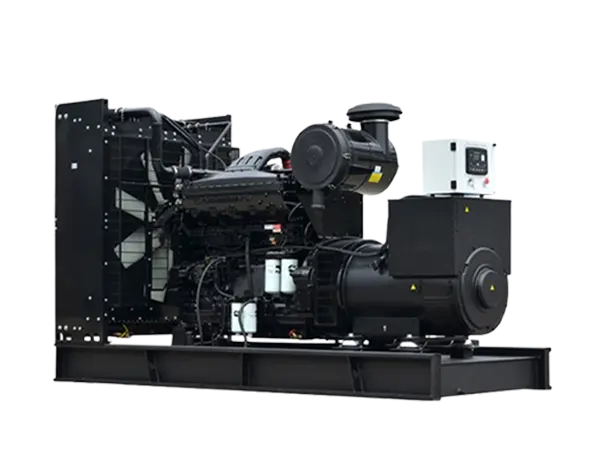 Diesel Generator Sets with Cummins Engines, XHZC Series
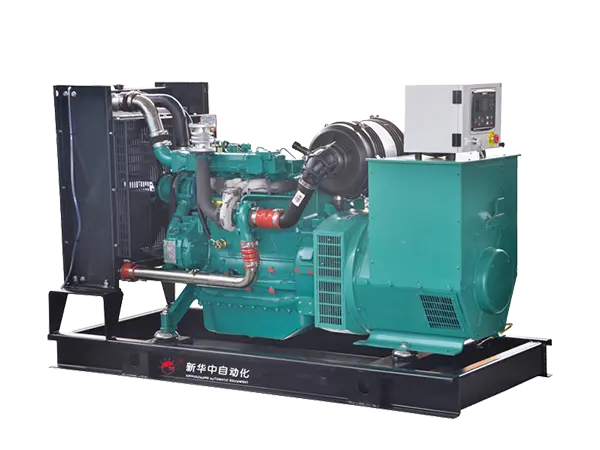 Weichai Series
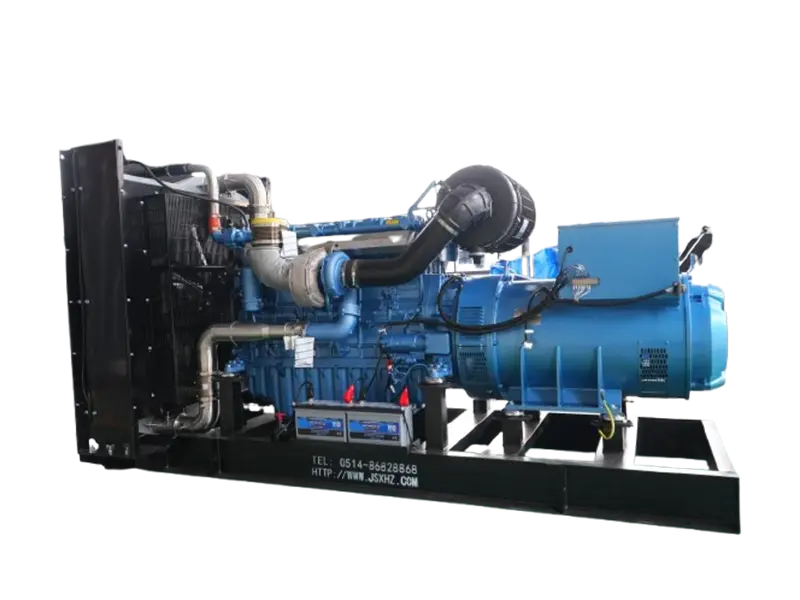 Diesel Generator Sets with WEICHAI Engines, XHZW Series
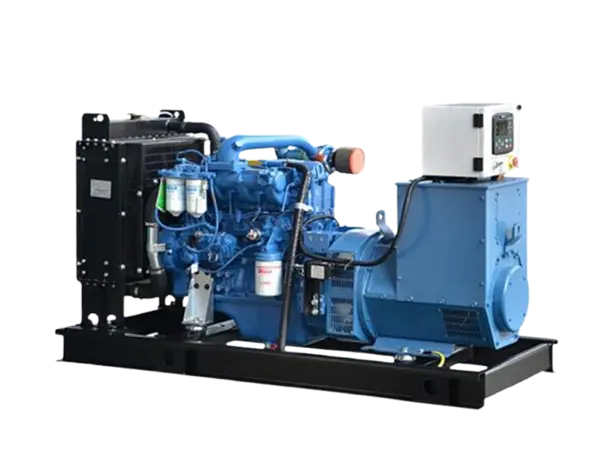 Yuchai Series
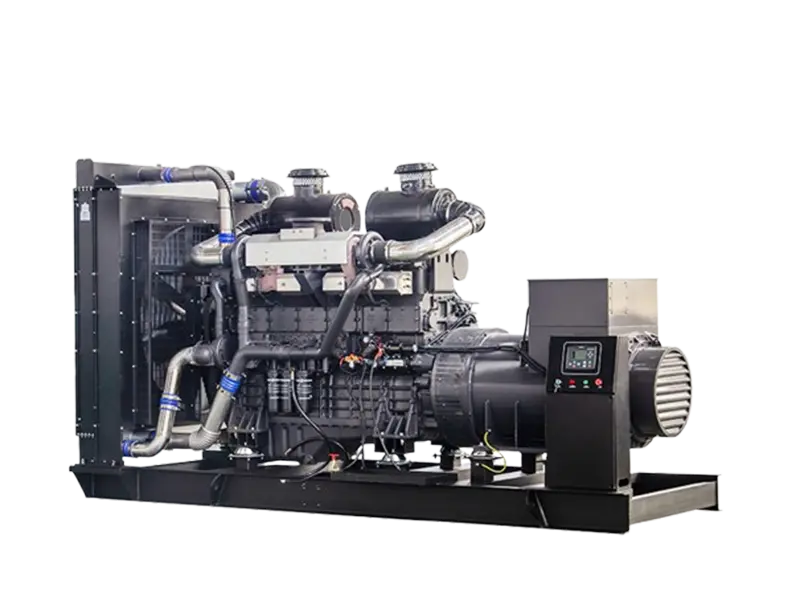 Diesel Generator Sets with SDEC(SHANGCHAI) Engines, XHZS Series
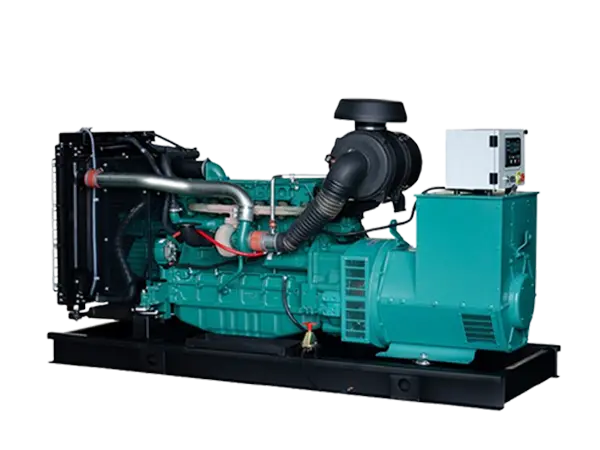 Volvo Series
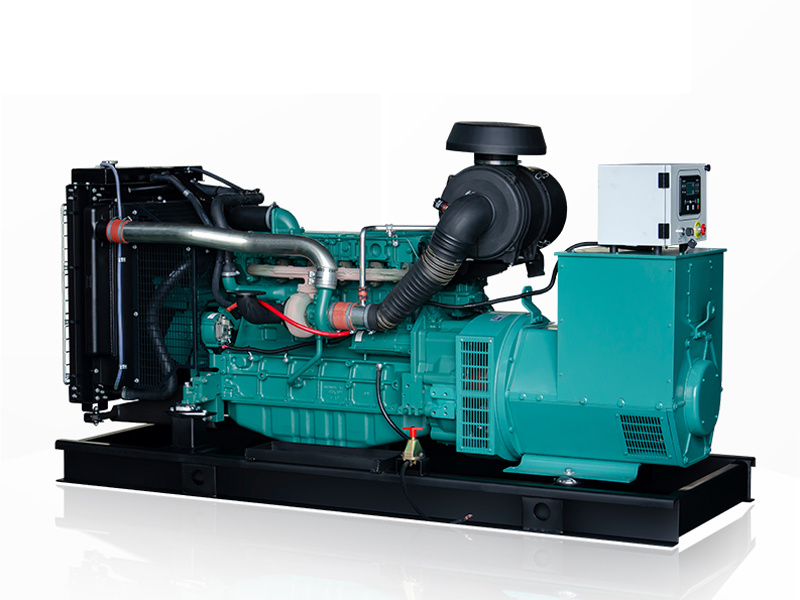 Diesel Generator Sets with VOLVO Engines, XHZV Series
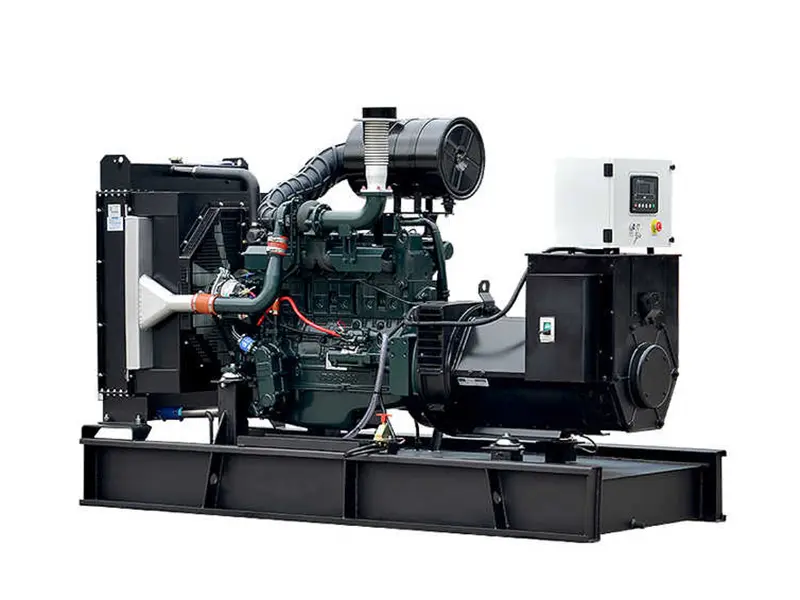 Diesel Generator Sets with Doosan Engines
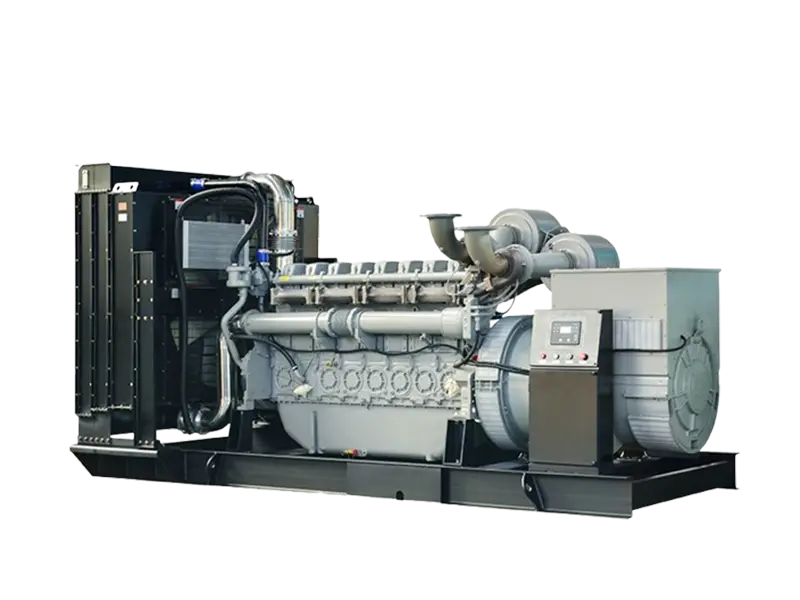 Diesel Generator Sets with Perkins Engines, XHZP Series
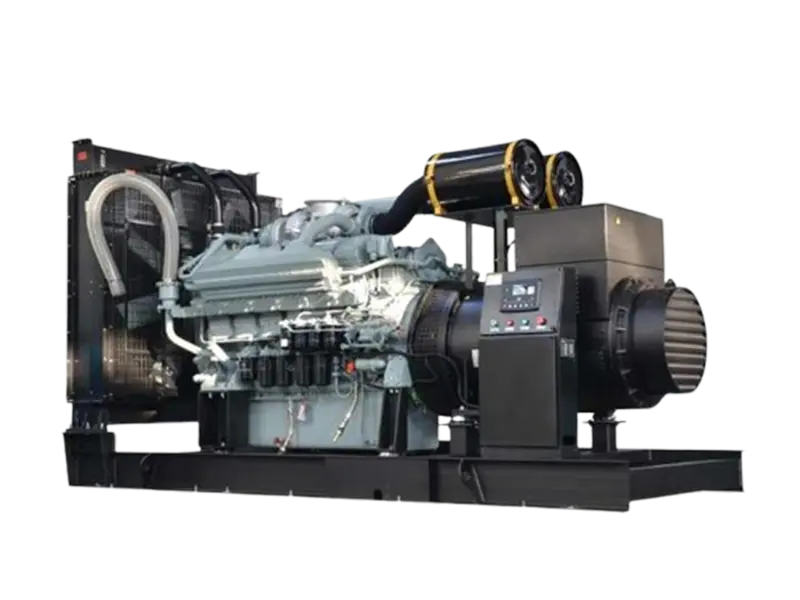 Diesel Generator Sets with Mitsubishi Engines
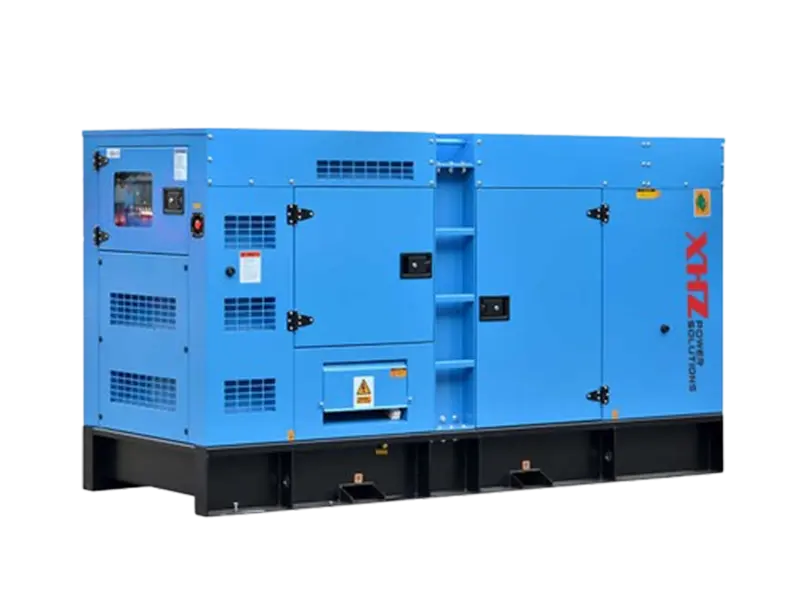 Silent Diesel Generators
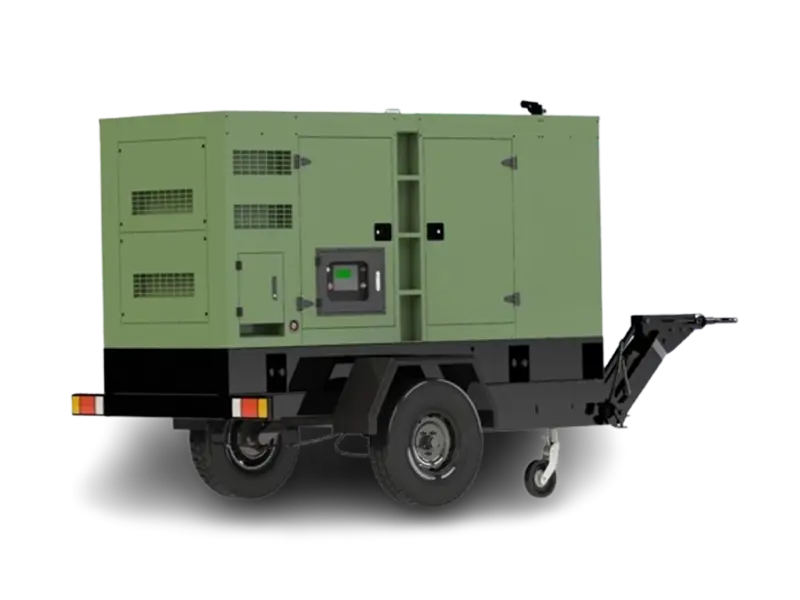 Mobile Silent Diesel Generators
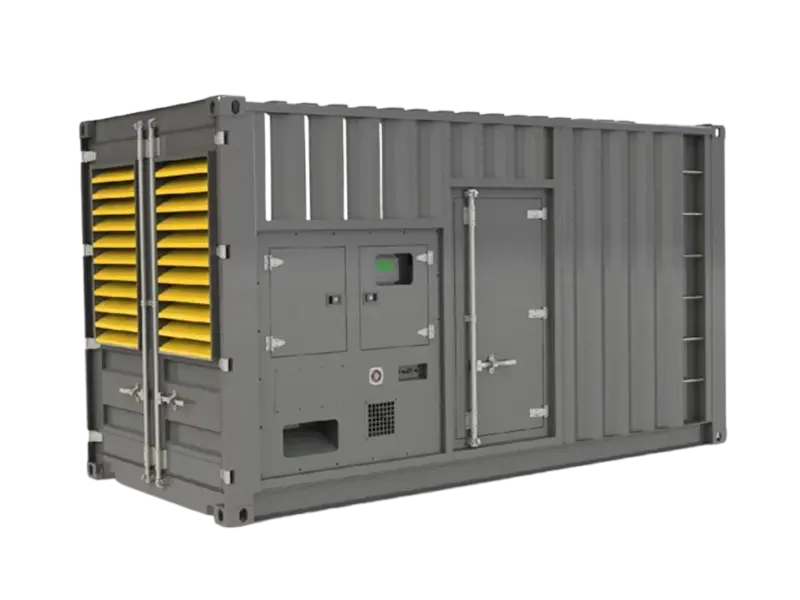 20/40HQ-Standard Container Type Generators