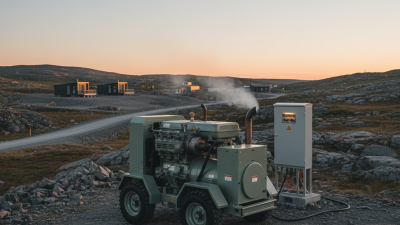
How to Choose the Best Diesel Welder Generator for Your Needs?
Choosing the right Diesel Welder Generator can be a daunting task. Experts emphasize the importance of understanding your specific needs. John Smith, a renowned industry expert, once said, “Not all generators are created equal; your choice should reflect your project requirements.”
When evaluating a Diesel Welder Generator, consider the power output and durability. These factors are vital for consistent performance. A generator that falters can lead to project delays and increased costs. Think about portability, too. Will you be moving it often, or will it stay in one place?
Lastly, don’t overlook maintenance needs. A reliable Diesel Welder Generator requires upkeep for longevity. Ignoring this can lead to poor performance and higher expenses over time. Reflect on these aspects carefully to make a more informed decision.
Understanding Diesel Welder Generators and Their Applications
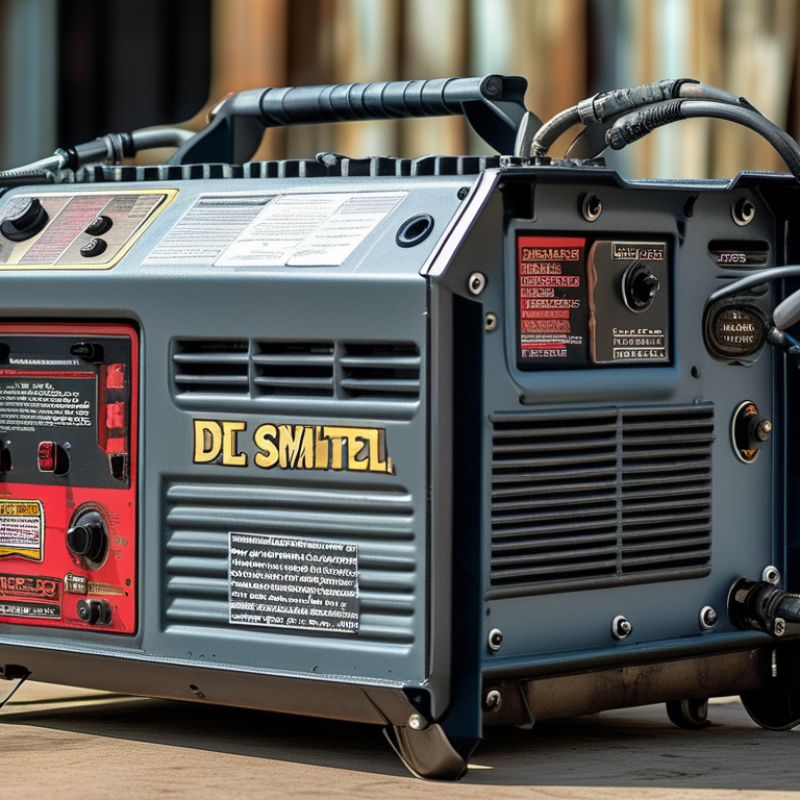
Understanding diesel welder generators is crucial for anyone in the construction or metalworking industries. These machines combine welding capabilities with a generator, providing both power and versatility. They are particularly useful in remote locations where electricity sources are limited. The power output typically ranges from 5,000 to 20,000 watts, accommodating various welding processes.
Applications of diesel welder generators extend beyond standard construction tasks. They can be utilized in pipeline work, shipbuilding, and repair operations. Their portability allows for flexibility on job sites. However, the weight of these machines can be a drawback. Transporting them requires a vehicle with sufficient capacity. Users must also consider fuel efficiency, which varies widely among different models.
Choosing the right machine means evaluating your specific needs. Assess the type of welding you'll frequently do and the power requirements. Some owners overlook maintenance needs as well. Regular servicing is essential for longevity and reliable performance. Ignoring this can lead to unexpected breakdowns that disrupt work schedules. Understanding these factors can help guide your decision in selecting a diesel welder generator.
Diesel Welder Generator Output Comparison
This bar chart illustrates the maximum weld output in amps for different diesel welder generator power ratings, offering a simple comparison to help you choose the best generator for your welding needs.
Key Features to Consider When Selecting a Diesel Welder Generator
When selecting a diesel welder generator, several key features should influence your decision. First, consider the power output. Most welding tasks require specific amperage. A generator with a continuous output of at least 5,500 watts is generally recommended for professional welding operations. According to a recent industry report, generators with higher output can significantly enhance productivity on job sites.
Portability is another important factor. Weighing the balance between weight and performance is crucial. Many professionals prefer generators under 200 pounds for ease of transport. Additionally, durability should not be overlooked. A well-constructed frame can withstand harsh job site conditions, which is vital for longevity. Reports indicate that a robust generator can last up to 10 years with proper maintenance.
Fuel efficiency also affects overall operational costs. A diesel generator that operates well under load can reduce fuel usage by up to 30%. This not only saves money but also minimizes environmental impact. A generator should ideally have a fuel tank capacity that allows for extended use without frequent refueling. Finding a unit that balances these features can lead to improved performance and satisfaction in your welding projects.
Evaluating Power Output and Performance Requirements for Welding Projects
When evaluating power output for welding projects, consider the specific requirements of your tasks. Different welding techniques demand varying power levels. For example, MIG welding generally requires less power than TIG welding. Understanding your preferred welding method can significantly impact your generator choice. A basic knowledge of amperage is critical, as this affects your machine's efficiency and performance.
Product specifications can often be misleading. Focus on the actual output ratings under load. It’s not uncommon for diesel welder generators to have different rated outputs at varying duty cycles. A generator rated at 5,000 watts may only deliver that figure at a specific load time. Assessing these details can prevent issues during your projects.
Fuel type and efficiency also play a role. Diesel generators usually offer longer runtimes than gasoline models. However, this isn’t a universal truth. Some users may find that a specific diesel model can consume more fuel than expected, impacting operational costs. Analyzing your workload and runtime needs will help define your choice. It’s essential to maintain a realistic perspective on your expectations.
Assessing Portability and Durability for On-Site Use
When selecting a diesel welder generator, assessing portability and durability is crucial, especially for on-site work. According to the American National Standards Institute (ANSI), equipment used in outdoor environments must withstand harsh conditions. This includes exposure to extreme temperatures and vibrations. Many professionals prefer units that are compact and lightweight, making it easier to transport them across job sites. A generator weighing around 300 to 500 pounds is often considered manageable and efficient for fieldwork.
Durability is equally important. The Occupational Safety and Health Administration (OSHA) recommends equipment built with rugged frames and weather-resistant materials. Longevity can significantly impact overall costs in the long run. Units designed with industrial-grade components often have a lifespan exceeding 5,000 hours of operation. However, it’s essential to acknowledge that not all models meet these standards equally. Some may require frequent maintenance, leading to downtime. Evaluating user reviews and expert recommendations can reveal potential weaknesses in certain models. Prioritizing these aspects ensures that your choice will stand up to the rigors of your specific tasks.
Comparing Top Brands and Models for Quality and Reliability
When selecting a diesel welder generator, it's crucial to analyze the top brands and models available. Quality and reliability are key factors that significantly impact your choice. Look for models with a robust build and components. Engines that feature reliable starting systems can save time and frustration. Power output is essential too; ensure that it meets your specific welding needs without overloading.
In your search, consider the user reviews and professional assessments. Look for feedback on performance under various working conditions. Ways the machine holds up during extended use can be telling. Weighing results from real-world experiences can help you identify potential issues.
Pay attention to fuel efficiency as well. A generator that consumes less fuel is more cost-effective over time. Combining quality with efficiency can be a challenge. It's important to balance these traits. Analyze all features and understand how they affect performance. Think critically about what you value most in a generator. Finding the right fit can sometimes mean checking off parts of your wish list.

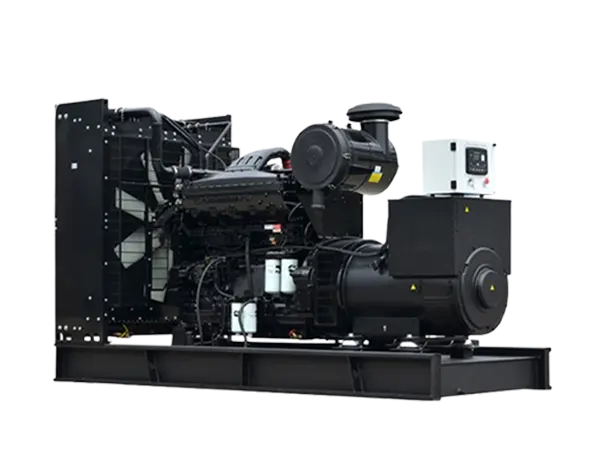 Diesel Generator Sets with Cummins Engines, XHZC Series
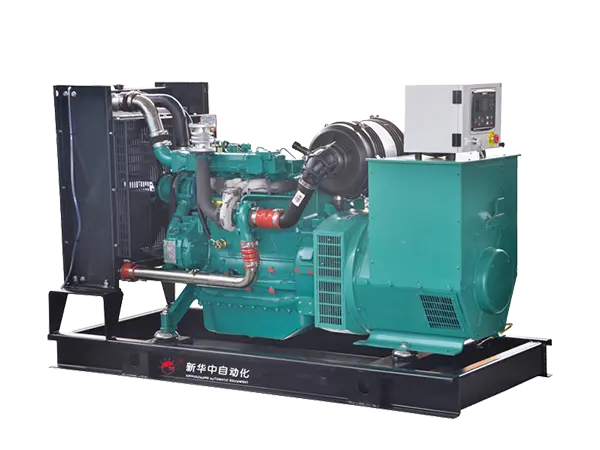 Weichai Series
 Diesel Generator Sets with WEICHAI Engines, XHZW Series
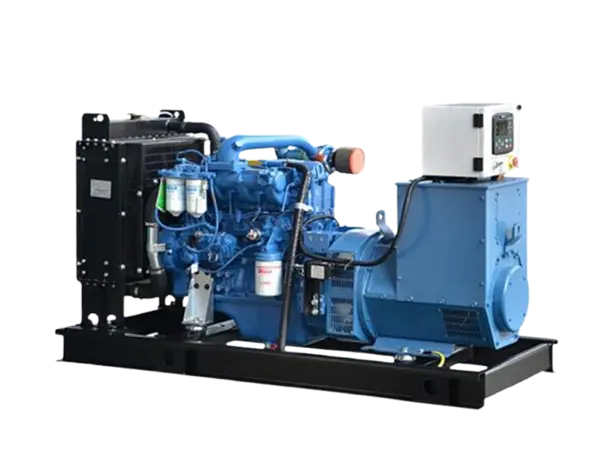 Yuchai Series
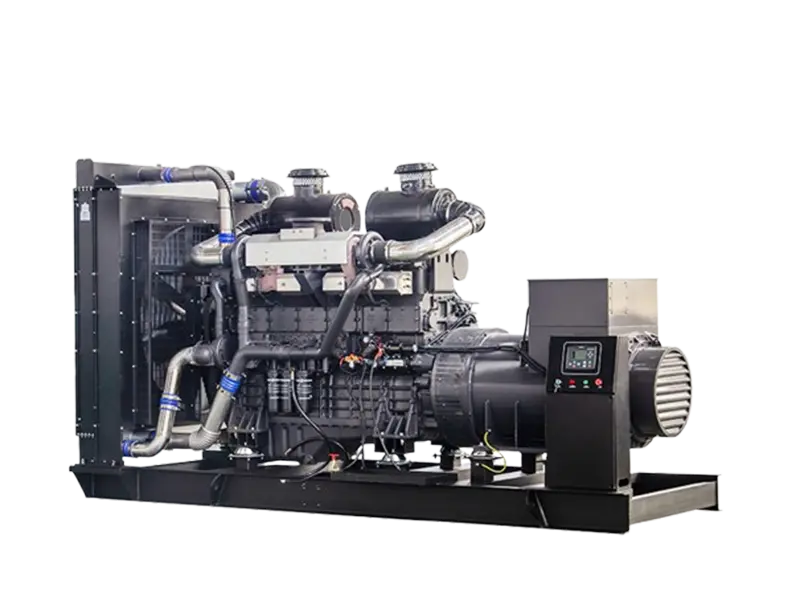 Diesel Generator Sets with SDEC(SHANGCHAI) Engines, XHZS Series
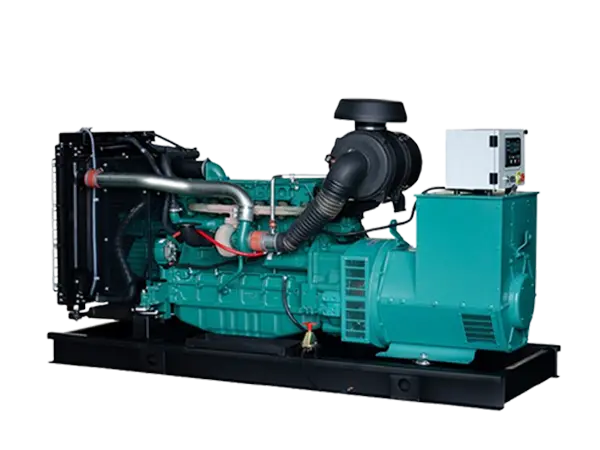 Volvo Series
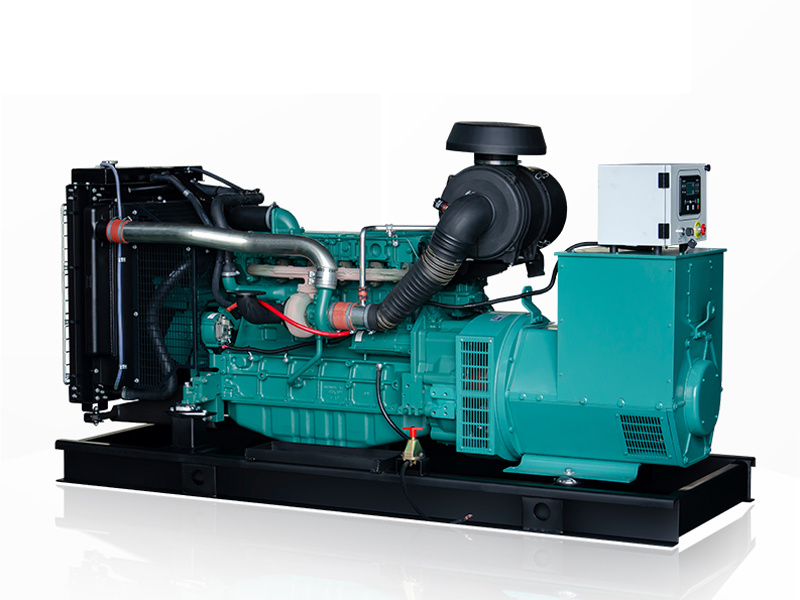 Diesel Generator Sets with VOLVO Engines, XHZV Series
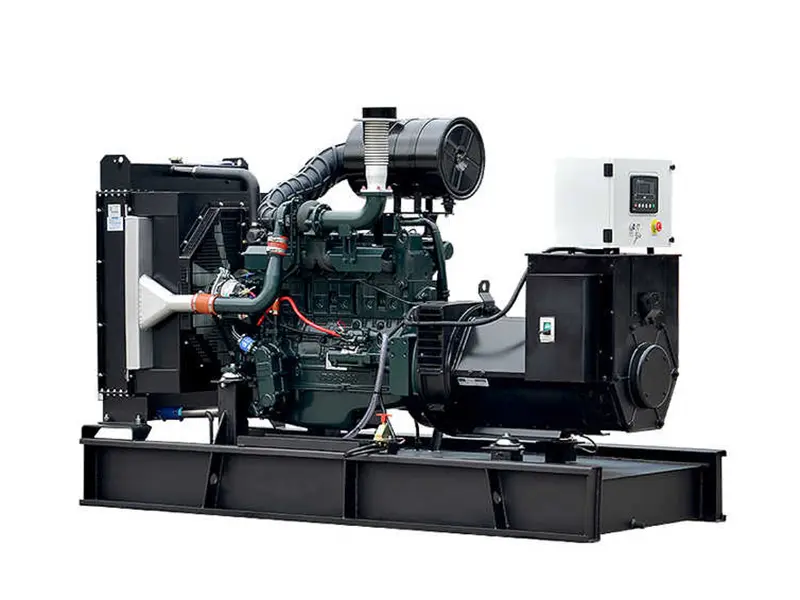 Diesel Generator Sets with Doosan Engines
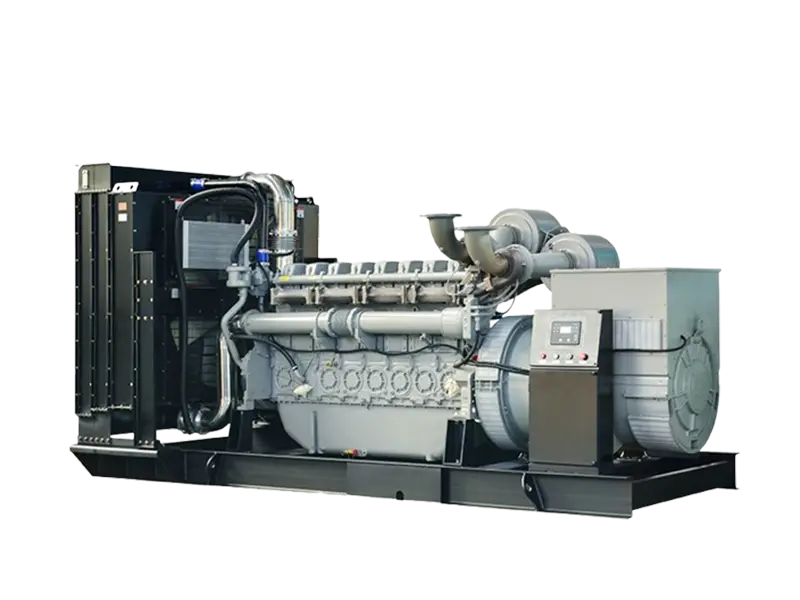 Diesel Generator Sets with Perkins Engines, XHZP Series
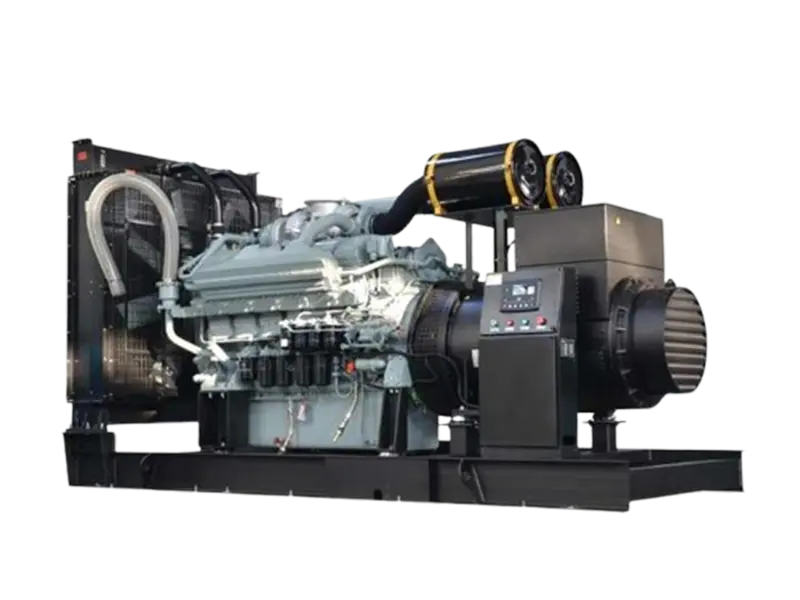 Diesel Generator Sets with Mitsubishi Engines
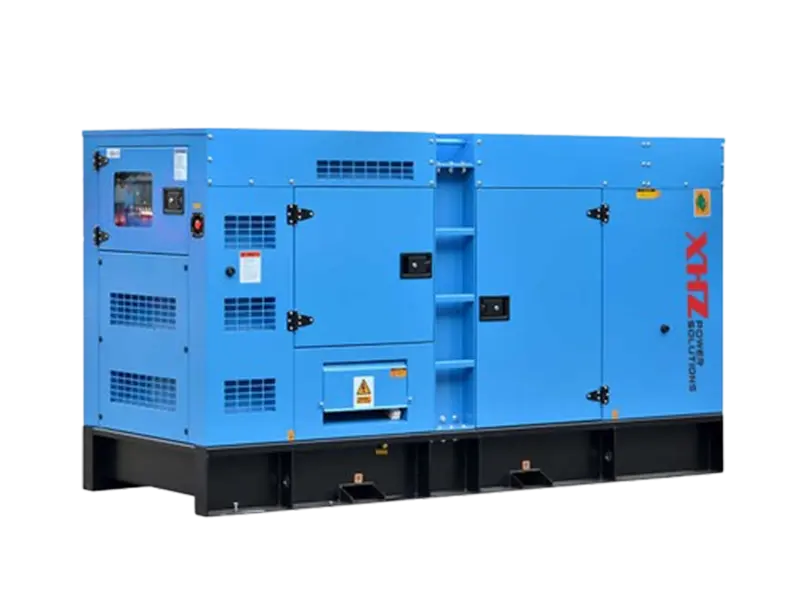 Silent Diesel Generators
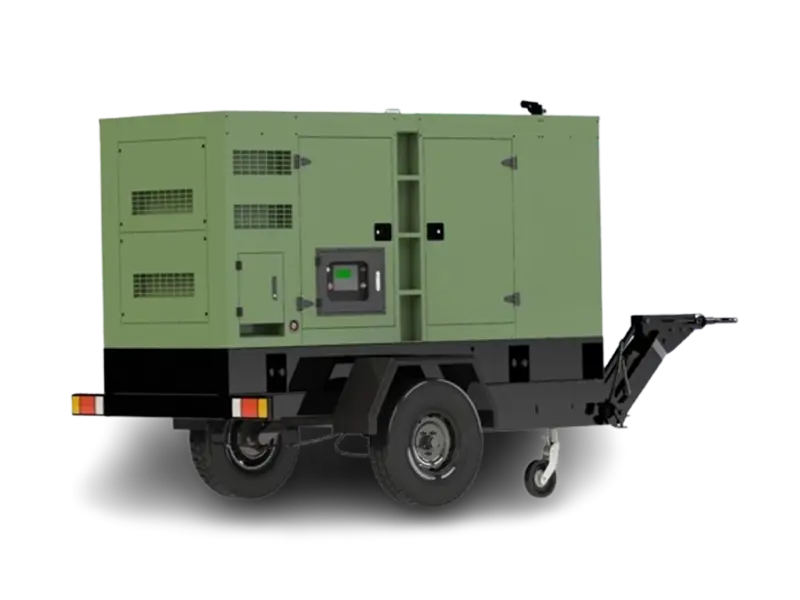 Mobile Silent Diesel Generators
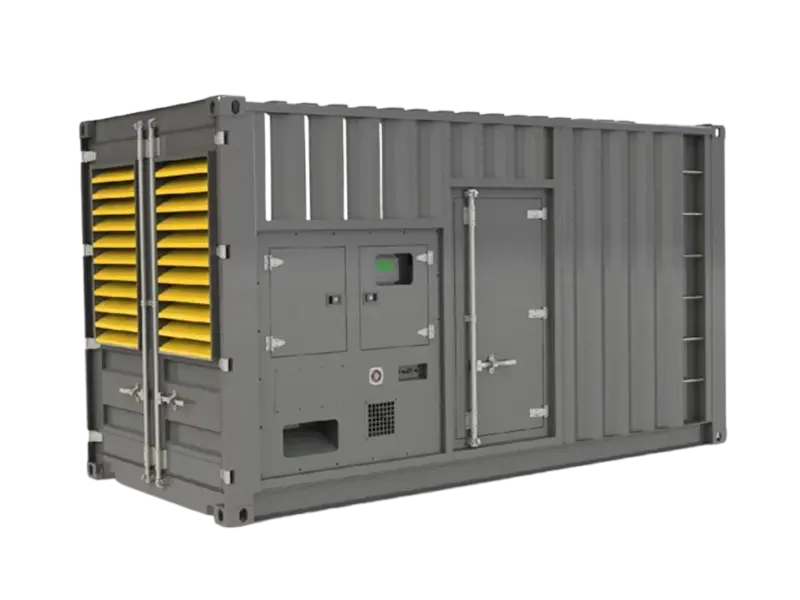 20/40HQ-Standard Container Type Generators