- Home
- Products
- Service
- About Us
- Solution
- Videos
- News
- Contact Us
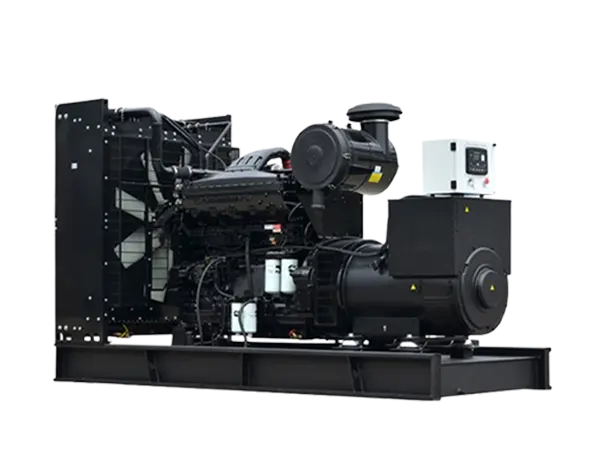 Diesel Generator Sets with Cummins Engines, XHZC Series
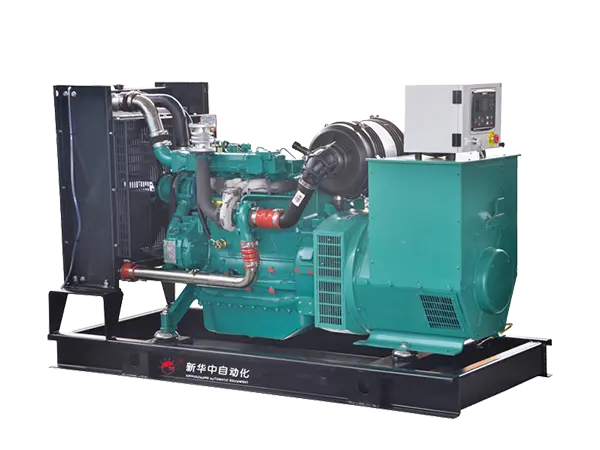 Weichai Series
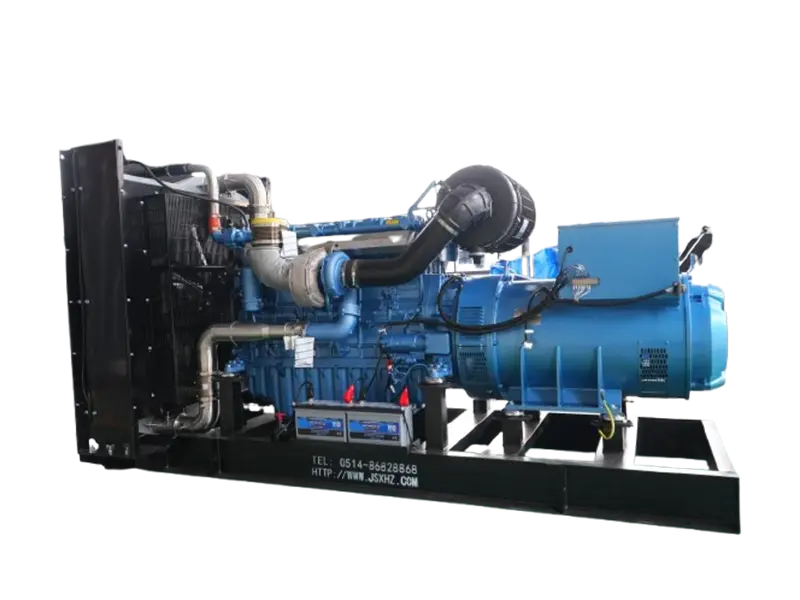 Diesel Generator Sets with WEICHAI Engines, XHZW Series
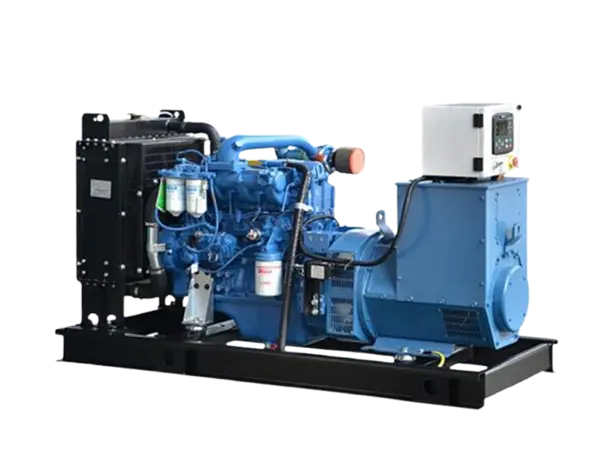 Yuchai Series
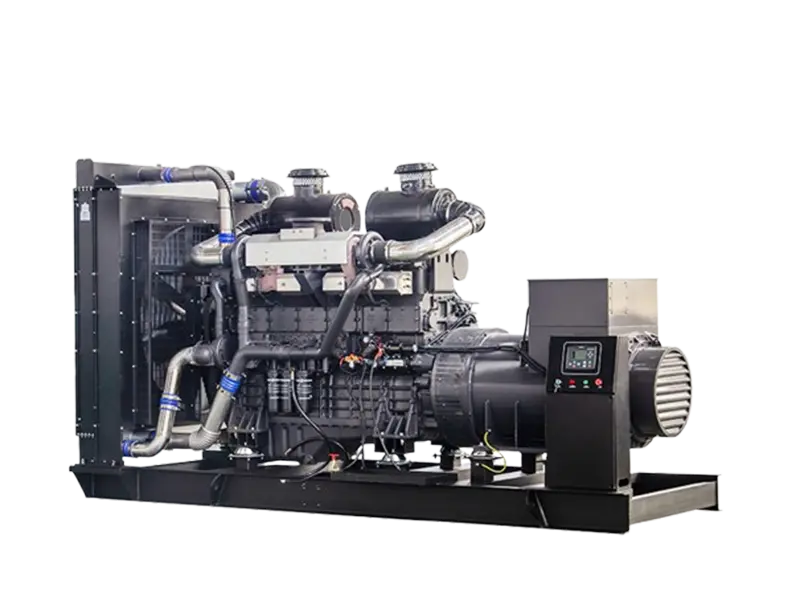 Diesel Generator Sets with SDEC(SHANGCHAI) Engines, XHZS Series
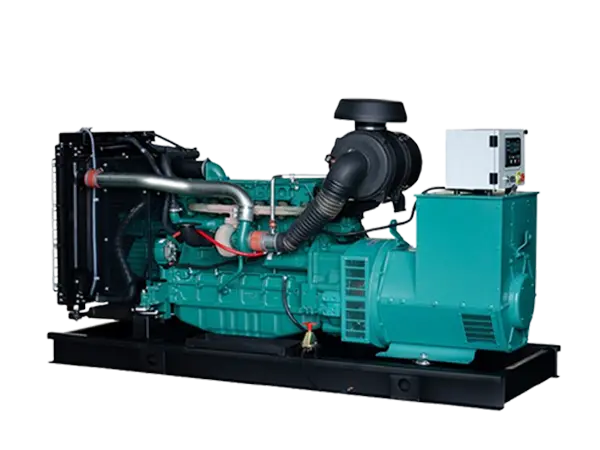 Volvo Series
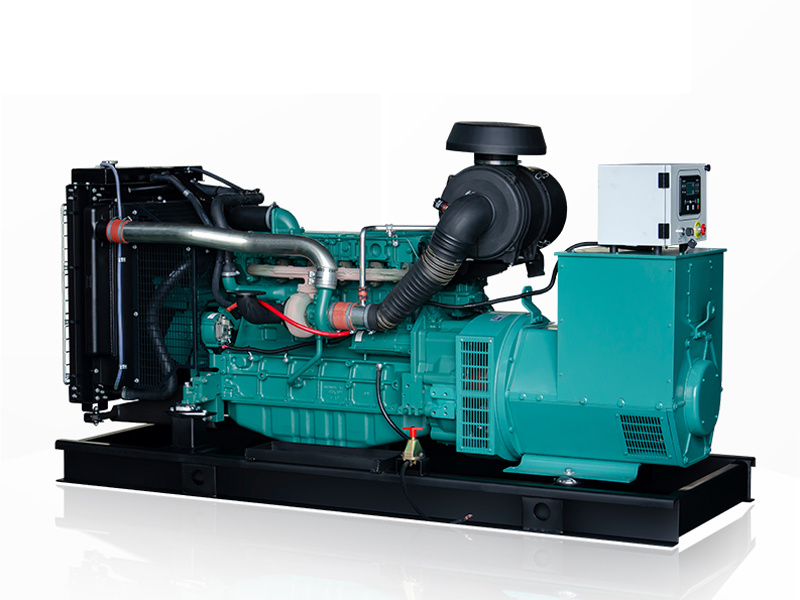 Diesel Generator Sets with VOLVO Engines, XHZV Series
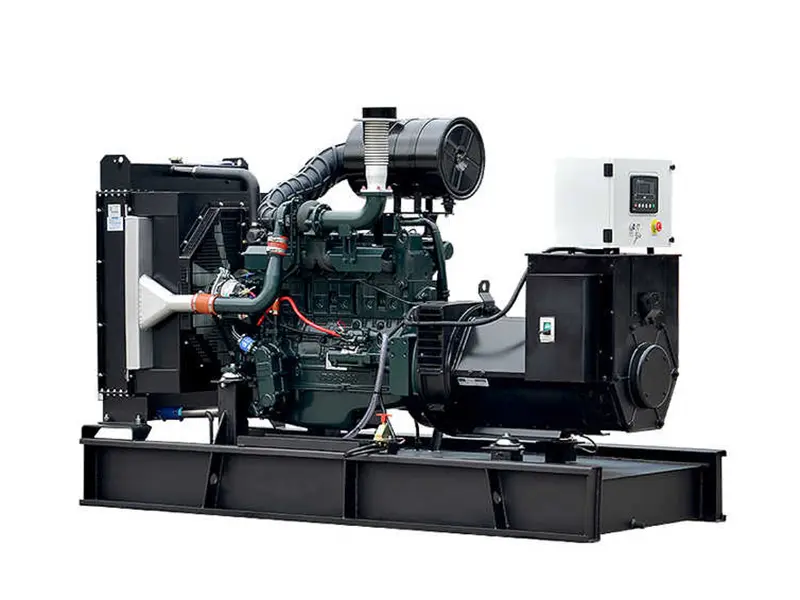 Diesel Generator Sets with Doosan Engines
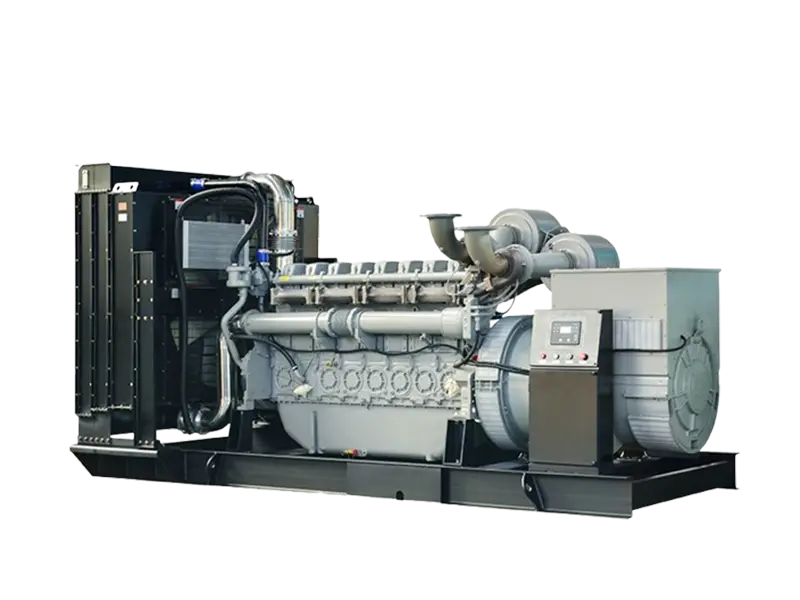 Diesel Generator Sets with Perkins Engines, XHZP Series
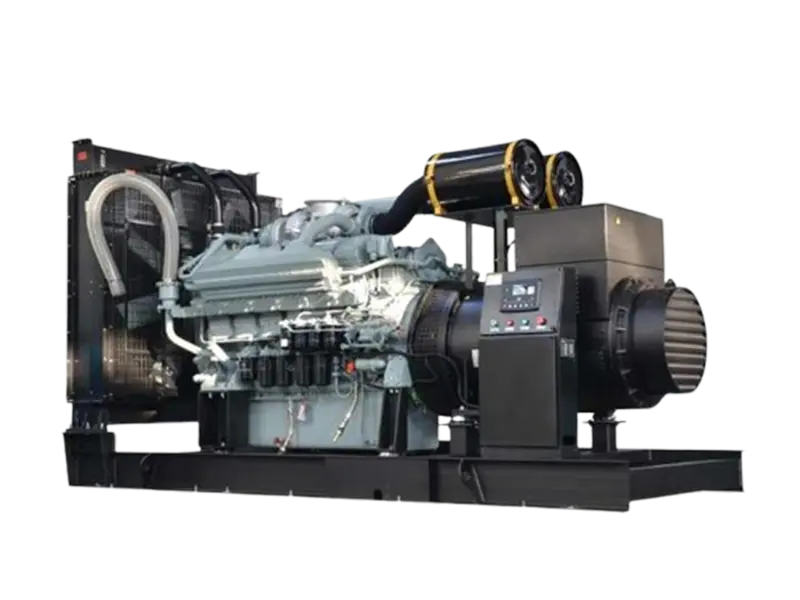 Diesel Generator Sets with Mitsubishi Engines
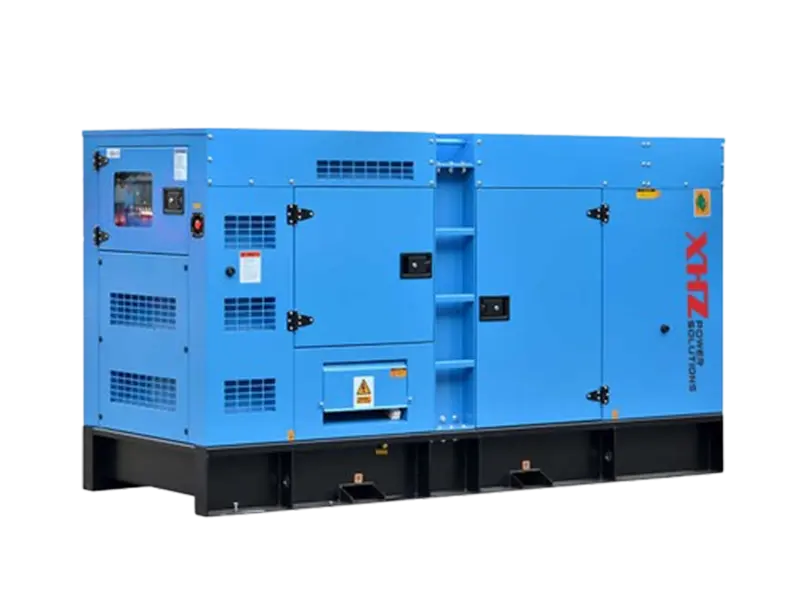 Silent Diesel Generators
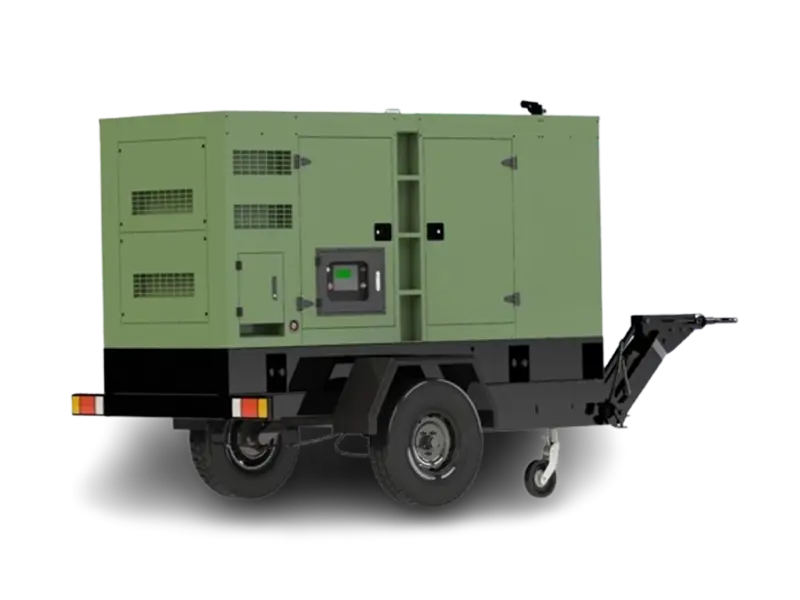 Mobile Silent Diesel Generators
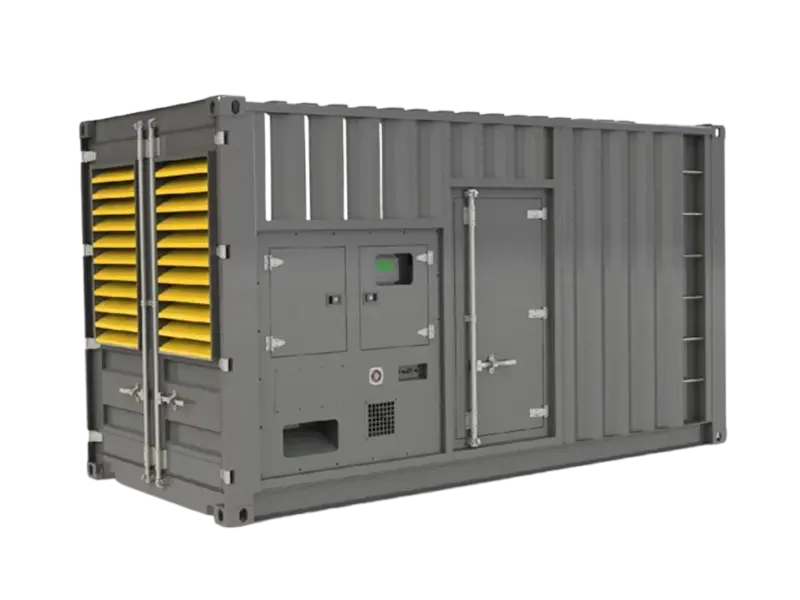 20/40HQ-Standard Container Type Generators
Leave Your Message
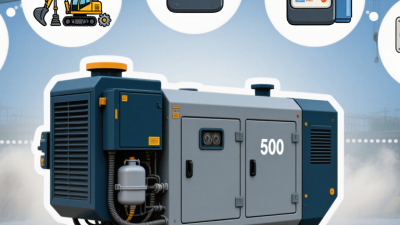
A Generator 500 Kva is a serious power solution for hospitals, factories, construction sites, and commercial buildings. Its rating means 500 kilovolt-amperes of apparent power, not automatically 500 kilowatts. At a typical 0.8 power factor, it can deliver about 400 kilowatts. That difference matters when motors, pumps, and sensitive equipment start together.
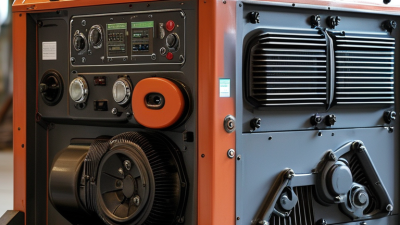
The system combines a diesel engine, alternator, fuel system, control panel, cooling package, and protective devices. When utility power fails, an automatic transfer switch can signal the engine to start. The engine turns the alternator through a rotating shaft. The alternator then produces electrical energy, while the control panel monitors voltage, frequency, oil pressure, and temperature. You may hear the engine rise sharply for several seconds. That sound reflects the load accepting power.
Power-generation engineer James McDonald states, “Generator reliability begins with correct sizing, installation, and disciplined maintenance.” This principle is easy to underestimate. A poorly sized unit may overload during motor starting, even when its average load seems acceptable. Fuel quality, ventilation, exhaust routing, grounding, and battery condition also influence performance. The generator may look ready, yet a weak starting battery can stop it instantly.
This guide explains what a 500 kVA generator is, how it works, and where its capacity limits appear. It also examines fuel use, load management, maintenance intervals, and installation concerns. Some specifications vary by manufacturer and altitude. That uncertainty should not be ignored. Always confirm real output, standby or prime rating, and local installation requirements before choosing equipment.
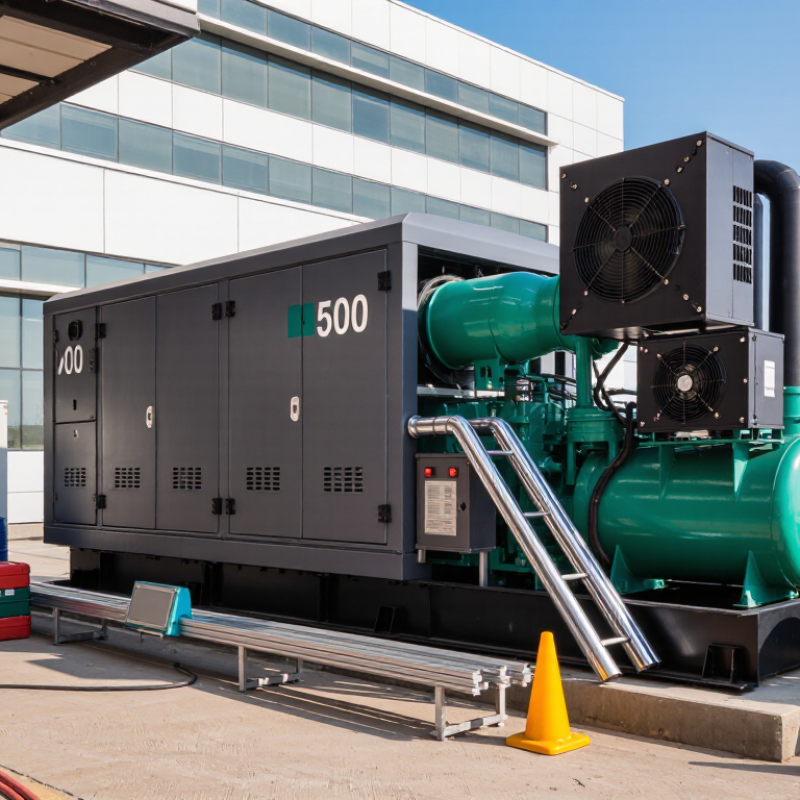
A 500 kVA generator is an electrical system rated for 500 kilovolt-amperes of apparent power. The kVA value includes both useful real power and reactive power. Unlike kW, it also reflects the effects of motors, transformers, and other inductive loads. At a 0.8 power factor, 500 kVA equals about 400 kW. This calculation is common, but it should not replace a proper load assessment.
The generator uses an engine to turn an alternator. Inside the alternator, a rotating magnetic field produces electricity in stationary windings. An automatic voltage regulator adjusts excitation as the load changes. The control panel monitors voltage, frequency, oil pressure, coolant temperature, and operating hours. During a site inspection, I would also check starting currents, cable size, ventilation, and grounding. Small details matter.
A 500 kVA rating does not mean the machine should run at full capacity continuously. Ambient heat, altitude, fuel quality, maintenance, and load type can reduce available output. A motor may draw several times its normal current during startup. That surge can cause voltage dips, even when the calculated running load looks safe. Power factor correction may improve efficiency, but incorrect sizing can create new problems. The rating needs context.
| Data Dimension | Typical Value or Description | What It Means in Practice |
|---|---|---|
| Generator Rating | 500 kVA | The generator can provide an apparent power capacity of 500 kilovolt-amperes under its specified operating conditions. |
| Approximate Real Power | 400 kW at 0.8 power factor | Real power is calculated using the relationship: kW = kVA × power factor. Actual available power depends on the generator design and operating conditions. |
| Power Factor | Commonly rated at 0.8 lagging | A 500 kVA generator rated at 0.8 power factor is generally associated with approximately 400 kW of usable real power for inductive loads. |
| Three-Phase Current at 400 V | Approximately 722 A | For a three-phase system, current can be estimated as: I = kVA × 1,000 ÷ (√3 × voltage). The result is an approximate full-load current. |
| Three-Phase Current at 415 V | Approximately 696 A | The available current decreases slightly as system voltage increases, assuming the same 500 kVA rating. |
| Single-Phase Current at 230 V | Approximately 2,174 A | This theoretical value is based on single-phase operation. A 500 kVA unit is more commonly configured for three-phase commercial or industrial applications. |
| Frequency | 50 Hz or 60 Hz | The required frequency depends on the local electrical grid and the equipment being powered. A generator must be configured for the correct frequency. |
| Common Output Voltage | Approximately 400–480 V for three-phase systems | Output voltage varies by application and installation requirements. A transformer or suitable distribution equipment may be needed for other voltage levels. |
| Prime Power Application | Designed for variable-load operation over extended periods | Prime-rated operation is used where the generator is a primary source of power and load demand changes over time. The permitted load profile follows the manufacturer’s rating standard. |
| Standby Power Application | Used during utility outages | Standby-rated operation supplies backup power when the normal electrical source fails. Standby units typically have operating limitations compared with prime-rated units. |
| Main Mechanical Components | Engine, alternator, fuel system, cooling system, exhaust system and control panel | The engine produces mechanical rotation, while the alternator converts that rotation into electrical energy. Supporting systems maintain safe and stable operation. |
| Energy Conversion Process | Fuel energy → mechanical energy → electrical energy | Combustion turns the engine crankshaft, the crankshaft rotates the alternator, and electromagnetic induction produces electricity. |
| Voltage Regulation | Controlled by an automatic voltage regulator | The regulator adjusts the alternator excitation system to help maintain stable output voltage as the electrical load changes. |
| Speed for 50 Hz Operation | Typically 1,500 rpm for a four-pole alternator | Synchronous speed depends on frequency and the number of alternator poles. Other alternator configurations may use different speeds. |
| Speed for 60 Hz Operation | Typically 1,800 rpm for a four-pole alternator | Maintaining the correct rotational speed is necessary to produce the required electrical frequency. |
| Load Capacity Planning | Should be based on continuous load, starting load and future demand | Motors, pumps and compressors can draw several times their normal running current during startup, so starting requirements must be included in the sizing calculation. |
| Recommended Operating Margin | Avoid continuous operation at the maximum rating | Leaving practical capacity for load changes and motor starting can improve voltage stability and reduce thermal stress. The exact margin depends on the application. |
| Fuel Type | Usually diesel in this power class | Diesel systems are widely used for large backup and prime-power applications because of their durability, energy density and suitability for extended operation. |
| Fuel Consumption | Varies significantly with load and engine efficiency | Fuel use is lower at partial load and increases as electrical output rises. A precise figure should be taken from the unit’s certified fuel-consumption data. |
| Cooling Method | Usually liquid-cooled with a radiator | Liquid cooling removes heat from the engine and transfers it through a radiator. Adequate ventilation is required to discharge heat from the generator room. |
| Transfer Equipment | Automatic transfer switch for backup installations | An automatic transfer switch detects utility failure, starts the generator and transfers the load after the generator reaches stable voltage and frequency. |
| Typical Protection Functions | Overcurrent, overload, low oil pressure, high coolant temperature, overspeed and emergency shutdown | Protection systems monitor operating conditions and disconnect or shut down the generator when unsafe conditions are detected. |
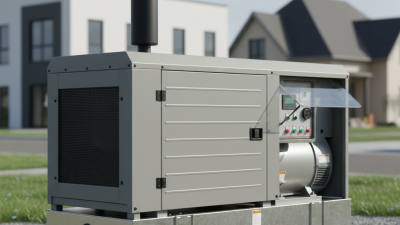
| Installation Requirements | Suitable foundation, ventilation, exhaust routing, fuel storage, grounding and electrical distribution | Correct installation is essential for safe operation, cooling, noise control, maintenance access and compliance with local electrical and environmental requirements. |
| Maintenance Requirements | Regular inspection, oil and filter service, coolant checks, battery checks and load testing | Scheduled maintenance helps preserve starting reliability, voltage quality, engine performance and service life. |