Leave Your Message

2026 Best Silent Type Generator for Global Buyers

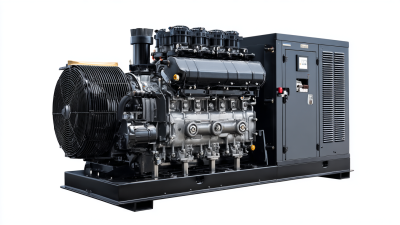
Choosing the right Silent Type Generator in 2026 requires more than comparing brochure noise figures. Global buyers need dependable power, practical acoustics, and verified support after delivery.

A generator may appear quiet in a showroom, yet sound different beside a hotel, construction site, or remote clinic. Experienced buyers should check noise readings in dB(A), measured distance, operating load, and enclosure design. A unit rated at 62 dB(A) may perform differently at 50% and 100% load. Small details matter. Fan speed, exhaust routing, vibration mounts, and cooling airflow can change the daily experience.

No model is perfectly silent. That matters. Reliable evaluation should include engine performance, fuel consumption, alternator quality, controller functions, and emergency response. Buyers should request test reports, factory inspection records, warranty terms, spare-parts availability, and clear delivery conditions. Standards and emission requirements also vary between countries, so local verification remains essential. Claims without measurement deserve caution.

This guide examines suitable Silent Type Generator options for international purchasing in 2026. It focuses on real operating conditions, not only attractive specifications. Each choice involves compromise. A smaller enclosure may reduce cost, while stronger acoustic insulation can increase weight and maintenance needs. Some recommendations may look less impressive on paper, but perform better over years of service. That is worth considering. Reliable power is measured during difficult nights, not during a brief factory demonstration.
2026 Best Silent Type Generator for Global Buyers

What Makes a Silent Type Generator Suitable for Global Buyers

A silent type generator suits global buyers when quiet operation is measurable, not merely advertised. The World Health Organization’s Environmental Noise Guidelines for the European Region recommends night noise below 45 dB Lnight for road traffic. A generator is not road traffic, but the comparison shows the health concern clearly. Buyers should request sound levels in dB(A), measured under a stated load and distance. “Silent” without test conditions is weak evidence.

Real suitability also depends on local power requirements. The International Energy Agency’s Electricity 2024 report expects global electricity demand to grow by about 4% annually through 2026. This increases demand for dependable backup equipment in homes, hospitals, construction sites, and remote facilities. A suitable unit should support the buyer’s voltage, frequency, phase, and rated output. Automatic voltage regulation matters. So does stable performance at partial load.

Certification is another practical filter. ISO 8528 provides performance classifications for engine-driven generating sets, while ISO 3744 supports sound-power testing. Buyers should check emissions compliance, electrical protection, weather resistance, and service documentation. A compact enclosure may reduce noise but restrict airflow. That can increase heat and shorten component life. I would not trust a low dB figure alone. Fuel quality, altitude, maintenance habits, and installation distance can change real results. Global buyers need translated manuals, accessible spare parts, and clear warranty terms. Small details often decide whether “silent” remains true after six months.
Key Technologies Behind Low-Noise Generator Design

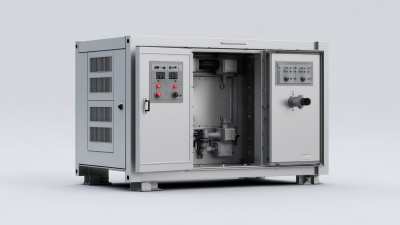
Silent generators are not truly silent. They are engineered to make sound less noticeable. For global buyers, that difference matters during night work, residential backup, and outdoor events. The best low-noise designs begin with vibration control. Flexible engine mounts separate mechanical movement from the frame. Balanced rotating parts reduce harsh, repeating vibrations. Heavy base plates also prevent the unit from moving across concrete.

Variable-speed control is another key technology. The engine slows when electrical demand falls, reducing combustion noise and fuel use. A well-designed muffler softens exhaust pulses without restricting airflow. Acoustic enclosures use layered steel, mineral wool, and carefully placed ventilation channels. Air must enter and leave freely. Poor airflow can overheat the generator and shorten its service life. Cooling fans should be selected for low turbulence, not only maximum capacity.

Testing should include sound measurements at several distances and load levels. A generator may seem quiet at low load, then become noticeably louder near full output. Buyers should check rated sound levels, test conditions, maintenance access, and local noise requirements. Small details matter. Rubber feet can harden over time. Door seals may loosen. “Silent” is sometimes an optimistic label, not a permanent result. Regular inspection, clean filters, and correct placement remain essential. No enclosure fixes a poor installation.

2026 Best Silent Type Generator for Global Buyers - Key Technologies Behind Low-Noise Generator Design
Generator Type Typical Prime Power Typical Noise at 7 m Fuel and Operating Profile Core Low-Noise Technologies Typical Fuel Consumption Typical Continuous Runtime Best-Fit Global Applications
Inverter Gasoline Generator 1–3 kW 48–60 dB(A) Gasoline; variable-speed operation; light portable duty Inverter alternator, economy throttle, acoustic enclosure, tuned muffler, anti-vibration mounts Approximately 0.35–0.75 L/h at 50% load 6–18 hours with an integral tank, depending on load Camping, residential backup, small tools, telecommunications and sensitive electronic loads
Small Enclosed Diesel Generator 5–10 kW 58–68 dB(A) Diesel; fixed-speed operation; standby or light prime power Double-skin canopy, low-noise intake and exhaust, resilient engine mounts, radiator airflow silencer Approximately 1.3–2.8 L/h at 75% load 10–24 hours, depending on fuel-tank capacity Retail sites, construction equipment, farms, homes and small commercial facilities
Silent Diesel Generator 15–30 kW 62–72 dB(A) Diesel; 1,500 or 1,800 rpm depending on regional frequency; prime or standby duty High-density acoustic foam, multi-stage silencer, sealed service doors, automatic voltage regulation Approximately 3.8–7.5 L/h at 75% load 8–20 hours with a standard base tank Worksites, clinics, schools, warehouses, small data rooms and distributed power systems
Low-Noise Diesel Generator 40–100 kW 65–75 dB(A) Diesel; prime, standby or limited continuous operation Acoustic canopy with labyrinth airflow path, critical-grade exhaust silencer, electronic governor, vibration isolation Approximately 10–24 L/h at 75% load 8–24 hours; external tanks can extend autonomy Commercial buildings, event power, utilities, manufacturing and emergency backup
Heavy-Duty Silent Diesel Generator 125–300 kW 68–80 dB(A) Diesel; prime or standby power; often used in parallel systems Engineered acoustic enclosure, low-velocity cooling airflow, flexible exhaust connection, automatic load sharing Approximately 30–70 L/h at 75% load 8–24 hours with an integrated tank; longer with bulk storage Factories, hospitals, data centers, infrastructure projects and remote microgrids
Natural Gas Generator 30–150 kW 62–75 dB(A) Natural gas or pipeline gas; clean indoor-air profile; fixed installation Lean-burn engine, catalytic after-treatment where required, acoustic enclosure, low-speed cooling fan Approximately 9–35 m³/h at 75% load, dependent on gas composition Continuous operation while gas supply is available Urban backup, commercial buildings, combined heat and power, and sites with reliable gas infrastructure
Hybrid Battery–Generator System 10–200 kW generator with battery storage 45–70 dB(A) during battery operation; higher when the engine runs Diesel, gasoline or gas engine combined with lithium-ion battery storage Peak shaving, automatic start/stop, inverter power conversion, remote monitoring, low-load engine avoidance Potential fuel savings of approximately 20–60% in variable-load duty cycles Battery-only periods range from minutes to several hours; engine extends total runtime Events, telecom sites, construction, temporary power and renewable-energy microgrids
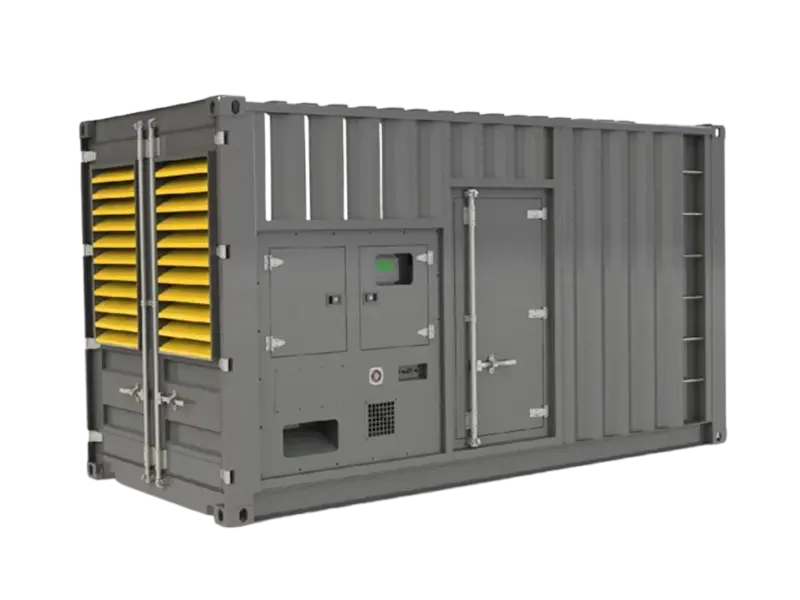
Containerized Silent Power Plant 500 kW–2 MW per unit 70–85 dB(A) Diesel or gas; modular prime, standby or parallel operation Container acoustic treatment, redundant ventilation, synchronizing controls, load-sharing and remote SCADA Approximately 110–470 L/h for diesel units at 75% load 12–48 hours with integrated or external fuel systems Mining, large construction projects, utilities, emergency response and islanded power networks
Data basis: The figures are representative engineering ranges for 2026 purchasing comparisons. Actual sound pressure, fuel use, runtime and emissions depend on rated load, frequency, altitude, ambient temperature, enclosure design, fuel quality and the measurement method. Noise values should be verified against ISO 3744 or the applicable local acoustic standard, while generator performance is commonly evaluated under ISO 8528.

How to Compare Power Output, Fuel Use, and Operating Costs

2026 Best Silent Type Generator for Global Buyers

How to Compare Power Output, Fuel Use, and Operating Costs

When comparing silent type generators in 2026, start with usable power, not the largest advertised rating. Record continuous output in kilowatts and separate it from short-term starting capacity. Motors, pumps, and compressors may demand two to three times their running power. A generator that looks adequate on paper can trip during a cold start. Measure real loads.

Fuel use should be checked at 25%, 50%, 75%, and full load. Compare liters per hour at each level, then multiply by local fuel prices and expected annual hours. Lightly loaded engines may waste fuel, especially during long standby periods. Altitude, temperature, fuel quality, and maintenance also affect consumption. These details are easy to overlook.

Operating cost includes more than fuel. Add oil, filters, battery replacement, scheduled servicing, transport, and possible downtime. Ask for service intervals and parts availability in the destination country. Check voltage, frequency, emissions, and noise requirements before importing any unit. A practical field method is keeping a seven-day load and fuel log. My own estimates would still be imperfect, because seasonal demand can change quickly. That uncertainty deserves a financial margin.

2026 Best Silent Type Generator for Global Buyers: Power Output, Fuel Use, and Operating Cost

This representative benchmark compares common 50 Hz silent diesel generator classes at 75% load. Rated output assumes a power factor of 0.8. Operating cost includes diesel at US$1.10 per litre plus a maintenance reserve of US$0.03 per kWh; installation, finance, taxes, and transportation are excluded. Larger generators generally deliver lower fuel use and operating cost per kWh, while smaller units may be more suitable for lower-demand applications.

Safety, Compliance, and Environmental Standards Across Markets

2026 Best Silent Type Generator for Global Buyers

Safety, Compliance, and Environmental Standards Across Markets

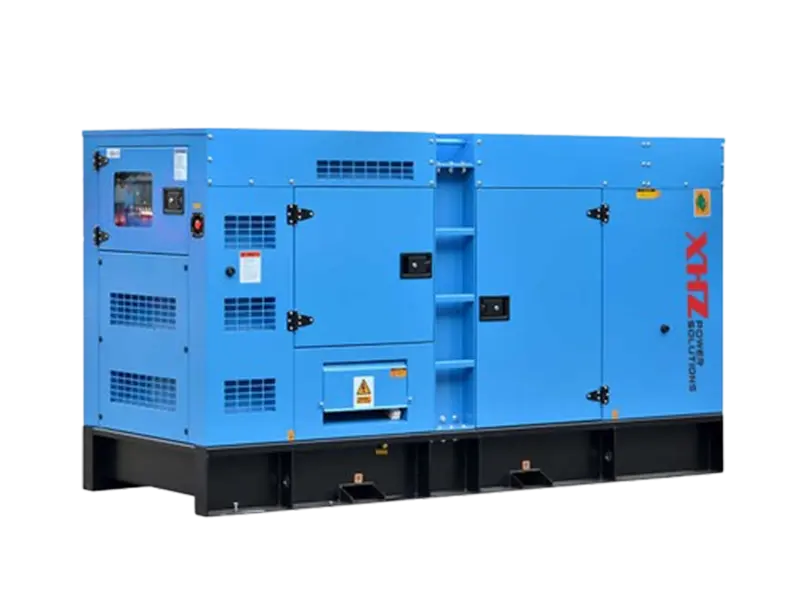
A silent type generator uses acoustic panels, airflow controls, and vibration mounts to reduce operating noise. However, “silent” is not a universal certification. Buyers should check the measured dB(A) level, testing distance, load condition, and test method. A unit rated at 65 dB(A) may perform differently beside a hospital wall or inside a narrow construction site.

Safety starts with dependable engineering. Look for overload protection, emergency shutdown, fuel-leak control, fire-resistant wiring, and clear maintenance access. Generator sets commonly reference ISO 8528, while electrical safety and electromagnetic compatibility may require additional regional standards. Requirements can change between commercial, residential, marine, and temporary-site use. Local inspection still matters.

Emissions compliance requires careful market matching. European projects may require Stage V engines, while other markets follow different emission frameworks and certification labels. Check limits for nitrogen oxides, particulate matter, carbon monoxide, and visible smoke. Do not rely on a sales sheet alone. Request the engine certificate, conformity documents, noise report, wiring diagrams, and service records.

Environmental performance also includes fuel containment, recyclable enclosure materials, efficient cooling, and responsible battery disposal. Smaller fuel tanks can reduce spill risk, but they may increase refueling frequency. That trade-off deserves review. In field evaluations, poor ventilation has sometimes caused more trouble than engine noise. The quietest unit is not automatically the safest. Requirements remain imperfect, and buyers should confirm every detail with qualified local professionals before purchase.

How to Select the Best Silent Type Generator for Different Applications

2026 Best Silent Type Generator for Global Buyers

In 2026, global buyers should match generator design with the application. IEA Electricity 2024 forecasts global electricity demand to grow by 3.4% annually through 2026. Reliable backup power is becoming less optional. However, “silent” does not mean noiseless. Buyers should compare sound pressure levels in dB(A), measured at the same distance. ISO 8528-10 offers a useful testing framework. A lower brochure number may mislead.

For hospitals, hotels, and residential projects, select an enclosed generator with low-vibration mounts and nighttime operating controls. WHO’s Environmental Noise Guidelines recommend limiting night noise exposure to 45 dB Lnight for several transport sources. This figure is not a generator specification, but it shows why site boundaries matter. Construction sites need mobility, dust protection, and strong starting capacity. Data centers require stable frequency, rapid automatic transfer, and full-load testing. Remote facilities may value fuel storage more than the lowest noise rating.

Tips: Check both sound pressure and sound power data. Ask for test conditions, distance, load, and ambient temperature. Review altitude derating before purchase. Inspect ventilation paths, because tighter acoustic enclosures can increase heat. A field noise survey is worth the cost. Real sites are messier. Load changes, walls, and weather can alter results, so one laboratory figure should never decide everything.