Top Diesel Generator Large Solutions for Global Buyers?
In today’s energy landscape, the demand for reliable power solutions is increasing. Diesel Generator Large systems provide robust and efficient solutions for various industries. These generators offer flexibility and durability, making them suitable for diverse applications, from construction sites to remote operations.
Choosing the right diesel generator is crucial. Factors such as capacity, fuel efficiency, and maintenance must be considered. Global buyers face numerous options, yet not all provide the same reliability. When selecting a diesel generator large enough to meet specific needs, it's essential to evaluate the manufacturer’s experience and service support. A poor choice can lead to delays and operational inefficiencies.
The market for diesel generators is constantly evolving. New technologies are emerging, driving improvements in fuel consumption and emissions. However, it's vital to remain cautious. Relying solely on technical specifications can be misleading. Real-world performance and customer reviews often reveal more about the product. As buyers navigate this complex landscape, the importance of thorough research cannot be overstated.
Overview of Diesel Generators and Their Applications
Diesel generators play a crucial role in various industries. They provide reliable power solutions in areas where the grid is unstable or unavailable. These generators are widely used in construction sites, events, and remote locations. Their ability to deliver consistent energy supports vital operations.
The applications of diesel generators are diverse. Hospitals depend on them for emergency power. In agriculture, they assist with irrigation systems. Data centers utilize these generators to ensure uninterrupted service. However, there are challenges to consider. Diesel generators can emit pollutants, prompting a need for environmentally friendly solutions. Regular maintenance is essential. Neglecting upkeep can lead to efficiency issues and costly repairs.
Global buyers should seek generators that meet their specific needs. Understanding load requirements is critical. Some may need portable options, while others require stationary units for consistent output. Evaluating power needs can prevent future complications. Many users overlook this step, leading to inadequate or excessive power supply.
Key Features to Consider When Selecting Diesel Generators
When selecting a diesel generator, key features matter. Start with engine size. Larger engines usually provide higher power output. This can be crucial for industrial applications. Power efficiency is another important factor. A more efficient generator consumes less fuel, saving costs. Consider the generator's operational noise level. Lower noise levels contribute to a more pleasant working environment.
Tips: Always check for fuel consumption ratings. They can reveal long-term operational costs. Also, look for generators with easy service access. Maintenance can impact reliability.
Durability plays a vital role too. Generators with robust build quality last longer in demanding environments. Evaluate the cooling system. Proper cooling prevents overheating and ensures optimal performance. Lastly, consider the generator’s weight. Transporting a heavier generator can be a challenge, especially for site applications. Assessing these elements helps in making a more informed decision.
Top Diesel Generator Large Solutions for Global Buyers
| Model |
Power Output (kW) |
Fuel Type |
Engine Type |
Noise Level (dB) |
Weight (kg) |
| DG-1500 |
1500 |
Diesel |
4-Stroke |
75 |
1200 |
| DG-2000 |
2000 |
Diesel |
6-Stroke |
80 |
1500 |
| DG-3000 |
3000 |
Diesel |
V8 |
85 |
1800 |
| DG-4000 |
4000 |
Diesel |
V12 |
90 |
2200 |
| DG-5000 |
5000 |
Diesel |
V16 |
95 |
2500 |
Leading Manufacturers of Diesel Generators in the Global Market
When it comes to diesel generators, the global market features numerous manufacturers with diverse offerings. The leaders in this sector prioritize innovation and reliability. They continuously invest in advanced technologies to enhance efficiency and performance. Some companies specialize in large-scale solutions, catering to industries such as construction, mining, and data centers. Their products are designed to withstand demanding conditions while delivering dependable power.
Expertise in manufacturing plays a vital role in a company's reputation. These manufacturers often conduct rigorous testing to ensure their generators meet global standards. However, there are always areas for improvement. Challenges like noise pollution and environmental impact remain significant concerns. Some users have reported difficulties with maintenance and fuel efficiency over time. To address these issues, manufacturers are working towards more sustainable designs.
The focus on customer service is another essential aspect. Top companies offer extensive support, from installation to ongoing maintenance. Feedback from clients can sometimes highlight shortcomings in service quality. This feedback loop encourages brands to adapt and refine their offerings continuously. A commitment to excellence is key for manufacturers looking to maintain their leading positions.
Comparative Analysis of Diesel Generator Solutions Across Regions
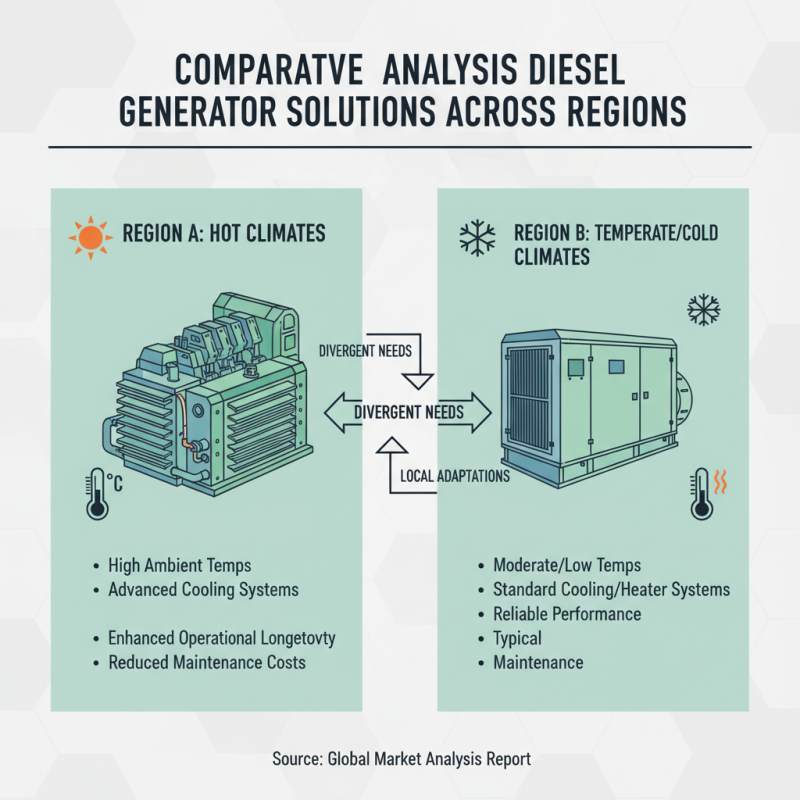
In today’s global market, diesel generators serve diverse needs across various regions. Their designs and capacities differ significantly based on local regulations and climate conditions. For instance, regions with high temperature often opt for generators built with advanced cooling systems to ensure optimal performance. Such necessity can increase operational longevity and reduce maintenance costs.
Environmental impact is another significant concern. Some regions have stringent emissions regulations that challenge manufacturers. This leads to innovation in emission control technologies, creating a divide between compliant and non-compliant solutions. It’s not only about power generation anymore; it’s about doing so responsibly. Buyers must assess the trade-offs in efficiency and sustainability against the backdrop of local requirements.
Furthermore, the selection process can feel overwhelming. Local supply chains might have their own limitations, affecting availability. Manufacturers may not invest equally in every market, resulting in varying levels of support and service. Buyers should reflect on their specific needs while considering these factors. This complex landscape makes thorough research and local expertise invaluable in making informed choices.

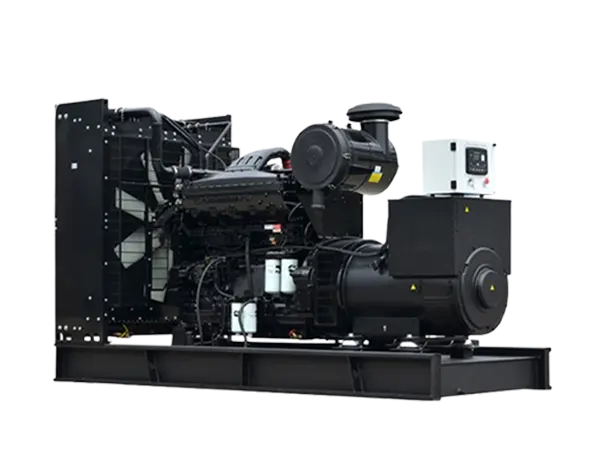 Diesel Generator Sets with Cummins Engines, XHZC Series
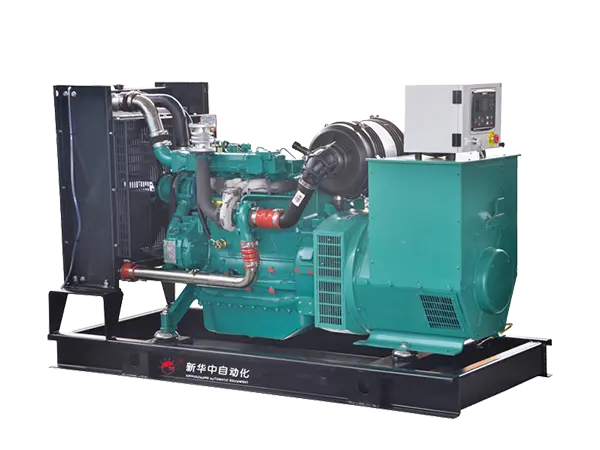 Weichai Series
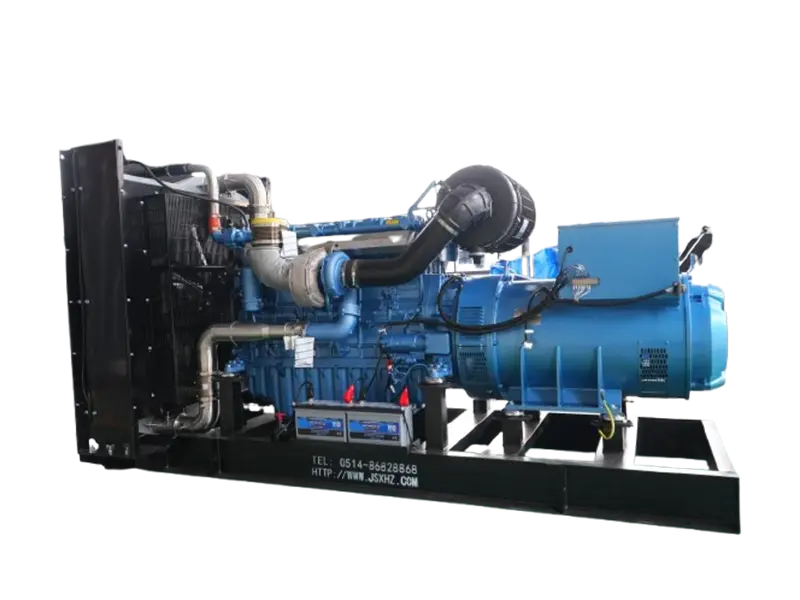 Diesel Generator Sets with WEICHAI Engines, XHZW Series
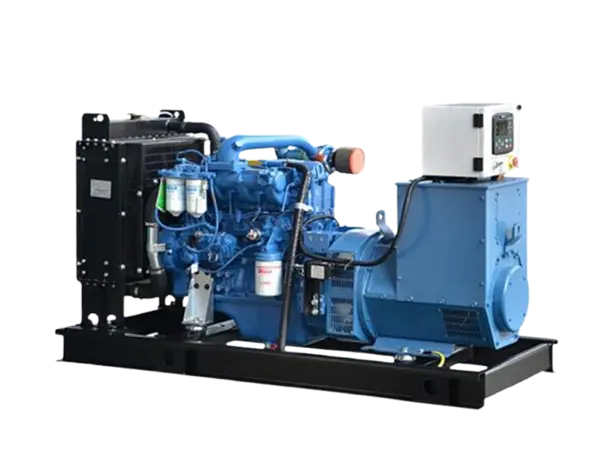 Yuchai Series
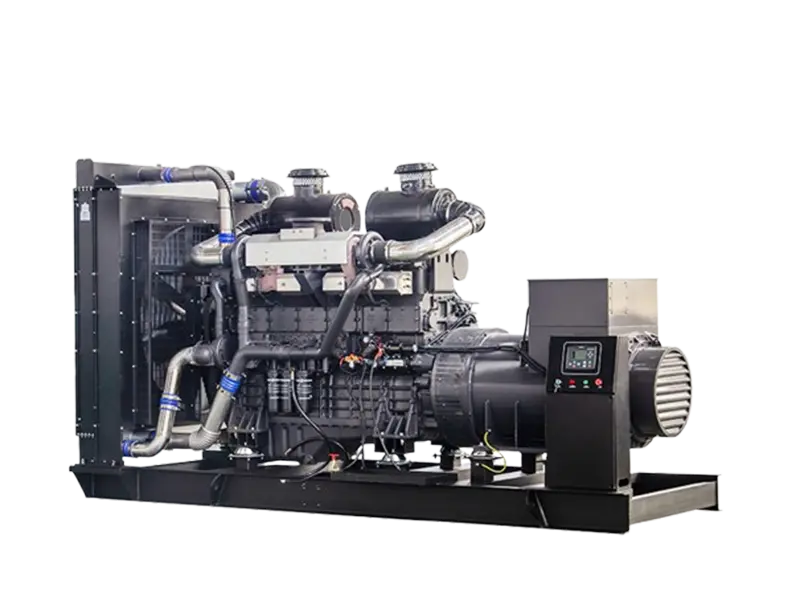 Diesel Generator Sets with SDEC(SHANGCHAI) Engines, XHZS Series
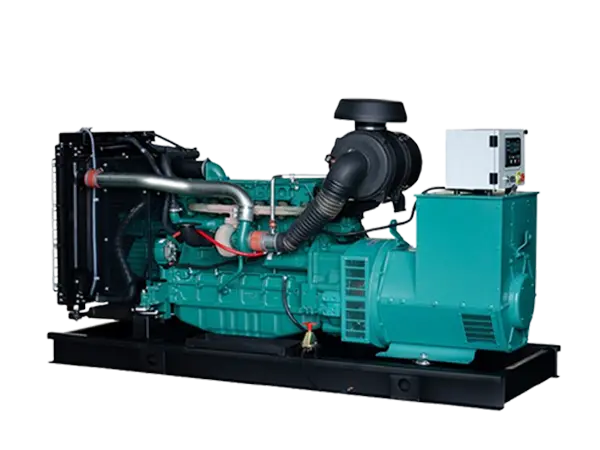 Volvo Series
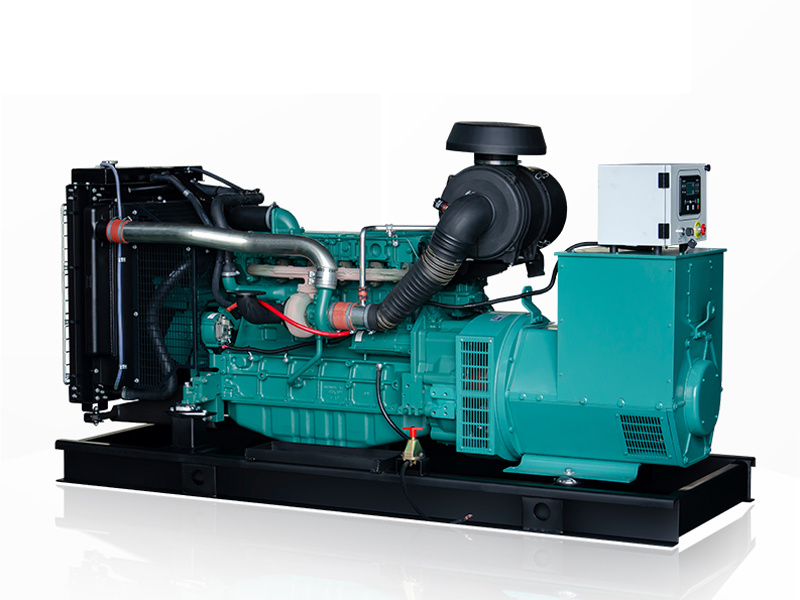 Diesel Generator Sets with VOLVO Engines, XHZV Series
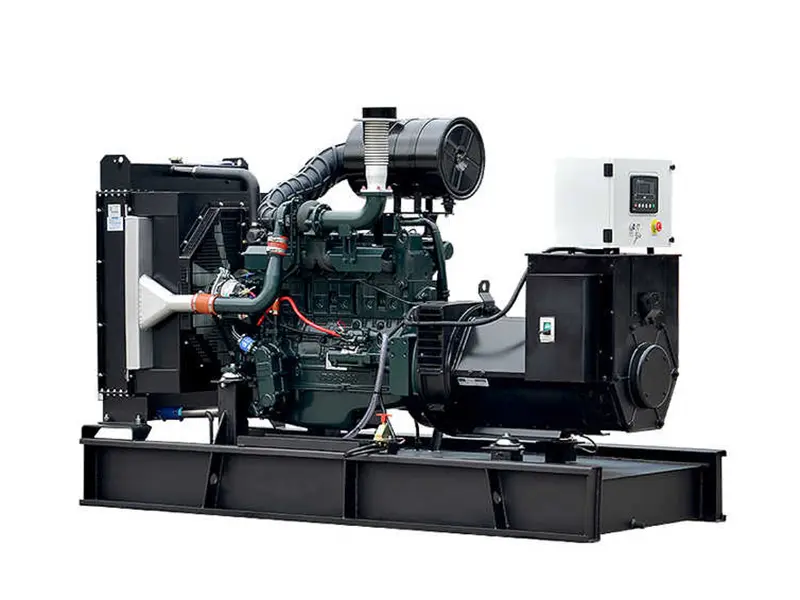 Diesel Generator Sets with Doosan Engines
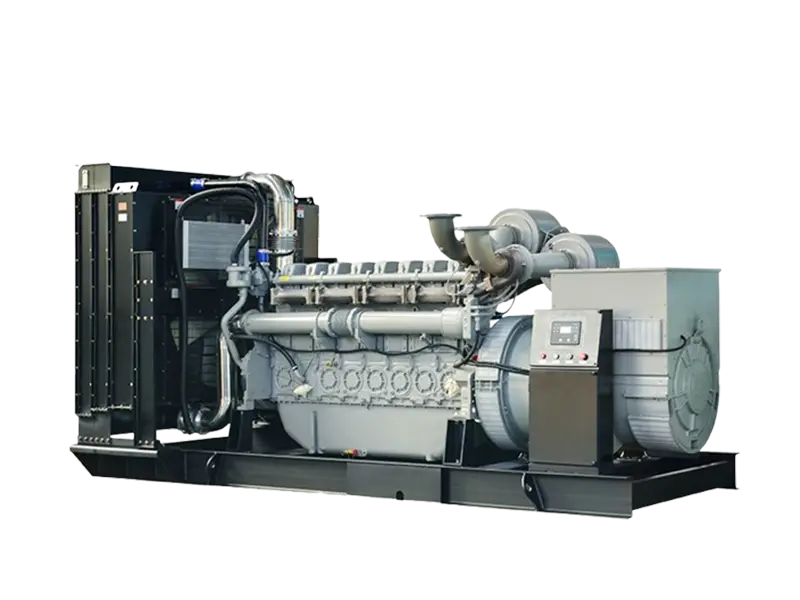 Diesel Generator Sets with Perkins Engines, XHZP Series
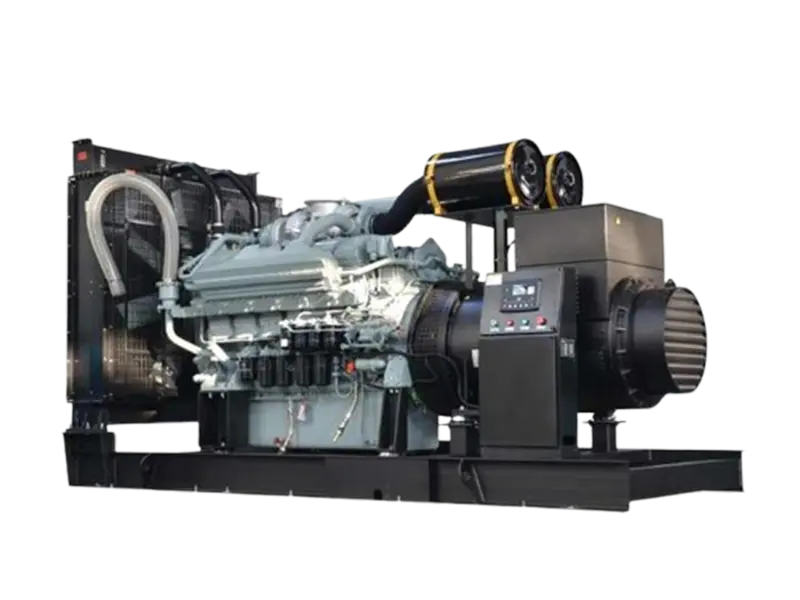 Diesel Generator Sets with Mitsubishi Engines
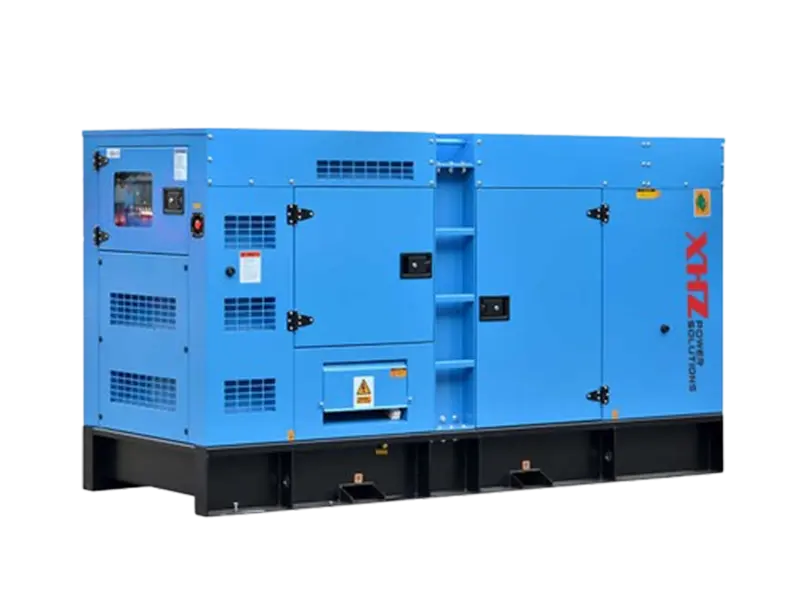 Silent Diesel Generators
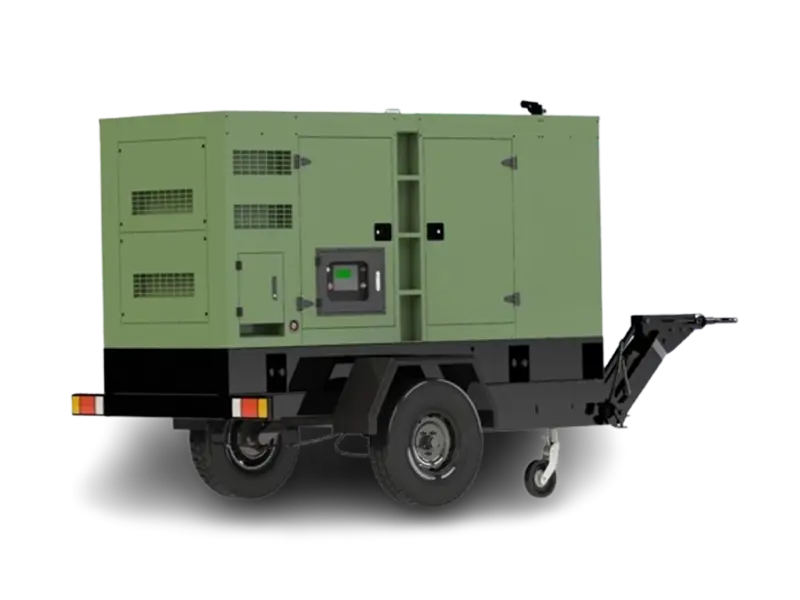 Mobile Silent Diesel Generators
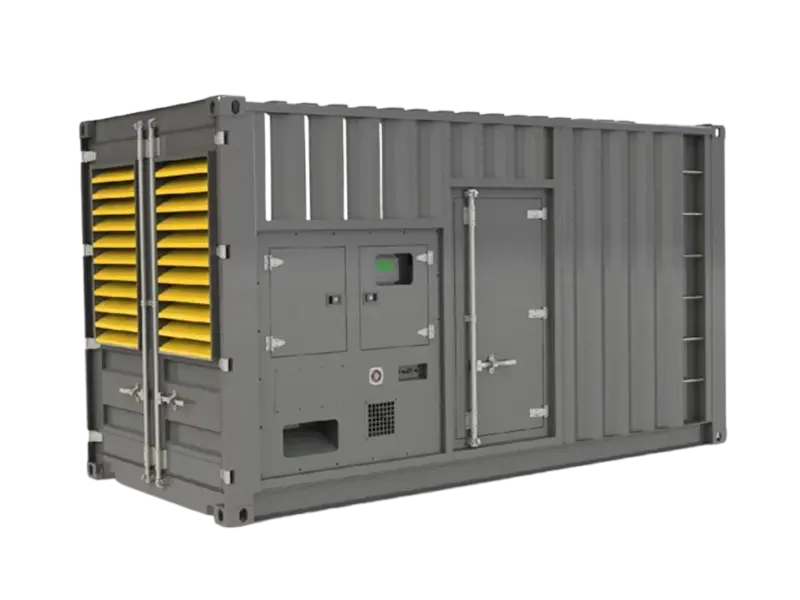 20/40HQ-Standard Container Type Generators