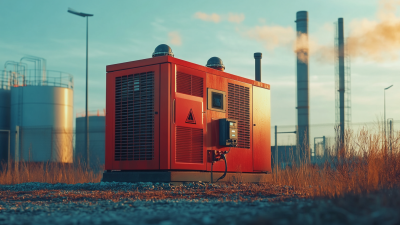
2025 Top Diesel Engine Generators: Efficiency, Features, and Comparisons
As the demand for reliable power sources continues to grow across various industries, Diesel Engine Generators (DEGs) stand out as a preferred choice due to their efficiency, durability, and extensive applications. According to a report by MarketsandMarkets, the global diesel generator market size is projected to reach $23.1 billion by 2025, demonstrating a compound annual growth rate (CAGR) of 5.4% during the forecast period. This substantial growth underscores the increasing reliance on Diesel Engine Generators, particularly in regions with unstable electricity supply and in industries requiring uninterrupted power.
Expert insights emphasize the importance of selecting the right Diesel Engine Generator for specific applications. Dr. John H. Sullivan, a leading authority in power generation technologies, stated, "The efficiency and performance of Diesel Engine Generators can significantly impact operational costs and sustainability goals.” As advancements in generator technology continue to emerge, understanding the features and efficiencies of top models becomes crucial for consumers and businesses alike.
In this overview of the 2025 top Diesel Engine Generators, we will explore the latest innovations, compare key features, and analyze performance metrics that drive the industry's growth. With a focus on sustainability and operational efficiency, this guide aims to equip consumers with the knowledge required to make informed decisions in a rapidly evolving market.

2025 Diesel Engine Generators: An Overview of the Market Landscape
The 2025 diesel engine generator market is poised for significant growth as industries increasingly seek reliable and efficient power solutions. With advancements in technology, these generators are becoming more versatile, catering to a variety of sectors, including construction, manufacturing, and telecommunications. The focus is not only on power output but also on energy efficiency, as companies strive to minimize operational costs while maximizing performance.
When selecting a diesel engine generator, consider the generator's efficiency rating, which can greatly impact long-term operational expenses. Understanding the features such as automatic start/stop capabilities, sound attenuation, and fuel consumption will help make an informed choice. Additionally, the growing emphasis on environmentally friendly practices has led to the integration of low-emission technologies in diesel generators, further enhancing their appeal in an eco-conscious market.
**Tips:** When assessing the market, always compare fuel efficiency and maintenance requirements across different models. Look for generators with advanced monitoring systems that allow for remote diagnostics and maintenance alerts. It's also beneficial to factor in the availability of local support and service options to ensure minimal downtime in the event of repairs.
2025 Top Diesel Engine Generators: Efficiency, Features, and Comparisons
| Model |
Power Output (kW) |
Fuel Efficiency (L/kWh) |
Noise Level (dB) |
Run Time (Hours) |
Weight (kg) |
Price (USD) |
| Model A |
50 |
0.25 |
70 |
12 |
400 |
4500 |
| Model B |
75 |
0.22 |
68 |
15 |
500 |
6200 |
| Model C |
100 |
0.20 |
75 |
20 |
600 |
8500 |
| Model D |
125 |
0.18 |
72 |
18 |
700 |
9500 |
| Model E |
150 |
0.15 |
65 |
25 |
800 |
12000 |
Key Efficiency Metrics for Diesel Engine Generators in 2025
In 2025, the efficiency of diesel engine generators is crucial in meeting both
environmental regulations and operational demands. Key efficiency metrics include
thermal efficiency,
load factor, and
fuel consumption rates.
Thermal efficiency measures how effectively a generator converts fuel into usable energy,
typically expressed as a percentage. A higher thermal efficiency indicates that less fuel is required to produce
the same amount of power, making it an essential metric for evaluating the overall performance of diesel generators.
Another significant factor is the load factor, which represents the
ratio of actual output to potential output over a specific period. An optimal load factor
suggests that a generator is being utilized effectively and can operate at peak efficiency without excessive
wear or fuel wastage. Additionally, fuel consumption rates provide insight into how much fuel a generator uses
at different loads, influencing operating costs and environmental impact.
Understanding these metrics allows users to make informed decisions regarding
diesel engine generators, ensuring optimal performance and sustainability
in energy production.
Innovative Features of Top Diesel Engine Generators in 2025
In 2025, the landscape of diesel engine generators has seen significant advancements, with innovative features setting the top models apart. Enhanced fuel efficiency has become a game-changer, utilizing cutting-edge technology to optimize fuel consumption while maximizing power output. Many generators now incorporate advanced control systems that allow users to monitor performance in real-time, ensuring efficient operation and reducing wastage. Additionally, models equipped with noise reduction technologies offer quieter operations, making them suitable for a wider range of environments, from residential to commercial settings.
Another exciting development in diesel engine generators is the integration of smart technology. Many top models now feature IoT connectivity, enabling remote monitoring and diagnostics through smartphones or tablets. This feature not only enhances convenience but also allows for predictive maintenance, minimizing downtime and prolonging the generator's lifespan. Furthermore, some generators are now designed with sustainability in mind, incorporating eco-friendly solutions such as reduced emissions and the potential for biofuel compatibility.
Tips for choosing the right generator include assessing your power needs accurately, taking note of the generator's efficiency ratings, and considering additional features like portability and noise levels. Always prioritize models with robust safety features, ensuring that they meet the necessary regulations and standards for your intended use. By keeping these factors in mind, you can select a diesel engine generator that not only meets your immediate needs but also supports long-term sustainability and efficiency.
Comparative Analysis of Leading Diesel Engine Generators
In the evolving landscape of power generation, diesel engine generators continue to hold a prominent position due to their exceptional efficiency and reliability. According to a recent report by the International Energy Agency, diesel generators can offer thermal efficiencies ranging from 30% to 50%, making them a preferred choice for industrial and commercial applications that demand robust power output.
Furthermore, advancements in technology have led to improved emissions control, enabling many diesel generators to comply with stringent environmental regulations while maintaining performance standards.
When conducting a comparative analysis of leading diesel engine generators, key features such as fuel consumption, maintenance intervals, and noise levels are essential metrics to consider. Studies indicate that modern diesel generators are designed with fuel-efficient engines that can reduce overall operating costs by up to 20% compared to older models.
Additionally, the integration of sound attenuation technologies has significantly lowered operational noise, with some generators achieving sound levels below 70 dB(A). These developments not only enhance user experience but also expand the applicability of diesel generators across various sectors, including remote construction sites and residential backup power solutions.
Future Trends in Diesel Engine Generator Technology and Efficiency
The future of diesel engine generator technology is poised for significant advancements, driven by the exploration of enhanced efficiency and sustainability. With increasing concerns regarding environmental impact, manufacturers are focusing on developing cleaner and more efficient combustion processes. This involves integrating advanced fuel management systems that optimize the fuel-air mixture and reduce emissions, thus enhancing overall performance while conforming to stringent regulations. Moreover, innovations such as turbocharging and intercooling are being refined to maximize the power output while minimizing fuel consumption.
In addition, the integration of digital technologies is transforming diesel generators into smarter, more efficient systems. Real-time monitoring and analytics can provide insights into performance, allowing for predictive maintenance and improved operational efficiency. This shift towards IoT-enabled generators not only ensures better reliability but also reduces downtime and operational costs. As hybridization gains traction, researchers are looking into combining diesel engines with renewable energy sources, paving the way for more versatile and sustainable energy solutions. This evolution in diesel engine generator technology is essential for meeting the future energy demands while aligning with global sustainability goals.

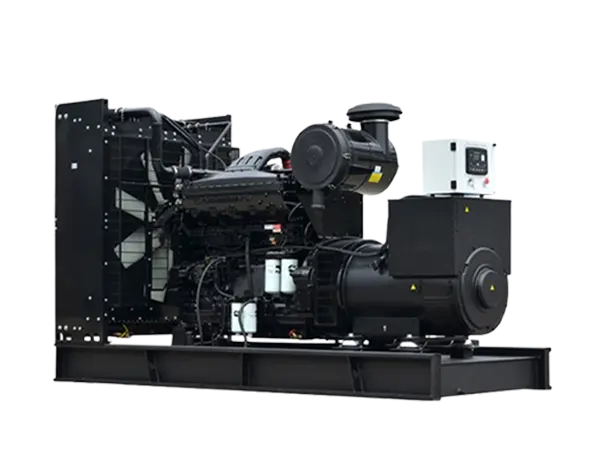 Diesel Generator Sets with Cummins Engines, XHZC Series
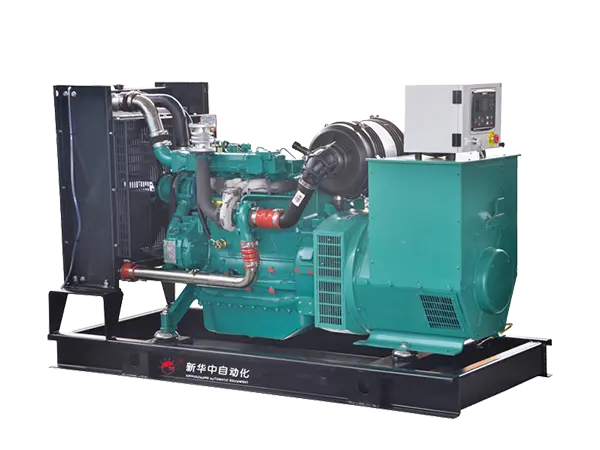 Weichai Series
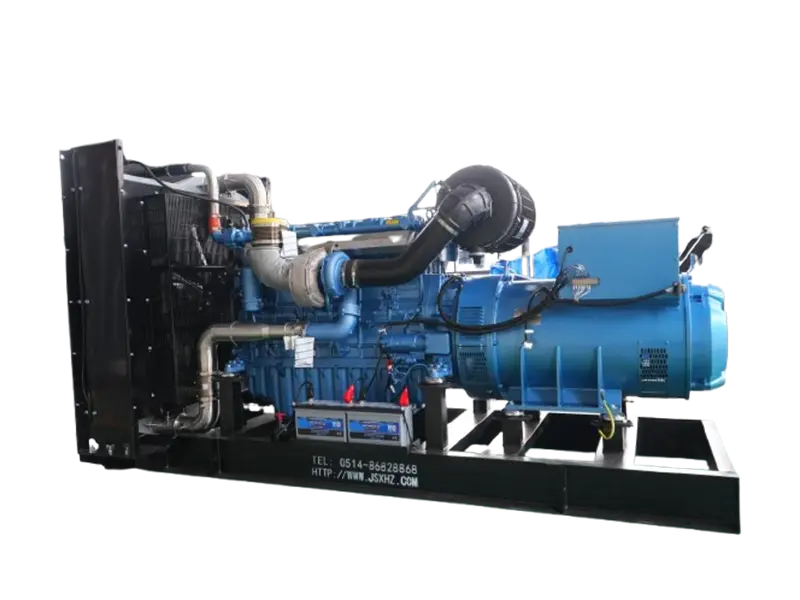 Diesel Generator Sets with WEICHAI Engines, XHZW Series
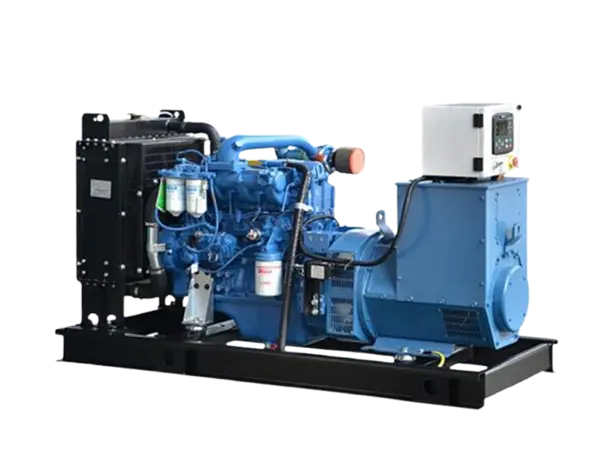 Yuchai Series
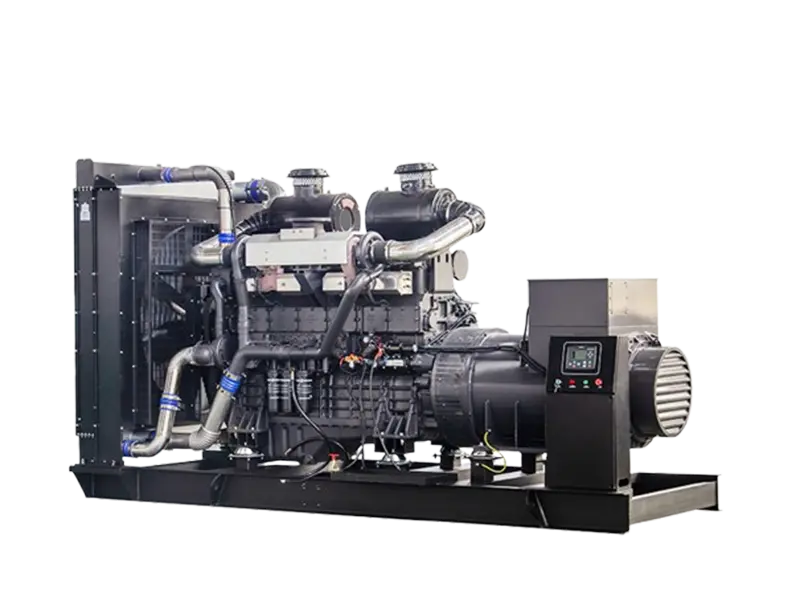 Diesel Generator Sets with SDEC(SHANGCHAI) Engines, XHZS Series
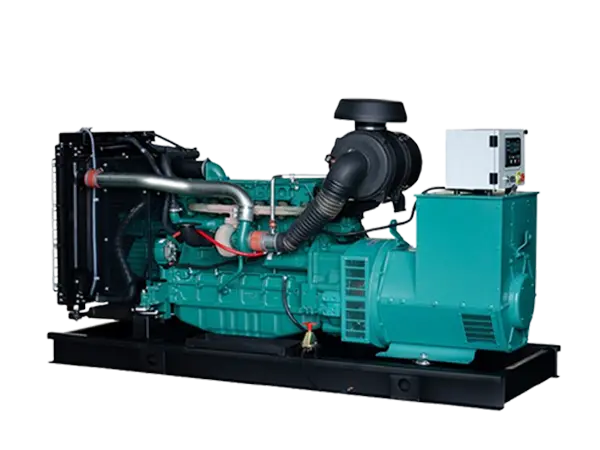 Volvo Series
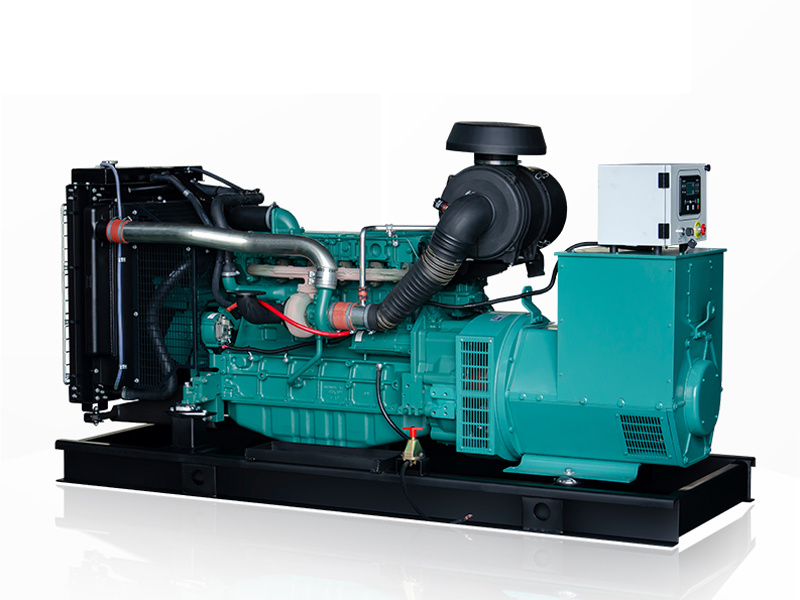 Diesel Generator Sets with VOLVO Engines, XHZV Series
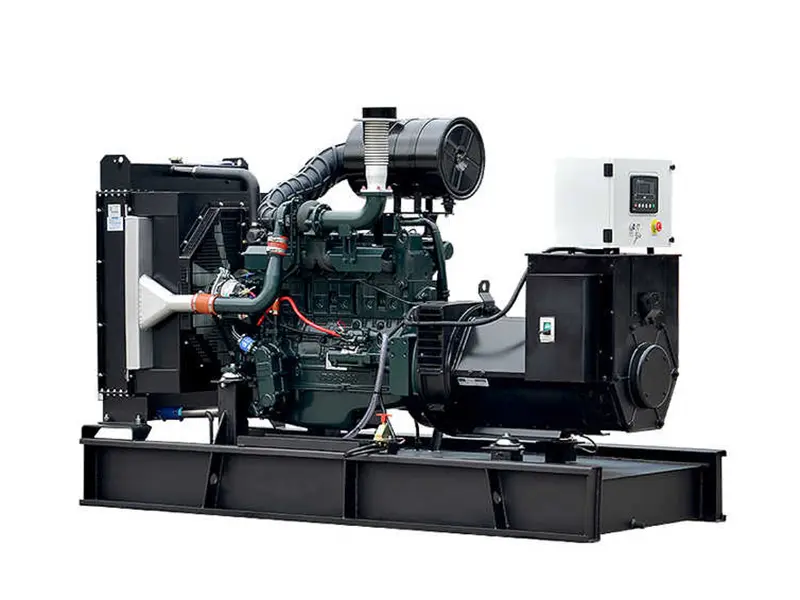 Diesel Generator Sets with Doosan Engines
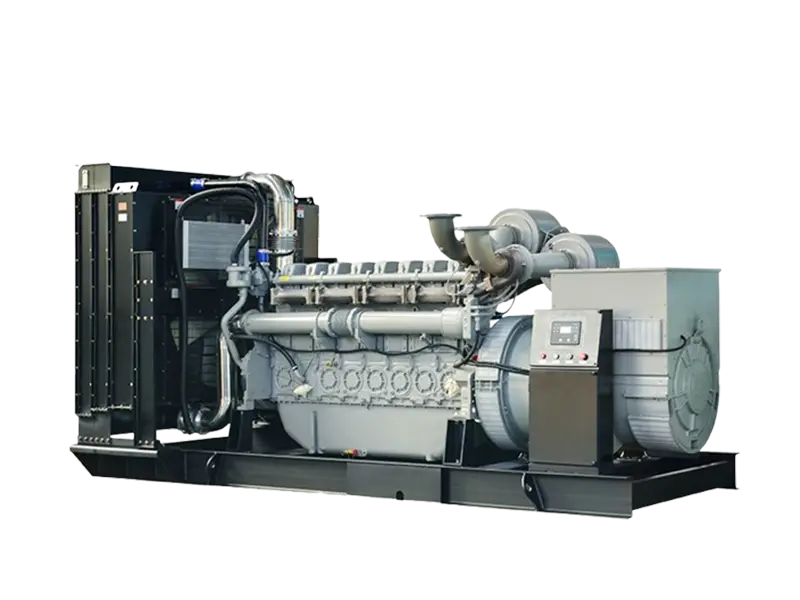 Diesel Generator Sets with Perkins Engines, XHZP Series
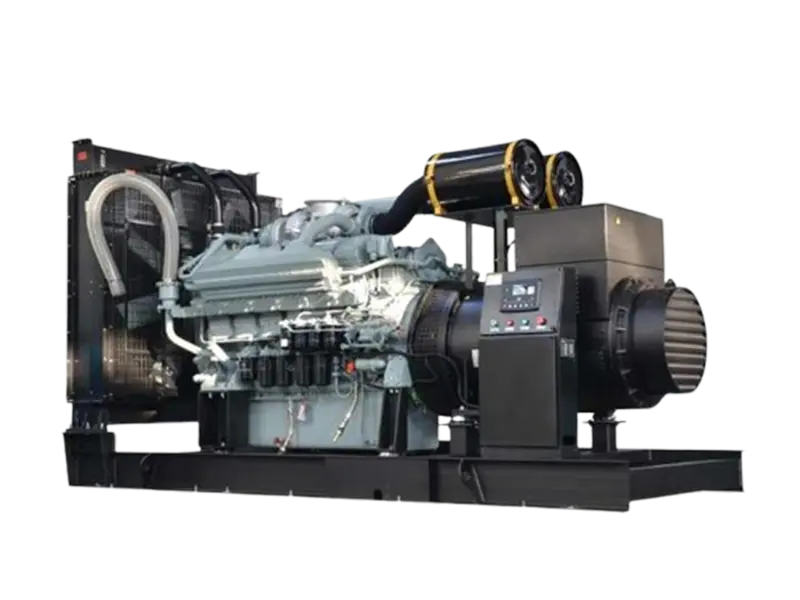 Diesel Generator Sets with Mitsubishi Engines
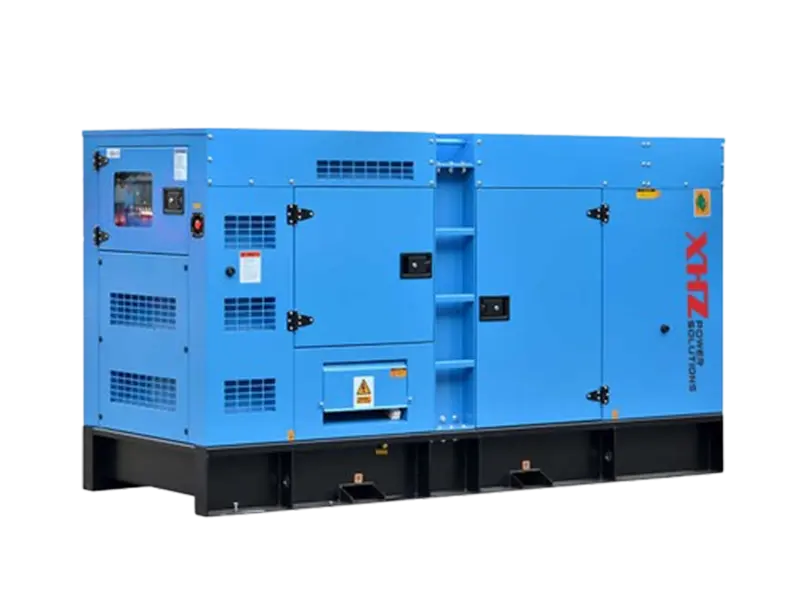 Silent Diesel Generators
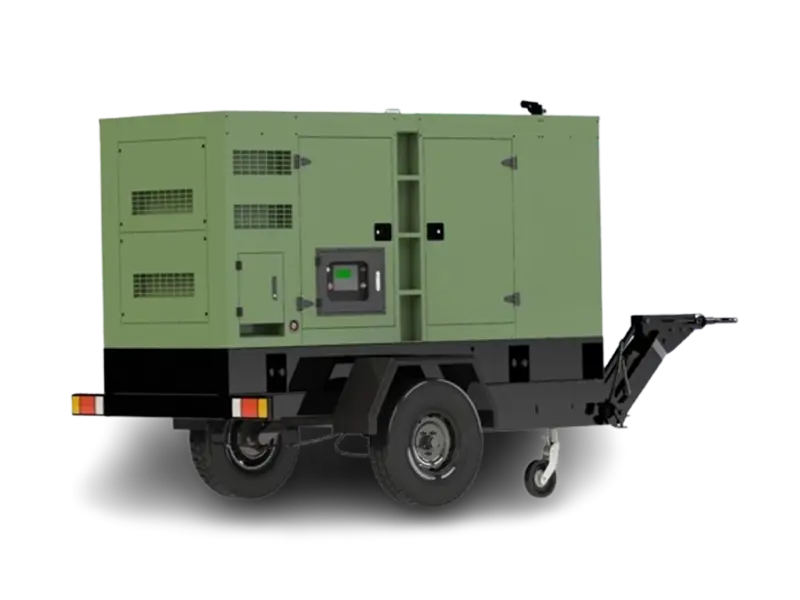 Mobile Silent Diesel Generators
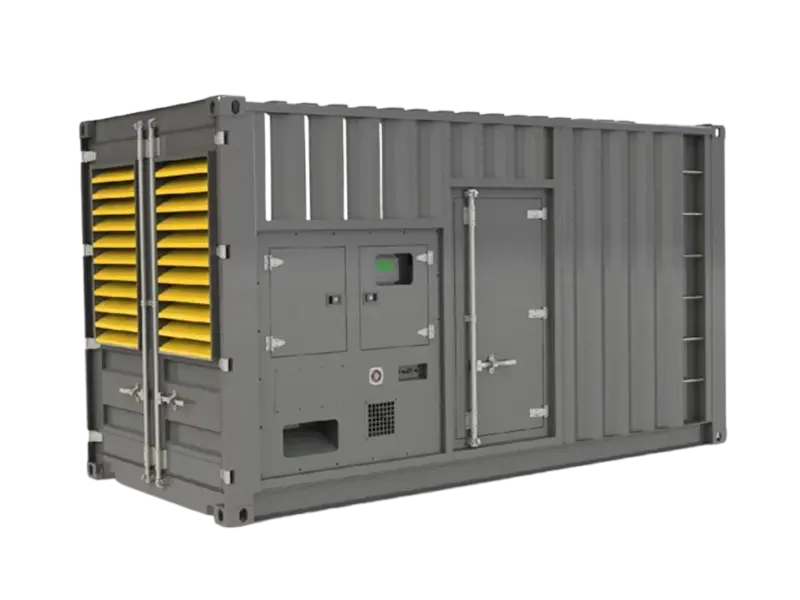 20/40HQ-Standard Container Type Generators