Top 10 Power Solutions Generator Tips for Reliable Energy Backup
In an era where energy reliability is paramount, particularly in the face of increasing natural disasters and grid failures, the importance of effective power solutions cannot be overstated. According to the U.S. Energy Information Administration, power outages have become more frequent, with the average consumer experiencing over eight hours of downtime per year. This underscores the need for robust backup systems, particularly in commercial and industrial settings where operational continuity is critical. Among the various backup options available, power solutions generator systems stand out for their capability to deliver immediate and dependable energy in emergencies.
Moreover, the global generator market is projected to reach USD 27.6 billion by 2027, driven by the rising demand for uninterrupted power supply across various sectors. Many organizations are increasingly turning to power solutions generators not just for their reliability, but also for their adaptability to diverse energy needs. As such, understanding the nuances of generator selection, installation, and maintenance has become essential for maximizing performance and ensuring seamless energy transitions. This article aims to explore the top 10 tips for optimizing power solutions generator systems, providing crucial insights for businesses and homeowners alike in their pursuit of reliable energy backup.

Top 10 Power Solutions Generator Tips for Reliable Energy Backup
When it comes to ensuring that your energy backup is reliable, several best practices can significantly enhance the performance of your power generator.
First and foremost, regular maintenance is essential. This includes routine checks of oil levels, fuel quality, and battery health. By keeping your generator in optimal condition, you can prevent potential failures during critical times when power outages occur. Additionally, consider keeping a detailed log of maintenance activities to easily track when the next service is due.
Another important tip is to properly size your generator to match your energy needs. Conducting an accurate assessment of the wattage requirements of your appliances will ensure that your generator can handle the load without causing overloads or inefficiencies. Furthermore, consider investing in a transfer switch to ensure safety and ease when switching to backup power. This device will protect both your generator and your home’s electrical system from harmful back-feed. By following these reliable tips, you can ensure your generator is always ready when you need it the most.
Understanding the Importance of Reliable Energy Backup in Modern Living
In today’s fast-paced world, an uninterrupted power supply is crucial for both personal comfort and economic stability. As our reliance on technology grows—ranging from home appliances to essential business operations—the necessity for reliable energy backup becomes apparent. Power outages can occur unexpectedly due to natural disasters, extreme weather, or grid failures, and these interruptions can have significant repercussions. Thus, investing in robust power solutions not only ensures continuity but also enhances peace of mind.
Understanding the significance of dependable energy backup involves recognizing the potential risks associated with power disruptions. Many households depend on electricity for daily functions, from heating and cooling systems to medical devices. For businesses, even a brief power loss can disrupt operations, leading to financial losses and diminished customer trust. Therefore, having a reliable backup power system in place is not merely a precaution; it is a fundamental component of modern living, empowering individuals and organizations to maintain their routines and uphold safety. As we move forward, the emphasis on establishing resilient energy solutions will undoubtedly shape the future of our energy consumption and lifestyle choices.
Key Factors to Consider When Choosing a Power Generator
When choosing a power generator for reliable energy backup, several key factors must be taken into consideration. First and foremost, understanding the power needs of your home or business is essential. This involves calculating the wattage requirements of the devices and appliances you intend to use during an outage. Generators come with different power outputs, and selecting one that can comfortably handle your load will ensure that you have a consistent and reliable energy source when needed most.
Another critical factor is the type of generator. Options include portable generators, which are ideal for temporary use and smaller power needs, and standby generators, designed for permanent installation and capable of supplying power to your entire property seamlessly. Additionally, consider the fuel type, as generators can run on gasoline, propane, or natural gas. Each fuel source has its pros and cons regarding availability, efficiency, and storage requirements. Lastly, think about the generator's noise level and maintenance needs, ensuring that you choose a model that fits your lifestyle and complies with local regulations. By carefully evaluating these factors, you can select a generator that provides dependable power in emergencies.
Top 10 Power Solutions Generator Tips for Reliable Energy Backup
| Tip No. |
Tip |
Key Factors |
Considerations |
| 1 |
Determine Your Power Needs |
Wattage requirements |
Consider all appliances and equipment. |
| 2 |
Choose the Right Fuel Type |
Gasoline, Diesel, Propane |
Fuel availability and cost. |
| 3 |
Consider Portability |
Weight, Size |
Where will it be used? |
| 4 |
Evaluate Noise Levels |
Decibel rating |
Consider noise restrictions in your area. |
| 5 |
Check for Safety Features |
Circuit breaker, CO alerts |
Essential for safe operation. |
| 6 |
Assess Run Time |
Hours per tank |
How long will it run before refueling? |
| 7 |
Look for Multi-Use Options |
Dual fuel capability |
Flexible for various situations. |
| 8 |
Research Warranty and Support |
Duration, coverage |
Essential for long-term investment. |
| 9 |
Evaluate Startup Power |
Surge watts |
Some devices require more power to start. |
| 10 |
Read Reviews and Comparisons |
User experience |
Informed choice based on feedback. |
Maintenance Best Practices for Enhancing Generator Lifespan and Efficiency
Regular maintenance of generators is essential for maximizing their lifespan and ensuring efficient performance. According to a report by the National Renewable Energy Laboratory (NREL), neglecting routine maintenance can reduce a generator's operational efficiency by up to 30%. Basic practices such as changing oil and filters, inspecting fuel lines, and replacing worn-out components can significantly extend the life of a unit. For instance, a well-maintained generator can operate effectively for over 20,000 hours, while a neglected one might face unexpected failures after merely 5,000 hours of use.
Moreover, ensuring proper load management is crucial. The American Society of Mechanical Engineers (ASME) emphasizes that operating a generator continuously at less than 30% of its rated capacity can lead to carbon buildup and premature wear. Executing regular load tests and adjusting operations to match the generator's capabilities will prevent costly repairs in the long run. Additionally, employing a thorough cleaning regimen and checking cooling systems frequently can further enhance efficiency and reliability. As highlighted in a study by the Institute of Electrical and Electronics Engineers (IEEE), generators with a proactive maintenance schedule can achieve up to a 25% reduction in operational costs over their lifespan.
Emergency Preparedness: Strategies for Effective Energy Backup Deployment
When preparing for emergencies, having a reliable energy backup is crucial for ensuring the continuity of everyday life. In recent years, natural disasters and grid failures have underscored the importance of effective energy backup systems. The U.S. Energy Information Administration (EIA) reported that nearly 3 billion hours of power outages occurred in the nation last year alone, highlighting the necessity for strategic preparedness. A well-deployed generator can significantly mitigate the risks associated with such disruptions.
One essential tip is to assess your energy needs accurately. Consider what appliances and systems you cannot live without during an outage—like refrigerators, medical devices, or lighting. Energy audits can help determine the wattage required for each device, ensuring your generator is equipped to handle the load. Furthermore, investing in a generator with a minimum of a 20% capacity buffer is advisable, as this flexibility allows for peak usage without overloading the system.
Another important strategy is to establish a routine maintenance plan for your generator. According to industry reports, neglecting regular maintenance can reduce efficiency by up to 30%. Scheduled checks, oil changes, and fuel stabilization can help prevent outages when you need power the most. Don’t forget to perform a test run of your generator periodically; this will ensure it’s ready to go when an emergency strikes, thus enhancing your overall emergency preparedness.
Conclusion
In today's fast-paced world, the need for reliable energy backup is essential for both households and businesses. The article "Top 10 Power Solutions Generator Tips for Reliable Energy Backup" emphasizes the importance of understanding power generator options and the factors that influence their effectiveness. Choosing the right Power Solutions Generator requires careful consideration of power needs, fuel types, and noise levels, among other factors.
To ensure optimal performance and longevity of your generator, regular maintenance practices are crucial. The article also highlights emergency preparedness strategies for deploying energy backups effectively during power outages. Additionally, it explores renewable energy sources as sustainable alternatives to traditional generators, promoting a more eco-friendly approach to energy solutions. By following these guidelines, individuals can secure reliable energy backup that meets their needs while being mindful of the environment.

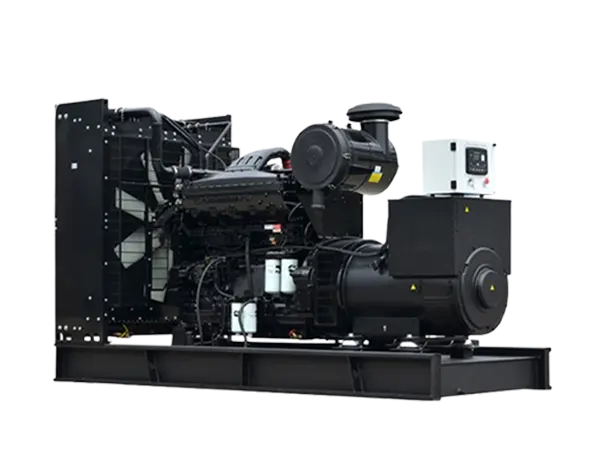 Diesel Generator Sets with Cummins Engines, XHZC Series
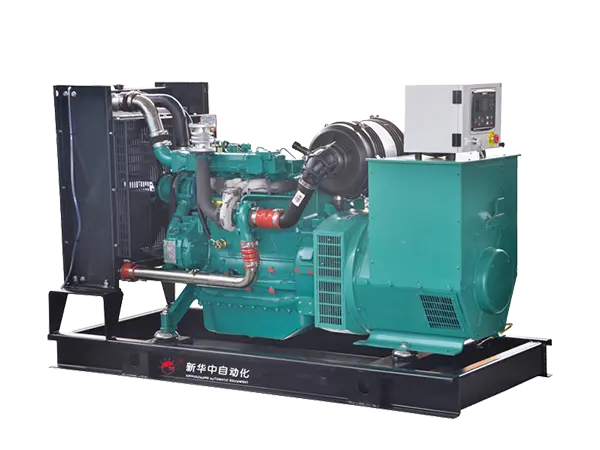 Weichai Series
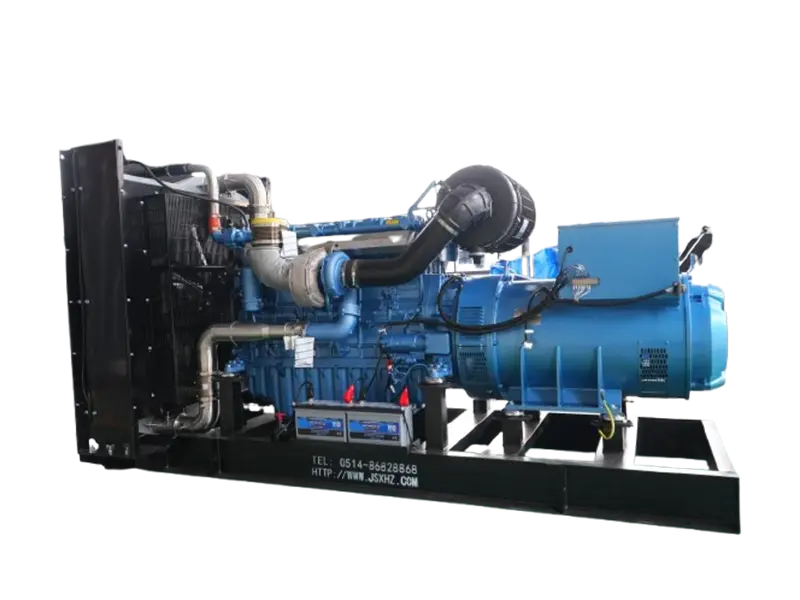 Diesel Generator Sets with WEICHAI Engines, XHZW Series
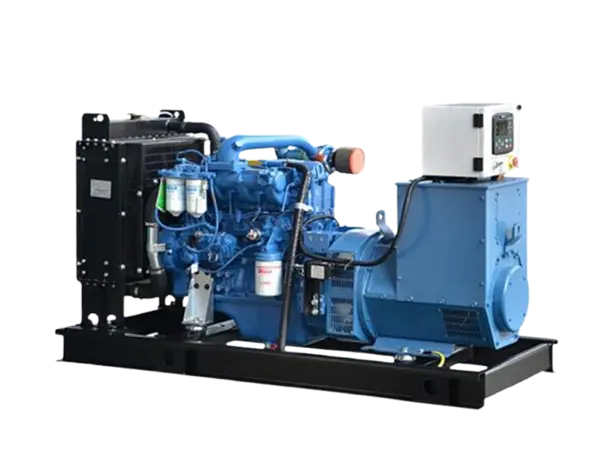 Yuchai Series
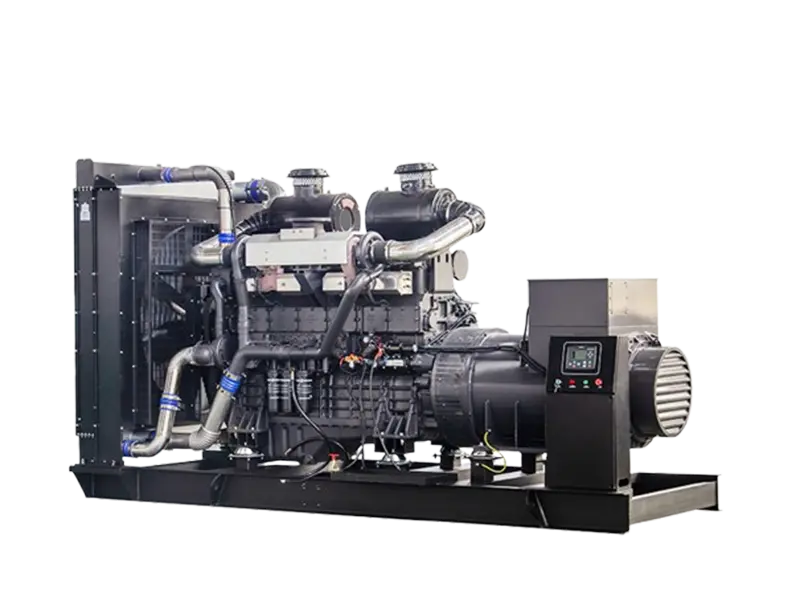 Diesel Generator Sets with SDEC(SHANGCHAI) Engines, XHZS Series
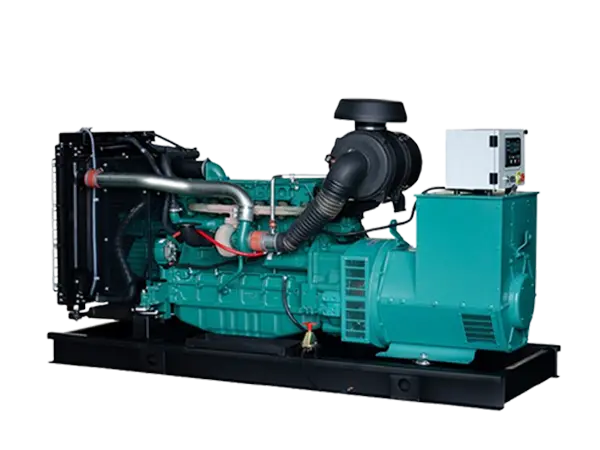 Volvo Series
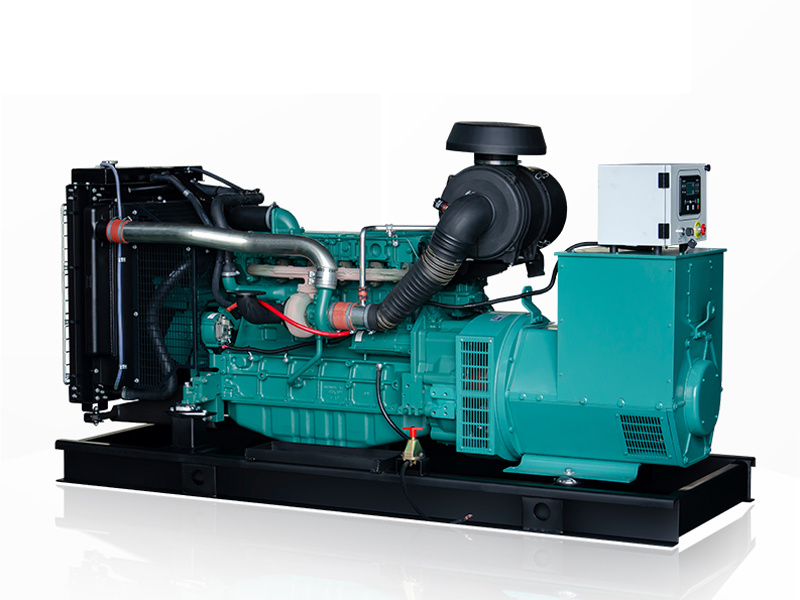 Diesel Generator Sets with VOLVO Engines, XHZV Series
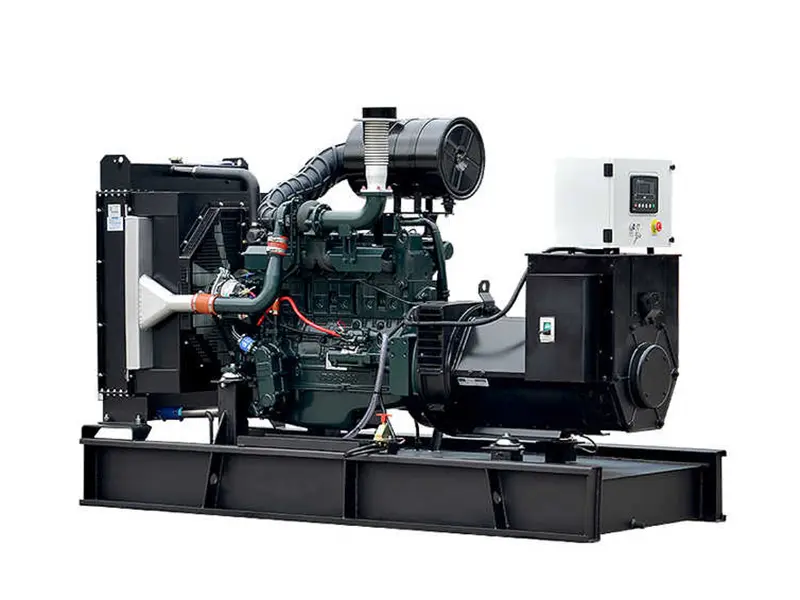 Diesel Generator Sets with Doosan Engines
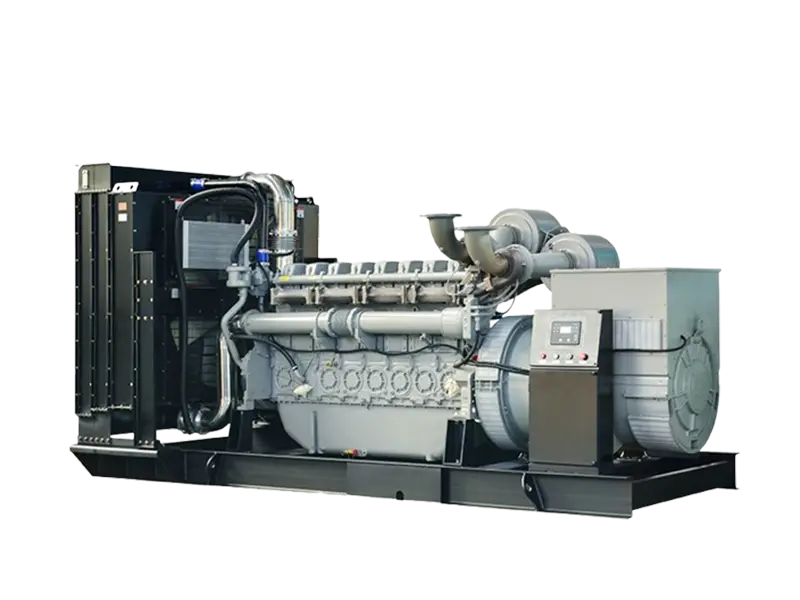 Diesel Generator Sets with Perkins Engines, XHZP Series
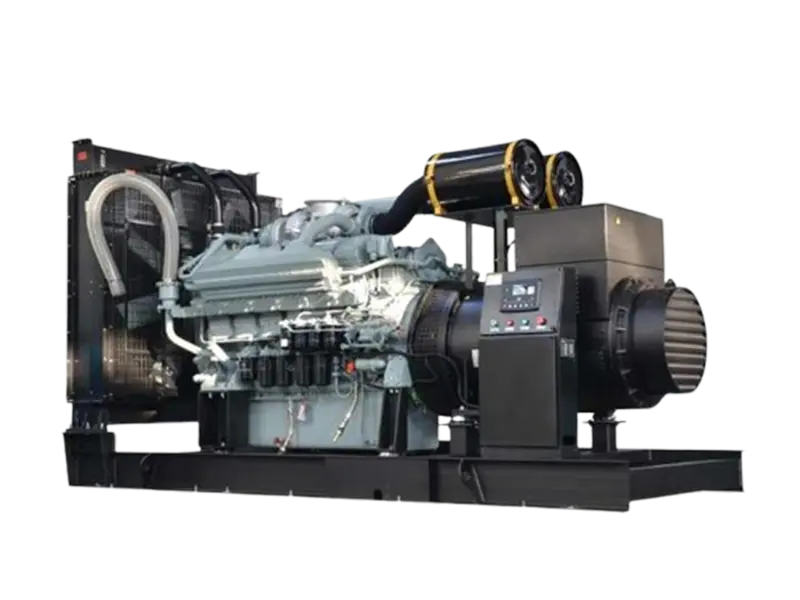 Diesel Generator Sets with Mitsubishi Engines
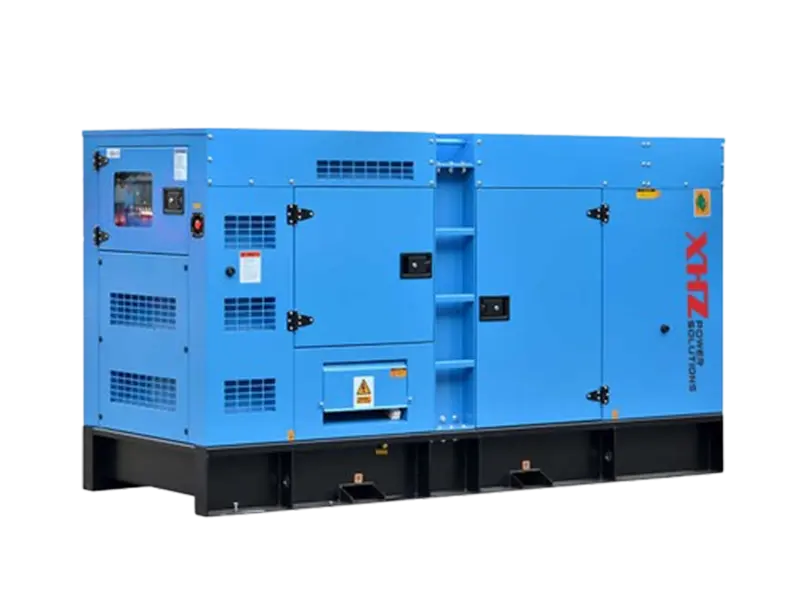 Silent Diesel Generators
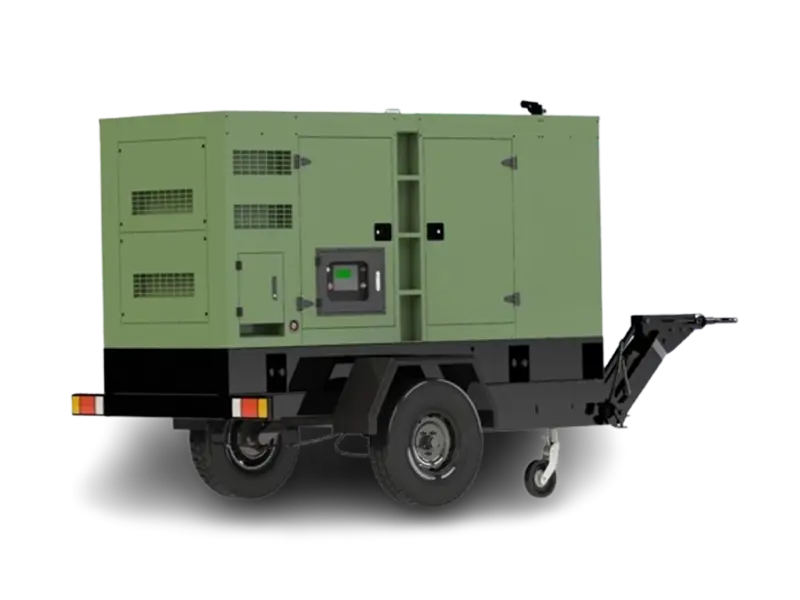 Mobile Silent Diesel Generators
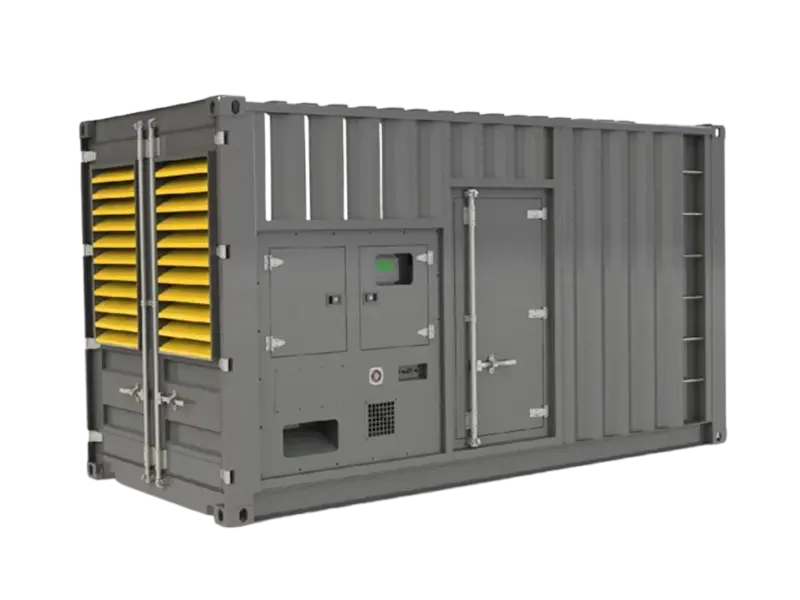 20/40HQ-Standard Container Type Generators