10 Essential Tips for Choosing the Right Diesel Standby Generator?
Choosing the right Diesel Standby Generator is critical for both home and business needs. This investment ensures you have backup power when you need it most. Many factors influence your choice, including power capacity, fuel efficiency, and maintenance requirements.
Understanding your energy needs is essential. You must assess your usage patterns to determine how much power you'll require during an outage. This might change over time based on your lifestyle or operational demands. Consider how often you'll use the generator and the duration of such uses.
Keep in mind that not every Diesel Standby Generator fits all situations. Some may come with advanced features, while others are more basic. It’s important to weigh the benefits against your budget. Seeking advice from experts can offer valuable insights. Then, reflect on your choices. Each decision shapes your generator’s performance and reliability in critical moments.
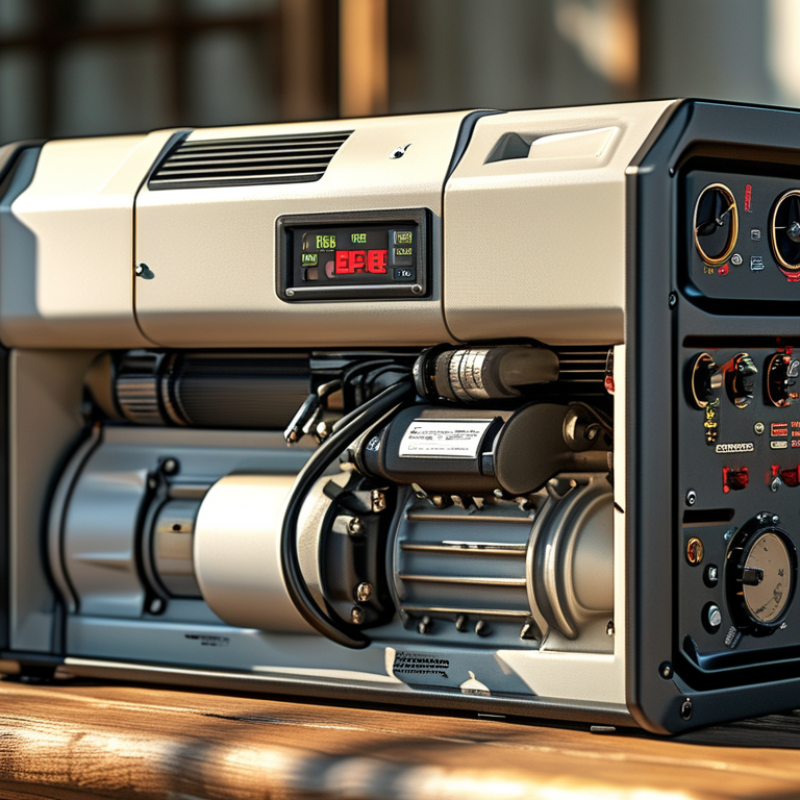
Understanding Diesel Standby Generators: Key Specifications and Features
When selecting a diesel standby generator, understanding key specifications and features is essential. Consider the generator's kilowatt (kW) rating, which determines the power it provides. A reliable source indicates that most households require between 5 kW to 10 kW for essential appliances. Industrial settings often demand higher ratings, sometimes exceeding 200 kW for seamless operation. Evaluating your power needs is crucial yet frequently overlooked.
Another significant aspect is the generator's fuel consumption. Diesel engines generally offer efficiency benefits. Research suggests diesel generators offer 20% to 30% more fuel efficiency than gasoline alternatives. However, this efficiency can vary based on load and operational conditions. Be mindful of maintenance schedules for diesel generators, as they may require more regular attention than gas models. This requirement can lead to unexpected downtime.
Noise levels are also a concern. Many users underestimate the importance of noise reduction features. An ideal standby generator should operate below 70 dB to minimize disturbances. Many models struggle to comply with this standard, which can lead to complaints from neighbors and usage limitations. The generator's transfer switch is another critical component often ignored. A quality switch ensures safe and efficient power transfer during outages, impacting overall performance. Carefully evaluating these features helps avoid pitfalls commonly faced by users.
10 Essential Tips for Choosing the Right Diesel Standby Generator
| Tip |
Description |
Key Specification |
| 1. Determine Your Power Needs |
Calculate the total wattage required for your essential appliances. |
Wattage Ratings |
| 2. Choose the Right Engine Size |
Engine size impacts performance and fuel efficiency. |
Engine Displacement |
| 3. Consider Fuel Type |
Diesel generators tend to be more fuel-efficient. |
Fuel Type |
| 4. Look for Key Features |
Automatic startup, monitoring systems, and noise levels. |
Automated Features |
| 5. Review Output Voltage Options |
Ensure the generator matches your electrical system requirements. |
Voltage Ratings |
| 6. Opt for a Reliable Brand |
Research customer reviews and service support. |
Brand Reputation |
| 7. Evaluate Noise Control Features |
Consider sound attenuation systems for noise reduction. |
Decibel Rating |
| 8. Analyze Maintenance Requirements |
Regular maintenance impacts longevity and performance. |
Maintenance Schedule |
| 9. Check for Warranty Options |
Understand warranty coverage for parts and service. |
Warranty Duration |
| 10. Assess Cost vs. Value |
Balance initial investment with long-term savings. |
Pricing Factors |
Assessing Power Needs: Calculating Required kW for Your Applications
When selecting a diesel standby generator, understanding your power needs is vital. Calculating the required kilowatts (kW) can seem daunting. Start by listing all the devices you plan to power. Include essential appliances like refrigerators, air conditioners, and heating units. Each device has a specific wattage requirement, which can be found on its label or in the user manual.
Once you have the wattage for each device, add them to find the total. Don’t forget to consider starting wattage for appliances that require more power to start up. This often increases the total kW. Also, set aside a buffer of about 20% to accommodate unexpected demands. It’s always better to have a little extra capacity than to run at full load.
The process isn’t flawless. You might underestimate your needs or overestimate your capacity. Be realistic about your usage patterns. Analyze your peak load during outages. Consider future demands as well; your needs may change. This assessment will help you choose the right generator that meets your power requirements reliably.
Power Requirements for Different Applications
Evaluating Fuel Efficiency: Importance of BTU Ratings in Diesel Generators
When selecting a diesel standby generator, evaluating fuel efficiency is crucial. BTU ratings provide insight into energy consumption. The British Thermal Unit, or BTU, measures energy output. Higher BTU ratings typically indicate better performance, but the context matters. For example, a generator with a higher BTU rating may consume more fuel, leading to higher operational costs.
According to a study by the U.S. Department of Energy, generators that operate efficiently can significantly reduce fuel consumption. Diesel generators tend to have better fuel efficiency compared to gasoline models. However, the specific BTU rating can vary greatly among models. Some generators may appear energy-efficient on paper but do not deliver in real-world applications. It's essential to analyze power needs and match them with the BTU output.
Understanding your energy requirements will help you make informed decisions. Unexpected power needs can arise, pushing the limits of a generator’s fuel capacity. Look for models that offer flexibility and adaptability. Regular maintenance is vital too. Often overlooked, but poor upkeep can reduce efficiency and affect BTU performance over time. Therefore, choosing the right generator involves more than just numbers; practical usability and service reliability should also factor into your decision.
Maintenance Considerations: Longevity and Reliability Through Regular Service
When considering a diesel standby generator, maintenance plays a crucial role in ensuring longevity and reliability. Regular service checks are essential. These checks help identify issues before they escalate. Overlooking maintenance can lead to costly repairs and downtime. Consistent oil changes and fuel system inspections should be routine. Diesel engines can accumulate dirt and debris. Neglecting this can compromise performance and efficiency.
Investing in a maintenance schedule is wise. Skilled technicians can spot potential problems early. They can also recommend specific upkeep based on usage patterns. For instance, high load usage might require more frequent inspections. Owners often assume their generators are working perfectly. A common oversight, it can be a substantial risk during power outages. Staying proactive can mitigate such risks and save money in the long run.
Water and condensation can also affect performance. Keeping the generator in a dry, well-ventilated spot is key. Even the best generators can fail without proper care. Establishing good practices from the start will yield long-lasting benefits. Remember, maintenance isn’t just about fixing problems. It’s about enhancing the overall reliability of your power source.
Cost Analysis: Comparing Initial Investment and Long-Term Operating Expenses
When evaluating diesel standby generators, cost analysis is crucial. Initial investment is often a primary concern, but long-term operating expenses can greatly affect overall value. According to a report from the U.S. Department of Energy, the average cost of a diesel generator ranges from $3,000 to $15,000, depending on capacity and features. However, this figure doesn't tell the whole story.
Operating expenses can add up faster than expected. Factors like fuel consumption, maintenance, and repair need to be considered. Research from the American Plug-in Electric Vehicle Association shows that diesel generators can consume up to 0.5 to 0.8 gallons of diesel per hour under peak load. This translates to significant fuel costs over time.
Maintenance is another essential factor. An annual maintenance budget can reach 10-15% of the initial purchase price. The lifetime of a diesel generator can be affected by operational practices. Neglecting regular maintenance can shorten its lifespan and efficiency. It's essential to weigh initial costs against projections for long-term use carefully. Understanding these elements will assist in making an informed decision about investing in a diesel standby generator.

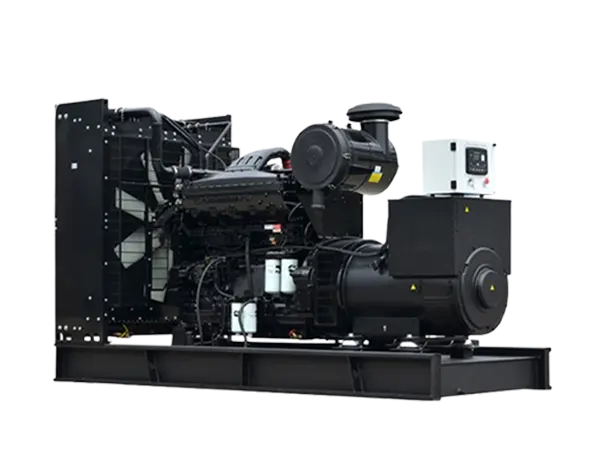 Diesel Generator Sets with Cummins Engines, XHZC Series
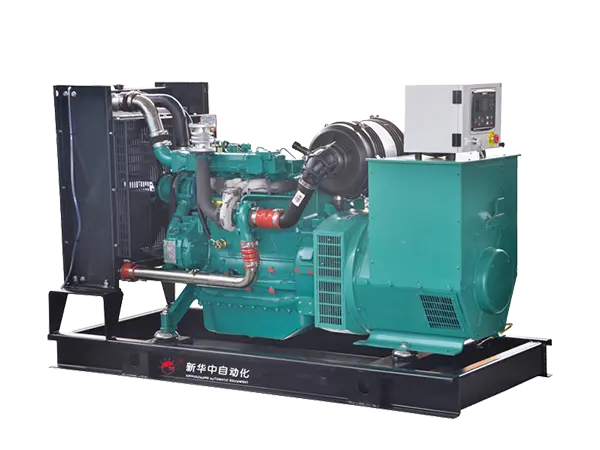 Weichai Series
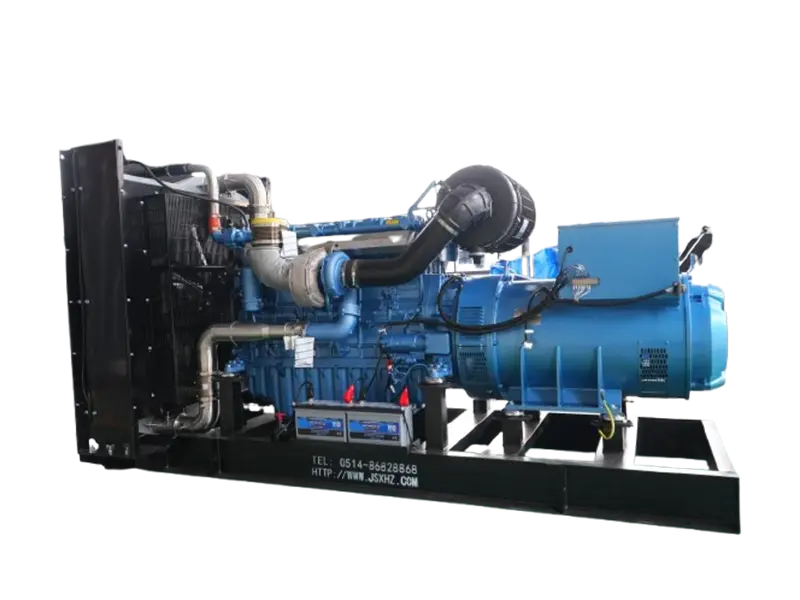 Diesel Generator Sets with WEICHAI Engines, XHZW Series
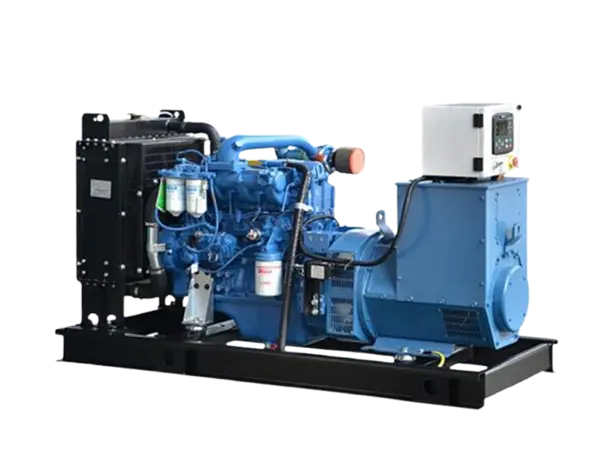 Yuchai Series
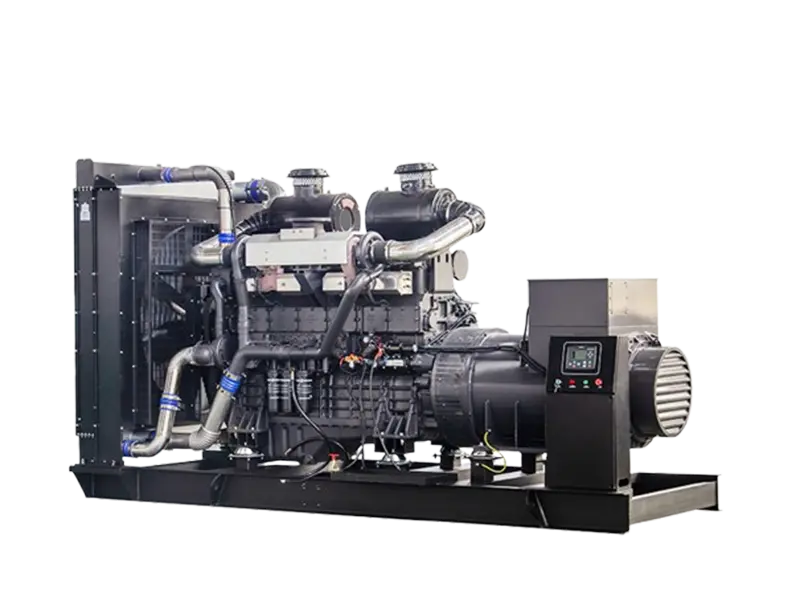 Diesel Generator Sets with SDEC(SHANGCHAI) Engines, XHZS Series
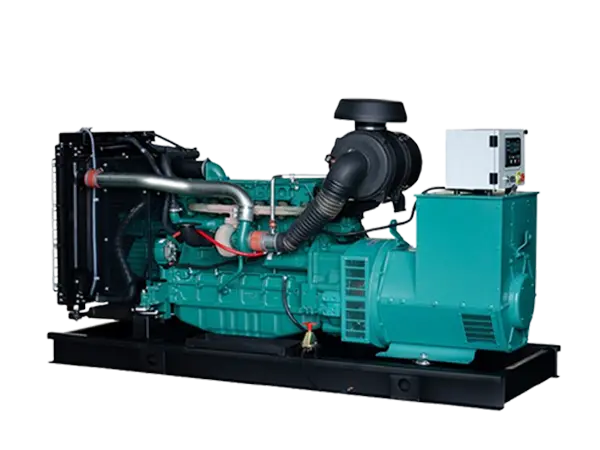 Volvo Series
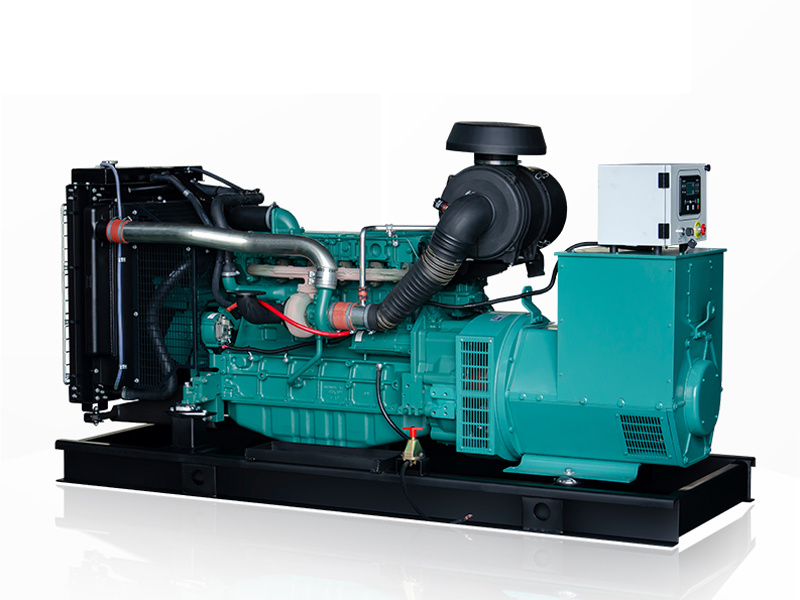 Diesel Generator Sets with VOLVO Engines, XHZV Series
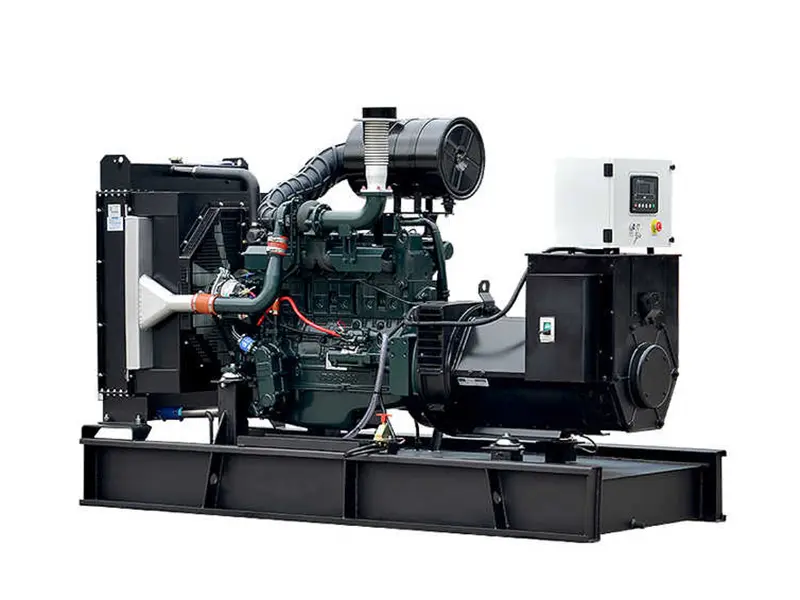 Diesel Generator Sets with Doosan Engines
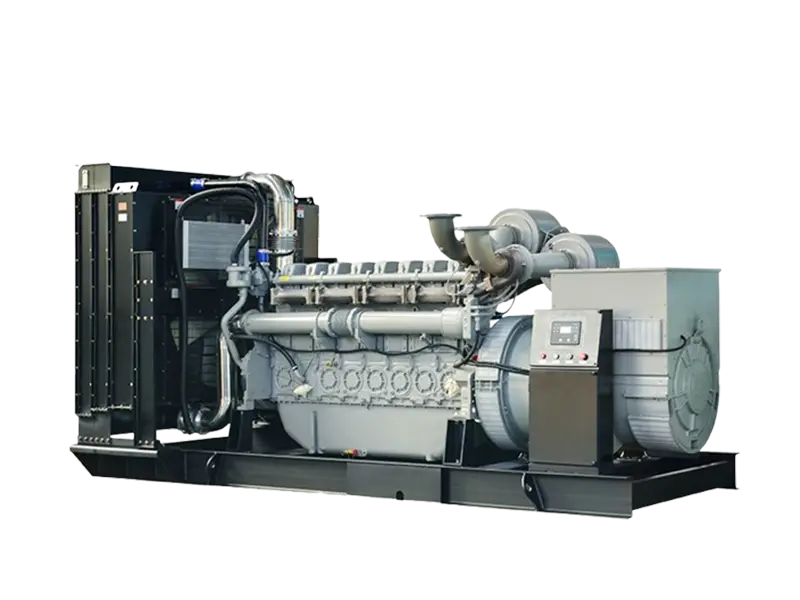 Diesel Generator Sets with Perkins Engines, XHZP Series
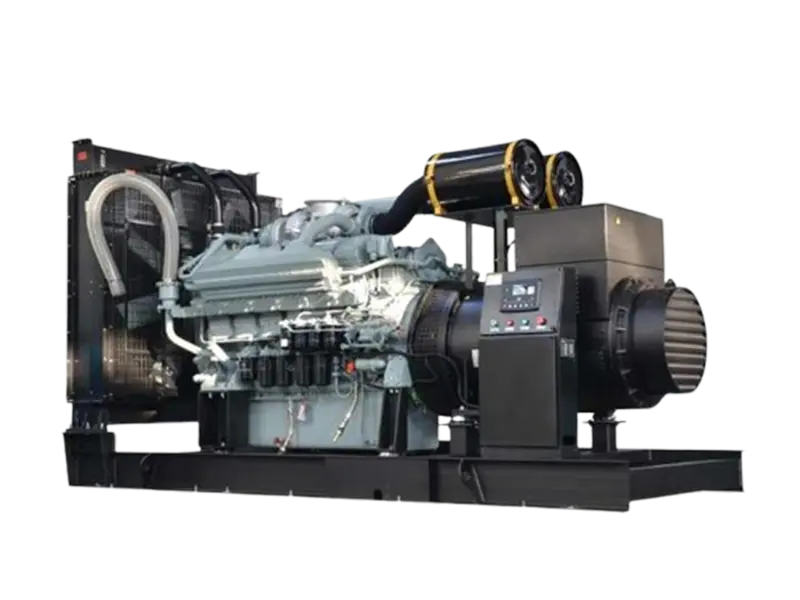 Diesel Generator Sets with Mitsubishi Engines
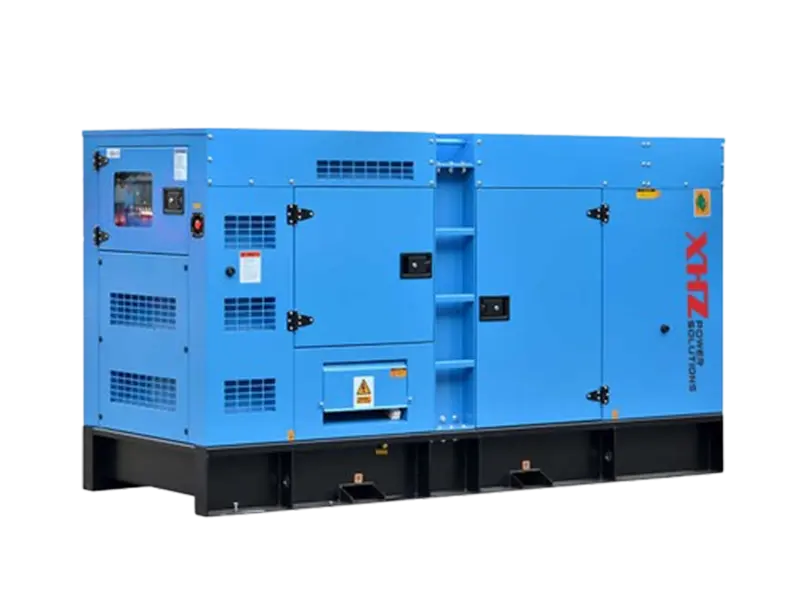 Silent Diesel Generators
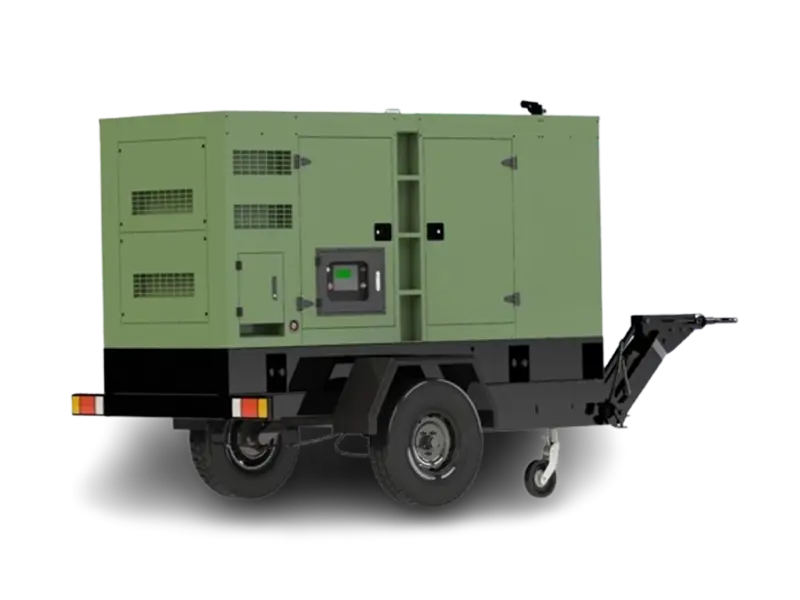 Mobile Silent Diesel Generators
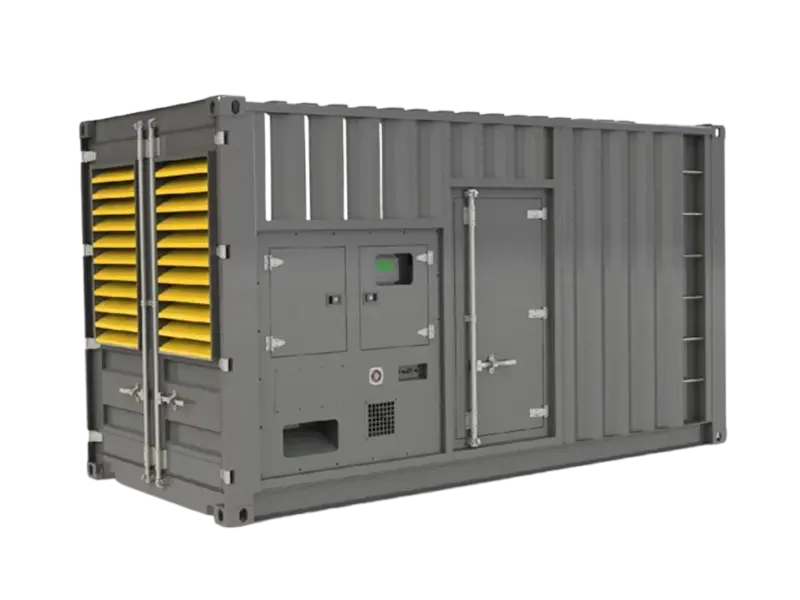 20/40HQ-Standard Container Type Generators