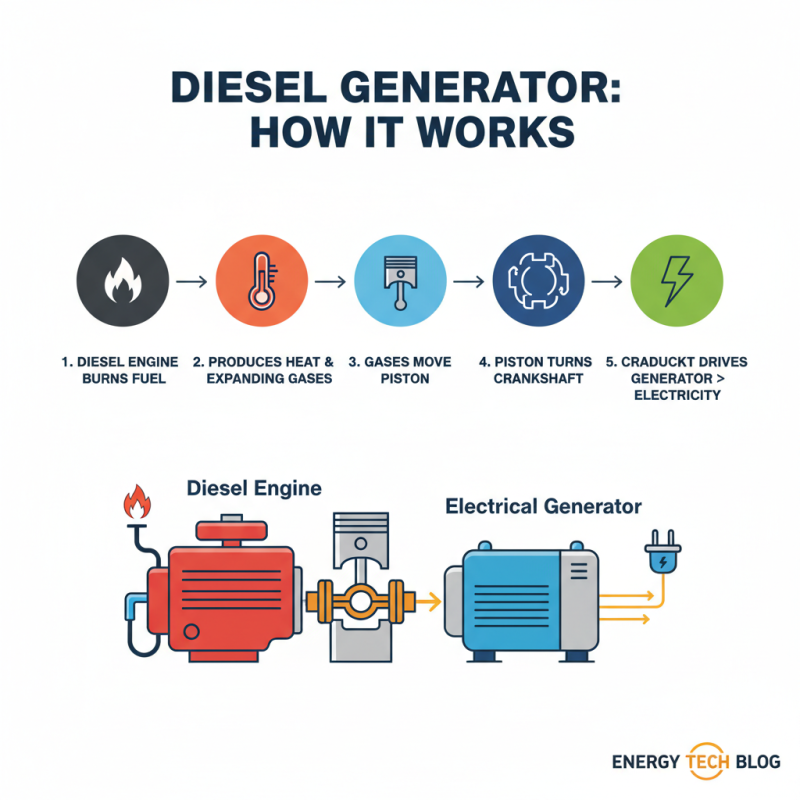
What is a Diesel Generator and How Does It Work?
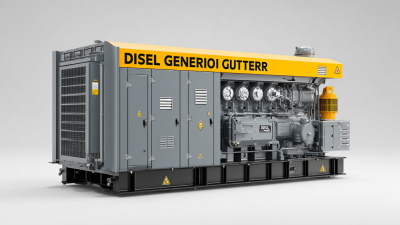
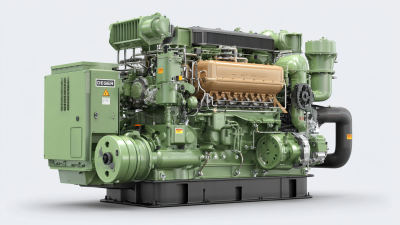
A diesel generator is a powerful machine that converts diesel fuel into electrical energy. It plays a crucial role in many industries, especially in remote locations. This device is popular because it can provide a reliable power source when needed. A clear "Diesel Generator Picture" can help illustrate its components and functionality.
Inside a diesel generator, you'll find an engine, alternator, and control panel. The engine burns diesel to produce mechanical energy. This process involves a complex series of actions. The alternator then converts the mechanical energy into electrical energy. Despite its efficiency, there can be drawbacks. Noise and emissions from diesel engines may concern some users.
Understanding how a diesel generator operates can aid in choosing the right model for specific needs. Many industries rely on this technology for uninterrupted power supply. Yet, it's essential to consider environmental impacts. Diesel generators are not perfect, and there’s much to improve. Looking at a diesel generator picture can spark further interest in this vital machinery.
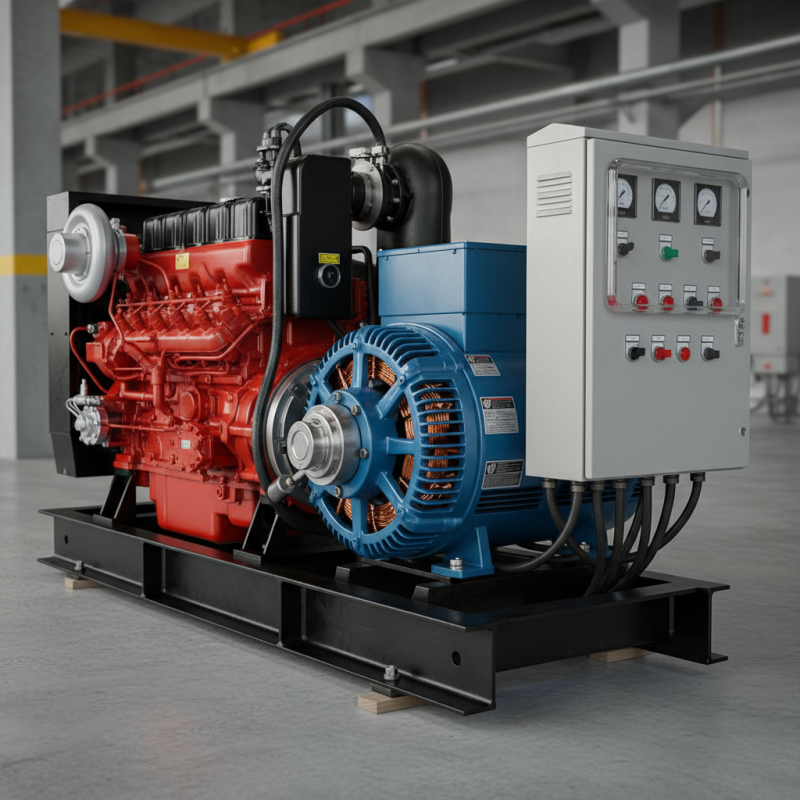
What is a Diesel Generator?
A diesel generator is a mechanical device that converts diesel fuel into electrical energy. It consists of two main components: an engine and an alternator. The engine burns diesel to create mechanical energy. This energy spins the alternator, which generates electricity.
Diesel generators are known for their reliability. They provide power in remote areas and during outages. Many industries rely on them for continuous operation. However, there are concerns about emissions and fuel costs. Maintenance can also be challenging. Regular checks are necessary to ensure efficiency.
The compact design allows for easy transportation. Yet, noise levels can be a drawback. Some users find the sound disruptive. Despite these issues, diesel generators remain a popular choice. They're often seen as a staple in emergency power solutions.
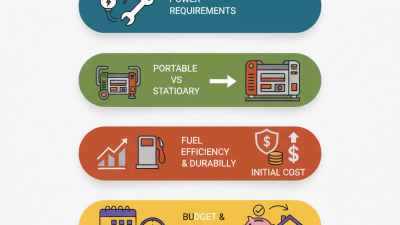
Diesel Generator Performance Comparison
Components of a Diesel Generator
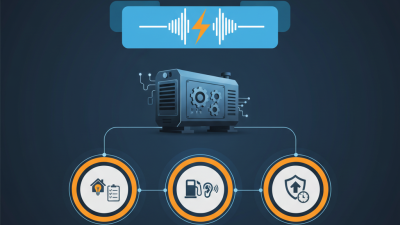
A diesel generator consists of several key components.
The engine is the heart of the system. It burns diesel fuel to produce mechanical energy.
This energy is then transformed into electrical power. There are various types of diesel engines, and their efficiency can vary.
The alternator is another crucial part. It converts the mechanical energy from the engine into electrical energy.
This process involves electromagnetic induction. A cooling system ensures the engine doesn't overheat during operation.
Without proper cooling, the generator can fail, leading to costly downtime.
The fuel system stores and supplies diesel fuel to the engine. Proper filtration is essential to avoid clogs and ensure efficiency.
A control panel monitors operational status. If something goes wrong, alarms can alert users.
It’s essential to regularly check all components. Neglecting maintenance can lead to unexpected failures.
This could cause projects to be delayed or expenses to rise.
The Working Mechanism of Diesel Generators
Diesel generators are popular power sources. They convert mechanical energy from diesel engines into electrical energy. At the core of their mechanism is the diesel engine, which uses the heat of compression to ignite fuel. This process differs from gasoline engines, which use spark plugs. As the engine runs, pistons move up and down, creating rotational motion.
The air-fuel mixture combusts in the cylinders, producing power. Conversion efficiency is crucial. Reports show modern diesel generators can achieve around 40% efficiency. However, this can vary. Factors like engine design and load factor play roles. An efficient generator minimizes fuel consumption and lowers emissions, a key concern in today's environment.
Maintenance is also critical. Diesel engines require regular checks to remain efficient. Neglect can lead to failures, which are costly. Additionally, noise and vibration can be problematic in certain settings. Critics argue that while diesel generators are reliable, their environmental impact must improve. Enhanced technologies and stricter regulations aim to address these issues.
Applications and Advantages of Diesel Generators
Diesel generators are widely used across various industries due to their reliability and efficiency. One of the key applications is in construction sites. These generators provide consistent power for tools and equipment, enabling continuous operations. According to a recent report by the International Energy Agency, diesel generators accounted for approximately 70% of the power supply in remote construction locations.
Another significant application is in healthcare facilities. Hospitals rely on diesel generators as a backup power source to maintain essential services during outages. The World Health Organization notes that a reliable power supply can save lives. However, the environmental impact of diesel generators cannot be overlooked. They produce emissions that contribute to air pollution. In fact, the EPA estimates that diesel generators release about 25% of the nation's nitrogen oxides.
The advantages of diesel generators extend to their cost-effectiveness. They are often cheaper to operate compared to alternatives like gasoline generators. Maintenance requirements are lower, too. Yet, the cost of diesel fuel can fluctuate significantly, affecting long-term budgeting. Therefore, while diesel generators shine in reliability, users must consider environmental and economic implications. Understanding these factors is crucial for making informed decisions.
What is a Diesel Generator and How Does It Work? - Applications and Advantages of Diesel Generators
| Feature |
Description |
| Power Output |
Ranges from a few kW to several MW depending on the application |
| Fuel Type |
Uses diesel fuel which provides efficient energy generation |
| Applications |
Used in industrial, commercial, and residential settings for backup and prime power |
| Advantages |
High efficiency, longer lifespan, and ability to operate in remote locations |
| Maintenance |
Regular maintenance needed for optimal performance and longevity |
| Environmental Considerations |
Emissions regulations apply; newer models designed to reduce emissions |

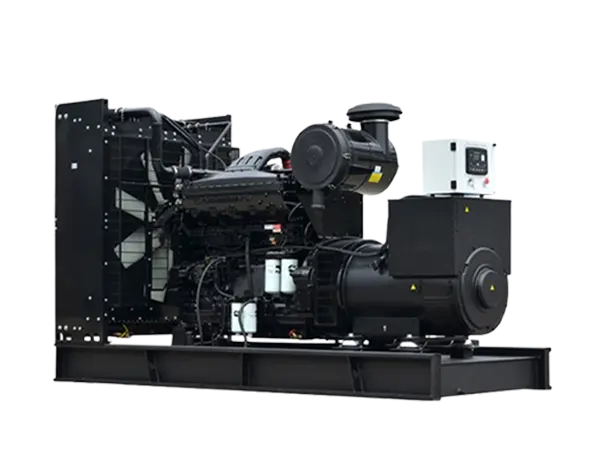 Diesel Generator Sets with Cummins Engines, XHZC Series
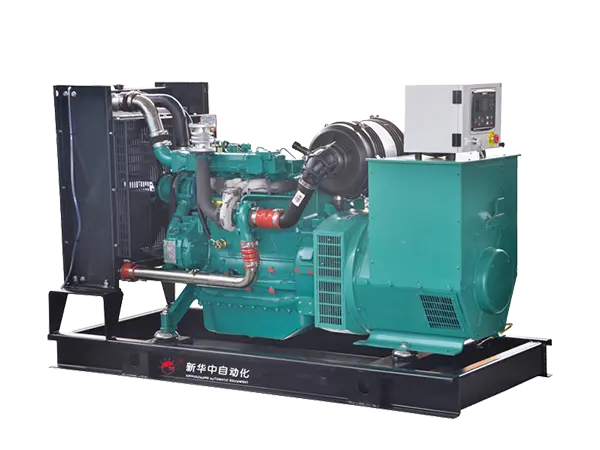 Weichai Series
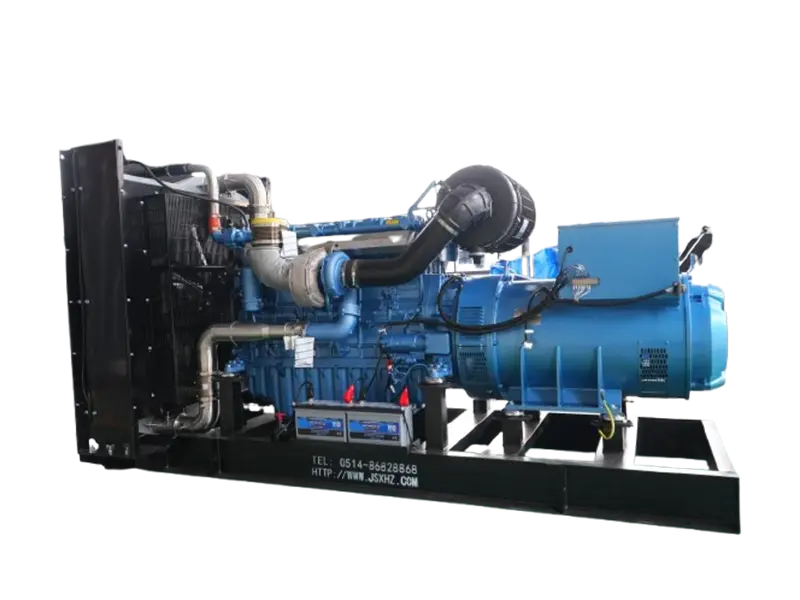 Diesel Generator Sets with WEICHAI Engines, XHZW Series
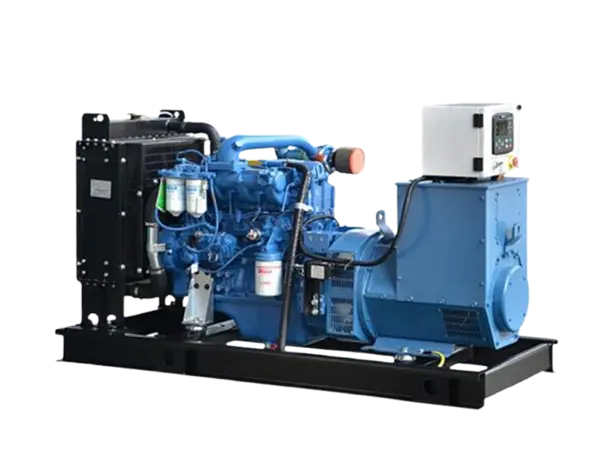 Yuchai Series
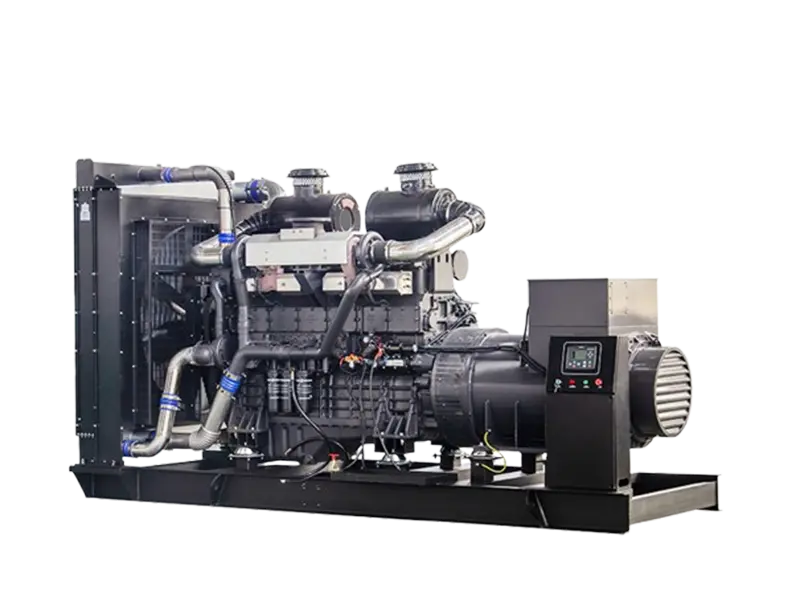 Diesel Generator Sets with SDEC(SHANGCHAI) Engines, XHZS Series
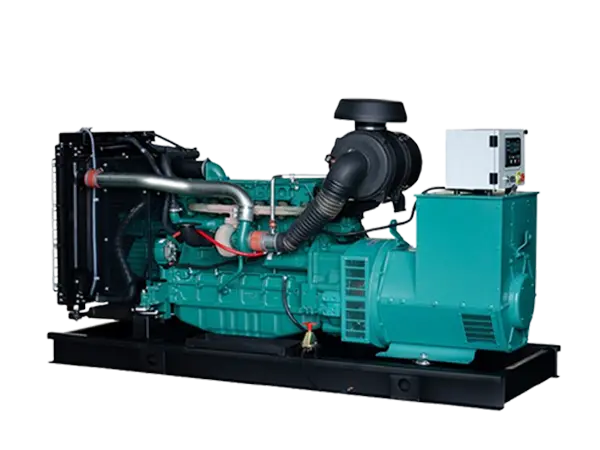 Volvo Series
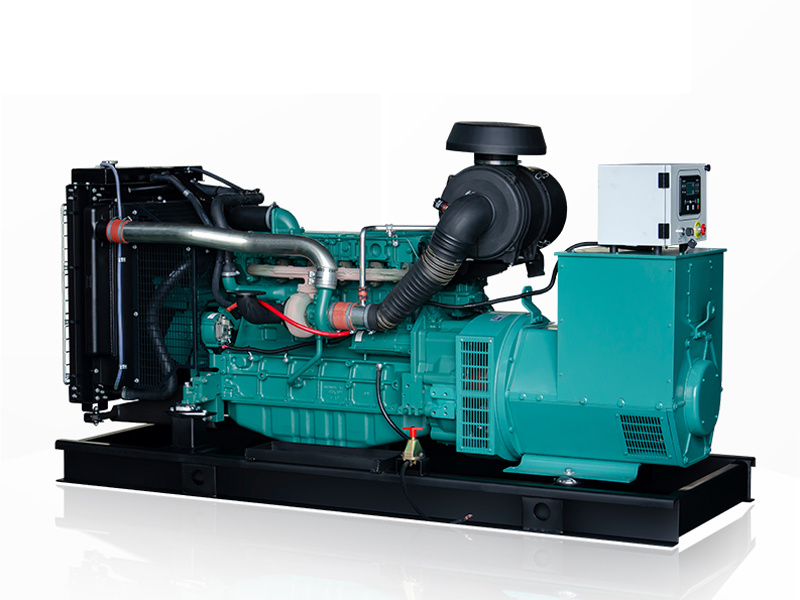 Diesel Generator Sets with VOLVO Engines, XHZV Series
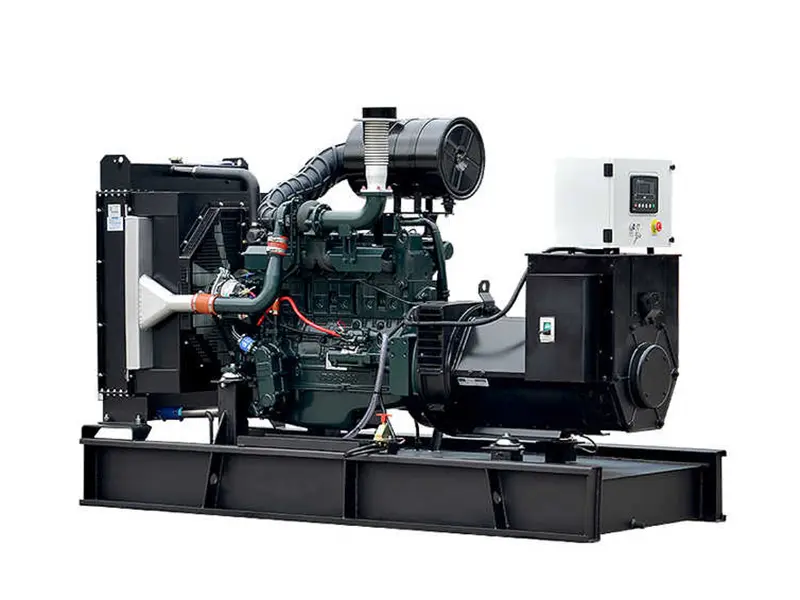 Diesel Generator Sets with Doosan Engines
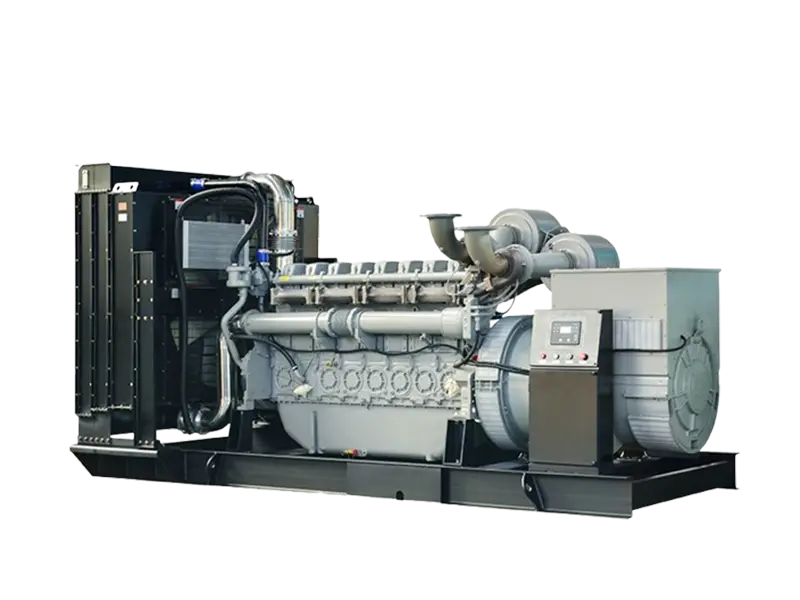 Diesel Generator Sets with Perkins Engines, XHZP Series
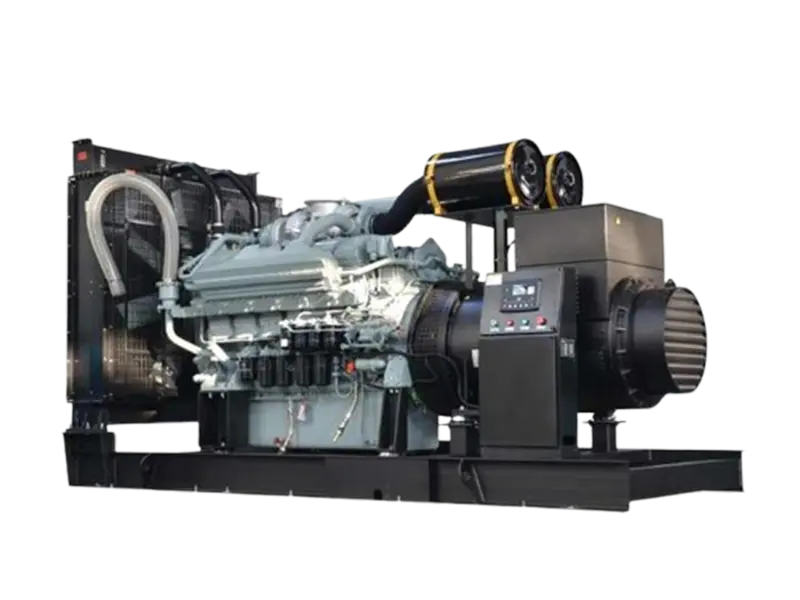 Diesel Generator Sets with Mitsubishi Engines
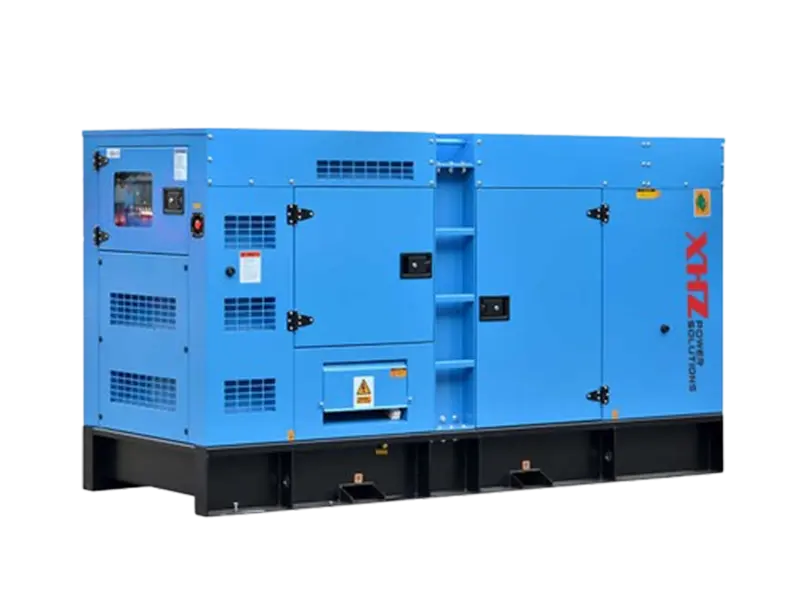 Silent Diesel Generators
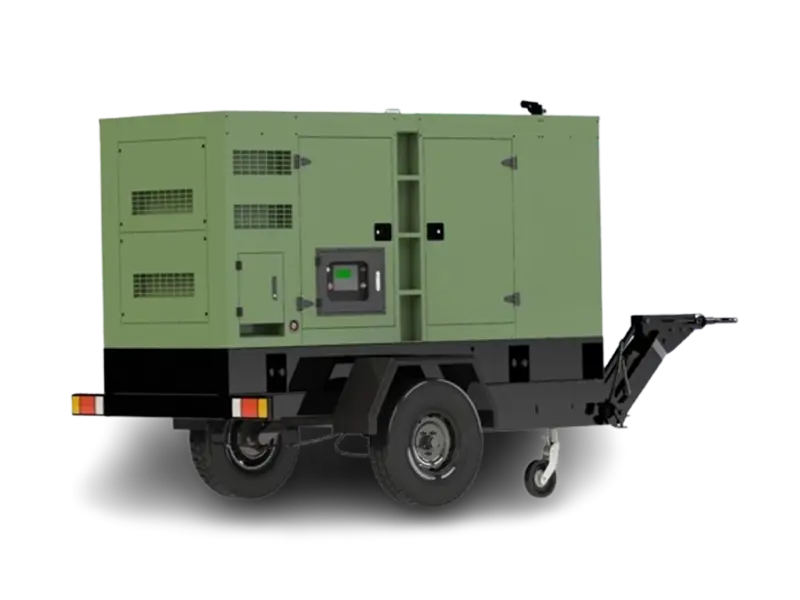 Mobile Silent Diesel Generators
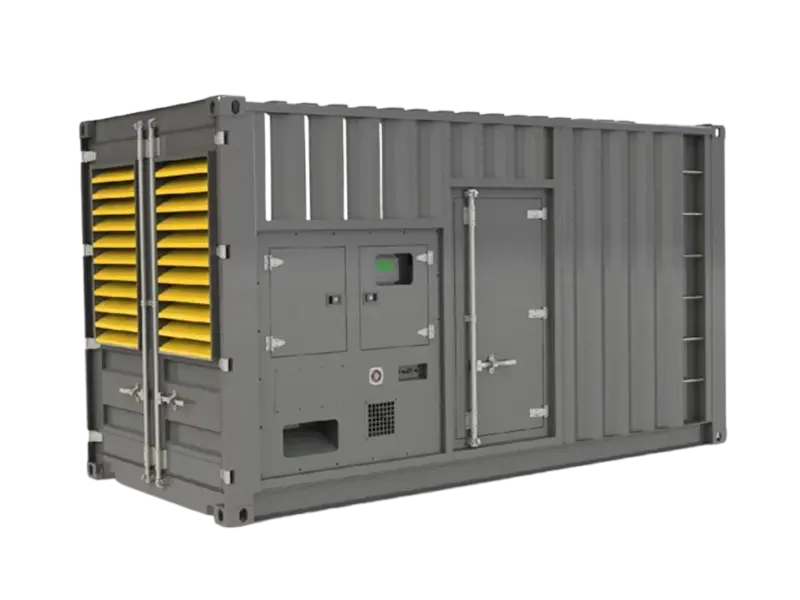 20/40HQ-Standard Container Type Generators