Top Diesel Generator Set Buying Guide for Global Buyers?
When considering the purchase of a Diesel Generator Set, buyers face a myriad of options. The market is flooded with brands, sizes, and features. Each choice has its nuances. Understanding these aspects is crucial for an informed decision.
Selecting the right Diesel Generator Set requires expertise and careful evaluation. Buyers should assess their power needs, usage frequency, and operational environment. Factors such as fuel efficiency, noise levels, and maintenance requirements are also significant. A well-rounded choice can prove to be a smart investment.
However, the decision-making process can be overwhelming. It's easy to get lost in technical jargon and varied specifications. A lack of clarity might lead to purchasing a generator that doesn't meet expectations. Therefore, engaging with trusted suppliers and seeking expert advice can provide valuable insights.
Key Factors to Consider When Buying a Diesel Generator Set
When selecting a diesel generator set, buyers must consider several critical factors.
Reliability is key; research shows that
80% of businesses experience significant losses due to power outages. Hence, the generator's
performance under varied loads is essential. Check the load capacity to ensure it meets your energy needs.
A generator that can't handle peak demands can fail when it’s needed most.
Fuel efficiency is another important aspect. According to industry reports, the average diesel
generator consumes 0.4 to 0.5 liters of fuel per kWh generated. A more efficient generator
not only lowers costs but also reduces environmental impact. Also, evaluate the engine's emissions standards.
Compliance with local regulations can save you fines and keep operations running smoothly.
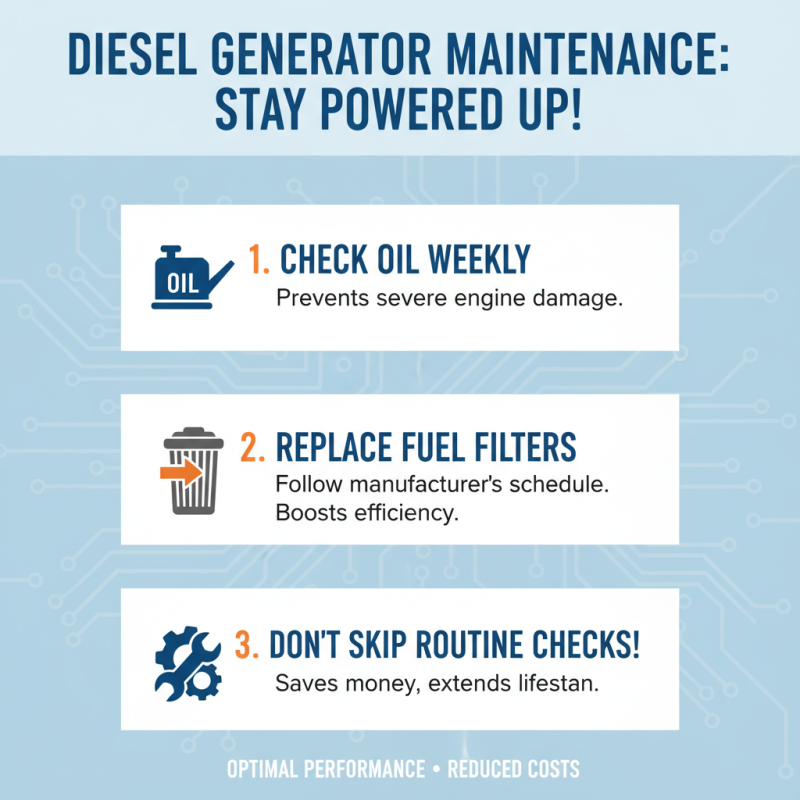
Maintenance requirements are often overlooked. Regular service can
extend the lifespan and reliability of a unit. Some reports indicate that poorly maintained generators can
lose up to 30% of their efficiency. Buyers should prioritize easy access to parts and service.
Understand the complexity of the machine; simple designs can be more reliable but might lack advanced features.
Consider your long-term needs against initial costs to avoid unforeseen expenses.
Types of Diesel Generators and Their Applications
When considering the types of diesel generators, it is essential to recognize their diverse applications. Diesel generators primarily fall into two categories: portable and standby. Portable generators are often used in construction sites or outdoor events. They provide flexibility and ease of transport. Standby generators, on the other hand, are permanently installed. They act as reliable backup sources for homes and businesses. According to a report by Grand View Research, the global diesel generator market is expected to grow significantly, driven by the increasing demand for reliable power sources.
Understanding the specific needs of your application is crucial. For instance, heavy-duty models are necessary for industrial use, where durability is paramount. These generators can often run continuously for long hours, providing crucial power in remote areas. Conversely, smaller, more compact models might be suitable for residential use. Each type of generator has its pros and cons. Their fuel efficiency, noise levels, and maintenance requirements vary widely.
Noise pollution is a common concern with diesel generators. Many users report dissatisfaction with the noise produced, which can exceed 75 dB in some cases. Environmental regulations are also tightening. This situation can lead to challenges in compliance. As the industry evolves, innovation is driving the design of quieter, more efficient models. Ultimately, the choice of generator should align with both operational needs and regulatory standards.
Top Diesel Generator Set Buying Guide for Global Buyers
| Generator Type |
Power Output (kW) |
Fuel Consumption (L/h) |
Noise Level (dB) |
Common Applications |
| Standard Diesel Generator |
20 - 150 |
5 - 15 |
75 - 90 |
Construction Sites, Outdoor Events |
| Heavy Duty Diesel Generator |
150 - 1000 |
15 - 100 |
85 - 100 |
Industrial Use, Mining, Oil & Gas |
| Portable Diesel Generator |
1 - 25 |
0.5 - 3 |
60 - 75 |
Emergency Backup, RVs |
| High Efficiency Diesel Generator |
10 - 100 |
2 - 10 |
70 - 85 |
Telecom, Data Centers |
Essential Specifications for Diesel Generator Performance
When considering a diesel generator set, understanding essential specifications is crucial for performance.
Power output is one of the key factors to evaluate. A generator’s kVA rating indicates how much load it can support.
For example, a 100 kVA generator can effectively power an average construction site.
Research shows that over 70% of users prioritize power efficiency in their purchasing decisions.
Fuel consumption efficiency is another vital specification.
The best generators achieve consumption rates of 0.25 to 0.3 liters per kWh.
This efficiency directly affects operational costs and environmental impact.
Moreover, noise levels are often overlooked.
Generators with noise ratings under 70 dB are more suitable for residential areas.
Reliability is highlighted in recent industry reports.
A survey indicated that 65% of businesses had downtime due to generator failure.
Factors like maintenance schedules and warranty coverage play significant roles in determining reliability.
It's essential to consider these aspects before making a purchase.
An informed decision can lead to better performance and long-term savings.
Cost-Effective Strategies for Sourcing Diesel Generators Globally
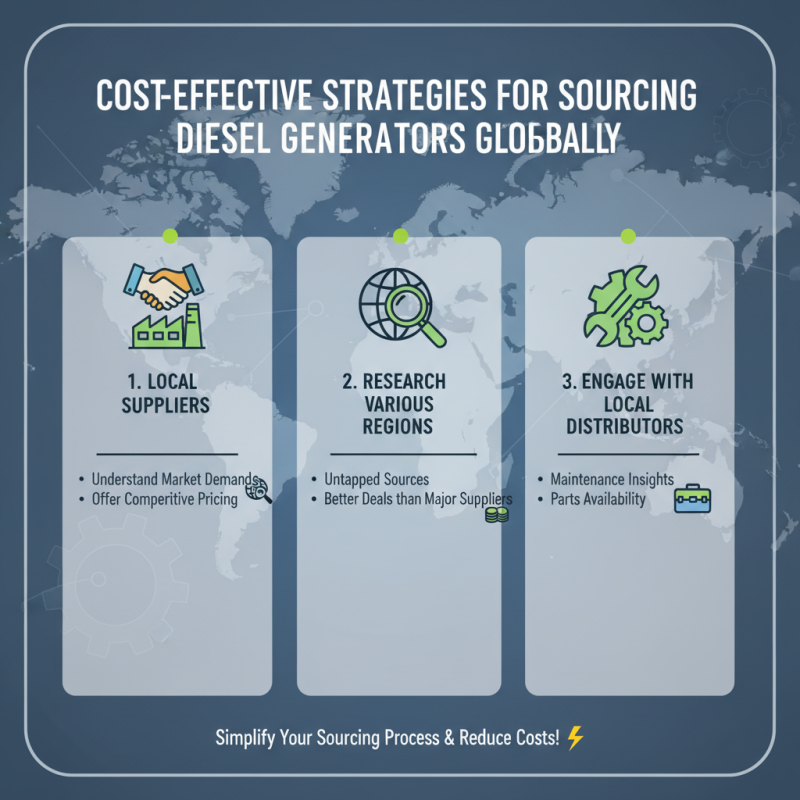
Sourcing diesel generators globally can be a daunting task, yet there are cost-effective strategies that can simplify the process. Focus on local suppliers who understand market demands and offer competitive pricing. Researching various regions can reveal untapped sources that provide better deals than major suppliers. Engaging with local distributors can also deliver insights into maintenance and availability of parts.
Consider the total cost of ownership, not just the purchase price. Evaluate operational efficiency and fuel consumption, as these factors affect long-term expenses. Communication with manufacturers can lead to customization options that fit specific needs. However, sometimes the language barrier poses challenges, creating misunderstandings regarding specifications.
Be aware that not all suppliers maintain consistent quality. It’s essential to verify certifications and conduct independent reviews. Requesting multiple quotes can help gauge reasonable pricing. This phase can be frustrating; the demand for transparency often results in complicated negotiations. There may be times when expectations do not align with reality, prompting reassessment of priorities.

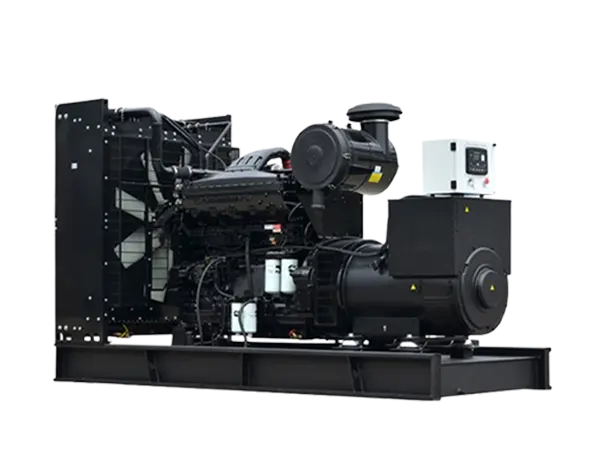 Diesel Generator Sets with Cummins Engines, XHZC Series
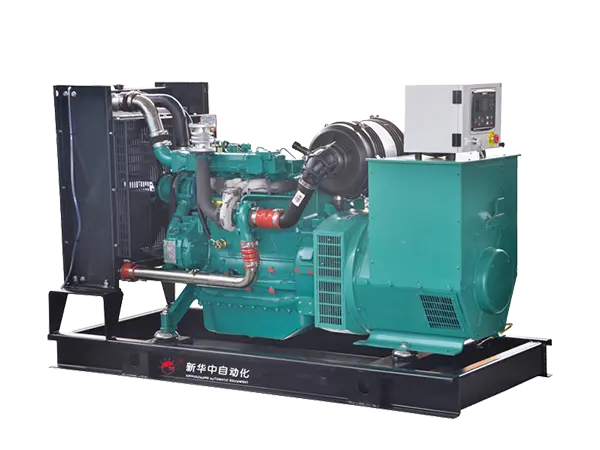 Weichai Series
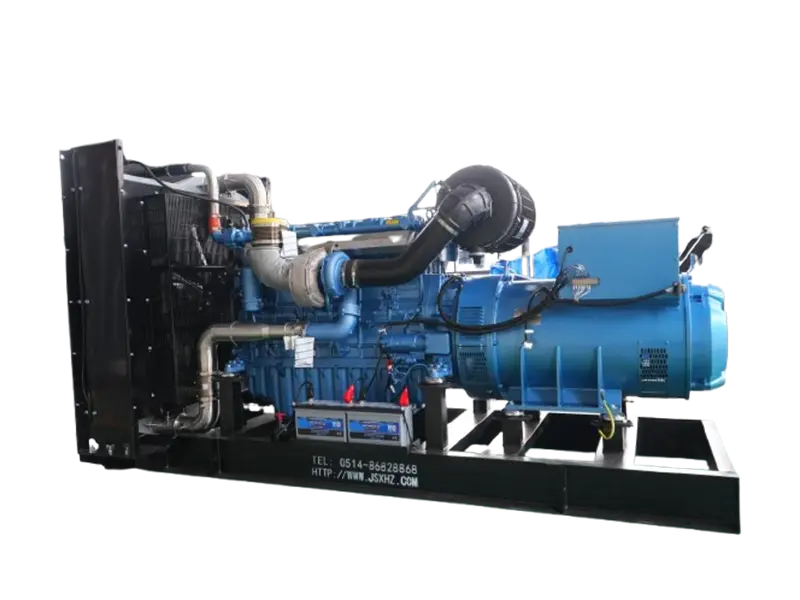 Diesel Generator Sets with WEICHAI Engines, XHZW Series
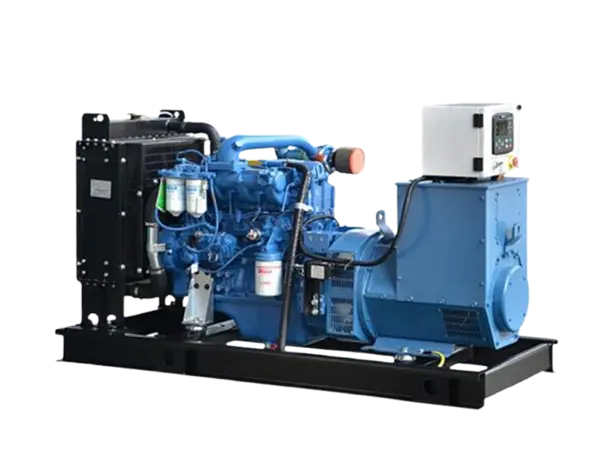 Yuchai Series
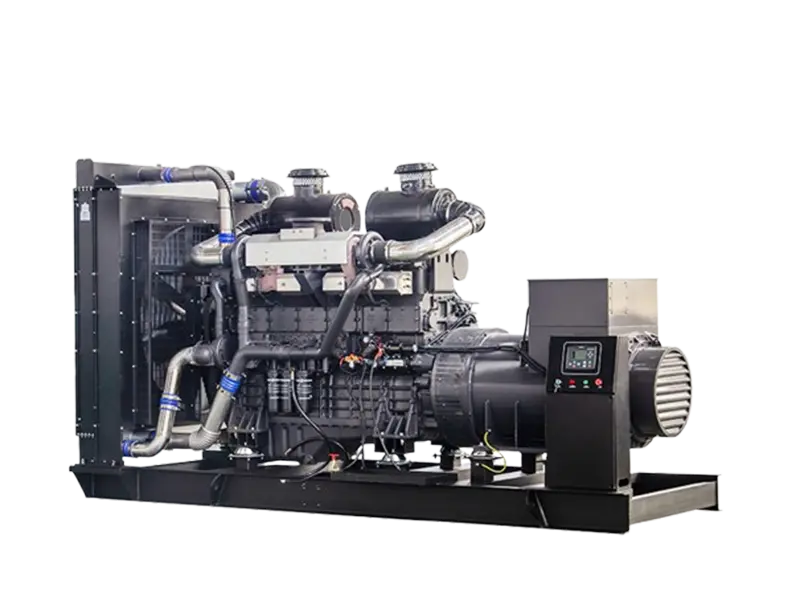 Diesel Generator Sets with SDEC(SHANGCHAI) Engines, XHZS Series
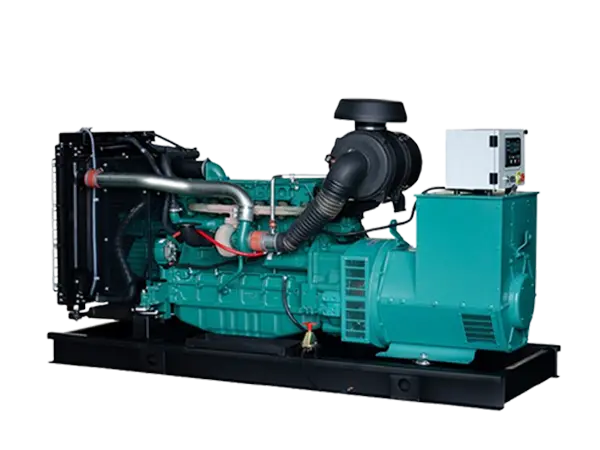 Volvo Series
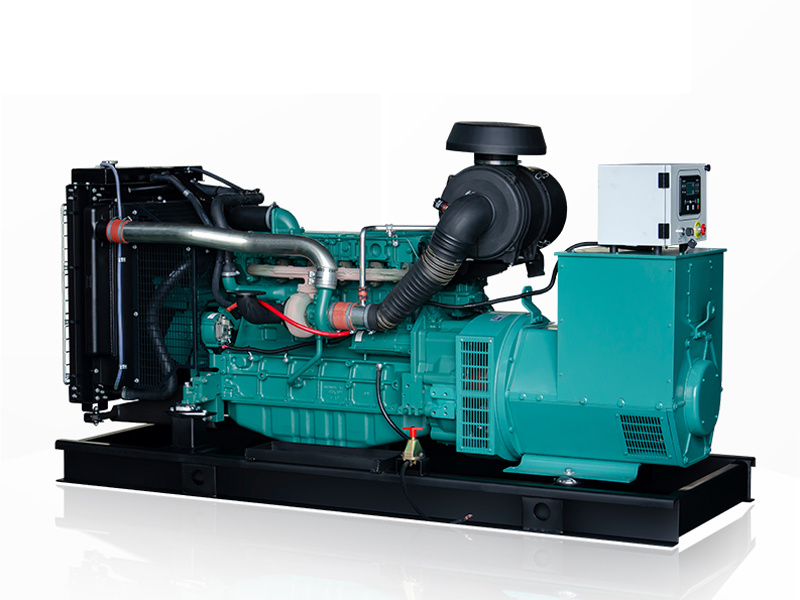 Diesel Generator Sets with VOLVO Engines, XHZV Series
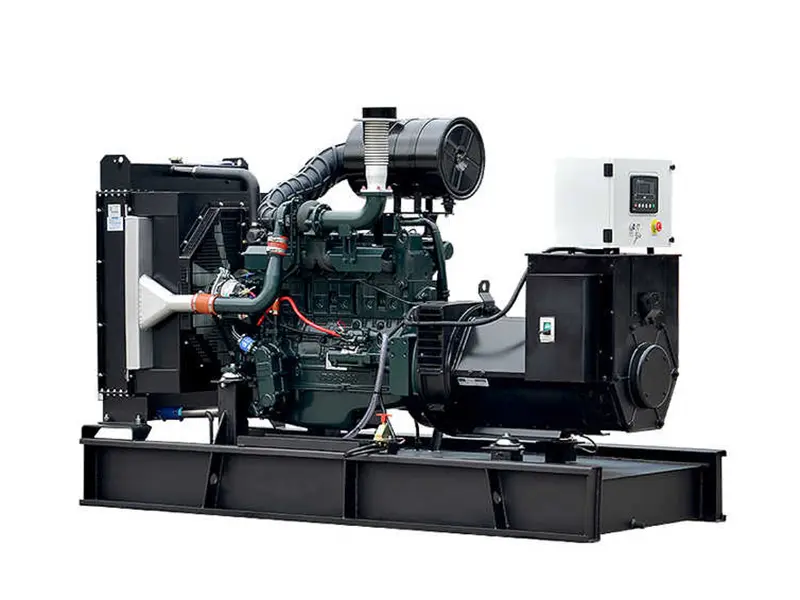 Diesel Generator Sets with Doosan Engines
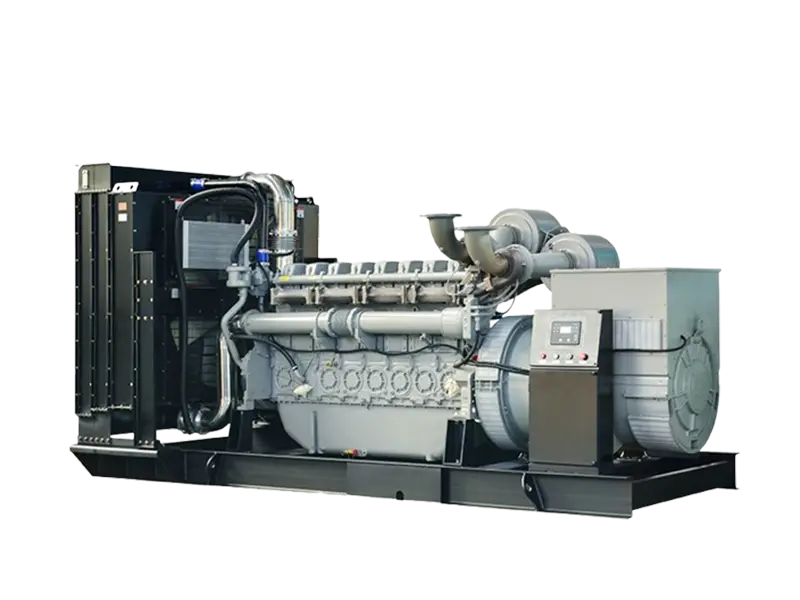 Diesel Generator Sets with Perkins Engines, XHZP Series
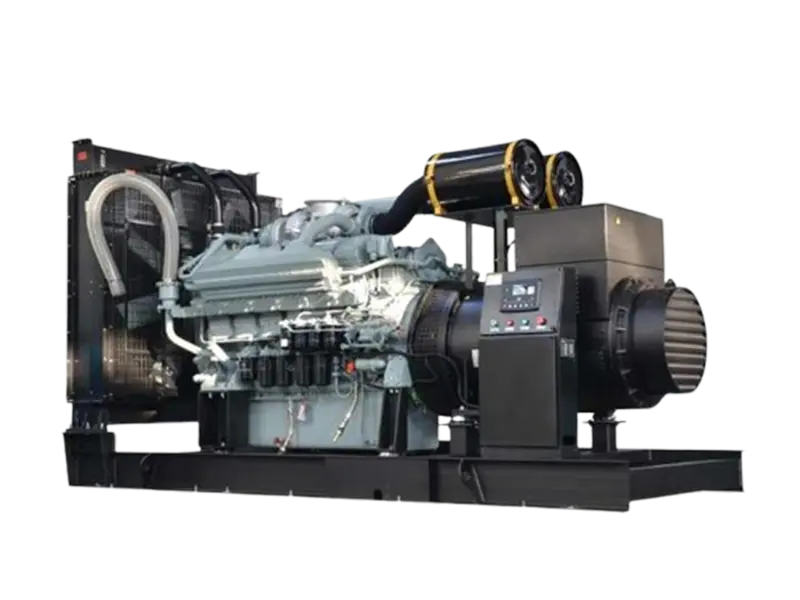 Diesel Generator Sets with Mitsubishi Engines
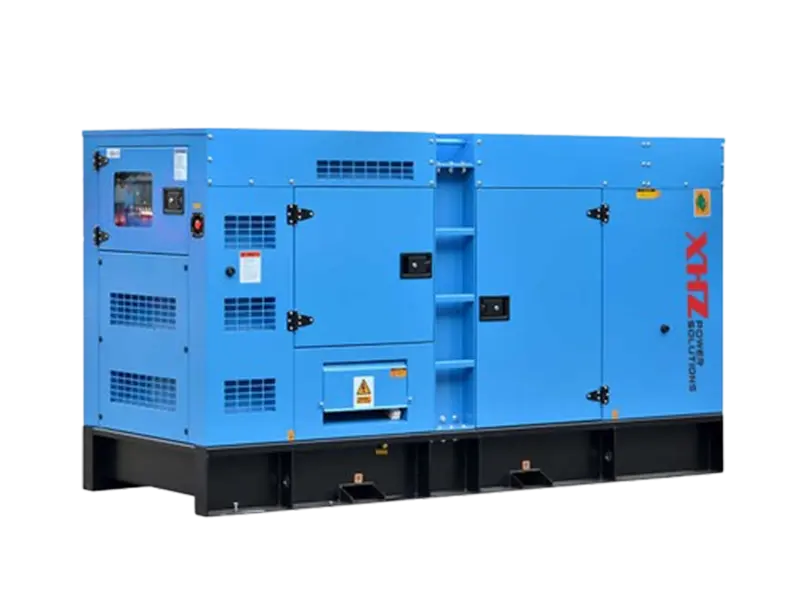 Silent Diesel Generators
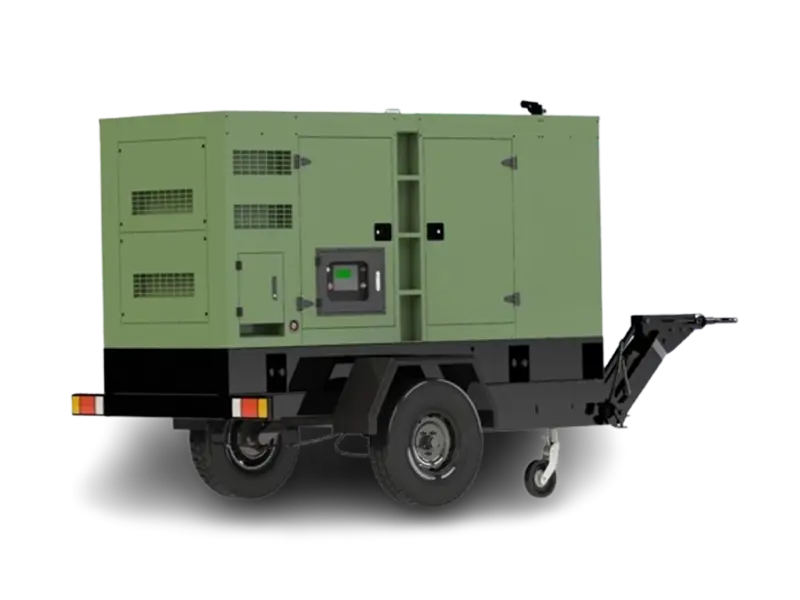 Mobile Silent Diesel Generators
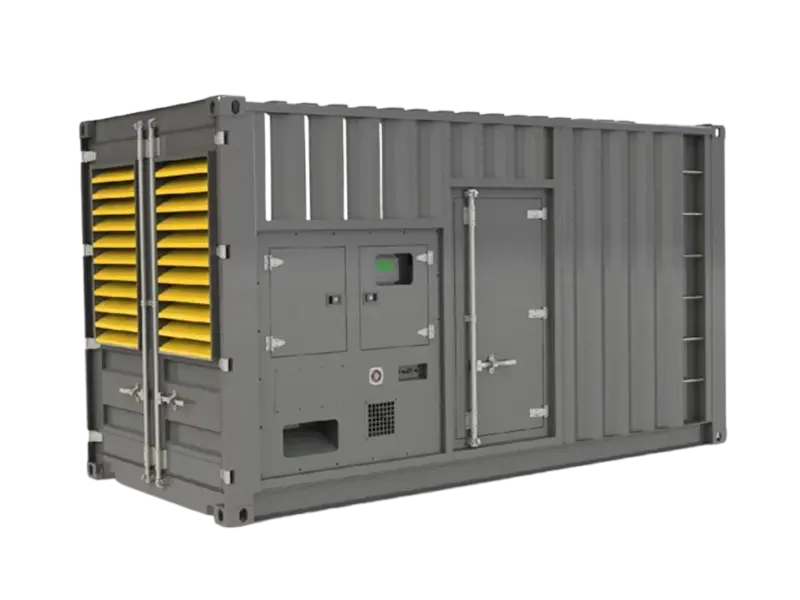 20/40HQ-Standard Container Type Generators