Top 10 Diesel Generator Buying Tips for Reliable Power Solutions
When seeking a reliable power solution, a Diesel Generator stands out as an excellent choice for both residential and industrial applications. Its durability, efficiency, and ability to provide uninterrupted power make it a preferred option for many. However, with a myriad of Diesel Generator options available in the market, choosing the right one can be a daunting task. In this guide, we aim to arm you with essential buying tips to ensure that you select the best Diesel Generator that aligns with your specific needs and requirements.
Understanding the intricacies of Diesel Generators is vital, not just in terms of performance but also with regard to fuel efficiency, maintenance costs, and overall reliability. This introduction highlights essential factors to consider when purchasing a Diesel Generator, emphasizing the importance of assessing your power needs and the generator's capacity. Whether you're preparing for emergencies or supporting ongoing operations, making an informed decision will lead to long-term satisfaction and stability in your power solutions.
Understanding Your Power Needs for Diesel Generators
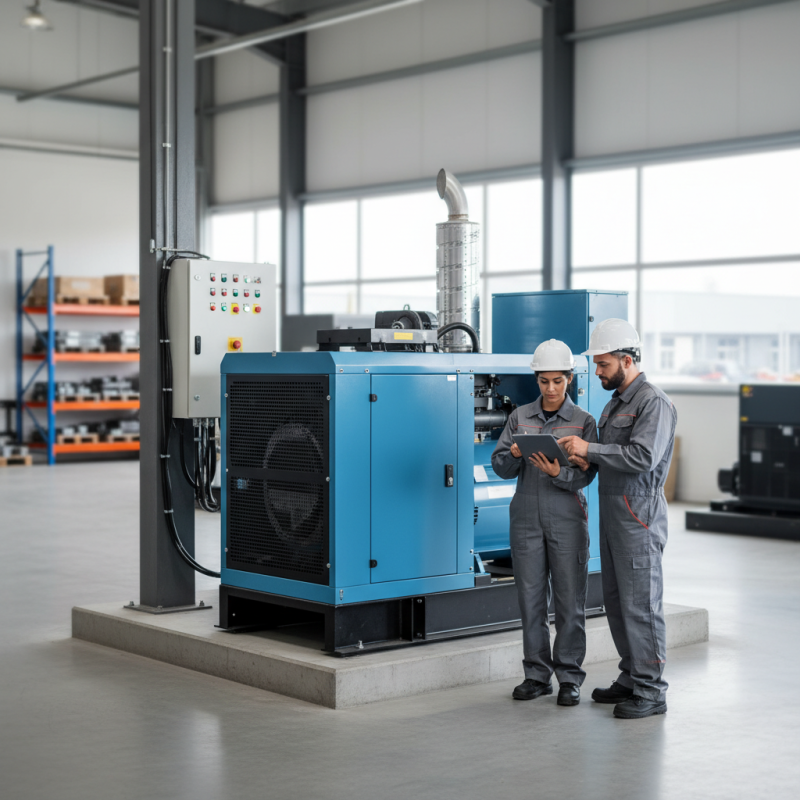
When considering the purchase of a diesel generator, understanding your power needs is paramount. The first step is to assess the total wattage required for your essential appliances and systems. This involves calculating the running watts and the starting watts needed for devices that may require a higher surge of power when initially turned on. A thorough inventory of equipment, such as lights, refrigerators, heating systems, and power tools, will help you create a clear picture of your power consumption.
Additionally, consider the duration for which you will need the generator to operate. Short-term power outages may require different specifications than those needed for extended periods of use. Think about whether you’ll need a continuous power supply or if your needs are occasional. Furthermore, take into account the environment where the generator will be used. Factors such as portable versus stationary placement, fuel storage, and noise levels can influence the type and size of the generator that best fits your situation. By clearly understanding your power requirements and operational needs, you can make a more informed decision when selecting a diesel generator, ensuring reliability in times of need.
Top 10 Diesel Generator Buying Tips for Reliable Power Solutions
Key Features to Look for in a Diesel Generator
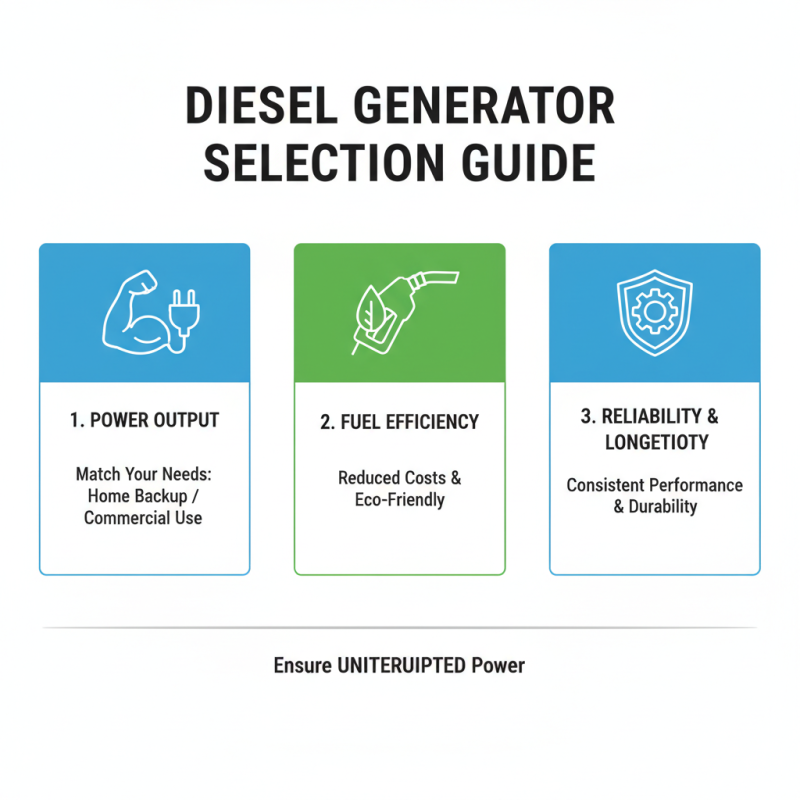
When selecting a diesel generator, several key features play a crucial role in ensuring reliable performance and longevity. First and foremost, assess the generator's power output and fuel efficiency. The generator should match your power needs, whether for home backup during outages or for heavy-duty use in commercial settings. A higher fuel efficiency not only reduces operational costs but also minimizes environmental impact, making it an essential factor to consider.
Another important feature is the durability and construction quality of the generator. Look for a model designed with high-grade materials that can withstand harsh conditions and prolonged usage. Additionally, noise levels are a significant consideration, especially if the generator will be used in a residential area or during sensitive operations. Opt for units equipped with soundproof enclosures or advanced muffler systems to ensure quieter operation. Other features to evaluate include ease of maintenance, the availability of automatic shut-off systems for safety, and user-friendly controls that enhance operational convenience. By focusing on these fundamental aspects, you can make an informed purchase that meets your power generation needs effectively.
Evaluating Generator Capacity and Fuel Efficiency
When considering the purchase of a diesel generator, understanding generator capacity and fuel efficiency is crucial for ensuring reliable power solutions. Generator capacity, measured in kilowatts (kW), determines the total amount of electrical power the generator can provide. According to industry standards, it is essential to select a generator that can handle both the starting wattage and running wattage of your appliances. For example, starting an air conditioning unit typically requires significantly more power than its running wattage. Thus, calculating the total wattage required by factoring in all necessary appliances can lead to a more informed, efficient purchase.
Fuel efficiency is another critical aspect, particularly as diesel generators often operate for extended hours during a power outage. The U.S. Department of Energy highlights that fuel consumption can vary widely based on load and generator size. Generally, a more fuel-efficient generator will consume between 0.25 to 0.30 gallons of diesel per hour per kW produced. Therefore, investing in a generator with optimal fuel efficiency can significantly reduce operating costs over time. A generator’s runtime, based on its fuel tank size and efficiency, can also determine how well it meets your needs during outages, emphasizing the importance of evaluating both capacity and efficiency in tandem.
Top 10 Diesel Generator Buying Tips for Reliable Power Solutions
| Tip No. |
Buying Tip |
Considerations |
Efficiency Rating |
| 1 |
Evaluate Power Requirements |
Total wattage needed during peak load |
High |
| 2 |
Check Fuel Efficiency |
Fuel consumption rate |
Moderate |
| 3 |
Consider Noise Level |
Decibel rating comparison |
Low |
| 4 |
Assess Maintenance Needs |
Required upkeep frequency |
Moderate |
| 5 |
Look for Advanced Features |
Smart controls, monitoring systems |
High |
| 6 |
Choose the Right Size |
Fit for specific applications |
Moderate |
| 7 |
Evaluate Start-Up Power |
Surge wattage needed |
High |
| 8 |
Review Warranty Options |
Length and coverage of warranty |
High |
| 9 |
Consider Portability |
Weight and wheeled options |
Moderate |
| 10 |
Research User Reviews |
Real-world performance feedback |
High |
Assessing Noise Levels and Emission Standards
When selecting a diesel generator, assessing noise levels and emission standards is crucial for ensuring compliance with regulations and creating a comfortable environment. According to the U.S. Environmental Protection Agency (EPA), diesel generators must adhere to strict emission standards to minimize pollutants such as nitrogen oxides (NOx) and particulate matter (PM). The latest regulations mandate that new diesel generators emit no more than 0.4 grams of NOx per horsepower-hour. Choosing a generator that meets or exceeds these standards not only helps the environment but also reduces potential fines and penalties associated with non-compliance.
Noise pollution is another important factor to consider. The noise level of diesel generators is typically measured in decibels (dB), with many commercial models ranging from 70 dB to over 100 dB at full load. The World Health Organization (WHO) recommends that noise levels in residential areas should not exceed 55 dB during the day and 40 dB at night for a comfortable living environment. Therefore, prospective buyers should look for generators specifically designed for quieter operation or those equipped with soundproof enclosures. Selecting a generator that balances power output with low emissions and tolerable noise levels can enhance the user experience while meeting regulatory requirements, making it a smart investment for both residential and commercial applications.
Maintenance Considerations for Long-Term Reliability
When investing in a diesel generator for reliable power solutions,
maintenance considerations are crucial for ensuring long-term performance and reliability.
Regular maintenance not only extends the lifespan of the generator but also enhances its
efficiency. It is essential to adhere to a routine
service schedule, which includes checking oil levels, coolant, and fuel systems.
Frequent inspections can help identify potential issues before they escalate into costly repairs,
ensuring that the generator operates smoothly when needed.
Additionally, it is important to keep the generator clean and free from debris.
Dust and dirt accumulation can hinder the cooling systems and
lead to overheating. Utilizing protective covers when the generator is not in use can help minimize
exposure to environmental factors. Moreover, replacing worn-out parts, such as filters and
belts, promptly can prevent breakdowns and reduce downtime. By prioritizing these maintenance steps,
users can achieve operational reliability and peace of mind knowing their diesel generator is ready
to provide power when it’s needed most.

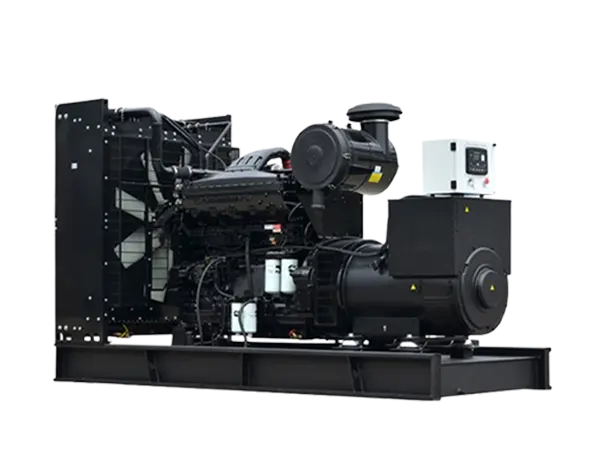 Diesel Generator Sets with Cummins Engines, XHZC Series
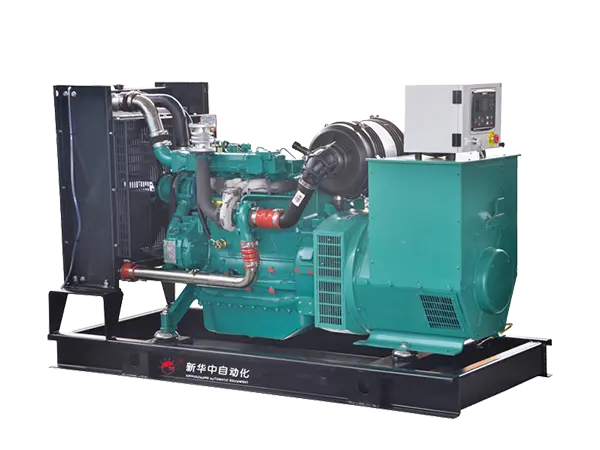 Weichai Series
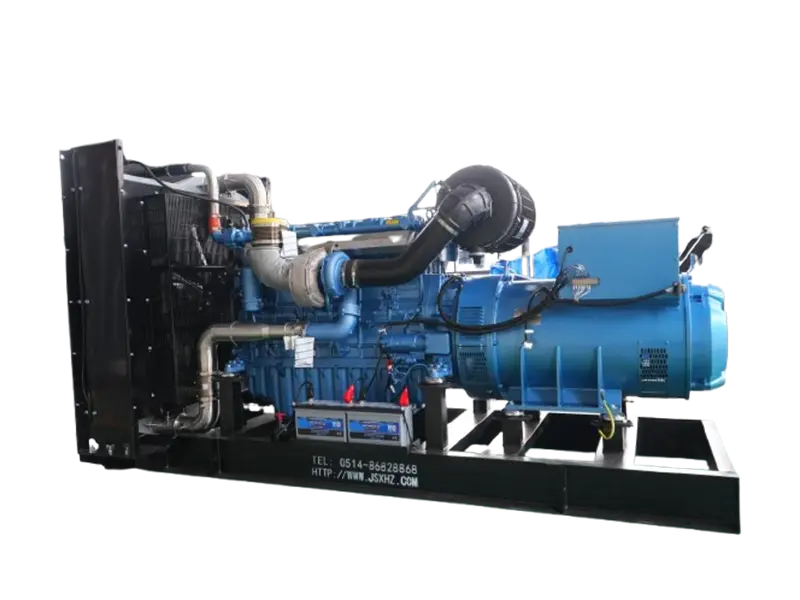 Diesel Generator Sets with WEICHAI Engines, XHZW Series
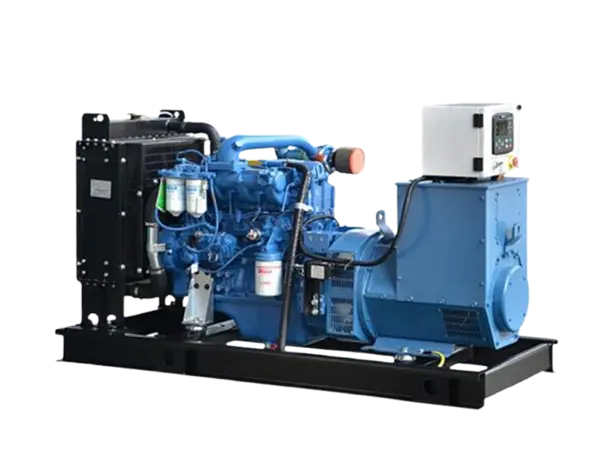 Yuchai Series
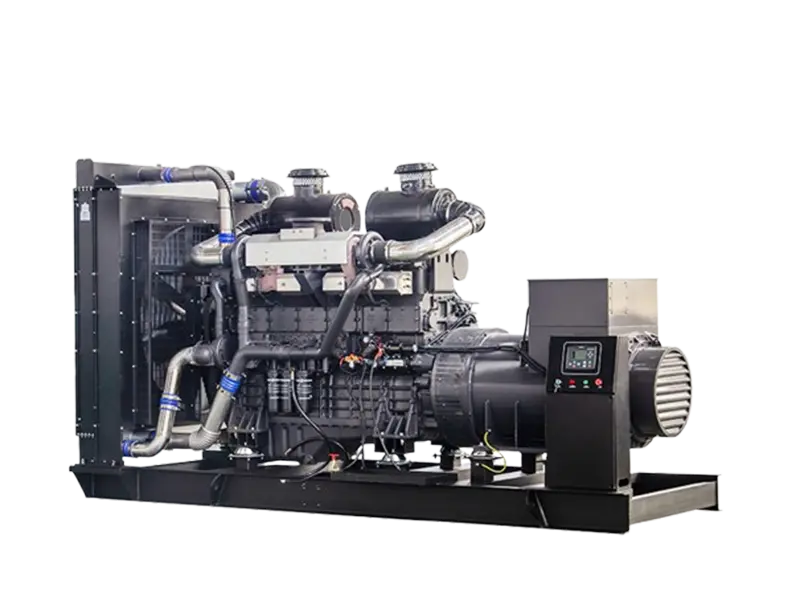 Diesel Generator Sets with SDEC(SHANGCHAI) Engines, XHZS Series
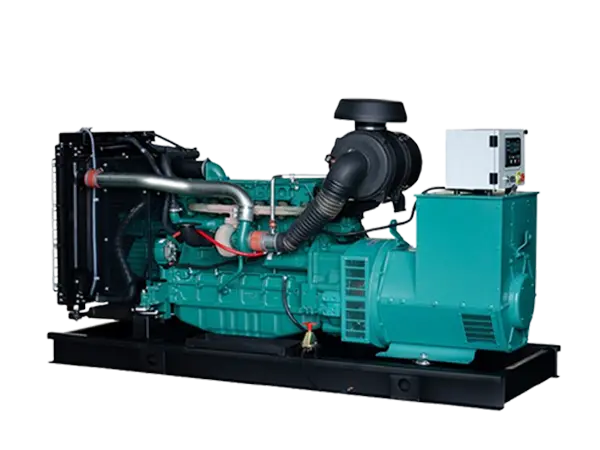 Volvo Series
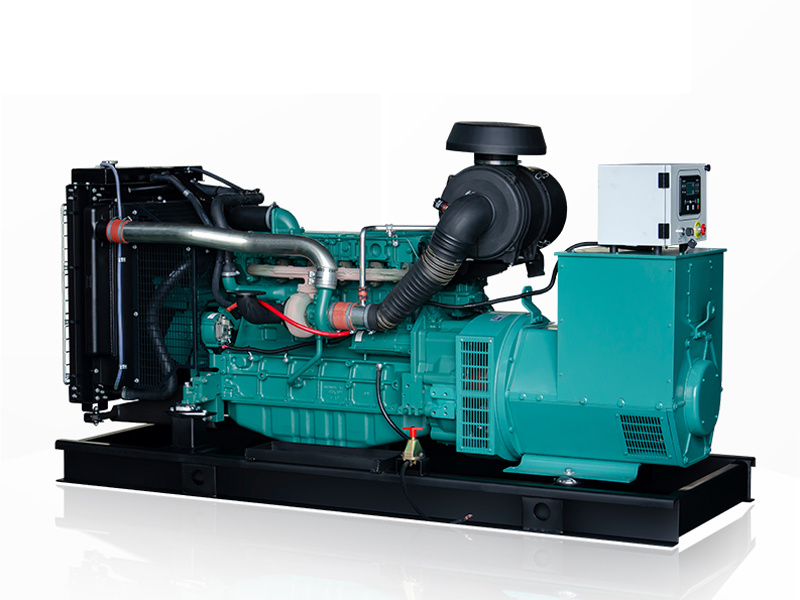 Diesel Generator Sets with VOLVO Engines, XHZV Series
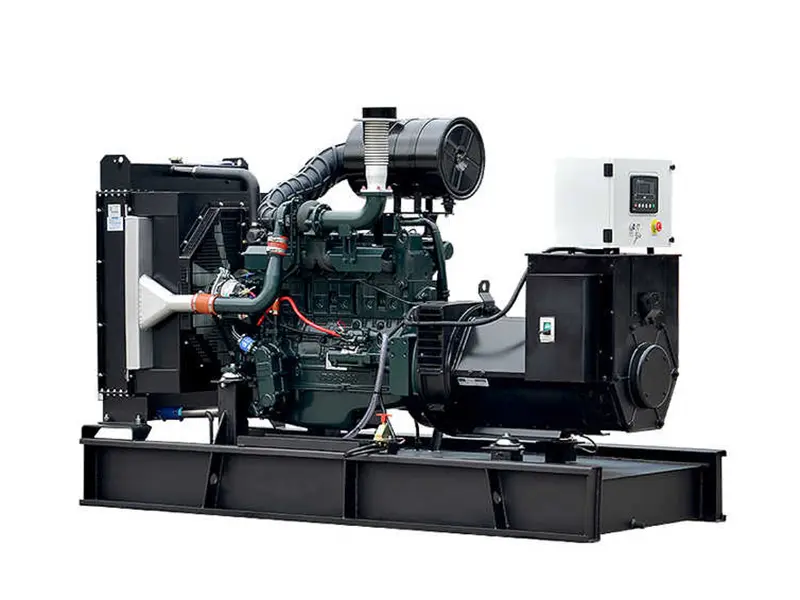 Diesel Generator Sets with Doosan Engines
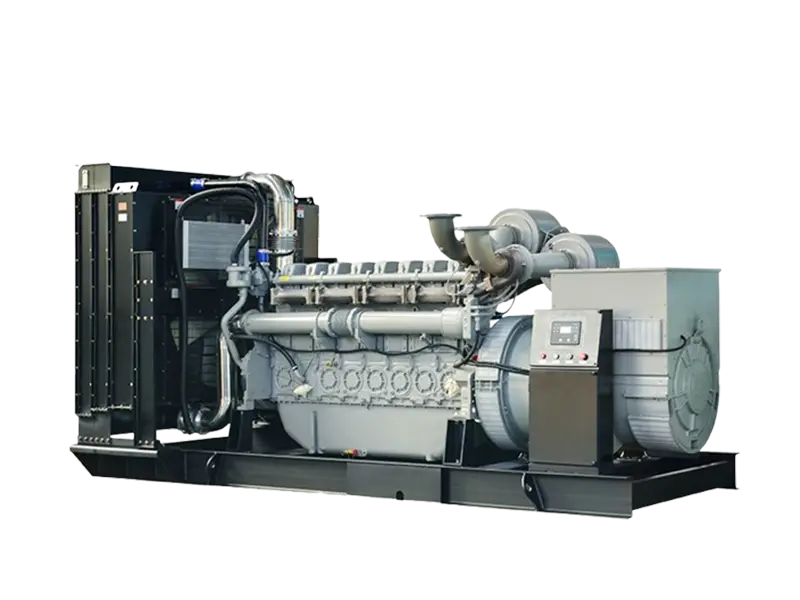 Diesel Generator Sets with Perkins Engines, XHZP Series
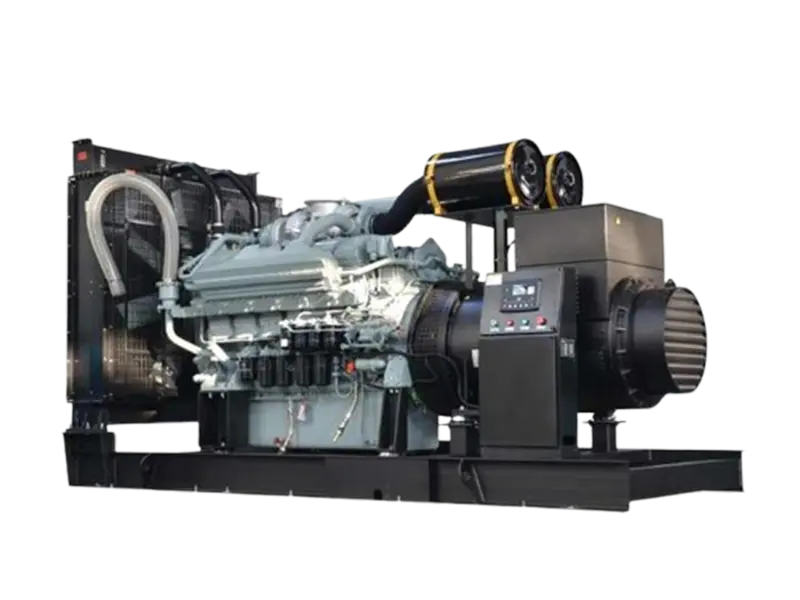 Diesel Generator Sets with Mitsubishi Engines
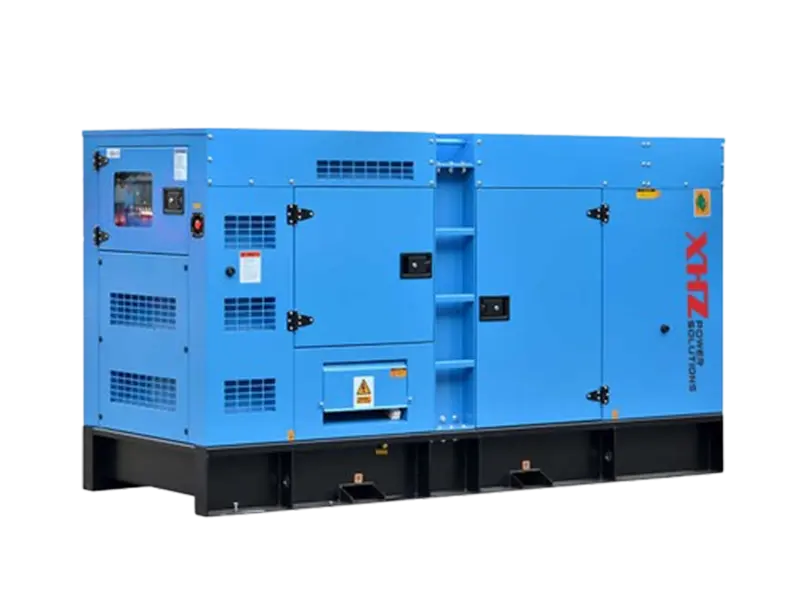 Silent Diesel Generators
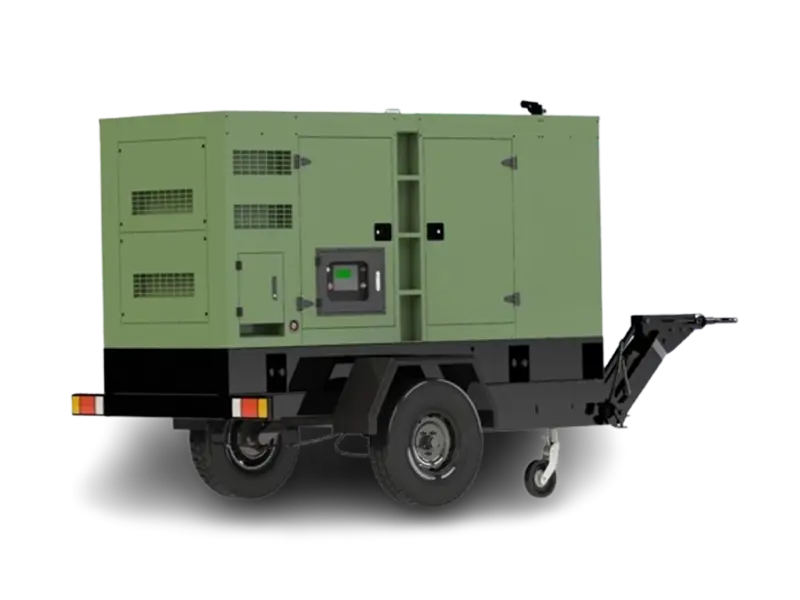 Mobile Silent Diesel Generators
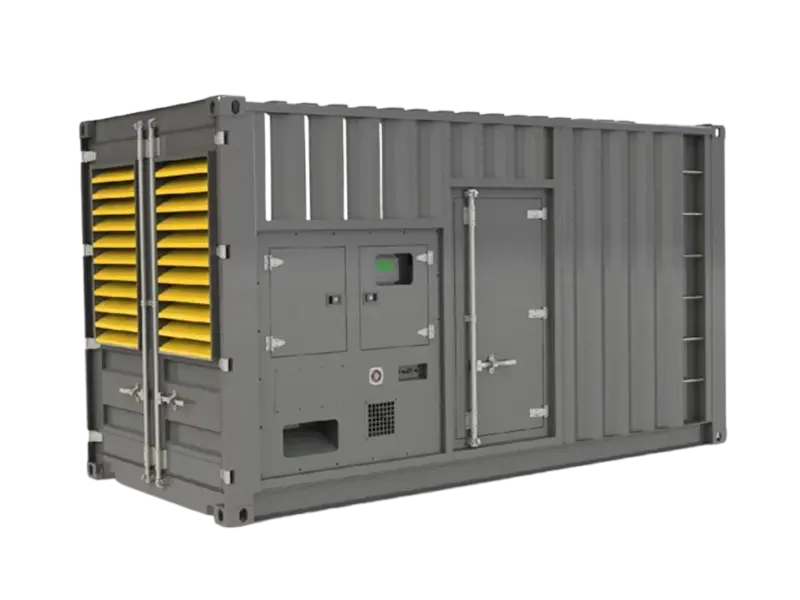 20/40HQ-Standard Container Type Generators