In today's increasingly unpredictable energy landscape, the role of a Diesel Backup Generator has become more pivotal than ever. According to the U.S. Energy Information Administration, approximately 30% of U.S. businesses experienced some form of power interruption in the past year, leading to significant operational disruptions and financial losses. This alarming statistic underscores the importance of reliable emergency power solutions, with diesel generators emerging as a favored choice for many organizations due to their robustness and efficiency.
Diesel Backup Generators offer a reliable source of power during outages, ensuring that critical systems and operations remain functional. Reports from industry analysts indicate that the diesel generator market is expected to grow at a compound annual growth rate (CAGR) of 6.5% over the next five years, largely driven by demand in sectors such as healthcare, data centers, and manufacturing. These generators are known for their durability, high performance, and ability to provide extended run times, making them an ideal solution for emergency power needs.
As we explore the mechanics and advantages of Diesel Backup Generators, it is essential to understand their operational principles, typical applications, and the factors influencing their selection in emergency power planning. By leveraging these insights, businesses can better prepare for unforeseen power disruptions and safeguard their vital operations.
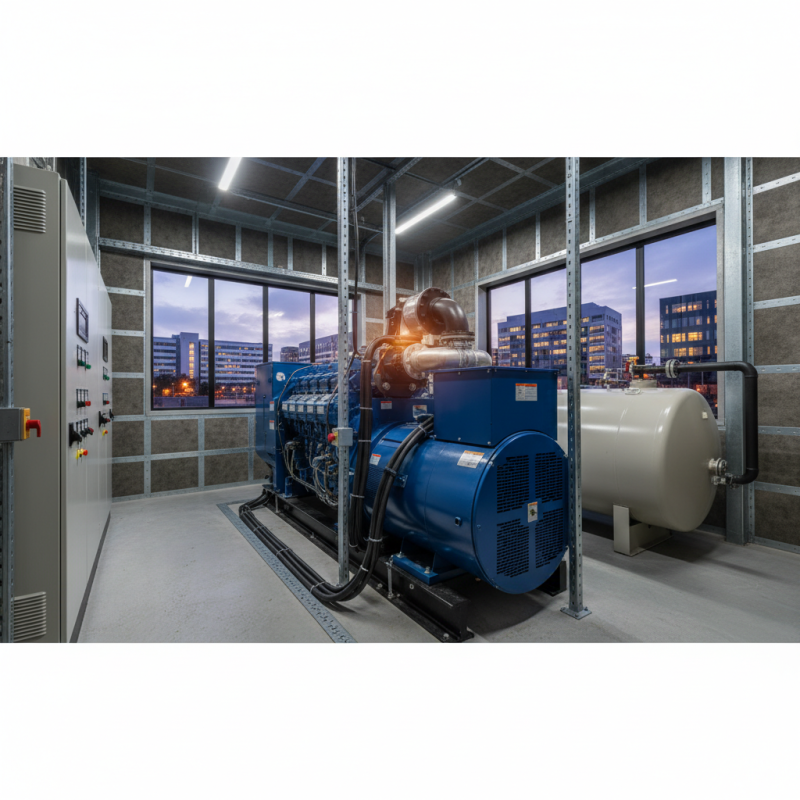
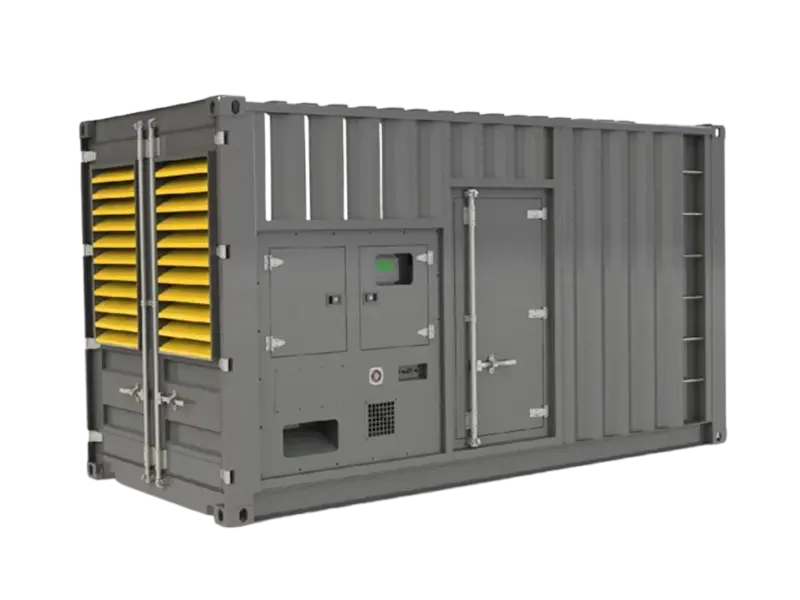
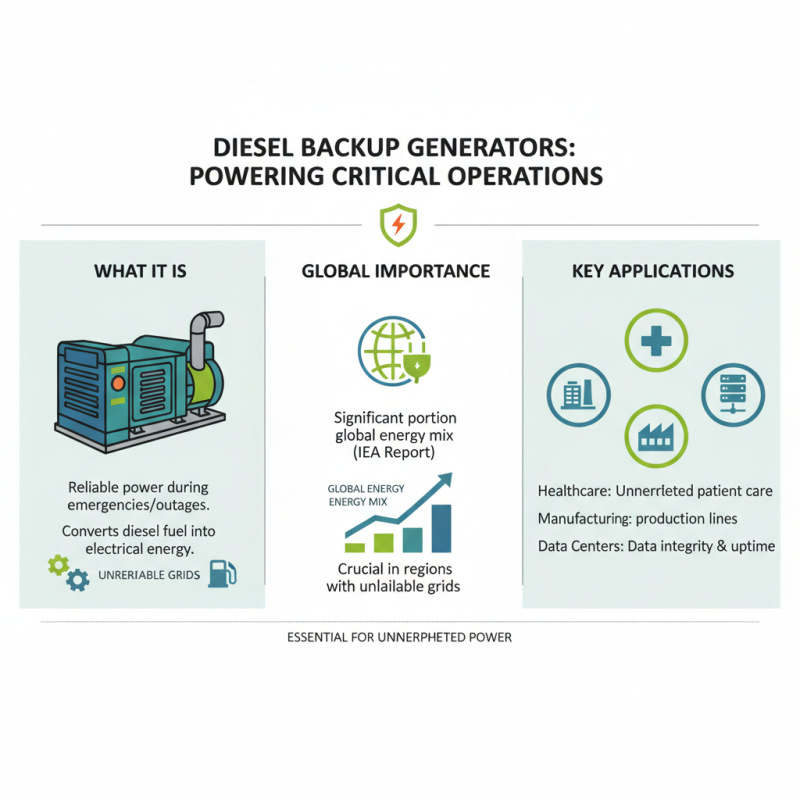
A diesel backup generator is a critical device designed to provide reliable power during emergencies or outages. These generators harness diesel fuel to operate an internal combustion engine, which converts the energy from diesel into electrical energy. According to a report by the International Energy Agency, diesel power generation accounts for a significant portion of the global energy mix, particularly in regions where grid reliability is poor. This is especially true for industries requiring uninterrupted power for operations, such as healthcare, manufacturing, and data centers.
The efficiency and durability of diesel generators make them the preferred choice for backup power solutions. Typically, these generators can start within seconds of a power failure and can run for extended periods, with many models capable of 12-24 hours of continuous operation on a single tank of diesel. Furthermore, the global diesel generator market is projected to grow at a compound annual growth rate (CAGR) of approximately 5.5% from 2021 to 2026, as industries increasingly recognize the need for robust power solutions. With advancements in technology, modern diesel generators are also becoming quieter and more fuel-efficient, making them an ideal option for both residential and commercial applications in various sectors.

A diesel backup generator is a critical component of an emergency power system, providing reliable electricity when the primary power source fails. Understanding its components is essential to grasping how it operates during a power outage.
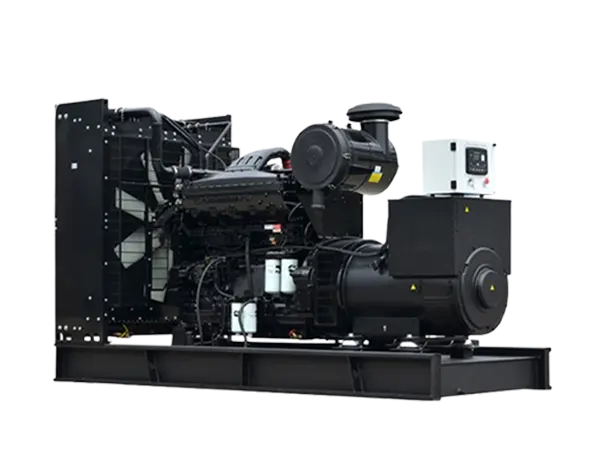
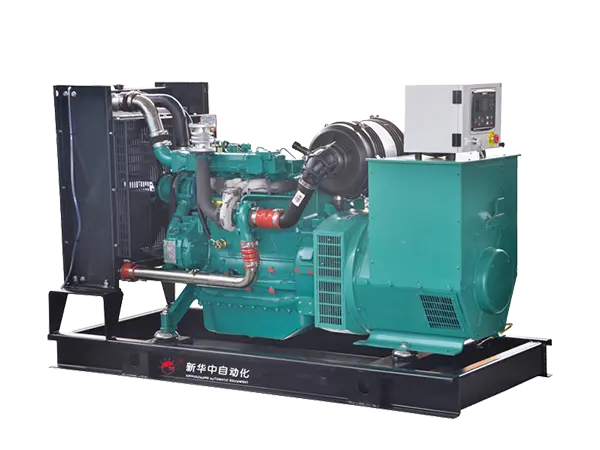
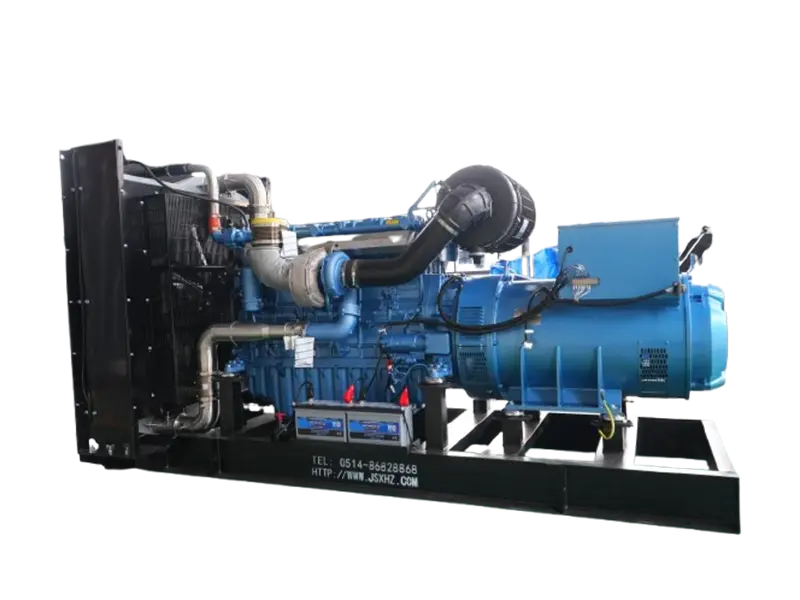
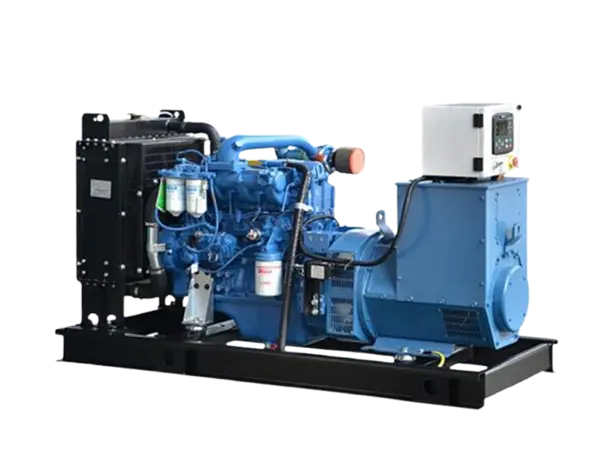
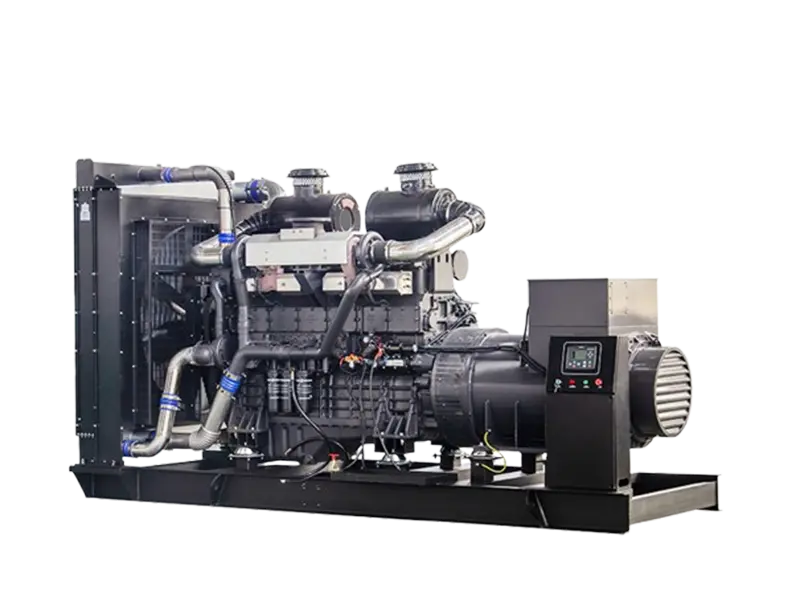
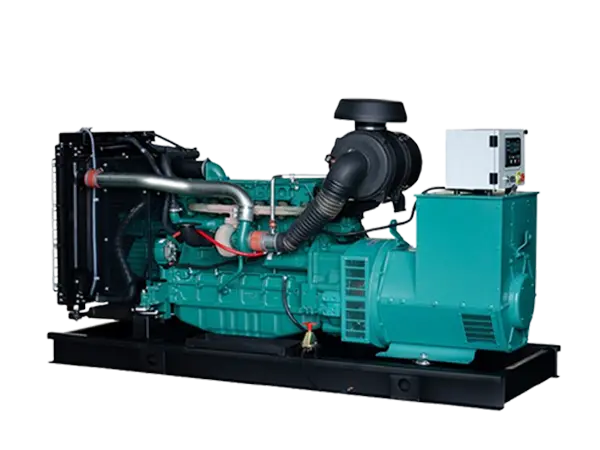
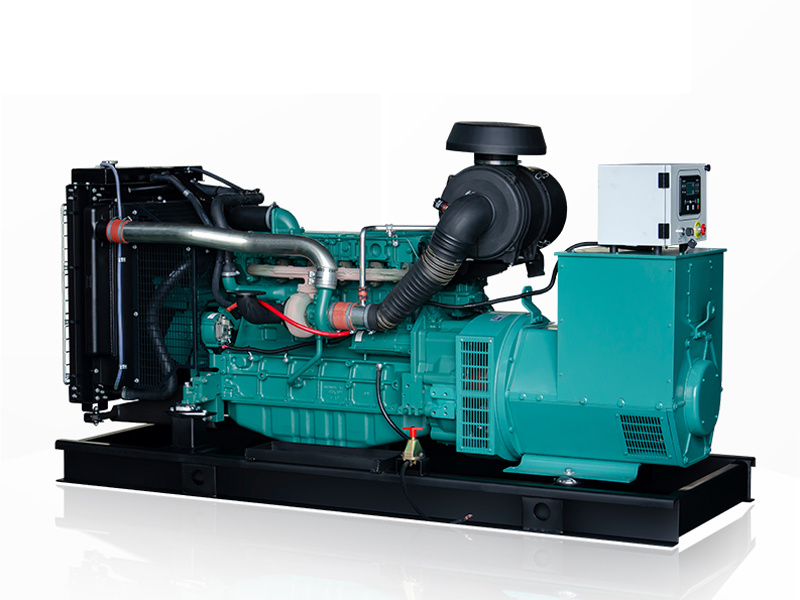
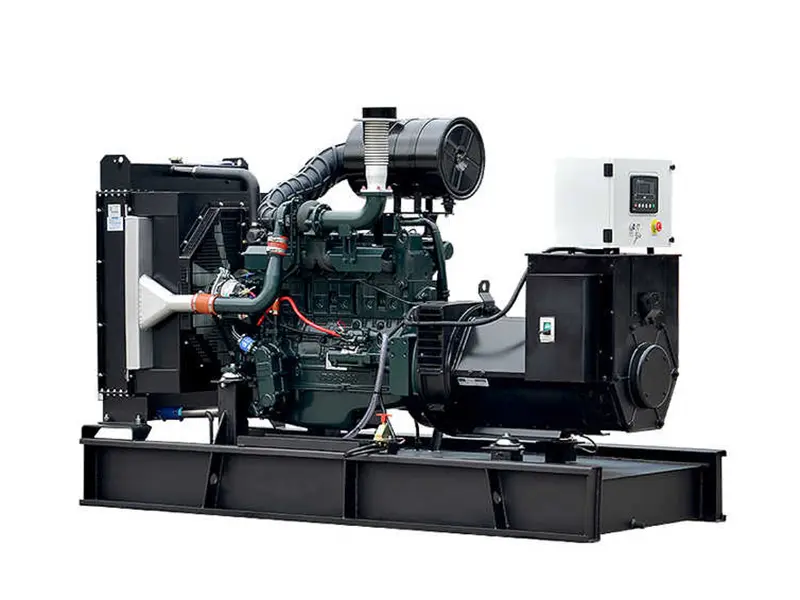
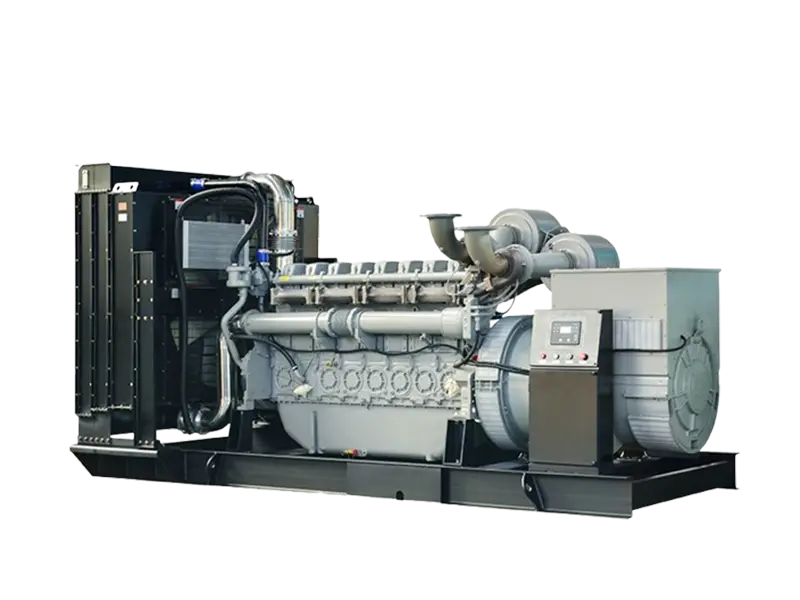
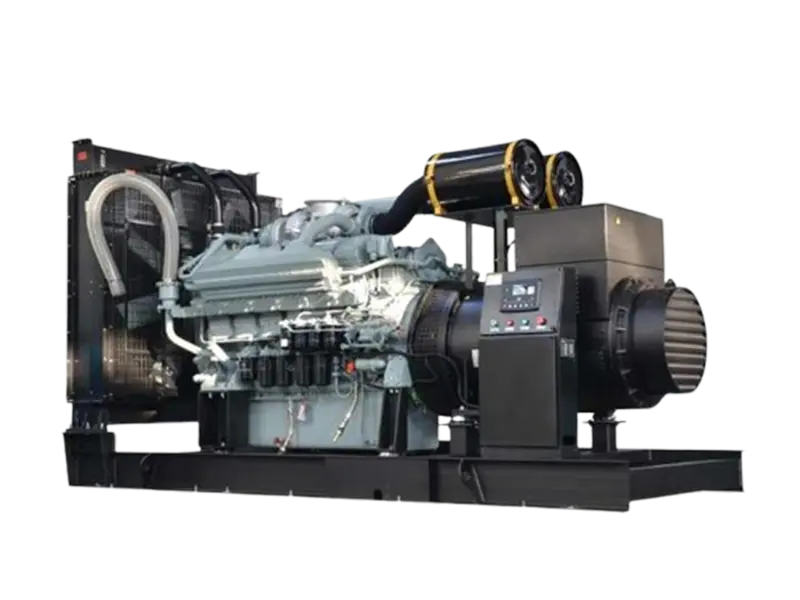
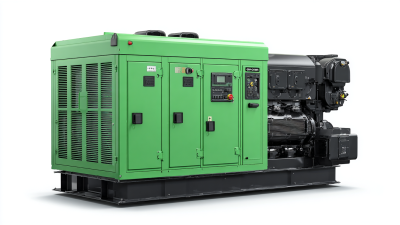
The core elements of a diesel backup generator include the diesel engine, alternator, fuel system, control panel, and exhaust system.
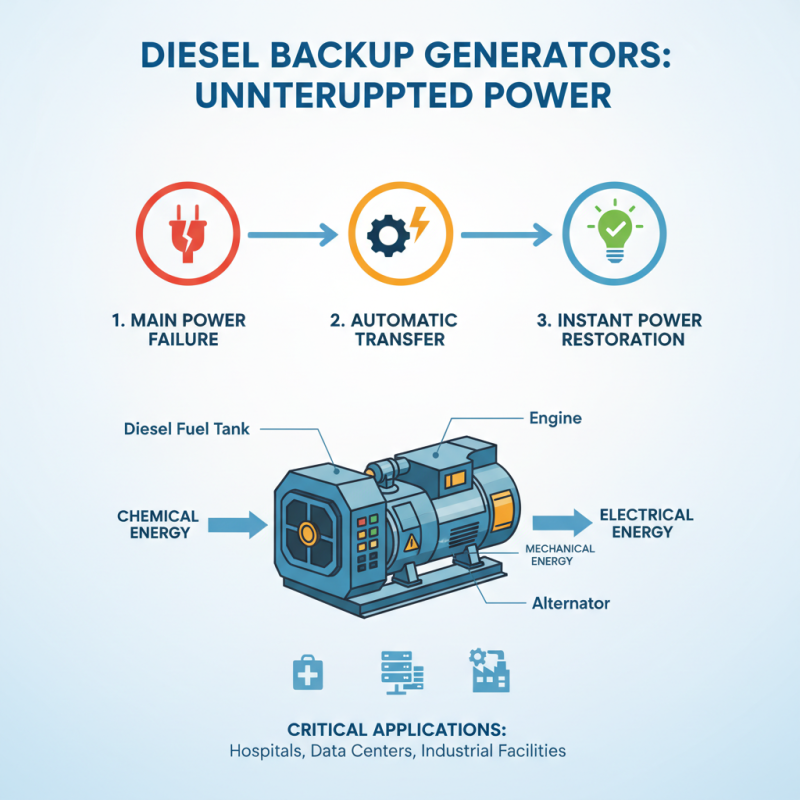
The diesel engine is the heart of the generator, converting fuel into mechanical energy. This mechanical energy is then transformed into electrical energy by the alternator, which is responsible for generating the power output. The fuel system stores and delivers diesel fuel to the engine, ensuring uninterrupted operation during emergencies.
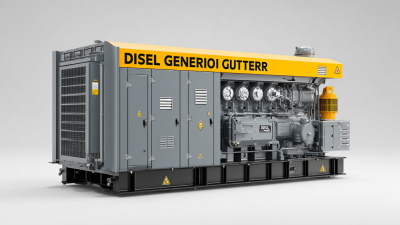
The control panel serves as the command center, allowing users to monitor performance and make necessary adjustments. It includes gauges that display crucial information such as fuel levels and power output. Lastly, the exhaust system directs harmful gases away from the generator, ensuring it operates safely and efficiently. Each of these components plays a vital role in ensuring the diesel backup generator functions reliably when needed most, providing peace of mind in unforeseen situations.
Diesel backup generators are essential for ensuring uninterrupted power supply during emergencies. These generators operate by converting the chemical energy stored in diesel fuel into mechanical energy, which is then transformed into electrical energy. When the main power source fails, the diesel generator automatically kicks in, often within seconds, to provide seamless power to critical systems. This rapid response is crucial in situations where power outages could lead to significant disruptions, such as in hospitals, data centers, and industrial facilities.
In emergencies, the functioning of diesel backup generators is facilitated by several components, including the engine, alternator, and control panel. The engine runs on diesel fuel, which is stored in a tank and can sustain long operating hours. As the engine operates, it drives the alternator that generates electricity, while the control panel monitors performance and detects any anomalies. This automatic operation not only ensures a steady power supply but also provides peace of mind, allowing businesses and homes to continue functioning without significant downtime during critical periods. Additionally, the ability to run on readily available diesel fuel makes these generators a reliable choice for locations frequently affected by power interruptions.
Diesel backup generators are increasingly recognized as a reliable source of emergency power, particularly in critical sectors such as healthcare, data centers, and telecommunications. One of the primary benefits of using diesel generators for backup power is their high efficiency and longevity. According to a report by the U.S. Energy Information Administration (EIA), diesel generators can operate for thousands of hours with proper maintenance, providing consistent power during outages. The fuel efficiency of diesel engines, combined with their durability, often makes them more cost-effective in the long run compared to their gasoline counterparts.
Another significant advantage of diesel generators is their ability to deliver substantial power output. Diesel engines generate more energy per unit of fuel than other types of generators, making them suitable for heavy-duty applications. A report from Technavio indicates that the global diesel generator market is expected to grow at a compound annual growth rate (CAGR) of over 6% between 2020 and 2024, underscoring their escalating demand. Additionally, diesel generators are less prone to fuel evaporation and can store fuel for extended periods, providing an added layer of reliability in emergency situations. The resilience and efficiency of diesel backup generators position them as a vital component in power management strategies for businesses and critical infrastructure alike.
Maintaining a diesel backup generator is crucial to ensure it operates efficiently during emergencies. According to a report by the U.S. Department of Energy, proper maintenance practices can extend the lifespan of a diesel generator by up to 50%. Regular checks on fuel quality, oil levels, and battery health are essential. Diesel fuel can degrade over time, leading to performance issues; thus, fuel should be tested and treated with appropriate additives to prevent microbial growth and sediment build-up.
When it comes to routine maintenance, a detailed inspection should be performed every month. This includes checking the coolant levels and temperature gauges, ensuring that the exhaust system is free from leaks, and testing the generator under load conditions. It’s also important to replace oil and filters regularly, as dirty oil can lead to engine wear and ultimately, failure. For optimal performance, consider scheduling a full maintenance service at least once a year, where professionals can conduct thorough diagnostics and address any potential issues.
**Tips:** Ensure that the generator is operated monthly for at least 30 minutes to keep it in good working condition. Additionally, keeping detailed maintenance logs not only helps track performance but also aids in identifying recurring issues. This diligence can prevent costly repairs and ensure your generator is always ready when needed.