How to Choose the Right Emergency Diesel Generator for Your Needs?
Choosing the right Emergency Diesel Generator (EDG) is crucial for any organization that values resilience during power outages. According to a recent report by MarketsandMarkets, the EDG market is expected to reach $24.4 billion by 2027, highlighting its growing significance across various sectors. Expert Mike Johnson, a leading authority in emergency power solutions, stated, "Selecting the right generator is as vital as maintaining it for operation."
Organizations need to consider several factors when choosing an EDG, including power requirements and intended usage scenarios. An adequate power supply can influence everything from business continuity to safety in critical situations. For example, hospitals rely on a robust EDG to ensure life-saving equipment remains operational when the grid fails.
However, many fail to assess their specific needs properly. Improper calculations can lead to undersized generators that fail when most needed. Consequently, understanding your unique power demands is essential. Evaluating your requirements isn’t just a checklist; it should be a comprehensive analysis. Implementing this approach will maximize your investment in an Emergency Diesel Generator and enhance your operational resilience.
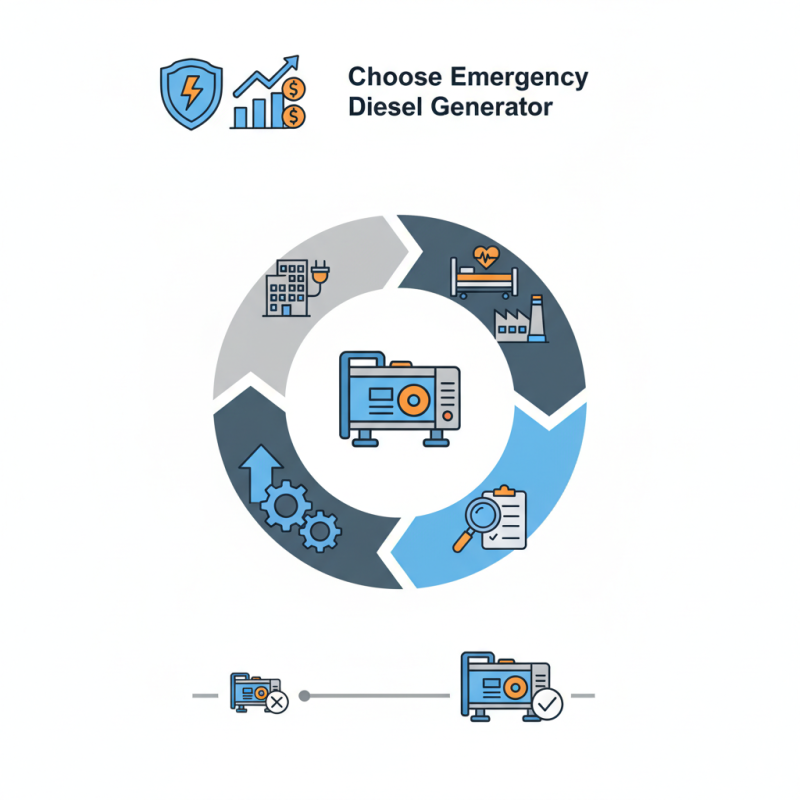
Understanding Your Power Requirements for Diesel Generators
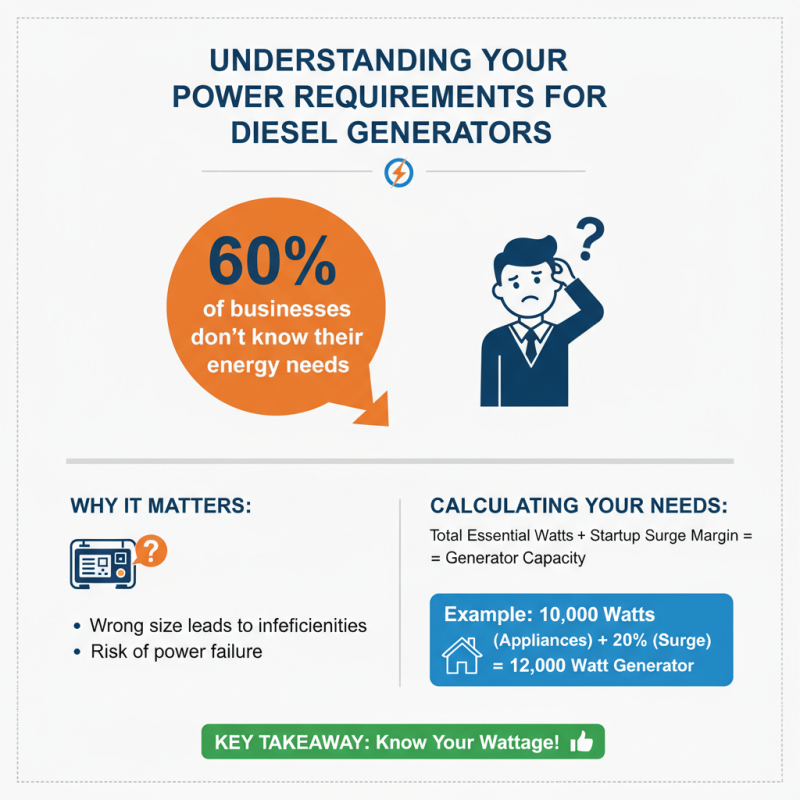
Choosing the right emergency diesel generator begins with understanding your power requirements. A recent industry report indicates that nearly 60% of businesses lack a clear understanding of their energy needs, which can lead to purchasing the wrong generator size. Knowing your wattage needs is crucial. For instance, if your essential appliances draw 10,000 watts, a generator should have at least a 12,000-watt capacity to handle startup surges.
Tips: Calculate total wattage by summing the needs of all devices. Always include a buffer for safety.
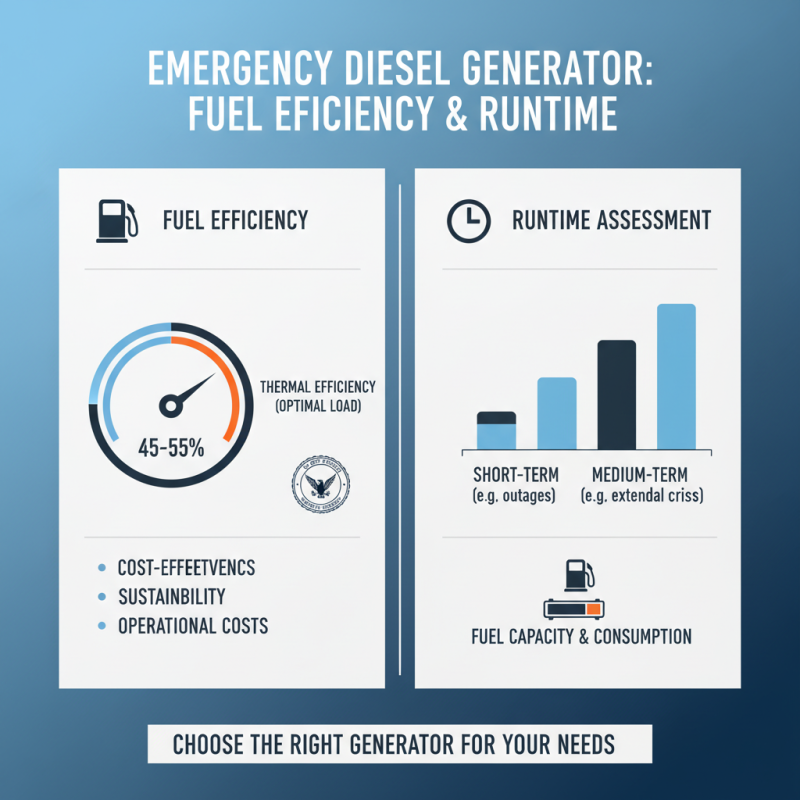
You should also consider the duration for which you will need power. According to data, most companies estimate their outages to be between 4 to 8 hours. However, unplanned events may extend downtime. Thus, investing in a diesel generator with a larger fuel tank might be wiser for prolonged outages.
Tips: Keep a manual of your appliances' wattages handy for quick assessments. Evaluate whether a manual or automatic transfer switch better fits your situation.
Inaccurate estimations can lead to inadequate performance. Some generators may struggle under load, causing your emergency plans to fail. Understanding your requirements ensures that your chosen generator supports your operations effectively when it matters most.
Evaluating the Generator's Power Output and Load Capacity
When selecting an emergency diesel generator, power output and load capacity are critical considerations. Understanding how much power you need is essential. A typical household may require between 3,000 to 7,500 watts for basic operations. If your business has specific equipment, calculate the total wattage needed to run those devices concurrently.
Load capacity must be examined in the context of your usage patterns. Many reports indicate that running a generator at 70% of its capacity is optimal for efficiency and longevity. Overloading can lead to premature wear and failure.
Additionally, consider transient loads. Some equipment requires more power to start than to run, typically two to three times more. This requirement can push the needed generator size up significantly.
Evaluating these aspects helps ensure reliable performance during emergencies. Keep in mind that community standards or state regulations can also dictate capacity requirements. Industry analysis suggests that many users underestimate their needs, leading to outages and disruptions.
Planning your load needs is not only wise but necessary. Ignoring this can result in costly downtime or equipment damage. Balancing the right generator size with load capacity ultimately ensures safety and reliability.
Considering Noise Levels and Environmental Impact
When selecting an emergency diesel generator, noise levels and environmental impact are crucial factors. Diesel generators can produce significant noise, which may not only disturb surrounding environments but also violate local noise regulations. Consider models designed for quieter operation. They often use soundproof enclosures and advanced muffling techniques. It's essential to check the manufacturer’s specifications for decibel levels.
Environmental impact is equally important. Diesel generators emit greenhouse gases and other pollutants. This contributes to air quality issues. Look for generators with lower emissions. Some models feature advanced filtration systems. Additionally, consider the location of your generator. Placing it away from sensitive areas can mitigate noise and pollution effects. Regular maintenance can also improve the efficiency and reduce the environmental footprint of your unit.
Your needs may evolve over time. An emergency generator should not solely be based on current circumstances. Evaluate future requirements, including potential noise restrictions or environmental standards. The choice of generator should reflect not just immediate utility but also a commitment to sustainable practices. Remember, addressing both noise levels and environmental impact contributes to better community relations and compliance with regulations.
Exploring Maintenance and Support Options for Reliability
When investing in an emergency diesel generator, maintenance and support are crucial. Regular upkeep ensures reliability when you need it most. Generators should be inspected at least every six months. This helps identify wear and tear early on. Oil changes are necessary, along with filter replacements. Neglecting these tasks can lead to costly breakdowns.
Support options vary widely. Some providers offer comprehensive packages that include regular servicing. Others only provide parts when needed. Evaluate your needs carefully. A generator without support is like a ship without a captain. Periodic training for your staff on operation is also important. This reduces the chances of operational mistakes when the generator is pressed into service.
Reflect on your long-term requirements. The cheapest option may not always be the best. Investing in better maintenance can save money in the long run. A reliable support system can significantly extend your generator's lifespan. Balancing cost with quality is a challenge worth taking. Consider the implications of being unprepared for a power outage. The peace of mind that comes from a well-maintained generator cannot be overstated.
Choosing the Right Emergency Diesel Generator: Capacity and Maintenance Considerations
This chart illustrates the relationship between generator capacity in kW and recommended maintenance frequency, highlighting the importance of proper support options for reliability.

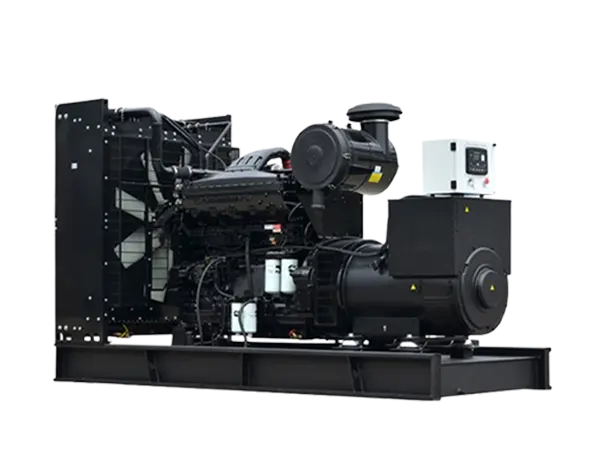 Diesel Generator Sets with Cummins Engines, XHZC Series
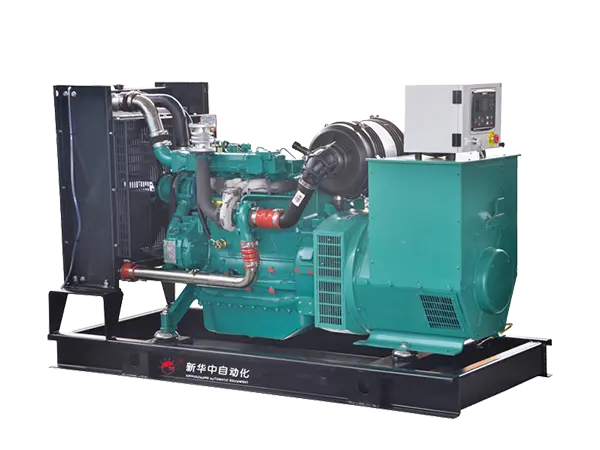 Weichai Series
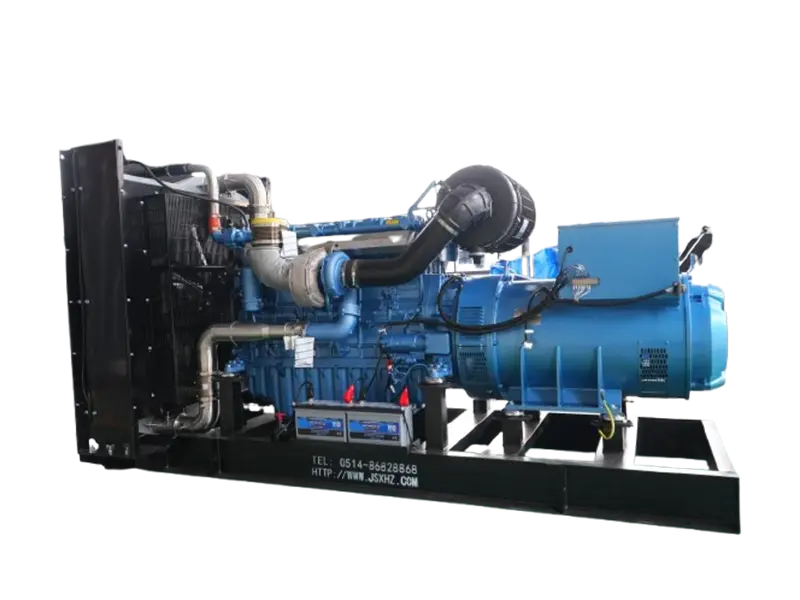 Diesel Generator Sets with WEICHAI Engines, XHZW Series
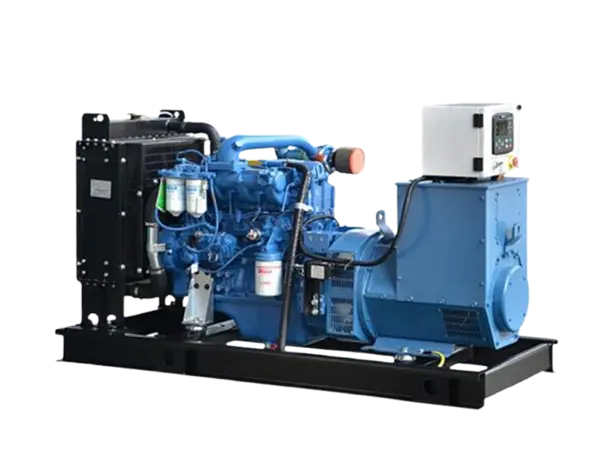 Yuchai Series
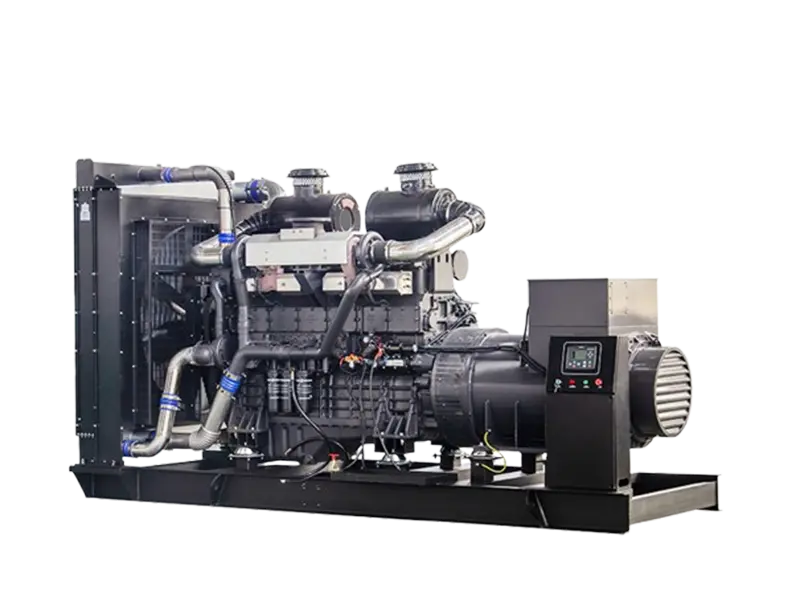 Diesel Generator Sets with SDEC(SHANGCHAI) Engines, XHZS Series
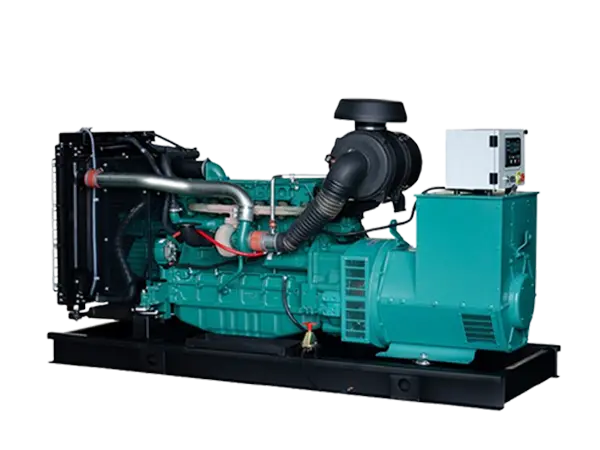 Volvo Series
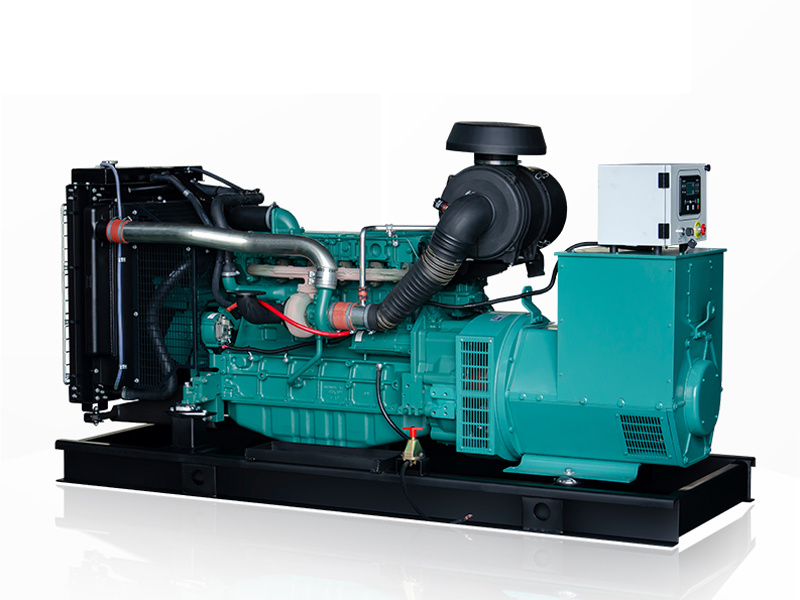 Diesel Generator Sets with VOLVO Engines, XHZV Series
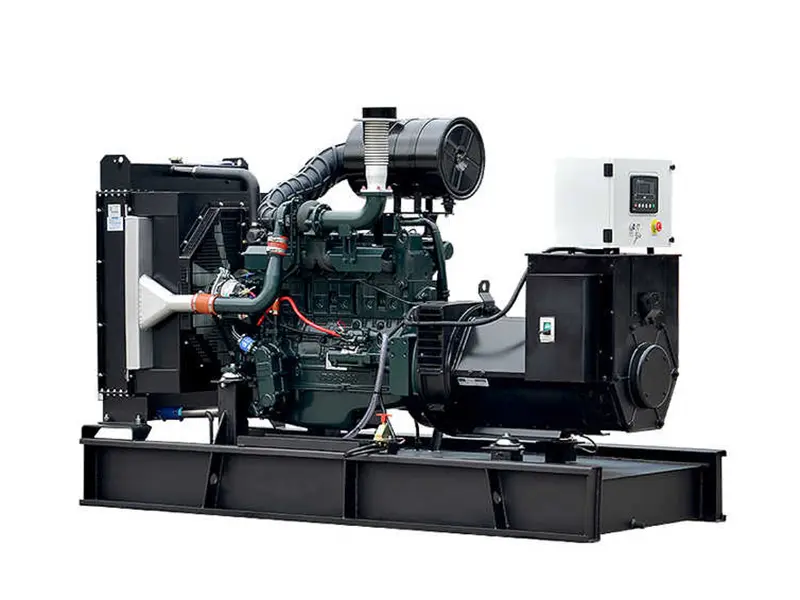 Diesel Generator Sets with Doosan Engines
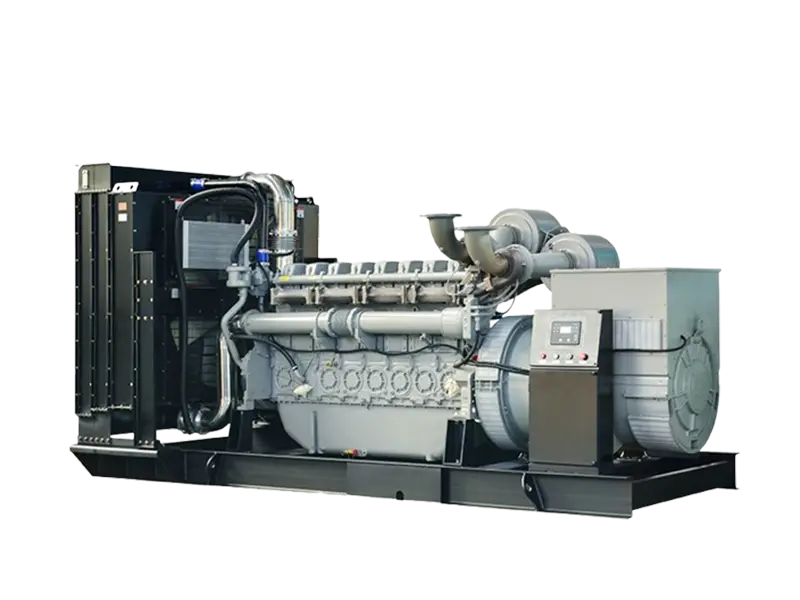 Diesel Generator Sets with Perkins Engines, XHZP Series
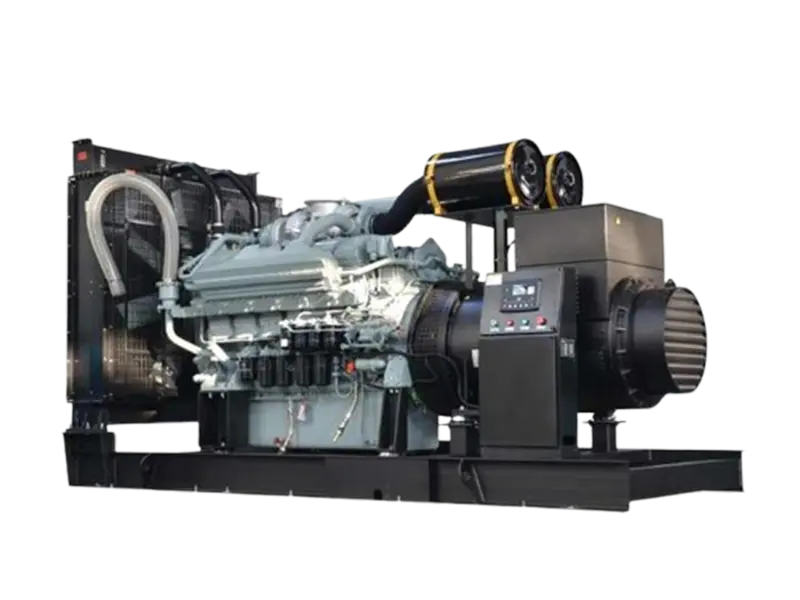 Diesel Generator Sets with Mitsubishi Engines
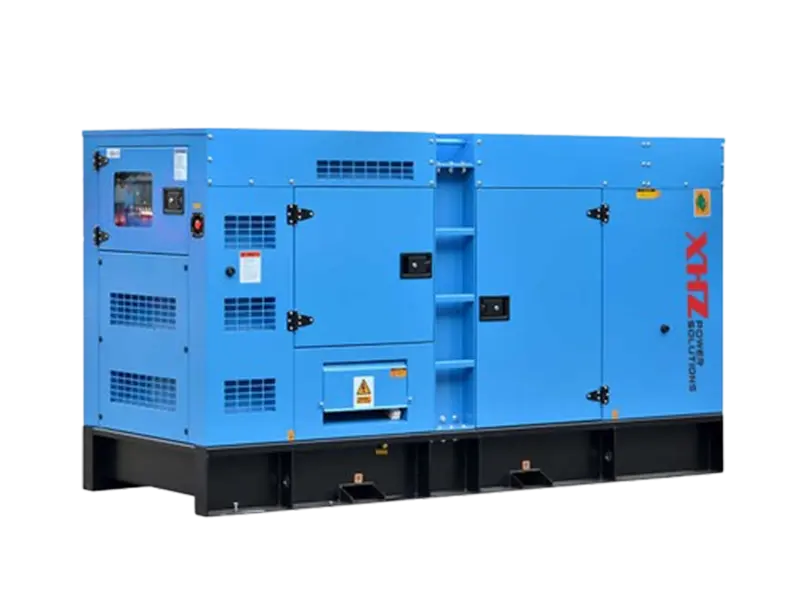 Silent Diesel Generators
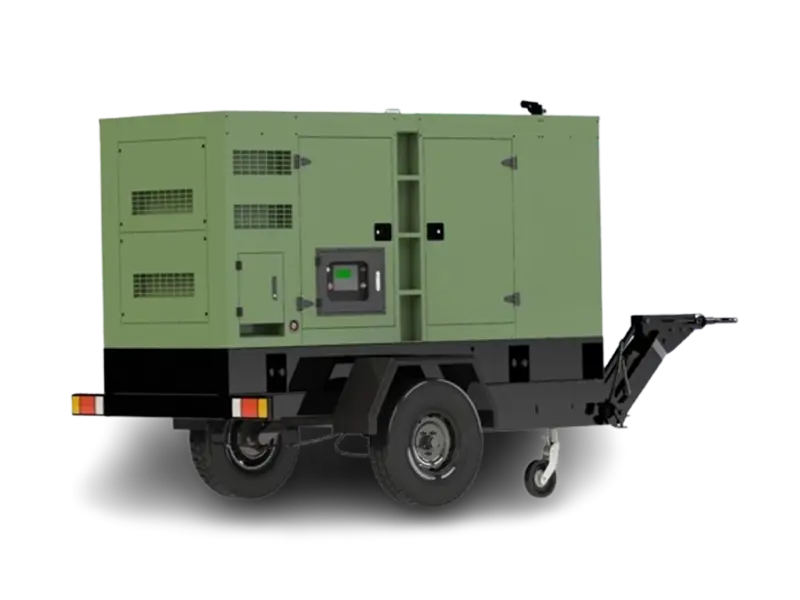 Mobile Silent Diesel Generators
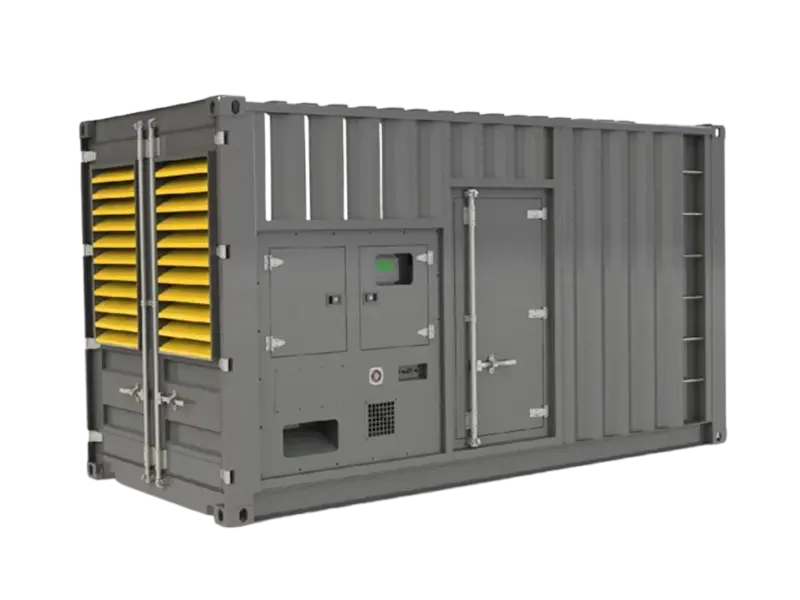 20/40HQ-Standard Container Type Generators