How to Choose the Best Industrial Diesel Generator for Your Needs?
Choosing the right Industrial Diesel Generator (IDG) can be daunting. With advancements in technology, the market has multiple options. According to a report by Research and Markets, the global industrial generator market is projected to reach USD 25 billion by 2026. This growth signals a heightened demand for reliable energy solutions across industries.
Expert insight is invaluable in this process. John Smith, a renowned power systems analyst, states, "Selecting the right generator often means balancing power needs with efficiency and cost." His words emphasize the complex nature of this decision. Many businesses overlook crucial specifications, leading to inefficiencies.
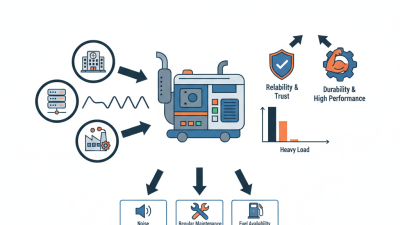
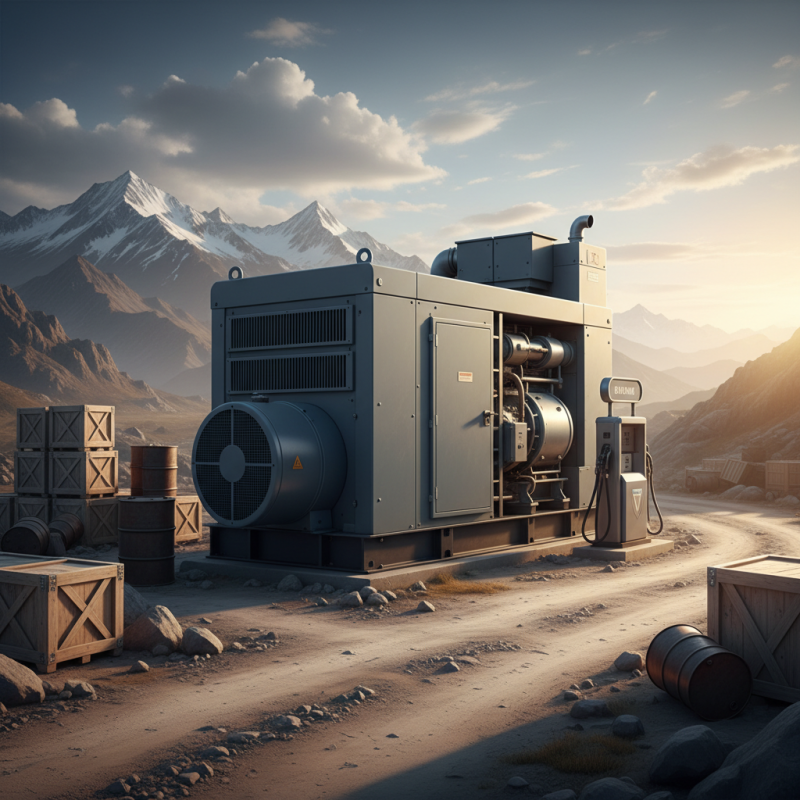
Beyond technical specifications, understanding your operational environment is vital. Factors like climate, fuel availability, and maintenance capabilities play significant roles. Many organizations discover too late that a one-size-fits-all approach falls short. The right Industrial Diesel Generator should fit your unique needs while ensuring reliability and performance.
Factors to Consider When Selecting an Industrial Diesel Generator
Selecting the right industrial diesel generator requires careful consideration of several key factors. Start by evaluating your power requirements. Understand the total wattage needed for your operations, including peak loads. It's vital to choose a generator with a capacity that meets and exceeds these demands. This helps avoid overloading the unit and ensures reliable performance.
Next, consider the generator's operational environment. Will it be used indoors or outdoors? Indoor generators need proper ventilation to prevent harmful emissions. Additionally, assess noise levels. Some operations demand quieter generators to minimize disturbance. Fuel efficiency is another significant factor. An efficient generator lowers operational costs over time.
Maintenance and support are crucial as well. Check the availability of parts and service providers in your area. A generator that is easy to maintain can save you time and money in the long run. Reflect on potential challenges you might face with your choice. Sometimes, the best option on paper may not fit your real-world needs. It's essential to weigh both the pros and cons carefully.
Types of Industrial Diesel Generators and Their Applications
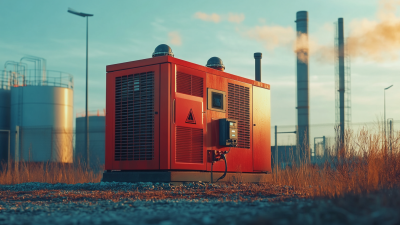
When selecting an industrial diesel generator, it's vital to understand the different types available. One common category is the standby generator. These units provide backup power during outages. According to the U.S. Energy Information Administration, over 30% of businesses now rely on standby generators for uninterrupted operations.
Another important type is the prime power generator. This option is ideal for remote sites without a grid connection. These generators deliver consistent power and can be operated continuously. According to a report from Research and Markets, the global market for prime power generators is expected to grow at a compound annual growth rate of 4.5% over the next five years.
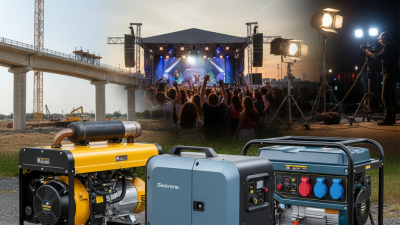
There are also specialized generators for specific applications. For example, mobile generators are essential for construction sites. They are flexible and can be transported easily. However, users should consider fuel efficiency and noise levels for compliance with regulations. Each type of generator serves a unique purpose, and understanding these differences will aid in making an informed choice.
Understanding Power Requirements for Your Diesel Generator
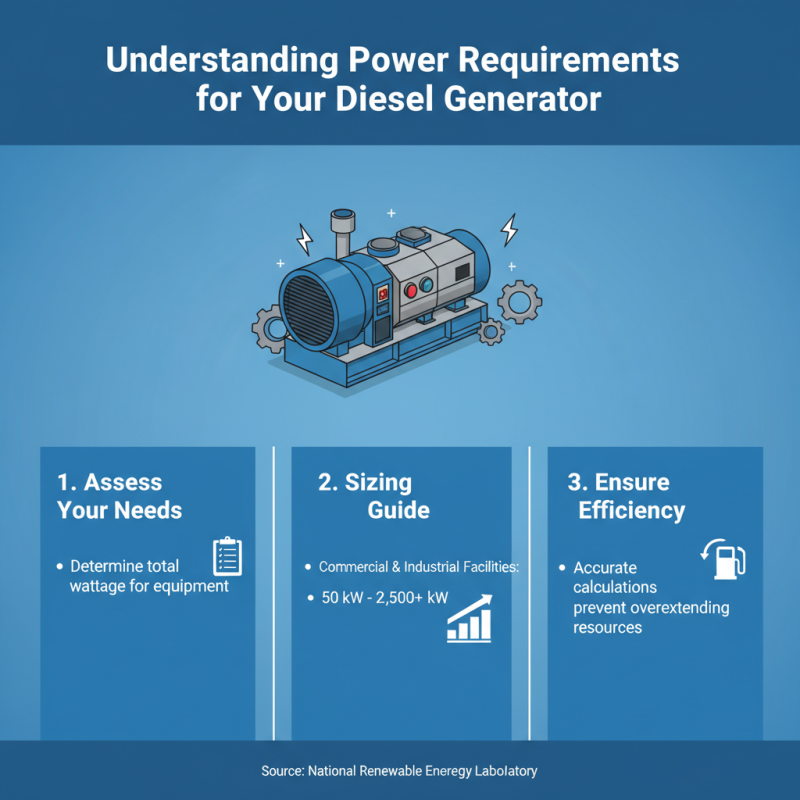
When choosing a diesel generator, understanding your power requirements is crucial. Assess your needs by determining the total wattage required for your equipment. According to the National Renewable Energy Laboratory, commercial and industrial facilities often require generators with capacities ranging from 50 kW to over 2,500 kW. Accurate calculations ensure that you select a generator that meets your operational needs without overextending resources.
Consider your starting wattage requirements. Many devices draw significantly more power when starting than when running. For instance, motors can require up to three times their running wattage at startup. Inadequately sizing your generator might lead to failures or inefficiencies. It’s essential to factor in surge requirements when estimating your total power needs.
Also, reflect on your future needs. Do you plan to expand your operations? Some experts suggest adding a 20% buffer to your calculated requirements. This allows for unexpected increases in power demand. However, too large a generator may lead to inefficiencies and increased operational costs. Balancing immediate needs and potential growth is key to making an informed decision.
Maintenance and Longevity of Industrial Diesel Generators
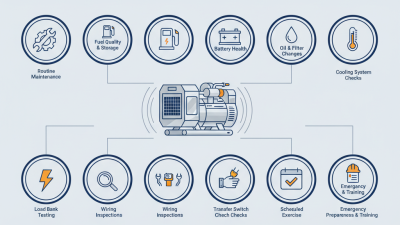
Maintenance is crucial for the longevity of industrial diesel generators. Regular checks help identify issues before they escalate. Filters, oil, and coolant levels should be monitored closely. Neglecting these can result in costly repairs and downtime.
A maintenance schedule is essential. It should include daily, weekly, and monthly tasks. Simple checks can prevent bigger problems. Listen for unusual sounds and look for leaks. Document all maintenance activities. This data can guide future repairs and improve efficiency.
Training staff on basic maintenance is beneficial. They should understand how to operate and inspect the generator. An informed operator can spot problems early. Despite best efforts, some issues will occur. Reflection on past maintenance practices can help enhance performance. Every generator has its quirks. Learn from each experience to improve reliability.
Industrial Diesel Generator Maintenance and Longevity
Budgeting for Your Industrial Diesel Generator Purchase and Operation
When budgeting for an industrial diesel generator, several factors come into play. Consider the initial purchase price. It varies widely based on power output and features. It's crucial to set a realistic budget that includes not just the acquisition cost but also installation expenses. These can quickly add up and catch buyers off guard.
Fuel costs are another significant aspect. Diesel prices fluctuate, impacting overall operational costs. Estimating your generator's fuel efficiency can help you project long-term expenses. Don't forget about maintenance costs. Regular servicing is essential for prolonging the life of your generator. Setting aside a portion of your budget for unexpected repairs is wise.
Additionally, think about how usage patterns will affect your finances. Will the generator run continuously or sporadically? Understanding these patterns can help refine your budget. Integrating contingencies for potential downtime or emergency repairs can also save you from unexpected financial strain. Balancing all these considerations requires careful planning and realistic expectations.

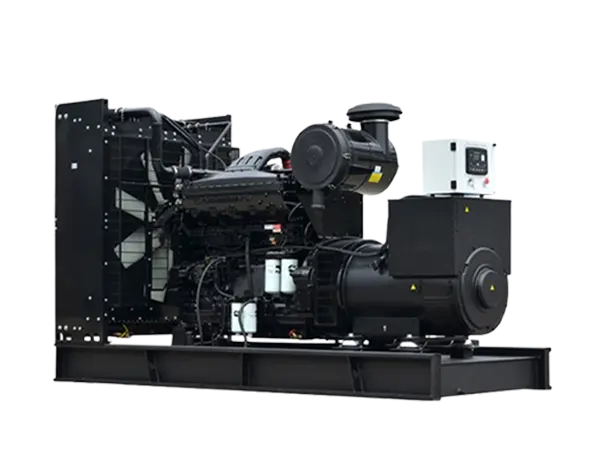 Diesel Generator Sets with Cummins Engines, XHZC Series
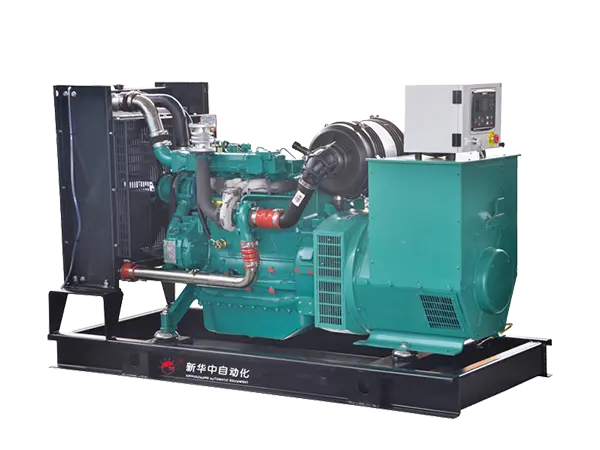 Weichai Series
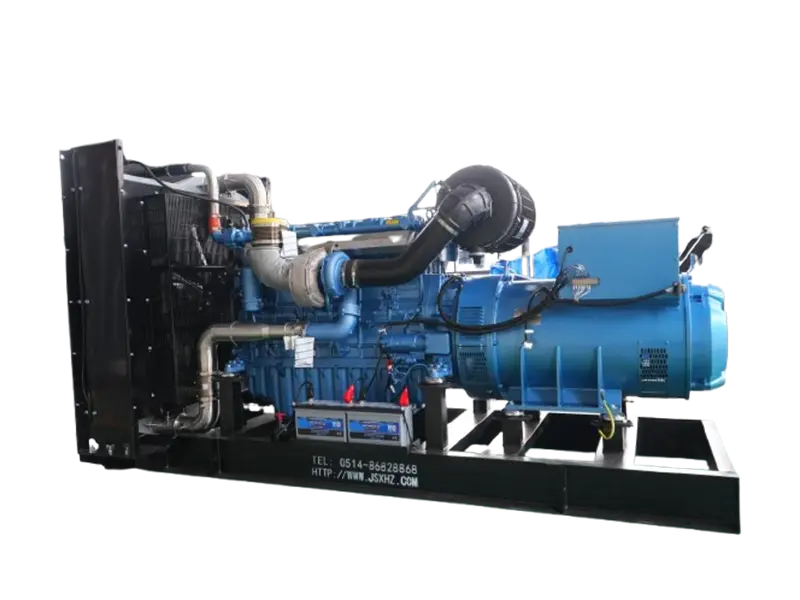 Diesel Generator Sets with WEICHAI Engines, XHZW Series
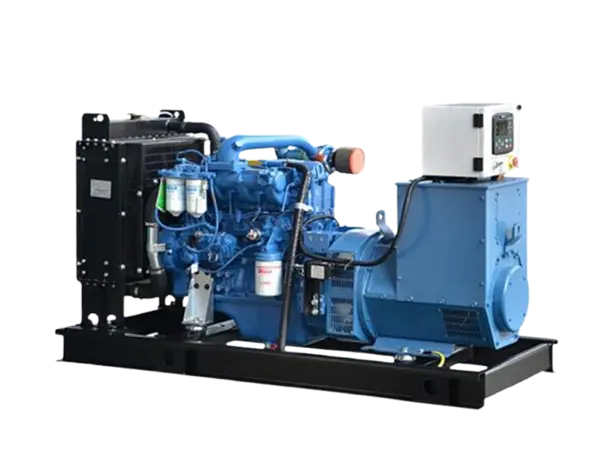 Yuchai Series
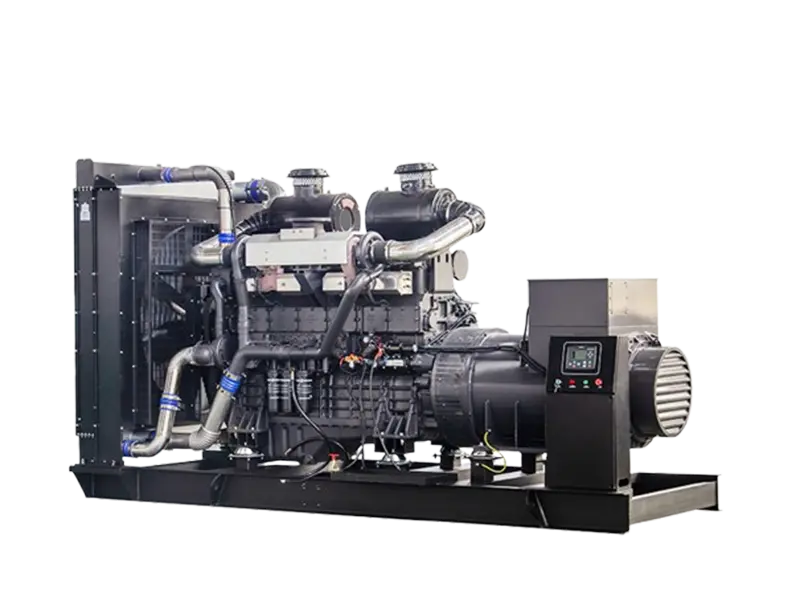 Diesel Generator Sets with SDEC(SHANGCHAI) Engines, XHZS Series
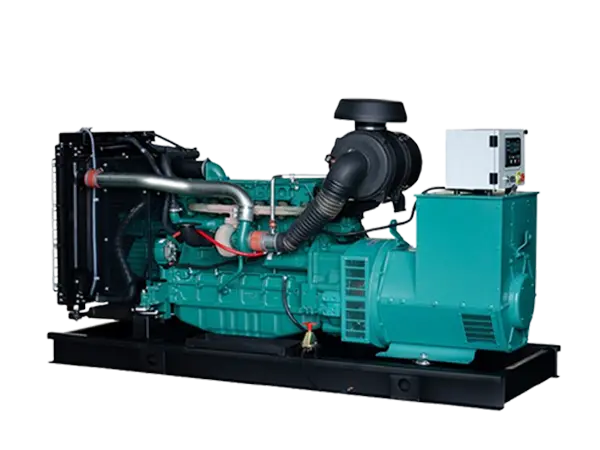 Volvo Series
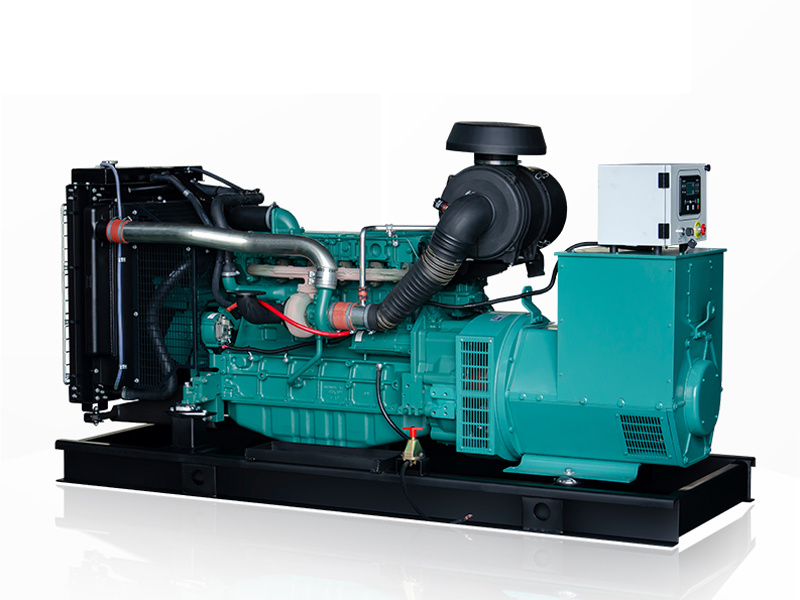 Diesel Generator Sets with VOLVO Engines, XHZV Series
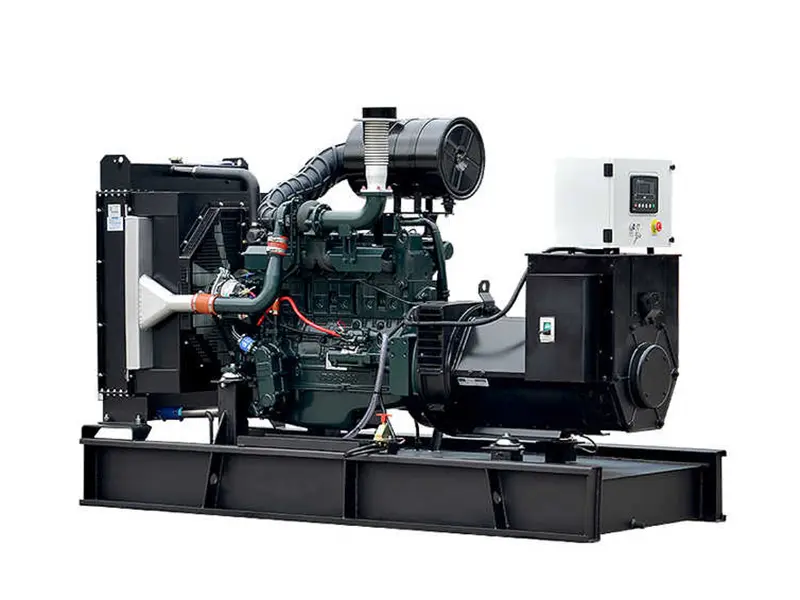 Diesel Generator Sets with Doosan Engines
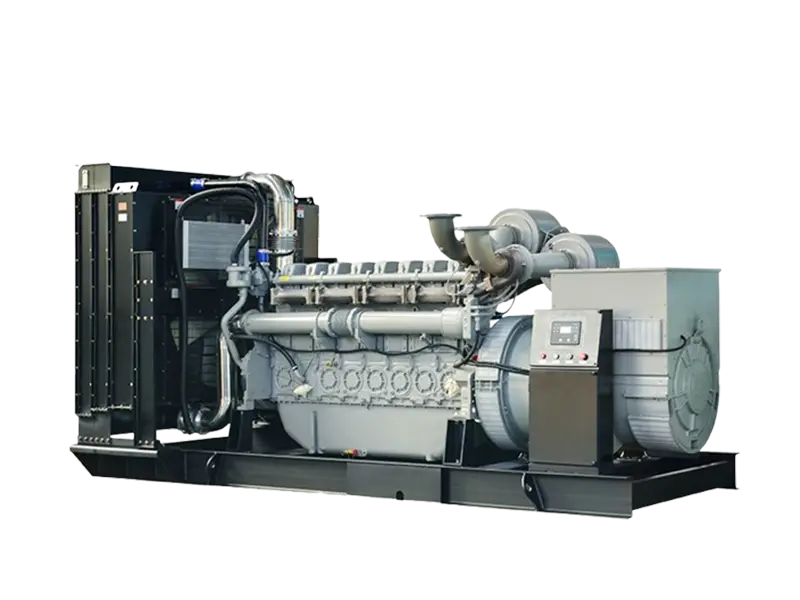 Diesel Generator Sets with Perkins Engines, XHZP Series
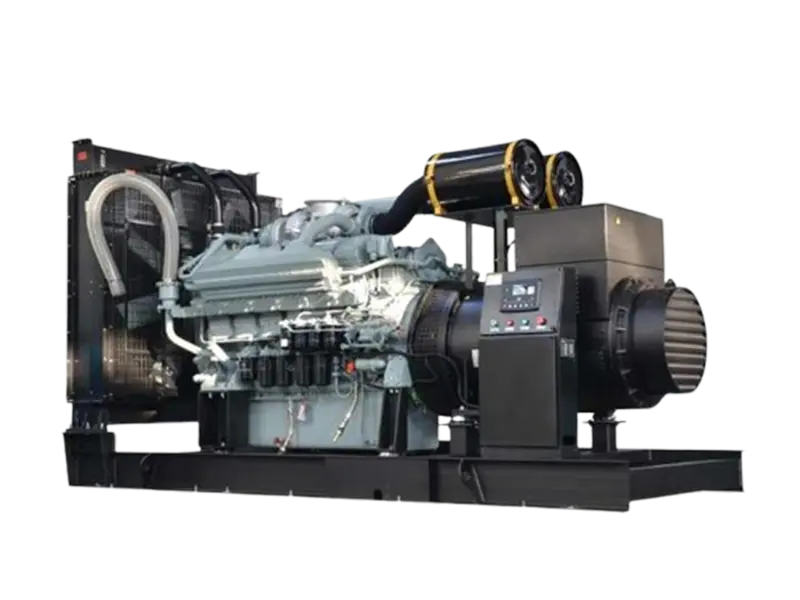 Diesel Generator Sets with Mitsubishi Engines
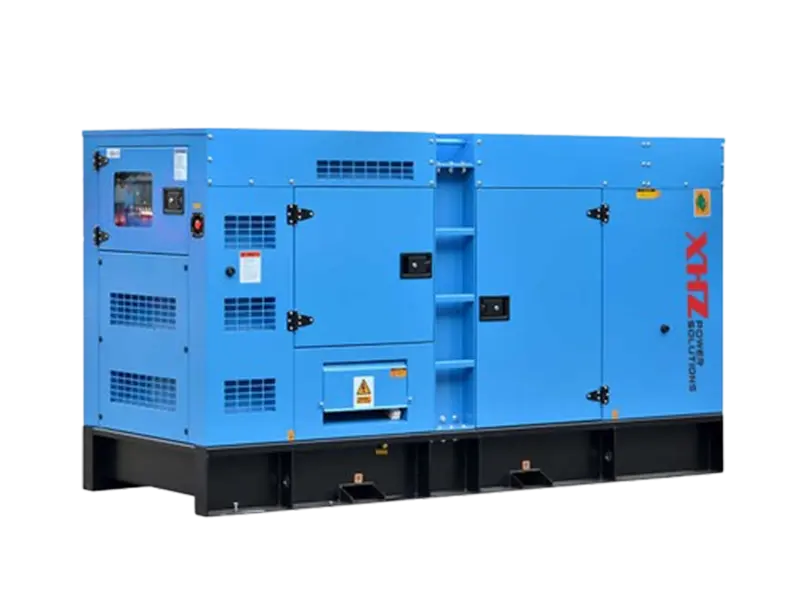 Silent Diesel Generators
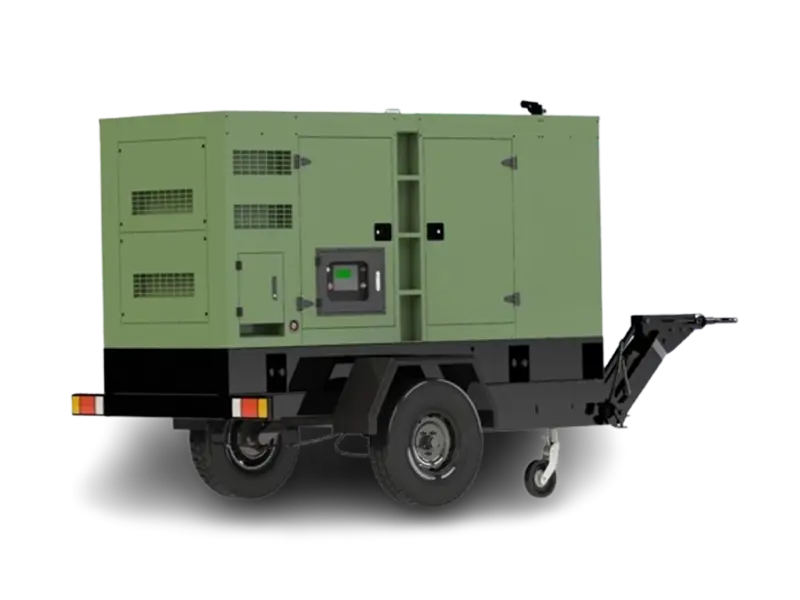 Mobile Silent Diesel Generators
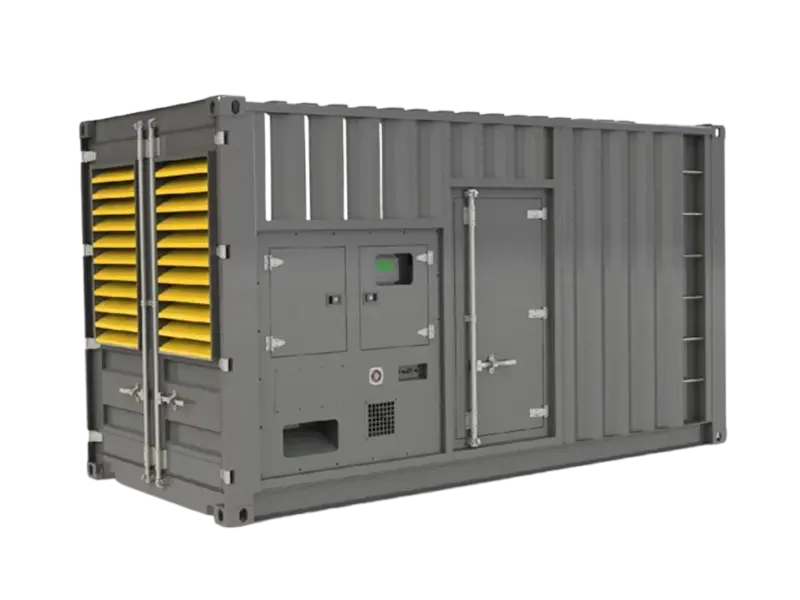 20/40HQ-Standard Container Type Generators