2025 How to Choose the Best Heavy Duty Diesel Generator for Your Needs
In today's increasingly power-dependent world, selecting the right equipment for energy generation is crucial, especially in sectors demanding reliability and durability. Heavy Duty Diesel Generators stand at the forefront of this equipment selection, providing robust solutions for industries ranging from construction to emergency response. According to a recent market research report by Global Market Insights, the heavy-duty generator market is projected to witness a compound annual growth rate (CAGR) of over 5% through 2025, driven by rising energy needs across various applications.
When choosing a Heavy Duty Diesel Generator, it's essential to consider several key factors that influence performance, including power capacity, fuel efficiency, maintenance requirements, and operational characteristics. The US Energy Information Administration (EIA) suggests that diesel generators are favored for their longer operational lifetimes and lower emissions compared to their gasoline counterparts, making them ideal for high-demand environments.
As industries continue to evolve, understanding how to select the best Heavy Duty Diesel Generator tailored to specific needs can significantly impact operational efficiency and productivity. This guide will explore the critical considerations and offer insights into making an informed decision in the dynamic landscape of energy solutions.
Understanding the Basics of Heavy Duty Diesel Generators
Heavy duty diesel generators are powerful machines designed to provide reliable energy solutions in various applications, from industrial sites to remote locations lacking grid connectivity. Understanding the fundamentals of these generators is crucial for selecting the right unit for your specific needs. At the core of every heavy duty diesel generator is a robust engine that converts diesel fuel into mechanical energy, which is then transformed into electrical energy. The efficiency and longevity of the generator heavily rely on the quality of the engine, as well as its design and construction, which should be tailored for durability and resilience under prolonged use.
When assessing your requirements, consider factors such as power output, fuel efficiency, and runtime. The power output, measured in kilowatts (kW), must align with the operational demands of your tasks. Additionally, fuel efficiency is paramount in reducing long-term operational costs and environmental impact. Understanding the generator's runtime capabilities, determined by its fuel tank capacity and engine performance, is also essential in ensuring consistent power during extended usage. By keeping these basic principles in mind, you can make a more informed choice that best fits your specific energy needs while maximizing the investment in your diesel generator.
2025 How to Choose the Best Heavy Duty Diesel Generator for Your Needs
| Model |
Power Output (kW) |
Fuel Tank Capacity (Liters) |
Run Time (Hours) |
Weight (kg) |
Noise Level (dB) |
| Model A |
100 |
200 |
12 |
800 |
75 |
| Model B |
150 |
300 |
10 |
950 |
70 |
| Model C |
200 |
400 |
15 |
1200 |
80 |
| Model D |
250 |
500 |
18 |
1400 |
85 |
Assessing Your Power Requirements and Usage Scenarios
When selecting a heavy-duty diesel generator, it is essential to first assess your power requirements and usage scenarios. Start by calculating the total wattage needed for all the equipment you intend to use. This includes both starting and running wattage for motors and appliances, which can vary significantly; often, starting wattage can be three times higher than running wattage. By writing down the power requirements of each device, you can determine the generator size that will adequately meet your needs without overloading the system.
Tips: Consider the peak demand times for your operation. If you require a generator for job sites or industrial applications, it's crucial to account for surges in power consumption. Ensure that your generator has a starting capacity that exceeds your maximum power requirement by at least 20-30%. This helps to avoid performance issues and prolongs the generator’s lifespan.
Another aspect to consider is the frequency of use and duration of operation. If you plan to use the generator for extended periods, look for models that are designed for continuous use rather than occasional backup. You should also think about fuel efficiency; a generator that runs efficiently can significantly reduce operational costs over time. Analyzing your usage scenarios will help you choose a diesel generator that not only fits your power needs but also aligns with your budget and operational goals.
Power Requirements of Heavy Duty Diesel Generators
This chart illustrates the estimated power requirements for various sizes of heavy-duty diesel generators. Use this data to assess your power needs based on your specific usage scenarios.
Key Features to Consider When Selecting a Diesel Generator
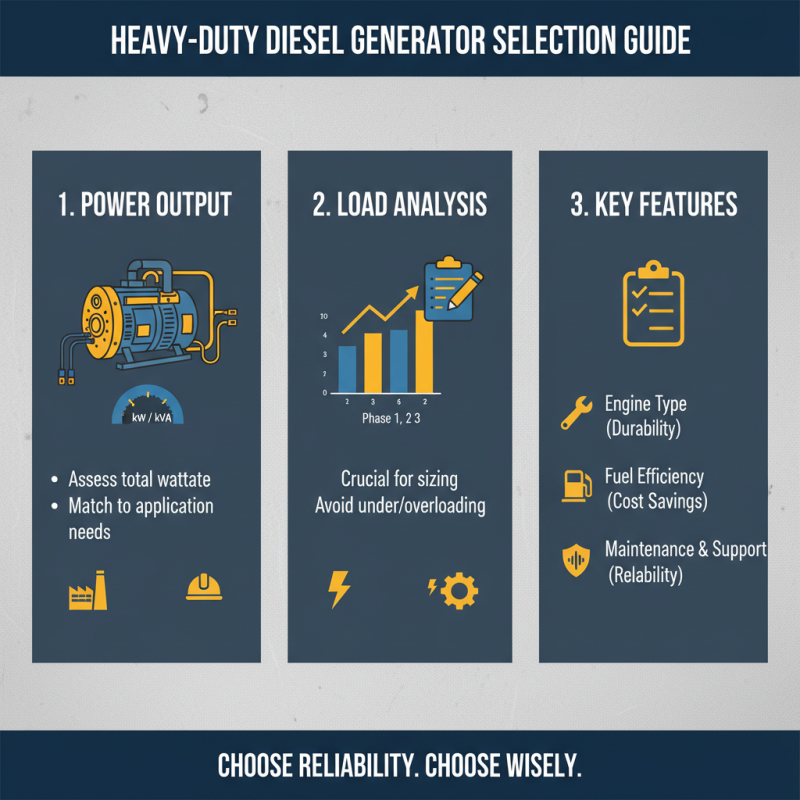
When selecting a heavy-duty diesel generator, several key features should be considered to ensure that it meets your specific needs. First, assess the generator's power output, which is typically measured in kilowatts (kW) or kilovolt-amperes (kVA). It's crucial to choose a unit that can deliver enough power for your applications, whether for construction sites, industrial use, or backup power for businesses. A detailed load analysis can help you determine the total wattage required, allowing you to select a generator that won’t be overworked or underperforming.
Another important feature to look for is fuel efficiency. Diesel generators are often chosen for their fuel economy, but variations exist between models. Check the generator's run time on a full tank and its consumption rate, as this will directly affect operating costs. Additionally, consider the ease of maintenance, which includes accessibility to parts and the frequency of service requirements. A generator that is easy to maintain will minimize downtime and keep your operations running smoothly. Finally, pay attention to noise levels, especially if the generator will be used in populated areas; quieter models can enhance work conditions without causing disruptions.
Evaluating Brand Reputation and Customer Reviews
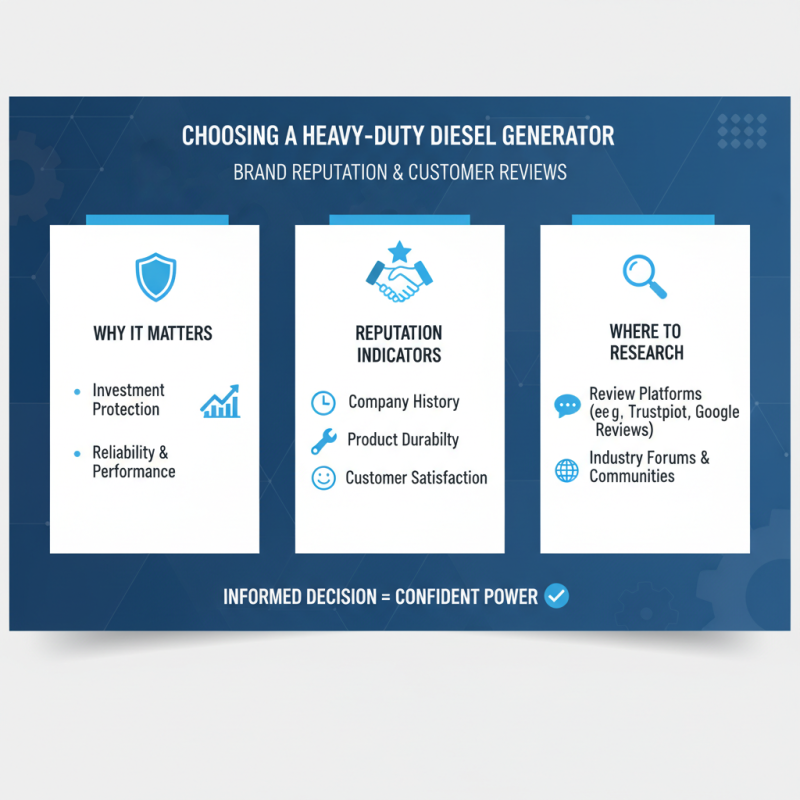
When selecting a heavy-duty diesel generator, evaluating brand reputation and customer reviews plays a critical role in making an informed decision. A generator is a significant investment, and understanding how a brand is perceived in the market can provide insights into its performance and reliability. Brands with a longstanding reputation often indicate reliability and quality, as these companies tend to focus on customer satisfaction and product durability. Review platforms and industry forums are valuable resources to gauge how well a particular brand meets its customers' needs over time.
Customer reviews not only highlight user experiences but also reveal potential issues that may not be evident from technical specifications alone. Comprehensive reviews can offer feedback on aspects such as fuel efficiency, ease of maintenance, noise levels, and customer service responsiveness. It is crucial to look for patterns in reviews—such as frequent mentions of positive or negative traits—rather than solely focusing on isolated comments. Additionally, consider the number of reviews a product has received; more reviews can often indicate a more reliable consensus about a generator's performance. By carefully analyzing both brand reputation and customer feedback, you can make a more informed choice that aligns with your specific power needs and expectations.
Maintenance and Support for Long-Term Reliability
When selecting a heavy-duty diesel generator,
maintenance and support
play a crucial role in ensuring long-term reliability. Regular maintenance schedules, including
routine inspections and servicing, are essential to enhance the lifespan of the generator.
This includes checking fuel systems, filters, and cooling components, as well as performing
oil changes and assessing the electrical systems. A well-maintained generator is less likely
to experience unexpected breakdowns, which can disrupt operations and incur significant costs.
In addition to routine maintenance, having reliable support from technical experts is vital.
Access to knowledgeable technicians who can provide timely repairs
and troubleshooting can make a significant difference in minimizing downtime. It is essential
to consider the availability of after-sales support when choosing a generator. This can include
warranty options, service agreements, and access to spare parts. A generator manufacturer or
supplier that offers comprehensive support
enhances your peace of mind, ensuring that your generator remains operational and effective for years to come.

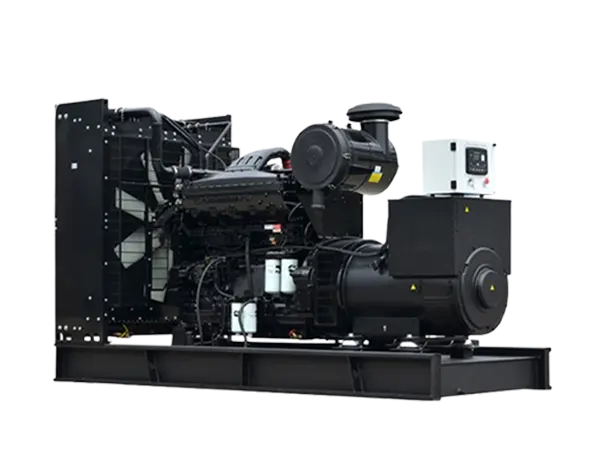 Diesel Generator Sets with Cummins Engines, XHZC Series
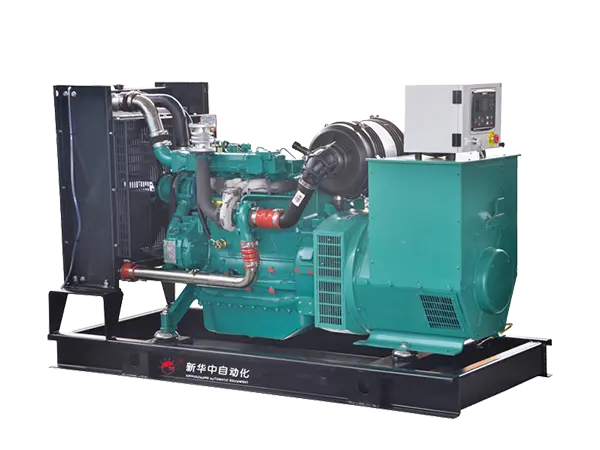 Weichai Series
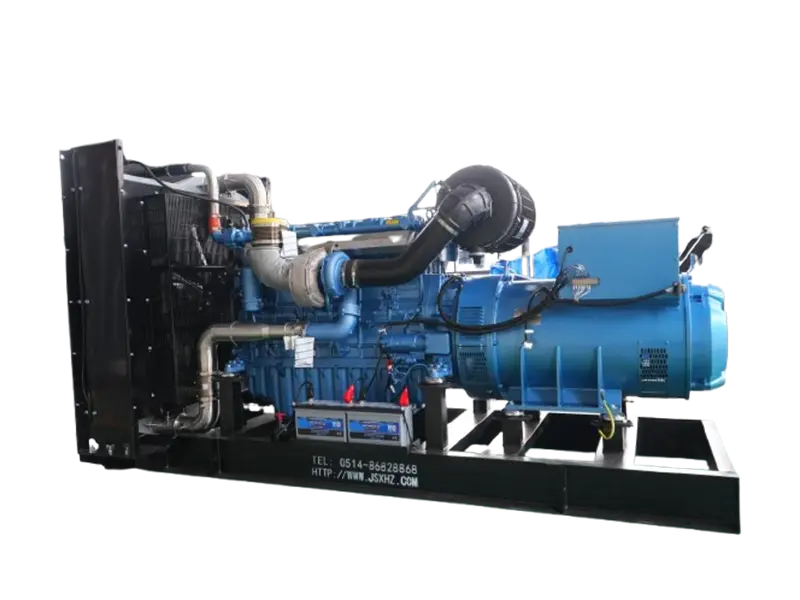 Diesel Generator Sets with WEICHAI Engines, XHZW Series
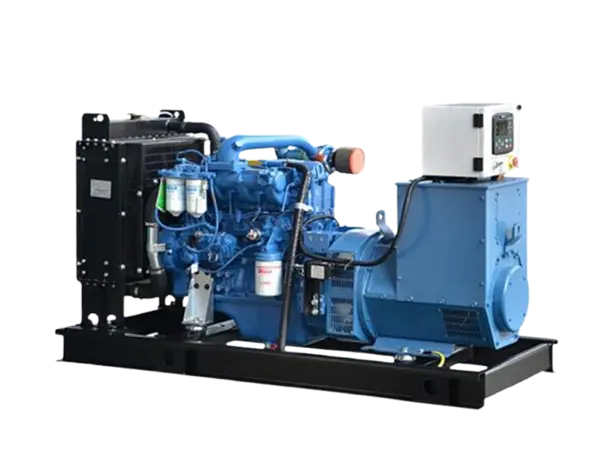 Yuchai Series
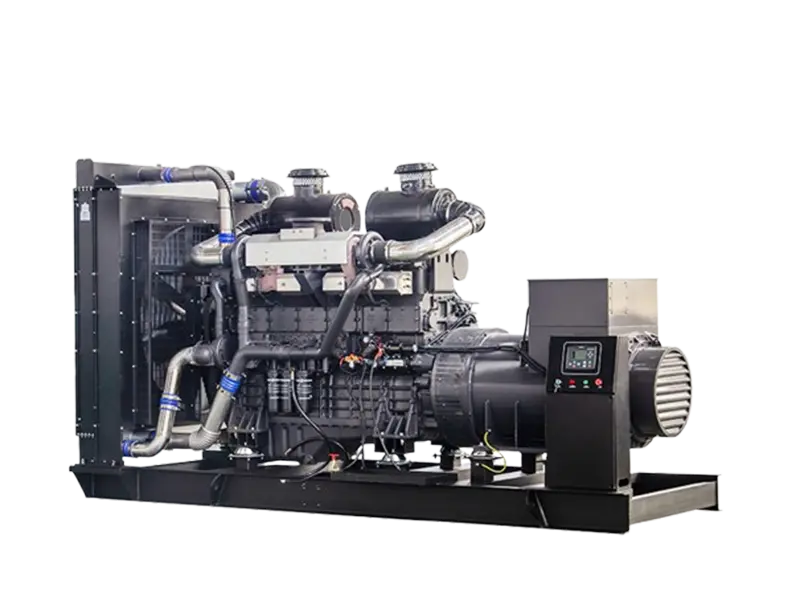 Diesel Generator Sets with SDEC(SHANGCHAI) Engines, XHZS Series
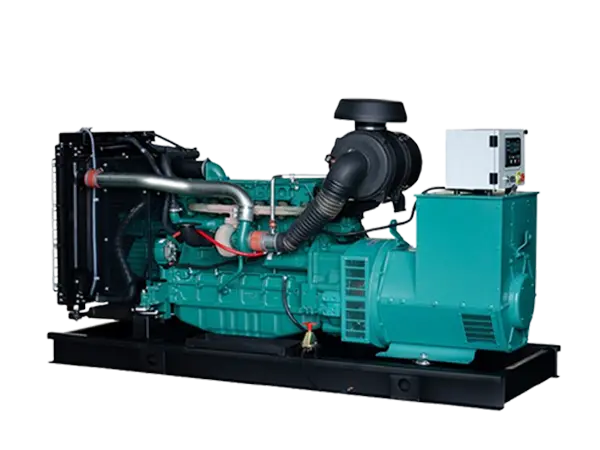 Volvo Series
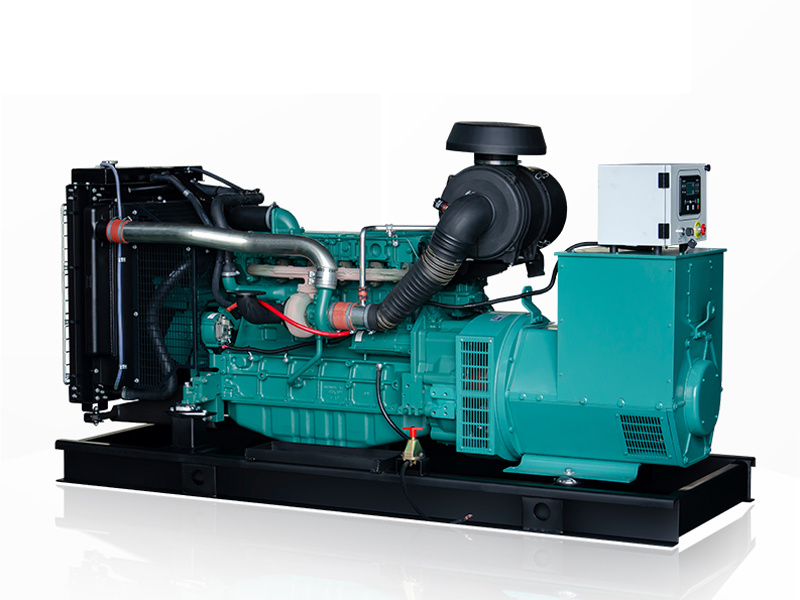 Diesel Generator Sets with VOLVO Engines, XHZV Series
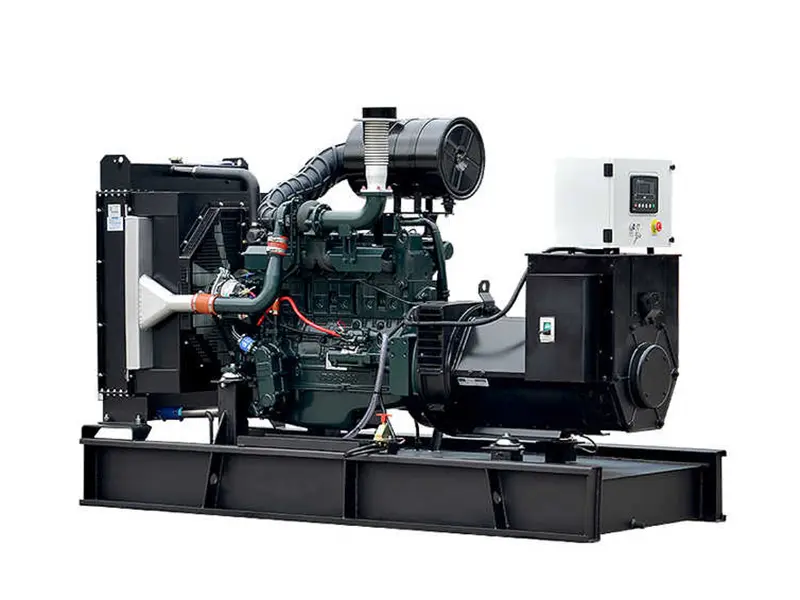 Diesel Generator Sets with Doosan Engines
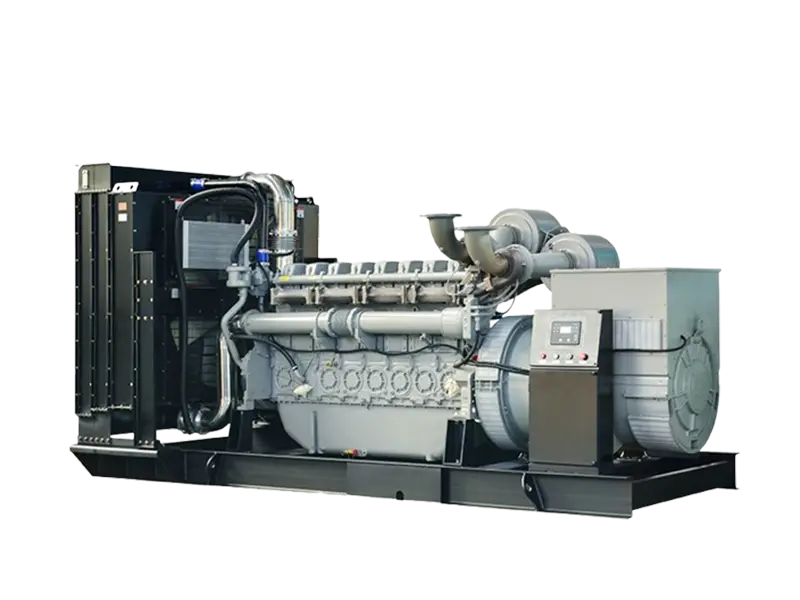 Diesel Generator Sets with Perkins Engines, XHZP Series
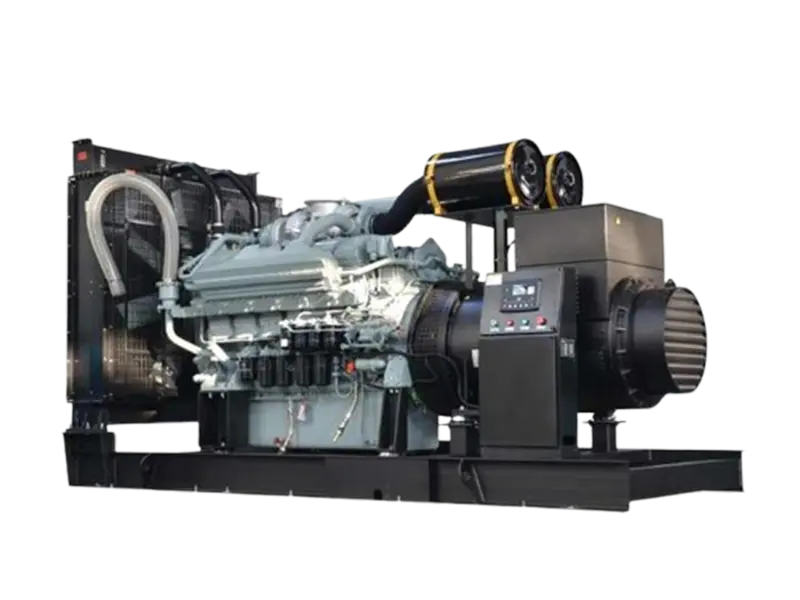 Diesel Generator Sets with Mitsubishi Engines
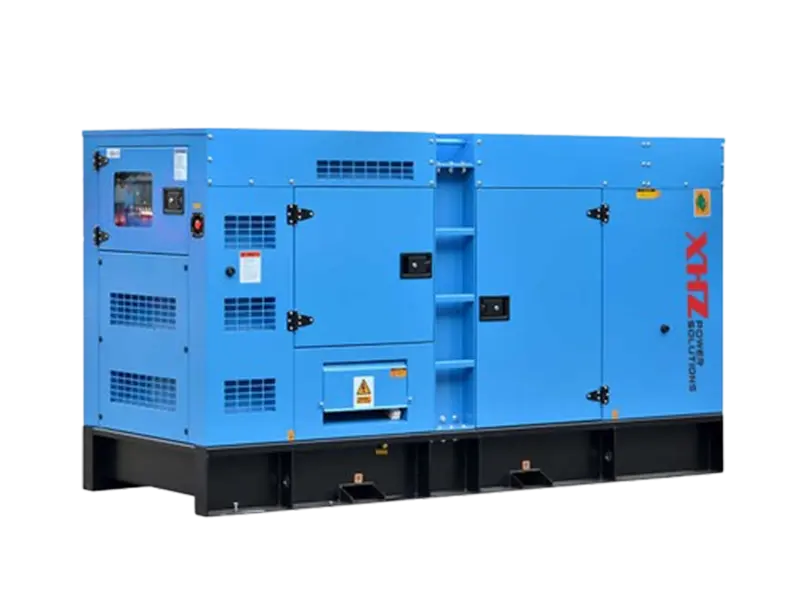 Silent Diesel Generators
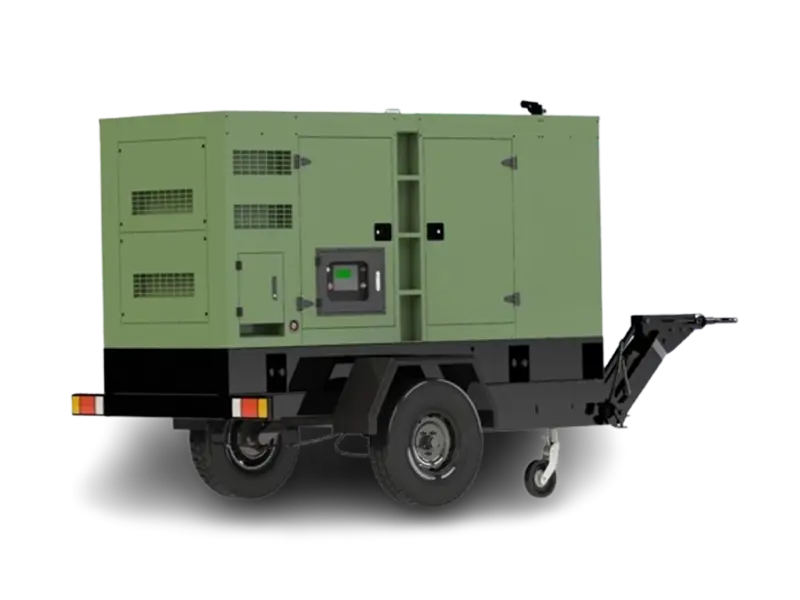 Mobile Silent Diesel Generators
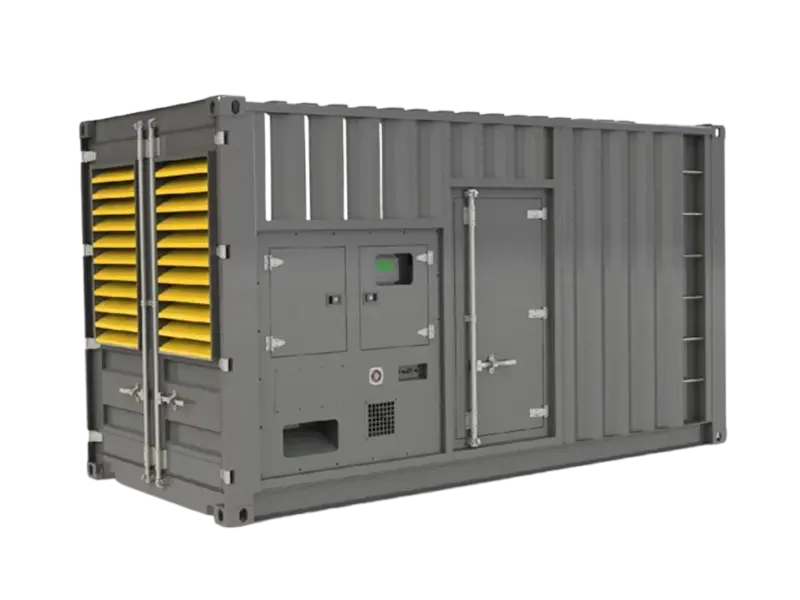 20/40HQ-Standard Container Type Generators