How to Choose a Diesel Generator Large for Your Needs?
When selecting a Diesel Generator Large, understanding your specific needs is crucial. Generators vary in size, power, and fuel efficiency. The right choice depends on your application, whether for construction, residential, or commercial use.
Consider factors like wattage requirements, runtime, and maintenance needs. A generator that meets your demands can be a game-changer. However, choosing the wrong size can lead to performance issues.
Many buyers overlook their actual power needs, resulting in inadequate performance. This could mean frequent interruptions or higher fuel costs. Evaluating your requirements will help you avoid these pitfalls. Ultimately, making an informed decision regarding a Diesel Generator Large is essential for efficiency and cost-effectiveness.
Understanding Your Power Requirements for a Diesel Generator
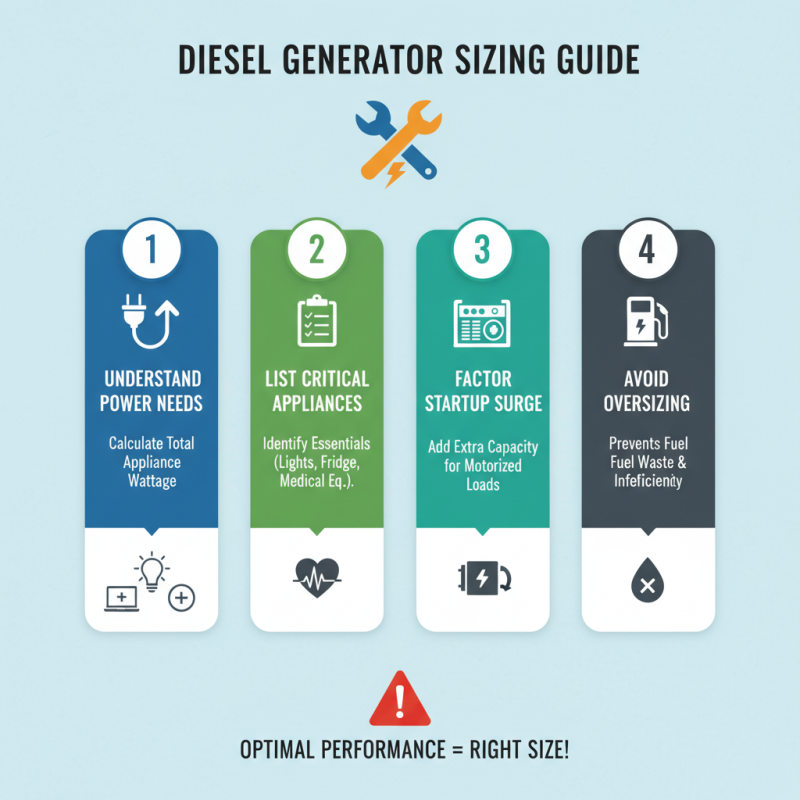
Understanding your power requirements is crucial when choosing a diesel generator. Start by identifying the devices you need to power. List each appliance, noting its wattage. Consider essential items like refrigerators, heaters, and lights. Don’t forget about startup wattage. Some equipment requires more power when first turned on.
Evaluate your total wattage needs. It’s essential to ensure the generator can handle peak loads. Sometimes, estimations may fall short. For example, a small generator might seem sufficient until you try to run everything at once. Always think ahead. Give yourself a safety margin by opting for a generator with a slightly higher capacity than your calculations suggest.
Consider your intended use. Will you use the generator for short-term outages or long-term applications? The duration impacts the type and size you need. Some users focus on efficiency and noise levels. Balancing these factors can be tricky. It's also wise to think about fuel availability in your area. Diesel generators can be expensive if you do not plan well.
Evaluating Fuel Efficiency and Operating Costs for Generators
When choosing a large diesel generator, fuel efficiency is crucial. A generator's fuel consumption can significantly impact its operating costs. Look for models that balance power output and fuel usage effectively. Efficient generators may have a higher initial cost, but they often save money long-term.
Operating costs go beyond just fuel. Consider maintenance expenses and parts availability. Some generators may require frequent servicing, which can add up. Research common issues reported by users. It’s important to understand that cheaper isn’t always better in the long run.
Evaluate your specific needs and usage patterns. If you only need the generator occasionally, high fuel efficiency may not be a priority. But for regular use, it can make a big difference. Keep in mind that every choice comes with trade-offs. Take your time to assess all factors, as each decision can shape your experience.
How to Choose a Diesel Generator Large for Your Needs? - Evaluating Fuel Efficiency and Operating Costs for Generators
| Model |
Power Output (kW) |
Fuel Consumption (L/h) |
Operating Cost ($/h) |
Fuel Type |
| Model A |
100 |
10 |
5 |
Diesel |
| Model B |
150 |
15 |
7.5 |
Diesel |
| Model C |
200 |
20 |
10 |
Diesel |
| Model D |
250 |
25 |
12.5 |
Diesel |
Assessing Noise Levels and Environmental Impact of Diesel Generators
When selecting a diesel generator, noise levels matter significantly. Diesel generators can be loud, often exceeding 70 decibels. This can disturb local wildlife and impact residential areas. Understanding the noise output is crucial. Many generators come with noise reduction features, but they might not always work effectively. Opt for models designed specifically with reduced noise levels in mind. Pay attention to the noise ratings before making a choice.
Environmental impact is another critical consideration. Diesel generators produce emissions that contribute to air pollution. While modern machines can be more efficient, they still release harmful particles. Assessing the generator's emissions rating is essential. Some regions have strict regulations, and compliance is not always guaranteed. Reflect on how often you will use the generator. Consider alternatives if the environmental impact seems significant. Noise and emissions are important factors that deserve thorough evaluation in your decision-making process.
Assessing Noise Levels and Environmental Impact of Diesel Generators
Maintenance and Longevity: What to Look for in a Diesel Generator
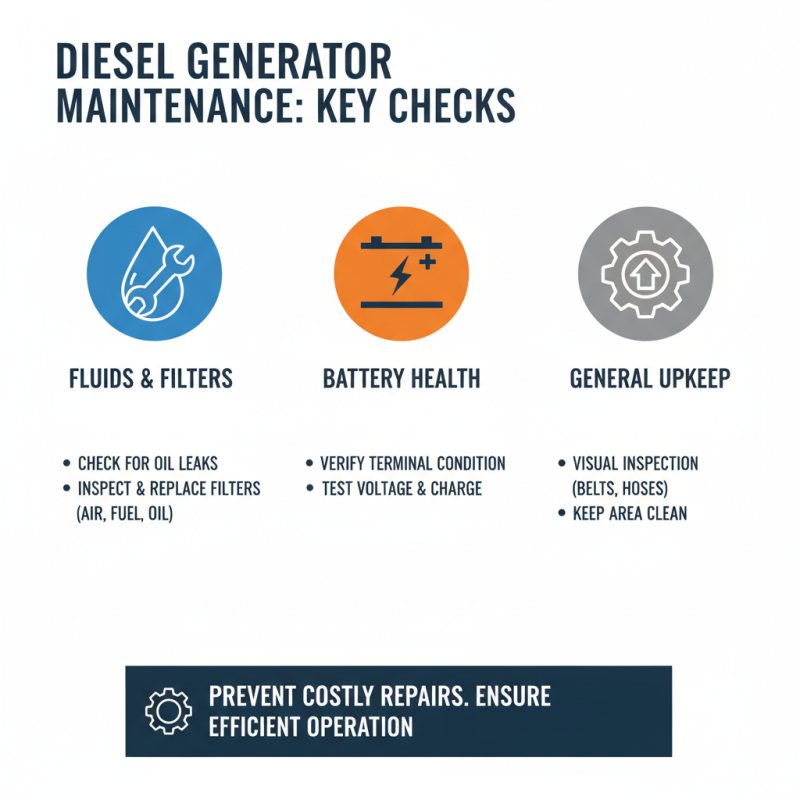
When choosing a diesel generator, maintenance is crucial. Regular upkeep ensures that your generator operates efficiently. Check for oil leaks, filter conditions, and battery health. Simple checks can prevent bigger problems later. Ignoring these can lead to costly repairs.
Longevity is another factor to consider. A well-maintained generator can last for years. Look for models designed for extended use. Pay attention to how easily parts can be replaced. Availability of spare parts matters too. Not every model has easy access to components when you need them most.
Don't forget the environment. Generators can be noisy and emit fumes. Sometimes, location plays a big role in performance. Ensuring proper ventilation is key. Think about the generator’s placement to minimize disruption. It's also worth considering whether a less powerful unit could meet your needs, saving on maintenance and fuel costs.

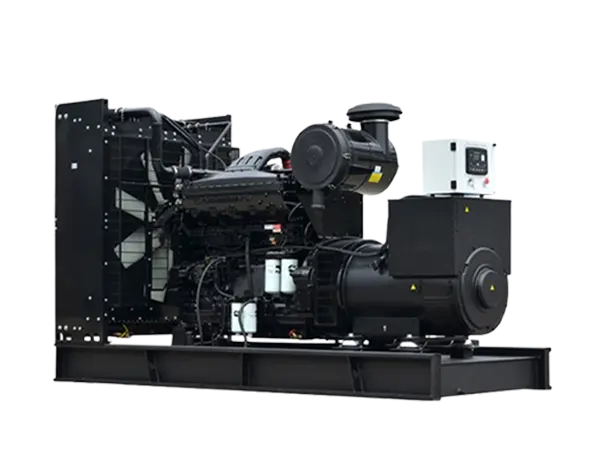 Diesel Generator Sets with Cummins Engines, XHZC Series
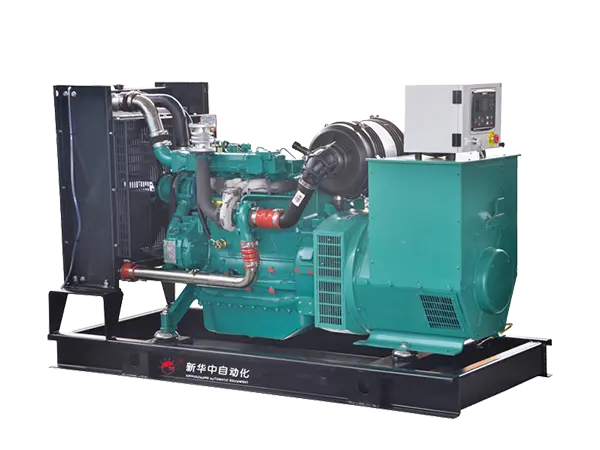 Weichai Series
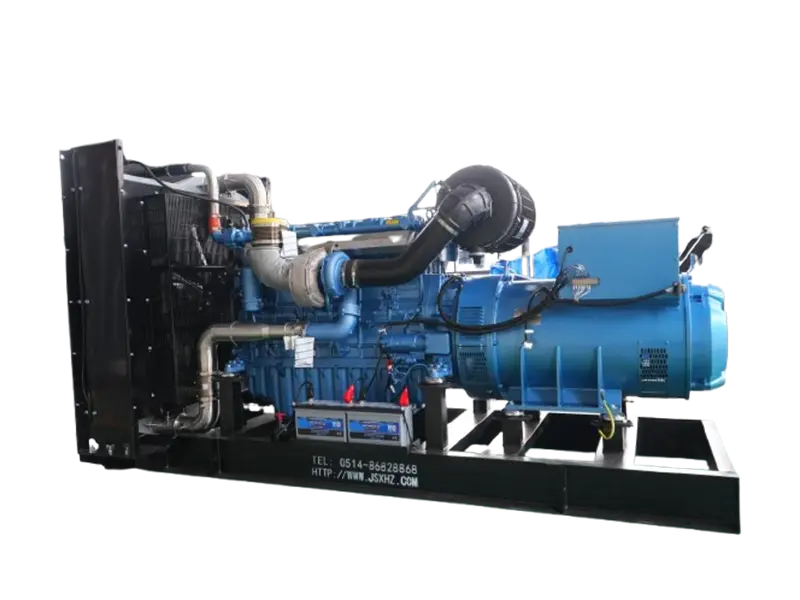 Diesel Generator Sets with WEICHAI Engines, XHZW Series
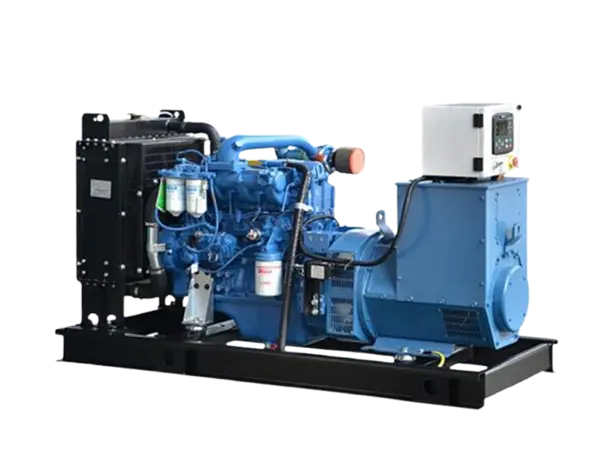 Yuchai Series
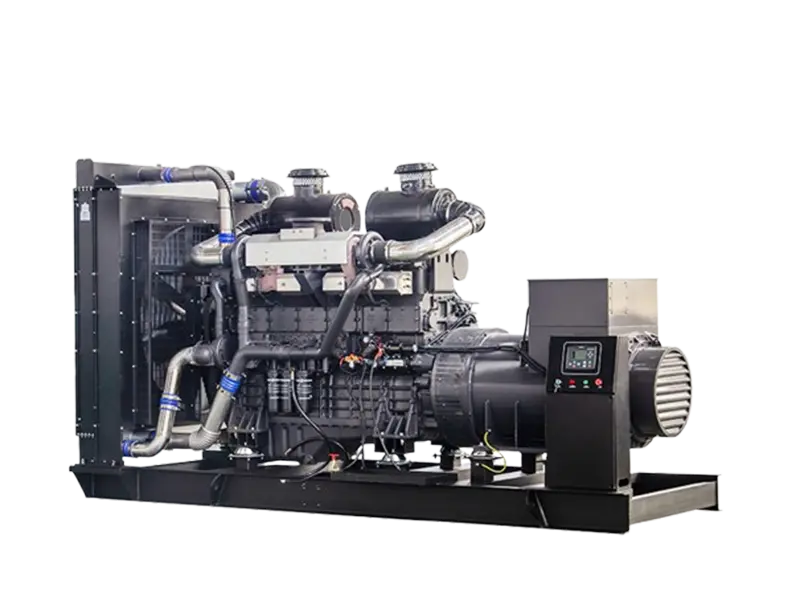 Diesel Generator Sets with SDEC(SHANGCHAI) Engines, XHZS Series
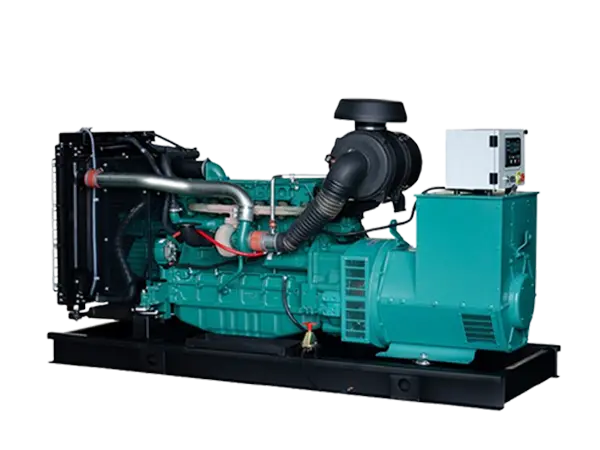 Volvo Series
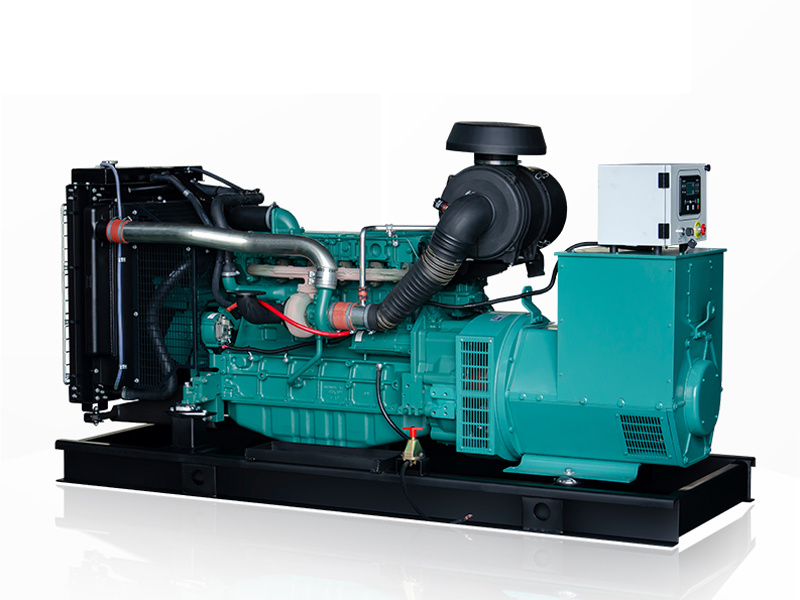 Diesel Generator Sets with VOLVO Engines, XHZV Series
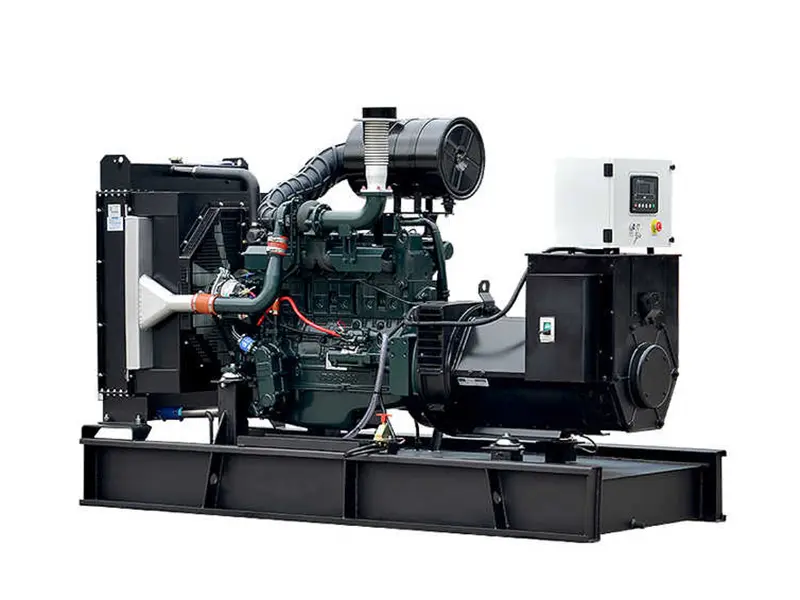 Diesel Generator Sets with Doosan Engines
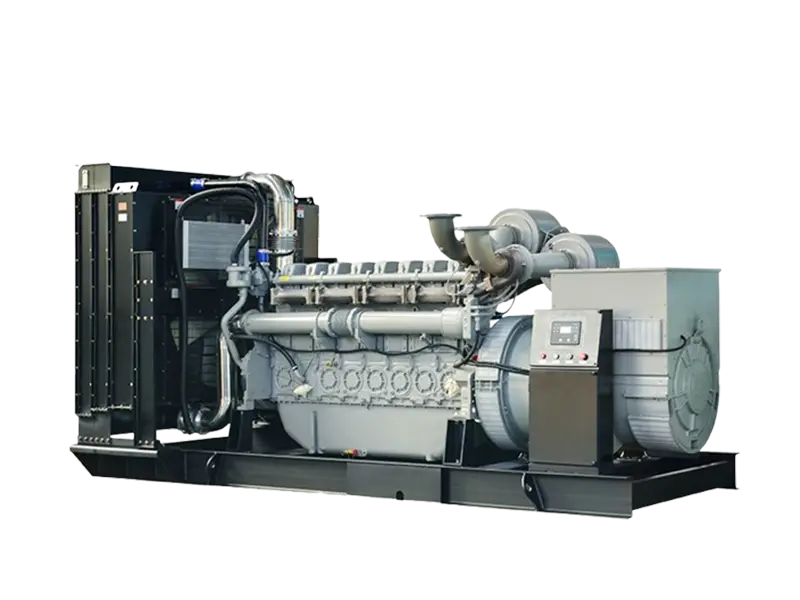 Diesel Generator Sets with Perkins Engines, XHZP Series
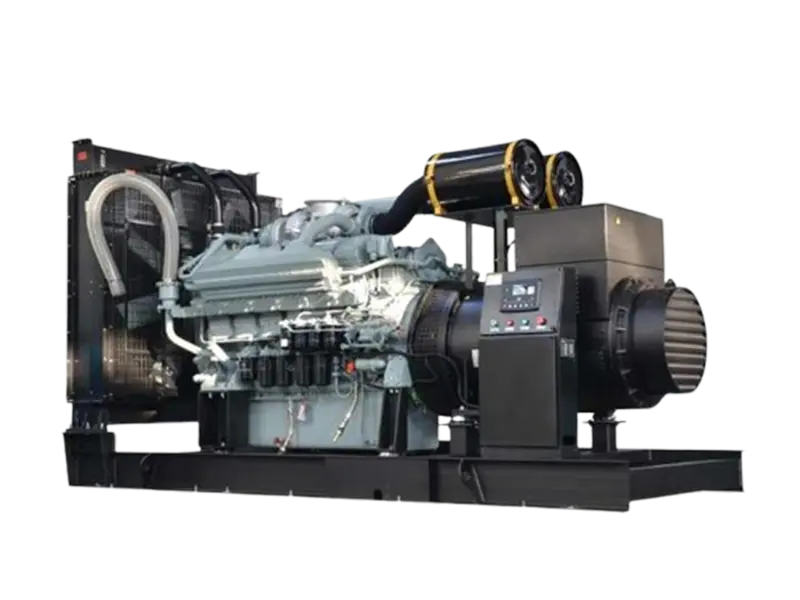 Diesel Generator Sets with Mitsubishi Engines
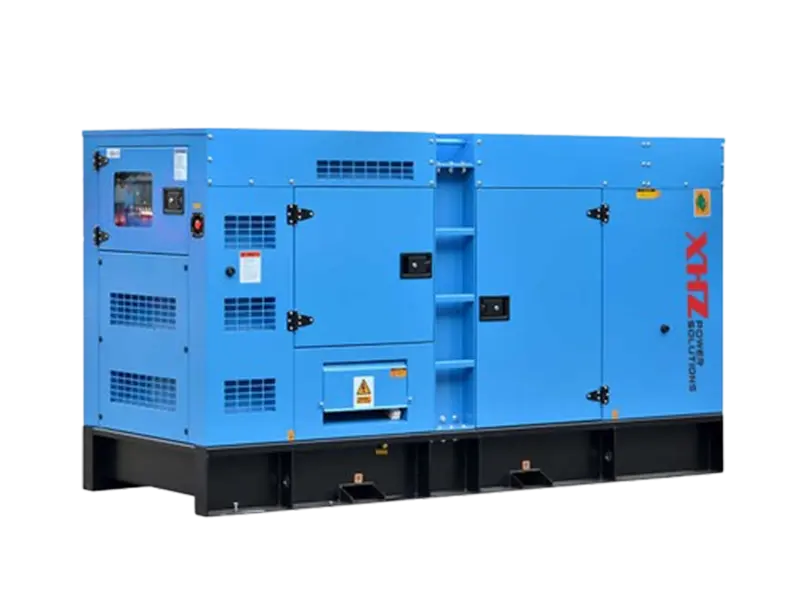 Silent Diesel Generators
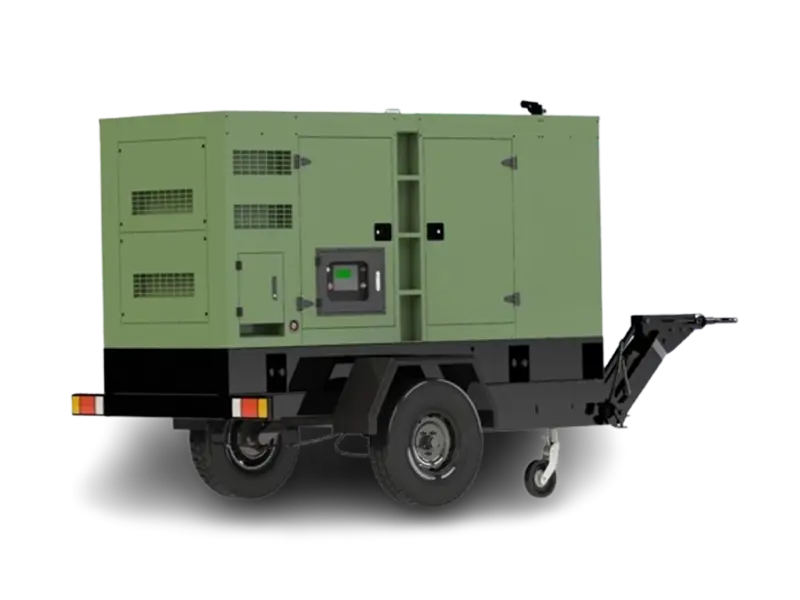 Mobile Silent Diesel Generators
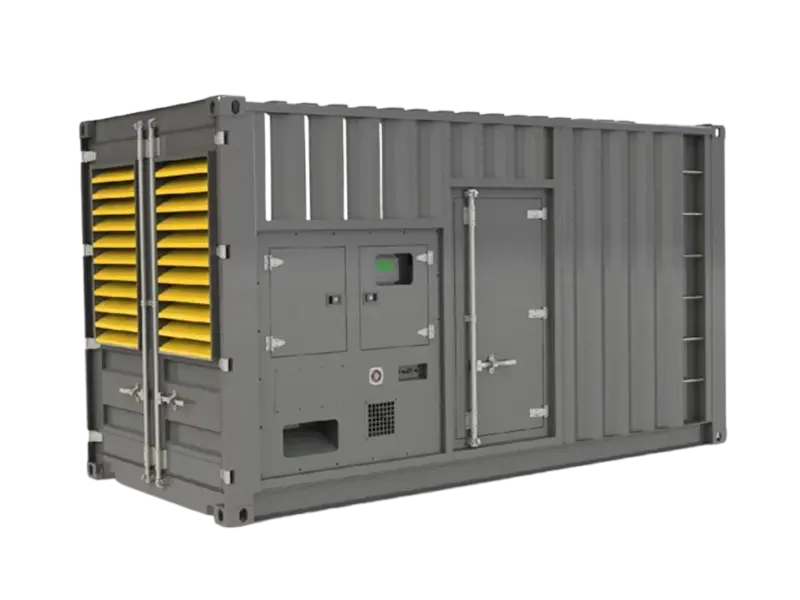 20/40HQ-Standard Container Type Generators