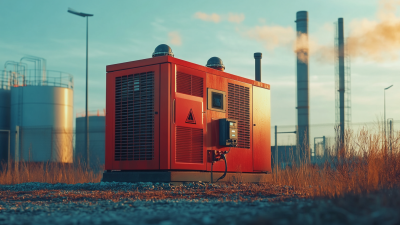
Why Choose Diesel Engine Generators for Reliable Power Solutions?
When considering reliable power solutions, Diesel Engine Generators (DEGs) stand out. They are widely recognized for their efficiency and durability. According to a report by MarketsandMarkets, the diesel generator market is projected to reach USD 21 billion by 2025. This growth highlights their importance in various sectors, including construction, healthcare, and telecommunications.
DEGs offer consistent power, especially in remote areas without grid access. These generators can operate under challenging conditions. Moreover, their fuel efficiency often surpasses that of gasoline counterparts and propane engines. A study from Deloitte shows that diesel generators can provide power at lower costs per hour than other energy sources. This efficiency is crucial for businesses that rely on continuous operations.
However, the diesel generator industry faces criticism regarding environmental impact. While they are reliable, emissions remain a concern. Manufacturers are exploring cleaner technologies, yet challenges persist. As companies balance reliability with sustainability, diesel generators remain a practical choice in many applications. Their proven track record underscores why industries continue to favor Diesel Engine Generators for dependable power needs.
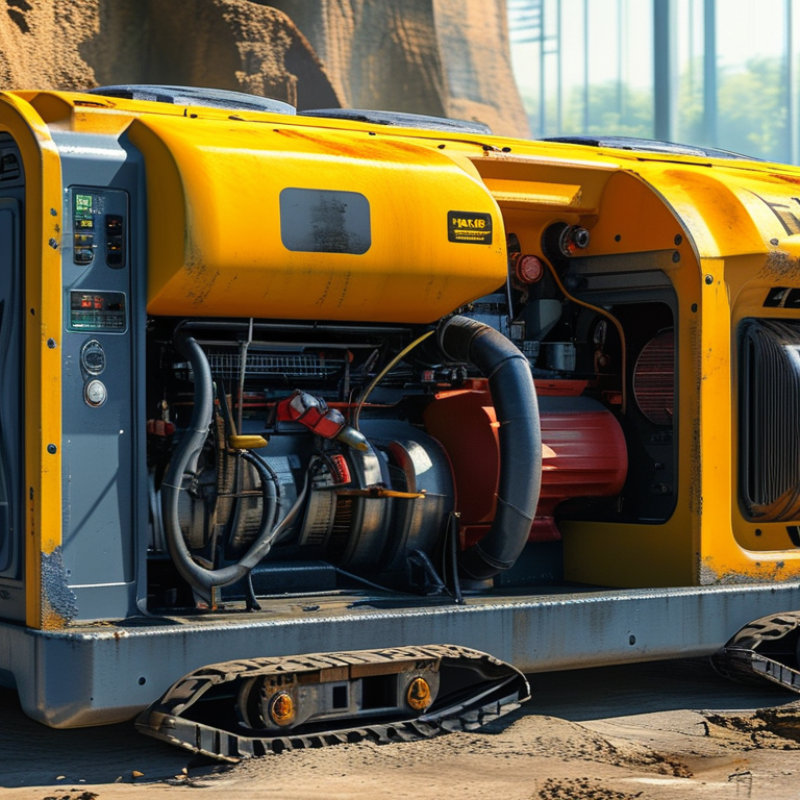
Advantages of Diesel Engines Over Other Generator Types
Diesel engine generators are often chosen for their reliability and efficiency. One major advantage is fuel efficiency. Diesel engines typically consume less fuel than gasoline counterparts. This can lead to significant cost savings over time, especially for heavy usage.
Durability is another key factor. Diesel engines are built to last, often exceeding the lifespan of gasoline engines. They can handle rougher conditions and operate for longer periods without requiring extensive maintenance. This durability makes them ideal for industrial applications and remote locations.
Noise levels are a consideration. Diesel generators can be louder than other types, which may not suit all environments. However, advancements in technology are helping to mitigate this issue. The emissions from diesel engines also need careful management. While they meet regulatory standards, ongoing scrutiny exists regarding their environmental impact. Balancing power needs with environmental concerns remains a critical reflection point for users.
Why Choose Diesel Engine Generators for Reliable Power Solutions? - Advantages of Diesel Engines Over Other Generator Types
| Criteria |
Diesel Generators |
Gas Generators |
Solar Generators |
Battery Generators |
| Fuel Efficiency |
Highly efficient with lower fuel consumption |
Moderate efficiency |
Dependent on sunlight availability |
Limited by battery capacity |
| Operating Cost |
Lower operational costs over time |
Higher due to natural gas price fluctuations |
Initial high investment for solar panels |
Costly for larger power needs |
| Run Time |
Can run for long hours on fuel |
Limited by gas supply |
Limited by sunlight |
Limited by battery charge |
| Maintenance |
Regular maintenance required but highly durable |
Less maintenance than diesel |
Low maintenance, few moving parts |
Periodic battery replacement |
| Environmental Impact |
Higher emissions compared to gas |
Cleaner than diesel |
Zero emissions during operation |
Minimal emissions, but pollutes during production |
Efficiency and Fuel Consumption of Diesel Engine Generators
Efficiency is a key factor when considering diesel engine generators. These generators typically operate with a thermal efficiency of around 30-50%. In many cases, this efficiency translates to lower fuel consumption. A well-maintained generator can run for hours while consuming less fuel. This durability can lead to cost savings for businesses and households alike.
Fuel consumption is another critical aspect. Diesel engines are renowned for their ability to generate high power using fewer resources. Their energy density is impressive. For every gallon of fuel, they produce significant energy output. However, factors like load variations can impact efficiency. Users may need to adjust operations to ensure optimal performance.
Moreover, reliability is crucial. Diesel generators can withstand harsh conditions, making them suitable for remote or challenging environments. While they have advantages, diesel emissions are a concern. This necessitates considerations for cleaner technologies in the future. Diesel's reputation for robustness may soften under scrutiny for environmental impact.
Efficiency and Fuel Consumption of Diesel Engine Generators
Maintenance and Longevity of Diesel Generators
Diesel generators are known for their durability and efficiency. Proper maintenance is crucial for extending their lifespan. Regular checks on fuel levels and filters can prevent costly breakdowns. Keeping the generator clean helps avoid issues caused by dirt and debris. It's essential to schedule routine service intervals to ensure everything runs smoothly.
Many users overlook oil changes. This small task significantly affects engine performance. An ignored oil filter can lead to increased wear and tear. Additionally, investing in quality lubricants helps maintain optimal function. Operators should also monitor coolant levels. Overheating can cause severe damage to the engine, leading to extensive repairs.
In the long run, understanding the generator's needs is vital. Operators often face challenges in managing schedules for maintenance tasks. Creating a checklist can simplify this process. The longevity of any diesel generator depends on the care it receives. Even minor neglect can lead to major issues down the line.
Applications of Diesel Generators in Various Industries
Diesel generators play a crucial role in various industries due to their reliability and efficiency. In healthcare, for example, the U.S. Energy Information Administration states that around 25% of hospitals rely on diesel generators for emergency power. These systems ensure that critical equipment remains operational during outages, safeguarding patient care. This dependency on diesel power illustrates its importance in sectors where life and service continuity is paramount.
The construction industry also benefits significantly from diesel generators. They provide portable power solutions at remote job sites. According to a report by Research and Markets, over 60% of construction projects employ these generators to support tools, lighting, and heavy machinery. However, with increasing environmental concerns, some companies need to reconsider their reliance on diesel. Alternative energy sources are emerging, yet diesel remains a viable choice in many scenarios.
In the telecommunications sector, diesel generators ensure uninterrupted service. A study from the International Energy Agency indicates that 30% of telecommunications towers worldwide use diesel as a backup power source. Despite the advantages, companies must address fuel management and maintenance. This aspect is crucial for long-term sustainability and system efficiency. Diesel generators are effective, but they require careful planning and consideration to maximize their potential.
Cost-Effectiveness of Diesel Power Solutions
When considering power solutions, diesel engine generators stand out for their cost-effectiveness. According to a report by the International Energy Agency, the operational cost of diesel generators is significantly lower than that of gasoline alternatives. This is because diesel fuel is more energy-dense. It provides more power per unit compared to other fuels.
Initial investment in diesel generators can be high, yet their long-term savings often justify this expense. A study by MarketWatch indicates that diesel generators can last for over 30,000 hours of operation, while gas generators may only run for 2,000 to 5,000 hours before requiring replacement. This durability results in lower maintenance and replacement costs.
Tips: Regular maintenance can extend engine life. Also, using higher-quality fuel can improve efficiency.
Diesel generators also offer better fuel consumption rates, averaging around 30% to 40% efficiency, whereas other options like propane may fall short. Nevertheless, the environmental impact of diesel emission requires reflection. Striking a balance between cost savings and environmental responsibility is crucial for long-term usage.

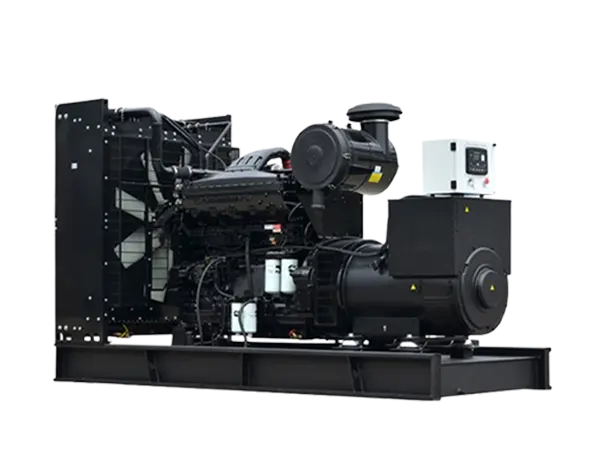 Diesel Generator Sets with Cummins Engines, XHZC Series
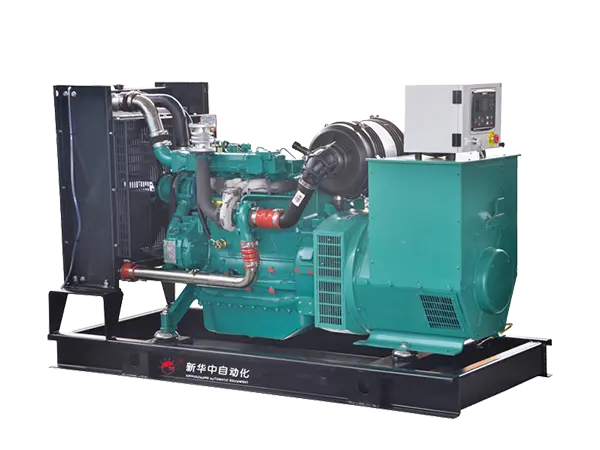 Weichai Series
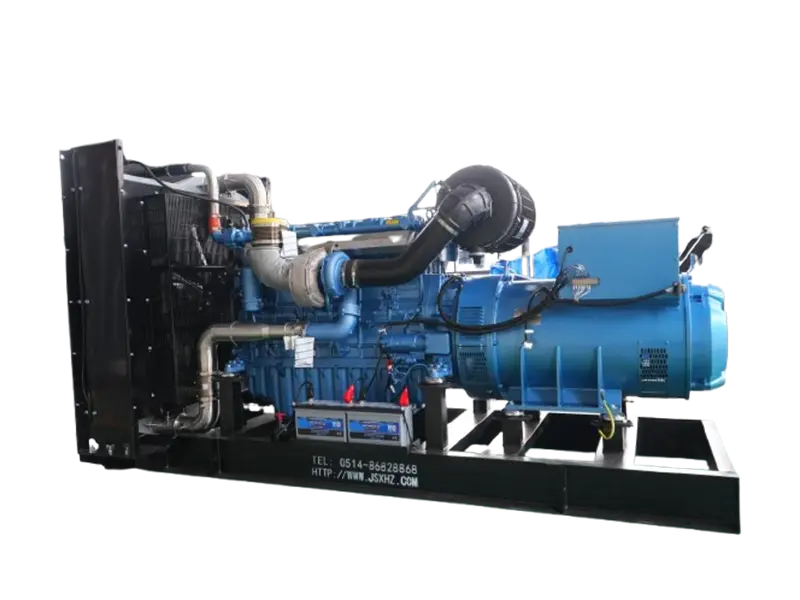 Diesel Generator Sets with WEICHAI Engines, XHZW Series
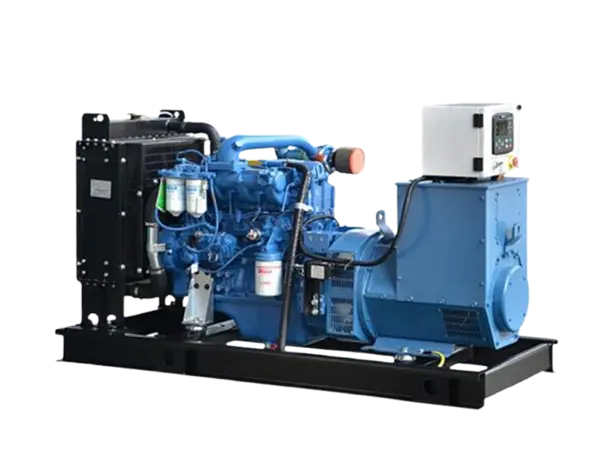 Yuchai Series
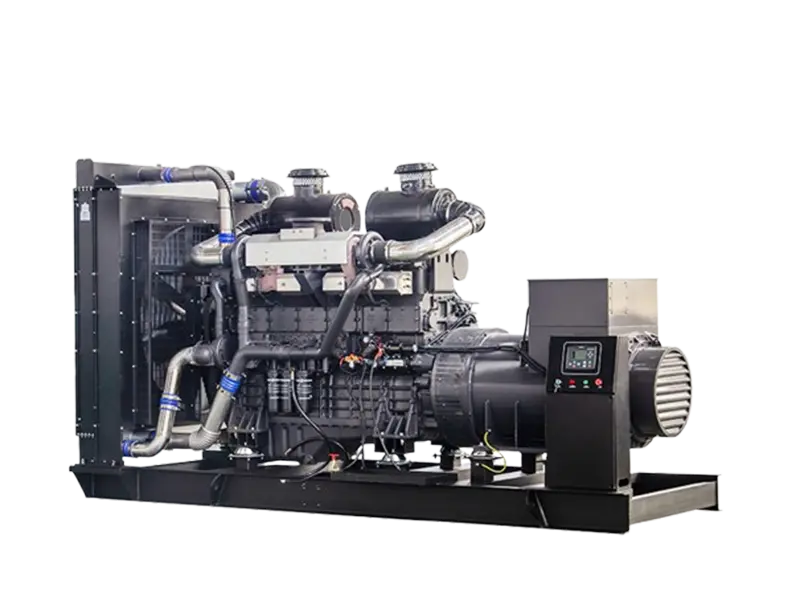 Diesel Generator Sets with SDEC(SHANGCHAI) Engines, XHZS Series
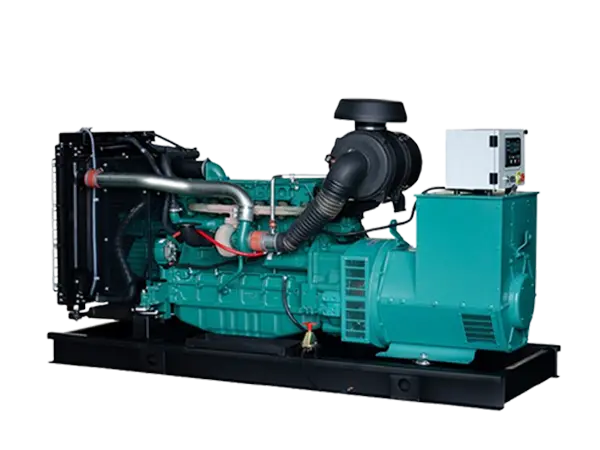 Volvo Series
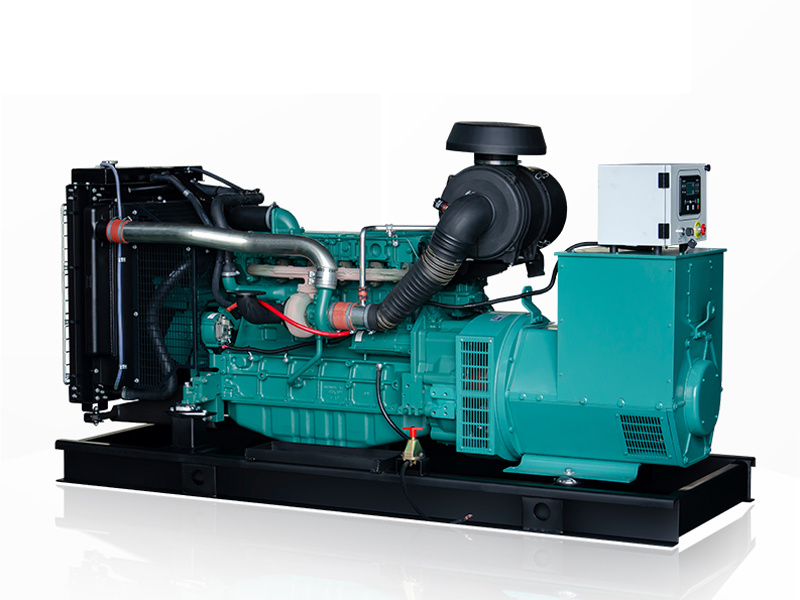 Diesel Generator Sets with VOLVO Engines, XHZV Series
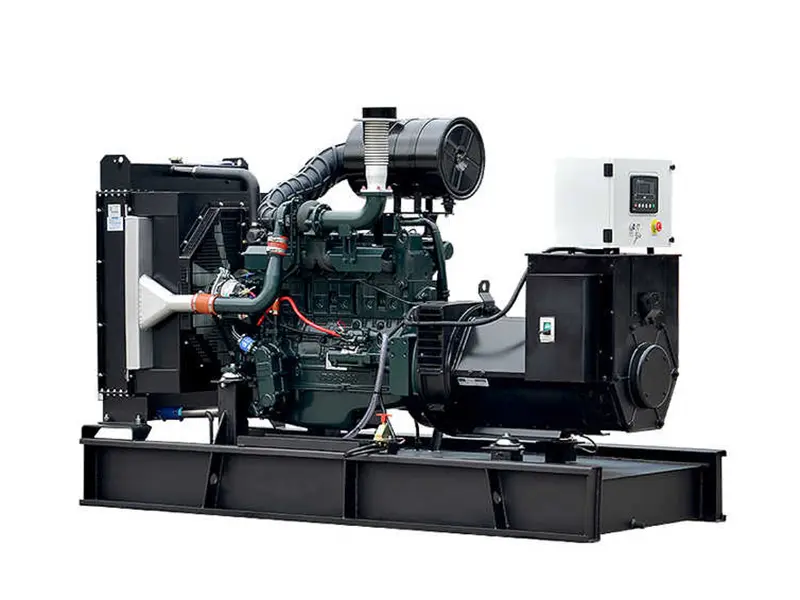 Diesel Generator Sets with Doosan Engines
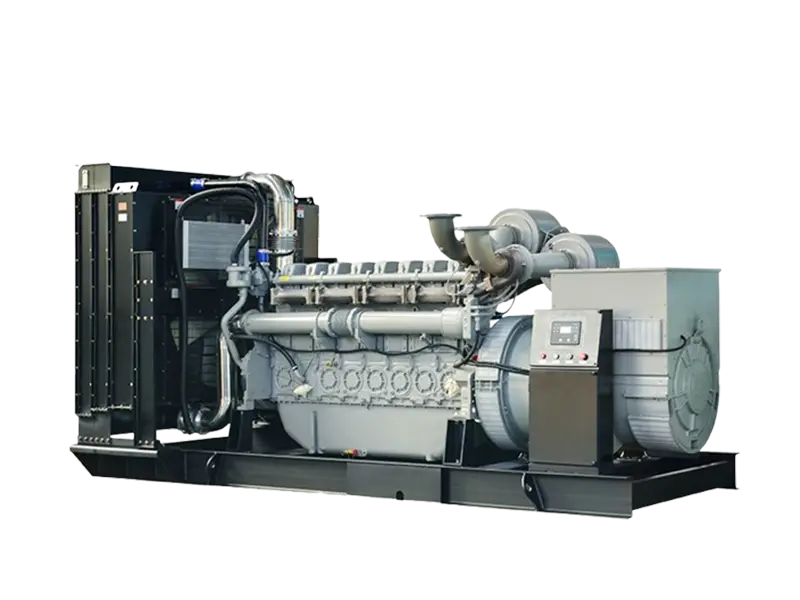 Diesel Generator Sets with Perkins Engines, XHZP Series
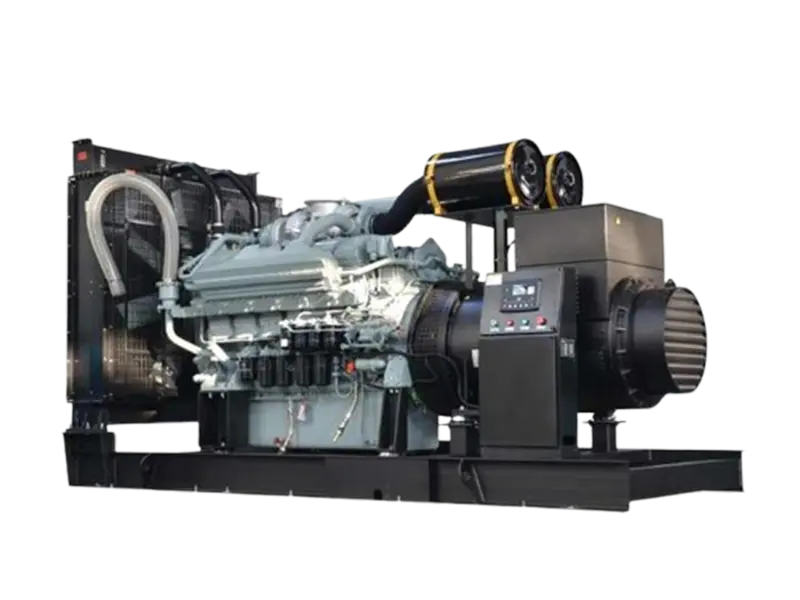 Diesel Generator Sets with Mitsubishi Engines
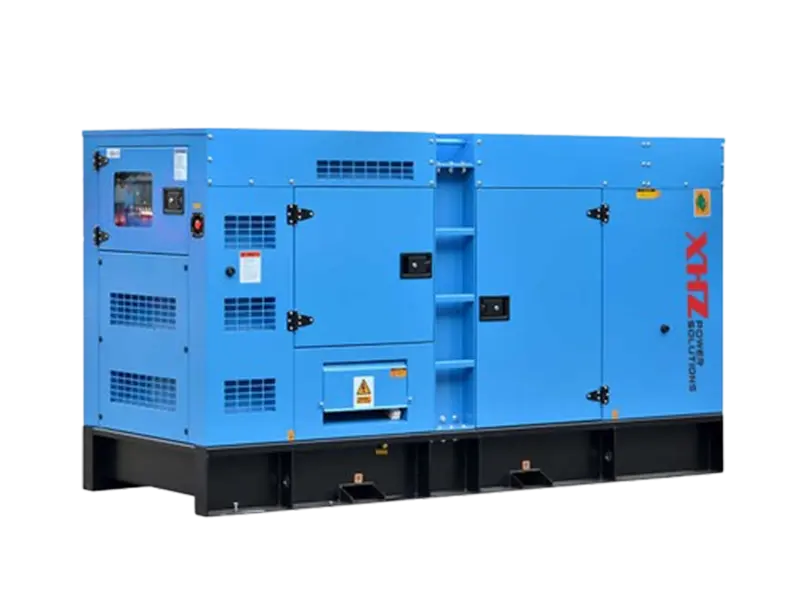 Silent Diesel Generators
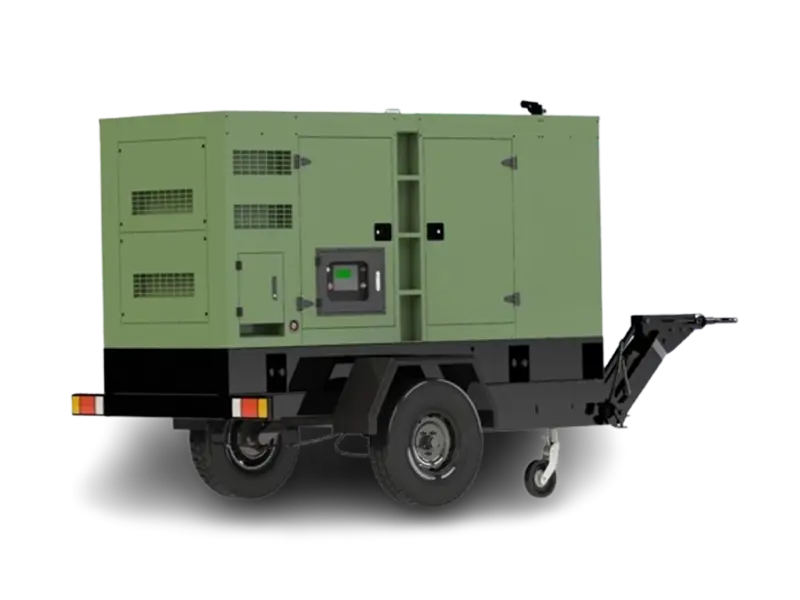 Mobile Silent Diesel Generators
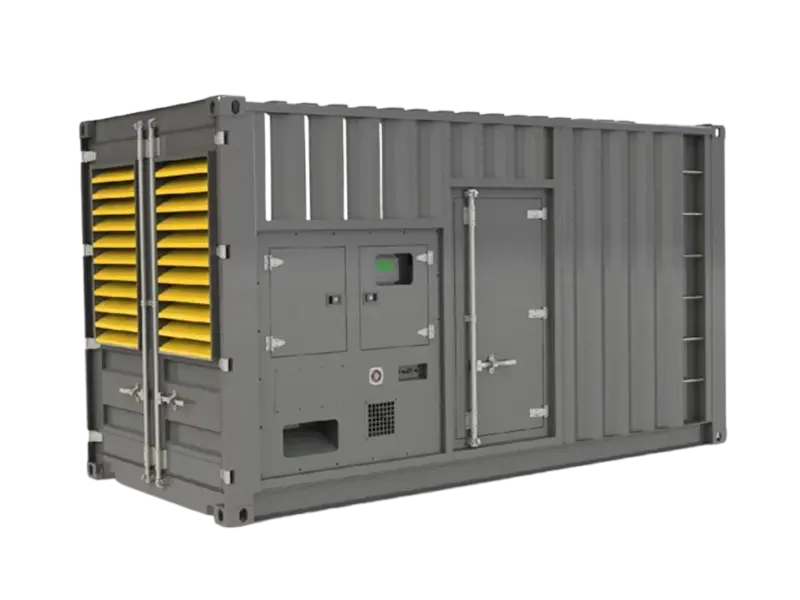 20/40HQ-Standard Container Type Generators