How to Choose the Best Diesel Standby Generator for Your Needs?
Selecting the right Diesel Standby Generator is crucial for reliable power. Renowned expert John Smith, a leading figure in the generator industry, once stated, "Choosing the best generator is essential for peace of mind during outages." This highlights the importance of making informed decisions.
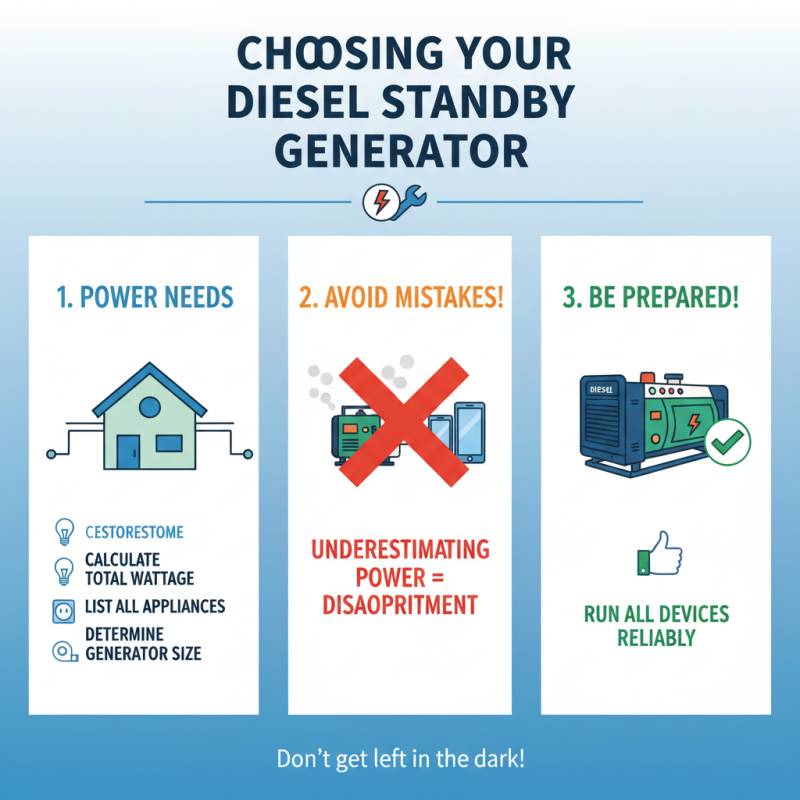
When evaluating a Diesel Standby Generator, consider your power needs carefully. Assess the appliances and systems you intend to support. Be realistic about your requirements. Often, users underestimate their electricity needs. This oversight can lead to poor performance and frustration.
It's also vital to review generator features. Noise levels, fuel efficiency, and maintenance requirements greatly affect user experience. A high-quality Diesel Standby Generator can be a lifesaver during emergencies. Yet, some models may not meet user expectations due to inadequate capacity. Careful consideration is key to avoiding such pitfalls.
Understanding Diesel Standby Generators and Their Applications
Diesel standby generators are crucial in various settings. They provide backup power during outages. These generators are commonly used in hospitals, data centers, and industrial facilities. According to a report by MarketsandMarkets, the global diesel generator market is projected to reach $23.8 billion by 2025. Despite their importance, choosing the right generator requires careful consideration.
Understanding generator capacity is vital. The generator must meet your peak load requirements. Overloading can lead to malfunctions. It is recommended to keep the load within 80% of the generator's capacity. Additionally, noise levels should be assessed, as some models can be quite loud. Look for those that offer quieter operations if noise is a concern.
Fuel efficiency is another factor to consider. Inefficient models can lead to high operating costs. The average diesel generator operates at 30% lower fuel efficiency compared to natural gas counterparts. However, diesel engines often have a longer lifespan. This trade-off needs evaluation based on individual requirements and financial constraints. Investing in a quality diesel generator can sometimes mean paying more upfront, but it might save money in the long run.
Comparison of Diesel Standby Generator Power Capacities
Assessing Your Power Needs: Calculating Load Requirements
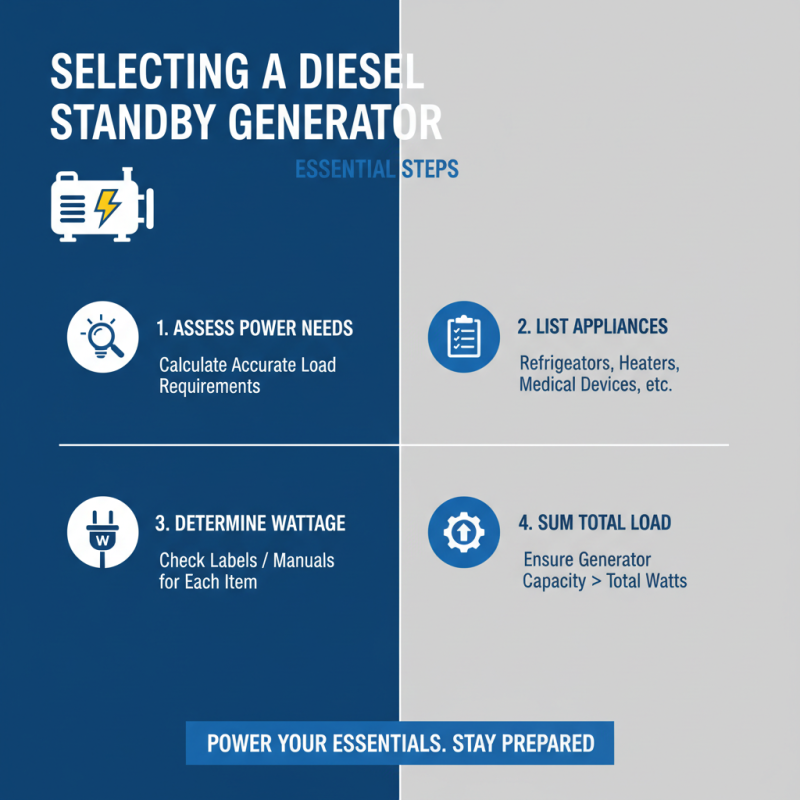
When selecting a diesel standby generator, start by assessing your power needs. It's crucial to calculate your load requirements accurately. Begin by listing all the appliances and equipment you intend to power. This includes essential items like refrigerators, heaters, and medical devices. Next, determine the wattage each item requires. You can usually find this information on the appliance label or in product manuals.
After compiling your list, add up the wattages to find your total load requirement. Consider peak demand as well. Many appliances require extra power when they start up. This initial surge can be two to three times their running wattage. Failing to account for this can lead to generator overload. It’s often overlooked, yet it can compromise your generator's performance.
While calculating load requirements, remember that accuracy matters. An underpowered generator won't meet your needs, while an oversized one can waste fuel. Testing your calculations through real-life scenarios can help identify potential issues. You might find that your initial estimations were too optimistic. Reevaluating your choices can lead to better decisions. Choose wisely, and you'll ensure reliable power when you need it most.
Evaluating Generator Features: Noise Levels, Efficiency, and Size
When selecting a diesel standby generator, evaluating key features is crucial. Noise levels matter, especially in residential areas. Many generators operate at over 70 decibels, which can disrupt daily life. Consider a model with soundproofing or quieter operation. This feature ensures your generator won’t disturb neighbors or family during outages.
Efficiency is another vital factor. Look for generators that offer optimal fuel consumption. Higher efficiency means longer runtime and lower fuel costs. Do not overlook size either; a compact generator saves space but still meets power needs. Measure your available area to avoid surprises during installation.
Also, assess the weight of the generator. Heavier units might require special installation. Some people forget this aspect, leading to logistical challenges. Balancing these features is essential for making an informed decision. A generator should fit seamlessly into your lifestyle and meet your specific needs.
Maintenance and Support: Ensuring Longevity and Reliability
When selecting a diesel standby generator,
maintenance and support are crucial for longevity. Regular maintenance checks can prevent unexpected breakdowns.
These checks include oil changes,
air filter replacements, and
fuel system inspections. Neglecting maintenance can lead to costly repairs later.
Finding reliable support services ensures your generator runs smoothly.
Understanding the importance of a maintenance schedule is essential. Some users may overlook simple tasks.
For example, checking coolant levels might be forgotten. This can lead to overheating
and generator failure. Always refer to manufacturer recommendations for service intervals.
Investing in a comprehensive support plan may also provide peace of mind.
Keeping track of service history is vital, too. Documenting each service can help identify patterns or recurring issues.
This data becomes invaluable when seeking professional help. If problems arise, having detailed records speeds up troubleshooting.
Ultimately, a dedicated approach to maintenance will enhance your generator's reliability and efficiency.

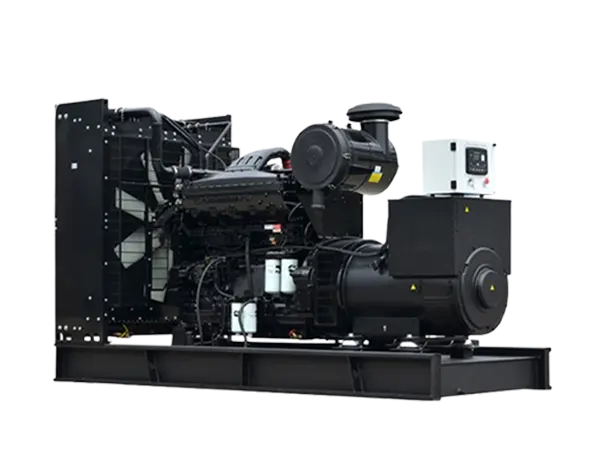 Diesel Generator Sets with Cummins Engines, XHZC Series
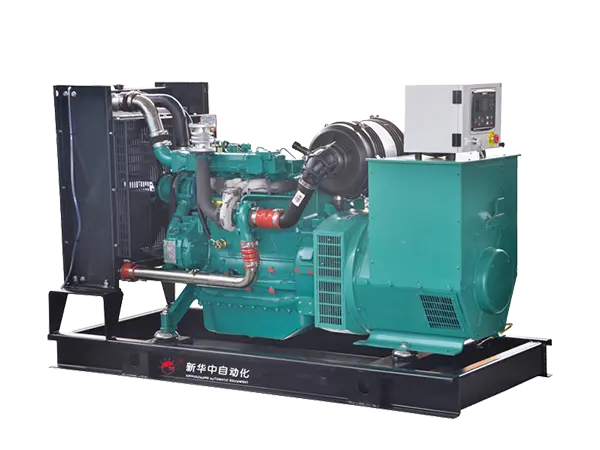 Weichai Series
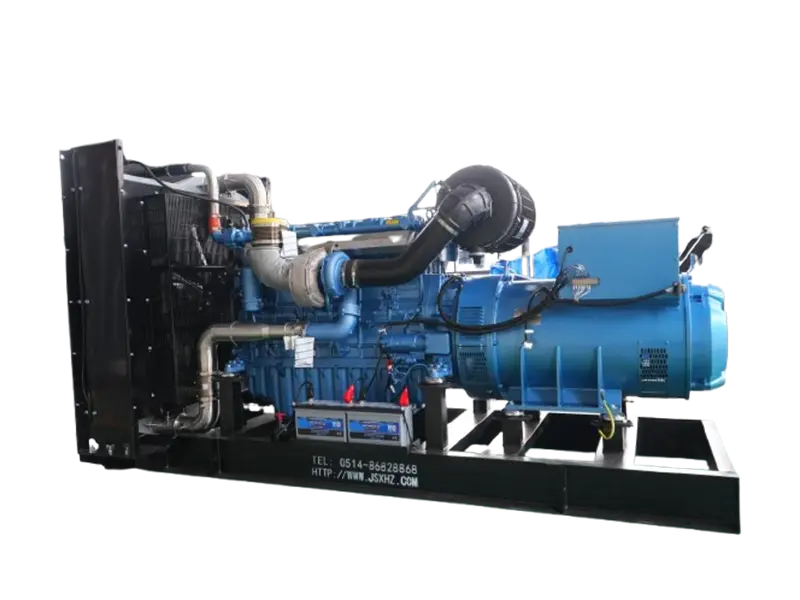 Diesel Generator Sets with WEICHAI Engines, XHZW Series
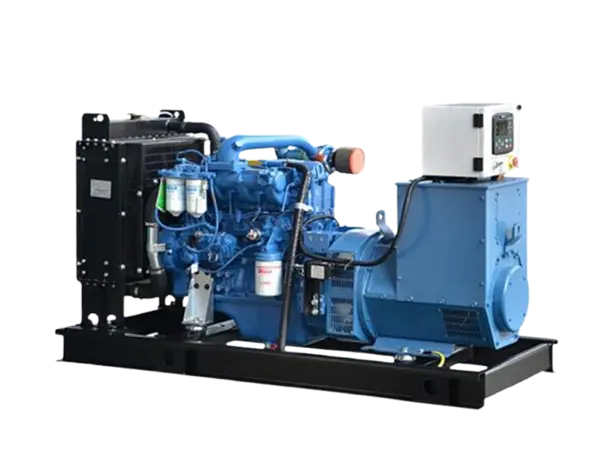 Yuchai Series
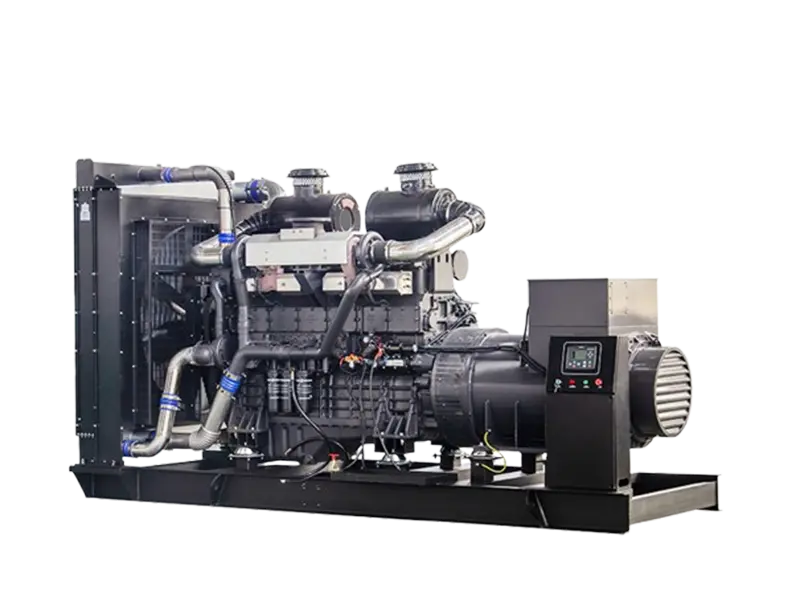 Diesel Generator Sets with SDEC(SHANGCHAI) Engines, XHZS Series
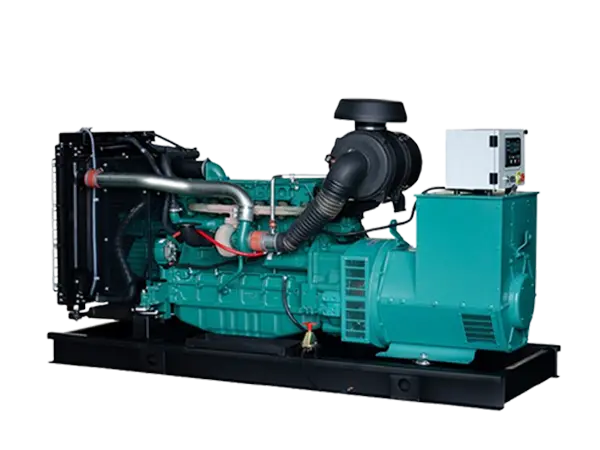 Volvo Series
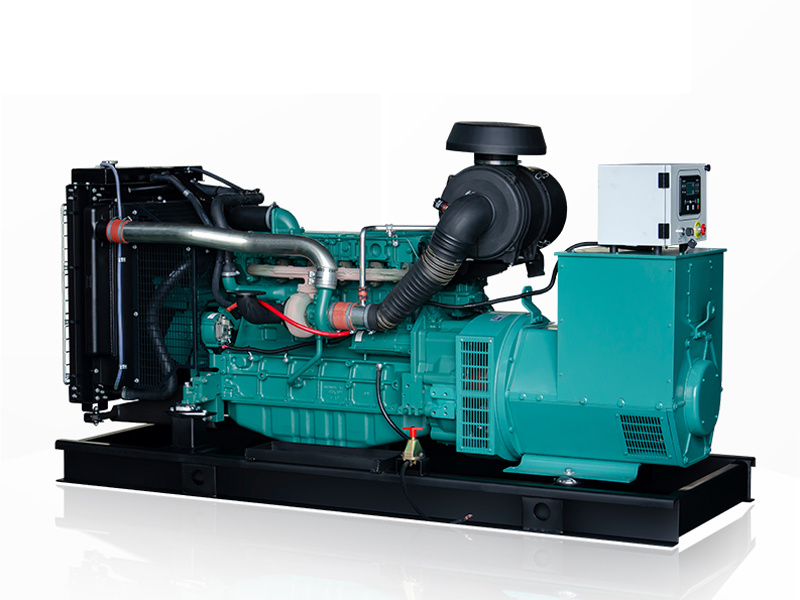 Diesel Generator Sets with VOLVO Engines, XHZV Series
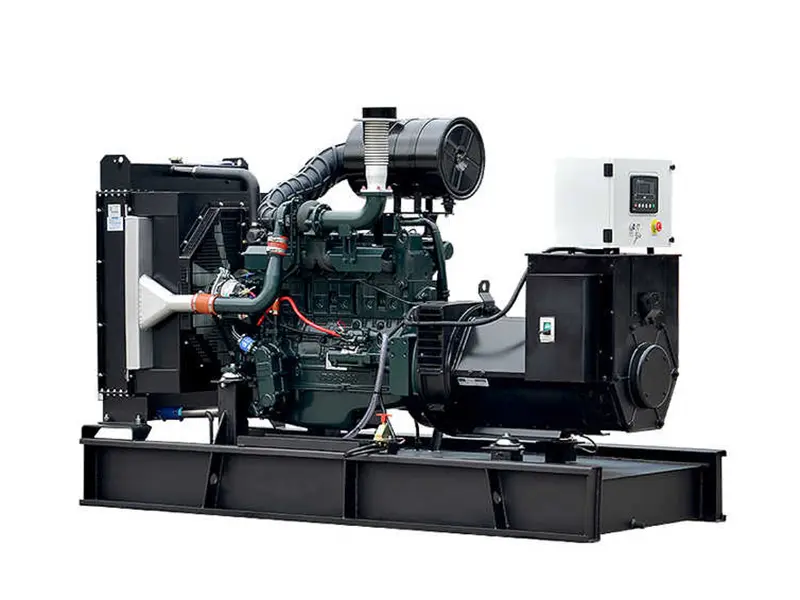 Diesel Generator Sets with Doosan Engines
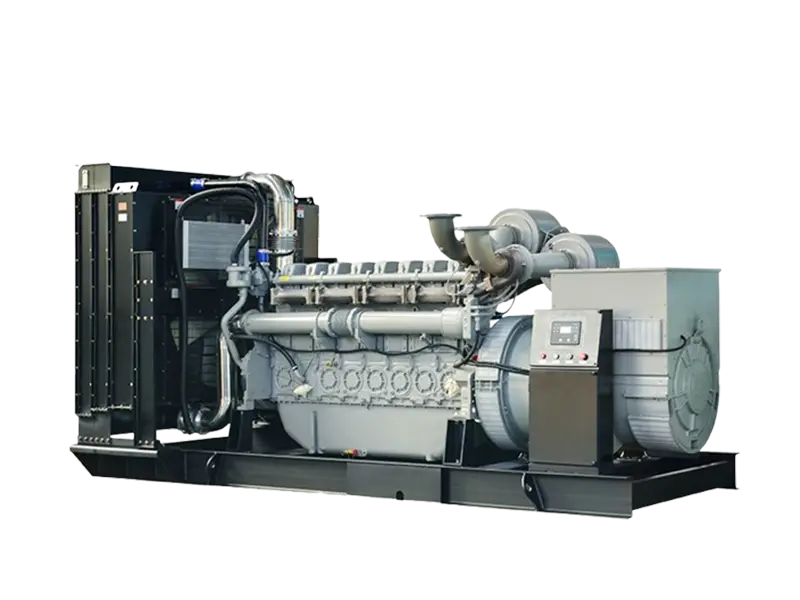 Diesel Generator Sets with Perkins Engines, XHZP Series
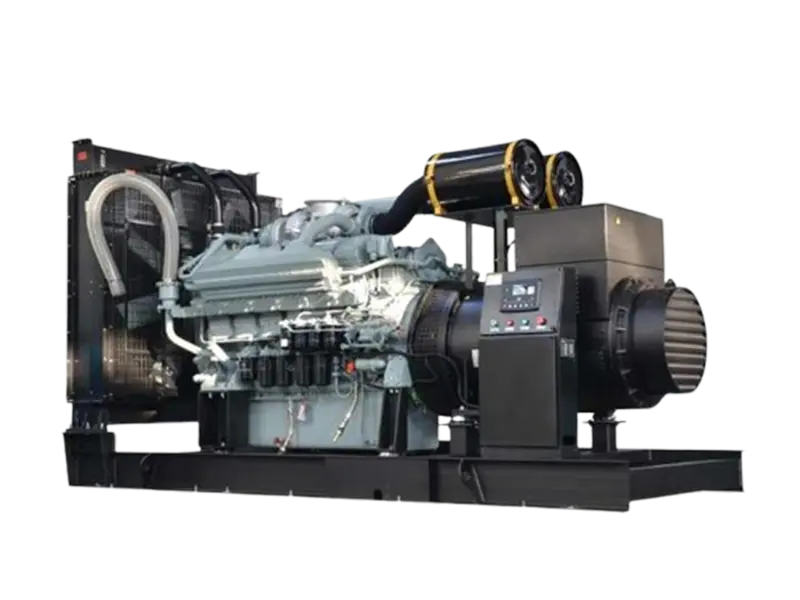 Diesel Generator Sets with Mitsubishi Engines
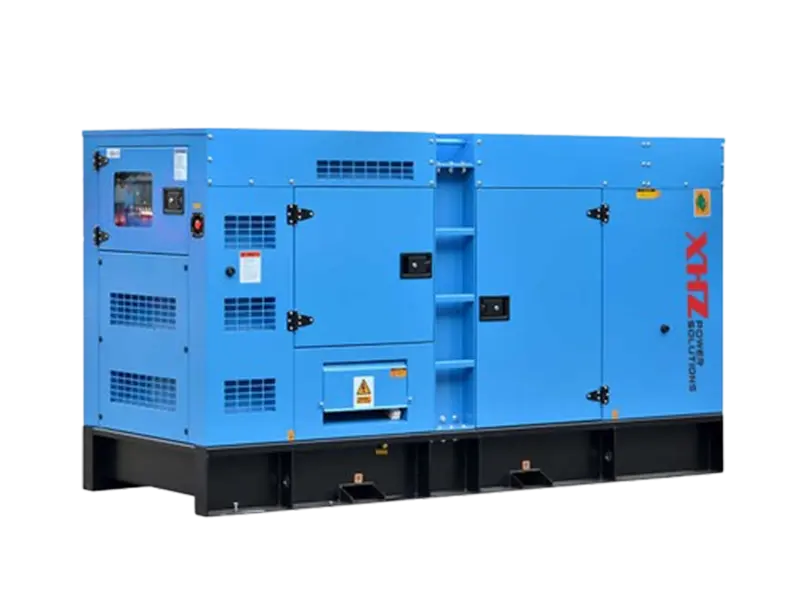 Silent Diesel Generators
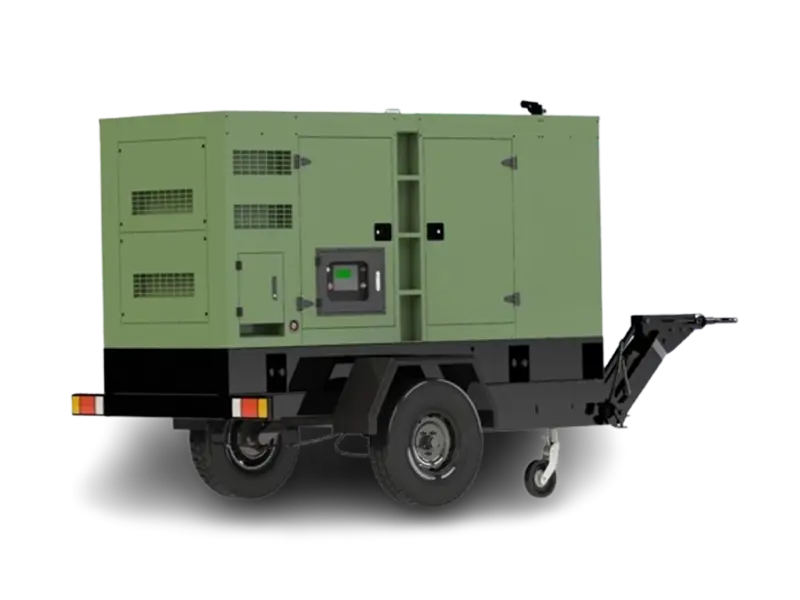 Mobile Silent Diesel Generators
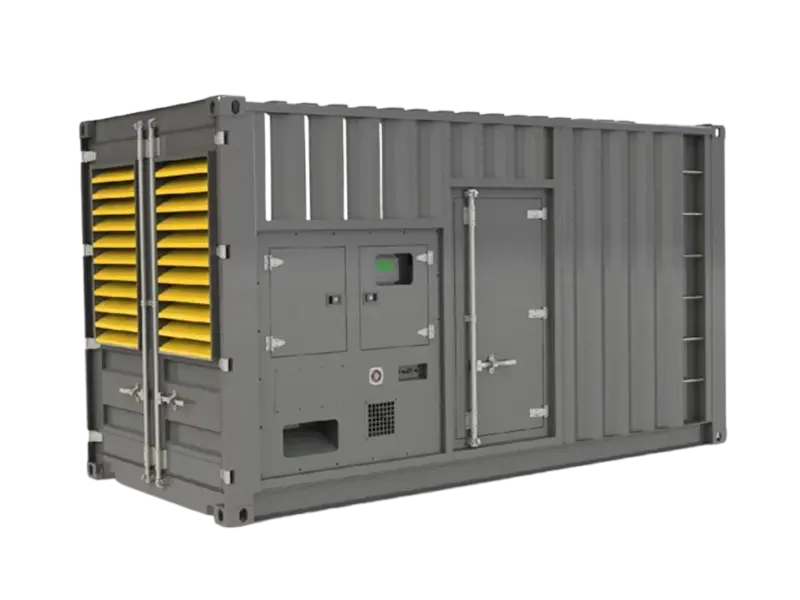 20/40HQ-Standard Container Type Generators