How to Choose the Best Diesel Backup Generator for Your Needs
When it comes to ensuring a reliable power supply during emergencies, selecting the right Diesel Backup Generator is crucial. Industry expert John McCarthy, a renowned electrical engineer with over two decades of experience in backup power solutions, emphasizes the importance of making an informed choice. He states, "A well-selected diesel generator is not just about meeting power requirements; it’s about ensuring peace of mind when the lights go out."
In today's unpredictable world, having a dependable source of backup power can make all the difference, whether it's for residential use or critical business operations. This guide will explore the top five factors to consider when choosing the best Diesel Backup Generator for your specific needs. From power capacity to fuel efficiency, understanding these elements will empower you to make the best decision for your situation. With the right generator, you can navigate power outages with confidence, knowing that your essential systems remain operational.

Essential Factors to Consider When Selecting a Diesel Backup Generator
When selecting the best diesel backup generator for your needs, several essential factors should be taken into account. First, consider the power rating that you require. This is typically expressed in kilowatts (kW) or kilovolt-amperes (kVA). It’s crucial to determine your total power demand, including essential appliances and systems you want to run during an outage, to ensure the generator can handle the load without strain.
Another important aspect is the fuel type and its availability in your area. Diesel generators are known for their efficiency and durability, making them a popular choice for backup power. However, ensure that you can access diesel fuel easily, especially during emergencies. Additionally, investigate the size and portability of the unit. While stationary generators offer higher power outputs, portable ones provide flexibility and can be moved as needed, depending on your specific circumstances and space constraints. This assessment of power needs, fuel availability, and generator size will help you select the ideal diesel backup generator for your situation.
Understanding Your Power Needs: Calculating Required Wattage
When selecting the best diesel backup generator, it's crucial to understand and calculate your
power needs. The total wattage required
for your home will vary based on several factors, including the types of appliances you plan to
run simultaneously. For example, a refrigerator may use about 600 watts,
while a central air conditioning unit can demand upwards of 3,000 watts.
To avoid potential issues, assess not just the running watts, but also the starting watts, which can be
significantly higher for some devices.
Tips: Begin by listing all the essential appliances and their wattage usage.
This will help you determine the total wattage required. Be sure to incorporate a
buffer (around 20%) to accommodate any
additional loads or unforeseen usage spikes.
Once you've calculated your power needs, it’s wise to consider the generator's capacity.
Diesel generators are available in various sizes, so opting for one that exceeds your calculated
need can ensure that you're prepared for power outages without overloading the system.
Remember to think about portability,
noise levels, and maintenance requirements
as part of your decision-making process when choosing the right generator for your situation.
Comparing Diesel Backup Generators: Key Features and Specifications
When comparing diesel backup generators, it’s crucial to focus on key features and specifications that can impact performance and reliability. One important factor to consider is the power output, typically measured in kilowatts (kW). It is essential to determine your power requirements beforehand to ensure that the generator can handle your electrical load during an outage. Additionally, look for generators with a Large Fuel Tank Capacity, as this will allow for longer run times without the need for frequent refueling, which is particularly beneficial in extended outages.
Another critical specification to analyze is the noise level of the generator, often measured in decibels (dB). Depending on where you plan to use the generator, a quieter model may be necessary to avoid disturbing the environment. Furthermore, consider advanced features such as automatic start and stop functionality, which enhances convenience and safety. Fuel efficiency is also a significant aspect, so choose a generator that offers optimal performance without excessive fuel consumption, thereby providing you with both power and cost savings during emergencies.
How to Choose the Best Diesel Backup Generator for Your Needs - Comparing Diesel Backup Generators: Key Features and Specifications
| Generator Model |
Power Output (kW) |
Fuel Tank Capacity (L) |
Run Time (Hours) |
Noise Level (dB) |
| Model A |
10 |
40 |
12 |
65 |
| Model B |
15 |
50 |
10 |
70 |
| Model C |
20 |
60 |
8 |
75 |
| Model D |
25 |
80 |
7 |
80 |
Maintenance and Durability: Ensuring Longevity of Your Generator
When selecting a diesel backup generator, maintenance and durability are key factors that can significantly affect the longevity of your equipment. Regular maintenance is crucial to ensure the generator operates efficiently and reliably. This includes routine checks on oil levels, coolant, filters, and battery health. Following the manufacturer’s maintenance schedule helps in identifying potential issues before they escalate, prolonging the life of your generator and ensuring it performs optimally when needed.
Durability is equally important; a robust diesel generator should withstand various environmental conditions and heavy usage. Look for features such as weather-resistant enclosures, corrosion-resistant materials, and high-quality components. Investing in a generator built with durable materials can minimize downtime and reduce repair costs over the years. A well-maintained, durable diesel generator not only provides peace of mind during outages but also represents a smart investment in your energy backup solution.
Budgeting Tips: Balancing Cost with Performance and Reliability
When it comes to selecting a diesel backup generator, budgeting is a critical factor that demands careful attention. It’s essential to strike a balance between cost and the performance you require. Initially, outline your power needs by determining the total wattage of the appliances and systems you'll use during an outage. This exercise helps prevent overspending on a generator that produces more power than necessary, which can lead to unnecessary costs associated with higher capacity units.
In addition to initial purchase price, consider the long-term operational costs, including fuel efficiency, maintenance, and potential repairs. A cheaper generator may initially seem appealing, but a unit that offers better fuel efficiency and lower ongoing maintenance requirements can save you money over time. Research models with proven reliability and customer satisfaction ratings to ensure your investment will withstand the test of time. Ultimately, investing a little more upfront in a reliable, high-performance generator can yield significant savings and peace of mind in the long run.
Diesel Backup Generator Performance Comparison
This chart compares the performance of various diesel backup generators based on their power output (in kW), fuel consumption (in liters per hour), and noise level (in dB). The balancing act between cost, performance, and reliability is crucial when selecting the best generator for your needs.

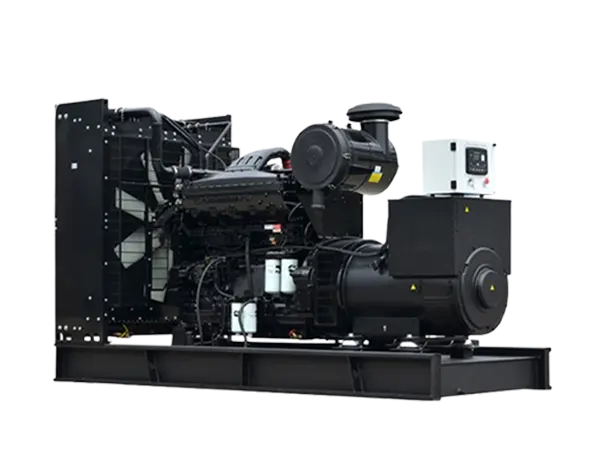 Diesel Generator Sets with Cummins Engines, XHZC Series
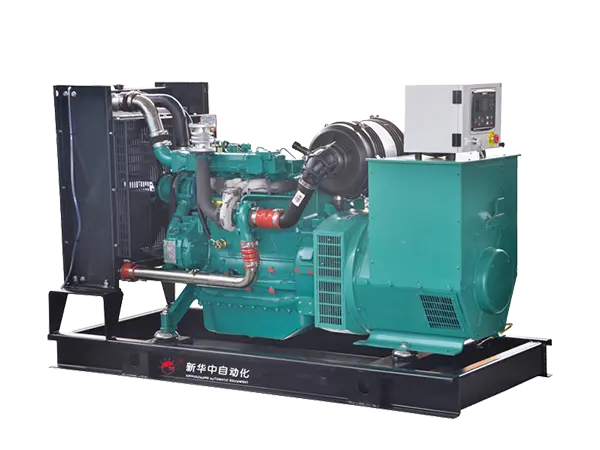 Weichai Series
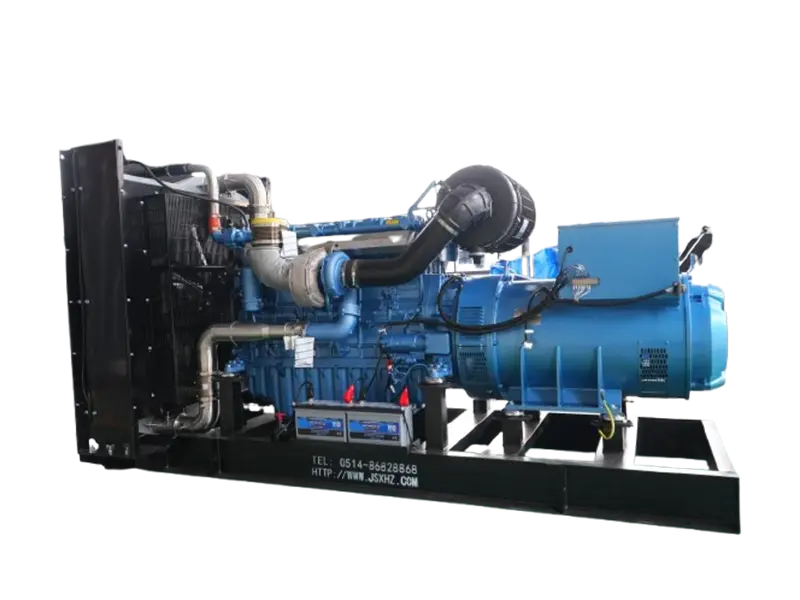 Diesel Generator Sets with WEICHAI Engines, XHZW Series
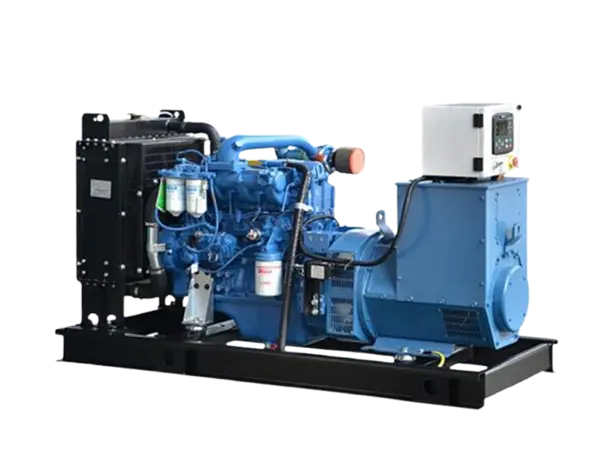 Yuchai Series
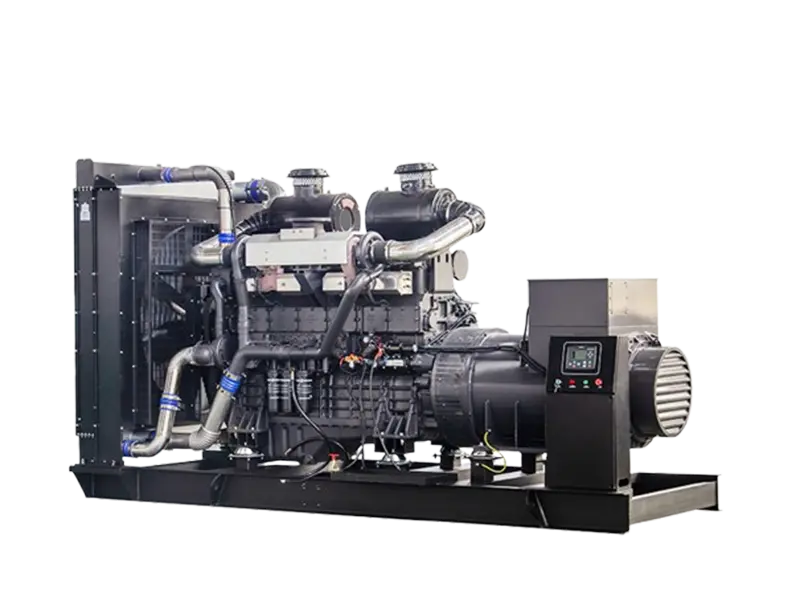 Diesel Generator Sets with SDEC(SHANGCHAI) Engines, XHZS Series
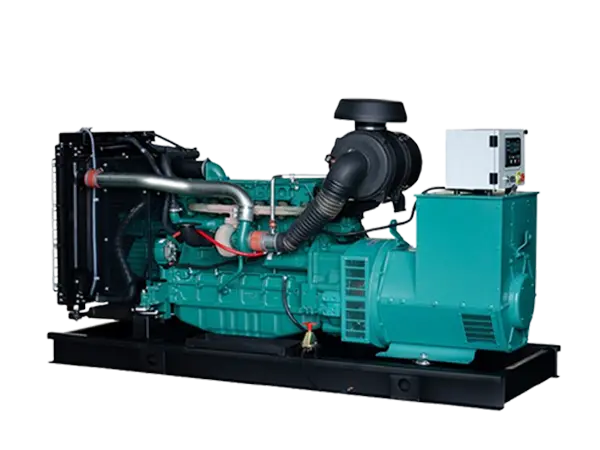 Volvo Series
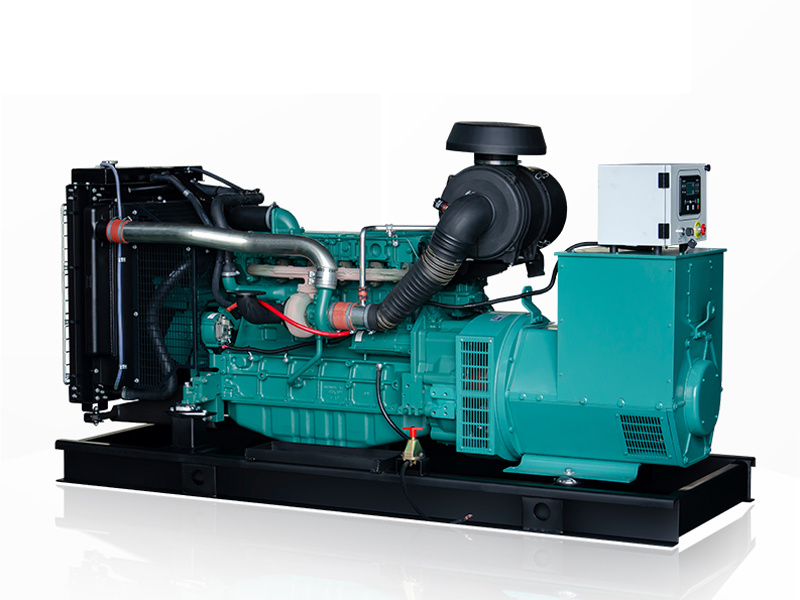 Diesel Generator Sets with VOLVO Engines, XHZV Series
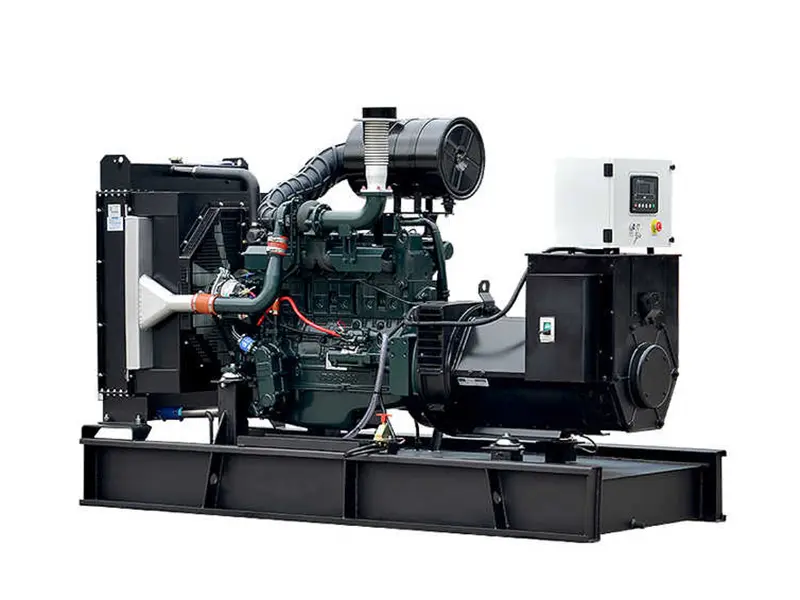 Diesel Generator Sets with Doosan Engines
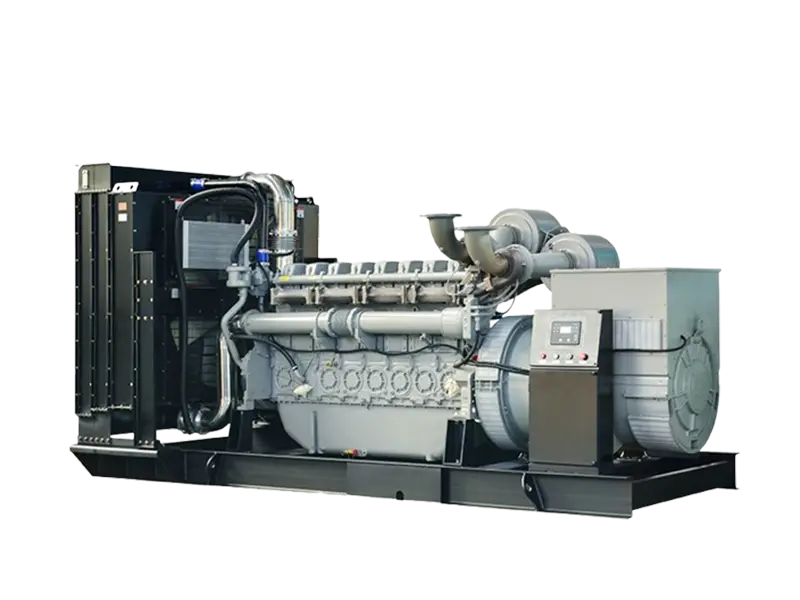 Diesel Generator Sets with Perkins Engines, XHZP Series
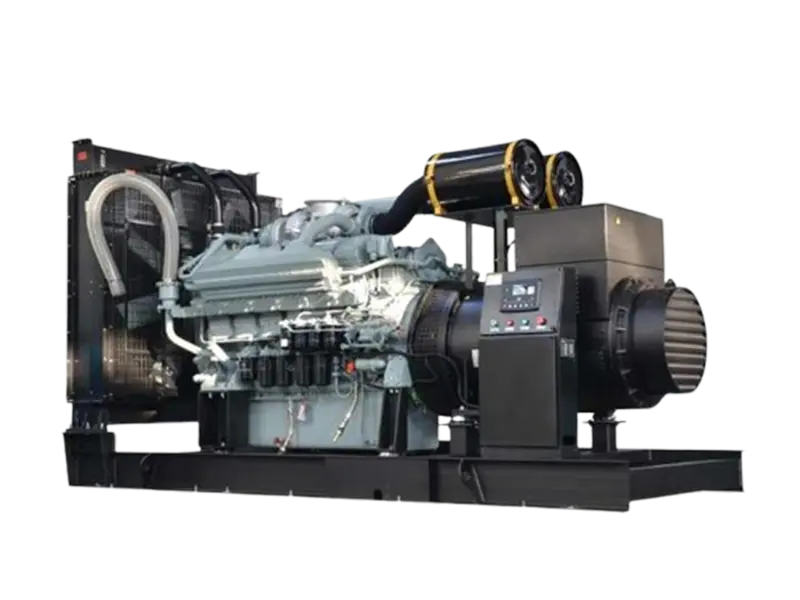 Diesel Generator Sets with Mitsubishi Engines
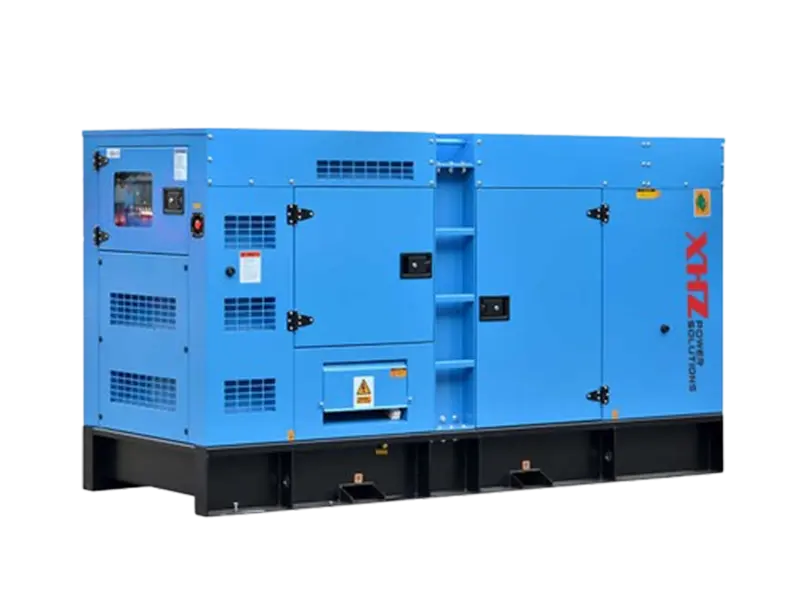 Silent Diesel Generators
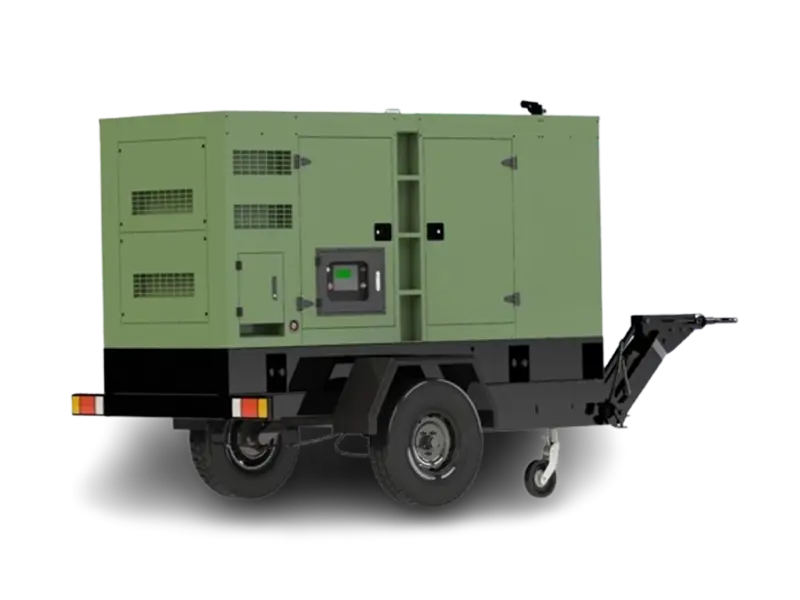 Mobile Silent Diesel Generators
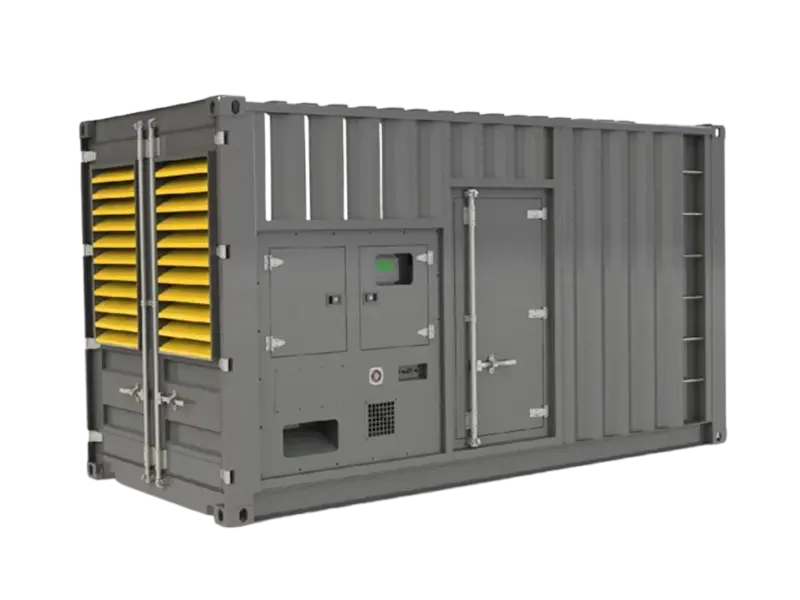 20/40HQ-Standard Container Type Generators