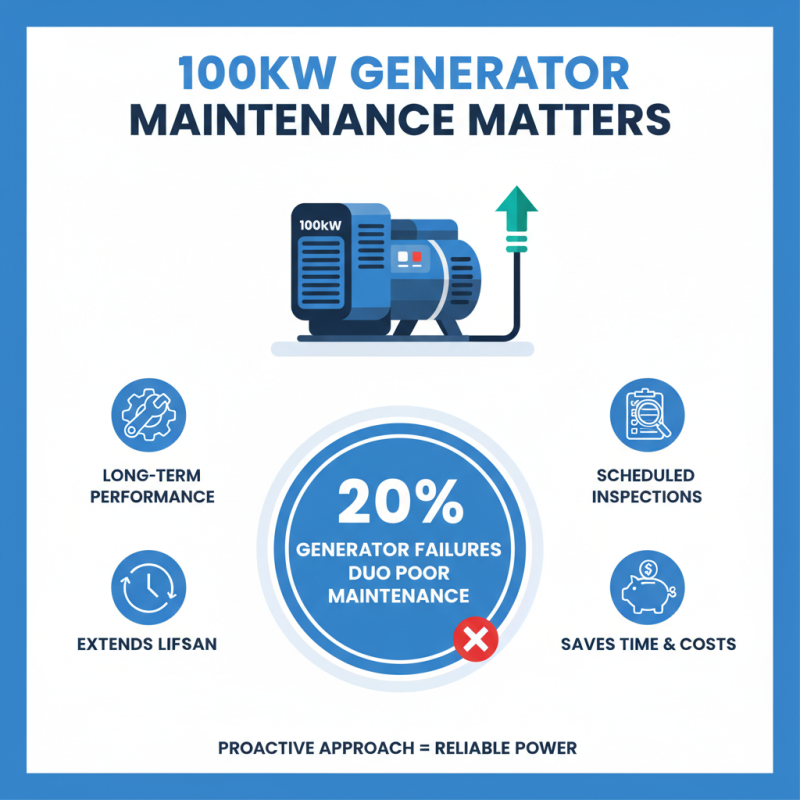
2026 How to Choose a 100kw Generator for Your Needs?
Choosing the right Generator 100kw for your needs is essential. It powers your site efficiently. But how do you decide? Many factors come into play. The output is crucial. What are the power requirements of your project? Consider the appliances or machinery you plan to use.
Portability is another aspect. Will you need to move the generator around? Weight and size matter. Think about fuel type too. Diesel, gas, or propane each has its pros and cons. Reliability is vital. Can it handle continuous use? Investigate the brand reputation. Some options might not offer the best after-sales support.
Reflect on your budget and long-term needs. A cheaper option may not be the best investment. Maintenance can become a burden if overlooked. The right Generator 100kw balances cost and quality. Take your time to research and choose wisely. It's an important decision that affects your productivity.
Understanding Your Power Requirements for a 100kw Generator
When considering a 100kw generator, understanding power requirements is crucial. Different applications demand varying power levels. For instance, construction sites typically need substantial power for tools and machinery, often around 80% utilization. Conversely, small businesses may only require around 50% of a generator's capacity.
Data from the Energy Information Administration indicates that an average small business consumes approximately 6,000 kWh monthly. Translating that into daily use, this results in roughly 200 kWh per day. A 100kw generator can meet that demand with a margin for peak hours. However, underestimating your power needs can lead to inefficiencies and additional costs.
Accurate assessment is vital. You may want to consider all devices that will operate simultaneously. Include lighting, HVAC systems, and essential machinery. If your calculations lean toward the higher side, it’s wise to add a buffer of 20%. This ensures you’re prepared for unexpected surges. Misjudging requirements could leave your operations compromised during peak demand. Engage with professionals for a detailed load analysis, reducing potential oversights.
Types of 100kw Generators: Diesel, Gasoline, and Hybrid Options
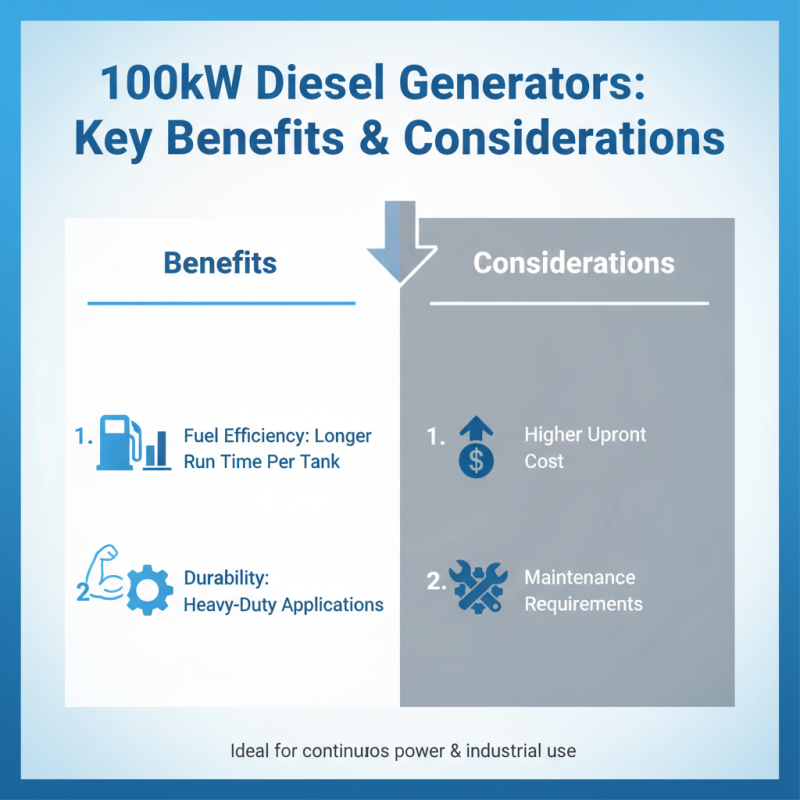
When choosing a 100kw generator, understanding the type is crucial. Diesel generators are renowned for their durability and fuel efficiency. In fact, industry reports indicate they can run longer on a single tank compared to other types. This efficiency makes them ideal for heavy-duty applications. However, they may have higher upfront costs due to maintenance and design.
Gasoline generators, on the other hand, are typically more affordable and easier to operate. They are popular for residential use or light commercial applications. Despite the lower initial cost, they may incur higher fuel costs in the long run. A recent study shows that gasoline generators can consume 10-20% more fuel under similar loads when compared to diesel options.
Hybrid generators combine both technologies, offering flexibility. They often use a combination of diesel and solar power. This versatility can lead to lower operational costs. Yet, they come with their own complexity. Users might find it challenging to maintain dual systems.
Tip: Evaluate your regular load requirements before making a decision. Look for efficiency ratings and real-world performance reports. A generator’s longevity isn’t just about the brand; it’s about how well it fits your specific needs.
Key Features to Consider: Fuel Efficiency, Noise Levels, and Portability
When selecting a 100kw generator, analyzing key features is essential.
Fuel efficiency plays a major role in operational costs.
A generator that consumes less fuel can save money in the long term. For instance, consider how many hours you expect to run the generator.
This will impact your fuel needs significantly. A generator with good fuel efficiency might have a slightly higher upfront cost, but it pays off over time.
Noise levels are another critical factor.
A loud generator can disturb the peace, especially in residential areas. It's often easy to overlook noise ratings.
A model that operates quietly can be a game-changer, making it suitable for various environments.
Pay attention to decibel ratings, especially if you plan to use the generator for outdoor events or in close proximity to neighbors.
Portability adds another layer of consideration. If you need to move the generator often, weight and wheel design matter.
Look for a generator that is easy to transport. Some designs may appear robust but turn out to be cumbersome.
Reflect on how and where you plan to use the generator. The perfect setup for one situation might fall short in another.
Budgeting for a 100kw Generator: Cost Analysis and Financing Options
When planning to purchase a 100kw generator, budgeting is crucial. Understanding the costs involved can prevent surprises. Generators can vary greatly in price. Factors like fuel type, installation, and maintenance can impact the total. You might find a range of options within a specific budget. However, additional costs often arise. Installation, for example, may require extra labor and permits.
Financing options can ease the financial burden. Many buyers consider loans or leasing. Both have distinct advantages. A loan allows ownership after payment. Leasing, on the other hand, usually requires lower upfront costs. Regular maintenance should also factor into your budget. It can be easy to overlook ongoing expenses. Some might focus solely on the initial price, but running costs accumulate.
Evaluating the long-term expenses is essential. This often requires a mindset adjustment. Owning a generator isn’t just about the purchase price. It's a commitment for years. Take time to reflect on your needs. The generator must match your energy requirements. Choosing wisely today can save money tomorrow.

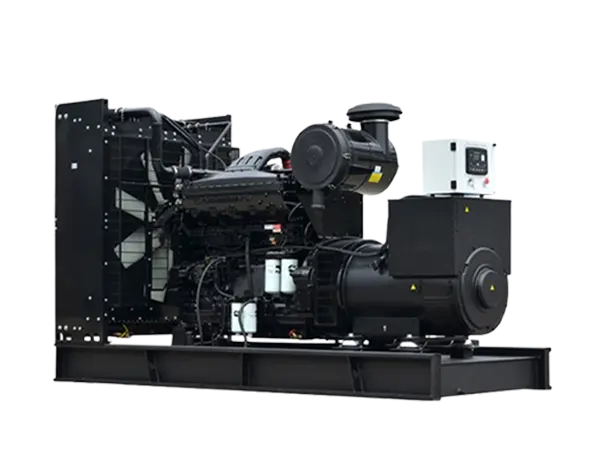 Diesel Generator Sets with Cummins Engines, XHZC Series
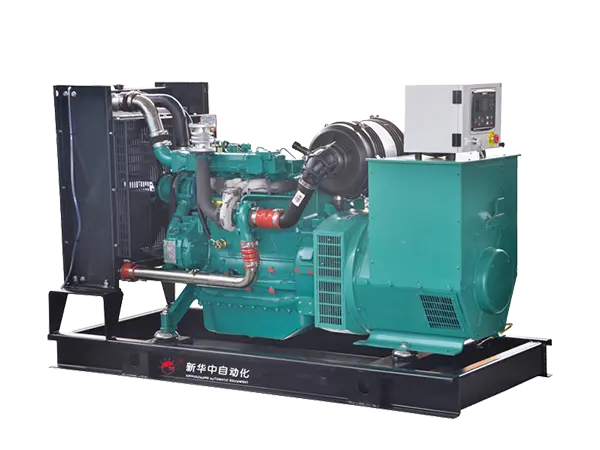 Weichai Series
 Diesel Generator Sets with WEICHAI Engines, XHZW Series
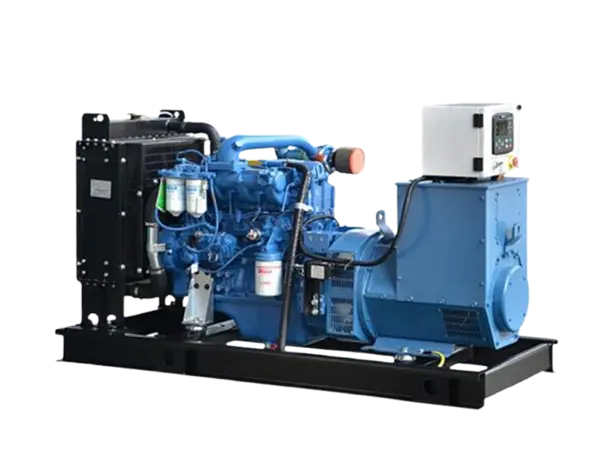 Yuchai Series
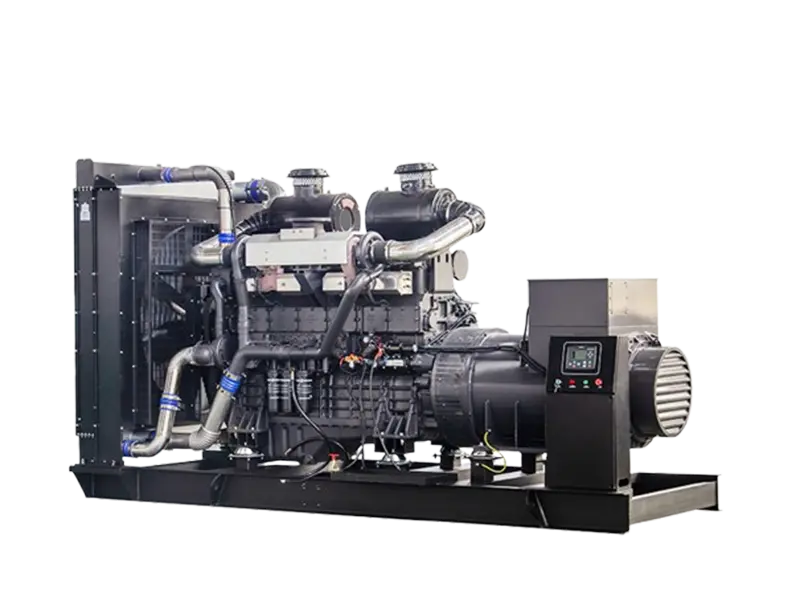 Diesel Generator Sets with SDEC(SHANGCHAI) Engines, XHZS Series
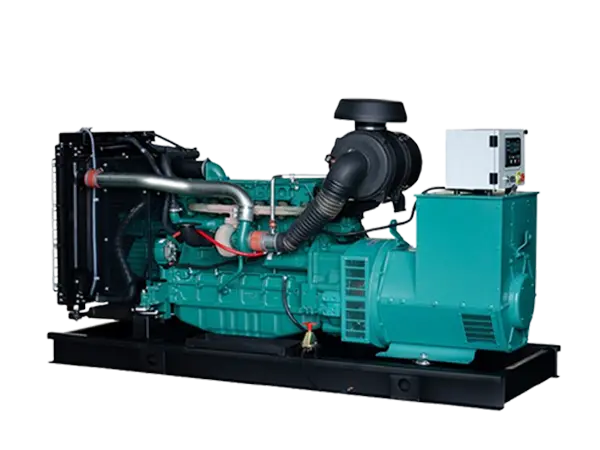 Volvo Series
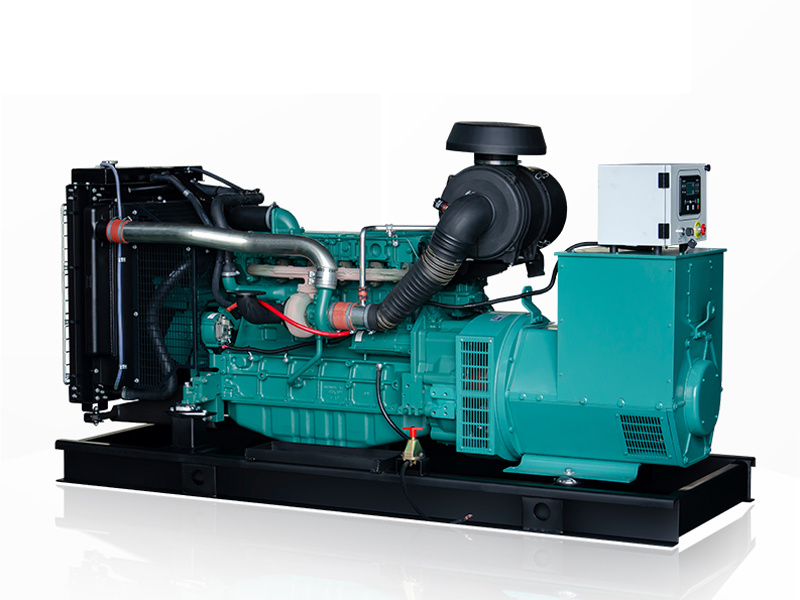 Diesel Generator Sets with VOLVO Engines, XHZV Series
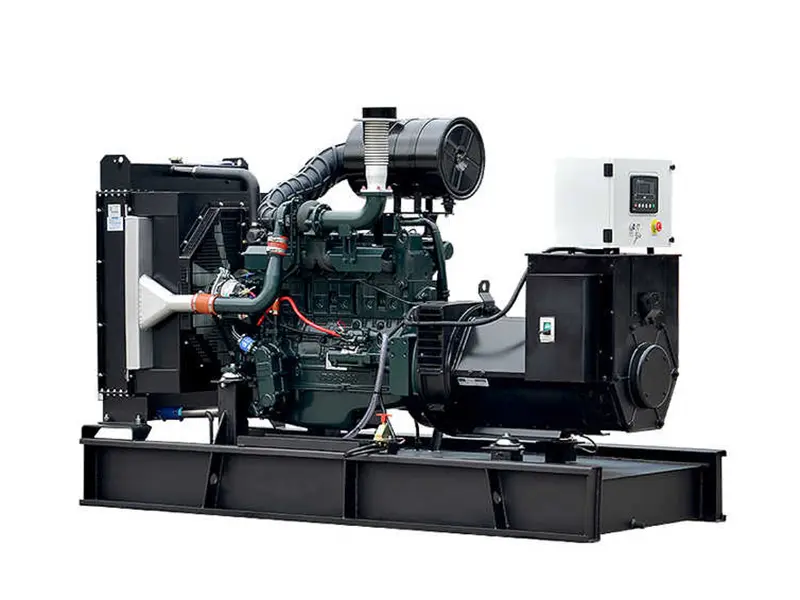 Diesel Generator Sets with Doosan Engines
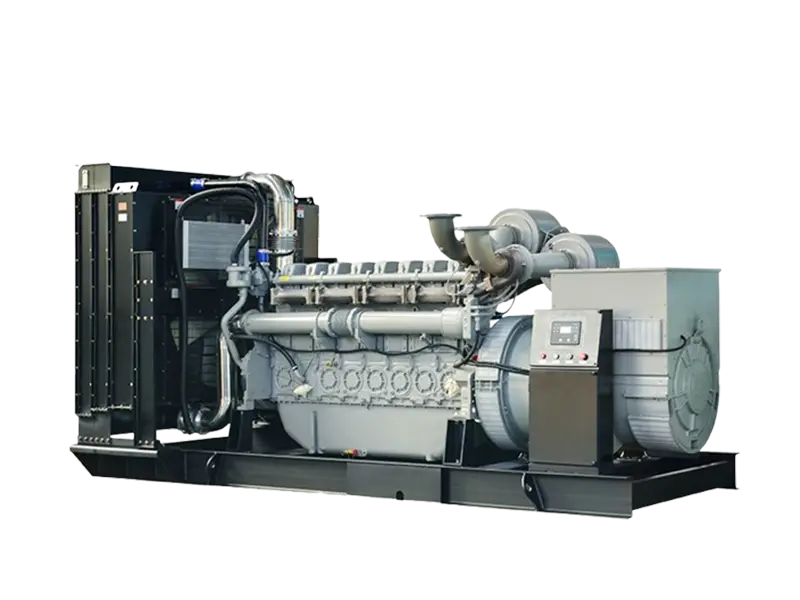 Diesel Generator Sets with Perkins Engines, XHZP Series
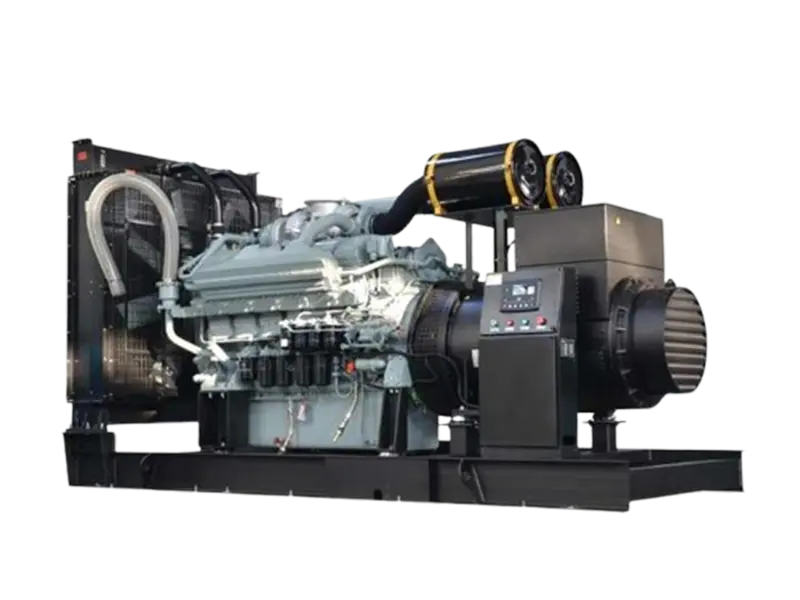 Diesel Generator Sets with Mitsubishi Engines
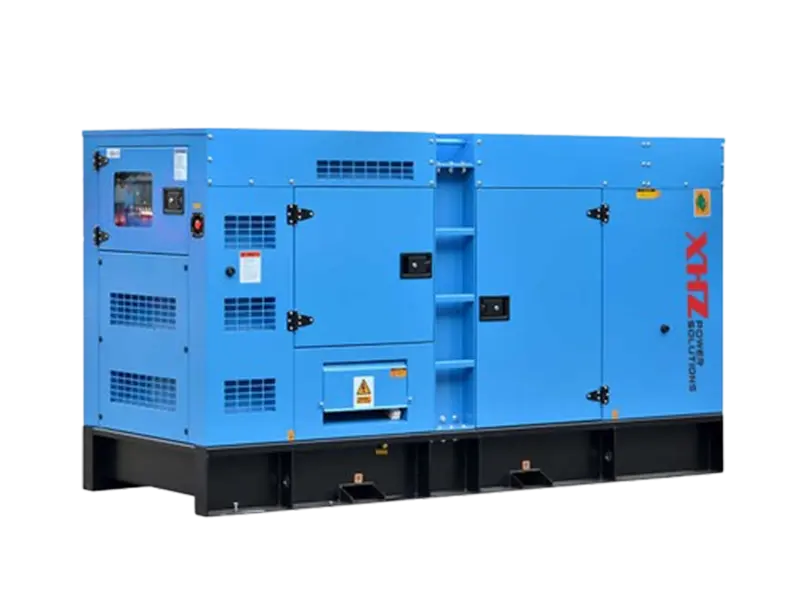 Silent Diesel Generators
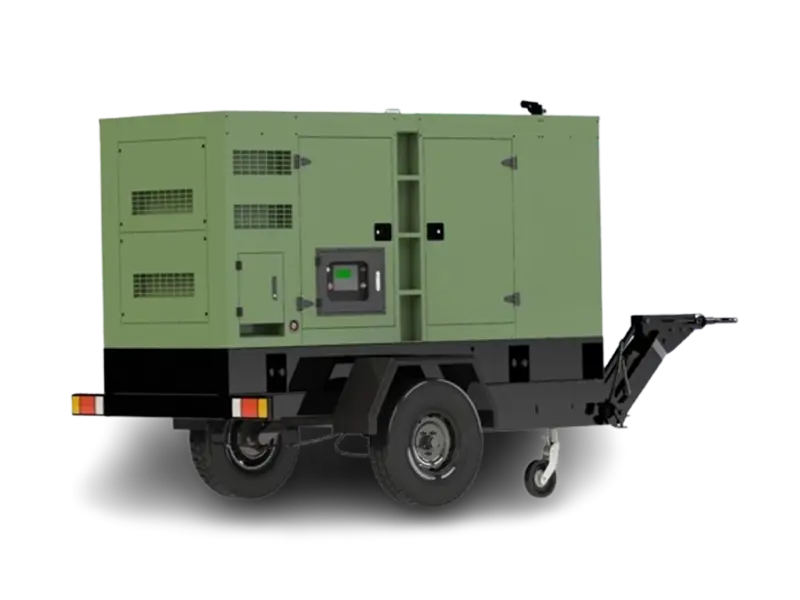 Mobile Silent Diesel Generators
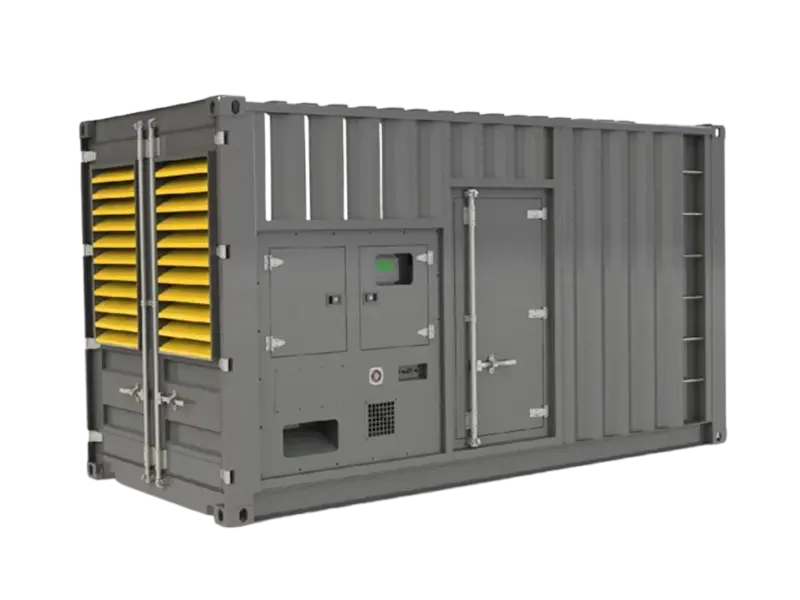 20/40HQ-Standard Container Type Generators