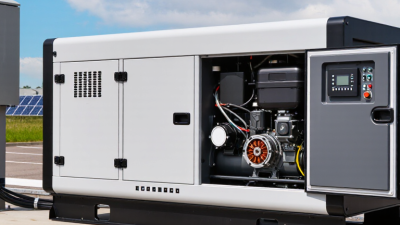
China Best 30 kW Generator Price and Supplier?
Choosing the right China 30 kW generator requires more than comparing online prices. A reliable review should examine engine brand, alternator quality, fuel consumption, control systems, warranty terms, and supplier experience. The phrase Generator 30 Kw often describes a unit suitable for workshops, farms, small buildings, retail stores, and backup applications. However, actual performance depends on load type, operating hours, altitude, and maintenance conditions.
Price differences can be significant. A basic diesel model may cost less, while a soundproof, automatic-start, or premium-engine version requires a higher budget. Experienced buyers should request complete quotations, including shipping, testing, spare parts, and after-sales support. Supplier documents should identify rated power, standby power, frequency, voltage, noise level, and fuel tank capacity. Ask for load-test records.
Details matter.
A professional supplier should explain installation requirements clearly and provide practical service contacts. Factory photos are useful, but independent verification is stronger. Customer references, inspection reports, and transparent warranty policies can reveal more than attractive marketing language. My comparison approach focuses on published specifications and realistic operating needs, not the lowest advertised figure. Still, no comparison is perfect. Some prices change with exchange rates, component availability, and delivery location. Buyers should confirm every detail before placing an order. A careful evaluation helps balance purchase cost, reliability, service response, and long-term operating expense when selecting the best 30 kW generator supplier in China.
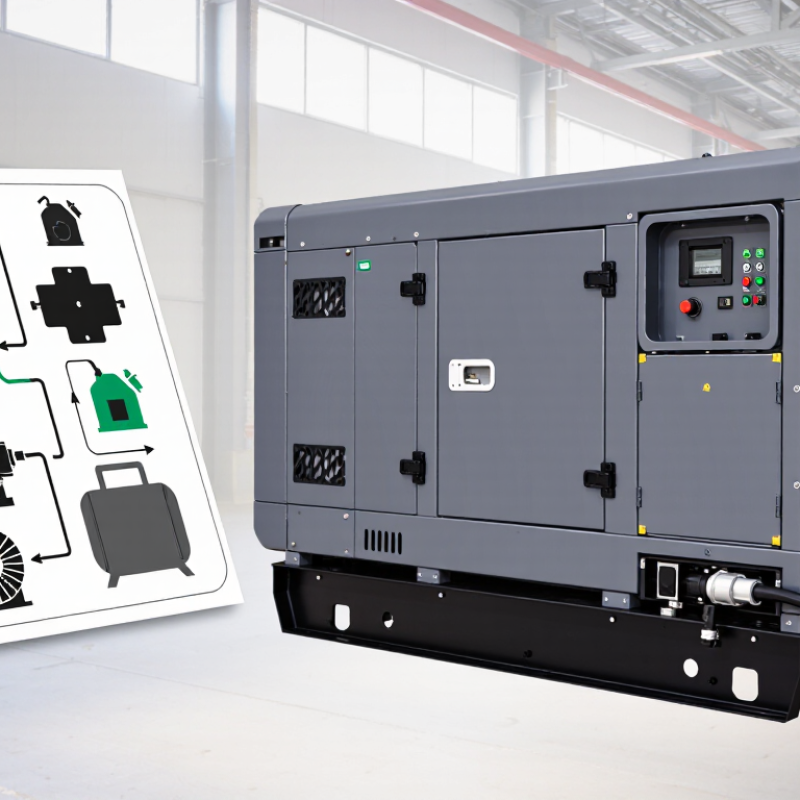
What Is a 30 kW Generator and How Does It Work?
A 30 kW generator converts mechanical energy into usable electrical power. It can deliver about 30 kilowatts under rated conditions. This output suits small factories, farms, workshops, and emergency building loads. It normally combines an engine, alternator, fuel system, controller, cooling system, and frame. The engine burns fuel and turns the alternator shaft. The alternator then produces electricity through electromagnetic induction. Simple, but not effortless.
When the load rises, the controller adjusts engine speed and fuel delivery. An automatic voltage regulator helps keep output voltage stable. A transfer switch can connect the generator when grid power fails. Technicians should check frequency, phase, earthing, exhaust routing, and overload protection before operation. A 30 kW rating does not mean every appliance can start together. Motors may demand several times their running current. Measured starting demand matters. During site inspections, a clamp meter and load test reveal problems that nameplate calculations miss. This is where many purchase decisions become less certain.
Fuel consumption depends on load, engine condition, ambient temperature, and maintenance quality. A lightly loaded unit may run inefficiently, while an overloaded unit can overheat. Suppliers should provide datasheets, test records, warranty terms, spare-part support, and clear pricing. Ask whether the quoted price includes the control panel, base tank, delivery, and commissioning. I would question vague claims about “30 kW” output. Some specifications confuse standby power with prime power. That difference affects reliability and operating cost. Before ordering, compare the real load profile, not just the cheapest quotation.
What Factors Determine the Price of a 30 kW Generator in China?
China Best 30 kW Generator Price and Supplier?
What Factors Determine the Price of a 30 kW Generator in China?
A 30 kW generator in China may cost differently, even when the rated output looks identical. In my sourcing experience, the engine and alternator create the largest price gap. A reliable industrial engine usually costs more than a light-duty unit. Copper content, winding quality, insulation grade, and voltage stability also affect the quotation.
Small details matter. Fuel consumption should be checked at 25%, 50%, 75%, and full load. A set using less fuel may save money during long operating hours. The control panel, circuit breaker, radiator, battery, and fuel tank change the final price. A sound-attenuated canopy, automatic transfer switch, trailer frame, or cold-weather kit adds further cost. The quote may change.
Testing and support are often overlooked. Ask whether the supplier performs load-bank testing before shipment. Request test records, component specifications, warranty terms, and spare-parts availability. A lower factory price can become expensive if troubleshooting takes weeks. Shipping distance, packing method, export documentation, and installation service also influence the landed cost.
Supplier reliability needs practical checking. Review factory photos, production records, inspection procedures, and customer references where available. Compare identical configurations, not only headline prices. Some quotations exclude batteries, taxes, cables, or commissioning. I have seen buyers compare incomplete offers and choose too quickly. That mistake is understandable, but preventable.
How to Evaluate Reliable Chinese 30 kW Generator Suppliers?
China Best 30 kW Generator Price and Supplier?
When comparing Chinese 30 kW generator suppliers, assess performance before price. A serious supplier should explain the engine, alternator, control panel, cooling system, and enclosure clearly. Ask for a detailed quotation. It should separate equipment, optional accessories, packaging, and shipping costs. Prices can vary because of standby ratings, fuel tanks, automatic transfer switches, and noise-control materials.
Request factory videos, inspection records, and recent load-test data. A reliable unit should handle changing loads without unstable voltage or frequency. During testing, check oil pressure, coolant temperature, vibration, exhaust color, and emergency shutdown functions. A live test matters more than polished photographs. However, one test does not prove long-term durability. That needs careful questioning.
Review the supplier’s quality system and export experience. Certificates should match the actual model, not a similar product. Confirm warranty length, response time, spare-parts availability, and technician support in writing. Ask whether replacement filters, belts, sensors, and control components are normally stocked. Contact two or three previous buyers if possible. Their comments may reveal delayed parts or unclear warranty limits. Do not ignore communication quality; unclear answers before payment often become serious problems later. A cheap offer may be attractive, but missing technical details deserve skepticism. Personally, I would rather accept a slightly higher price than discover weak support after installation. Still, every extra cost should have a measurable reason.
What Should You Check Before Ordering a 30 kW Generator from China?
China Best 30 kW Generator Price and Supplier?
Before ordering, define the actual load. A 30 kW rating may mean standby power, not continuous power. Check the ISO 8528-1 rating and request the rated output at your site’s altitude and temperature. At 80% load, a 30 kW diesel generator produces about 24 kW. The U.S. Energy Information Administration reports diesel energy content near 137,000 Btu per gallon. However, fuel use still depends on engine efficiency, load, and maintenance. Ask for fuel-consumption data at 25%, 50%, 75%, and 100% load. A low price can hide a large fuel bill.
Compare suppliers using the same specification sheet. Confirm alternator voltage, frequency, phase, controller functions, sound level, tank capacity, and enclosure protection. Request factory test records, wiring diagrams, serial-number photos, and an ISO 9001 certificate. ISO 8528-5 testing is useful, but paperwork alone cannot prove performance. Ask for a video load-bank test showing voltage and frequency stability. Also check spare-parts availability, remote troubleshooting, warranty exclusions, and delivery terms. One overlooked detail can delay installation for weeks.
Tips: Calculate price as equipment, transport, customs, commissioning, and three years of fuel. Require a written quotation with every option listed. Confirm local emissions requirements before payment. Do not rely only on marketplace ratings. A supplier may answer quickly yet provide weak technical support. I would also request two recent customer references, although references can be imperfect and should be verified independently.

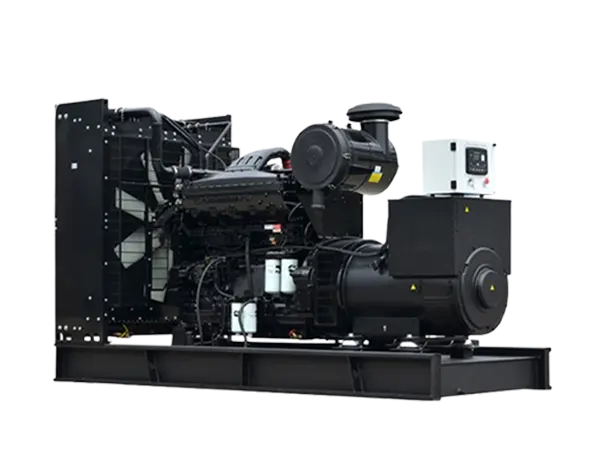 Diesel Generator Sets with Cummins Engines, XHZC Series
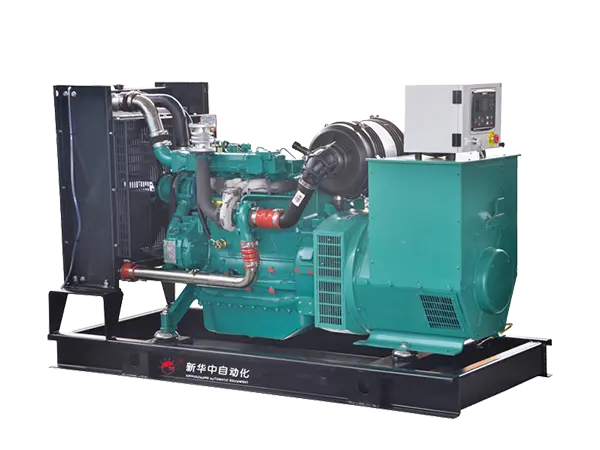 Weichai Series
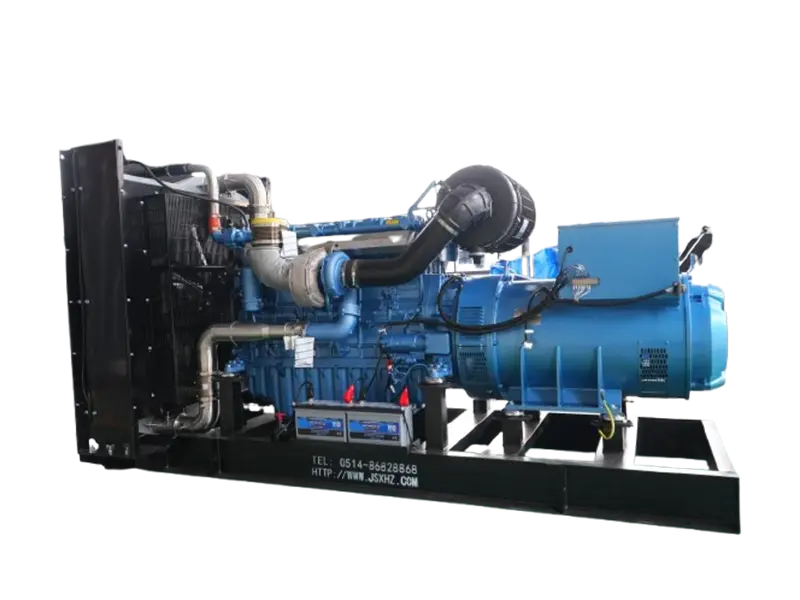 Diesel Generator Sets with WEICHAI Engines, XHZW Series
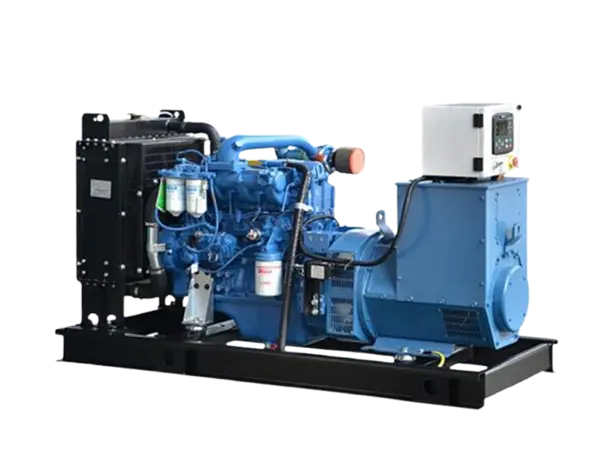 Yuchai Series
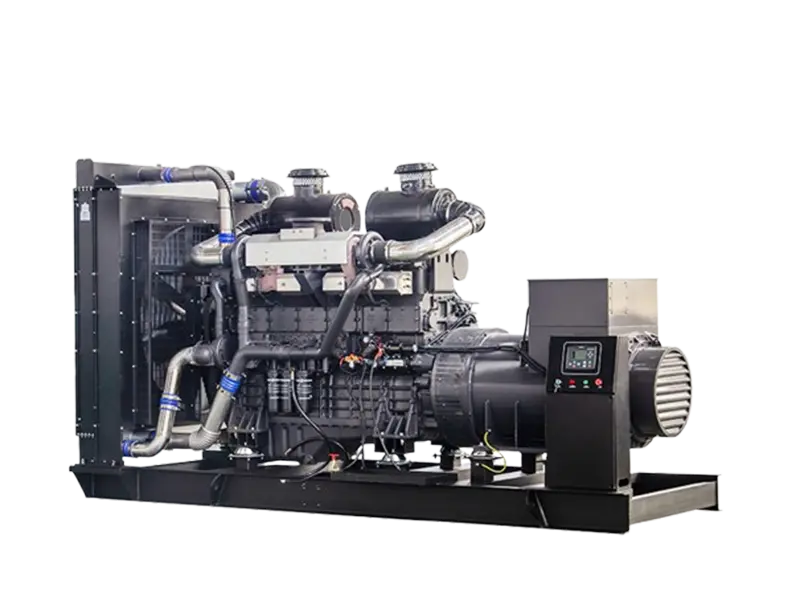 Diesel Generator Sets with SDEC(SHANGCHAI) Engines, XHZS Series
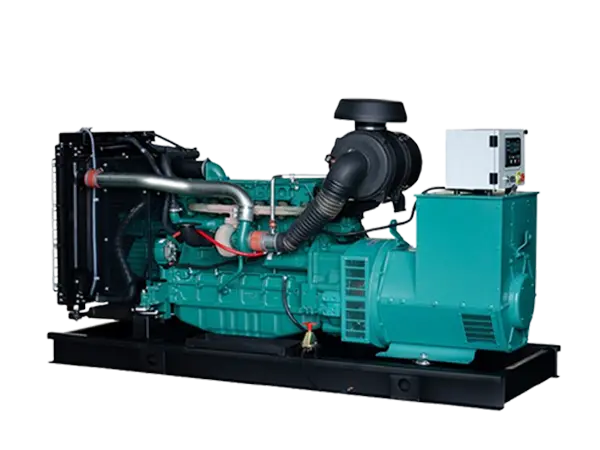 Volvo Series
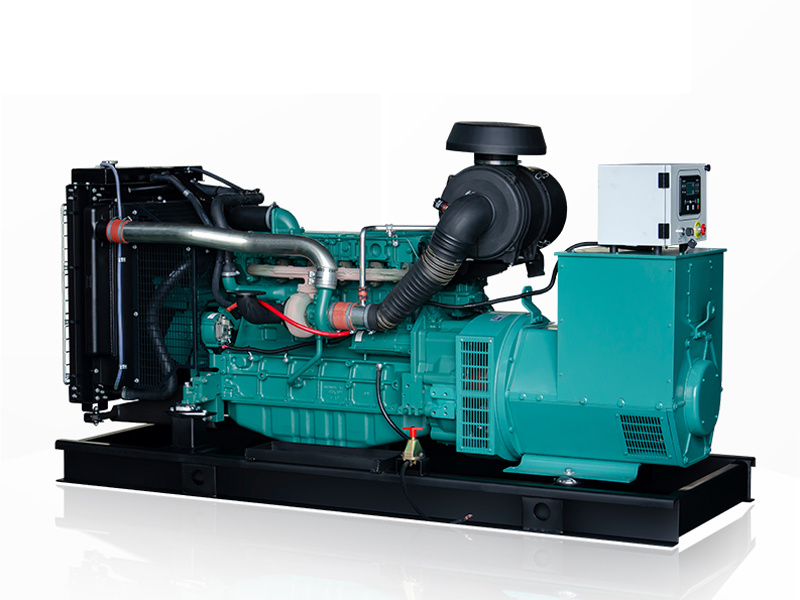 Diesel Generator Sets with VOLVO Engines, XHZV Series
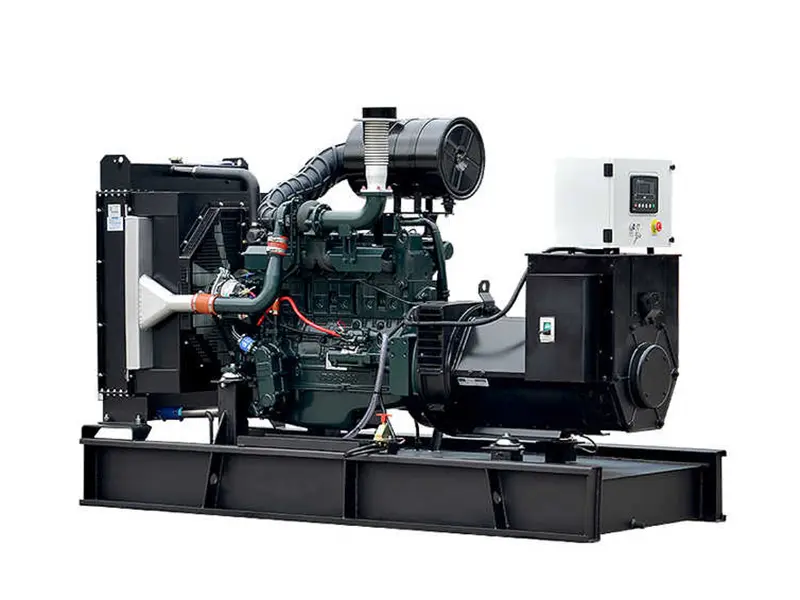 Diesel Generator Sets with Doosan Engines
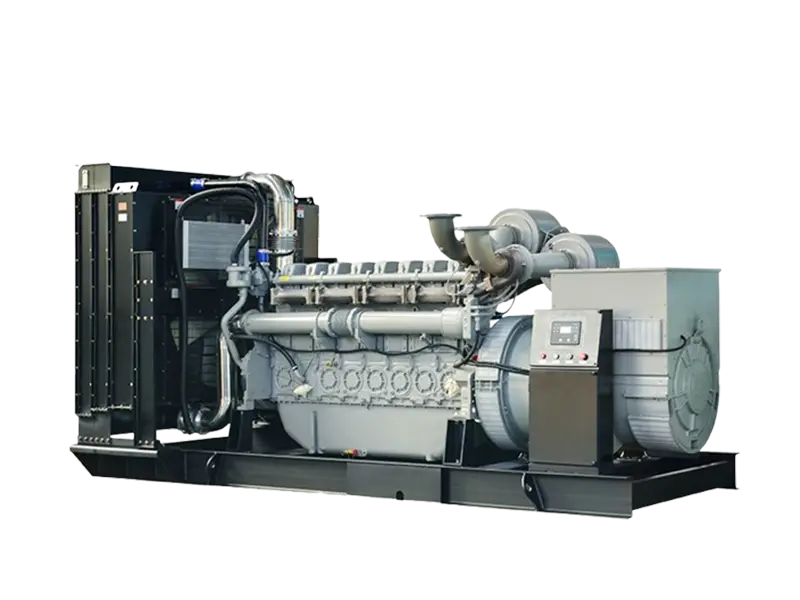 Diesel Generator Sets with Perkins Engines, XHZP Series
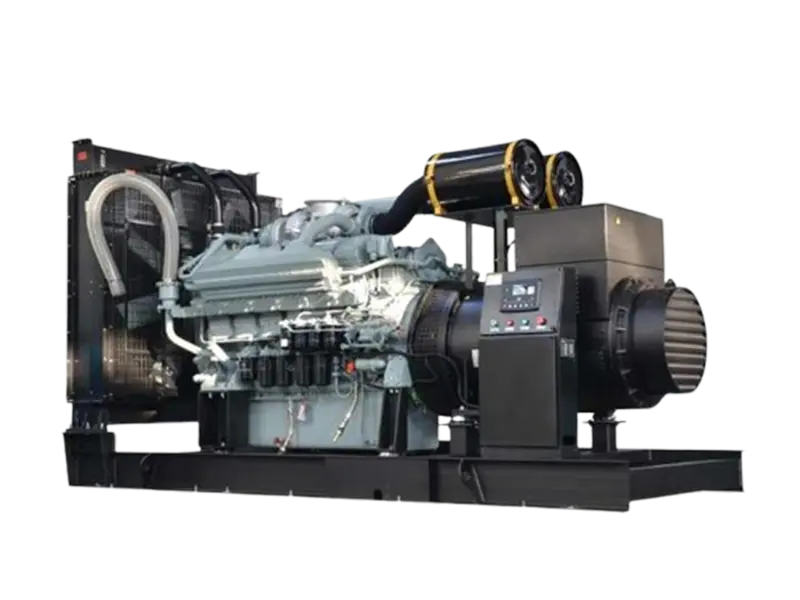 Diesel Generator Sets with Mitsubishi Engines
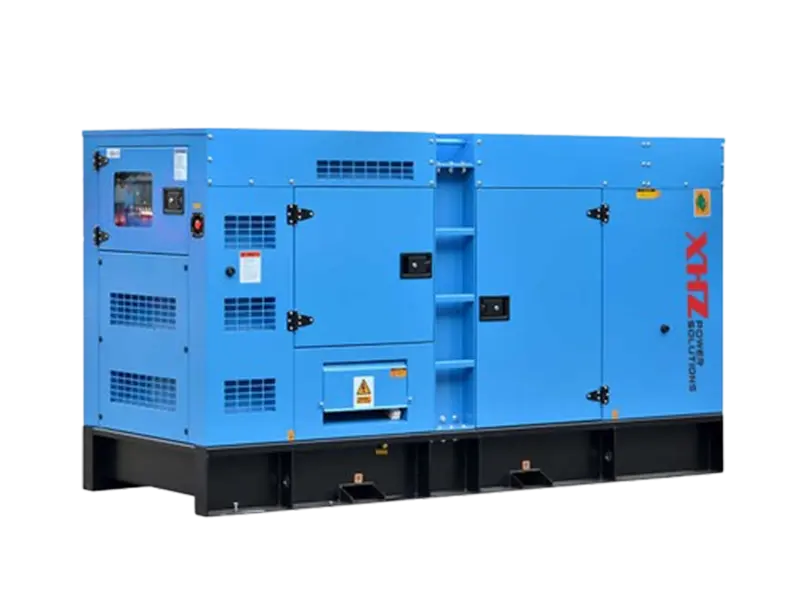 Silent Diesel Generators
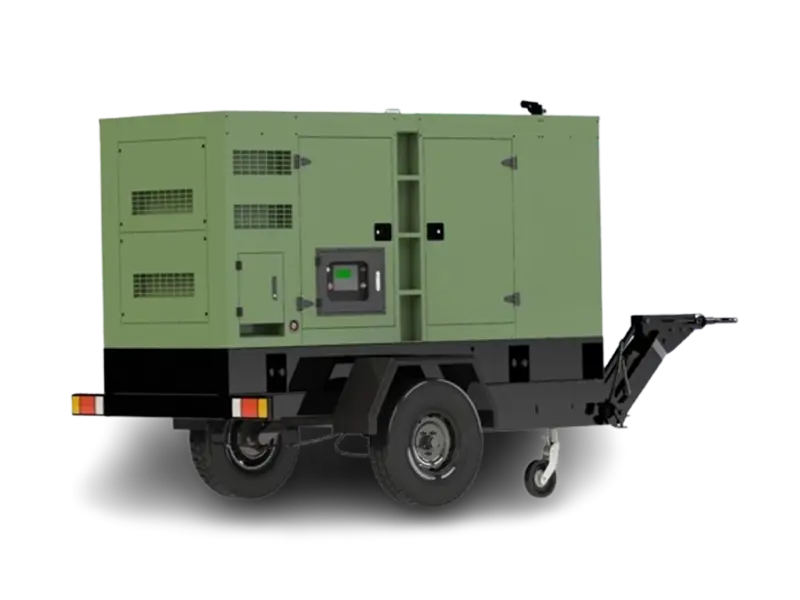 Mobile Silent Diesel Generators
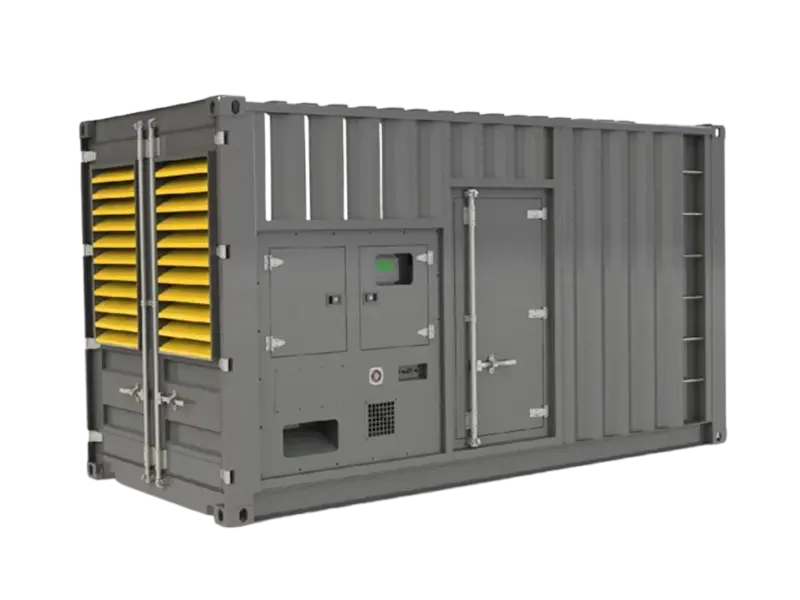 20/40HQ-Standard Container Type Generators