Top Benefits of Using Industrial Diesel Generators for Businesses?
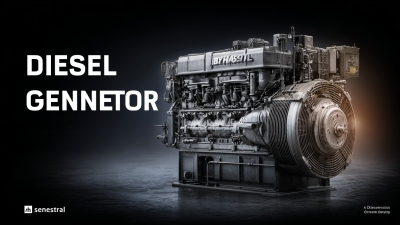
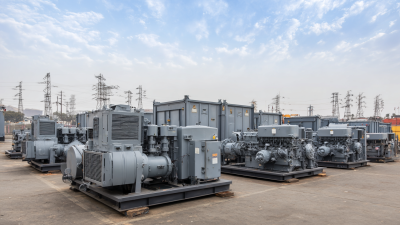
The modern business landscape requires reliable power solutions. An Industrial Diesel Generator offers robust energy, crucial for various operations. Different industries rely on consistent electricity for machinery, lighting, and climate control.
One major benefit of using an Industrial Diesel Generator is its efficiency. With a powerful engine, it operates longer than other generators, reducing downtime. Businesses can save costs in the long run. However, maintenance is key to ensure peak performance. Neglecting it can lead to unexpected failures, causing disruptions.
Moreover, the environmental impact of diesel generators invites scrutiny. Emissions from these generators are a concern. Companies must weigh the balance between cost-effectiveness and eco-friendliness. Adopting cleaner technologies may be necessary. Choosing the right Industrial Diesel Generator can elevate your business, but reflection is essential.
Advantages of Industrial Diesel Generators for Reliable Power Supply
Industrial diesel generators offer significant advantages for businesses needing reliable power supply. They deliver consistent electricity, even during outages. This reliability is crucial for operations dependent on uninterrupted power. For instance, hospitals rely on these generators to ensure patient safety. Manufacturing facilities also benefit, as unexpected downtimes can lead to considerable losses.
Another benefit is the efficiency of diesel generators. They consume less fuel compared to other types. This efficiency translates to cost savings over time. Businesses can invest these savings into other projects. However, the initial cost of diesel generators can be high. Companies need to consider their budget and long-term needs. Maintenance is another aspect to think about. Regular service is essential to keep the generators running smoothly.
Ignoring maintenance can lead to unexpected failures, which may disrupt business operations.
Cost-Effectiveness of Using Diesel Generators in Business Operations
When it comes to cost-effectiveness, diesel generators stand out in various business operations. According to industry reports, diesel generators generally offer a lower cost per kilowatt-hour compared to other fuel types. This is particularly crucial for businesses with high energy demands, as moderate initial investments yield long-term savings. In fact, studies indicate that diesel generators can reduce operational costs by up to 20% over time.
Moreover, diesel generators tend to have lower maintenance costs. The robust design often leads to longer lifespans and less frequent repairs. This can translate into fewer interruptions to business operations. However, it is essential to consider fuel price fluctuations. In some regions, rising diesel prices can impact overall cost savings. Companies should evaluate local fuel trends and adjust their strategies accordingly. A well-maintained diesel generator can provide reliable energy while balancing overall expenses.
In addition to financial benefits, businesses should also reflect on environmental impacts. While diesel is more efficient, it does produce emissions. Hence, companies must assess whether the cost savings outweigh potential environmental concerns. Balancing cost and sustainability remains a challenge for many organizations. Overall, businesses must weigh the benefits and drawbacks carefully in their energy planning.
Top Benefits of Using Industrial Diesel Generators for Businesses
| Benefit |
Description |
Cost-Effectiveness |
Operational Efficiency |
| Reliability |
Diesel generators provide a consistent and reliable power source, minimizing downtime. |
Low operational costs due to less frequent fuel needs compared to gasoline. |
High efficiency in powering heavy-duty machinery. |
| Fuel Efficiency |
Diesel engines are known for their fuel efficiency, translating to lower operating costs. |
Longer run times on diesel compared to alternative fuels. |
Optimized for extended usage in various environments. |
| Lower Maintenance Costs |
Durable and heavy-duty diesel engines require less frequent maintenance. |
Longer intervals between servicing enhance cost savings. |
Reliability ensures continuous operations reduces losses. |
| Environmental Impact |
Modern diesel generators are equipped with technologies that reduce emissions. |
Comply with strict environmental regulations, minimizing potential fines. |
Innovative designs improve combustion efficiency. |
| Portability |
Many diesel generators are portable, making them ideal for temporary sites. |
Reduce investment in multiple energy sources; portable solutions can handle diverse needs. |
Flexibility in operations enhances productivity. |
Durability and Longevity of Industrial Diesel Generators Explained
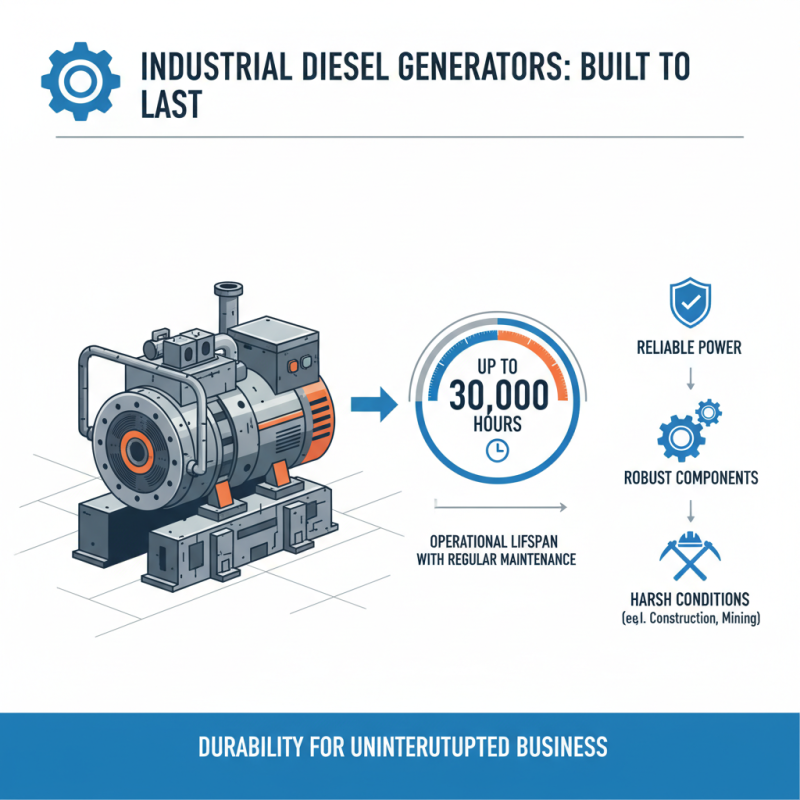
Industrial diesel generators are known for their durability and longevity. Many studies show that these generators can last up to 30,000 hours of operation with regular maintenance. This makes them a reliable choice for businesses that require consistent power. They are built with robust components that withstand harsh conditions. This durability is crucial, especially in industries like construction or mining, where environments are challenging.
Tip: Regular maintenance checks can extend the life of your diesel generator. Change the oil and filters as recommended.
In addition, diesel generators have a higher fuel efficiency compared to other types. According to industry reports, they typically operate at around 30% less fuel consumption than gasoline engines. This efficiency translates to lower operational costs over time. However, businesses should consider the initial investment. The upfront cost can be higher, but the long-term savings usually offset this.
Tip: Calculate your expected power needs to choose the right generator size. An oversized generator can waste fuel and increase wear.
Ultimately, while diesel generators offer many advantages, it’s essential to evaluate their fit for your needs. Understand the potential trade-offs in maintenance and space requirements before making a decision.
Environmental Considerations of Diesel Generators in Industrial Settings
Diesel generators play a vital role in industrial settings. However, their environmental impact cannot be overlooked. A study by the Environmental Protection Agency (EPA) revealed that diesel generators emit nitrogen oxides (NOx), particulate matter, and carbon dioxide. These pollutants contribute to air quality issues. Urban areas, in particular, face heightened risks due to these emissions.
Moreover, while diesel generators offer reliability, they often require careful fuel management. Fuel spills can lead to soil contamination. The National Institute for Occupational Safety and Health (NIOSH) reports that prolonged exposure to diesel exhaust can harm workers' health. Sound environmental practices are essential for mitigating these risks.
Implementing cleaner technologies, such as biodiesel blends, can reduce emissions significantly. According to the Diesel Technology Forum, using biodiesel can lower CO2 emissions by up to 86%. Regular maintenance of generators is crucial. This practice ensures optimal performance and reduces negative impacts. Companies must reflect on their energy choices. Balancing productivity and environmental responsibility is a challenge worth addressing.
Flexibility and Scalability of Diesel Generators for Diverse Business Needs
Industrial diesel generators offer remarkable flexibility and scalability for businesses of all sizes. They can easily adapt to various situations. A report by the International Energy Agency states that diesel generators can provide power quickly. This is critical for businesses facing unexpected power outages. With a diesel generator, operations can resume within minutes, minimizing downtime and financial loss.
Consider a manufacturing facility that experiences fluctuating energy demands. In this case, a diesel generator can be adjusted to match output requirements. This adaptability ensures that the facility operates efficiently, avoiding unnecessary energy costs. Furthermore, according to the Diesel Technology Forum, many industries are shifting toward using diesel due to its reliability. Some companies prefer to maintain a backup generator for peak times or emergencies. This secondary source of power can support extensive operations without a hitch.
While diesel generators are beneficial, they are not without their challenges. Environmental concerns around emissions remain an issue. Additionally, maintenance costs can accumulate over time. Businesses must weigh these factors carefully. Despite these hurdles, the benefits of having a dependable energy source are significant. Companies can thrive in uncertain environments with the right approach.
Top Benefits of Using Industrial Diesel Generators for Businesses

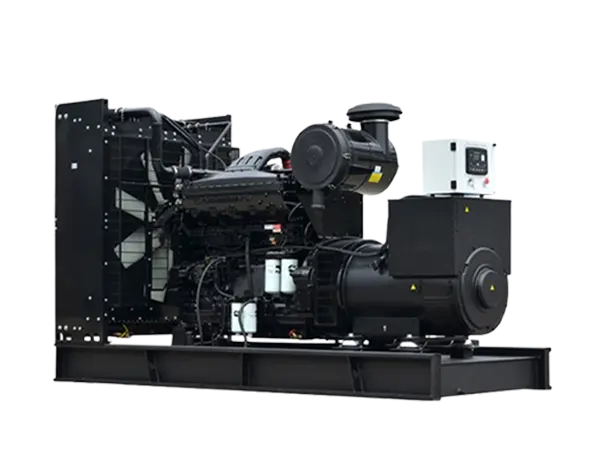 Diesel Generator Sets with Cummins Engines, XHZC Series
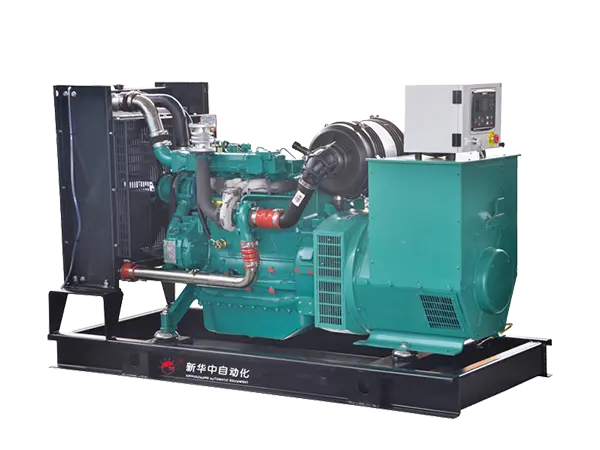 Weichai Series
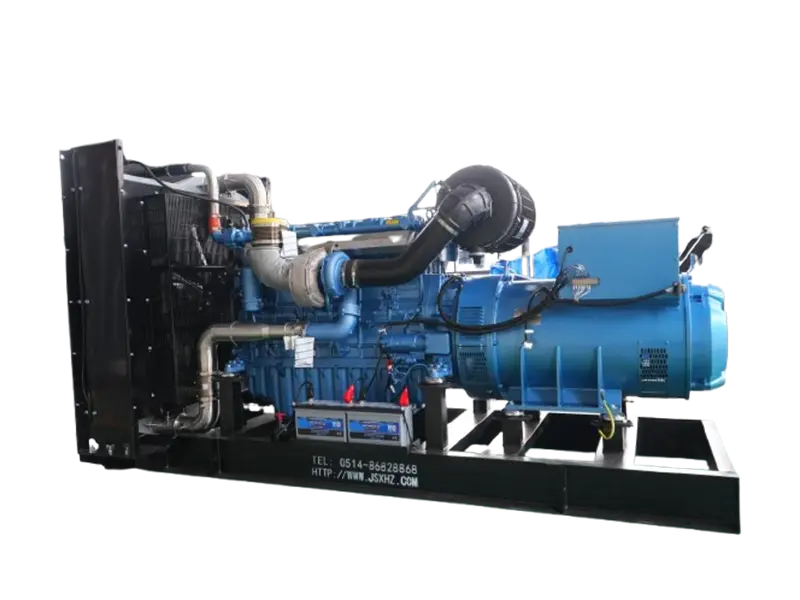 Diesel Generator Sets with WEICHAI Engines, XHZW Series
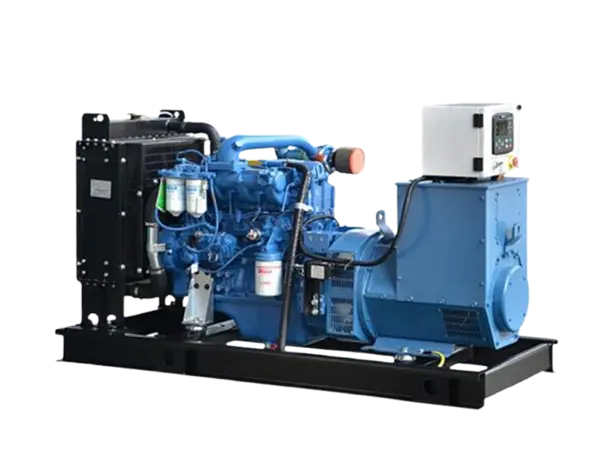 Yuchai Series
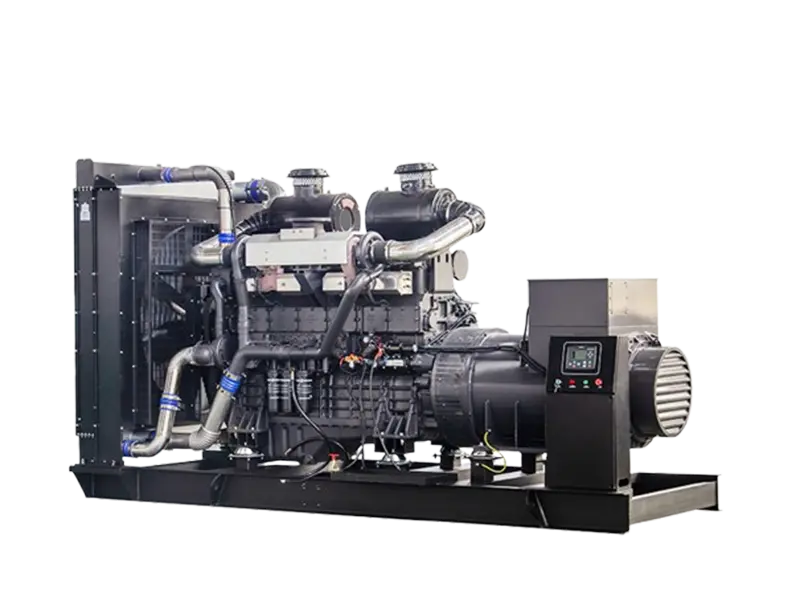 Diesel Generator Sets with SDEC(SHANGCHAI) Engines, XHZS Series
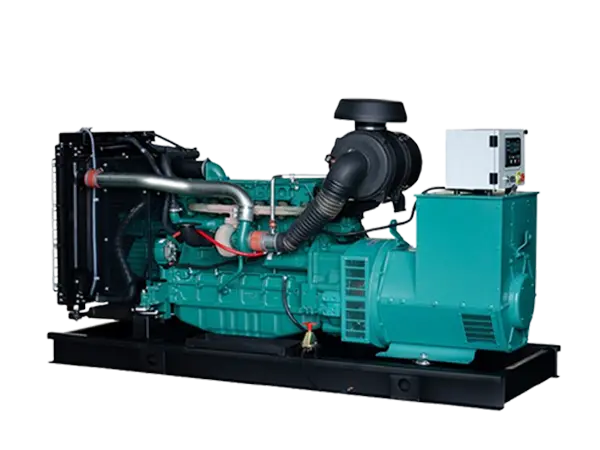 Volvo Series
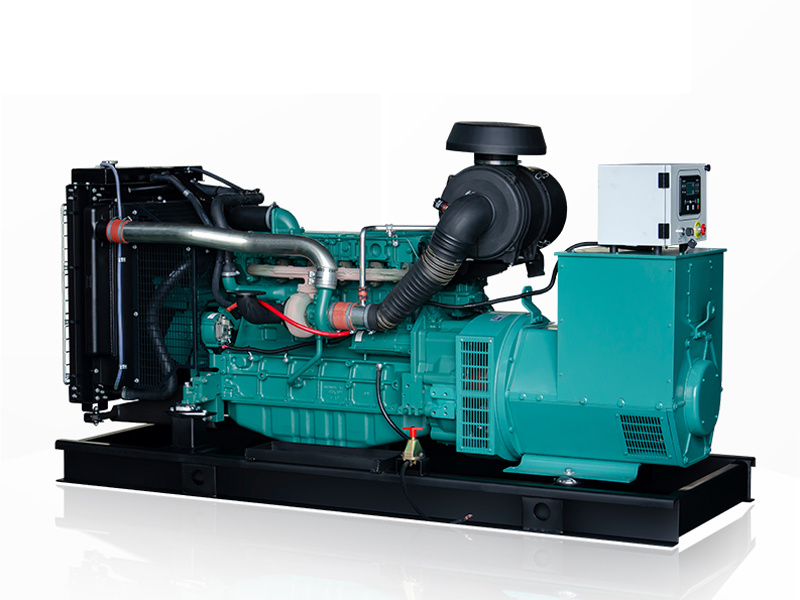 Diesel Generator Sets with VOLVO Engines, XHZV Series
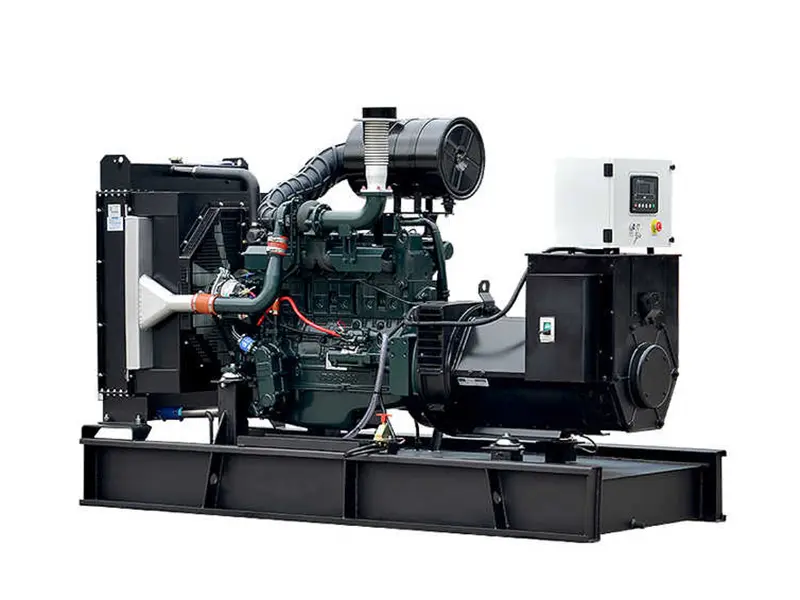 Diesel Generator Sets with Doosan Engines
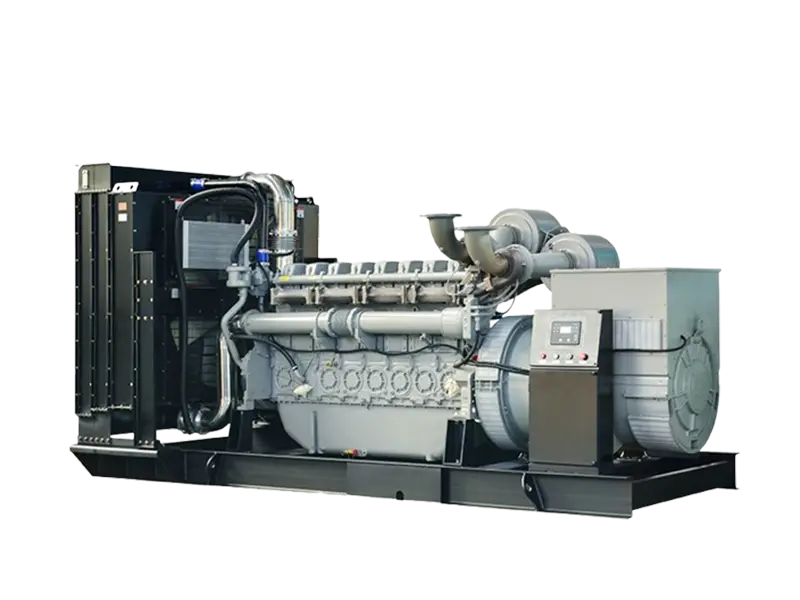 Diesel Generator Sets with Perkins Engines, XHZP Series
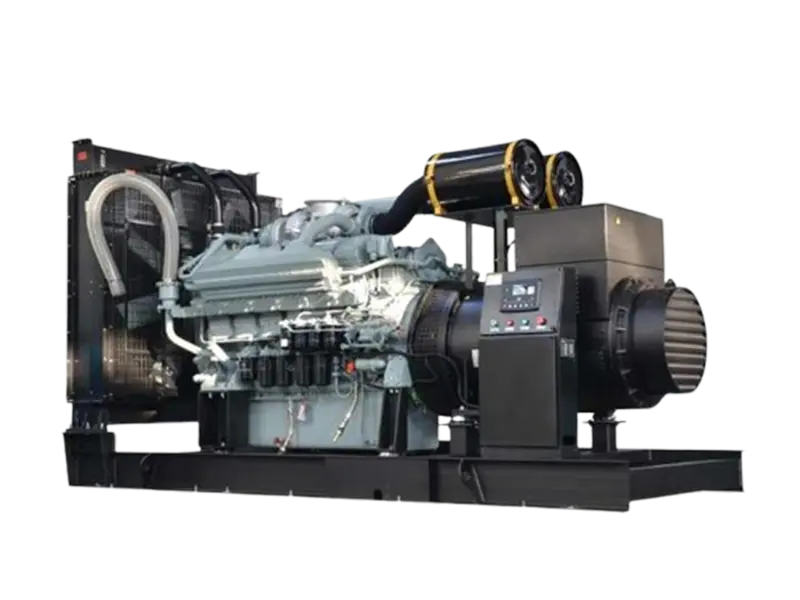 Diesel Generator Sets with Mitsubishi Engines
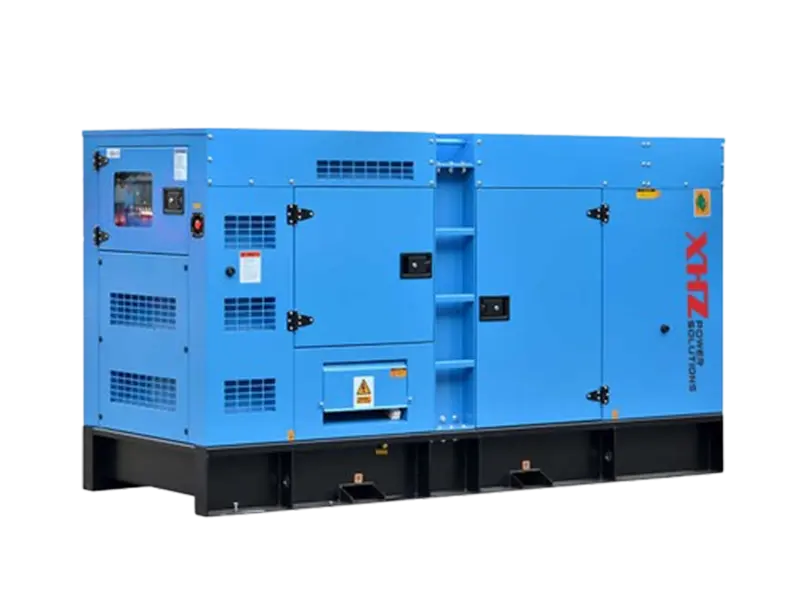 Silent Diesel Generators
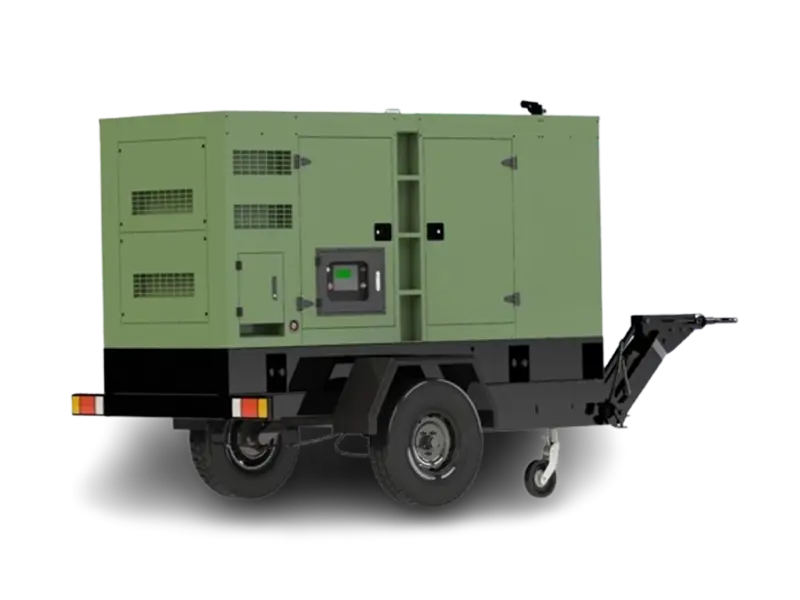 Mobile Silent Diesel Generators
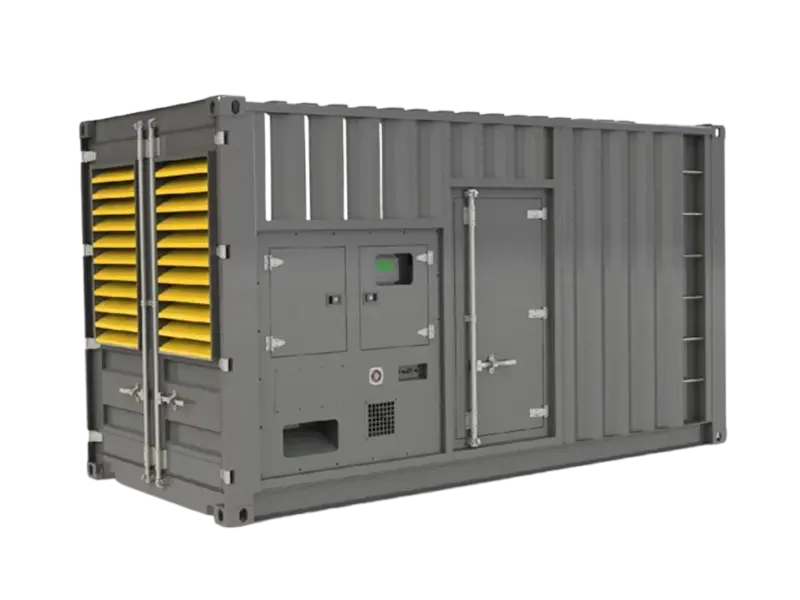 20/40HQ-Standard Container Type Generators